
Understanding Laundry Tub Drain Parts for Efficient Function
Intro
In modern households, efficient drainage systems play a crucial role in maintaining the cleanliness and functionality of laundry spaces. Understanding the specific parts that make up a laundry tub's drainage system can greatly enhance your ability to troubleshoot and maintain this essential component. This article delves into the materials needed for installation, step-by-step processes, technical aspects, and troubleshooting tips to empower homeowners in their DIY endeavors.
Materials:
To successfully install or maintain a laundry tub drain system, you will need the following materials:
- Laundry tub: Standard size (minimum 20 inches width by 24 inches length)
- Drain assembly kit: For a typical laundry tub with a 1.5-inch drain size
- PVC pipes: 1.5-inch schedule 40, various lengths based on your setup
- PVC caps: For sealing any open ends in the piping
- Flexible drain hose: 2 inches in diameter and at least 5 feet long
- Plumber's putty: To create watertight seals
- Silicone sealant: For extra waterproofing around joints
- Mounting hardware: Such as screws and anchors appropriate for your laundry tub setup
DIY Steps:
Step-by-step process:
- Prepare the Workspace: Clear the area around the laundry tub. Ensure access to the plumbing and drainage area.
- Disconnect Previous Drainage: If replacing an existing system, turn off the water supply. Disconnect the old drainage pipes and remove the laundry tub.
- Install the Tub: Place the new laundry tub in position. Use a level to ensure it is perfectly level; adjust as needed.
- Assemble the Drain Kit: Install the drain fitting according to the kit instructions. Ensure it fits snugly to prevent leaks.
- Cut and Attach PVC Pipes: Measure the distance from the drain to the main drain line. Cut PVC pipes accordingly, using a pipe cutter for a clean edge. Attach the pipes with PVC cement.
- Attach the Flexible Drain Hose: Connect one end of the flexible drain hose to the tub’s drain and the other end to the drainage system, ensuring it is secured adequately.
- Seal Joints: Apply plumber’s putty and silicone sealant at all joints to create watertight seals. Allow the sealant to cure for the recommended time.
- Test the System: Turn the water back on and run a test load of laundry. Check for leaks around the connections and seals.
Technical Aspects:
List of Tools:
- Pipe cutter
- Adjustable wrench
- Screwdriver set
- Level
- Tape measure
- Bucket (to catch any water spills)
Timing Specifics:
- Preparation and disconnection: 20-30 minutes
- Installation of new tub and pipes: 1-2 hours
- Sealing and testing: 30 minutes to an hour
Critical Techniques:
- Ensure all connections are tight but do not over-tighten, as this can cause damage to fittings.
- Always test connections for leaks before completing the project.
DIY project Process:
Sequential Steps:
- Gather all materials and tools before starting to prevent delays.
- Follow the installation instructions carefully, referencing manufacturer guidelines.
- Ensure the drain slopes downwards toward the main drain to facilitate proper water flow.
- Regularly check for any signs of leaks or water accumulation after first use.
Troubleshooting Tips:
- If water backs up, check that all pipes are correctly sloped.
- For leaking joints, tighten connections or reapply plumber’s putty or sealant.
- If the drain is slow, inspect for clogs and clear them as necessary, possibly using a plumbing snake or a mixture of vinegar and baking soda.
This comprehensive understanding of laundry tub drain parts can assure homeowners that they can effectively manage and remedy any issues related to their drainage systems.
Preamble to Laundry Tub Drains
Laundry tub drains are a vital yet often overlooked component of household plumbing systems. Understanding these drains is essential for any homeowner who values efficiency and functionality in their home. This section aims to illuminate the key aspects of laundry tub drains, emphasizing their roles and importance in a well-functioning laundry setup.
Effective water drainage not only prevents water damage but also ensures that laundry activities are carried out smoothly. A well-designed drain simplifies washing tasks, allowing for prompt disposal of water and preventing potential overflow. Additionally, understanding this system can help homeowners identify issues before they escalate into costly repairs.
When selecting or maintaining a laundry tub, it's crucial to consider the following elements:
- Design: The layout of the drain affects its efficiency. A proper slope encourages swift water flow.
- Material: Different materials have varying durability and maintenance needs. Familiarity with materials helps in making informed choices during installation or replacement.
- Components: Each part, from the drain basin to P-Trap, plays a distinct role in ensuring functionality.
By recognizing these elements, homeowners can both enhance their laundry experience and extend the life of the plumbing system. An informed approach to laundry tub drains means avoiding common pitfalls, saving both time and money in the long run.
"Understanding the basics of your laundry tub drain can significantly enhance both its efficiency and lifespan."
In summary, knowing about laundry tub drains is not merely a matter of convenience; it is a necessary aspect of effective home maintenance. With this knowledge, homeowners can make better decisions regarding installation, repairs, and overall upkeep of their laundry systems.
Overview of Drainage Functionality
The functionality of drainage systems is a topic of paramount importance in the domain of plumbing. Understanding how these systems operate is critical for maintaining effective water management, especially in household settings. A well-designed drainage system ensures that excess water is directed away efficiently, preventing water from accumulating where it shouldn't. This reduces the risk of damage to the property and preserves the integrity of plumbing systems. Without proper drainage, homes can face a multitude of issues ranging from water stains to severe structural damage.
Importance of Effective Water Drainage
Effective water drainage contributes significantly to the overall health of a home. It mitigates risks associated with stagnant water, which can lead to mold growth and pest infestations. Clogged drains can create a backlog that causes overflows, leading to potential damage to floors and walls. Effective drainage facilitates the timely removal of wastewater, minimizing foul odors and other sanitation problems.
Some benefits of ensuring effective drainage include:
- Protection against water damage: Redirects water away from critical areas.
- Health benefits: Reduces mold and mildew build-up.
- Increased property value: Well-maintained drainage is a selling point for homes.
Basic Principles of Drainage Systems
To grasp how drainage systems function, one must understand some basic principles that drive their design and operation. First, gravity plays a crucial role. Drains are sloped to allow gravity to pull water away from the laundry tub and towards the sewer line. This slope ensures that water flows efficiently, diminishing the chance of blockages.
Another key principle is the composition of the drainage materials involved. Pipes made from PVC and metal each have distinct advantages that contribute to the overall effectiveness of the drainage system. PVC pipes, for instance, are lightweight and resistant to corrosion, whereas metal pipes are often preferred for their durability in certain installations.
In addition, proper ventilation within the drainage system is essential. Adequate venting allows air to enter the system, thereby preventing vacuums that can impede water flow. An unvented system can lead to slow drainage and frequent clogs.
Ultimately, comprehension of these principles allows homeowners and housewives to appreciate the finer details of their laundry tub drainage systems and enhances their ability to maintain and troubleshoot problems as they arise.
Components of Laundry Tub Drains
In understanding the functioning of laundry tub drains, it is crucial to examine the individual components that make up the system. Each part has a specific role, contributing to the overall efficiency of water disposal. Knowing these parts not only aids in their maintenance but also in troubleshooting when issues arise. Homeowners and housewives can benefit from this knowledge to ensure their laundry systems operate smoothly and efficiently.
Drain Basin
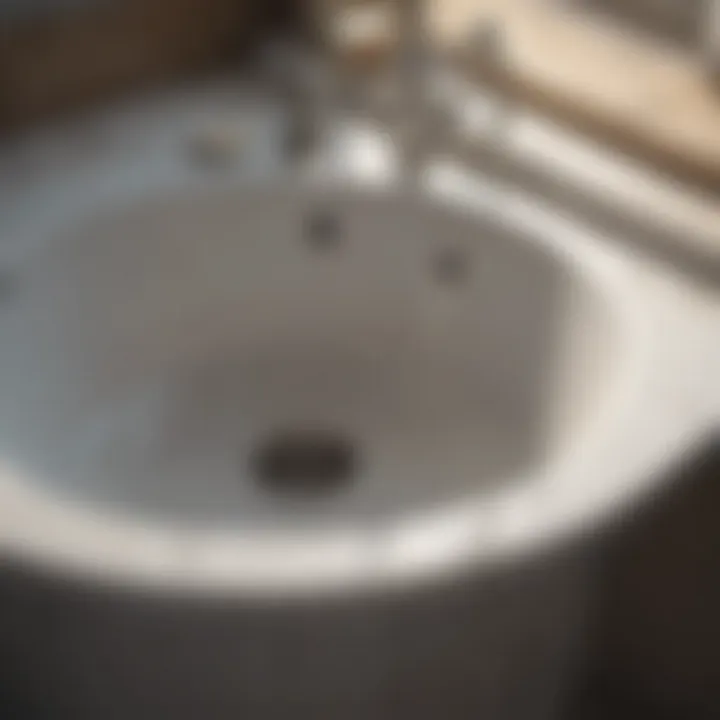
The drain basin is the foremost part of any laundry tub drainage system. It serves as a receptacle for water to flow into before it exits through the drain. Available in various materials, including plastic, stainless steel, and cast iron, the choice of material can influence durability and compatibility with water temperatures. A well-constructed basin prevents leaks and supports heavy loads, making it essential for any laundromat or laundry area.
Considerations for Drain Basins:
- Material Durability: Different materials withstand different types of wear. For instance, stainless steel may resist rust better than plastic.
- Size Compatibility: The basin must fit comfortably within the designated space while providing adequate water capacity.
- Maintenance Ease: Smooth surfaces are easier to clean and less prone to harboring grime.
P-Trap Configuration
The P-trap is a vital component that serves an essential function in any drainage system. It traps water in its bend, creating a seal that prevents sewer gases from entering the home. Proper installation and positioning of the P-trap are essential to maintain this seal.
Variations of P-Trap:
- Standard P-Trap: Most commonly used in residential settings, it fits standard sinks and tubs.
- S-Trap: This variation is often found in older structures but can lead to venting issues.
Selecting the right type and ensuring correct installation significantly enhances drainage performance.
Drain Pipe Material
The choice of drain pipe material impacts the longevity and efficiency of the drainage system. Popular materials include PVC, ABS, and metal pipes. Each type comes with its own advantages and limitations.
PVC vs. Metal Pipes:
- PVC: Lightweight and resistant to corrosion, PVC pipes are simple to install and commonly used in modern plumbing. They also come with fittings that ensure a snug fit.
- Metal: While metal pipes, such as copper, offer durability and resistance to certain types of damage, they may corrode over time and require more maintenance.
Homeowners should evaluate their specific needs and plumbing conditions when selecting pipe materials.
Cleanout Access
Cleanouts are critical access points in a drainage system. They allow for maintenance and inspections, ensuring blockages can be addressed before becoming critical issues. The positioning of these access points is key.
Types of Cleanout Access Points:
- Vertical Cleanouts: Typically placed at the base of risers or at strategic points along horizontal runs.
- Accessible Cleanouts: These should be easy to reach, ideally located in areas with minimal obstruction.
This accessibility makes it easier to maintain the laundry tub drainage system, ensuring it remains in optimal working condition.
Important Note: Component selection and installation impact not only the effectiveness of drainage but also the potential for future issues. Effective planning can prevent cascading problems down the road.
Drain Basin Explained
The drain basin is a pivotal component of any laundry tub drainage system. It serves as the collection point for water runoff that flows from the laundry tub. Understanding the drain basin is essential for homeowners, as it impacts the overall functionality and efficiency of the drainage system. A well-designed drain basin facilitates effective water removal and minimizes the risk of clogs and overflows.
When choosing a drain basin, one should consider several specific elements. These include the material options, sizes, and shapes of the basin. Each of these factors significantly contributes to how well the basin performs in daily operations. The right selection ensures longevity and reduces the need for frequent maintenance.
Material Options for Drain Basins
Drain basins come in various types of materials, each offering distinct benefits. The most common materials used are:
- Plastic: Lightweight and resistant to rust and corrosion. Plastic basins are easier to install and tend to be cost-effective. They can, however, be less durable than metal options.
- Stainless Steel: This material is resistant to corrosion and offers great strength. Stainless steel basins have a sleek look and can blend well with modern laundry room designs. They are long-lasting, though typically more expensive.
- Cast Iron: Known for durability and longevity, cast iron basins provide excellent resistance to wear and tear. However, they are very heavy and can require more labor to install.
Choosing the right material often depends on individual preferences, budget constraints, and the specific demands of the laundry space.
Sizes and Shapes
The sizes and shapes of drain basins are critical considerations that vary depending on the laundry room configuration and the user's requirements. Drain basins typically come in both circular and rectangular shapes.
- Circular Basins: Often ideal for smaller spaces, they can fit neatly in tight areas while still managing effective water drainage.
- Rectangular Basins: Offer greater capacity, making them suitable for larger laundry setups. They can accommodate more water flow and are often easier to clean.
Size considerations also play a crucial role. A larger drain basin may be necessary for households with higher laundry demands. On the other hand, smaller basins might suffice for occasional use.
P-Trap: Function and Variety
The P-Trap plays a crucial role in the overall efficiency of laundry tub drainage systems. This component not only aids in the elimination of wastewater but also serves as a barrier against harmful sewer gases. Understanding how it functions and the different types available can help homeowners make informed decisions during plumbing installations or repairs.
Purpose of the P-Trap
At its core, the purpose of the P-Trap is to prevent sewer odors from entering the laundry area. The unique shape resembles the letter "P," which retains a small amount of water in its bend. This water acts as a seal, blocking sewer gases from escaping into the home. Additionally, P-Traps facilitate the smooth flow of wastewater, preventing clogs that may occur without proper drainage strategies.
The P-Trap also enables effective access for cleaning and maintenance. Should blockages arise, the design permits easy removal and inspection of the trap without significant dismantling of the plumbing system. This simplicity in access can save both time and money in potential repairs.
Types of P-Traps
Choosing the right type of P-Trap is essential for effective drainage. There are several varieties available, with each designed to meet specific needs. Here are the primary types:
- Standard P-Trap: Commonly used in household plumbing, this version is made from materials like PVC or metal. It consists of a curved pipe with a threaded connection for easy installation.
- Mini P-Trap: Used in tighter spaces, this compact version fits under smaller sinks or tubs. Its smaller size reduces the amount of water retained but still serves its basic function effectively.
- Double P-Trap: Ideal for applications with two sinks or washing machines, this design includes two traps connected to a single drain line. It ensures each unit has a separate water seal.
- Trap Adapter: This connection allows for the integration of existing plumbing with newer P-Trap designs. It is particularly useful when upgrading plumbing systems.
Each type of P-Trap has its advantages and considerations. When selecting one, homeowners should consider the plumbing layout, available space, and material preferences. Implementing the right P-Trap enhances not only functionality but also contributes to overall plumbing health.
A well-installed P-Trap is vital for preventing both odors and plumbing issues.
In summary, understanding the P-Trap, its purpose, and the available types can significantly impact a laundry tub's efficiency and longevity. This knowledge empowers homeowners to address drainage systems with confidence.
Drain Pipe Choices
Choosing the right drain pipe is crucial for the overall efficacy of laundry tub drainage systems. This section illuminates the significance of selecting a pipe that not only fits your operational demands but also stands the test of time. Factors like material properties, installation practices, and longevity all play vital roles in ensuring a well-functioning drainage system. An appropriate selection can mitigate issues such as leaks, clogs, and corrosion, ultimately leading to enhanced efficiency and reduced maintenance costs.
PVC vs. Metal Pipes
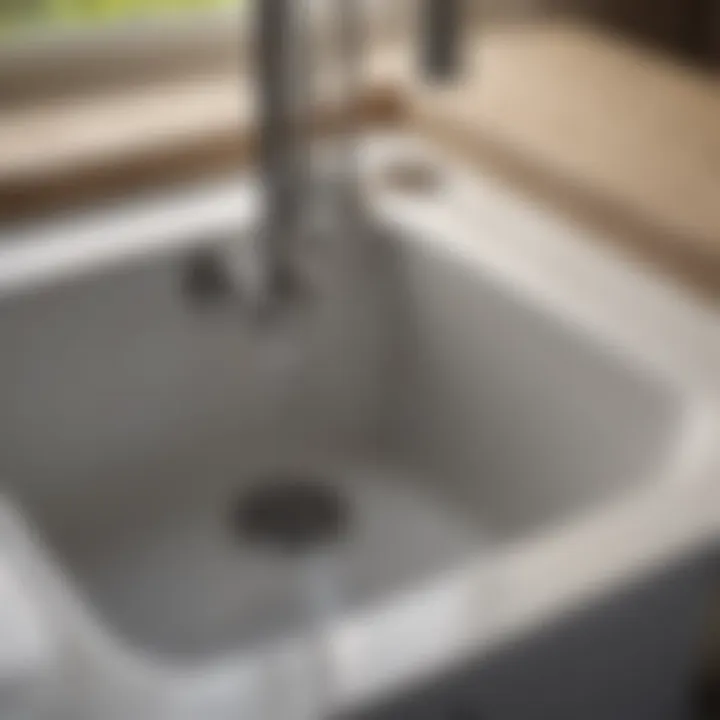
When comparing PVC and metal pipes for laundry tub drains, each material offers distinct advantages and disadvantages. Here’s a brief overview:
- PVC (Polyvinyl Chloride) Pipes:
- Lightweight: PVC pipes are easy to handle and transport, which simplifies installation.
- Corrosion Resistant: They do not corrode, making them a reliable option for long-term use.
- Cost-Effective: Generally more affordable than metal alternatives.
- Smooth Interior Surface: This reduces friction, aiding in effective water flow and minimizing clogging.
"PVC pipes provide excellent durability and corrosion resistance, making them a popular choice in many residential applications."
- Metal Pipes (Copper, Galvanized Steel):
- Strength and Durability: Metal pipes are robust and can withstand high pressure.
- Temperature Resilience: They perform well at high temperatures but can corrode or rust over time.
- Higher Initial Cost: The price point for metal piping is often higher than PVC, as are installation costs.
- Recyclable: They have an advantage in terms of environmental impact if disposed of correctly.
Connecting Pipe Components
Connecting the various pipe components is an integral part of the drainage system. Proper connections ensure that everything functions smoothly and effectively. Here are a few key aspects to consider:
- Types of Connections:
- Sealing for Leak Prevention:
- Alignment and Angle:
- Slip Joints: Commonly used for connecting sections of PVC pipes.
- Threaded Connections: Often found with metal pipes. These use threads to create a tight joint.
- Glue or Cement for PVC: A solvent is applied to join PVC pieces securely.
- Always use appropriate sealants for connections to avoid leaks.
- Inspect connections regularly for any signs of wear or moisture.
- Pipes should align correctly to prevent backflow and maintain optimal water flow.
- Ensure angled fittings are used correctly to facilitate drainage.
By ensuring well-executed connections, homeowners can reduce the potential for slow drainage and leaks, making maintenance easier and enhancing the system’s lifetime.
Cleanout Access Importance
The cleanout access in laundry tub drain systems is crucial for maintaining proper drainage functionality. Understanding the importance of this access point can significantly impact the longevity and efficiency of your plumbing system. Regular maintenance is vital to prevent serious plumbing issues that can result from neglect.
Cleanouts provide vital access to your drain pipes, enabling thorough inspections and cleaning as needed.
Each drainage system requires periodic checks. Over time, sediment and waste can accumulate in pipes, leading to blockages. Cleanout access simplifies this maintenance process, allowing homeowners to inspect the plumbing without dismantling extensive sections of their drainage system. Moreover, having proper cleanout access can save time and money in the long run.
Need for Maintenance Access
Having a cleanout access point is more than a convenience; it is an essential part of maintaining a laundry tub drainage system. Without it, blockages may go unnoticed, causing further complications. When clogs occur, they can lead to water backup, which can damage flooring or other areas of the house.
Homeowners will find that maintaining flexible access to the drains can prevent these issues. It aids in the removal of hair, soap scum, and other debris that often accumulate over time.
Types of Cleanout Access Points
There are several types of cleanout access points that homeowners should be aware of:
- Screw Cap Cleanouts: These are often used and can be opened manually to allow access to the plumbing.
- Flush Cleanouts: These sit flush to the ground level and are used primarily in underground plumbing.
- Accessible Cleanout Fittings: More complex designs that ensure access in tight spaces, typically requiring specific tools for opening.
Each type serves its purpose in ensuring effective maintenance is possible. Choosing the right cleanout design may depend on individual drainage systems and personal preferences. Being informed about these access points provides clarity on how best to maintain a laundry tub drainage system.
Common Issues with Laundry Tub Drains
Understanding the common issues with laundry tub drains is essential for any homeowner. Recognizing these problems early can save you time, money, and serious headaches. Many factors contribute to drainage problems, and knowing how to identify and address them is crucial. In this section, we will look at three primary issues: clogs and blockages, slow draining problems, and leaks that can lead to water damage. Each issue has its unique characteristics and solutions.
Clogs and Blockages
Clogs are among the most frequent problems laundry tub drains face. They can occur due to various materials accumulating in the pipes, such as detergent residue, hair, fabric softener sheets, and other debris. Over time, these materials can solidify and create a blockage that hampers water flow.
To avoid clogs, regular maintenance is the key. Homeowners should consider the following actions:
- Using drain covers: These can catch hair and larger debris before they enter the drain.
- Regular cleanouts: Clean the trap and pipes periodically to keep them free of buildup.
- Avoid flushing inappropriate materials: Educate household members about what can and cannot be washed down the drain.
In case of clogs, identifying the location is crucial. If the blockage is within the P-trap or the immediate plumbing, it can often be cleared with a plunger or a plumber’s snake. For deeper clogs, it may require professional intervention.
Slow Draining Problems
Slow draining issues can indicate a minor problem or a more severe concern. When water takes longer than usual to leave the tub, it can lead to water pooling and create an unsightly environment. The primary causes include:
- Partial clogs: Like full clogs, partial blockages can create resistance in the drainage system.
- Pipe pitch issues: If the pipes are not sloped correctly, water won't flow smoothly.
- Ventilation problems: Poor air circulation in the drainage system can create pressure changes, leading to slow drainage.
Regularly checking the drainage speed is good practice. Homeowners should look for changes in the efficiency of their drains. If slow draining becomes persistent, it is advisable to investigate quickly to avert major repairs that could be costly.
Leaks and Water Damage
Leaks are another critical issue that can arise with laundry tub drains. Water damage can lead to mold growth, wall damage, and structural issues in your home. Identifying leaks early is vital to preventing costly repairs. Common signs of leaking include:
- Dampness or discoloration around the tub: This could indicate water escape from cracks in the drainage system or loose fittings.
- Water pooling: If you see water accumulating under the tub or around the drain, it may signal a serious leak.
- Strange noises: Gurgling sounds can indicate air trapped in the system due to leaks.
To address leaks, immediate action is required. Homeowners can:
- Check joints and connections: Ensure they are tight and functioning properly.
- Inspect for visible damage: Look for cracks or corrosion.
- Consult a professional: In some instances, pipeline repairs or replacements may be necessary, and professionals can conduct thorough inspections to ensure everything is in order.
Remember: Prompt attention to leaks can prevent them from progressing into more complex and expensive issues.
By understanding these common problems with laundry tub drains and actively engaging in maintenance, homeowners can ensure a more efficient and functional laundry space.
Troubleshooting Drainage Issues
Troubleshooting drainage issues is a vital aspect of maintaining the efficiency of a laundry tub drainage system. Understanding how to effectively diagnose and resolve these problems can save both time and money. As systems age or face heavy use, clogs and slow drainage can become common problems. Proper troubleshooting helps maintain the integrity of plumbing systems. It also prevents further complications that could lead to serious leaks or water damage.
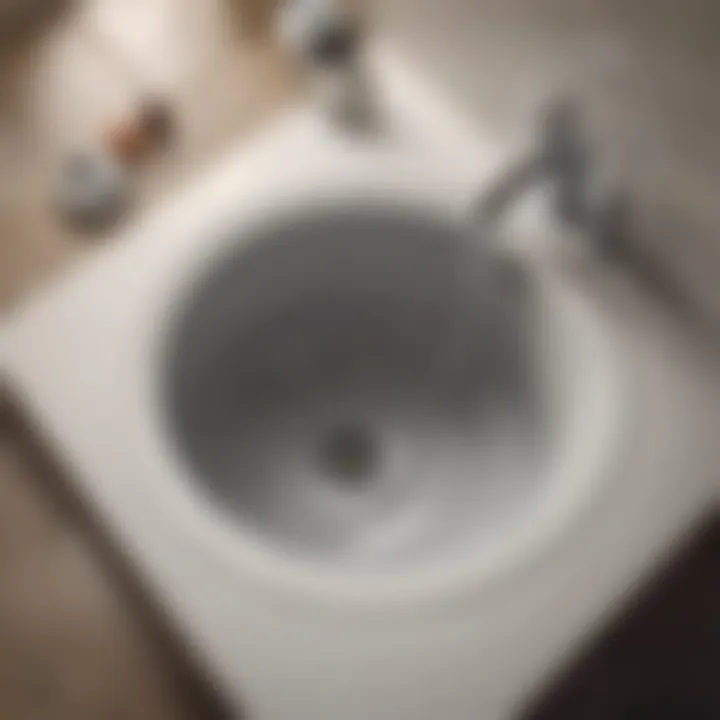
Identifying the Source of Clogs
The first step in troubleshooting is to identify where the clog is occurring. It may be in the drain itself, the P-trap, or even further down the piping network. Common signs of a clog include slow draining water, gurgling noises, or visible overflow in the basin.
- Visible Inspection: Check for any visible debris in the drain or the basin. Hair, soap scum, and other materials can easily impede water flow.
- Test Drainage Speed: Run water and observe the speed at which it drains. If water accumulates quickly, the drain may be obstructed.
- Listen for Unusual Sounds: Gurgling noises can indicate a blockage either in the drain or in the venting system.
- Smell for Odors: Bad odors could signal stagnant water caused by a blockage further down the line.
By conducting these checks, homeowners can accurately pinpoint the location of the clog, enabling effective action in the following steps.
Steps for Clearing Blockages
Clearing blockages can range from simple tasks to more complex interventions, depending on the severity of the clog. Here are some straightforward steps to effectively address drainage blockages:
- Use a Plunger: Start with a basic tool like a plunger, especially if the blockage is close to the drain. Create a strong seal around the drain before pushing down and pulling up aggressively. This movement can dislodge smaller clogs.
- Try a Trap Snake: If the plunger does not work, consider a drain snake. Carefully insert the snake into the drain to capture the clog and pull it out.
- Dissolve with Chemicals: For stubborn clogs, chemical drain cleaners can help but require caution. Ensure to read labels for proper use, and remember that frequent use may damage pipes.
- Inspect the P-Trap: Sometimes, the P-trap may hold debris that is causing the blockage. Disconnect the trap and clean it out thoroughly. Make sure to replace it securely to prevent leaks.
- Seek Professional Help: If these methods fail, it might be time to contact a plumber. Persistent drainage issues may indicate more substantial problems in the plumbing system.
"Regular checks and proactive maintenance can mitigate many of the clogged drain problems before they require extensive intervention."
By following these steps, the chances of quickly resolving drainage issues increase significantly. Homeowners can maintain an efficient laundry tub system and mitigate risks of leaks and water damage in their homes.
Preventative Maintenance Strategies
Preventative maintenance is key to ensuring the longevity and effective functionalility of laundry tub drains. By taking proactive steps, homeowners can avoid costly repairs and disruptions. Understanding these strategies provides insight into maintaining an efficient water drainage system.
Regular Cleanouts
One of the simplest and most effective preventative maintenance strategies is regular cleanouts. Over time, debris, soap scum, and other residues accumulate in the drain. This buildup can result in clogs and slow draining issues. To prevent these problems, homeowners should schedule cleanouts every few months.
- Tools Needed: A plumber's snake, a bucket, and gloves.
- Steps:
- Begin by removing the drain cover or stopper from the laundry tub.
- Use the plumber's snake to reach into the drain and break up any clogs.
- Collect any debris in the bucket.
- Rinse the drain with hot water to flush out any remaining materials.
Conducting cleanouts not only promotes better drainage but also extends the life of the drain's components by limiting wear and excess stress on the system.
Using Drain Covers
Installing drain covers is another vital aspect of preventative maintenance. These covers act as a barrier, preventing larger objects from entering the drain and causing obstructions.
- Benefits of Drain Covers:
- They minimize debris entering the drain, which reduces clogging.
- Easier to clean, as surfaces are less exposed to grime.
- Can deter pests and unwanted odors from developing in the drain.
Homeowners should choose covers that are durable and fit snugly over drains. Regularly checking them for wear and tear is advisable. In addition, clean the covers frequently to ensure they do not trap water and create a breeding ground for bacteria.
"Effective preventative maintenance saves time, effort, and expenses in the long run."
By implementing regular cleanouts and using drain covers, homeowners can drastically reduce the chances of future drainage issues. These strategies help maintain a smoothly functioning laundry tub drain, contributing to a more pleasant laundry experience.
Installation Considerations
When addressing the installation of laundry tub drains, certain considerations play a vital role in ensuring both functionality and efficiency. A well-planned installation minimizes future problems and maintenance needs. It is essential to understand the layout, materials, and tools required for success. Each element contributes not only to effective drainage but also to the longevity and performance of the system.
Planning Drain Installation
Effective planning for drain installation begins with careful assessment of the space. Factors such as the tub's location, the type of flooring, and existing plumbing configurations matter significantly. Begin by mapping out where the laundry tub will reside and check the accessibility of water and drainage lines.
Considerations include:
- Local Building Codes: Be aware of any regional regulations that dictate plumbing installations.
- Drainage Slope: Maintaining an appropriate slope for the drain is crucial. A slope of 1/4 inch for every foot of drainage pipe is often recommended to ensure smooth water flow.
- Ventilation: Proper ventilation prevents siphoning and promotes efficient drainage. Plan for appropriate vent pipes when sketching your layout.
Creating a detailed diagram can aid in visualizing the entire process, thus preventing errors during installation.
Tools and Materials Required
Gathering necessary tools and materials prior to beginning the installation is a strategic approach. It saves time and reduces frustration later in the process. Some essential items include:
- Tools:
- Materials:
- Pipe Wrench: Assists in tightening and loosening fittings.
- Drill: Useful for making holes for pipes and fittings.
- Level: Ensures proper slope and alignment of the drainage system.
- Pipes: PVC is a popular choice due to its durability and ease of installation.
- Fittings: Various elbows, tees, and couplings aligned with the plumbing layout.
- Sealant: Necessary for keeping joints watertight.
Having these tools and materials ready can facilitate a smooth installation.
"Proper planning and preparation can simplify even the most complex installations."
Adhering to a systematic approach in installation considerations will set a positive foundation for your laundry tub drainage system, ultimately leading to effective functionality and less frequent maintenance.
Culmination: Importance of Knowledge on Drain Parts
Understanding the various components that make up laundry tub drainage systems is crucial for both effective maintenance and potential installation. Knowledge about these drain parts allows homeowners to tackle issues more efficiently and avoids unnecessary costs associated with professional repairs. Additionally, having a clear grasp of how different components work together can help prevent future problems.
Specific Benefits of Knowledge
- Informed Maintenance: Homeowners who understand the function of each drain component can proactively engage in regular maintenance. This minimizes the risk of clogs and leaks, ensuring a smoother draining process.
- Cost Efficiency: By grasping the key elements of their drainage systems, individuals can identify issues early on. Early detection can lead to DIY solutions, saving on potential repair costs.
- Smart Renovation Decisions: When planning changes to the laundry space, knowledge about drainage parts informs better decision-making concerning renovations or upgrades.
Considerations About Drain Parts
- Material Choices: Understanding the differences between materials like PVC and metal can influence the durability and functionality of the drainage system.
- Compliance with Regulations: Knowledge of local plumbing codes is essential to ensure that any drainage installations meet legal standards, preventing future complications.
- Efficient Troubleshooting: Familiarity with common issues and their respective solutions equips homeowners with the tools necessary to address problems swiftly, reducing frustration.
"A proactive approach in understanding your household maintenance can enhance the longevity and efficiency of systems in your home."
Final Thoughts
In summary, familiarity with the components and function of laundry tub drain parts arms homeowners with the insights needed to maintain a functional drainage system. As plumbing issues arise, being well-informed will lead to better decisions, saving both time and money while improving the overall efficiency of the laundry space.