Conquering the Challenge of Tiny Ants in Texas Bathrooms


Materials:
To tackle the nuisance of tiny ants infesting your Texas bathroom, you will need to gather the following materials:
- Ant bait stations: 6 units
- Ant gel bait: 1 tube
- Caulk: 1 tube
- Vinegar: 1 gallon
- Lemon essential oil: 1 bottle
- Spray bottle: 1
- Dish soap: 1 bottle
- Sponge: 1
DIY Steps:
- Identifying Ant Species: Begin by studying the types of ants present in your bathroom to determine the most effective eradication method.
- Locate Entry Points: Inspect your bathroom thoroughly to identify possible entryways for the ants.
- Eliminate Attraction Sources: Keep your bathroom clean and free of any food or water sources that may attract ants.
- Apply Ant Bait: Strategically place ant bait stations in areas where ant activity is high.
- Seal Entry Points: Use caulk to seal off any crevices or cracks where ants might be entering.
- Create a Repellent: Mix vinegar and lemon essential oil in the spray bottle to create a natural ant repellent.
- Clean with Dish Soap: Use a mixture of dish soap and water to clean surfaces to deter ant trails.
Technical Aspects:
- Tools: You will require a caulking gun, spray bottle, sponge, and gloves for safety.
- Timing: Perform these steps in the evening or early morning when ants are most active.
- Critical Techniques: Ensure thorough sealing of entry points and consistent placement of ant bait.
DIY Project Process:
- Identify and Prepare: Start by researching and gathering all materials and tools needed for the project.
- Ant Eradication: Follow the steps meticulously, from bait placement to sealing entry points and creating a repellent.
- Maintenance: Continue to monitor the bathroom for any ant activity and make adjustments as needed.
Troubleshooting Tips:
- If the bait stations are not effective, try switching to a different type of ant bait.
- Reapply the repellent regularly to maintain its effectiveness against ants.
Introduction
Overview of Tiny Ants
Tiny ants, while individually small in size, can pose significant issues when they invade bathroom spaces. The defining characteristics of these ants make them particularly adaptable to thriving in bathroom environments. Their minute size allows them to access even the tiniest crevices, making eradication a challenging task. Concerns in bathroom infestations go beyond mere annoyance, as these pests can contaminate areas where personal hygiene is essential, posing health risks.
Defining Characteristics
The defining characteristic of tiny ants lies in their ability to form large colonies rapidly, enabling them to establish a strong presence in bathroom settings. Their small size and efficient foraging abilities make them adept at locating food sources within bathrooms, leading to persistent infestations. Despite their minuscule stature, these ants can reproduce at a rapid rate, compounding the infestation problem within a short period. Understanding this characteristic is crucial in devising effective eradication strategies.
Concerns in Bathroom Infestations
Concerns related to tiny ants infesting bathrooms revolve around the potential health hazards they pose. These ants can harbor bacteria and pathogens, contaminating bathroom surfaces and compromising sanitary conditions. Additionally, their presence in living spaces can trigger allergic reactions in sensitive individuals. Mitigating these concerns requires prompt action and thorough pest management techniques to ensure a hygienic environment.
Specific Focus on Texas
Texas, known for its diverse ecosystem, harbors various species of ants that are commonly found in residential areas. Understanding the specific ant species prevalent in Texas is essential for targeted pest control measures. Environmental factors unique to Texas can significantly influence the prevalence of ant infestations in bathrooms, necessitating tailored solutions for effective eradication.
Common Ant Species in Texas
Among the common ant species in Texas, the most prevalent ones that invade bathrooms include species X, Y, and Z. These ants exhibit distinct behavior patterns that make them well-adapted to bathroom environments. The ability of these species to thrive in humid conditions and seek water sources within households make them particularly troublesome for homeowners. Recognizing these common ant species is crucial for implementing appropriate pest management strategies.
Environmental Factors Influencing Infestations
Environmental factors play a critical role in shaping ant infestations in Texas bathrooms. The high humidity levels in the region, especially during certain seasons, create favorable conditions for ant colonies to establish and expand. Additionally, the availability of food sources within and around residential buildings promotes ant activity. Addressing these environmental triggers is essential in preventing recurrent infestations.
Identification of Tiny Ants
Physical Attributes
Size and Coloration
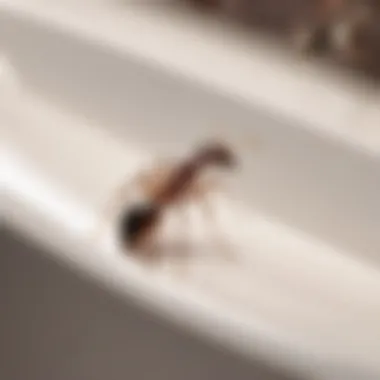
When it comes to examining the physical attributes of tiny ants, their size and coloration are key factors to consider. In the context of this article, understanding the size and coloration of ants allows homeowners to distinguish between different ant species commonly found in Texas bathrooms. Small in size, ranging from 1.5 to 3.0 millimeters, these ants typically exhibit variations in color, with shades of brown, black, or reddish hues. The miniature stature of these ants makes them adept at infiltrating even the smallest crevices in bathrooms, posing a challenge for homeowners in detecting and eliminating them efficiently.
Distinctive Features
Within the realm of physical attributes, the distinctive features of tiny ants further contribute to their identification within a bathroom setting. These features may include elongated bodies, segmented antennae, and the presence of a distinct waist, distinguishing them from other common household insects. By recognizing these unique characteristics, homeowners can quickly differentiate between benign ants and potentially harmful species, aiding in the implementation of targeted pest control measures. Understanding the distinctive features of tiny ants provides a foundational knowledge base for combating infestations and safeguarding the hygiene of bathroom spaces.
Behavioral Patterns
Trail Formation
The behavioral pattern of trail formation exhibited by tiny ants is a notable aspect that influences the detection and management of infestations in Texas bathrooms. These ants follow pheromone trails laid down by their fellow colony members, creating a visible pathway that leads back to their nest. This behavior allows them to establish efficient foraging routes within bathroom environments, targeting water sources and food residues. Homeowners can leverage this knowledge by observing and tracking ant trails to pinpoint entry points and nest locations, facilitating targeted pest control strategies for maximum effectiveness.

Feeding Habits
Understanding the feeding habits of tiny ants is essential for devising comprehensive pest management techniques tailored to their dietary preferences. These ants are attracted to sugary substances, proteins, fats, and starches commonly found in bathroom settings, such as toothpaste residue, cosmetics, and soap scum. By comprehending their feeding habits, homeowners can strategically eliminate food sources, implement preventive measures, and utilize specific ant baits to disrupt their foraging activities. A nuanced understanding of the feeding habits of tiny ants equips individuals with the foresight needed to mitigate infestations and maintain a hygienic bathroom environment.
Causes of Infestation
In understanding the complex issue of ant infestations in Texas bathrooms, it is crucial to delve deep into the causes of infestation. By focusing on this pivotal topic, homeowners can gain valuable insights into the factors contributing to the pervasive presence of tiny ants in their living spaces. Unraveling the mysteries behind why these minuscule creatures choose to invade bathrooms can lead to more effective eradication and prevention strategies.
Environmental Factors
Moisture Levels
One of the primary environmental factors that perpetuate ant infestations in bathrooms is moisture levels. The high humidity and damp conditions commonly found in bathrooms create an ideal breeding ground for ants. The continuous presence of water droplets on surfaces offers a source of hydration for these tiny insects. Moist crevices and damp corners become attractive spots for ants to establish colonies due to the constant availability of moisture. Despite being a natural consequence of bathroom activities like showering and bathing, excessive moisture levels can stimulate ant infestations. Homeowners must address this issue promptly to disrupt the ant's attraction to wet environments.
Food Sources
In the realm of ant infestations, food sources play a significant role in sustaining their presence within bathrooms. Ants are adept scavengers that seek out food crumbs, spills, and residues as their primary source of sustenance. The bathroom, despite being an unconventional food hub, can harbor hidden food debris that inadvertently lures ants indoors. Careless storage of toiletries and neglecting to clean up after personal care activities can inadvertently provide ants with a feast. Furthermore, organic matter present in drains or overlooked spills serves as a buffet for foraging ants. Recognizing and eliminating these accessible food sources is paramount to curbing ant infestations in bathrooms.
Entry Points
Vulnerabilities in Bathroom
Identifying vulnerabilities in the bathroom structure is essential to understanding how ants gain access to indoor spaces. Small gaps in walls, cracks in tiles, or poorly sealed windows present potential entry points for determined ants. These microscopic invaders exploit the tiniest openings to infiltrate bathrooms in search of shelter, moisture, and food sources. The slightest oversight in maintaining the bathroom's integrity can pave the way for ant infiltration. Regular inspection and reinforcement of bathroom vulnerabilities are crucial steps in deterring ant intrusions.
External Access Routes
Ant infestations in bathrooms often originate from external access routes that provide ants with direct pathways into homes. Trees, shrubs, or exterior features in proximity to the house can serve as bridges for ants seeking indoor refuge. Overhanging branches or foliage touching the house exterior create convenient highways for ants to traverse. Additionally, cracks in foundations or improperly sealed vents offer unobstructed routes for ants to navigate indoors. Monitoring and securing external access points is a preemptive strategy to prevent ant infestations from spilling into bathrooms.
Treatment and Prevention
Natural Remedies


Diatomaceous Earth
Diatomaceous Earth stands out as a powerful natural remedy for combating ant infestations in bathrooms. Its key characteristic lies in its ability to dehydrate and ultimately eliminate ants by disrupting their exoskeletons. This environmentally friendly substance proves to be a popular choice due to its non-toxic nature, making it safe for household use. One unique feature of Diatomaceous Earth is its long-lasting effects, providing continuous protection against ants while posing minimal risks to humans or pets. Its main advantage in this context is its ability to target ants directly, offering a non-invasive yet effective solution.
Peppermint Oil Spray
Peppermint oil spray emerges as another valuable natural remedy in the battle against tiny ants. Its signature characteristic lies in its strong, pleasant scent that repels ants and disrupts their communication pathways, hindering their access to the bathroom. The unique feature of Peppermint Oil Spray is its dual functionality as a repellent and freshener, leaving behind a refreshing aroma while warding off unwanted ant intrusions. One advantage of using this spray is its non-toxic composition, ensuring a safe environment for both residents and pets. However, its main disadvantage could be the need for more frequent reapplication to maintain its effectiveness.
Professional Pest Control
Effective Chemical Treatments
For households facing persistent ant issues, professional pest control services may recommend effective chemical treatments. These treatments target ant colonies directly, eradicating them swiftly to eliminate the infestation at its source. The key characteristic of chemical treatments is their potent formulation, designed to tackle ant populations efficiently. This method proves to be a popular choice for its rapid results and precision in targeting specific problem areas. However, one disadvantage to consider is the potential exposure to harsh chemicals, necessitating caution during and after the treatment process.
Sealing Techniques
Sealing techniques play a pivotal role in preventing future ant infestations by blocking potential entry points. The key characteristic of sealing techniques lies in their ability to fortify vulnerable areas in the bathroom, such as gaps around pipes or cracks in walls. By caulking and sealing these openings, homeowners can create a barrier that deters ants from infiltrating their living spaces. The unique feature of sealing techniques is their long-term effectiveness, providing lasting protection against ant invasions. An advantage of this method is its non-invasive nature, offering a preventive solution without the need for extensive chemical treatments. However, a potential disadvantage could be the initial time and effort required to identify and seal all potential entry points.
Conclusion
Summary of Key Points
Impact of Ants in Bathroom
The impact of ants in a bathroom is a significant aspect to consider when grappling with pest control in Texas. These tiny insects can not only be a nuisance but also carry health risks and cause damage to property. By addressing the impact of ants in the bathroom, individuals can better appreciate the urgent need to tackle infestations promptly. Understanding the behaviors of these insects and their preferences in terms of habitat is crucial for effective eradication. This section outlines the critical importance of recognizing the impact of ants in the bathroom and emphasizes proactive measures to safeguard against these persistent invaders.
Importance of Timely Action
Timely action is key in the battle against tiny ants in a Texas bathroom. Delaying intervention can escalate the infestation, leading to more significant challenges in eradication. The importance of swift and decisive action lies in preventing the proliferation of ants within the bathroom space and minimizing the potential risks associated with their presence. By highlighting the significance of timely action, individuals are encouraged to prioritize prompt responses to ant sightings and infestations. This ensures that the problem is addressed effectively and mitigated before it escalates further.
Long-Term Maintenance
Routine Inspections
Routine inspections play a crucial role in long-term maintenance against tiny ants in Texas bathrooms. Conducting regular checks allows homeowners to proactively identify any signs of ant activity and address potential entry points promptly. By incorporating routine inspections into household maintenance practices, individuals can stay ahead of potential infestations and take preventive measures in a timely manner. This section emphasizes the value of regular monitoring and inspection as part of a comprehensive ant control strategy.
Preventive Measures
Implementing preventive measures is essential for sustained control of tiny ants in a Texas bathroom. By adopting proactive steps such as sealing entry points, maintaining cleanliness, and addressing moisture sources, individuals can create an inhospitable environment for ant infestations. Preventive measures serve as a proactive defense mechanism against future ant incursions and contribute to long-term pest control success. This section elaborates on the various preventive measures that can be implemented to safeguard against ant infestations effectively.