Enhance Your Bathing Experience with Expert Bathroom Tub Water Stopper Optimization


Materials:
- Adjustable pliers (Quantity: 1)
- Screwdriver set (Flathead and Phillips) (Quantity: 1 set)
- Replacement tub water stopper (specific to your tub model) (Quantity: 1)
- Clear silicone sealant (Quantity: 1 tube)
DIY Steps:
- Start by turning off the water supply to your tub to ensure safety during the optimization process.
- Remove any excess water from the tub and access the existing water stopper by unscrewing the overflow plate cover with a screwdriver.
- Detach the linkage between the trip lever and the stopper, allowing you to pull out the old stopper from the drain.
- Thoroughly clean the drain area to remove any debris or buildup that may be affecting the stopper's effectiveness.
- Install the new tub water stopper in the drain, ensuring a secure and snug fit to prevent leaks or water seepage.
- Reattach the trip lever linkage and test the stopper by filling the tub with water and observing its functionality.
Technical Aspects:
- Tools: Adjustable pliers and screwdriver set are essential for disassembling and installing the water stopper.
- Timing: Allow approximately 30-45 minutes for the entire optimization process, excluding any additional troubleshooting time.
- Critical Techniques: Proper alignment and secure attachment of the new stopper are crucial to prevent water leaks or drainage issues.
DIY Project Process:
- The sequential steps outlined above should be followed meticulously to ensure a successful tub water stopper optimization.
- Troubleshooting Tips: If the stopper does not close or seal correctly, check the linkage for proper alignment and adjust as needed. Additionally, reapply silicone sealant if leaks are observed around the stopper.
Understanding Bathroom Tub Water Stoppers
In the realm of optimizing bathroom tub functionalities, understanding the dynamics of water stoppers is pivotal. The mechanisms governing water stoppers play a crucial role in regulating water flow and ensuring a seamless bathing experience. By comprehending the intricacies of water stoppers, individuals can proactively address maintenance issues and enhance the longevity of their tub fixtures. This section delves into the specifics of water stoppers, shedding light on their significance within the context of this comprehensive guide.
Mechanism of a Water Stopper
Types of Water Stoppers
Exploring the diverse array of water stoppers is essential for selecting the most suitable option for your bathroom. From traditional rubber stoppers to more modern pop-up variants, the type of water stopper employed can significantly impact overall functionality. Each type possesses unique characteristics, with some emphasizing durability while others prioritize ease of use. By understanding the distinctions between various water stoppers, individuals can make informed choices that align with their specific needs and preferences.
Working Principle
The working principle of a water stopper elucidates how these mechanisms facilitate water retention in tubs. Whether through gravity-induced closures or lever-operated systems, the working principle determines the efficiency and effectiveness of water stoppers. Recognizing the distinct features of each working principle enables individuals to troubleshoot issues and maintain optimal performance. By grasping the operational dynamics, users can enhance their bathing experiences and proactively address any potential concerns.
Importance of Proper Functioning
Preventing Water Leakage
Efficient water stoppers play a pivotal role in preventing unnecessary water leakage, conserving resources, and minimizing water damage risks. By choosing quality stoppers and understanding how to properly maintain them, individuals can avert common leakage issues and promote sustainable water usage. The prevention of water leakage not only safeguards the structural integrity of bathroom fixtures but also contributes to a more eco-conscious household.
Maintaining Water Temperature
Maintaining water temperature consistency is another vital aspect facilitated by well-functioning water stoppers. These mechanisms help regulate the inflow and outflow of water, ensuring that bathwater remains at an optimal temperature throughout the bathing session. By prioritizing the maintenance of water temperature, individuals can elevate their bathing experiences, promoting relaxation and comfort within the confines of their bathrooms.
Common Issues with Bathroom Tub Water Stoppers
In this comprehensive guide on optimizing your bathroom tub water stopper, understanding common issues holds significant importance. By diving deep into potential problems, you can ensure the efficient functioning of your tub fixture while maintaining optimal performance levels. Common issues with bathroom tub water stoppers not only impact daily usability but also contribute to the longevity of your bathing setup. From clogging and blockages to drainage problems, addressing these issues promptly can enhance your overall bathing experience and prevent costly repairs down the line.
Clogging and Blockages
Causes of Clogs
Exploring the causes of clogs in your bathroom tub water stopper is crucial for maintaining a well-functioning system. Identifying the specific aspects such as hair accumulation, soap residue, or mineral deposits that lead to obstructions can help you implement preventive measures. Understanding the key characteristics of each type of clog enables you to choose suitable removal techniques tailored to the root cause. By addressing the causes of clogs proactively, you can prevent repeated blockages and ensure smooth water flow during baths.
Effective Removal Techniques
When it comes to effective removal techniques, having a diverse arsenal of methods at your disposal is essential. From using chemical drain cleaners to utilizing plumbing tools like drain snakes or plungers, selecting the most appropriate technique depends on the nature of the clog. Highlighting the benefits of each removal method and discussing their practical implications within this article equips you with the knowledge to tackle clogs efficiently. Educating yourself on effective removal techniques empowers you to address blockages swiftly, restoring your tub's drainage capacity without causing damage or inconvenience.
Water Drainage Problems
Slow Drainage
Slow drainage in bathroom tub water stoppers can signify underlying issues that impact the overall functionality of your bathtub. Understanding the key characteristic of slow drainage, such as gradual water pooling or gurgling sounds, is essential for diagnosing potential obstructions. By discussing the advantages and disadvantages of various solutions within this article, you can address slow drainage effectively, restoring optimal water flow and preventing further complications. Taking proactive measures to combat slow drainage ensures a seamless bathing experience without disruptions.
Complete Blockage
Addressing complete blockages in your bathroom tub water stopper requires a systematic approach to troubleshooting and resolution. Recognizing the key characteristic of a complete blockage, such as water backup or total cessation of drainage, prompts immediate action to avoid water overflow and potential damage. Exploring the advantages and disadvantages of different methods for clearing complete blockages offers you insight into choosing the most suitable approach. By delving into detailed descriptions of removal techniques, you can effectively resolve blockages, preventing recurrent issues and promoting sustained functionality of your tub fixture.
Maintenance Tips for Optimal Performance
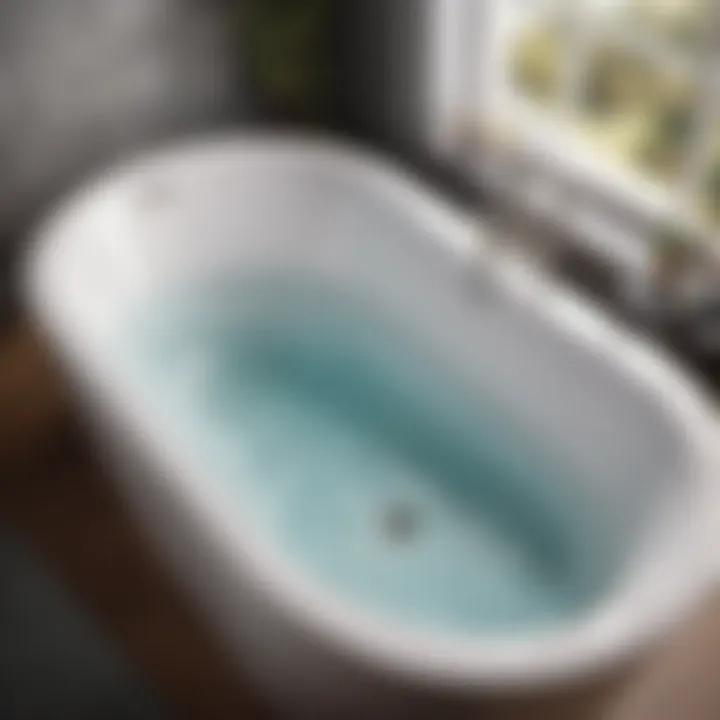
In the comprehensive guide of 'Optimizing Your Bathroom Tub Water Stopper,' the section on Maintenance Tips for Optimal Performance plays a crucial role in ensuring the long-term functionality and efficiency of your bathroom tub fixture. By focusing on regular maintenance, you can prevent common issues, extend the lifespan of your water stopper, and continue enjoying a pristine bathing experience. This section encompasses various elements such as cleaning procedures and preventive measures that are essential for maintaining optimal performance.
Regular Cleaning Procedures
DIY Cleaning Solutions:
When it comes to DIY Cleaning Solutions, this approach offers a cost-effective and efficient way to keep your water stopper clean and well-maintained. DIY Cleaning Solutions typically involve using everyday household items like vinegar, baking soda, or lemon for their natural cleaning properties. These solutions are eco-friendly, safe for your plumbing system, and can effectively remove soap scum, grime, and mineral deposits from your water stopper. Their versatility and accessibility make DIY Cleaning Solutions a popular choice for homeowners looking to uphold the cleanliness of their bathroom fixtures.
Preventive Maintenance:
Preventive Maintenance is a proactive strategy that involves performing regular upkeep tasks to prevent potential issues with your water stopper. By incorporating preventive measures such as applying a protective sealant or lubricating moving parts, you can safeguard your stopper against corrosion, rust, and wear. This preventive approach not only enhances the durability of your water stopper but also minimizes the need for costly repairs or replacements in the future. Emphasizing Preventive Maintenance in your cleaning routine is a beneficial practice that contributes to the overall efficiency and longevity of your bathroom tub fixture.
Inspecting for Wear and Tear
Signs of Deterioration:
Recognizing the Signs of Deterioration in your water stopper is essential for identifying early indicators of potential problems. Common signs may include rust spots, water leaks, or difficulty in opening and closing the stopper. By being vigilant and noticing these signs promptly, you can address any issues before they escalate into major malfunctions. Understanding the specific characteristics of wear and tear helps homeowners make informed decisions regarding the maintenance or replacement of their water stopper.
Replacement Guidelines:
Having clear Replacement Guidelines in place is fundamental for knowing when it is time to replace your water stopper. Guidelines may vary based on the type of stopper and its condition, with factors like extensive damage or outdated design influencing the decision to replace. Adhering to established Replacement Guidelines ensures the optimal performance of your water stopper and prevents potential issues that may arise from using a deteriorating fixture. Following these guidelines provides a systematic approach to maintaining your bathroom tub water stopper effectively.
Advanced Troubleshooting Techniques
In this section of our comprehensive guide on optimizing your bathroom tub water stopper, we delve into the crucial aspect of advanced troubleshooting techniques. Understanding how to effectively troubleshoot issues with your water stopper is essential for maintaining its functionality and ensuring a seamless bathing experience. By implementing these techniques, you can avoid costly repairs and prolong the lifespan of your tub fixture.
Sealing and Re-Seating Methods
Realigning the Stopper
When it comes to addressing common issues with your water stopper, realigning the stopper is a key technique that can help restore proper functionality. By realigning the stopper, you can ensure that it sits securely in place and creates a tight seal, preventing water leakage. This process involves adjusting the position of the stopper within the drain to optimize its performance. Realigning the stopper is a cost-effective and practical solution to minor stopper misalignment issues, allowing you to maintain optimal water flow and drainage in your bathtub.
Using Silicone Sealants


Another effective method for enhancing the performance of your water stopper is using silicone sealants. Silicone sealants provide a durable and waterproof seal around the stopper, preventing water from seeping through gaps and cracks. By applying silicone sealants to the appropriate areas, you can enhance the effectiveness of your water stopper and reduce the risk of leaks and water drainage problems. This proactive approach to maintenance can significantly extend the lifespan of your tub fixture and improve its overall efficiency.
Professional Assistance
When facing complex issues or significant damage to your water stopper, seeking professional assistance is recommended to ensure the problem is resolved effectively. Professional plumbers have the expertise and equipment to identify and address underlying issues with your water stopper, preventing further damage and ensuring long-term functionality. Knowing when to seek help can save you time and money in the long run, enabling you to enjoy a fully functional and reliable water stopper in your bathroom.
When to Seek Help
Understanding the signs that indicate the need for professional assistance is crucial for maintaining the optimal performance of your water stopper. If you encounter persistent leaks, drainage problems, or unusual noises when using your bathtub, it may indicate more serious issues that require expert attention. Seeking help from qualified plumbers can give you peace of mind and ensure that any underlying problems are addressed promptly, preventing potential water damage and costly repairs.
Choosing Reliable Services
When selecting plumbing services to assist with your water stopper issues, it is essential to choose reliable and reputable professionals. Look for plumbers with a proven track record of delivering high-quality service and customer satisfaction. Reliable services prioritize transparency, communication, and timely solutions, ensuring that your water stopper concerns are resolved efficiently. By choosing trustworthy professionals, you can rest assured that your bathroom fixture is in good hands and will be restored to optimal functioning.
Enhancing Longevity and Efficiency
Enhancing the longevity and efficiency of your bathroom tub water stopper is a crucial aspect that can significantly impact your daily bathing experience and the overall functionality of your bathroom. By investing in quality materials and practicing proper maintenance techniques, you can ensure that your water stopper remains in optimal condition for years to come. Durable stoppers play a key role in enhancing longevity by withstanding wear and tear, avoiding the need for frequent replacements. Their sturdy construction and resilient properties make them a popular choice for homeowners looking to upgrade their bathroom fixtures. Additionally, durable stoppers contribute to the efficiency of your tub system by promoting smooth operation and preventing water leakage, ultimately providing a hassle-free bathing experience. Their long-lasting performance translates into cost savings in the long run, as you won't have to continually replace faulty stoppers or deal with water-related issues.
Investing in Quality Materials
Benefits of Durable Stoppers
When it comes to enhancing the longevity and efficiency of your bathroom tub water stopper, opting for durable stoppers offers a multitude of benefits. These stoppers are made from high-quality materials such as stainless steel or brass, ensuring durability and resistance to corrosion. Their robust construction prolongs their lifespan and maintains consistent performance, even in high-moisture environments like bathrooms. The unique feature of durable stoppers lies in their ability to withstand frequent use without deteriorating, providing a reliable solution for homeowners seeking long-term functionality. While durable stoppers may come at a slightly higher initial cost, their advantages far outweigh the investment, especially in the context of this article focusing on optimizing stopper performance.
Long-Term Cost Savings
Investing in durable stoppers not only enhances the efficiency of your bathroom tub water stopper but also leads to significant long-term cost savings. By choosing a durable option, you minimize the need for replacements and repairs, reducing ongoing maintenance expenses. The key characteristic of long-term cost savings associated with durable stoppers is the decreased likelihood of malfunctions and leaks over time, translating into fewer repair bills and overall lower costs for homeowners. Opting for quality materials upfront can result in substantial savings in the future, making it a wise investment for individuals looking to improve the longevity and efficiency of their bathroom fixtures.
Best Practices for Everyday Use
In addition to investing in quality materials, implementing best practices for everyday use is essential for maximizing the performance and lifespan of your bathroom tub water stopper. By following water conservation tips and adopting proper handling techniques, you can ensure that your stopper operates smoothly and efficiently, ultimately enhancing your overall bathing experience.
Water Conservation Tips
Water conservation tips are effective strategies for optimizing the functionality of your bathroom tub water stopper while reducing water usage. By implementing simple practices such as fixing leaks promptly and taking shorter showers, you can contribute to environmental sustainability and lower your household's water bills. The key characteristic of water conservation tips is their ability to promote responsible water usage without compromising comfort, aligning with the goal of this article to enhance efficiency and longevity. Emphasizing the importance of conserving water in daily routines can lead to significant benefits both for the environment and your wallet, making it a valuable aspect to consider in optimizing your bathroom stopper.
Proper Handling Techniques
Proper handling techniques are essential for maintaining the integrity of your bathroom tub water stopper and avoiding premature wear and tear. By handling the stopper with care and following manufacturer guidelines for operation, you can prevent damage and prolong its lifespan. The key characteristic of proper handling techniques is their impact on the stopper's durability and functionality, ensuring smooth operation and minimal issues over time. By incorporating these techniques into your regular maintenance routine, you can safeguard your stopper against unnecessary damage and maintain efficient performance, aligning with the overarching goal of enhancing longevity and efficiency.