Unveiling the Most Exquisite Exotic Indoor Plants to Elevate Your Home
Materials:
- Rare Species Plant A:
- Striking Foliage Plant B:
- Potting Soil:
- Planters:
- Quantity: 1
- Size: 10 inches
- Quantity: 2
- Size: 12 inches
- Type: Organic
- Amount: 5 lbs
- Material: Ceramic
- Quantity: 3
DIY Steps:
- Select a well-lit space in your home for the plants to thrive.
- Prepare the potting mix by combining organic soil with water until moist.
- Gently repot the rare species Plant A into a ceramic planter, ensuring proper drainage.
- Plant the Striking Foliage Plant B in a separate ceramic planter using the same method.
Technical Aspects:
- Tools Required: Trowel, Watering can
- Timing: Best to repot plants in the morning
- Critical Techniques: Ensure proper drainage in the planters to prevent root rot
DIY Project Process:
- Carefully transfer Plant A into its new planter, ensuring the roots are undisturbed.
- Water the plants thoroughly and place them in their designated spots
- Monitor the moisture levels and adjust watering as needed.
Troubleshooting Tips:
- If plants show signs of overwatering, reduce watering frequency
- If leaves yellow, consider adjusting light exposure
Introduction
In the realm of home decor, the allure of exotic indoor plants is unmatched, offering a touch of sophistication and elegance to any living space. This article aims to delve deep into the fascinating world of exotic indoor plants, providing valuable insights into unique plant varieties that thrive in indoor settings. By exploring rare species and plants with striking foliage, readers will embark on a journey to discover not only the beauty but also the numerous benefits of incorporating exotic indoor plants into their homes.
Understanding Exotic Indoor Plants
Defining Exotic Indoor Plants
When we speak of exotic indoor plants, we are referring to botanical specimens that hail from distant lands, characterized by their unique appearance and adaptability to indoor environments. The key characteristic of these plants lies in their ability to thrive in indoor conditions, showcasing captivating features that elevate the aesthetic of any room. Their exotic origins and distinctive foliage make them a popular choice for indoor plant enthusiasts seeking a touch of the extraordinary within their spaces. While these plants bring an element of novelty and beauty, they may require specific care due to their unique requirements compared to more common houseplants.
Benefits of Having Exotic Indoor Plants
The advantages of incorporating exotic indoor plants into your home are manifold. Not only do these plants serve as captivating conversation pieces, but they also contribute to improving indoor air quality through their natural purification abilities. Their unique shapes and colors can act as focal points in your decor, adding an element of visual interest to your living space. Additionally, caring for exotic indoor plants can be a rewarding experience, allowing you to connect with nature and cultivate a sense of tranquility within your home environment.
Factors to Consider Before Choosing Exotic Indoor Plants
Lighting Conditions
One of the crucial factors to consider when selecting exotic indoor plants is the lighting conditions in your home. Different plant species have varying light requirements, ranging from bright indirect sunlight to low light environments. Understanding the lighting needs of your chosen exotic plants is essential for ensuring their optimal growth and health. Proper placement near windows or under grow lights can provide the necessary light levels for these plants to thrive, contributing to their overall well-being.
Humidity Levels
Maintaining the right humidity levels is vital for the successful cultivation of exotic indoor plants. Many tropical plants require higher humidity levels to mimic their native habitats and prevent issues such as leaf dryness or browning. Implementing strategies like misting, using humidifiers, or grouping plants together can help create a suitable microclimate for your exotic plant collection. By monitoring and adjusting humidity levels accordingly, you can promote lush growth and vibrant foliage in these unique specimens.
Space Availability
Considering the space available in your home is crucial when deciding on the types and number of exotic indoor plants to incorporate. Some plants may require more room to spread out and grow, while others with compact growth habits can thrive in smaller spaces. Assessing your available space for display and growth, whether it be on shelves, side tables, or hanging planters, will guide you in selecting plants that not only fit aesthetically but also have the necessary room to flourish. Ensuring adequate space allocation can prevent overcrowding and allow each plant to exhibit its full beauty within your indoor oasis.
Top Picks for Exotic Indoor Plants
In this section of the article, we delve into the significance of selecting the top exotic indoor plants for your home. The choice of plants plays a crucial role in transforming your living space into a vibrant oasis of natural beauty and tranquility. By carefully curating a selection of exotic indoor plants, you can add a touch of sophistication and elegance to your interior decor while also reaping the numerous benefits that these unique plants offer.
1. Orchids
Different varieties of orchids:
The world of orchids boasts a diverse range of species, each with its own enchanting beauty and charm. From the delicate Phalaenopsis to the vibrant Cattleya, orchids come in a myriad of colors, shapes, and sizes, making them a popular choice among plant enthusiasts. The allure of orchids lies in their exquisite flowers, which can last for several weeks, adding a touch of exotic elegance to any space.
Caring tips for orchids:
Orchids are renowned for their stunning blooms, but they also require special care to thrive indoors. Providing the right balance of light, humidity, and water is essential for ensuring the health and longevity of your orchid plants. Proper watering techniques, adequate ventilation, and regular fertilizer applications are key aspects of orchid care that can help you enjoy beautiful blooms year-round.
2. Air Plants
Unique characteristics of air plants:
Air plants, also known as Tillandsia, are unique specimen that do not require soil to grow. These epiphytic plants absorb moisture and nutrients through their leaves, making them easy to care for and versatile in terms of display. Their unconventional appearance and low maintenance requirements make them a popular choice for novice plant enthusiasts looking to add a dash of greenery to their homes.
How to care for air plants:
Caring for air plants is relatively simple but requires attention to detail. Ensuring adequate air circulation, providing regular misting or soaking, and placing them in bright, indirect light are essential for the health and vigor of air plants. By following these care tips, you can enjoy the intriguing beauty of these unique plants while enhancing the aesthetic appeal of your living space.
3. Begonias
Varieties of begonias:
Begonias are a diverse group of plants known for their colorful foliage and delicate flowers. With over 1,800 species to choose from, begonias offer a wide range of options for indoor cultivation, from the classic Rex Begonia with its striking patterned leaves to the tuberous Begonia, known for its showy blooms. Their versatility and ease of care make begonias a popular choice for adding a touch of charm to any room.
Growing requirements:
Creating the ideal environment for begonias involves providing bright, indirect light, well-draining soil, and consistent watering. Begonias thrive in humid conditions, so maintaining adequate moisture levels is essential for preventing issues such as leaf drop or powdery mildew. By meeting their growing requirements, you can ensure that your begonias flourish and bloom profusely.
4. Prayer Plants
Fascinating patterns on prayer plants:
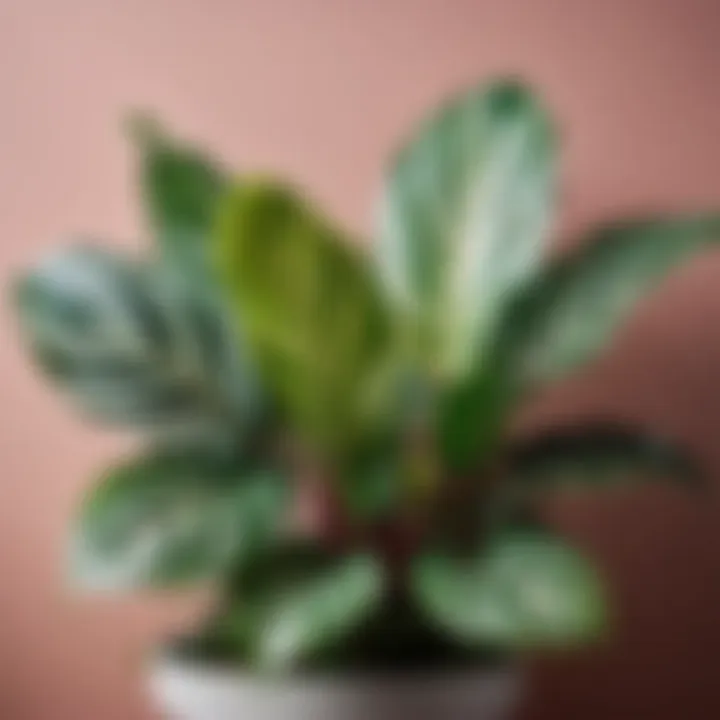
Prayer plants, known for their striking foliage patterns that resemble folded hands in prayer, are a captivating addition to any indoor garden. These intriguing plants exhibit a unique phenomenon called nyctinasty, where their leaves move in response to light changes, creating a dynamic display of natural beauty. The mesmerizing patterns on prayer plants make them a sought-after choice for plant enthusiasts seeking a touch of artistry in their living space.
Maintenance tips:
Maintaining the health and vibrancy of prayer plants involves providing consistent moisture, moderate temperatures, and indirect light. Regular pruning to remove dead or damaged leaves, as well as occasional fertilization during the growing season, can help promote growth and flowering. By following these maintenance tips, you can enjoy the intricate beauty of prayer plants while ensuring their long-term health.
5. Calatheas
Characteristics of Calatheas:
Calatheas, also known as prayer plants, are renowned for their distinctive foliage patterns and vibrant colors. These tropical plants feature eye-catching markings that add a touch of exotic flair to any indoor setting. Calatheas are prized for their ability to purify the air and create a soothing atmosphere, making them an ideal choice for enhancing your living space with natural beauty.
Best practices for caring for Calatheas:
Caring for Calatheas involves providing high humidity, filtered light, and regular watering to mimic their native rainforest environment. These plants thrive in consistently moist soil and benefit from occasional misting to maintain humidity levels. By implementing best practices for Calatheas' care, you can ensure that these beautiful plants thrive and bring a sense of tropical elegance to your home.
Maintenance and Care Tips
Maintenance and care are crucial aspects when it comes to the well-being of your exotic indoor plants. It is imperative to understand the individual needs of each plant to ensure they thrive in your home environment. By providing proper maintenance and care, you can create a sustainable and visually appealing indoor garden that will be a delight to behold.
Proper lighting and watering play a significant role in the maintenance of exotic indoor plants. Proper lighting ensures that your plants receive the necessary energy for photosynthesis and growth, while watering guidelines help prevent issues such as root rot or dehydration.
Proper Lighting and Watering
Ideal Lighting Conditions for Exotic Indoor Plants
Ideal lighting conditions for exotic indoor plants vary depending on the plant species. Some plants thrive in direct sunlight, while others prefer indirect or filtered light to prevent burning or leaf damage. Understanding the light requirements of each plant is essential for their optimal growth and development.
Providing the ideal lighting conditions ensures that your plants receive the right amount of light intensity and duration. Adjusting the placement of your plants based on their light requirements can help you create a harmonious indoor garden that flourishes throughout the year.
Watering Guidelines
Watering guidelines play a crucial role in maintaining the health of your exotic indoor plants. Overwatering can lead to root rot, while underwatering can cause wilting and nutrient deficiencies. Understanding the watering needs of each plant species is essential for their overall well-being.
It is vital to water your plants according to their specific requirements. Some plants prefer to dry out between watering sessions, while others thrive in consistently moist soil. Monitoring the moisture levels in the soil and adjusting your watering frequency accordingly will help you prevent common issues associated with improper watering practices.
Temperature and Humidity Management
Optimal Temperature Range
Maintaining the optimal temperature range is crucial for the growth and health of your exotic indoor plants. Different plant species have varying temperature preferences, with some plants thriving in warmer conditions and others preferring cooler environments.
Providing the right temperature range ensures that your plants remain happy and healthy year-round. Consider factors such as seasonal temperature fluctuations and drafty areas in your home when creating a suitable environment for your plants.
Tips for Maintaining Humidity Levels
Proper humidity levels are essential for the overall well-being of your exotic indoor plants. Some species require higher humidity levels to thrive, while others are more tolerant of drier conditions. Balancing the humidity in your indoor environment can be achieved through methods such as misting, using humidity trays, or placing a humidifier nearby.
Maintaining optimal humidity levels can help prevent issues like leaf browning or curling, ensuring that your plants look lush and vibrant. Monitoring the humidity levels in your home and making adjustments as needed will promote healthy plant growth and minimize stress on your green companions.
Pruning and Grooming Techniques
Importance of Pruning
Pruning is a critical maintenance task that helps promote healthy growth and shape your exotic indoor plants. By removing dead or diseased foliage, you can encourage new growth and prevent the spread of pests or diseases. Additionally, pruning allows you to control the size and appearance of your plants, creating a tidy and aesthetically pleasing indoor garden.
Regular pruning also improves air circulation around your plants, reducing the risk of fungal issues and promoting overall plant health. Understanding the pruning needs of each plant variety is essential for successful maintenance and long-term growth.
Grooming Methods for Different Plant Varieties
Grooming methods vary depending on the type of plant you are caring for. Some plants may require regular grooming to remove spent flowers or leggy growth, while others may benefit from gentle cleaning to remove dust and debris from their leaves.
Grooming also includes tasks such as repotting, staking, or dividing plants to encourage optimal growth and aesthetics. By following specific grooming routines tailored to each plant species, you can ensure that your indoor garden remains vibrant and visually appealing.
Common Issues and Troubleshooting
In the realm of exotic indoor plants, encountering common issues and knowing how to troubleshoot them is vital for maintaining a healthy and thriving plant collection. This section serves as a guide to help you anticipate and address potential problems effectively, ensuring your plants stay vibrant.
Pest Infestations
Identifying Common Pests
When it comes to keeping your exotic indoor plants in top condition, being able to identify common pests is crucial. Common indoor plant pests include aphids, spider mites, and mealybugs. These pests can affect the health and appearance of your plants if left unchecked. Identifying these pests early on allows for swift intervention to prevent the spread and minimize damage.
Natural Remedies for Pest Control
Natural remedies for pest control offer an eco-friendly and safe approach to combatting common pests in your indoor plant environment. Methods such as neem oil spray, insecticidal soap, and alcohol sprays can effectively control pest infestations without harming your plants or the environment. These natural solutions not only target pests but also promote overall plant health and vitality, making them a popular choice among plant enthusiasts.
Diseases and Fungal Problems
Signs of Diseases in Indoor Plants
Recognizing the signs of diseases in indoor plants is essential for early intervention and preventing the spread of illnesses among your plant collection. Common signs of plant diseases include leaf discoloration, wilting, and unusual growth patterns. By being able to identify these symptoms promptly, you can take necessary measures to address the issue and protect your plants from further harm.
Preventive Measures
Implementing preventive measures is key to maintaining the health and resilience of your exotic indoor plants. Practices such as proper ventilation, avoiding overwatering, and regular inspection can help minimize the risk of diseases and fungal problems. By following a proactive approach to plant care, you can cultivate a thriving indoor garden that is less susceptible to common plant ailments.
Final Thoughts
Envision the transformative power of a lush indoor oasis where exotic plants reign supreme. By infusing your living space with the vibrancy of nature, you create an ambiance that inspires tranquility and rejuvenation. The final thoughts section ties together the threads of knowledge and practical tips to craft a cohesive narrative of botanical enrichment.
Delve into the benefits of curating a green sanctuary inside your home, not just as a visual delight but as a holistic wellness retreat. Embrace the therapeutic advantages of tending to exotic indoor plants, fostering a symbiotic relationship that enhances both your space and well-being. Final thoughts instill a sense of fulfillment, knowing that you have nurtured a slice of nature within your abode.
Bask in the joy of adorning your living quarters with botanical wonders, accentuating the beauty of your surroundings and elevating your everyday living experience through the magic of exotic indoor plants. Let these final thoughts guide you towards a greener, more harmonious domestic haven.
Enhancing Your Living Space with Exotic Indoor Plants
Creating a Green Oasis Indoors
Embark on an escapade into the realm of creating a green oasis indoors, where verdant foliage and flora converge to fashion a haven of natural resplendence within your dwelling. The allure of a green oasis transcends mere aesthetics; it embodies a holistic approach to interior design by infusing vivacious greens into the fabric of your living environment. This section accentuates the transformative influence of verdant interiors on your overall ambiance and well-being.
Immerse yourself in the serenity of lush foliage, where every leaf whispers tales of vitality and growth. Creating a green oasis indoors signifies a commitment to fostering a nurturing environment that mirrors the serene beauty of the outdoors. The lush greenery serves as a visual tonic, soothing the mind and inspiring a sense of tranquility amidst the chaos of modern living.
Experience the therapeutic benefits of surrounding yourself with a profusion of greenery, from reduced stress levels to improved air quality. The unique feature of creating a green oasis indoors lies in its ability to rejuvenate both the physical space and the spirit of its inhabitants, offering a sanctuary of peace and natural splendor. Embrace the verdant charm of indoor greenery and embark on a journey of botanical bliss within your home.
Benefits of Surrounding Yourself with Plants
Shift your gaze towards the myriad benefits of enveloping yourself in a nurturing cocoon of indoor plants, where wellness and aesthetics intertwine harmoniously. The benefits of surrounding yourself with plants transcend pure visual allure; they delve into the realm of mental and emotional well-being, enriching your life in profound ways.
Uncover the therapeutic advantages of plant companionship, from enhanced mood to increased productivity, as green companions infuse vitality into your daily routine. The key characteristic of surrounding yourself with plants lies in the profound connection it fosters between humans and nature, nurturing a sense of harmony and interconnectedness.
Discover the unique feature of plants as natural air purifiers, cleansing your living space of toxins and pollutants while radiating a sense of freshness and vitality. The advantages of surrounding yourself with plants extend to improved focus, creativity, and overall well-being, culminating in a harmonious coexistence with the botanical world. Embrace the green embrace and reap the bountiful rewards of a plant-filled abode within the canvas of your daily life.