
Enhancing Bathrooms with Kilim Rugs: A Design Guide


Intro
Integrating kilim rugs into bathroom design is not just a modern trend; it's a journey that weaves together history, artistry, and practicality. These flat-woven pieces are steeped in cultural significance, originating from the nomadic tribes of Turkey, Iran, and North Africa. Yet, their unique color palettes and intricate patterns make them versatile, allowing them to enhance various spaces, including less traditional settings like bathrooms.
The allure of kilim rugs lies not only in their visual appeal but also in their ability to introduce texture and warmth to spaces that often feel cold and sterile. When envisioned in a bathroom, these rugs can soften hard surfaces, provide comfort underfoot, and bring a splash of color to an otherwise utilitarian area.
While the aesthetic benefits are clear, practical considerations must also be taken into account when selecting and placing kilim rugs in such a moist environment. It’s important to understand material properties, care techniques, and design principles to create a harmonious balance between style and functionality.
In this article, we will break down the steps needed to effectively plan, select, and install a kilim rug in your bathroom. Get ready to transform your space, making it both inviting and uniquely yours!
Prelude to Kilim Rugs
Kilim rugs, woven with a rich tapestry of colors and patterns, are not just mere decorative pieces but can significantly transform the ambiance of a bathroom. In the context of this article, we will explore how these rugs can act as a bridge that connects functionality with aesthetic appeal. Given the often utilitarian design of bathrooms, the introduction of a Kilim rug can infuse warmth, character, and even a hint of cultural elegance.
The importance of understanding Kilim rugs lies in their versatility and the myriad benefits they offer to homeowners. For one, these rugs can soften hard surfaces, providing a cushion underfoot that contrast the often cold tiles. Additionally, their unique designs are sure to create a stunning focal point in what is typically a mundane space.
When we delve into the specific elements of Kilim rugs, we uncover not only the historical context that lends them credibility but also the craftsmanship that ensures durability, even in moisture-laden environments. Choosing to incorporate a Kilim rug in bathroom design is not merely a design choice; it’s a thoughtful integration of art, history, and practicality.
The Aesthetic Appeal of Kilim Rugs
When it comes to interior design, aesthetics often play a critical role, shaping how spaces convey emotions and inviting feelings of comfort and style. This is where kilim rugs shine, particularly in a setting like a bathroom, where one might not immediately think of using a rug. Their vibrant colors and stunning patterns can turn an otherwise mundane washroom into a captivating oasis.
Color Palettes and Patterns
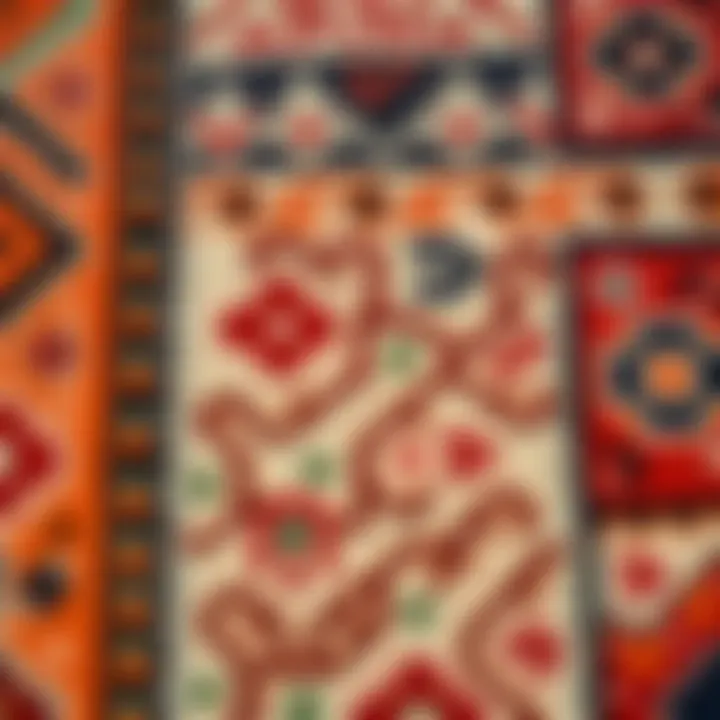
Kilim rugs are renowned for their rich color palettes and intricate patterns. Picture a bathroom adorned with a kilim rug featuring earthy tones of red, blue, and beige, harmonizing beautifully with natural wooden fixtures and white accents. It isn't just about covering the floor; these rugs add depth and character, creating a visual narrative that speaks to individual taste and cultural history.
The patterns in these rugs often tell stories from the artisans' villages, reflecting traditions that span generations. For instance, geometric designs can bring a modern edge, while floral motifs might suggest a more classic elegance. When selecting a kilim rug for your bathroom, consider its color scheme as a tool for enhancing the overall aesthetic.
- Bold Colors: A rug with striking hues can serve as a focal point, drawing the eye away from less appealing features in the room.
- Subtle Patterns: Alternatively, a more muted design can provide a soothing backdrop, complementing rather than competing with existing decor.
Choosing the right rug can transform your space from bland to brilliant.
Cultural Significance in Design
The use of kilim rugs in home decor goes beyond simple aesthetics; it connects to a broader cultural narrative. Each rug carries a bit of history, often woven by hand from wool or cotton, showcasing the craftsmanship of local artisans from regions like Turkey or Iran. Integrating kilim rugs into bathroom design isn't just an exercise in aesthetics; it's a way to celebrate this rich heritage.
Using these rugs in contemporary bathrooms creates a unique juxtaposition between modern fixtures and historical artistry. Many home designers find that this blend can evoke a sense of warmth and authenticity, infusing life into often sterile environments.
Key Considerations:
- Heritage: Using a kilim rug can tell a story about the cultures that birthed these beautiful textiles, adding a meaningful layer to your design.
- Placement: Strategic placement of these rugs also influences not just the room's look, but also the feelings it invokes.
An eye-catching kilim rug under a freestanding bathtub, for example, can transform the space into a luxurious retreat.
In summation, kilim rugs provide more than just color and texture; they bring a story and an emotional touch, enhancing not only the aesthetics but the soul of a bathroom. As you embark on this design journey, remember that the right rug will seamlessly blend functionality and flair in the most personal of spaces.
Considerations for Bathroom Use
When it comes to incorporating kilim rugs into bathroom designs, several factors must be weighed. Ideas about aesthetics don't solely revolve around visual appeal; they also touch on practicality. Given that bathrooms are often damp and humid environments, understanding how kilim rugs perform under such conditions is paramount. This brings us to the heart of the matter: materials used, durability, moisture resistance, and care routinely demand our attention.
Material and Durability
Kilim rugs are made from woven textile, typically utilizing wool or cotton. While these materials offer a warm look, they come with both strengths and weaknesses in a bathroom setting. Wool, for example, is known for its natural resilience. It can withstand daily wear and keep its color vibrant for long periods, making it a solid choice for robust areas of the home. Cotton, on the other hand, boasts ease of maintenance but can wear down quicker if placed in high-traffic or moist areas.
When selecting a kilim rug for a bathroom, it's crucial to consider its thickness as well. A thicker rug will tend to absorb more moisture, leading to quicker degradation. So, what to look for? Opt for a medium-weight kilim that balances durability with comfort. It's like finding that sweet spot where functionality meets flair.
Key Considerations:
- Material: Wool is more durable, while cotton provides easier cleaning.
- Thickness: A medium-thick rug helps prevent moisture accumulation.
- Weave Type: A denser weave generally enhances durability.
Moisture Resistance and Care
The battle against moisture is fierce in bathrooms. Kilim rugs naturally do not have the same resistance to water as synthetic rugs. Thus, proper care and strategic placement become pivotal. Placing your kilim rug outside the shower area is a smart move; this helps avoid direct water contact that could lead to mold or mildew.
Caring for your kilim requires a bit of commitment. Regular vacuuming can help keep dirt and dust at bay, but periodic deep cleaning becomes essential if you want to prolong your rug's life. Here are some ways to maintain moisture management and cleanliness:
- Use a Rug Pad: This can provide a layer of protection against moisture seeping up from the floor.
- Banish Dust: Vacuum or shake out your rug frequently to keep it fresh.
- Spot Clean Wisely: For spills, use a damp cloth but avoid soaking the fabric directly.
- Air It Out: From time to time, allow your rug to breathe outside in a shady spot to dissipate any trapped moisture.
Effective moisture management can prolong the life of your kilim rug and enhance its aesthetic charm within the bathroom setting.
By weighing these considerations, house owners can position kilim rugs not only as aesthetic appeal but as practical elements that enhance bathroom utility without sacrificing style. The right choices can lead to a delightful blend of function and form, creating a serene bathroom ambiance that stands the test of moisture and foot traffic.
Design Principles with Kilim Rugs
When considering the placement of kilim rugs in your bathroom, it's vital to understand the key design principles that guide effective integration. A kilim can do wonders for elevating a space, but its successful incorporation hinges on size, color, and overall harmony with the bathroom's existing elements. The connection between these principles and a well-thought-out design can significantly impact the room’s aesthetic and functionality, ultimately helping you create a more inviting and cohesive atmosphere.
Choosing the Right Size
Selecting the appropriate size for your kilim rug is as crucial as picking the right shade of paint for your walls. Ideally, the rug should fit comfortably within the layout of your bathroom, providing enough coverage to add warmth without overwhelming the space. Here are some considerations to guide your choice:
- Measurement Matters: Always measure the area where you plan to place the rug. Consider the layout of your bathroom, including sinks, toilets, and any built-in fixtures. A standard size for a bath mat might range from 2x3 feet to 3x5 feet, but larger rugs can make a statement if space allows.
- Functionality Over Form: It might be tempting to go for an oversized statement piece, but if it hinders movement or clutters the flow of the room, it can defeat the purpose of the design. Aim for a balanced approach where the rug complements the space without impeding the natural movement.
- Layering: In some cases, layering smaller kilim rugs can create an interesting visual effect, especially in larger bathrooms. This technique can add depth to your design while allowing you to play with different patterns and textures.
A well-chosen rug size can enhance the visual appeal, drawing the eye with its vibrant colors and unique patterns while maintaining a sense of order.
Color Coordination with Bathroom Fixtures
The right colors can tie everything together in a bathroom, where space can often feel stark or clinical. Incorporating a kilim rug with thoughtful color coordination can soften these hard edges and add a cozy, welcoming feel. Here’s how to effectively coordinate your rug with existing bathroom fixtures:
- Analyze Your Palette: Look closely at your bathroom's color scheme, including tiles, vanities, and accessories. Are your fixtures muted? Add a kilim with vivid hues to introduce character. Conversely, if your room is already lively, choose a rug with subtler shades that can harmonize with the chaos without becoming bland.
- Complement, Don’t Compete: The colors of your kilim rug should accent your fixtures rather than clash with them. For example, if your bathroom features brass faucets and earthy tiles, selecting a kilim that includes warm earthy tones and gold accents can unify the space beautifully.
- Play with Contrast: Alternatively, embracing contrast can also work wonders. A bathroom with neutral tones can come alive with a kilim rug that has striking reds, blues, or greens. Make sure, though, that the bold colors echo some element within the bathroom, such as a towel or artwork, to create a sense of continuity.
Remember: The small details can make a big difference. An eye-catching kilim can be a conversation starter—its colors and patterns will reveal your personal style while offering warmth and texture.
In summary, the integration of kilim rugs into your bathroom requires attention to both size and color. By choosing a well-fitted rug and ensuring it complements or contrasts thoughtfully with your fixtures, you can create an inviting space that marries functionality with aesthetic pleasure.
Practical Tips for Implementation
Understanding how to effectively incorporate kilim rugs into bathroom design can greatly enhance the aesthetic and practical aspects of this often-overlooked space. Practical tips serve as a guide for making informed choices that resonate well with personal taste, while also considering functionality and maintenance needs of short-lived textiles in high-moisture environments.
Placement Ideas for Functionality


Selecting where to lay your kilim rug is crucial. Think about not just aesthetics but also usability. Here are some ideas:
- In front of the sink: This can create a cozy spot for standing while you wash your hands or brush your teeth. It also offers warmth when stepping out of the shower.
- Near the bathtub: A rug here can provide a soft landing, making the transition from bath to floor pleasant. This placement feels luxurious and dampens the sound of footsteps.
- Entrance to shower areas: Although moisture should be a concern, using a kilim rug here—if properly cared for—can absorb excess water and help define the space visually.
- Layering rugs: Consider layering a kilim with a more water-resistant rug underneath. This can add texture while extending the life of both rugs.
Choosing the right placement is like picking the right ingredient in a recipe; it can elevate the entire dish. With thoughtful positioning, the kilim can facilitate a functional flow to your bathroom routine, from getting ready in the morning to unwinding at night.
Combining with Other Textiles
Incorporating kilim rugs doesn't mean they have to be solo performers. Pairing them with other textiles can create a harmonious and inviting atmosphere. Consider the following:
- Matching towels and bath mats: Select complementary colors or patterns that pick a hue from the kilim rug's palette. This ties the space together, making it feel cohesive rather than jumbled.
- Curtains or shower curtains: A kilim pattern can be echoed in window treatments for a layered look. This can add a richness and depth that makes the room feel more fully designed.
- Textured accessories: Think about pillows and throws if you have a seating area or even wall hangings. Bringing in elements like woven baskets or ceramic pieces can also enhance the bohemian feel that kilims inherently provide.
- Rug mixing: Don't hesitate to break design norms by mixing different types of rugs. Pair a kilim with a solid, plush bath mat to create visual interest without overwhelming the senses.
Blending textiles is artful; it invites varied tactile experiences and enriches the overall ambiance of your bathroom.
"The details are not the details. They make the design." - Charles Eames
By intertwining kilim rugs with other fabric elements, you're crafting a narrative—an invitation for people to immerse themselves in comfort and style, turning a simple bathroom into a noteworthy space in the home.
Embracing these practical tips will help anyone make educated decisions on implementing kilim rugs in their bathrooms, enhancing both form and function.
Maintenance and Care for Kilim Rugs
Keeping kilim rugs in prime condition is essential, especially when they find their way into moisture-laden environments like bathrooms. These rugs, cherished for their artistic flair and cultural heritage, require thoughtful maintenance to maintain both their visual appeal and durability. It's not just about aesthetics; a keener focus on care prolongs the life of the rug, ensuring that it continues to bring warmth and character to the space while managing typical challenges associated with bathrooms, like humidity and spills.
Regular upkeep can be a game-changer, helping to keep the colors vibrant and avoiding any wear and tear that may emerge over time. Investing a bit of time into maintenance can save house owners from costly replacements in the long run. Plus, let’s be honest—there’s something immensely satisfying about looking at a well-kept rug that complements the overall design of a bathroom.
Regular Cleaning Practices
Routine cleaning of kilim rugs should not be a daunting task. In fact, it can be as straightforward as a walk in the park, especially if certain steps are followed:
- Shake it Out: Sometimes, it's as simple as giving the rug a good shake to release any loose dirt or debris. This technique works wonders between more thorough cleanings.
- Vacuum Carefully: Use a vacuum cleaner with a brush attachment to remove finer particles. However, avoid using the beater bar, as this can damage the fibers. Just make a pass or two to collect dust without causing any harm.
- Spot Clean Spills Immediately: If you see a spill, act fast! Blot the area gently with a clean, dry cloth, soaking up the liquid without rubbing it in. This can prevent lasting damage and stains.
- Professional Cleaning: Plan for a yearly deep clean by a professional who knows how to handle kilims. This includes proper washing techniques and drying processes to avoid damaging the rug's natural fibers.
It’s clear that with just a smidgen of effort, you can keep your kilim rug looking vibrant and fresh, while adding a touch of character to your bathroom.
Dealing with Stains and Spills
Stains and spills are the house owner’s worst nightmare, especially in high-humidity settings like the bathroom. But don’t despair! By adopting a straightforward approach, you can tackle the occasional mishap:
- Identify the Material: First things first, know what’s on your rug. If it’s a natural dye, certain harsh chemicals might not play well with it.
- Immediate Action: The quicker you address the stain, the better your chances of removing it completely. For water-based spills, gently blot with a clean towel.
- Mild Detergent Solution: If a stain persists, try a gentle mixture of water and a mild detergent. Test it first on a small corner of the rug to ensure colorfastness. Using a clean cloth, dab the mixture onto the stain while blotting—not rubbing.
- Rinse and Dry: After treating the stain, it’s important to rinse the area with a damp cloth to remove any soap residue. Blot the area dry, and then let it air out. Avoid placing the rug in direct sunlight, as this could cause fading.
Remember: Patience is key when it comes to stain removal. Some stains might take a bit of extra time and care to address.
In the end, with proper maintenance and a proactive stance on spills and stains, your kilim rug can not only withstand the test of time but also continue adding charm and allure to your bathroom décor.
Challenges and Considerations
Integrating kilim rugs into bathroom design presents unique challenges and considerations that are crucial for homeowners. While these rugs can significantly enhance the aesthetic and provide a comfortable touch underfoot, they come with specific requirements that need attention. Addressing these challenges not only ensures the longevity of the rug but also helps maintain a safe and functional bathroom environment. Here, we will delve deeper into two pivotal aspects: managing moisture and humidity and the potential for slip hazards.
Managing Moisture and Humidity


Kilim rugs, known for their intricate patterns and vibrant colors, are traditionally made from wool or cotton. This material, while beautiful, can be sensitive to humidity and moisture. Bathrooms, with their steam from showers and the occasional splash, can create a challenging atmosphere for these textiles.
To prioritize the integrity of your kilim rug in such conditions:
- Choose the Right Location: Placing your rug away from direct water exposure can protect it from consistent moisture. Think about positioning it near the vanity rather than the shower or bathtub.
- Use a Rug Pad: A quality rug pad adds an extra layer of protection and helps absorb some moisture, which can prevent the bottom of the rug from becoming damp.
- Opt for Specialized Treatments: Some homeowners might consider water-repellent treatments to help the rug withstand occasional dampness. There are products available designed to add a layer of protection without compromising the aesthetic of the rug.
- Air Circulation is Key: Keeping the bathroom well-ventilated will help prevent the buildup of moisture. A good exhaust fan or even simply opening a window can make a significant difference.
Implementing these strategies will not only help maintain the rug's look but also ensure a cleaner and safer bathroom environment.
Potential for Slip Hazards
Bathroom flooring can be slippery, especially when wet. Kilim rugs can potentially add to that risk if proper precautions aren't taken. While they offer a cozy feel, it’s important to manage the risk they may pose, particularly when it comes to falls.
To mitigate slip hazards associated with kilim rugs:
- Non-Slip Backing: Always choose kilim rugs that come with a non-slip backing or invest in a good rug pad that provides traction. This can help keep the rug firmly in place, reducing the chance of it sliding.
- Size Matters: Be mindful of the size of the rug. A larger rug covering more floor space can provide more grip compared to a smaller one which may shift around more easily.
- Regular Monitoring: Make it a habit to check the rug's position occasionally. If you notice it slipping or curling, it’s time to adjust or reposition the rug.
"A little vigilance goes a long way in preventing unexpected accidents in the bathroom."
By addressing these slip risks head-on and taking simple preventive measures, you can relish the beauty and warmth of kilim rugs in your bathroom while maintaining a safe setting for everyone in your household.
Case Studies of Kilim Rugs in Bathroom Settings
Exploring how kilim rugs fit into bathroom designs can illuminate their unique advantages and opportunities. It's not just about aesthetics but also about function; these rugs can shape the character of the space. Understanding well-chosen examples can inspire homeowners and designers alike to consider kilim rugs as valid pieces in their bathroom decor toolkit.
Residential Examples
In private homes, kilim rugs can create a distinct atmosphere. For instance, in a modern farmhouse, a colorful kilim rug can serve as a focal point amid a predominantly neutral palette. The use of warm hues in the rug brings life to the setting, breaking the monotony of whites and greys typically found in these spaces. Moreover, a well-placed rug by a soaking tub adds comfort underfoot, offering a soft landing for bare feet stepping out of a bath.
- Design Choice: The size and shape of the rug are paramount. A larger kilim can anchor the space, while smaller ones can be used in front of vanities or as accents.
- Style Integration: Homeowners might incorporate rugs with traditional patterns that reflect cultural motifs, linking the bathroom design to the broader aesthetic of the home.
Another residential example can be seen in urban apartments where space is at a premium. Here, kilim rugs allow for innovation in design. A round rug can soften sharp angles of modern cabinetry and fixtures, creating a more inviting vibe.
Commercial Spaces
In commercial settings like boutique hotels or upscale spas, kilim rugs can elevate the guest experience remarkably. For example, a chic boutique hotel might showcase a long, narrow kilim runner in a hallway leading to the spa area. The vibrant patterns create visual interest and offer guests an immersive experience right from their first steps.
- Durability Considerations: Since commercial spaces encounter heavy foot traffic, selecting a kilim made from durable fibers ensures longevity. This consideration not only maintains the rich colors but also provides safety against wear.
- Brand Reflection: Restaurants may choose specific kilim designs that align with their culinary theme, effectively creating a cohesive dining experience. The cultural significance and stories embedded in each kilim can enhance the overall ambiance, inviting customers into a narrative experience.
"Kilim rugs aren’t just décor; they weave stories of the culture and the environment they come from.
Understanding their context can profoundly enhance your space’s aesthetic.”
In summary, the case studies above underscore the versatility of kilim rugs in bathroom settings—both residential and commercial. These examples demonstrate how thoughtful integration can solve practical challenges while contributing significant aesthetic flair.
Ending
The journey through integrating kilim rugs into bathroom design lays bare not just the aesthetic value these rugs bring, but also their potential to transform a mundane space into a sanctuary of style. Understanding the lasting influence of kilim rugs goes beyond mere decoration; it involves appreciating their unique characteristics and how they enrich our everyday environments. These rugs serve as a bold statement piece, acting as a bridge between cultural heritage and modern aesthetics.
The Lasting Influence of Kilim Rugs
The charm of kilim rugs is undeniable. Their flat-woven textures and vibrant colors offer a refreshing contrast to the sleek surfaces typical in bathroom spaces. They infuse character and warmth, creating a cozy atmosphere where one can unwind. More than just beautiful objects, these rugs reveal stories of craftsmanship and tradition, often reflecting the identity of the regions from which they originate.
When choosing a kilim for your bathroom, consider its colors and patterns. A rug with warm hues may add vibrancy, enhancing your space’s warmth during chilly mornings. On the other hand, a more subdued color palette can echo serenity, perfect for a space meant for relaxation.
"Kilim rugs, with their vibrant histories and textures, add depth and personality that resonate beyond aesthetics."
The practical dimensions cannot be overlooked. While kilim rugs possess artistic value, they also address everyday needs. Their ease of cleaning and relatively durable nature make them practical for bustling households. Furthermore, when placed strategically, they can become subtle features that define a bathroom’s layout, organizing the space into sections without enclosing it.