Mastering Water Filtration: The Ultimate Home Guide to Well Water Quality
Materials:
- Whole house water filtration system kit
- Water pressure gauge
- Pipe cutter
- PVC primer and cement
- Teflon tape
- Adjustable wrench
- Screwdriver
- Drill
- Safety glasses
- Gloves
DIY Steps:
- Assess the Water Quality: Begin by testing the well water for impurities and contaminants. Use a water testing kit to analyze the levels of various minerals and pollutants.
- Select the Right Filtration System: Based on the water test results, choose a suitable whole house water filtration system that can effectively remove specific impurities from the well water.
- Prepare the Installation Area: Locate a convenient spot near the main water line to install the filtration system. Ensure there is ample space for easy access and maintenance.
- Shut off the Water Supply: Turn off the main water supply to the house to avoid any leaks or water damage during the installation process.
Technical Aspects:
- Timing Specifics: Allocate sufficient time for the installation process, typically ranging from 2 to 4 hours depending on your familiarity with plumbing tasks.
- Tools Required: Utilize a pipe cutter, PVC primer and cement for securing connections, an adjustable wrench for tightening fixtures, Teflon tape for sealing threaded fittings, and a drill for mounting the filtration system.
DIY Project Process:
- Begin Pipe Modification: Use the pipe cutter to make necessary modifications to the main water line for integrating the filtration system. Follow the manufacturer's instructions carefully.
- Assemble the Filtration System: Assemble the components of the filtration system according to the provided manual, ensuring all connections are secure and leak-free.
- Connect the System: Use PVC primer and cement to connect the filtration system to the modified water line, ensuring a watertight seal at all joints.
- Test for Leaks: Turn on the main water supply and check for any leaks around the connections. Use the water pressure gauge to ensure the system is functioning optimally.
Troubleshooting Tips:
- If leaks are detected, revisit the connection points and reapply PVC primer and cement to create a secure seal.
- In case of low water pressure, check for any obstructions within the filtration system and ensure proper installation of filters.
Introduction:
In the realm of enhancing home water quality, the focus shifts towards the critical aspect of water filtration for well water within households. As homeowners strive to ensure the safety and cleanliness of their drinking water, the selection of suitable filtration systems becomes pivotal. This article serves as the cornerstone for individuals seeking comprehensive insight into improving well water quality within their homes.
The pivotal nature of this introduction lies in shedding light on the often overlooked yet crucial topic of water quality in homes supplied by well water. The significance of water filtration cannot be overstated, as it directly impacts the health and well-being of individuals consuming it. By diving into this subject, readers can grasp the nuances of choosing the right filtration system tailored to their specific needs and the unique quality of their well water. Overlooking water quality concerns can lead to potential health hazards, emphasizing the necessity of informed decision-making when it comes to water filtration.
Moreover, this article sets the stage for exploring various methodologies, equipment, and maintenance practices that contribute to elevating the quality of well water in households. From analyzing common contaminants to understanding the health risks associated with tainted well water, every aspect is meticulously examined to empower homeowners in making educated choices. By delving into these intricacies, individuals can proactively safeguard their families from the detrimental effects of contaminated water, thereby fostering a healthier living environment.
The journey from recognizing the need for water filtration to the practicalities of selecting an appropriate system can be daunting. Hence, the elucidation provided in this guide aims to simplify this process, making it accessible and actionable for readers. By elucidating the benefits, considerations, and intricate details associated with well water filtration systems, this introduction paves the way for a thorough exploration of the subject, unraveling the complexities of enhancing home water quality through effective filtration techniques.
Understanding Well Water Contaminants


In this section of the comprehensive guide to enhancing home water quality, we delve into the critical topic of understanding well water contaminants. Ensuring the purity and safety of well water is paramount for households seeking clean and healthy drinking water. By comprehensively examining the contaminants present in well water, individuals can make informed decisions regarding the most suitable water filtration methods and systems for their specific needs. Understanding well water contaminants is essential in safeguarding the well-being of individuals and their families, emphasizing the significance of this discussion in the wider context of water quality.
Common Contaminants in Well Water
Microorganisms
Microorganisms represent a prevalent category of contaminants found in well water. These microscopic organisms can include bacteria, viruses, and protozoa, posing significant health risks if ingested. The key characteristic of microorganisms is their ability to reproduce rapidly in water sources, leading to contamination and potential waterborne diseases. While some microorganisms are beneficial for ecosystems, they can be harmful when present in drinking water. Therefore, understanding the unique features of microorganisms, their capacity to cause waterborne illnesses, and the methods for their effective removal are crucial aspects to consider when addressing water quality.
Heavy Metals
Heavy metals constitute another common group of contaminants in well water, with substances such as lead, mercury, and arsenic being notable examples. These contaminants can have severe adverse effects on human health, ranging from neurological issues to organ damage. The key characteristic of heavy metals is their persistence in water sources and their ability to accumulate in the body over time, leading to long-term health consequences. While heavy metals are naturally occurring in some environments, human activities and industrial processes contribute significantly to their presence in well water. Understanding the unique features of heavy metals, their toxicity levels, and the measures to reduce exposure are vital considerations in addressing water contamination.
Nitrates
Nitrates are a common contaminant in well water, primarily originating from agricultural runoff and septic systems. These compounds can adversely impact human health, particularly in infants and pregnant women, leading to methemoglobinemia or
Water Filtration Methods
In the realm of enhancing home water quality, water filtration methods play a pivotal role. These methods are crucial for households relying on well water as they ensure the elimination of contaminants that may compromise water safety and taste. By employing effective water filtration methods, homeowners can safeguard their family's health and well-being.
Reverse Osmosis Filtration
Reverse osmosis filtration is a cutting-edge technique that effectively removes a wide range of contaminants from well water. By pushing water through a semipermeable membrane, reverse osmosis filtration can eliminate impurities such as bacteria, viruses, heavy metals, and dissolved solids. This method ensures that households have access to clean and healthy drinking water, free from harmful substances.
Activated Carbon Filtration
Activated carbon filtration is another valuable method for enhancing water quality. This process involves the use of carbon filters that trap and remove contaminants through adsorption. Common impurities such as chlorine, volatile organic compounds (VOCs), and unpleasant odors and tastes can be effectively removed through activated carbon filtration. Additionally, this method helps to improve the clarity and overall taste of well water, providing a refreshing drinking experience.
UV Filtration
UV filtration is a safe and environmentally friendly method used to sterilize well water. By exposing water to ultraviolet light, UV filtration can effectively deactivate harmful microorganisms such as bacteria and viruses. This process ensures that well water is free from pathogens, making it safe for consumption. UV filtration is a reliable and chemical-free approach to water treatment that is highly efficient in ensuring water purity.
Ion Exchange


Ion exchange is a sophisticated water purification method that effectively removes ions such as calcium, magnesium, and iron from well water. By passing water through ion exchange resins, undesirable ions are replaced with beneficial ones, resulting in softened and improved water quality. This process is ideal for addressing hard water issues commonly found in well water sources, preventing scaling and enhancing the overall usability of water for household purposes.
Choosing the Right Water Filtration System
When it comes to enhancing home water quality, selecting the right water filtration system is paramount. In this article, we delve into the crucial components and considerations to ensure optimal water filtration for well water. Choosing the right system can greatly impact the overall quality and safety of your drinking water.
Factors to Consider
Water Quality Testing
Water quality testing is a critical aspect when choosing a water filtration system. It involves analyzing the composition of your well water to identify contaminants and determine the appropriate treatment method. Reliable water quality testing provides invaluable data that drives the selection of the most effective filtration system tailored to your specific needs.
Flow Rate Needs
Understanding your flow rate requirements is essential in selecting the right water filtration system. The flow rate refers to the amount of water the system can process within a specific timeframe. Matching the system's flow rate capabilities with your household's demand ensures consistent water supply and efficient filtration.
Contaminant Removal Efficiency
Efficiency in removing contaminants is a key consideration when choosing a water filtration system. Different systems vary in their ability to eliminate specific contaminants such as microorganisms, heavy metals, nitrates, and chemicals. Opting for a system with high contaminant removal efficiency guarantees cleaner and safer drinking water for your household.
Installation and Maintenance Costs
Considering the installation and maintenance costs is crucial in selecting a water filtration system that aligns with your budget and long-term financial plans. Some systems may have higher upfront costs but lower maintenance expenses, while others require regular upkeep. Evaluating the overall costs ensures a sustainable investment in water quality improvement.
Types of Filtration Systems
Whole House Filtration Systems
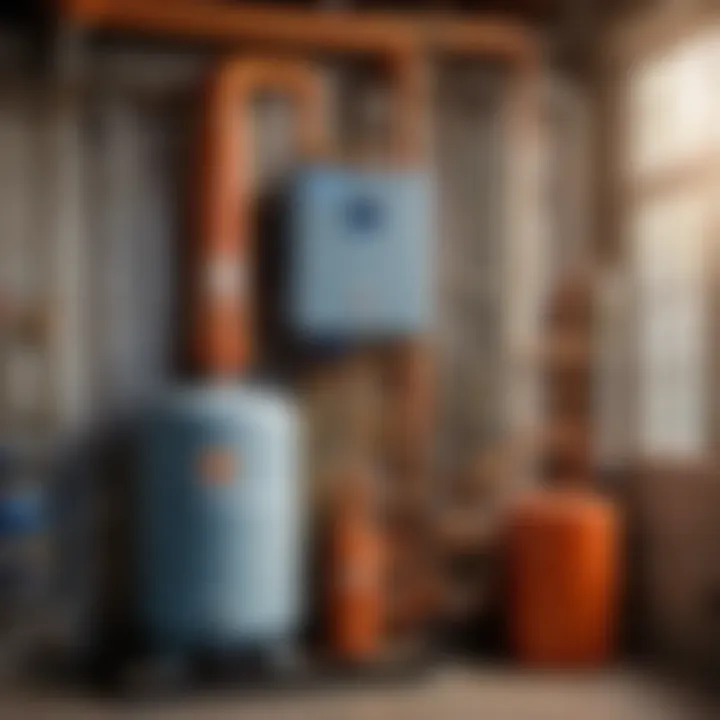
Whole house filtration systems are designed to treat all the water entering your home. They provide comprehensive filtration, ensuring every water source, from taps to showers, delivers clean and safe water. The key characteristic of whole house filtration systems is their comprehensive coverage, offering total water quality enhancement throughout your household.
Point-of-Use Filters
Point-of-use filters are individual filtration devices installed at specific water outlets, such as sinks or showers. These filters target contaminants at the point of consumption, providing localized purification and enhancing water quality for targeted use. Their unique feature lies in targeted filtration, addressing specific concerns at dedicated water sources.
Under-Sink Filtration Systems
Under-sink filtration systems are installed beneath the kitchen sink to treat water for drinking and cooking purposes. They are compact and efficient, fitting conveniently under the sink while delivering purified water directly from a dedicated faucet. The key characteristic of under-sink systems is their space-saving design and direct access to filtered water for cooking and drinking.
Installation and Maintenance
Water filtration systems for well water play a crucial role in ensuring clean and safe drinking water for households. The installation and maintenance of these systems are key aspects that homeowners need to focus on to guarantee continuous water quality. Proper installation and regular maintenance not only enhance the efficiency of the filtration system but also extend its lifespan, providing long-term benefits for homeowners.
Installation Process
The installation process of a water filtration system involves several steps to ensure its proper functioning. Firstly, it is essential to select the appropriate location for the system to be installed, considering factors such as proximity to the main water supply and ease of access for maintenance. Next, the system needs to be connected to the existing plumbing system, requiring the expertise of a professional plumber to ensure proper installation and minimal risk of leaks. Once installed, the system should be thoroughly checked for any issues or malfunctions before being put into operation.
Regular Maintenance Tips
Maintaining a water filtration system is crucial to preserving its efficiency and effectiveness in removing contaminants from well water. Regularly replacing filters is a fundamental aspect of maintenance, as clogged or worn-out filters can compromise the filtration process. Additionally, disinfecting the system periodically helps prevent the growth of bacteria and molds, maintaining water quality. Monitoring the system's performance through regular water quality testing allows homeowners to promptly address any issues that may arise, ensuring consistent access to clean and safe drinking water. Overall, scheduling routine maintenance checks and following manufacturer's guidelines for upkeep are integral to maximizing the longevity and performance of a water filtration system.
Benefits of Water Filtration for Well Water
When it comes to enhancing home water quality, implementing a water filtration system for well water presents numerous benefits that are crucial for the health and well-being of your household. By understanding the specific advantages of water filtration for well water, you can make an informed decision to ensure safe and clean drinking water for your family.
Health Benefits
One of the primary advantages of water filtration for well water is the enhancement of health benefits. Well water can be susceptible to various contaminants such as microorganisms, heavy metals, nitrates, and chemicals, all of which can have detrimental effects on human health if ingested. By installing a quality water filtration system, you can effectively remove these harmful contaminants, ensuring that your drinking water is safe and free from potential health risks.
Moreover, filtered well water is not only safe for consumption but also promotes overall well-being. Clean, contaminant-free water is essential for proper hydration, digestion, and overall bodily functions. By eliminating harmful substances through filtration, you can significantly reduce the risk of waterborne illnesses and long-term health complications, thus safeguarding the health of your family.
Environmental Impact
Aside from the health benefits, water filtration for well water also has a positive environmental impact. Traditional methods of water treatment, such as chlorination, can introduce harmful byproducts into the environment and contribute to water pollution. In contrast, water filtration systems are designed to remove contaminants without the need for harsh chemicals or additives, making them more environmentally friendly.
By investing in a water filtration system for your well water, you are not only protecting your family's health but also contributing to the preservation of the environment. Filtered water reduces the reliance on single-use plastic bottles, supports sustainable water practices, and minimizes the discharge of contaminants into the ecosystem. Ultimately, the environmental benefits of water filtration extend beyond your household, positively impacting the broader community and ecosystem.
Conclusion
In the realm of home water quality enhancement, understanding the criticality of water filtration for well water cannot be overstated. As we've navigated through the intricate web of contaminants that can infiltrate well water sources, the significance of investing in a robust water filtration system becomes glaringly evident. This article has served as the beacon of knowledge, shedding light on the various methods and technologies available to fortify the quality of well water, ultimately ensuring a reliable supply of safe and clean drinking water for households everywhere.
The pivotal takeaway from this discourse lies in the emphasis on proactive measures to safeguard the health and well-being of individuals and families. By comprehensively evaluating the different factors and considerations outlined in the preceding sections, homeowners can embark on a journey towards securing a sustainable water filtration system that aligns with their specific needs and preferences. The meticulous selection of the right water filtration system, coupled with diligent installation and maintenance practices, forms the cornerstone of perpetual water quality enhancement.
Furthermore, the ripple effects of water filtration extend beyond individual health benefits to encompass a broader environmental impact. By purifying well water at the source, households contribute to the preservation of natural ecosystems and reduce the burden on municipal water treatment facilities. This holistic approach to water quality management not only nurtures personal well-being but also fosters a sense of environmental stewardship among communities.