Illuminate Your Bathroom Space with Stylish Recessed Ceiling Lighting


Materials:
- Recessed Lighting Fixtures: Procure high-quality recessed lighting fixtures to ensure optimal illumination. Select fixtures based on the size of your bathroom for balanced lighting distribution.
- LED Bulbs: Invest in energy-efficient LED bulbs that provide bright light while conserving energy.
- Wire Nuts: Secure electrical connections with wire nuts to ensure safety and functionality.
- Measuring Tape: Accurately measure the placement of recessed lighting fixtures for a proportional layout.
- Screwdriver Set: Utilize a screwdriver set for installing and adjusting fixtures as needed.
DIY Steps:
- Plan Your Layout: Consider the size and shape of your bathroom to determine the ideal placement for recessed lighting. Create a blueprint to visualize the layout before installation.
- Turn Off Power: Prior to installation, switch off the power supply to avoid electrical hazards. Use a voltage tester to ensure no electricity is running to the ceiling area.
- Cut Openings: Use a hole saw to cut openings in the ceiling for recessed lighting fixtures. Follow precise measurements to guarantee a seamless fit.
- Connect Wiring: Securely connect the wiring of the fixtures to the electrical system of your home. Use wire nuts to join wires and prevent electrical mishaps.
- Install Fixtures: Gently place each recessed lighting fixture into the designated opening. Adjust the angle as needed to direct light towards specific areas in the bathroom.
Technical Aspects:
- Tool Requirement: Ensure you have a drill, wire cutter, and insulated gloves for a safe and efficient installation process.
- Timing Specifics: Allocate ample time for installation, taking into account the number of fixtures and complexity of the layout.
- Critical Techniques: Employ a stud finder to locate ceiling studs for secure fixture installation. Additionally, use a cable fish to easily run wiring through walls and ceilings.
DIY Project Process:
- Sequential Installation: Methodically install each recessed lighting fixture according to the pre-designed layout. Test each fixture after installation to verify functionality.
- Key Techniques: Angle fixtures strategically to illuminate key areas such as the vanity, shower, and bathtub for a well-lit ambiance.
- Troubleshooting Tips: In case of dim lighting or flickering bulbs, check wiring connections and bulb compatibility to rectify the issue promptly.
- Enjoying the Result: Step back and admire the transformation of your bathroom with enhanced lighting. Revel in the ambience created by stylish recessed lighting fixtures that illuminate your space elegantly.
Introduction
When it comes to transforming your bathroom into a luxurious and functionally well-lit space, incorporating recessed lighting on the ceiling can make a significant impact. This article delves deep into the intricate details of enhancing your bathroom with recessed lighting, unraveling the dual purpose it serves - illuminating the space effectively while adding a touch of elegance to the overall decor. By carefully selecting and strategically placing recessed lighting fixtures, you can create a bathroom ambiance that exudes sophistication and style.
Understanding the Importance of Lighting in Bathroom Design
In the realm of bathroom design, lighting plays a pivotal role not only in illuminating the space but also in shaping its overall feel and functionality. Proper lighting is essential for carrying out daily grooming tasks with ease and precision, enhancing safety, and creating a welcoming atmosphere. When it comes to bathrooms, where practicality meets relaxation, lighting becomes a critical element that demands thoughtful consideration. From providing adequate task lighting for activities like shaving or applying makeup to setting a soothing ambiance for unwinding after a long day, the right lighting design can truly elevate your bathroom experience.
Benefits of Recessed Lighting on Bathroom Ceilings
Recessed lighting fixtures seamlessly integrated into the ceiling offer a multitude of benefits that go beyond mere illumination. One of the key advantages of recessed lighting in bathrooms is its ability to provide even, shadow-free light distribution, eliminating harsh glares and creating a soft, inviting glow. Additionally, recessed lighting helps save space in smaller bathrooms by staying flush with the ceiling, thus avoiding any bulky fixtures that may obstruct movement or visual flow. With the option to customize the angle and intensity of the light, recessed fixtures allow you to highlight focal points or create a soothing ambiance, enhancing the overall aesthetics of your bathroom space.
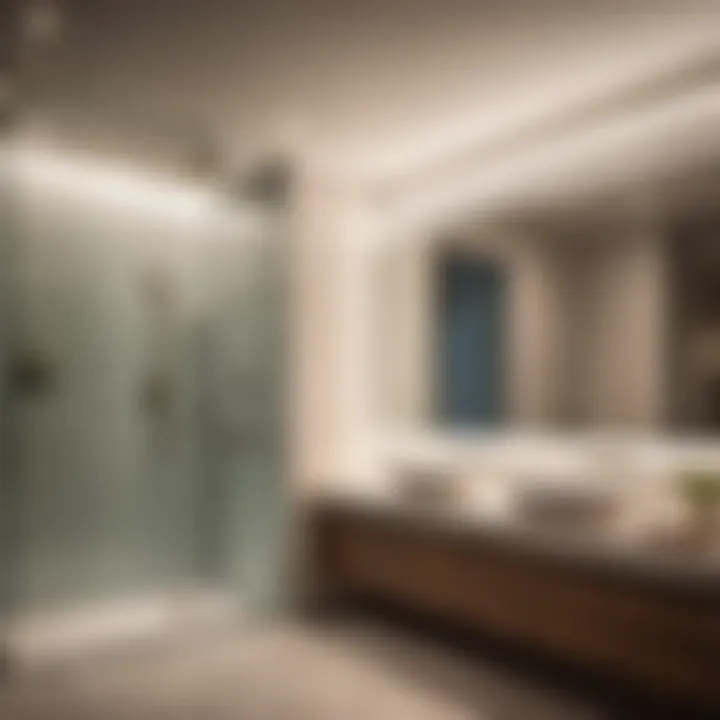
Planning Your Lighting Design
Assessing Your Bathroom Layout and Size
Considering the Ceiling Height
When considering the ceiling height for recessed lighting in your bathroom, it's important to take into account the impact it will have on the overall lighting quality and visual appeal of the space. Opting for recessed lighting in bathrooms with standard ceiling heights can create an illusion of spaciousness and provide even illumination throughout the room. The strategic placement of recessed lighting fixtures at an appropriate height can also help prevent glare and shadowing, ensuring a comfortable and well-lit environment for various activities within the bathroom.
Locating the Best Areas for Recessed Lighting
Locating the best areas for recessed lighting plays a vital role in creating a balanced and harmonious lighting design in your bathroom. By identifying key areas such as the shower, vanity, or bathtub where task lighting is essential, you can tailor the placement of fixtures to optimize both functionality and aesthetics. Additionally, incorporating recessed lighting in specific zones can help highlight architectural features, artwork, or decor elements, adding depth and interest to the overall design of the space.
Determining the Number and Placement of Fixtures
Calculating Illumination Needs
Calculating the illumination needs of your bathroom involves assessing the required light levels for various tasks and activities performed in the space. By understanding the different illumination requirements for tasks such as grooming, reading, or relaxing, you can determine the number of fixtures needed and their optimal placement to achieve the desired lighting intensity and coverage. Properly calculated illumination not only enhances functionality but also contributes to a visually appealing and comfortable environment within the bathroom.
Choosing the Appropriate Fixture Sizes
Selecting the appropriate fixture sizes is essential in ensuring that your recessed lighting design complements the scale and layout of your bathroom effectively. Choosing fixtures that are proportional to the size of the room and the designated lighting areas helps maintain a cohesive and well-balanced design. Additionally, selecting fixtures with adjustable trim sizes allows for customization based on the specific lighting requirements of each zone, offering versatility and flexibility in achieving the desired lighting effects within your bathroom.
Selecting the Right Lighting Fixtures
Types of Recessed Lighting for Bathroom Ceilings
LED Options

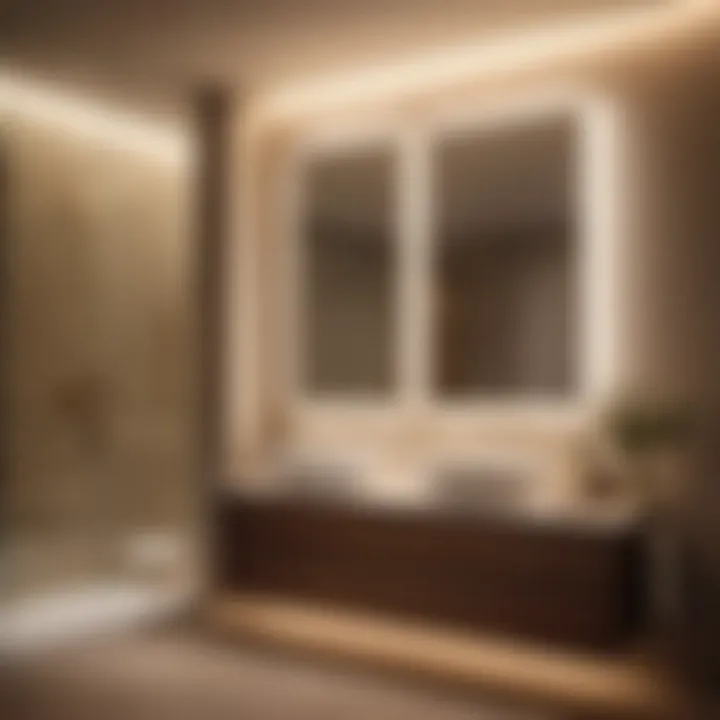
LED options are a popular choice for bathroom lighting due to their energy efficiency and long lifespan. The key characteristic of LED options lies in their ability to provide bright illumination while consuming minimal energy. This makes them an ideal choice for this article as they ensure cost-effective and eco-friendly lighting solutions. LED options also offer the unique feature of versatility in color temperatures, allowing you to customize the ambiance of your bathroom. Their main advantage in this context is their ability to create a well-lit space without compromising on energy efficiency.
Halogen Fixtures
Halogen fixtures are known for their warm and focused lighting, making them a popular choice for accent lighting in bathrooms. The key characteristic of halogen fixtures is their ability to enhance specific areas of the bathroom with targeted illumination. This quality makes them a beneficial option for this article as they can highlight certain features or decor elements effectively. The unique feature of halogen fixtures lies in their ability to render colors vividly, adding a touch of sophistication to your bathroom. However, their main disadvantage in this context is their higher energy consumption compared to LEDs.
Incorporating Dimmers for Versatility
Incorporating dimmers in your lighting setup offers versatility in adjusting light levels according to your needs. The key characteristic of dimmers is their ability to create different atmospheres within your bathroom by controlling brightness levels. This versatility makes them a popular choice for this article as they allow you to cater to various lighting preferences. The unique feature of dimmers is their contribution to energy savings by regulating light output efficiently, enhancing the overall efficiency of your lighting system. However, a potential disadvantage is that not all fixtures may be compatible with dimmers, requiring careful consideration during the selection process.
Installation Process and Considerations
Key Steps for Installing Recessed Lighting
Turning Off Power Sources
Installing recessed lighting begins with the crucial step of turning off power sources. This step is fundamental in ensuring the safety of the installation process. By disconnecting power sources, you eliminate the risk of electric shock or accidents during the installation. Turning off power sources is a standard practice that is imperative in any electrical installation to prevent injuries and mishaps. This meticulous approach underscores the commitment to a secure and efficient installation process.
Cutting Access Holes for Fixtures
Cutting access holes for fixtures is a pivotal step in the installation of recessed lighting. These holes allow for the placement of lighting fixtures within the ceiling structure, enabling a seamless integration of lighting elements. The process of cutting precise access holes requires precision and careful planning to ensure a clean and professional look. By strategically positioning the access holes, you can achieve optimal lighting distribution throughout the bathroom space. Despite the meticulous nature of this step, the end result is a sophisticated and polished lighting arrangement that elevates the overall ambiance of the bathroom.
Addressing Insulation and Ventilation Concerns
In addition to the installation steps, addressing insulation and ventilation concerns is paramount for the long-term functionality and safety of recessed lighting in the bathroom. Insulation plays a crucial role in regulating heat and preventing potential fire hazards. Proper clearance from insulation ensures that the fixtures can dissipate heat effectively, maintaining their efficiency and durability. On the other hand, ventilation concerns focus on ensuring sufficient airflow around the fixtures to prevent overheating and prolong the lifespan of the lighting components. Adequate ventilation is essential for maintaining the optimal performance of recessed lighting fixtures and enhancing the overall functionality of the lighting design.
Maintaining the right balance between insulation and ventilation guarantees a sustainable and reliable lighting solution that enhances both the aesthetic and functional aspects of your bathroom.


Enhancing Ambiance and Functionality
Enhancing the ambiance and functionality of your bathroom through strategic lighting choices is crucial in creating a space that not only looks stunning but also serves multiple purposes effectively. When it comes to layering light for a multifunctional bathroom, incorporating task, ambient, and accent lighting is key. Task lighting is essential for specific activities such as shaving or applying makeup, ensuring adequate illumination for intricate tasks. Ambient lighting, on the other hand, creates a warm overall glow, enhancing the ambiance of the bathroom and providing general lighting. Accent lighting adds depth and enhances the aesthetic appeal by highlighting specific features such as artwork or architectural elements.
Incorporating Task, Ambient, and Accent Lighting
Incorporating task, ambient, and accent lighting in your bathroom allows for a versatile approach to functionality and aesthetics. Task lighting provides focused illumination for activities like grooming, reading, or other detailed tasks. Ambient lighting sets the overall mood of the space, creating a comfortable and welcoming environment. Accent lighting adds a touch of elegance and can be used to showcase particular design elements within the bathroom. The flexibility offered by incorporating these three types of lighting allows you to adapt the atmosphere of your bathroom to different needs and occasions, making it a popular choice for those seeking a dynamic lighting solution.
Creating a Relaxing Spa-Like Atmosphere
Creating a relaxing spa-like atmosphere in your bathroom involves utilizing soft, soothing lighting that promotes a sense of tranquility and rejuvenation. The key characteristic of this lighting approach is its ability to transform your bathroom into a serene retreat where you can unwind after a long day. The gentle illumination and careful placement of lights can mimic the ambiance of a luxurious spa, enhancing the overall experience of relaxation. While the calming effects of spa-like lighting are undeniable, it is essential to consider the potential drawbacks, such as the need for proper waterproofing and ensuring sufficient brightness for practical tasks within the space.
Maintenance Tips and Final Touches
In the realm of home improvement, ensuring the longevity and pristine condition of your installations is paramount. When considering bathroom design, the maintenance tips and final touches play a crucial role in upholding the functionality and aesthetics of your space. Attention to detail in maintenance contributes significantly to the overall appeal and performance of your bathroom with recessed lighting on the ceiling.
Maintenance tasks encompass a range of practices geared towards preserving the quality and efficiency of your lighting fixtures. Safe cleaning practices stand out as a fundamental element in maintaining the cleanliness and functionality of recessed lighting. Implementing appropriate cleaning methods ensures that the fixtures remain free of dirt, dust, and grime, thus enhancing the light output and longevity of the bulbs.
Moreover, checking for bulb replacements is vital in sustaining optimal illumination in your bathroom. Regular inspections for any dimming or burnt-out bulbs allow for prompt replacements, preventing inadequate lighting conditions in your space. This proactive approach to maintenance not only guarantees consistent lighting performance but also safeguards against potential safety hazards within your bathroom.
Cleaning and Care for Recessed Lighting
Safe Cleaning Practices
Safe cleaning practices are critical in maintaining the integrity and brilliance of recessed lighting fixtures. Consistent cleaning not only keeps the fixtures looking pristine but also ensures optimal functioning by preventing obstructions that may hinder light distribution. Utilizing gentle cleaning solutions and soft cloths helps avoid scratching delicate surfaces while effectively removing dust and particles.
The key characteristic of safe cleaning practices lies in the meticulous attention to detail and the use of non-abrasive materials. This approach safeguards the finish and structural integrity of the fixtures, prolonging their lifespan and preserving their visual appeal. Additionally, safe cleaning practices contribute to a hygienic environment, promoting a clean and inviting atmosphere in your bathroom.
Checking for Bulb Replacements
Regularly checking for bulb replacements is indispensable for maintaining consistent lighting quality in your bathroom. By monitoring the condition of bulbs and proactively replacing any faulty ones, you ensure that the illumination remains bright and uniform throughout the space. This prevents unsightly dark spots and ensures optimal visibility for daily activities.
The key characteristic of checking for bulb replacements is its role in sustaining the functionality and ambiance of your bathroom. Timely replacements prevent disruptions to your lighting scheme and minimize the risk of complete bulb failure, which could lead to inconvenience and reduced usability of the space. By staying attentive to bulb replacements, you uphold the vibrancy and functionality of your recessed lighting effortlessly.