Unlocking the Secrets of Kitchen and Bath Restyling: A Comprehensive Guide for Transformation
Materials:
- Quartz Countertop (Measurements: 6ft x 3ft x 1.5in)
- Subway Tile Backsplash (Measurements: 1ft x 1ft each)
- Stainless Steel Sink (Measurement: 30in x 20in)
- Waterfall Kitchen Faucet (Measurement: Standard size)
- Cabinetry Handles (Quantity: 20)
DIY Steps:
- Preparation: Clear out the kitchen area and ensure all surfaces are clean.
- Countertop Installation: Place the quartz countertop carefully, ensuring it fits snugly.
- Backsplash Application: Apply adhesive to the back of each subway tile and affix them to the wall in a staggered pattern.
- Sink and Faucet Installation: Securely install the stainless steel sink and connect the waterfall kitchen faucet.
- Handle Attachment: Attach the cabinetry handles using a screwdriver, ensuring they are evenly spaced.
Technical Aspects:
- Tools: Screwdriver, Adhesive, Leveler
- Timing: Estimated completion time: 2 days
- Critical Techniques: Ensuring precise measurements, using a leveler for accurate placement
DIY Project Process:
- Follow Instructions: Adhere to the step-by-step process to ensure a systematic approach.
- Key Techniques: Focus on even placement of tiles and handles for a polished look.
- Timing Is Key: Allow proper drying time for adhesive to set before proceeding with the next step.
Troubleshooting Tips:
- Uneven Tiles: Use a leveler to adjust any tiles that are not aligned correctly.
- Leaky Faucet: Check connections and tighten if necessary to prevent any leaks.
Introduction
As we delve into the essence of restyling, it becomes evident that the kitchen and bathroom are not mere functional spaces but extensions of our personalities and lifestyles. Designing these spaces goes far beyond aesthetics; it involves a deep understanding of how we interact with these areas daily. This article aims to provide a roadmap for individuals seeking to curate their kitchens and bathrooms into havens that balance style and utility seamlessly.
The importance of this introduction lies in laying the foundation for a comprehensive exploration of kitchen and bath restyling. By delineating the significance of thoughtful design, functional layouts, material selections, and overarching trends, readers are primed to embark on a journey towards elevating their living spaces. Through a detailed analysis of historical evolutions, modern trends, ergonomic considerations, and sustainability practices, this article sets the stage for an immersive dive into the world of kitchen and bath restyling. Readers will not only gain practical insights but also foster a creative mindset that empowers them to embrace change and transformation in their homes.
Understanding Kitchen Restyling
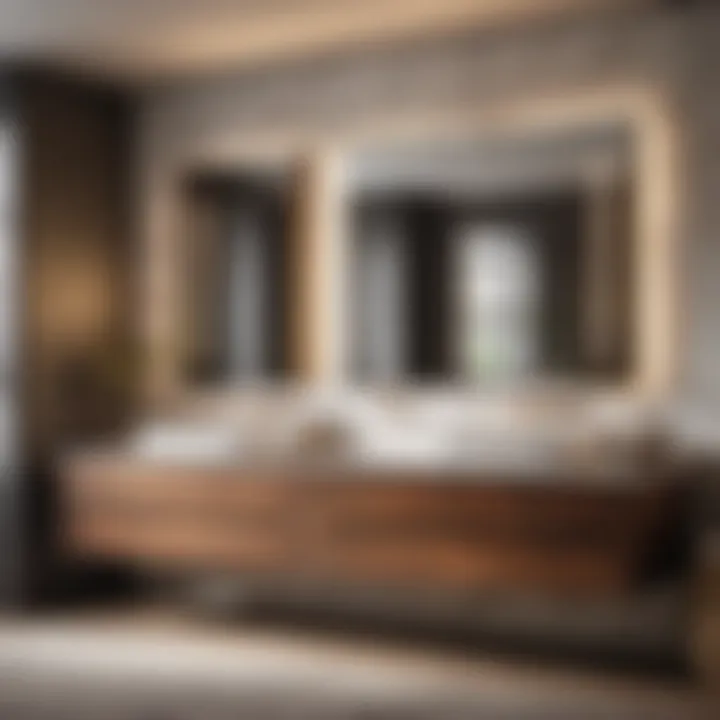
The section on Understanding Kitchen Restyling plays a fundamental role in this comprehensive guide, aiming to shed light on the complexities and nuances involved in revamping a kitchen space. By delving into the intricacies of kitchen design and functional layout, this segment provides invaluable insights for individuals looking to transform their kitchens into aesthetically pleasing and highly functional areas.
The Significance of Kitchen Design
When exploring the significance of kitchen design, it becomes evident that the layout and aesthetic appeal of a kitchen can significantly impact the overall atmosphere and functionality of the space. The historical evolution of kitchen design allows us to understand how kitchens have evolved from merely utilitarian spaces to central hubs of the home. By examining historical trends, individuals can draw inspiration from the past while incorporating modern elements to create a harmonious blend of traditional and contemporary design aspects.
Ergonomics in Kitchen Design
Ergonomics in kitchen design focuses on creating a workspace that is efficient, safe, and comfortable for the users. By considering the ergonomic aspects of a kitchen, such as counter heights, cabinet storage, and appliance placement, individuals can optimize their workflow and reduce strain on their bodies. The incorporation of ergonomic principles ensures that the kitchen is not only visually appealing but also highly functional and user-friendly.
Choosing the Right Materials
Selecting the right materials for cabinetry, countertops, flooring, and backsplashes is essential in creating a cohesive and durable kitchen space. The choice of materials can impact not only the aesthetics but also the longevity and maintenance requirements of the kitchen. By understanding the unique properties of different materials, individuals can make informed decisions that align with their design preferences and lifestyle needs.
Cabinetry and Countertop Selection
The selection of cabinetry and countertops plays a crucial role in defining the style and functionality of a kitchen. From traditional wood finishes to sleek modern designs, the options are vast and cater to various design preferences. Considering factors such as durability, maintenance, and visual appeal can help individuals make choices that suit their tastes while enhancing the overall kitchen ambience.
Flooring and Backsplash Options
Flooring and backsplashes add character and texture to a kitchen while serving practical purposes such as easy cleaning and durability. With a plethora of options ranging from classic tiles to innovative materials like glass and concrete, individuals have the opportunity to personalize their kitchen spaces according to their unique style sensibilities. By exploring the advantages and limitations of different flooring and backsplash materials, individuals can make informed decisions that align with their design vision and practical requirements.
Embracing Bath Restyling
Bathrooms are not just functional spaces; they are sanctuaries for relaxation and rejuvenation. In the realm of home design, embracing bath restyling plays a pivotal role in creating a tranquil oasis within your living space. This section of the comprehensive guide delves deep into the importance of bath restyling, focusing on specific elements that can transform a mundane bathroom into a luxurious retreat. From the selection of materials to maximizing functionality, embracing bath restyling helps elevate the overall ambiance of your home.
The Art of Bathroom Design
. Evolution of Bathroom Style


The evolution of bathroom style encapsulates a journey of design innovation and sophisticated aesthetics. This subsection explores how historical influences have shaped modern bathroom design trends. By understanding the historical evolution of bathroom style, individuals gain insight into the rich tapestry of design elements that contribute to today's diverse and inspiring bathrooms. The intricate details and timeless appeal of traditional styles merge seamlessly with contemporary influences, offering a harmonious balance between elegance and functionality. Embracing the evolution of bathroom style allows for a blend of classic charm and modern convenience, creating a unique and personalized space that resonates with the individual's taste and preferences.
. Contemporary Bathroom Design
Contemporary bathroom design epitomizes the essence of modernity and sleek sophistication. This section explores the cutting-edge trends and innovative approaches that define contemporary bathrooms. With clean lines, minimalist aesthetics, and a focus on functionality, contemporary bathroom design offers a seamless integration of form and purpose. The utilization of sustainable materials and energy-efficient fixtures further enhances the sustainability aspect of contemporary design. By embracing contemporary bathroom design, individuals can create a space that not only exudes elegance and style but also prioritizes environmental consciousness and practicality.
Maximizing Functionality
. Optimal Layout Planning
Optimal layout planning is a fundamental aspect of bath restyling that can significantly impact the functionality and efficiency of a bathroom space. This subsection delves into the strategic arrangement of fixtures, fittings, and storage solutions to optimize the use of space and enhance user experience. By prioritizing optimal layout planning, individuals can create a bathroom environment that seamlessly integrates convenience with aesthetic appeal. The careful consideration of traffic flow, accessibility, and ergonomic design principles ensures a harmonious balance between practicality and beauty in the bathroom space.
. Storage Solutions
Effective storage solutions are essential for maintaining a clutter-free and organized bathroom space. This section explores innovative storage options, including built-in cabinets, floating shelves, and concealed storage compartments, that maximize the use of available space. By integrating smart storage solutions, individuals can declutter their bathrooms and streamline their daily routines. The seamless incorporation of storage elements not only enhances the visual appeal of the bathroom but also improves functionality, making it easier to access essentials and maintain a tidy environment.
Luxurious Material Selection
. Shower and Tub Choices
The selection of showers and tubs plays a crucial role in determining the overall luxuriousness and comfort of a bathroom. This subsection delves into the diverse range of shower and tub options available, from sleek modern designs to classic freestanding tubs. By understanding the unique characteristics and benefits of each type of shower and tub, individuals can select the perfect option that aligns with their preferences and lifestyle. The choice of showers and tubs can transform a regular bathroom into a spa-like retreat, providing a space for relaxation and rejuvenation after a long day.
. Vanity and Fixture Options
Vanity and fixture options contribute significantly to the aesthetic and functional appeal of a bathroom. This section explores the diverse range of vanity designs, sink options, and fixture styles that can enhance the overall look of the space. From sleek modern vanities with ample storage to unique fixture finishes that add a touch of luxury, selecting the right vanity and fixtures is essential in curating a cohesive and stylish bathroom environment. By understanding the unique features and advantages of various vanity and fixture options, individuals can personalize their bathrooms to reflect their personality and design preferences.
Trends and Innovations
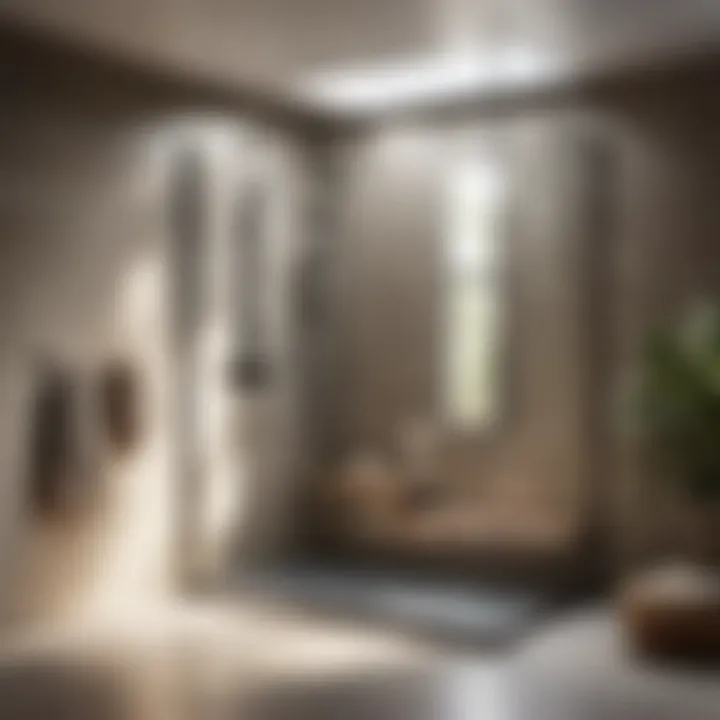
In the realm of kitchen and bath restyling, staying abreast of the latest trends and innovations is paramount to creating spaces that are not only aesthetically pleasing but also functional and efficient. Trends and innovations in kitchen and bath design encompass a myriad of aspects, from technological advancements to sustainability practices, all geared towards enhancing the overall user experience and environmental impact of these crucial spaces.
Smart Technology Integration
IoT Devices in Kitchen and Bath
Smart technology integration in the kitchen and bath domain revolutionizes the way we interact with these spaces. IoT devices, such as smart appliances and fixtures, bring a new level of convenience and efficiency to everyday tasks. The key characteristic of IoT devices lies in their ability to be interconnected and controlled remotely, enabling users to streamline processes and optimize energy usage. This innovative technology is a popular choice for modern kitchen and bath restylers seeking to elevate their spaces through cutting-edge solutions. While the advantages of IoT devices are numerous, including improved functionality and energy savings, potential disadvantages may involve initial setup complexity and data security concerns, aspects that are crucial to consider in the context of this article.
Energy-Efficient Fixtures
Energy-efficient fixtures are another cornerstone of smart technology integration in kitchen and bath design. These fixtures are designed to reduce energy consumption without compromising performance, making them a sustainable and cost-effective choice for environmentally conscious homeowners. The key characteristic of energy-efficient fixtures is their ability to optimize resource usage, leading to long-term savings and lower ecological footprint. By incorporating such fixtures in kitchen and bath restyling projects, individuals can not only lower their utility bills but also contribute to a greener environment. While the advantages of energy-efficient fixtures are significant, including reduced energy costs and environmental impact, it's essential to weigh any potential disadvantages, such as higher upfront costs, against the long-term benefits they bring to the table.
Sustainable Design Practices
Sustainable design practices are increasingly gaining traction in the realm of kitchen and bath restyling, aligning aesthetics with environmental responsibility. By opting for eco-friendly materials and water-saving solutions, homeowners can create spaces that are not only visually appealing but also eco-conscious and resource-efficient.
Eco-Friendly Materials
The utilization of eco-friendly materials in kitchen and bath design sets a new standard for sustainability and durability. Eco-friendly materials, such as recycled glass countertops and bamboo flooring, offer a unique blend of aesthetics and environmental benefits. The key characteristic of eco-friendly materials lies in their renewable and biodegradable nature, making them a preferable choice for environmentally conscientious individuals. By choosing eco-friendly materials, homeowners can reduce their carbon footprint and promote a healthier indoor environment. While the advantages of eco-friendly materials are numerous, including reduced environmental impact and improved indoor air quality, considerations such as availability and cost-effectiveness are essential aspects to address in the context of this article.
Water-Saving Solutions
Water-saving solutions play a crucial role in sustainable kitchen and bath design, aiming to minimize water wastage without compromising functionality. Key characteristics of water-saving solutions include features such as low-flow faucets and high-efficiency toilets, which significantly reduce water consumption while maintaining performance standards. By integrating water-saving solutions in their restyling projects, homeowners can contribute to water conservation efforts and achieve long-term savings on their water bills. While the advantages of water-saving solutions are substantial, including reduced water expenses and environmental benefits, factors like installation complexity and compatibility with existing plumbing systems should be considered when implementing such solutions in this article.
Minimalist Aesthetics
Embracing minimalist aesthetics in kitchen and bath design entails a focused approach on clean lines, simplicity, and clutter-free spaces. By opting for minimalist designs and decluttering techniques, homeowners can achieve a sense of simplicity and harmony in their living spaces, promoting a tranquil and organized environment.
Clean Lines and Simplistic Designs
The emphasis on clean lines and simplistic designs in kitchen and bath restyling results in spaces that exude sophistication and timelessness. Clean lines offer a sense of visual order and openness, enhancing the overall aesthetics of the space. The key characteristic of clean lines and simplistic designs lies in their ability to create a sleek and uncluttered environment, providing a calming retreat for homeowners. By incorporating clean lines and simplistic designs, individuals can achieve a sense of balance and serenity in their kitchens and bathrooms. While the advantages of clean lines and simplistic designs are considerable, such as enhanced visual appeal and ease of maintenance, potential challenges like limited customization options and susceptibility to trends should be carefully considered in the context of this article.
Decluttering Techniques
Decluttering techniques play a pivotal role in achieving minimalist aesthetics in kitchen and bath design. By implementing storage solutions and organization strategies, homeowners can streamline their spaces and create a more functional and visually appealing environment. The key characteristic of decluttering techniques lies in their ability to maximize space efficiency and promote a clutter-free atmosphere. By adopting decluttering techniques, individuals can simplify their daily routines and enhance the overall flow of their kitchens and bathrooms. While the advantages of decluttering techniques are significant, such as improved organization and reduced visual noise, potential disadvantages like maintenance efforts and habit adjustments should be acknowledged when incorporating these techniques in this article.