Designing Your Ideal 24 x 20 Bathroom Vanity

Intro
Embarking on a bathroom renovation can sometimes feel like navigating a maze. Among the many choices one faces, the selection of the right vanity stands out. A 24 x 20 bathroom vanity, specifically, offers a plethora of options that balance both style and functionality. This article aims to dissect every aspect of integrating this particular dimension into your space. From meticulous planning to eventual installation, we'll guide you through the process, ensuring that you understand not only the choices you have but also the potential transformations they can bring to your home.
Materials:
When preparing for this DIY journey, gathering the right materials is critical to achieving a successful outcome. Here's a detailed list broken down for clarity:
- Vanity Cabinet (24 inches wide, 20 inches deep, height varies but around 32 inches typical)
- Sink (drop-in or under-mount, standard sizes range from 15 to 20 inches)
- Vanity Top (granite, quartz, or laminate; a 24 x 20 area requires appropriate matching tops)
- Faucet (compatible with your sink; generally 4 inches centerset or an 8 inches widespread)
- Drain assembly (sized to fit sink)
- P-trap (length varies based on installation height)
- Sealant (silicone-based for sinks and countertop)
- Screws and anchors (specific to your wall and cabinet material)
- Wood filler (for touch-ups)
- Finish (paint or stain depending on wood type)
These materials will cover the essentials needed for a functional, appealing vanity that serves your daily needs.
DIY Steps:
Detailed Instructions
- Measure your space: Ensure that the space intended for the vanity can adequately accommodate its dimensions.
- Choose your style: Whether modern or traditional, the design should harmonize with the overall bathroom theme.
- Prepare the area: Clear out any old fixtures and debris, taking care not to damage surrounding areas.
- Assemble the vanity: If your cabinet comes in pieces, follow the manufacturer’s instructions to assemble securely. Using a level will ensure your vanity is straight.
- Install the sink: Depending on your sink type, follow the instructions for installation—some sinks require additional support from the vanity itself.
- Attach the faucet: Securely fasten it according to instructions, ensuring proper alignment.
- Setup plumbing: Connect the drain assembly and P-trap. Ensure all connections are tight to prevent leaks.
- Seal around edges: Once everything is in place, apply sealant to all edges where the sink meets the countertop to prevent water damage.
Technical Aspects:
Tools Needed
- Drill (with bits matching screw sizes)
- Screwdriver
- Level
- Measuring tape
- Caulking gun
- Utility knife
Timing Specifics
Allocating adequate time is crucial:
- Set aside at least a full day for the installation process to allow for unforeseen issues.
- Plumbing adjustments may require additional time, especially if pipes need altering.
Critical Techniques
- Ensure plumbness and leveling with every adjustment, as this can affect both aesthetics and function down the line.
- When making cuts or drilling, go slow—measure twice, cut once is timeless advice.
DIY Project Process:
Sequential Steps
- Removal of the old vanity: Careful detachment of plumbing and fixtures.
- Position the new cabinet: Secure to the wall following local building codes.
- Install countertop: Adhesive might be required depending on the material.
- Final touches: Adjust drawer pulls, clean surfaces, and apply finishing touches like paint if necessary.
Troubleshooting Tips:
If plumbing leaks occur, turn off water supply immediately. Recheck all connections and seals before proceeding.
Should you run into difficulties, common errors include misalignment or improper sealing. A simple adjustment can often solve the first. For the latter, it's essential to strip old sealant away before reapplication—this ensures a good bond with the surfaces.
By following this guide, the installation of a 24 x 20 bathroom vanity can be a rewarding project, transforming your space into something personal and functional. With a dash of patience and attention to detail, your DIY bathroom venture can meet, if not exceed, your expectations.
Understanding Bathroom Vanities
Bathroom vanities serve as more than just practical fixtures in our homes; they are often the focal point of the bathroom space. Grasping the significance of bathroom vanities in this article is essential. This particular vanity size of 24 x 20 inches, while compact, has a wealth of benefits and considerations that can enhance the aesthetics and functionality of even the smallest bathrooms.
A bathroom vanity typically consists of the sink, countertop, and storage underneath. This ensemble is crafted not only for utility but also for style. That's why a vanitty can dramatically elevate the room's appearance, while providing necessary storage for toiletries, towels, and cleaning supplies. Choosing a vanity involves understanding its dimensions and how it fits within the layout of your bathroom; it must balance again design and useability.
Additionally, it’s worth noting that the right bathroom vanity can also increase property value. When prospective buyers or guests walk into a bathroom with a well-placed and designed vanity, it sends a message about the overall care and style of the home. Ultimately, being mindful of the size, style, and function of a 24 x 20 bathroom vanity will ensure that homeowners are making decisions that will not only meet their needs but also positively influence their living space.
Definition and Purpose
A bathroom vanity can be defined as a combination of a sink and a cabinet, designed for use in bathrooms. Its primary purpose is to provide a space for washing up while offering storage capabilities.
This combination allows for increased organization in often busy and cramped bathroom environments. Many homeowners find that a well-chosen vanity can create a seamless blend of style and function, helping to facilitate a smooth morning routine.
Historical Evolution
The history of bathroom vanities has gone through many changes over the years. In earlier times, bathrooms were often minimalistic and functional spaces that didn't prioritize aesthetics. Vanities, if present, were typically simple designs without any particular flair or ingenuity.
However, as the design and functionality of bathrooms evolved, so did the concept of vanities. Moving from basic ceramic sinks set on wooden planks to today’s stylish countertops made of diverse materials, there is no doubt that vanities have transformed significantly. The advent of modern plumbing and interior design trends led to a wealth of options in shapes, sizes, and styles, allowing homeowners to express their personal tastes through their vanities.
In contemporary settings, bathroom vanities are crafted with a clear vision of utility blended with style. Even a modest 24 x 20 vanity can be a catalyst for a luxurious look, proving that a little creativity can go a long way. With retro influences making a comeback and sleek modern designs on the rise, the evolution of bathroom vanities reflects broader trends in lifestyle and personal expression.
Overview of Dimensions
Understanding the layout and proportions of a bathroom vanity, particularly one measuring 24 x 20 inches, is crucial to achieving both aesthetic and practical goals in a home. This section emphasizes the significance of cognizance regarding dimensions when selecting a vanity. An unsuitable size can lead to frustration, wasted space, and missed opportunities for organization and design.
Standard Bathroom Vanity Sizes
Bathroom vanities typically come in a range of sizes to cater to various spaces and needs. The most common widths, such as 30, 36, and 48 inches, serve larger bathrooms that can accommodate more elaborate setups, while smaller designs, like a 24-inch vanity, excel in compact spaces.
It’s essential to acknowledge that standard sizes exist, but they do not account for the needs of every homeowner. A 24 x 20 vanity is not merely a smaller option; it occupies a unique niche perfect for half baths, powder rooms, or cozy apartment bathrooms. With its compact frame, it presents several benefits:
- Space Efficiency: Ideal for tight areas.
- Minimalist Style: Offers a sleek look that doesn’t overwhelm.
- Cost-Effectiveness: Generally more affordable than larger units.
However, choosing a vanity based solely on size can lead to challenges. It’s vital to ensure that the vanity doesn’t crowd the area or restrict movements. Remember, while a 24 x 20 vanity can fit snugly, every inch matters. Think about door swings, distance to other fixtures, and overall flow.
Benefits of a x Vanity
The 24 x 20 bathroom vanity strikes a delightful balance between function and form. Here are notable advantages to consider:
- Versatility: This sized vanity can be integrated into diverse design themes—from modern chic to rustic charm—making it a versatile addition to any bathroom.
- Storage Potential: Don’t let its compact size fool you; a well-designed vanity can still provide ample storage through careful planning of drawers and cabinets. Effective organization transforms untidy spaces into serene retreats.
- Ease of Installation: Smaller vanities typically weigh less and can be more straightforward to install, which is an appealing factor for DIY enthusiasts.
- Accessibility: Having a vanity within easy reach supports a more functional space, especially in bathrooms predominantly used by children or adults with mobility challenges.
In summary, whether you're trying to maximize limited space or aiming for a minimalist design aesthetic, a 24 x 20 bathroom vanity brings remarkable advantages. This understanding lays the groundwork for making strategic choices that complement the overall bathroom experience—benefiting from the nuanced aspects of design and functionality.
Design Considerations
When selecting a bathroom vanity, the design considerations hold immense weight in creating a harmonious space. The vanity isn't just a practical element; it's often the centerpiece of the room, setting the tone for the entire aesthetic. A careful blend of style and functionality is essential since this piece should not only cater to daily needs but also reflect personal taste. Choosing the right design can elevate a mundane washroom into a stylish sanctuary.
Aesthetic Appeal


The visual influence of a bathroom vanity can’t be overstated. With a 24 x 20 vanity, every detail counts. You also have to consider the shape and finish. A sleek, polished surface can evoke a modern vibe, while distressed wood could channel farmhouse charm.
Colors play a significant role here too. A white vanity can brighten up a small room, creating an illusion of space. Alternatively, a deep navy or rich green can add a layer of sophistication. Customization options like intricate carvings or handles can add a unique touch.
"A bathroom should feel like a zen-like retreat, and the vanity can either harmonize or clash with that goal."
It’s crucial to explore concepts that resonate with the rest of your decor. If you have a vintage look, a modern vanity might look like a fish out of water. As you choose, take into account tiles, wall color, and existing fixtures. A cohesive design streamlines the space, making it feel more inviting.
Functional Elements
While the visual appeal is paramount, the functional elements ultimately ensure the vanity serves its purpose. A 24 x 20 design offers a compact yet practical solution, especially in smaller bathrooms. This size provides enough surface area for everyday tasks, like brushing teeth or applying makeup, without overwhelming the space.
One needs to consider storage options here. Think about whether you want drawers, cabinets, or open shelves. Drawers with dividers can simplify organizing small items like toiletries. On the other hand, open shelves might work wonders for showcasing decorative items or frequently used products.
Durability comes into play too. Materials matter, and a sturdy construction, whether wood or engineered materials, can withstand moisture and wear over time. For functionalities like sinks, integrating a vessel sink could save some space and add flair.
In summary, an ideal 24 x 20 bathroom vanity marries form and function. A good design looks stunning while making daily routines smoother, confirming that careful attention to both aesthetic appeal and functional elements is indispensable.
Material Choices
When you embark on the journey to select a 24 x 20 bathroom vanity, the material choices stand as a pivotal factor influencing both aesthetics and functionality. The right material not only complements the design but also determines durability and maintenance ease. Considering your lifestyle and the specific demands of a bathroom environment is crucial. Opting for materials that withstand moisture, resist wear, and support daily use is essential for a long-lasting solution.
Wood vs. Composite Materials
Wood has been a classic choice for vanities due to its natural beauty and warmth. One notable advantage is its ability to be refinished, giving it a new lease on life over the years. However, traditional wood can require more maintenance to cope with humidity and potential warping.
On the other hand, composite materials bring a contemporary approach to bathroom vanities. They combine various materials to enhance durability and often come in a wider range of styles and colors. They are typically more resistant to moisture and easier to clean, making them favorable for busy households. In summary, for those seeking elegance and nostalgia, wood may be ideal. Yet, for practicality and versatility, composite materials present a strong case.
Countertop Options
When it comes to bathroom countertops, the choices can feel overwhelming. Each option has specific aspects that cater to different needs.
Natural Stone
Natural stone carries a prestige that few can rival among countertops. Its uniqueness, in terms of patterns and hues, means every piece is original. The key characteristic of natural stone, such as granite or marble, is its durability and resistance to scratching. Its undeniable beauty elevates the vanity aesthetic.
However, it doesn’t come without its drawbacks. Regular sealing is necessary to maintain its look and protect it from stains. Thus, while it’s a popular choice for those prioritizing style, natural stone requires a commitment to upkeep.
Engineered Stone
Engineered stone, often made from a blend of quartz and resins, offers an appealing middle ground. This material brings forth consistent patterns and colors, making it easier to match with any design scheme. Its unique feature is low maintenance; it doesn’t require sealing and is resistant to stain and scratches. Engineered stone presents itself as a beneficial option for those who desire a stylish yet practical surface.
However, while it can mimic the appearance of natural stone, some may find it lacks the organic charm inherent in true stone. Still, the durability and ease of maintenance often make it a frontrunner in modern bathroom designs.
Laminate
Laminate is a classic contender that often gets overshadowed by other materials. Its key characteristic is affordability, making it accessible for a range of budgets. Laminate is incredibly diverse – it can imitate virtually any material, including wood and stone, offering various looks without the hefty price tag.
One of laminate’s primary advantages is its ease of maintenance; it typically requires just a simple wipe-down. Nevertheless, it can be less durable compared to stone options and may be susceptible to scratches or heat damage. For homeowners looking for cost-effective and versatile solutions, laminate can be a smart choice but requires careful handling.
Sink Styles and Materials
Just as crucial as the vanity itself, the sink style and material play a significant role in harmonizing the entire setup.
Drop-In
Drop-in sinks, as the name suggests, are simply dropped into a cutout in the countertop. This design makes installation straightforward and is an attractive option for many homeowners. The key characteristic is its easy replacement; if you ever want to change the sink, you can do so without redoing the entire countertop.
However, they can collect grime around the edge, resulting in additional cleaning effort. While they often stand as a basic option, many find them practical for a busy household.
Undermount
Undermount sinks offer a sleek look by positioning the sink beneath the countertop surface. This design creates a seamless transition, enhancing overall elegance. The unique feature lies in its functionality; it allows for easy cleanup as debris can be wiped directly into the sink.
On the flip side, the installation can be trickier and might require professional help to ensure a tight fit. This style can often be a favorite for those emphasizing a modern aesthetic.
Integrated
Integrated sinks take seamlessness a step further by being molded from the same material as the countertop. A notable aspect of this design is that there are no seams between the sink and the countertop, minimizing potential leaks or stains. This option resonates well with homeowners looking for hygiene and minimalism.
While integrated sinks look striking, they may limit your choices concerning replacements. If it’s ever necessary to swap out the sink, the entire countertop might need attention as well. Yet, for those desiring a streamlined look, this can be the ideal solution.
Each material and style presents its unique set of advantages and potential drawbacks. When evaluating your options, consider how each aligns with your lifestyle and aesthetic preferences.
Installation Process
The installation process of a bathroom vanity is a critical juncture in transforming your space. Getting this step right not only ensures that your new vanity serves its purpose effectively but also enhances the overall aesthetic appeal of your bathroom. A well-installed vanity can make all the difference between a chaotic, cluttered look and a harmonious environment where everything has its rightful place.
Preparing the Space
Before diving into the installation of your 24 x 20 bathroom vanity, preparing the space is essential. Here are several key steps to consider:
- Assess the Area: Measure your existing space, ensuring the new vanity fits snugly without crowding the bathroom. Remember, you want to maintain good flow around the room.
- Clear Out the Area: Remove any old fixtures, cabinets, or debris in the way. This not only gives you a clean slate but also reveals any underlying issues that might need addressing.
- Check Plumbing and Electrical Needs: Ensure that all plumbing and electrical systems are in good working order. Adjustments may be necessary, requiring professional assistance. You've got to avoid any unpleasant surprises when you start the installation.
- Gather Necessary Tools and Materials: Be equipped with tools such as a level, drill, screwdriver, and any other hardware specified for your vanity. Having everything at your fingertips makes the process more streamlined.
- Visualize the Final Look: Before starting, have a mental or even a drawn-out plan on how you want the finished vanity to appear. This visualization will help keep you focused throughout the process.
Step-by-Step Installation Guide
Following a methodical approach during installation guarantees a less stressful experience. Here’s a straightforward guide:
- Set Up the Vanity: If your vanity is already assembled, lift it into the predetermined position. Use a level to ensure it’s straight, adjusting as necessary.
- Secure the Vanity to the Wall: Use screws to anchor the vanity to the wall studs. This adds stability and prevents any movement over time.
- Install the Sink: Depending on your style, now is the time to set the sink. With drop-in sinks, you will want to apply a bead of silicone around the edges before lowering the sink into the vanity. For undermount or integrated sinks, ensure proper adhesion and alignment according to the manufacturer’s instructions.
- Attach the Faucet: Follow the faucet’s instructions carefully. Ensure leaky connections are avoided by using plumber’s tape on threaded connections.
- Connect the Plumbing: Reconnect your plumbing, checking to make sure there are no leaks. This is a pivotal moment; check twice to ensure everything is sealed properly.
- Check Electrical Connections: If your vanity includes any lighting, secure the electrical connections by following local code regulations. It might be sensible to have an electrician involved here if you’re unsure.
- Final Checks: Examine everything one last time, ensuring it’s all snug and correctly installed. Take a step back—does it look balanced?
- Seal Edges: For a polished finish, use caulk to seal around the sink edges and where the vanity meets the wall.
- Test Functionality: Finally, run water through the faucet, checking for any leaks or issues.
"Well begun is half done." - This adage rings true in the context of installation. A meticulous setup leads to a smooth installation process and a satisfying conclusion.
Maintenance and Care
Maintaining a 24 x 20 bathroom vanity isn't just about keeping up appearances; it's about ensuring longevity and functionality. Regular care can save you a heap of trouble down the line. A well-maintained vanity not only enhances the overall aesthetic of your bathroom but also contributes to a more pleasant daily routine. Think of it this way: your bathroom vanity is like the heart of the bathroom. A healthy heart keeps everything running smoothly!
Cleaning Techniques
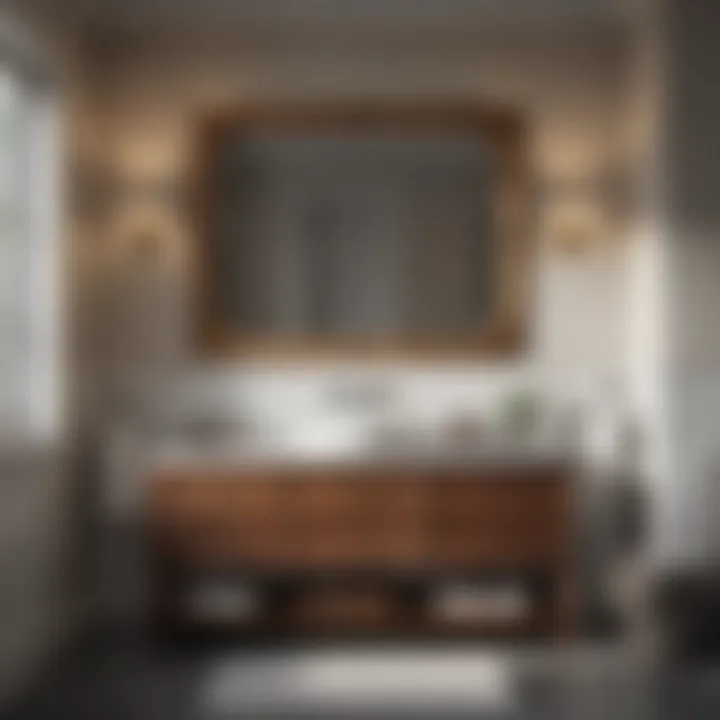
When it comes to cleaning your vanity, the techniques you choose matter. Here’s a simple guide to keep it spick and span:
- Daily Wiping: Use a soft cloth to wipe surfaces daily to prevent build-up. It doesn't take much time but keeps grime at bay.
- Gentle Soaps: Avoid harsh chemicals. A mild soap mixed with warm water works wonders and is less likely to damage the finish.
- Spot Cleaning: For stubborn stains, a paste of baking soda and water can be effective. Just rub gently to not scratch the surface.
- Cabinet Care: Don’t forget about the insides! Regularly clear out unused items and wipe down shelves to maintain cleanliness and organization.
- Polishing: Every now and then, give your surfaces a polish to restore their shine. Some homeowners find that a natural oil can provide a nice finish too.
"A little bit of effort every day can save much larger headaches later on!"
Keeping a 24 x 20 vanity clean requires time and diligence, but it's a small price to pay for the elegance and functionality it brings to your bathroom.
Dealing with Wear and Tear
Like any other piece of furniture, a bathroom vanity will undergo some wear over time. Addressing these issues promptly can prolong its life significantly. Here are some strategies:
- Inspection: Regularly check for signs of damage such as scratches or water rings. If you spot something, tackle it quickly.
- Sealants and Finishes: Some vanities come with protective finishes. When they start to wear off, reapply them according to the manufacturer's recommendations.
- Repairing Minor Damages: For scratches, consider using furniture markers that match your vanity’s color. It’s a quick fix that can hide minor imperfections.
- Preventive Measures: Use coasters for toiletries and avoid placing dampened items directly on the surfaces. This prevents water spotting and potential damage.
- Professional Help: If you notice significant wear, don't hesitate to call a professional. They can repair or refinish your vanity, giving it a new lease on life.
Caring for a 24 x 20 bathroom vanity doesn’t need to be daunting. With some diligent maintenance, you can enjoy its beauty and utility for many years to come. Just remember, a little TLC goes a long way!
Functional Storage Solutions
Creating an effective storage solution for your 24 x 20 bathroom vanity is not just about keeping your space tidy; it’s about making the best of what you have available. Functional storage solutions can transform a cluttered, chaotic environment into an orderly oasis, allowing you to retrieve items effortlessly. Not to mention, smart storage can significantly enhance the overall aesthetic appeal of your bathroom, as well as its efficiency in function.
When considering functional storage, you need to think about both style and utility. At the end of the day, a vanity that’s beautiful yet lacks in practicality can easily frustrate the user. Therefore, integrating elements that maximize space and accessibility should be a top priority. A well-designed vanity allows for seamless flow and makes it easier to maintain an organized bathroom.
Drawer Organization
Organizing the drawers of your vanity is key to maximizing the space. A well-organized drawer saves you time and keeps your bathroom looking sharp. First off, you might consider dividing the drawer into sections. You can use dividers to separate toiletries, makeup, tools, and other personal items. This way, you don't have to dig through a mountain of products just to find a hairbrush.
It's often helpful to use clear bins or smaller containers within the drawers. They help compartmentalize, making it visually easier to spot what you need. For instance, having a bin for hair care products and another for skincare can keep things in check.
Here are some practical tips:
- Label bins: This way, everyone knows where their stuff goes, limiting the chance of chaos.
- Use drawer liners: They not only provide traction but also make cleaning much simpler.
- Consider pull-out trays: These trays can offer a more dynamic space and make accessing items a breeze, often taking advantage of depth over traditional drawers.
"A small effort spent in organizing can yield significant rewards for your peace of mind."
Cabinet Space Utilization
The cabinets beneath your vanity offer a treasure trove of storage potential. One of the first things to note is that not all cabinet spaces are created equal. If you have shelves, consider using stackable storage containers that give you the ability to utilize the vertical space effectively.
If you have the option for a cabinet with doors, try to go for a design that allows easy access. For instance, soft-close mechanisms are a nice touch; they prevent slamming and are particularly handy when you have your hands full.
There’s also an art to utilizing every nook and cranny. Small items often get lost in the depths of cabinets, but adding pull-out shelves can change the game. Rather than rummaging around, you can simply pull everything out and see it at a glance.
Further features to think about:
- Lazy Susans: These rotating trays are perfect for keeping bottles and jars accessible without requiring deep dives into the cabinet.
- Vertical dividers: Great for holding taller items like shampoo bottles, these can maximize storage by preventing them from tipping over.
- Over-the-door organizers: They can be a game changer for additional space, giving you a chance to house items like towels without them cluttering the cabinet.
Thus, effective drawer organization and thoughtful cabinet space utilization can lead to a vanity that not only looks good but serves your every need. Each aspect contributes to a streamlined, efficient experience—helping you turn your daily routines into easier, more enjoyable tasks.
Color and Finish Options
When it comes to selecting a bathroom vanity, color and finish options play a crucial role in determining not just the aesthetic appeal but also the overall vibe of the space. The right colors can turn a plain bathroom into a sanctuary, allowing homeowners to express their personal style while also complementing the house’s interior theme. Finishes can further enhance the design, often adding a layer of sophistication and texture.
Choosing the appropriate colors and finishes is more than just picking what looks good. It involves understanding how these choices interact with lighting, space, and other elements in the bathroom. A well-chosen color can make a small bathroom appear larger, while a finish can reflect light, adding warmth or depth to the design. Additionally, in the context of a 24 x 20 vanity, the selected color and finish can define the functional and emotional space.
Popular Color Palettes
There are several compelling color palettes that are trending in bathroom design today. Here are just a few:
- Neutral Tones: Shades of gray, beige, and white are perpetually popular, offering elegance and versatility. They can be easily paired with various decor styles.
- Bold Colors: Deep blues or emerald greens can create a striking appearance, making the vanity a standout feature. These colors can evoke a sense of luxury and drama without overwhelming the space.
- Earthy Hues: Terracotta, muted greens, and browns bring the outdoors in, promoting a soothing and organic feel. Ideal for those who appreciate nature.
- Pastel Shades: Soft pinks, light blues, and mint greens can create a fresh, airy atmosphere, perfect for smaller spaces.
- Monochromatic Schemes: Using varying shades of a single color can add depth without being overly complicated. This approach often results in a cohesive look.
Each palette has its characteristics that cater to different styles and individual preferences. By considering the overall decor and mood, homeowners can select a palette that not only suits their taste but also harmonizes with their space.
Selecting the Right Finish
Finishing touches on a vanity are as important as choosing the color. Different finishes contribute to durability and visual interest. Here are the main types of finishes:
- Matte Finishes: This finish is non-reflective and gives a modern, understated look. It can hide small imperfections, making it ideal for frequently used spaces.
- Glossy Finishes: Glossy surfaces reflect light, which can brighten a room and enhance colors. They are easier to clean but may show fingerprints or water spots more easily.
- Satin Finishes: Offering a middle ground, satin finishes provide a soft sheen that is more resistant to scratches than matte finishes.
When choosing the finish, think about the maintenance involved, as well as the lifestyle of the household. Families with children might lean toward more durable finishes to withstand wear and tear, while those without might opt for gloss to enhance lighting.
"Selecting the right color and finish can dramatically impact the look and feel of your bathroom, transforming it from ordinary to extraordinary."
In summary, paying attention to color and finish options while choosing a 24 x 20 bathroom vanity can create both a functional and inviting space. When combined thoughtfully, they allow homeowners to enjoy a vanity that is not just practical, but also a reflection of their unique taste.
Highlighting Practical Features
When selecting a bathroom vanity, especially one that's 24 inches by 20 inches, it’s crucial to focus on practical features that enhance usability and overall user experience. These highlights not only ensure the vanity serves its primary function effectively but also contribute to the aesthetics and feel of the entire bathroom space. An informed choice brings forth numerous advantages.
Integrated Lighting Solutions
Lighting plays a significant role in any bathroom setting. For a compact 24 x 20 vanity, integrating lighting solutions can dramatically transform the space. This isn’t just about aesthetics; it’s about functionality too. While traditional mirrors may come with some built-in lighting, there’s a world of options that can enhance both beauty and illumination.
Consider the following practical integrated lighting features:
- LED Strips: Placing LED strips under the vanity can provide ambient lighting, illuminating the floor and creating an inviting atmosphere.
- Wall-Mounted Fixtures: Installing wall-mounted sconces near the vanity area ensures adequate lighting for grooming tasks, minimizing shadows that can distort reflections.
- Backlit Mirrors: Opt for mirrors with built-in LED lighting. These serve a dual purpose – functional usage and adding a modern touch to your decor.
Many homeowners overlook how crucial proper lighting is when using the vanity daily. Having the right light can improve your morning rituals, allowing a clear view for makeup application or shaving. Moreover, adjustable lighting can help create various moods, from bright work settings during the day to soft, relaxing tones for an evening bath.
Sustainable Practices
Adopting sustainable practices in the selection and maintenance of your bathroom vanity is becoming more essential in today's eco-conscious world. A vanity may seem like just a functional piece of furniture, but it can embody values of sustainability and responsible living when selected correctly.
Here are a few sustainable considerations to take into account:
- Material Selection:
- Energy-Efficient Lighting:
- Water-Conserving Fixtures:
- Eco-Friendly Finishes:
- Choose wood sourced from sustainably managed forests. Look for certifications like FSC (Forest Stewardship Council) to ensure eco-friendly practices.
- Composite materials can be an excellent alternative if they are made from recycled sources, reducing the demand for new resources and minimizing waste.
- As noted in the previous section, LED lights are a fantastic energy-saving option. They consume less power and last significantly longer, reducing the need for replacements.
- Timers or dimmers can allow control over lighting, ensuring that you’re not consuming unnecessary energy.
- If you’re pairing your vanity with faucets, consider ones that are designed to conserve water. Low-flow options can significantly cut down water usage without compromising performance.
- When selecting finishes for your vanity, opt for non-toxic paints and sealants. These finishes not only keep the environment safe but also enhance air quality in your home.
"Going green can be practical. A sustainable vanity can add style and responsibility to your home."
By incorporating these sustainable practices into your bathroom vanity selection, you're not only elevating your space but also making a positive impact on the environment. Every small change adds up, and being mindful about choices can lead to significant benefits not just for you but also for the planet.
Trends in Bathroom Design
When you're diving into the world of bathroom renovation or simply thinking about sprucing up your existing space, focusing on current trends can make a significant difference. Trends in bathroom design influence not just aesthetics but also functionality, helping to create a space that is both modern and welcoming. A well-designed bathroom ensures that it meets the daily needs while also reflecting personal style. This 24 x 20 bathroom vanity project is at the crossroads of cutting-edge design elements and timeless charm, making it crucial to explore these trends.
One of the real benefits of following trends is their ability to provide new solutions for age-old problems. For instance, if you have a small space, integrating sleek lines and minimalist designs can create an illusion of space and airiness. Color schemes often focus on lighter shades, promoting a calm, open feeling, while still incorporating bolder accents for character.
“The modern bathroom is not just about functionality; it’s about creating a personal sanctuary.”
Modern Styles
In the realm of modern styles, simplicity reigns supreme. Clean lines, uncluttered spaces, and minimalistic decor define today’s forward-thinking bathrooms. A 24 x 20 vanity fits snugly within contemporary designs, pairing sleek hardware with smooth finishes that reflect a streamlined elegance. Here are some elements that characterize modern bathroom design:
- Bold Colors and Statements: Gone are the days of shy pastels. Think deep navy or rich emerald greens paired with metal accents. Timeless yet on-trend, these colors can be the perfect backdrop for a 24 x 20 vanity that stands out.
- Floating Vanities: A floating design not only looks chic but also offers practicality. It makes cleaning under the vanity a breeze and enhances the overall look of space.
- Sustainable Materials: As society grows more environmentally conscious, sustainable choices are emerging as a strong trend. Using reclaimed wood or eco-friendly composites for the vanity contributes positively to the environment and fits into the modern ethos of sustainability.
Vintage Inspirations
On the flip side of the coin, vintage inspirations are making waves in bathroom design. This trend intertwines nostalgia with contemporary flair, creating an inviting atmosphere that feels both familiar and fresh. Here’s what you should consider when looking to incorporate vintage elements in your design:
- Antique Fixtures: Imagine brass or gold-finished faucets and hardware sitting atop a beautifully restored wooden vanity. These fixtures can bring heirloom quality to your bathroom.
- Freestanding Bathtubs: The elegance of a freestanding tub complements the vanity and stirs up those feelings of a luxurious escape. Pairing a traditional clawfoot bathtub with a 24 x 20 vanity brings together the best of both designs.
- Classic Tiles: Vintage inspiration is incomplete without classic tiles. Think of subway tiles or patterned cement tiles that can mimic historical designs while conveying an updated look.
Economic Considerations
When it comes to a 24 x 20 bathroom vanity, it’s not just about aesthetics or utility; economic considerations often take center stage in the decision-making process. For homeowners, understanding the financial implications of their choice can mean enjoying the best of both worlds: a beautiful vanity that doesn't break the bank. There's a fine balance to strike between budgetary constraints and the desire for quality, and this section sheds light on several important facets.
One of the primary elements to consider is understanding your budget. Knowing how much you're willing to spend right from the beginning can save you a lot of hassle down the road, especially when it comes to selecting materials, finishes, and accessories. A transparent budget helps you focus your search and prevents you from falling in love with options that might be beyond your reach. It’s wise to set aside a little extra in your budget, as unforeseen expenses often pop up like weeds in a carefully tended garden.
Moreover, evaluating financing options can be beneficial. Many retailers provide financing choices if the upfront cost of a bathroom vanity is too steep.
"A penny saved is a penny earned." Well, in the case of a bathroom vanity, savings can add up, allowing you to allocate funds toward other home improvement endeavors.
Budgeting for a Vanity
Creating a budget for your bathroom vanity isn't just about slapping down a number on a piece of paper—it's a detailed process. First off, it's crucial to be aware of the basic cost spectrum of components involved:
- Vanity Base: The shell that holds everything together.
- Countertop: The surface where all the action happens.
- Sink: An essential part—don't skimp on it.
- Faucet and Plumbing: Hidden costs that can bite if left unconsidered.
- Accessories: Drawer organizers and lighting fixtures can add up.
Consider starting with an itemized list of what you need. Get quotes on different models and materials, not just once but a few times, perhaps using local forums such as reddit.com to gather insights or opinions from other house owners. The goal here is to understand the potential variations in prices.
Cost vs. Value
The phrase “you get what you pay for” holds weight, especially in home décor. If you intend to keep the vanity for years to come, investing in quality makes a strong case. A cheaper vanity might save you money upfront, but could require replacement or repairs sooner than you’d like.
Thus, when making your decision:
- Longevity: How long do you expect the vanity to last? Higher-quality materials usually promise a longer lifespan.
- Functionality: Does it meet your needs? A higher cost could translate into better design, more storage, or easier maintenance.
- Style: Aesthetics contribute to the overall value of your home, impacting resale value down the line. A stylish, well-constructed vanity could bring back more than its initial price in increased property value.
In addition, it's helpful to factor in potential utility savings. A vanity equipped with energy-efficient fixtures may cost a bit more initially but can save money on water bills in the long run.
Sourcing a Bathroom Vanity
Sourcing a bathroom vanity is not just about selecting a piece of furniture; it encapsulates a journey in creating a space that flows with both style and function. The right vanity can transform your bathroom into a personal oasis. This section elaborates on how to approach the acquisition of a 24 x 20 bathroom vanity, focusing on two primary avenues: retail options and custom designs.
Retail Options
When you think of sourcing vanities, retail stores often come to mind first. These are the places where you can physically examine various vanities, ensuring they meet your personal taste and practical needs. Here's why this route can be particularly useful:
- Wide Variety: Retail options range from big-box home improvement stores like Home Depot to specialized bathroom supply shops. You can find countless styles, materials, and designs, allowing you to visually compare what’s on offer.
- Immediate Availability: If you’re looking to refresh your bathroom soon, buying off the shelf often means you can take the vanity home that day. This convenience is essential for busy homeowners who don’t want to prolong the renovation process.
- In-House Delivery and Setup: Many retailers provide delivery options along with assembly services. Think of this as a blessing when you prefer to sit back while experts handle the heavy lifting.
However, while the retail path has its merits, it also has drawbacks:
- Limited Customization: Retail vanities typically come in standard sizes and designs. Finding the exact color or material might feel like searching for a needle in a haystack.
- Quality Concerns: Some budget options might skimp on quality. Always check reviews and material details to avoid regrettable decisions.
Custom Designs
Opting for a custom-designed vanity opens up a world of possibilities. This route caters to discerning tastes and specific requirements, allowing for a tailored approach. Here are some reasons why custom designs can be beneficial:
- Personal Touch: With custom designs, you can influence every detail—from the choice of wood to the type of hardware. This personalization can make the vanity feel more like a reflection of you rather than a cookie-cutter model.
- Exact Dimensions: A custom vanity can be made to fit perfectly in your 24 x 20 space. Rather than trying to squeeze a standard piece into an unusual layout, you’ll enjoy a sleek, streamlined look.
Here are some considerations when going the custom route:
- Budget: Typically, custom designs will cost more than retail options. Knowing your budget helps ensure you don’t bite off more than you can chew.
- Lead Time: Unlike ready-made options, custom pieces take time. It could be weeks or even months before you see the final product.
Ultimately, sourcing a bathroom vanity requires careful deliberation on what suits your needs and preferences. Whether you decide to go with a retail option or opt for a custom-design, understanding the pros and cons helps you tread this path with confidence.
"The journey of sourcing isn’t just about the finished product, it's also about the choices you make along the way. Different paths can lead to the same destination, but the experiences vary."
By thoughtfully weighing your options when sourcing a vanity, you set the stage for a bathroom that harmonizes with your lifestyle while enhancing your home's aesthetic.
End
When diving into the essence of a 24 x 20 bathroom vanity, reaching the conclusion is akin to tying together the threads of an intricate tapestry woven with various elements of planning, design, and practicality. This final section serves as the touchstone for everything discussed thus far, encapsulating the importance of thoughtful selection and placement in enhancing both aesthetics and functionality in home design.
One of the significant takeaways is the balance between style and convenience. A well-chosen vanity does not merely occupy space—it transforms it. It offers storage solutions that can declutter a busy bathroom while providing a stylish centerpiece. The right vanity also reflects personal taste, contributing to the overall atmosphere of relaxation and comfort in the area. Thus, investing time in understanding dimensions, materials, and design can lead to a significant upgrade in one’s living space.
Summation of Key Points
- Design is Critical: The choice of style and finish can alter the ambiance. A modern design with sleek lines versus a vintage one can cater towards different aesthetic preferences.
- Function over Form: While it’s tempting to derive a vanity purely based on looks, practicalities like storage and durability should not be overlooked. Consider how much countertop space you’ll need compared to how much storage is essential for daily use.
- Material Matters: The materials chosen play a crucial role in longevity. Selecting the right wood, veneers, or composites can stave off wear and tear while offering an appealing look that complements your home.
- Maintenance is Key: Regular upkeep can prolong the life of the vanity and keep it looking fresh. Knowing how to care for natural and engineered materials can save homeowners from premature wear.
- Installation Impact: Proper installation, whether DIY or professional, ensures that the vanity functions as intended without future complications.
Future Considerations
Looking ahead, it’s vital to reflect on the evolving trends and personal preferences that might influence future transformations. Bathrooms are one of the most frequented spaces—therefore, understanding that it is not just built for now but for years to come can shape decisions.
- Innovative Storage Solutions: With the advent of smaller living spaces, maximizing storage without compromising on decor is an importance that’s growing. There is a rise in multifunctional designs that cater to diverse needs.
- Sustainability in Materials: As awareness about environmental concerns grows, many homeowners might seek out sustainable options. Thinking of natural materials that can withstand time while still being eco-friendly could become a central theme in future renovations.
- Technology Considerations: Integrated technology may become a standard feature. Imagine a bathroom vanity with built-in charging stations or motion-sensor lighting. Planning for such advancements today could set the stage for tomorrow’s convenience.
- Personalization is Key: Future trends are likely to spotlight customization. Selecting a vanity that’s tailored not just for functionality, but for the unique personality of the homeowner will become increasingly essential.
By revisiting these points, readers can keep essential elements in mind as they approach the design and installation of their 24 x 20 bathroom vanity, ensuring a decision that aligns with their vision and practical needs.