Aesthetic and Functional Aspects of Bathroom Walls
Intro
When contemplating the transformation of a bathroom, the wall surfaces play a pivotal role. They aren't just there to hold up the ceiling; rather, they define the space's aesthetic and functionality. With strains of effectiveness and artistry, these walls must combat dampness while exuding elegance. While it might seem easy to overlook this element, understanding the materials and designs can significantly elevate the bathroom experience. This article will guide you through every phase, from selecting the right materials to ensuring they serve their intended function seamlessly.
Materials:
To kickstart your bathroom wall project, gathering all necessary materials is crucial. Here's a detailed list:
Essential Materials:
- Moisture-Resistant Gypsum Board: 4' x 8' sheets, several depending on wall size (typically 6-10 sheets for small-to-medium bathrooms)
- Backer Board (Cement Board): 3' x 5' sheets for wet areas
- Acoustic Caulk: 1-2 tubes for sealing joints
- Primer: Depending on the size, usually one gallon is sufficient
- High-Quality Moisture-Resistant Paint: 1 gallon (choose a color to complement your design)
- Tile (optional): Depending on preferences, typically 10 square feet for accent walls
- Waterproofing Membrane: Enough to cover wet areas
Tools Needed:
- Level: For even installation
- Tape Measure: 25’ for accurate measurements
- Utility Knife: For cutting boards and tiles
- Drill: For assembling structures
- Screwdriver: To secure screws in place
- Trowel: For applying adhesive or grout
- Tile Cutter: If you opt for tiling
- Safety Gear: Goggles, gloves, and mask for protection
DIY Steps:
Step-by-Step Process:
- Planning and Measuring:
- Prepare the Space:
- Cutting the Boards:
- Installation of Backer Board:
- Sealing Joints:
- Priming and Painting:
- Tiling (if desired):
- Final Touches:
- Begin by measuring your bathroom walls to determine how much material you'll need. Make sure you account for any windows or features that will affect coverage.
- Clear out any furniture or obstacles to create an adequate workspace. Make sure to have proper ventilation available.
- Using your utility knife, score and snap the moisture-resistant gypsum board to the required sizes. Be mindful of your cuts—accuracy here saves time later.
- For wet areas like around bathtubs and showers, install the cement board first. Use a level to ensure everything is straight.
- Apply acoustic caulk to joints and edges, especially where the boards meet. This will help to minimize moisture infiltration.
- Once installed, apply primer to all walls. Follow up with your high-quality, moisture-resistant paint for a durable finish. Be sure to select a type that suits your color scheme and style.
- If adding tile, use a trowel to apply adhesive and the tile cutter for precise fits. Ensure each tile is level and well-spaced for a polished look.
- After everything is installed, review for any imperfections and touch up paint where necessary. Let it dry completely before using the bathroom again.
Technical Aspects:
Tools and Timing:
- Typically, a weekend is ample for a complete DIY bathroom wall project, assuming you’re working alone. This duration can vary based on your familiarity with the tools and the scale of the project.
- In majority cases, you need a full day for preparation and installation, plus a half day for painting and drying.
Critical Techniques:
- When installing, always refer back to your measurements. A small error can lead to larger issues later.
- Focus on quality over speed. Rushing can lead to mistakes, which might be visible once the project is complete.
Troubleshooting Tips:
Common Issues:
- Peeling Paint: Ensure complete drying time between paint coats. Consider using a dehumidifier if your bathroom tends to stay moist.
- Cracking Tiles: If tiles crack, check the surface under them for evenness. A poor foundation can lead to cracks later.
"The devil's in the details. Paying attention to minor aspects can lead to major improvements in your space."
If you face issues beyond basic problems, reaching out to a professional might be worthwhile for more complex resolutions.
Preface to Bathroom Wall Considerations
When thinking about bathroom design, wall considerations often slip onto the back burner. Many homeowners might assume that walls are just a backdrop for beautiful tile or paint, but they play a crucial role in both aesthetics and functionality. This section explores why bathroom walls deserve more attention than they usually get.
Bathroom walls are not merely structural; they significantly influence the overall atmosphere of the space. A well-thought-out wall design can create a serene sanctuary or a vibrant, energizing retreat. You see, it’s essential to consider both visual appeal and practical elements when planning your bathroom.
Moreover, walls endure humidity and moisture like a champ. They have to hold up against the elements that come with bathing, showering, and the general hustle of a busy household. So, it’s not just about what looks good, it’s about what works well too.
Here are key reasons why wall considerations matter:
- Aesthetic Appeal: Walls set the tone, guiding the eye and enriching the spatial experience. They can either harmonize with the design or create an eye-catching contrast.
- Moisture Management: Given the damp environment of a bathroom, choosing appropriate materials is essential to prolonging the life of the walls and preventing damage.
- Structural Integrity: Walls provide necessary support for fixtures, cabinetry, and shelving. Thus, their construction and finish can play a significant role in the long-term utility of the space.
- Personal Expression: Going beyond functional uses, bathroom walls can showcase personal style - think bold colors, unique textures, or a funky mural.
In the following subsections, we’ll dive deeper into the importance of bathroom walls in interior design and their purpose and functionality. Understanding these elements will empower you when creating spaces that are not only beautiful but also practical.
Materials Used for Bathroom Walls
Choosing the right materials for bathroom walls is pivotal. A bathroom is not merely a functional space but also an intimate oasis, involveing a unique blend of aesthetics and durability. What’s more, the materials utilized can impact maintenance, style, and, ultimately, the overall vibe of the bathroom. Essential considerations include moisture resistance, ease of cleaning, and how the materials fit into desired decor styles.
Tile Options and Their Characteristics
Ceramic Tiles
Ceramic tiles have long been a popular choice for bathroom walls due to their versatility. They are made from clay and other natural materials, making them an environmentally sound choice. One of the key characteristics of ceramic tiles is their vast range of colors, sizes, and designs. Homeowners can choose from glossy finishes to matte textures, allowing for creative expression in designs.
Ceramic tiles provide a water-resistant barrier, making them ideal for wet environments.
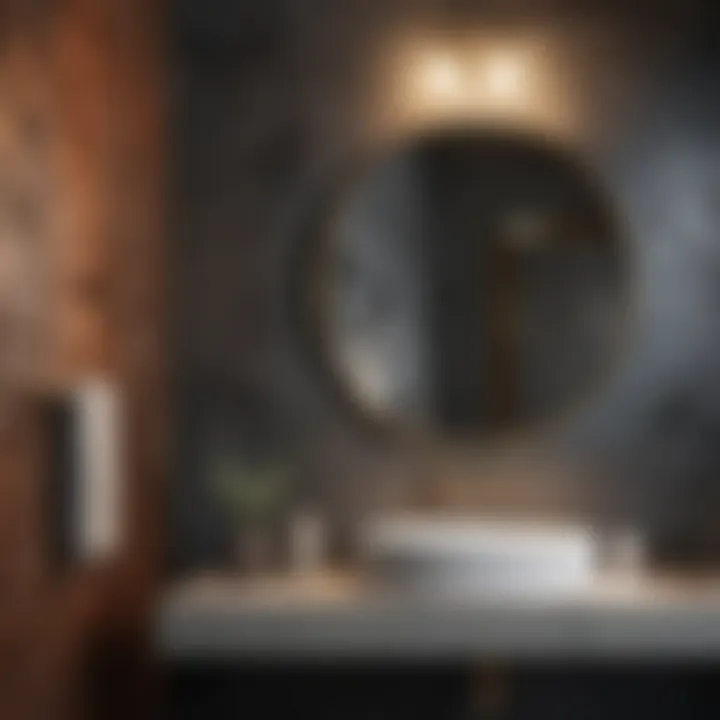
However, while they are generally easy to clean, they can chip if subjected to heavy impact. Therefore, attention to installation is crucial to ensure longevity:
- Advantages: Durable, variety of designs, water-resistant.
- Disadvantages: Can chip or crack, harder installation process.
Porcelain Tiles
Porcelain tiles take things a step further. Thicker and denser than ceramic, they are particularly resistant to moisture and stains. It's their standout characteristic – the ability to maintain a sleek appearance even after years of exposure to water and humidity. For homeowners who desire a more polished, uninterrupted look, porcelain tiles are an excellent option.
Porcelain's unique feature is its low porosity, which significantly reduces the likelihood of mold and mildew fostering on the surface. They are slightly more expensive, but this investment proves worthwhile in terms of maintenance:
- Advantages: Exceptional moisture resistance, low mold retention, various styles.
- Disadvantages: Higher cost, potential for slippery surfaces when wet.
Glass Tiles
Glass tiles bring a sparkle and elegance to bathroom designs that few materials can match. They reflect light beautifully, which can make a bathroom feel more spacious and bright. One notable characteristic of glass tiles is their non-porous surface, which prevents stains and makes cleaning a breeze.
Homeowners might appreciate how glass tiles can be used as accents or entire walls, contributing to a seamless and modern look. However, one must be cautious, as they can be prone to scratches and may require specific grout to maintain their aesthetic:
- Advantages: Reflective surface, sleek appearance, resist staining.
- Disadvantages: Susceptible to scratches, requires careful handling during installation.
Paint Choices Resilient to Moisture
Types of Bathroom Paints
Selecting the right paint is crucial for durable bathroom walls. Specific types, like mildew-resistant paints, are designed to withstand heavy moisture. These paints usually contain specialized ingredients that inhibit mold growth.
A standout feature of these paints is their washability, making it easier to wipe away splashes from daily use. Homeowners who want color without constant upkeep will find these paints to be an ideal fit:
- Advantages: Mold resistant, easy to clean.
- Disadvantages: Can be more expensive than regular paints, limited color choices.
Gloss vs. Matte Finishes
The choice between gloss and matte finishes is more than a matter of taste; it can affect functionality. Gloss finishes are often recommended for bathrooms due to their moisture resistance and easy cleanup. They reflect light well, enhancing brightness in smaller spaces.
On the other hand, matte finishes offer a warmer, more understated appearance. However, they can absorb moisture and are trickier to clean. The contrasting characteristics can cater to different homeowner needs:
- Gloss Advantages: Highly moisture resistant, easy to wipe clean.
- Gloss Disadvantages: Reflects too much light in bright settings, can show surface imperfections.
- Matte Advantages: Cozy and sophisticated look.
- Matte Disadvantages: Less moisture resistant, harder to clean.
Alternative Materials: Paneling and Wall Coverings
Vinyl Panels
Vinyl panels present a robust option for bathroom walls. They are available in various styles and can mimic more expensive materials such as wood or stone. One of the unique features of vinyl is its resistance to moisture and ease of installation, making it a favorite among DIY enthusiasts.
This material doesn’t just serve a practical purpose; it can enhance design flair:
- Advantages: Budget-friendly, easy to maintain, moisture resistant.
- Disadvantages: Limited lifespan compared to tiles.
Wood Treatments
While wood can seem counterintuitive for bathrooms, certain treatments can make it a viable option. Wood adds warmth and elegance. The trick lies in using treated wood that can handle humidity without warping or rotting.
Unique features include customizable looks through staining or painting, offering a personalized touch to the space. However, it’s essential to weigh the maintenance requirements:
- Advantages: Warm aesthetic, customizable.
- Disadvantages: Can be expensive to maintain, potential for moisture damage.
Acrylic and Fiberglass
Finally, acrylic and fiberglass are becoming increasingly popular choices for bathroom walls. Lightweight and highly durable, these materials can withstand the demanding conditions of a bathroom. They are easy to clean and resist mold, which is always a bonus.
The unique aspect of acrylic and fiberglass is the seamless design that can make a bathroom look modern and fresh:
- Advantages: Lightweight, easy to clean, seamless appearance.
- Disadvantages: Limited design possibilities, can feel less luxurious compared to tiles.
Design Styles and Trends
Design styles and trends play a pivotal role in shaping the aesthetics and functionality of bathroom walls. These elements reflect not just personal preferences, but also current cultural sentiments and technological advancements in home design. Understanding various styles can enable homeowners to make informed choices that enhance both style and utility in their bathrooms. Designers also consider how these trends work within the unique constraints of bathrooms, such as moisture levels and spatial limitations.
Contemporary Design Approaches
Minimalism
Minimalism stands as a beacon for those seeking a serene and uncluttered bathroom environment. At its core, minimalism champions simplicity through clean lines and a restrained color palette. The use of fewer elements creates an open atmosphere, allowing for easier navigation and maintenance. A key characteristic of minimalism is its focus on essential functionality, stripping away the unnecessary to spotlight the spatial beauty. This approach offers a myriad of benefits, particularly in smaller bathrooms, where every inch counts. Moreover, minimalist designs inherently promote a sense of calm, crucial for such a personal space. However, the challenge lies in striking the right balance; excessive minimalism may lead to a stark environment that feels impersonal.
Industrial Style
Industrial style, inspired by repurposed warehouses and factories, introduces a raw, edgy character to bathroom wall design. This aesthetic is marked by exposed brick, steel fixtures, and a palette filled with earthy tones. Its rugged appeal creates a unique contrast in typically soft and serene bathroom designs. This style is a popular choice because it not only embodies a sense of history but also provides durability—important in high-moisture environments. With industrial design, one unique feature is the way it showcases structural elements, turning beams and pipes into points of interest. However, homeowners must be mindful; while this style offers durability, it could present challenges with warmth and comfort if not balanced with softer elements.
Traditional and Vintage Aesthetics
Classic Tiles
Classic tiles bring a timeless elegance that can transform the bathroom into a sanctuary. Distinguished by patterns like hexagons and subway tiles, their versatility allows them to complement various decor styles. The enduring nature of classic tiles makes them a wise investment. They resist moisture and wear, resulting in lower maintenance costs over time. One of their significant advantages is their ability to fit in seamlessly with both contemporary and traditional decor, creating a harmonious balance. However, one downside might be that trends shift, and what’s currently in vogue could become outdated.
Wainscoting
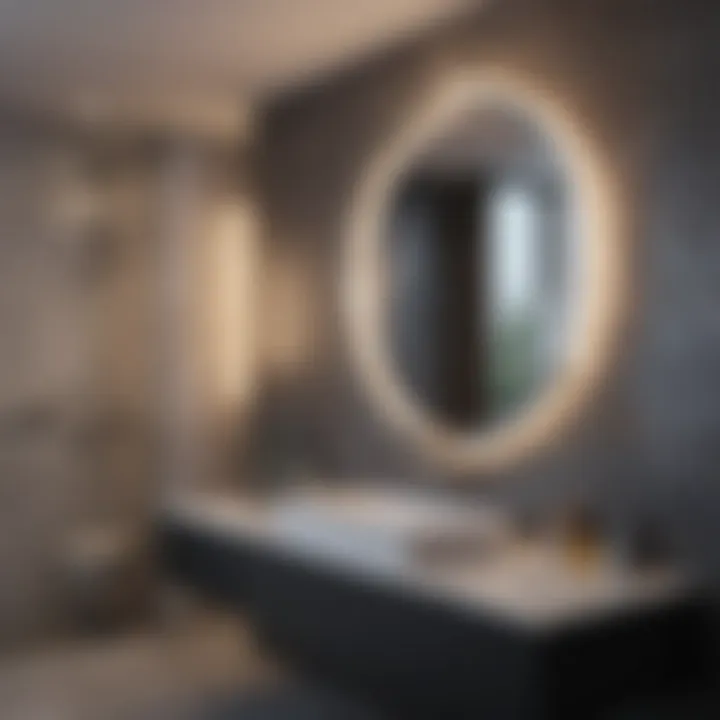
Wainscoting offers a refined touch, making it a beloved choice for those looking to add a vintage element to their walls. This decorative paneling adds depth and texture, enhancing visual interest in the bathroom. A key characteristic of wainscoting is its ability to protect wall surfaces from moisture damage while contributing to overall aesthetic appeal. Homeowners often find this style beneficial because it provides warmth and grandeur, making bathrooms feel more inviting. While the installation might require a higher upfront investment than simply painting a wall, the long-term benefits of elegance and durability often outweigh this initialcost.
Eclectic and Mismatched Patterns
Eclectic designs encourage creativity, allowing homeowners to mix various materials, colors, and patterns. This approach can enliven a bathroom, making it a unique expression of personal style. A defining feature of eclectic patterns is their unpredictability, which can range from combining bold tiles with soft wallpapers to contrasting textures like wood and metal. However, it's essential to tread carefully; while the randomness can create visual interest, a lack of coherence can also lead to chaos. To prevent this, thoughtful planning and a keen eye for balance are crucial.
Functionality and Practical Considerations
When it comes to bathroom walls, functionality plays a vital role. The aesthetic appeal of this space is quintessential, but it’s essential that the walls are engineered to battle the unique challenges posed by humidity and frequent moisture exposure. Smart choices in materials and designs can safeguard against potential damage and enhance the longevity of the elements within the bathroom.
The practical considerations encompass the ability to resist moisture, ensure proper ventilation, ease of maintenance, and overall durability. A balance of these aspects not only improves the bathroom environment but also contributes significantly to the overall comfort and functionality of the entire home.
Moisture Resistance and Ventilation
In a bathroom, moisture resistance is not just an optional feature; it’s a necessity. The high steam levels from showers and baths create a potent environment for mold and mildew. Thus, selecting materials that don't absorb water is crucial. Waterproof wall coverings like ceramic tiles or acrylic panels effectively create a barrier against moisture.
Ventilation, on the other hand, helps to mitigate the issue by allowing steam and humidity to escape, creating an air circulation that reduces the build-up of moisture. Investing in a good ventilation system is as important as choosing the right materials. No amount of stylish tile can replace the need for fresh air in keeping your walls – and your bathroom – healthy.
Maintenance and Cleaning Aspects
A bathroom’s appearance can quickly degrade if regular maintenance is neglected. Understanding effective cleaning routines and the right products is key in preserving the beauty and functionality of the bathroom walls.
Best Practices
When it comes to best practices in wall maintenance, prevention is far better than cure. Regularly inspecting for damage or any signs of moisture build-up can save you a lot of hassle in the long run. Wiping down walls after showers helps reduce water accumulation.
- Use mild, non-abrasive cleaners.
- Opt for a squeegee to clear excess water right after each use.
- Reseal grout every few years to keep it from crumbling and absorbing moisture.
The advantage of these practices is that they keep your bathroom looking pristine and reduces the need for major restorations later on. By actively maintaining your walls, you preserve both style and infrastructure.
Common Mistakes
Many homeowners fall into the trap of neglecting the implications of improper cleaning habits. One of the most common mistakes is using harsh chemicals on wall surfaces which can lead to discoloration or damage, particularly on painted walls or certain wall coverings.
- Scrubbing too hard can wear down protective layers.
- Overusing moisture-heavy cleaning solutions instigates condensation.
- Failing to ventilate properly while cleaning can exacerbate moisture problems.
The characteristic of these mistakes often results in a cumulative effect, where small oversights become major headaches down the line. Such pitfalls can lead to bigger issues like mold growth, which not only affects aesthetics but can also pose health risks.
In summary, being mindful of functionality and practical considerations when designing and maintaining bathroom walls is essential. Together, preventing moisture issues and implementing proper maintenance can prolong the life of the bathroom’s aesthetic appeal and functionality.
Innovative Technologies in Bathroom Walls
In the ever-evolving landscape of interior design, incorporating innovative technologies in bathroom wall constructions is taking center stage. These advancements not only elevate the visual identity of bathrooms but also enhance their overall functionality. Homeowners are increasingly looking for solutions that merge style with practicality, and innovative technology can serve as a bridge that connects these two worlds. Embracing such advancements can ensure a bathroom that meets modern expectations of comfort and aesthetics.
Smart Wall Solutions
Integrated Lighting
When it comes to integrated lighting, the notion isn’t restricted to mere aesthetics. This smart solution provides functional advantages as well. Integrated lighting involves seamlessly incorporating light fixtures into the wall design. This feature can transform dull spaces into ones that sing, improving the bathroom's ambience while enhancing task lighting for everyday activities like shaving or applying makeup.
The key characteristic of integrated lighting is its ability to create a soft glowing effect without the bulk of traditional light fixtures. This subtlety is particularly cherished in the bathroom realm, where space can be limited and every element needs to contribute positively to the ambiance. Moreover, homeowners appreciate that this lighting solution is energy-efficient, often using LED technologies that have longer lifespans and lower power consumption.
Nevertheless, like all technologies, there are considerations. The installation can sometimes require an electrical system overhaul, meaning added costs and potential disruptions during renovations. Overall, integrated lighting stands as a popular option, valued for its fusion of beauty and utility.
Heated Walls
Heated walls offer a cozy solution that significantly enhances the bathroom experience in chillier climates. The concept revolves around incorporating heating elements within the wall structure, meaning homeowners can unwind in a comforting environment right after a shower. A bathroom bathed in warmth is an attractive feature, especially during long winters.
The important trait of heated walls lies in their capability to maintain an even temperature throughout the bathroom, eliminating cold spots common with traditional heating methods. This feature is particularly appealing to families, as it ensures kids don't feel the sudden chill after bathing.
However, there are negatives to consider. The installation process can be on the pricier side and might involve complex plumbing or electrical work. There’s also a potential risk of overheating if not properly managed. Still, the advantages of comfort may outweigh these drawbacks, making heated walls a desirable addition for those prioritizing luxury in their homes.
Sustainable Materials and Practices
In recent times, the push for environmentally conscious choices has gained momentum. Homeowners are looking to not just design beautiful bathrooms but also to do so sustainably. Using innovative technologies, sustainable practices are reaching new heights in bathroom walls.
Eco-Friendly Alternatives
One approach to sustainable bathroom wall designs is through eco-friendly alternatives. Materials like bamboo or recycled glass tiles are gaining traction, demonstrating that beauty does not have to come at an environmental cost. The key characteristic here is their minimal ecological footprint. These alternatives can be both stunning and restorative rather than destructive.
Notably, eco-friendly materials often boast durability, which means they can withstand moisture and frequent cleaning. This longevity translates into reduced waste over time, marking a beneficial choice for eco-conscious homeowners who are keen on making a meaningful impact while upgrading their bathrooms.
However, sourcing these materials can sometimes lead to higher upfront costs. So, if budgeting is a primary concern, this could be a sticking point. Despite that, their long-term benefits can prove invaluable in aligning stylish design with ecological responsibility.
Recycling Options
Embracing recycling options in bathroom wall construction can also contribute to sustainability. This involves repurposing materials that might usually be discarded. For instance, old tiles can be creatively incorporated into a new bathroom design or transformed into unique wall art.
The defining trait of recycling options is their ability to minimize waste while adding a personalized touch to a bathroom. This practice speaks volumes about homeowners' commitment to sustainability, showing they care about both style and their footprint. Furthermore, recycling materials can lead to distinctive aesthetic outcomes, as every piece tells a story.
However, the challenge lies in the availability and consistency of recycled materials. Sourcing these options might not always be straightforward, potentially leading to complications. Still, for those willing to explore, the rewards are substantial, marrying innovative solutions with eco-friendliness beautifully.
In summary, integrating innovative technologies in bathroom walls offers a multifaceted approach to enhancing functionality while staying stylish. With options like integrated lighting, heated walls, and various sustainable materials, homeowners can create spaces that echo modernity, comfort, and responsibility.
Decorative Elements and Accessories
When it comes to designing a bathroom, the role of decorative elements and accessories often gets overshadowed by more prominent factors like structural components or material choices. Yet, these elements play a significant role in enhancing both the aesthetics and functionality of the space. Properly chosen accessories can transform an ordinary bathroom into an inviting sanctuary while providing practical benefits.
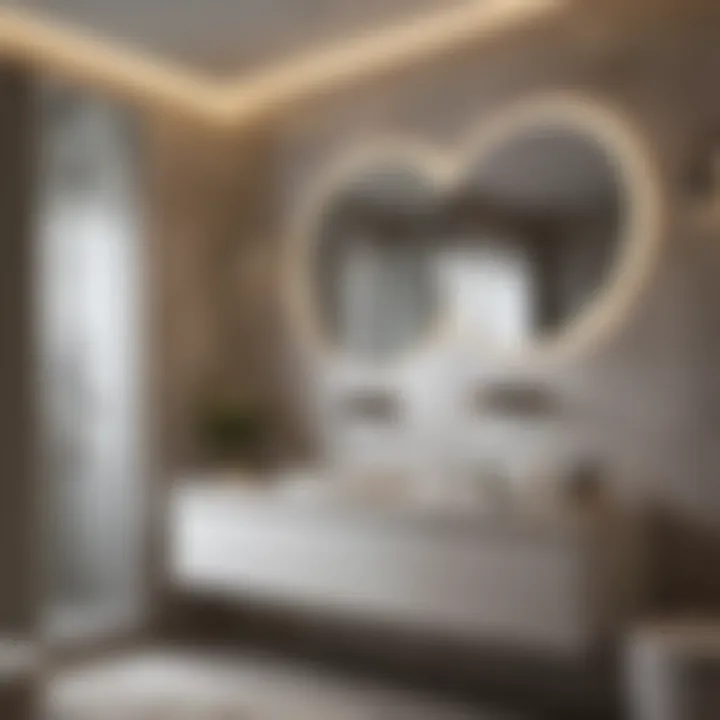
The importance of decorative elements extends beyond mere visual appeal. They can reflect the personality of the homeowner, set the tone for relaxation, and create a cohesive design theme. The right accessories can also make the space feel more complete. For instance, a well-placed mirror can enlarge the appearance of the room, while complementary wall art adds color and character. Additionally, accessories often address specific needs—both in terms of usability and organization.
Wall Art and Photographs
Wall art and photographs serve as essential decorative components in a bathroom's design narrative. The addition of such elements can evoke emotions, tell stories, and even serve as conversation starters. For example, a large canvas depicting a serene landscape can instill a sense of calm, inviting homeowners and guests alike to unwind.
- Choosing the Right Artwork
When selecting wall art, it’s crucial to consider material and durability. Avoid pieces that can warp or deteriorate in humid environments. Opt for water-resistant prints or use frames that reduce exposure to moisture. - Personalization
Incorporating personal photographs can further elevate the space that feels uniquely yours. Framing a collection of vacation snapshots or family portraits can create warmth. However, it's wise to keep sentimental pieces away from direct water sources to preserve their quality.
"Art is not what you see, but what you make others see."
— Edgar Degas
Incorporating wall art and photographs can indeed provide a distinctive character to your bathroom, making it a space that resonates with your style while fulfilling the practical need for moisture-resilient decor.
Shelving and Storage Solutions
The functionality of shelving and storage solutions in a bathroom cannot be understated. A bathroom can quickly become cluttered if essential items lack designated spaces. Appropriate shelving helps keep necessities organized and accessible, enhancing the overall functionality of the area.
- Styles of Shelving
From floating shelves to corner units, the variety of shelving styles offers numerous options to fit different aesthetics. - Utilizing Vertical Height
In smaller bathrooms, vertical space is an invaluable resource. Tall cabinets or floor-to-ceiling shelves can maximize storage without taking up much floor space. - All About Functionality
Consider integrating baskets or organizers within shelves to keep miscellaneous items neatly arranged. This adds a touch of decor while ensuring everything has its place.
- Floating Shelves: Create an illusion of space and provide a modern feel. Ideal for showcasing decorative items or nice toiletries.
- Corner Units: Make the most of unused spaces for storage, helping keep everything tidy and beautiful.
In summary, thoughtful incorporation of decorative elements and accessories elevates your bathroom's charm and practicality. Choosing the right wall art not only personalizes the space but can also enhance the overall ambiance, while effective shelving solutions take care of organization, ensuring that every essential has a home.
Color Theory in Bathroom Wall Design
Color selection plays a pivotal role in bathroom wall design, not just in terms of aesthetics but also how it influences the overall feel of the space. Understanding color theory can offer insights into how different colors interact with one another and the ambiance they create. This topic is of utmost importance as it allows homeowners and designers alike to make informed choices that reflect personal style while also enhancing functionality.
Color Selection and Psychological Impact
Colors have a profound psychological impact on humans. For instance, blues and greens often evoke feelings of calmness and serenity, making them ideal choices for a space intended for relaxation. Meanwhile, warm colors like reds and oranges can generate energy and warmth, which might be more suited to a bustling family bathroom as opposed to a tranquil retreat.
When you think about what colors to put on your bathroom walls, consider not just style, but what you want the space to communicate. Imagine stepping into a bathroom painted in soft pastels; it seems cozy and inviting right away. On the flip side, a bathroom adorned in stark whites and bold blacks may strike an air of sophistication, but can come off as cold rather quickly.
It's essential to keep in mind how light plays with color throughout the day. Natural light can change how a color appears, shifting from subtle to vibrant, or even creating shadows that shift the mood. Here are some considerations to keep in mind:
- Natural Light Sources: What is the direction of the light coming in?
- Artificial Lighting: The type of light fixtures can warm up or cool down your color choices.
- Personal Preference: Ultimately, your choices should reflect your tastes and comfort levels.
Creating Contrast and Harmony
Creating contrast in bathroom wall colors doesn’t have to mean clashing. It’s about finding a balance between colors that complement each other while also standing out. Contrast can add depth, making a space feel more dynamic and engaging. A common approach is to use a darker hue for one wall to create a focal point, while the other walls can be a lighter shade to open up the space.
Consider using color wheels to identify complementary pairs. When picking colors, one might ask:
- Which colors elicit a reaction?
- How do certain tones work to offset others?
Here's an example to illustrate the point:
- A soft peach background on the walls can beautifully contrast with charcoal grey shelves, giving a modern twist in a retro palette.
- Alternatively, light mint green walls can pop against brass fixtures, delivering a vintage look that remains fresh.
Ultimately the goal is to create a visual journey that guides the eye throughout the room. Effective use of contrast and harmony can lead to a bathroom design that feels cohesive yet abundant with diverse styles.
Remember, a well-thought-out color scheme can significantly elevate the mood of any space in your home, especially bathrooms where tranquility and spa-like vibes are desired.
Future Trends in Bathroom Wall Experiences
As the world of home design evolves, the focus on bathrooms often shifts towards more functional and adaptable spaces. The significance of this trend lies in how it directly influences the user's daily routines, providing not just aesthetics, but also a foundation for comfort and efficiency. Understanding the future of bathroom wall design is crucial for homeowners looking to modernize their spaces, ensuring that they remain ahead of the curve.
Responsive Environments
One key aspect of future trends is the concept of responsive environments. This idea revolves around creating spaces that adjust to the needs and behaviors of the individuals using them. With advancements in technology, bathroom walls can integrate smart systems that respond to various stimuli, such as motion or temperature. For example, imagine a bathroom that lights up gently at the touch of a hand or changes color based on the time of day.
Benefits:
- Personalization: Homeowners can customize their bathrooms to reflect their moods or activities
- Enhanced Comfort: Walls that adapt for temperature control can create a more inviting atmosphere
- Energy Efficiency: Smart technology often leads to reduced energy consumption, making these designs more sustainable
The implementation of these responsive features may often require an upfront investment. However, the long-term benefits for both comfort and efficiency can often outweigh the costs. Thoughtful integration of technology will ensure that these spaces remain both livable and enjoyable.
Integration of Biophilic Design
Another promising trend is the integration of biophilic design, which emphasizes the connection between a person and nature. By incorporating natural elements into bathroom walls, it's possible not only to elevate the aesthetics but also to promote well-being.
Homeowners might consider using materials like reclaimed wood or stone. These materials can bring a sense of tranquility and grounding to the often sterile environment of a bathroom. Furthermore, integrating plants into the design—whether through living walls or strategically placed potted plants—can enhance air quality while adding a vibrant touch.
Considerations:
- Natural Light: Incorporating larger windows or skylights enhances the feeling of openness and connection with the outside world
- Color Palette: Earthy tones, soothing greens, and soft neutrals can create a calming atmosphere
- Sustainable Practices: Opting for eco-friendly materials and minimal-impact designs aligns with the growing trend toward sustainability
Biophilic design not only caters to aesthetic inclinations but can also influence psychological health by reducing stress levels and elevating mood. Investing in such features could make a bathroom a true sanctuary, blending modern needs with nature's timeless serenity.
"Innovative materials and responsive technologies will redefine our understanding of comfort in bathrooms, reshaping how we interact with these spaces on a daily basis."
The exploration of responsive environments and biophilic design reveals a future where bathroom walls are more than mere surfaces; they become integral components of a restorative and adaptive experience. For homeowners seeking to modernize their bathrooms, embracing these future trends is certainly the way to go.
The End
In wrapping up our exploration, we find that the landscape of bathroom wall design is both an art and a science. Understanding the nuances of functionality and aesthetics is crucial. This combination not only enhances the style of a bathroom, but also addresses practical concerns such as moisture control and durability.
Recap of Key Insights
Throughout our discussion, several key points emerged. First, the choice of material plays a pivotal role. Whether it's the resilience of porcelain tiles or the elegance of glass, each option has its merits. Additionally, we noted the importance of maintenance; choosing surfaces that ease cleaning can save homeowners significant time and effort. Another factor was color theory—colors can influence mood and perception in this personal sanctuary. By combining these insights, homeowners can create spaces that are aesthetically pleasing yet practical.
"The bathroom is often overlooked in design, but it deserves as much attention as any other room in the house."
Looking Forward to Innovations
As we peer into the future, there are exciting trends on the horizon for bathroom walls. Technological innovations such as smart walls that adjust lighting based on mood or time of day are becoming more prevalent. Moreover, sustainable practices are making waves, leading to increased use of eco-friendly materials. The integration of biophilic design—a focus on natural elements—could reshape bathrooms, creating serene escapes right in our homes.
With these possibilities ahead, it’s clear that the evolution of bathroom walls is just beginning. This evolution awaits those ready to embrace change and think beyond conventional designs. Ensuring that our bathrooms not only meet current needs but also anticipate future requirements will allow residents to enjoy their spaces for years to come.