The Ribbed Bathroom Vanity: Trends and Insights
Intro
The trend of ribbed bathroom vanities is taking center stage in modern interior design. These vanities are characterized by their unique textures and subtle elegance. A ribbed vanity can add both depth and visual interest to a space often overlooked. As more homeowners strive to create a cohesive and stylish atmosphere, understanding the elements that make ribbed vanities appealing becomes crucial.
Materials:
To successfully embark on your DIY ribbed bathroom vanity project, it's essential to begin with the correct materials. Here is a comprehensive list of necessary materials, accompanied by their appropriate measurements:
- Plywood (¾” thick): 1 sheet, 4' x 8'
- Ribbed paneling: 1 sheet, or multiple strips totaling 4' x 8'
- Wood glue: 1 bottle (approx. 8 oz)
- Wood screws: 1 box (1 ¼ inches)
- Sandpaper: Various grits (80, 120, 220)
- Wood stain or paint: 1 can (quart size)
- Sealant: 1 can (clear polyurethane)
- Drawer slides: 1 set (for each drawer if applicable)
- Countertop: 1 piece (dimensions depending on vanity size)
- Hardware (handles, knobs): As desired
- Legs or base supports: Optional, based on design preference
DIY Steps:
Once the materials are gathered, follow these detailed instructions to create your ribbed bathroom vanity:
- Preparation:
- Cutting the Plywood:
- Assembling the Vanity:
- Attaching Ribbed Paneling:
- Sanding and Finishing:
- Installing Countertop:
- Adding Hardware:
- Start by measuring your bathroom space accurately. Determine how large or small your vanity should be.
- Using a circular saw, cut the plywood to the desired dimensions for the body of the vanity.
- Create a back panel, side panels, and shelves as needed.
- Attach the side panels to the back panel using wood glue and screws. Ensure it is square before proceeding.
- Add the bottom shelf or attach legs if using them.
- Cut the ribbed paneling into strips if necessary. Glue and screw the rib pairs onto the front of the vanity.
- Make sure they are evenly spaced for a cohesive look.
- Sand all surfaces to ensure a smooth finish. Start with coarse sandpaper and progress to finer grits.
- Apply stain or paint, allowing each coat to dry before the next application. Finish with a clear sealant for durability.
- Once the base is dry, carefully place the countertop on top. Secure it in place if necessary.
- Install drawer slides and attach handles or knobs to complete the look.
Technical Aspects:
In this section, the tools and techniques critical for effective installation are outlined. Use the following list:
- Tools Required:
- Timing Specifics:
- Essential Techniques:
- Circular saw
- Drill
- Screwdriver
- Measuring tape
- Level
- Paintbrush or sprayer for even finishing
- Cut and assemble: 2-4 hours, depending on complexity
- Drying time for paint/stain: 4-24 hours
- Installation of drawer slides: 1-2 hours
- Always pre-drill holes to prevent wood from splitting.
- Use a level to check all sides during assembly for accurate alignment.
DIY Project Process:
Follow the listed sequential steps to ensure an organized process:
- Measure and plan your layout.
- Gather materials and tools listed.
- Begin cutting plywood and ribbed paneling.
- Assemble the structure, ensuring a strong foundation.
- Attach ribbed paneling with precision.
- Choose and apply finishes carefully.
- Install the countertop and hardware.
Troubleshooting Tips:
Mistakes can happen during any DIY project. Here are some solutions for common issues:
- Misaligned Panels: If the ribbed paneling is uneven, carefully remove it from the base and reapply using more precision.
- Paint Drips: If you notice drips, sand them down softly once dry and reapply paint smoothly.
- Drawer Slides Won't Close Properly: Check if the slides are properly aligned and adjust as needed.
Taking time to measure, plan, and execute the steps can lead to a finished product that enhances both the functionality and style of the bathroom.
Creating a ribbed bathroom vanity is an enriching venture that combines creativity and practicality. Keep this guide in mind as you embark on the project.

Understanding Ribbed Bathroom Vanities
Ribbed bathroom vanities represent a rising trend in interior design. They combine form and function in a way that is unique within the bathroom space. These vanities not only provide essential storage but also serve as a statement piece, enhancing the overall aesthetic of the room. Understanding their qualities helps homeowners and designers appreciate the depth of design choices available today.
Definition and Characteristics
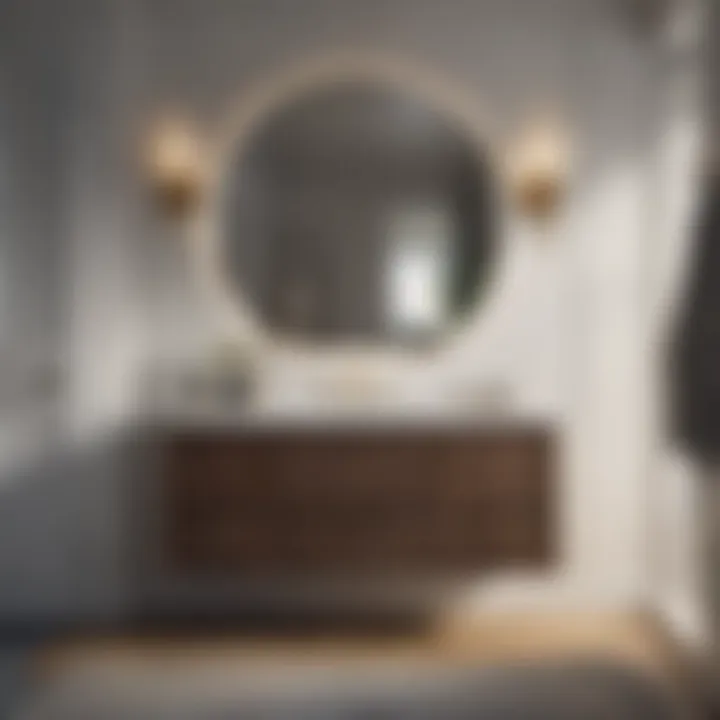
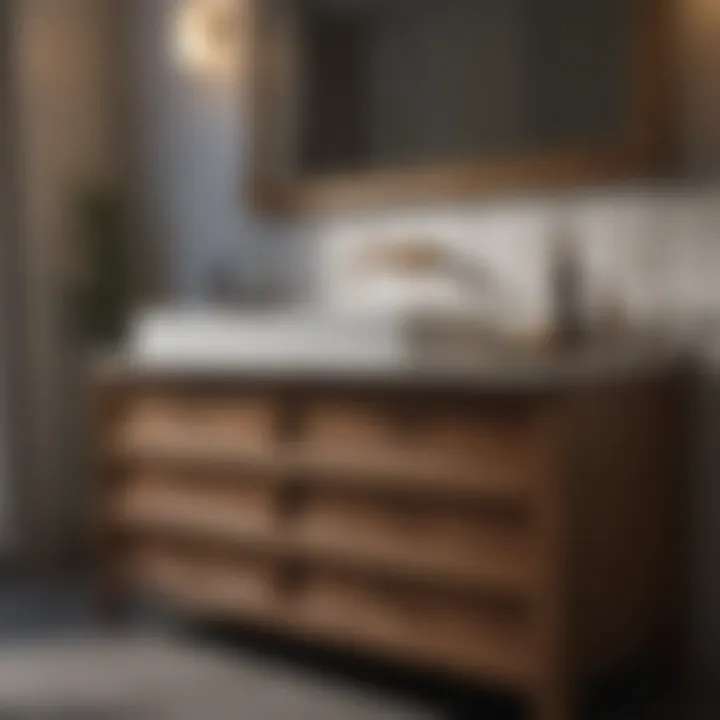
Ribbed bathroom vanities are distinguished by their textured surfaces featuring vertical or horizontal grooves. This ribbed pattern introduces a tactile element to the design, creating visual interest while enhancing the appeal of the vanity. Typically constructed from materials like wood, metal, or acrylic, these vanities can come in various finishes. Some common characteristics include:
- Versatile Styles: Ribbed vanities can adapt to various styles, from modern to rustic.
- Functional Designs: Many models include cabinets and drawers, allowing efficient organization.
- Varied Dimensions: Available in different sizes, they can fit small or expansive bathrooms.
The ribbing not only adds detail but also can make surfaces easier to grip, a subtle but practical benefit.
Historical Context in Bathroom Design
The concept of textured surfaces in design is not new. Ribbed patterns can be traced back to ancient Egypt and Greece, where they were used in architecture, furniture, and pottery. In more recent times, the mid-20th century saw a revival of textured surfaces in furniture design—an aesthetic that has made its way back into contemporary interior styles.
In the realm of bathroom design, the ribbed vanity finds its roots in the minimalist movement of the late 20th century. As homeowners began to seek less cluttered, more harmonized spaces, texture emerged as a means to add complexity without overwhelming a room. Thus, ribbed bathroom vanities have gained popularity as a solution for creating depth without sacrificing simplicity.
As modern design continues to evolve, the ribbed vanity uniquely encapsulates a fusion of past influences and current trends, resonating with homeowners seeking both style and practicality.
Design Aesthetics of Ribbed Vanities
Ribbed bathroom vanities present a unique aesthetic appeal that transcends traditional design elements. Their texture and profile can drastically change the perception of a bathroom space. The visually striking attributes of ribbed designs create an intriguing focal point, offering both depth and dimension. Homeowners and designers alike may appreciate how these vanities blend functionality with sophisticated style.
Visual Impact of Ribbed Textures
The ribbed texture in vanities contributes significantly to the overall visual impact. The patterns catch light in various ways, fostering a dynamic atmosphere. When light reflects off the ribs, it produces a play of shadows and highlights, making the surface more visually engaging.
In practical terms, ribbed textures can also have a practical aspect. They can hide minor blemishes or water spots better than smooth surfaces. This characteristic is essential in a space like the bathroom, where moisture is prevalent. Moreover, the tactile nature of ribbed surfaces invites touch, which enhances the interaction one has with the furniture.
Color Trends and Options
Color is an essential aspect of design aesthetics. Ribbed vanities can be found in a variety of colors, from muted neutrals to vibrant hues. White and gray are popular choices for those seeking a clean and timeless look. These colors pair well with other elements present in the bathroom.
On the other hand, darker shades, like deep blues or black, evoke a sense of luxury and can create a striking contrast with lighter colors in the space. Forest green and soft pastel shades are also emerging trends, reflecting a broader shift toward individuality and personalization in bathroom design. The choice of color can significantly influence the mood of a bathroom, making careful selection imperative.
Complementary Fixtures and Accessories
Ribbed vanities can seamlessly integrate with a variety of fixtures and accessories. For instance, brushed nickel, matte black, or gold finishes on faucets and hardware can elevate the overall design. The selection of sinks also plays a role. Vessel sinks often complement ribbed styles well, as they introduce a different texture and height, creating visual contrast.
Additionally, storage solutions, mirrors, and lighting fixtures should compliment the vanity. Mirrors with frames that echo the ribbed texture or shapes can enhance the overall design narrative. Lighting should be thoughtfully placed to accentuate the vanity's texture while ensuring adequate illumination for tasks. Making informed choices about co-existing elements leads to cohesive bathroom design, enhancing the user's experience.
In summary, the design aesthetics of ribbed vanities are marked by the compelling interplay between texture, color, and complementary elements. These considerations are paramount for homeowners aiming to achieve a coherent and inviting bathroom space.
Materials Used in Ribbed Bathroom Vanities
The construction of ribbed bathroom vanities plays a crucial role in their overall appeal and functionality. The choice of materials impacts not only the aesthetics but also durability and maintenance requirements. As homeowners increasingly seek unique and durable options, understanding the various materials available becomes essential in making informed decisions. Ribbed vanities come in a variety of materials, each with distinct advantages and drawbacks. By exploring wood, metal, and acrylic options, homeowners can determine the most suitable material that aligns with their design goals and practicality.
Wood Varieties and Finishes
Wood is a classic choice when it comes to bathroom vanities. It conveys warmth and natural beauty, enhancing any space. There are several wood varieties commonly used. Oak, for example, is recognized for its resilience and robust texture. It withstands moisture well while providing an inviting appearance. Maple offers a smoother finish and is popular for a contemporary look, known for its light color that brightens the space.
Finishes are equally important in wood vanities. Stains can bring out the unique grain patterns while offering protection against water damage. A polyurethane finish or a natural oil finish can shield the surface from moisture and wear. It is wise to choose a finish that complements the bathroom's overall color scheme to achieve harmony in design.
Alternative Materials: Metal and Acrylic
In addition to wood, metal and acrylic have gained traction as viable materials for ribbed bathroom vanities. Metal vanities, often crafted from stainless steel or aluminum, offer a modern, industrial look. Their high durability makes them resistant to corrosion and easy to clean. A polished surface can reflect light, which may help create a brighter ambiance.


Acrylic presents another alternative. It is a lightweight option that allows for versatile designs and colors. Acrylic can mimic the look of glass or high-gloss materials, which adds a stylish touch. The ease of customization available with acrylic makes it an attractive choice for those looking for unique configurations. However, it is essential to note that while acrylic is resistant to stains, it can be susceptible to scratches.
Sustainability Considerations in Material Choice
Sustainable choices in materials resonate with many homeowners who are conscious of their environmental impacts. When selecting materials for ribbed vanities, consider sourcing responsibly harvested wood. Certifications like the Forest Stewardship Council (FSC) indicate that the wood has been obtained sustainably. Additionally, opting for reclaimed wood can reduce environmental footprints and add character to bathroom designs.
Metal materials can often be recycled, contributing to sustainability efforts. Opting for products made from recycled metal can also help in lowering the environmental impact. Acrylic is somewhat less sustainable due to its fossil fuel origins, yet advancements in eco-friendly manufacturing methods are making it more viable. When considering sustainability, weigh the longevity of materials against their environmental cost to make informed choices that reflect personal values and aspirations.
"Selecting the right materials for ribbed bathroom vanities is not only about style. It's a balance between aesthetics, functionality, and environmental responsibility."
Installation and Practical Considerations
Installing a ribbed bathroom vanity involves careful planning and execution. It is essential to understand the importance of proper installation as it directly influences the durability and functionality of the vanity. If not executed correctly, it can lead to issues like leaks, misalignment, or even damage to surrounding fixtures. Moreover, this section explores both practical considerations and the benefits of meticulous installation practices.
Measuring Space and Dimensions
Before the arrival of your new ribbed vanity, taking precise measurements is crucial. This step ensures that the chosen piece fits seamlessly into the available space. Use a tape measure to get accurate readings on width, depth, and height.
- Width: Measure the length of the wall where the vanity will be placed. Allow space for doors and other fixtures.
- Depth: Ensure there is enough room for plumbing and doors to swing open without obstruction.
- Height: Standard vanity height is around 32 to 36 inches, but consider your family’s needs when choosing the height.
Take note of any protruding elements, such as light switches, electrical outlets, or pipes, which may affect placement. If you follow these guidelines, your ribbed vanity will enhance the overall aesthetics without being a nuisance.
Plumbing and Electrical Requirements
Understanding plumbing and electrical needs is vital before installation. If your ribbed bathroom vanity includes a sink, thoughtful consideration regarding plumbing is key. Here are aspects to review:
- Water Supply Lines: Ensure the hot and cold water lines are accessible for connection.
- Drainage: The drain pipe must align with the vanity’s sink. This will help avoid complications during and after installation.
For vanities that feature integrated lighting, consider these:
- Electrical Wiring: Check if wiring is safely installed and up to code. If necessary, consult a professional electrician before proceeding.
- Power Outlets: Ideally, place power outlets within easy reach for electrical appliances.
This stage is often where problems arise, so a comprehensive review is essential to prevent any post-installation headaches.
Hiring Professionals vs. DIY Installation
Deciding between hiring professionals and attempting DIY installation requires assessing your capabilities. Here are some important factors:
- Skill Level: If you have experience with plumbing and carpentry, DIY can save money. If not, hiring a professional might be wise.
- Time: Professionals often work faster, which reduces the time without a functional vanity.
- Cost: DIY may cut costs, but hiring experts can prevent costly mistakes.
"Investing in professional help can save future repairs and maintenance costs."
Maintenance and Care
The maintenance and care of ribbed bathroom vanities is a crucial aspect that can significantly extend the lifespan and aesthetic appeal of these fixtures. Proper attention to cleaning and upkeep not only preserves the beauty of ribbed surfaces but also ensures functionality. Neglecting maintenance can lead to wear, which might compromise the structure and visual charm of the vanity.
Regular maintenance routines should be easily integrated into daily life. They help to maintain hygiene and keep the surfaces looking pristine. Understanding the unique needs of ribbed vanities can enhance both the experience and value that they bring to a home. Below are key insights into maintaining and caring for these distinctive pieces.
Cleaning Practices for Ribbed Surfaces
Ribbed surfaces require specific cleaning methods to avoid damaging their texture and finish. Here are some best practices to consider:
- Gentle Cleaners: Opt for mild soap or pH-balanced cleaners. Harsh chemicals can degrade the finish and harm the material over time.
- Soft Cloths: Use microfiber cloths to prevent scratching. Avoid abrasive pads that can scrape the surface.
- Regular Dusting: Dust accumulates quickly. A quick wipe down with a dry cloth can prevent build-up in the grooves.
- Spot Cleaning: Address stains immediately. Use a damp cloth to sponge them away. Letting spills sit can lead to permanent marks.
"Effective maintenance enhances the visual appeal of your ribbed vanity, ensuring it remains a focal point of your bathroom."
Incorporating these cleaning practices into a routine can lead to cleaner, more resilient surfaces, maintaining the original look and feel.
Addressing Wear and Tear
Wear and tear is inevitable with any furniture, including ribbed bathroom vanities. However, certain strategies can help mitigate damage:
- Inspect Regularly: Periodically check for signs of wear, such as scratches or discoloration. Catching issues early allows for timely repairs.
- Avoid Excessive Wetness: If the vanity is made of wood, excess water can warp the material. Ensure surfaces are dried promptly after use.
- Protective Coatings: Consider applying sealants or protective oils to enhance resilience against moisture and stains. This step is especially crucial for wood vanities.
- Scheduled Repairs: For significant damage, timely repairs should be scheduled. Fixing small problems promptly can prevent bigger issues later on.
Taking a proactive approach to maintenance and addressing wear and tear will yield substantial benefits, keeping the ribbed bathroom vanity functional and stylish.
Market Trends and Consumer Preferences
The exploration of market trends and consumer preferences sheds light on how ribbed bathroom vanities are perceived and valued in contemporary design. Understanding these trends is essential for potential buyers as it informs their choices. This section examines the emerging styles and the considerations for purchasing these vanities, helping homeowners approach their bathroom renovations with clarity and confidence.
Emerging Styles in Ribbed Vanities
Ribbed bathroom vanities have evolved, showcasing a variety of styles that reflect both modern and traditional aesthetics. Consumers now have access to a diverse array of designs, making it easier to find a vanity that resonates with their taste. Some prominent styles include:
- Minimalist Ribbed Designs: These emphasize simple lines and subtle texturing. They often pair well with neutral colors and are perfect for creating a serene bathroom environment.
- Industrial Influences: Iron and wood combinations enhance the ribbed texture, offering a rustic yet sophisticated appeal. This style works well in urban settings where a more raw aesthetic is desirable.
- Bold Color Combinations: Some homeowners are embracing bright colors beyond the usual white or wood tones. Vibrant hues can make a statement in a bathroom and contrast beautifully with other elements.
- Vintage Inspired Models: These vanities often feature intricate ribbing and are made from traditional materials, aiming to evoke nostalgia while providing functionality.
The blend of functionality and aesthetics in ribbed bathroom vanities is drawing increasing consumer interest.
Purchase Considerations: Value vs. Aesthetic
When purchasing a ribbed bathroom vanity, consumers face a critical decision between value and aesthetic appeal. Both aspects influence the final choice significantly, requiring careful thought.
- Value Considerations: The durability of materials used in ribbed vanities often affects their long-term cost-effectiveness. Higher-end materials may require a more substantial initial investment but can offer greater longevity and lower maintenance over time.
- Aesthetic Appeal: Ribbed textures offer a unique visual impact that can elevate the overall bathroom design. Choosing a vanity that complements existing decor or sets a new tone can transform a bathroom's look and feel.
- Market Availability: Trends dictate what is readily available on the market. Being aware of current styles helps consumers avoid overpaying for outdated designs, ensuring they remain in vogue without compromising on quality.
In summary, understanding market trends and balancing value with aesthetics is crucial for homeowners looking to enhance their bathrooms with ribbed vanities. By considering emerging styles and their respective costs, consumers can make informed decisions that reflect their personal tastes while also being practical.
Integrating Ribbed Vanities into Bathroom Designs
Integrating ribbed vanities into bathroom designs offers a fresh and dynamic approach to interior aesthetics. These vanities reflect a fusion of style and functionality, bridging contemporary trends with timeless designs. As more homeowners embrace unique features in bathroom spaces, ribbed vanities emerge as a focal point. Their distinct appearance not only adds character but also enhances the overall ambience of the bathroom. Choosing the right ribbed vanity can elevate a standard bathroom to a personalized retreat.
Modern vs. Traditional Decor
The clash between modern and traditional decor styles presents an interesting conversation when it comes to ribbed vanities. Ribbed designs resonate particularly well with modern decor. The clean lines and textured surfaces create an eye-catching feature that suits sleek furnishings and minimalist environments. For example, a white ribbed vanity can provide a bold contrast against darker walls, adding depth without overwhelming the space.
Conversely, traditional decor can also benefit from ribbed elements. Ribbed vanities made from richly stained wood can bring warmth and elegance, seamlessly fitting into classic designs. It’s essential to balance the ribbed texture with other traditional features, like framed mirrors or antique fixtures, to maintain cohesion.
- Benefits of Integrating in Modern Spaces:
- Benefits of Integrating in Traditional Spaces:
- Enhances sophistication.
- Offers a sleek, seamless look.
- Provides visual interest without clutter.
- Adds a modern twist to classic elegance.
- Maintains rich, warm tones that evoke comfort.
- Can complement ornate details found in traditional design.
Creating Cohesive Bathroom Spaces
Creating a cohesive bathroom space requires careful consideration of various elements. The ribbed vanity should harmonize with the overall design theme. Choosing colors that complement the vanity is crucial. For instance, a soft blue ribbed vanity can pair beautifully with white or light grey walls, enhancing a calm environment. Accessories such as towel holders, shower curtains, and bath mats should also reflect the same color palette to unify the space.
- Key Considerations for Cohesion:
- Maintain a consistent color scheme across all elements.
- Balance ribbed textures with softer materials like textiles.
- Use similar design motifs throughout the bathroom for unity.
"A well-coordinated bathroom space not only looks appealing but also creates a sense of tranquility and comfort."
Moreover, lighting plays a substantial role in integrating ribbed vanities into bathroom designs. Proper lighting can accentuate the ribbed texture, adding depth and intrigue. Consider using wall sconces or pendant lights that reflect the style of the ribbed vanity itself. Remember, functionality and aesthetic appeal should coexist. The goal is to create a space that feels complete and thoughtfully designed.
Epilogue
The conclusion of this article plays a pivotal role in synthesizing the various elements surrounding ribbed bathroom vanities. It encapsulates the critical insights derived from the extensive analysis of design features, material selections, and consumer preferences. Understanding the future of ribbed vanities not only highlights their contemporary charm but also emphasizes the practicality and aesthetic benefits they offer to bathroom spaces.
Key elements to consider in the future of ribbed vanities include:
- Design Evolution: As home decor continues to evolve, ribbed bathroom vanities are expected to adapt, introducing innovative styles that blend seamlessly into modern and traditional interiors.
- Material Sustainability: Eco-friendly materials will likely gain prominence. Conscious consumers will demand sustainable options that do not compromise on design or durability.
- Customization Trends: Personalization is key in interior design. Homeowners may seek ribbed vanities that can be customized to suit their unique bathroom configurations and color schemes.
- Market Demand: Increased demand for ribbed designs reflects a growing preference for textural variety in homes. This trend positions ribbed vanities as not merely functional but as statement pieces in bathrooms.
As the aesthetics of bathrooms evolve, ribbed vanities are likely to become central elements, merging function with sophisticated design.