
Unlocking the Best Grow Light Bulbs for Indoor Plants - A Comprehensive Guide
Materials:
- Grow light bulb
- Light fixture
- Timer
- Power outlet
- Extension cord
- Plant pots
- Indoor plants
DIY Steps:
- Select the Right Grow Light Bulb: Choose a full-spectrum LED grow light bulb suitable for the types of plants you have.
- Calculate Light Duration: Determine the appropriate length of time your plants need to receive light each day based on their specific needs.
- Position Light Fixture: Install the light fixture at an optimal height above your plants to ensure proper light distribution.
- Set up Timer and Power Outlet: Connect the light fixture to a timer and power outlet for automated light cycles.
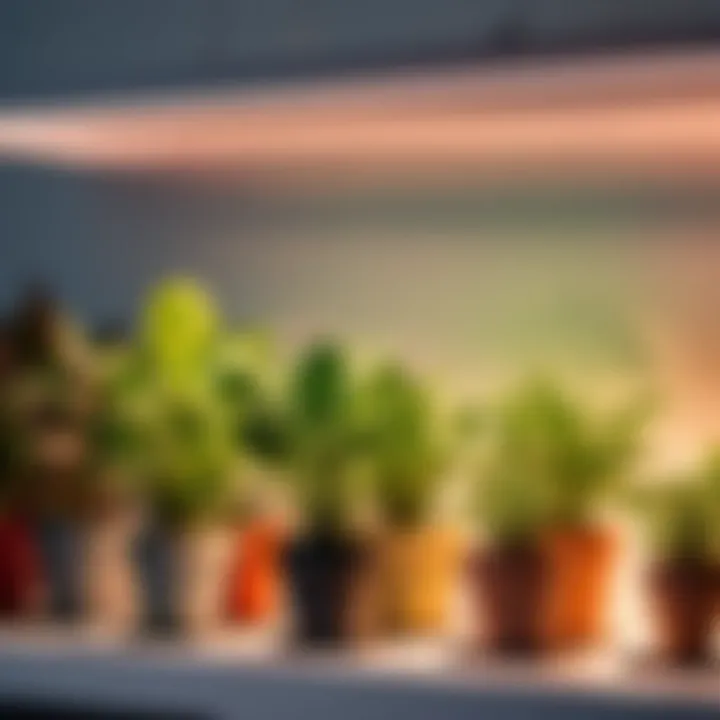
- Arrange Plant Placement: Position your indoor plants under the grow light bulb in their pots, ensuring each plant receives adequate light exposure.
Technical Aspects:
- Timing specifics: Set the timer according to the plant's requirements, typically between 12-16 hours of light per day.
- Tools needed: Screwdriver for fixture installation
- Critical techniques: Adjust the hanging height of the light fixture as plants grow to maintain optimal light levels. Monitor plant growth regularly.
DIY Project Process:
- Installation Method: Hang the light fixture securely over the plants using the appropriate hooks or brackets.
- Key Techniques and Timings: Check the plants' progress weekly and adjust the light duration and height as needed for optimal growth.
- Troubleshooting Tips: If plants show signs of stretching towards the light or browning leaves, adjust the light height or duration accordingly to prevent damage.
Stay tuned for the subsequent sections detailing the benefits of different types of grow light bulbs and their impact on plant growth in indoor environments!
Introduction
In the world of indoor gardening, the significance of selecting the right grow light bulbs cannot be overstated. Indoor plants rely entirely on artificial lighting to thrive, making the choice of grow light bulbs a critical factor in their growth and overall health. Whether you are a seasoned plant enthusiast or a beginner looking to cultivate a green space indoors, understanding the importance of grow light bulbs is the key to unlocking the full potential of your indoor garden.
Understanding the Importance of Grow Light Bulbs
When it comes to indoor gardening, grow light bulbs serve as the lifeline for plants, providing the essential light spectrum needed for photosynthesis. Different types of plants require specific light wavelengths to promote growth and flowering. Understanding the importance of grow light bulbs involves recognizing the intricate relationship between light intensity, spectrum, and duration on plant development. Factors such as color temperature, brightness, and light output play a crucial role in mimicking natural sunlight and ensuring optimal growth conditions for indoor plants.
Factors to Consider When Selecting Grow Light Bulbs
Selecting the right grow light bulbs involves considering various factors to meet the specific needs of your indoor plants. Before making a purchase, it is essential to evaluate factors such as light spectrum, wattage, energy efficiency, and bulb longevity. Additionally, understanding the different types of grow light bulbs available on the market, including LED, fluorescent, and incandescent bulbs, can help you make an informed decision based on your plant's requirements and your indoor gardening goals.
Types of Grow Light Bulbs
LED Grow Light Bulbs
LED grow light bulbs are a popular choice among indoor gardeners due to their energy efficiency, durability, and customizable light spectrums. The advantages of LED grow light bulbs lie in their long lifespan, low heat emission, and ability to provide specific light wavelengths beneficial for plant growth. Indoor plant owners benefit from the energy-saving aspect of LED bulbs while ensuring their plants receive the exact light spectrum needed for photosynthesis. LED grow light bulbs are a favorite for many indoor plant enthusiasts because of their reliability and the ability to mimic natural sunlight effectively.
Advantages of LED Grow Light Bulbs
The advantages of LED grow light bulbs stem from their energy efficiency, long lifespan, and targeted light spectrum. LED bulbs consume less electricity compared to traditional light sources, making them cost-effective in the long run. Their extended lifespan means less frequent replacement, reducing maintenance costs over time. Additionally, LED bulbs can be customized to emit specific wavelengths of light tailored to different plant growth stages, optimizing photosynthesis and overall plant health.
Best LED Grow Light Bulbs for Indoor Plants
When selecting the best LED grow light bulbs for indoor plants, it is essential to consider factors such as light intensity, color spectrum, and coverage area. Popular LED grow light brands like XYZ and ABC offer high-quality bulbs renowned for their efficiency and performance in promoting plant growth. These LED bulbs boast a balanced light spectrum, adjustable intensity levels, and a wide coverage area, making them ideal for a variety of indoor plants.
Fluorescent Grow Light Bulbs
Fluorescent grow light bulbs are another viable option for indoor plant cultivation, known for their affordability and widespread availability. The benefits of fluorescent grow light bulbs include their low cost, cool operating temperatures, and suitability for a wide range of indoor plant species. Indoor gardeners appreciate fluorescent bulbs for their ability to promote healthy plant growth without emitting excessive heat, making them safe and efficient lighting solutions for indoor environments.
Benefits of Fluorescent Grow Light Bulbs
The benefits of fluorescent grow light bulbs revolve around their cost-effectiveness, cool operating temperatures, and versatility in supporting various indoor plant types. Fluorescent bulbs are relatively inexpensive compared to other grow light options, making them accessible to beginners and seasoned indoor gardeners alike. Their cool operating temperatures ensure plants are not stressed by excessive heat, while their broad spectrum of light supports different growth stages, from seedling to flowering.
Top Fluorescent Grow Light Bulbs for Indoor Plants
Selecting the top fluorescent grow light bulbs for indoor plants involves considering factors such as color temperature, lumen output, and lifespan. Leading fluorescent grow light brands like UVW and XYZ offer top-notch bulbs known for their consistent performance and affordability. These fluorescent bulbs emit the right balance of warm and cool light, providing plants with the essential wavelengths needed for robust growth. With durable construction and long-lasting efficiency, these top fluorescent grow light bulbs are favored by indoor plant enthusiasts seeking reliable lighting solutions.
Incandescent Grow Light Bulbs
Incandescent grow light bulbs are a traditional choice for indoor plant cultivation, characterized by their warm, incandescent glow. While these bulbs have been largely replaced by more energy-efficient options like LED and fluorescent bulbs, they still hold a place in certain indoor gardening setups. Understanding the pros and cons of incandescent grow light bulbs is crucial for indoor plant owners looking to strike a balance between aesthetic appeal and practicality.
Pros and Cons of Incandescent Grow Light Bulbs
The pros of incandescent grow light bulbs include their warm light output, affordability, and simplicity of use. These bulbs emit a cozy glow that enhances the ambiance of indoor spaces, making them popular choices for decorative lighting. However, the cons of incandescent bulbs lie in their energy inefficiency and limited spectrum of light, which may not cater to all plant growth requirements. Despite their drawbacks, incandescent grow light bulbs remain sought after for specific applications where their warm light quality is desired.
Popular Incandescent Grow Light Bulbs for Indoor Plants
When looking for popular incandescent grow light bulbs for indoor plants, it is essential to prioritize factors such as wattage, color rendering index, and bulb lifespan. Trusted brands like RST and LMN offer a range of incandescent bulbs known for their reliability and performance in creating a cozy atmosphere for indoor plants. These popular incandescent options are favored by indoor gardeners seeking a classic lighting solution that adds aesthetic appeal to their indoor plant displays.
Key Features to Look for in Grow Light Bulbs
When delving into the realm of indoor plant cultivation, one of the pivotal aspects to consider is the selection of the most suitable grow light bulbs. In this section, we will delve into the key features that you should prioritize when choosing grow light bulbs to ensure optimal plant growth and health within indoor environments.
Intensity and Spectrum
The intensity of light emitted by grow light bulbs is a critical factor that directly impacts photosynthesis and overall plant development. Opt for bulbs that offer a balanced spectrum of light, encompassing both cool and warm hues to cater to the varying needs of different plant species. Ensuring the right intensity and spectrum can significantly enhance chlorophyll production and promote robust growth.
Energy Efficiency and Lifespan
Selecting energy-efficient grow light bulbs not only reduces electricity costs but also contributes to eco-conscious indoor gardening practices. LEDs are renowned for their energy efficiency and extended lifespan, making them a sustainable choice for long-term use. By opting for bulbs with a prolonged lifespan, you can minimize replacements and maintenance, thus optimizing your indoor gardening experience.
Adjustability and Customization
Investing in grow light bulbs that offer adjustability and customization features allows you to tailor the light intensity and duration according to specific plant requirements. Look for bulbs with adjustable brightness and timers, enabling you to simulate natural sunlight cycles and cater to the distinct needs of different plant varieties. This level of customization empowers you to create an optimal growth environment for your indoor plants.
Heat Emission and Cooling Mechanisms
Efficient heat dissipation is crucial when selecting grow light bulbs to prevent heat stress and ensure a stable growing environment. Opt for bulbs equipped with effective cooling mechanisms that dissipate excess heat, safeguarding your plants from potential damage. Balancing light output with heat emission is vital to maintain a healthy and conducive atmosphere for indoor plant growth.
Durability and Quality
Prioritizing the durability and quality of grow light bulbs is essential for long-lasting performance and consistent plant development. Choose bulbs constructed from robust materials that withstand frequent use and environmental conditions. Investing in high-quality bulbs guarantees reliable performance and longevity, ensuring optimal plant health and productivity over time.
By considering these key features when selecting grow light bulbs, you can elevate your indoor gardening experience, fostering healthy plant growth and vitality. The meticulous attention to detail in choosing the right bulbs aligns with your commitment to providing the best care for your indoor plants.
Best Grow Light Bulbs for Specific Plant Types

In the realm of indoor gardening, selecting the right grow light bulbs tailored to specific plant types is crucial for ensuring optimal growth and vitality. Different plants have varying light requirements, and choosing the best grow light bulbs for specific plant types is a key factor in providing them with the necessary light spectrum for photosynthesis. Succulents, flowering plants, and herbs each have unique lighting needs that must be met to promote healthy growth and bloom.
Best Grow Light Bulbs for Succulents
Succulents, known for their fleshy leaves and ability to retain water, thrive in bright light conditions. When considering grow light bulbs for succulents, it is essential to opt for bulbs that provide a balanced spectrum of light, including blue and red wavelengths to support photosynthesis and natural growth patterns. LED grow light bulbs are often recommended for succulents due to their energy efficiency and customizable light spectrums. Popular options such as full-spectrum LED grow light bulbs or specific models designed for succulents can enhance growth and promote vibrant colors.
Top Grow Light Bulbs for Flowering Plants
Flowering plants necessitate specific light spectrums to encourage blooming and fruit production. When selecting grow light bulbs for flowering plants, it is advantageous to choose bulbs that emit red and blue light, mimicking natural sunlight to stimulate flowering processes. LED grow light bulbs with adjustable intensity and spectrums are ideal for flowering plants, allowing for customization based on plant requirements. High-quality LED grow light bulbs designed for flowering plants offer consistent light distribution and promote robust flower development.
Recommended Grow Light Bulbs for Herbs
Herbs, valued for their culinary and medicinal properties, require consistent light exposure to thrive indoors. When opting for grow light bulbs for herbs, consider models that emit full-spectrum light or focus on blue and red wavelengths to support herbal growth. LED grow light bulbs are a favored choice for herb cultivation due to their energy efficiency and ability to mimic natural light cycles effectively. Selecting reputable LED grow light bulbs tailored for herbs ensures steady growth, aromatic flavors, and sustainable yields.
Tips for Optimal Placement of Grow Light Bulbs
In the realm of cultivating indoor plants, the placement of grow light bulbs plays a crucial role in ensuring the vitality and growth of your green companions. Understanding the significance of strategically positioning these light sources can significantly impact the overall health and development of your indoor plants. This section will delve into key insights and considerations for achieving optimal placement of grow light bulbs within your indoor gardening setup.
When considering the placement of grow light bulbs, the primary factor to account for is the type of plants you are nurturing. Different plant species have varying light requirements, with some needing direct exposure to light while others thrive in more indirect or diffused lighting conditions. By aligning the placement of your grow light bulbs with the specific light requirements of your plants, you can create an environment that fosters their growth and supports their unique needs.
Another important aspect to consider when optimizing the placement of grow light bulbs is the distance between the light source and the plants. Positioning the bulbs too close to the foliage can result in heat stress or light burn, damaging the plants in the process. Conversely, placing the bulbs too far away may lead to insufficient light intensity, hindering photosynthesis and stunting plant growth. Finding the right balance in distance is key to ensuring that your plants receive the adequate amount of light without being overwhelmed or deprived.
Moreover, taking into account the angle at which the grow light bulbs illuminate the plants is essential for maximizing light absorption and distribution. Adjusting the angle of the light source can help ensure that every part of the plant receives adequate light exposure, promoting uniform growth and minimizing shade-induced stunting. By strategically angling the grow light bulbs, you can create an environment where each plant receives the right amount of light for photosynthesis and flourishing.
In addition to the positioning and distance factors, consideration should also be given to the duration of light exposure provided by the grow light bulbs. Different plants have varying photoperiod requirements, necessitating specific durations of light exposure for optimal growth. Understanding the lighting needs of your plants and adjusting the duration of light exposure accordingly can help simulate natural light conditions and support healthy plant development.
By implementing thoughtful placement strategies for your grow light bulbs, you can create an ideal environment that promotes the well-being and prosperity of your indoor plants. From aligning with the light requirements of different plant species to optimizing distance, angle, and duration of light exposure, each aspect of placement plays a pivotal role in nurturing thriving indoor greenery.
Conclusion
In concluding this ultimate guide to choosing the best grow light bulbs for indoor plants, it is imperative to emphasize the crucial role that selecting the right grow light bulbs plays in ensuring the optimal growth and well-being of indoor plants. With the multitude of options available in the market today, making a well-informed decision can significantly impact the success of your indoor garden.
One of the key elements to consider when reaching the conclusion of the grow light bulbs selection process is the specific requirements of your plants. Different plant species have varying light requirements, including intensity, spectrum, and duration. Understanding these needs is essential in determining the most suitable grow light bulbs for your indoor garden.
Furthermore, considering the benefits of energy efficiency and longevity that certain types of grow light bulbs offer is vital. LED grow light bulbs, for instance, are known for their low energy consumption and long lifespan, making them a sustainable and cost-effective choice for indoor plant cultivation. On the other hand, fluorescent and incandescent bulbs have their own distinct advantages and drawbacks, which should be carefully evaluated before making a final decision.
Additionally, when concluding the selection process, it is essential to take into account any specific considerations related to your indoor space. Factors such as the size of the area, the layout of your plants, and any supplementary lighting you may have should all be factored in to ensure that your chosen grow light bulbs are effectively integrated into your indoor gardening setup.
By paying attention to these specific elements and considering the individual requirements of your plants, you can enjoy vibrant, healthy indoor plants year-round. The right grow light bulbs can make a significant difference in the growth, development, and overall well-being of your indoor garden, providing a nurturing environment for your beloved plants to flourish and thrive.