Two Bedroom Cabin Plans: Design and Benefits
Intro
Building a two-bedroom cabin can feel like a daunting task, blending both the beauty of rustic architecture with modern needs. Before diving headfirst into the process, it’s essential to gather all necessary materials and understand the requirements involved. Whether you’re eyeing a cozy weekend getaway or a year-round residence, this guide will walk you through every step of the journey.
With proper planning and execution, you can create a personal haven that reflects your taste and lifestyle. So, let’s break it down into smaller pieces, focusing on materials, construction methods, and tips to bring your cabin dreams to life.
Materials:
When it comes to building a two-bedroom cabin, having a well-structured materials list is foundational. Below is a comprehensive outline of the essential items you'll need:
- Lumber:
- Plywood:
- Insulation:
- Roofing materials:
- Drywall:
- Windows and Doors:
- Flooring:
- Paint or Stain:
- Fasteners:
- 2x4 inches: 150 pieces, lengths of 8 feet for framing.
- 2x6 inches: 50 pieces, lengths of 10 feet for floor joists.
- 4x4 inches: 20 pieces, lengths of 8 feet for support posts.
- 3/4-inch tongue and groove for flooring – approximately 500 square feet.
- 1/2-inch for wall sheathing – about 200 square feet.
- R-19 for walls, 200 square feet.
- R-30 for ceiling, 300 square feet.
- Asphalt shingles: 30 square feet per bundle, roughly 5 bundles.
- 1/2-inch sheets for interior walls, around 30 sheets.
- 3 double-pane windows, dimensions 3x4 feet.
- 1 front door, 3 feet width.
- Solid wood or laminate flooring for 500 square feet.
- Approximately 2 gallons for interior and exterior finishes.
- Nails, screws, brackets – allow extra for mistakes and adjustments.
Keeping your materials organized from the get-go makes the process smoother and saves you from headaches later on.
DIY Steps:
Once you have all the materials, the next phase is executing your plans through detailed DIY steps. A clear step-by-step approach is necessary for efficiency and accuracy. Here’s a guide to help you along the way:
- Site Preparation:
- Framing the Structure:
- Roof Installation:
- Exterior Work:
- Interior Construction:
- Clear the building area, leveling the ground as needed.
- Set the foundation – concrete piers or a full slab depend on your preference.
- Using the 2x4 lumber, construct the walls by erecting vertical posts and attaching them with brackets.
- Framework for windows and doors should be included in this stage.
- Build trusses using 2x6 lumber and secure them to the top of your wall frame.
- Lay down plywood and cover it with your chosen roofing material.
- Apply insulation to walls before putting on plywood sheathing.
- Add siding or logs for that cabin feel.
- Install drywall and begin painting or staining.
- Plan the layout for bedrooms, ensuring comfort and convenience.
Technical Aspects:
In addition to materials and DIY steps, consider the tools and techniques which elevate the quality of your project:
- Essential Tools:
- Timing Specifics:
- Critical Techniques:
- Circular saw, hammer, drill, and level.
- Safety gear – goggles, gloves, and hard hat.
- Proper timing can make a world of difference. Dedicate at least 2-3 weeks for framing, depending on weather and personnel availability.
- Familiarize yourself with precise measuring and cutting techniques to minimize waste.
- Consider using a laser level for accuracy.
DIY Project Process:
Let’s break down the installation method for your cabin, highlighting essential techniques:
- Step One – Foundation Work:
- Step Two – Wall Framing:
- Step Three – Install Roof:
- Step Four – Completing Interiors:
- Make sure the concrete is set before beginning the framework – this ensures stability.
- Build each wall as a rectangle on the ground then lift it in place.
- Check for plumb and secure it to the floor.
- If you're using trusses, lift them one by one and secure them. Ensure beams toe in over the walls for extra support.
- Install insulation before drywall to maintain temperature.
- Add fixtures and appliances as per your design plan.
Troubleshooting Tips:
No project is without stumbling blocks. Here are some common pitfalls and their solutions:
- Measurement Errors:
- Misalignments during Framing:
- Always double-check measurements before cutting. If you've made a cut too short, you can usually use wood glue along with a reinforcement plate.
- Adjust your wall frames prior to securing them permanently. A bit of shim can help realign everything as needed.
In closing, constructing a two-bedroom cabin is a rewarding endeavor that requires planning, diligence, and a keen eye for detail. With the proper guidance and resources, you can create not just a structure, but a lasting personal retreat that resonates with both comfort and style. Happy building!
Understanding Two Bedroom Cabin Plans
When embarking on the journey of cabin construction, understanding the nuances of two bedroom cabin plans is paramount. This understanding not only shapes the blueprint but significantly impacts how the space will function and feel. A well-rounded comprehension of various architectural styles, internal layout options, and user needs ensures that the final product is both practical and aesthetically pleasing.
Defining Cabin Architecture
Cabin architecture embodies a unique charm; it often reflects simplicity woven with nature. The term ‘cabin’ typically suggests a smaller, cozy structure, often situated amid woodland or near a body of water. Several elements contribute to the definition of cabin architecture:
- Materials: Traditional cabins often use logs or timber. The choice of materials impacts not just aesthetics but the durability and insulation properties of the structure.
- Design Features: Overhanging eaves, large porches, and perhaps a wood stove are hallmarks. These features promote both aesthetic appeal and functional living.
- Integration with Nature: The architecture should harmonize with the surrounding landscape; large windows and open spaces allow for the seamless flow of natural light and offer picturesque views.
In recent years, many have opted for eco-friendly materials and technologies, making cabin architecture a blend of rustic charm and modern sustainability. It’s all about creating a haven where one can step back from the hustle and bustle, all while being enveloped in the comforts of home.
Purpose of a Two Bedroom Cabin
A two bedroom cabin is not merely a place to stay; it serves various significant functions suitable for different lifestyles. Here are some prominent purposes:
- Family Retreats: It acts as a family gathering spot, offering a serene environment away from daily distractions.
- Rental Opportunities: Two bedroom cabins can serve as potential income sources through vacation rentals, appealing to those who seek rustic getaways.
- Permanent Residence: Many individuals are opting for simpler, slower lifestyles, making two bedroom cabins an appealing primary residence.
Ultimately, the purpose largely depends on personal preferences and lifestyle choices. The cabin serves as a canvas that reflects the lives of those who inhabit it, making it essential to understand its purpose before diving into the planning and designing stages.
"A cabin is more than just timber and nails; it’s where memories are crafted amidst the whispers of nature."
Architectural Styles of Two Bedroom Cabins
When it comes to two-bedroom cabin plans, the architectural style is the first brick laid in the foundation of your dream retreat. It’s not just about aesthetics; it’s about how the design works in union with the landscape, how it reflects personal tastes, and its adaptability to modern living. The right style influences everything from functionality and space use to construction techniques and long-term maintenance. Whether you're seeking a timeless log cabin charm, a contemporary touch, or the warm embrace of rustic aesthetics, understanding these styles will guide your decisions and help carve out a cozy haven in the woods or by the lake. Let's take a closer look.
Traditional Log Cabins
Traditional log cabins stand as monuments to the history of cabin construction, with their robust wooden exteriors and craftsmanship telling tales of the past. These structures are built from interlocking logs, which not only provide a distinct aesthetic but also excellent insulation.
One significant aspect of these cabins is their ability to blend seamlessly into natural settings. The earthy tones and textures of the logs harmonize beautifully with forest surroundings, offering a sense of belonging within nature. Furthermore, many traditional designs often incorporate design elements like large fireplaces and steep roofs, enhancing comfort during harsh weather. This style promotes a cozy ambiance that feels like a warm hug after a long day outdoors.
- Benefits of Traditional Log Cabins:
- Excellent thermal insulation.
- Timeless appeal.
- Strong connection with nature.
However, there are considerations too. Regular maintenance is essential to prevent issues like rot and pests, which might require more hands-on care than other materials. Nonetheless, if you appreciate a rustic vibe with a strong sense of history, traditional log cabins may be your best bet.
Contemporary Designs
In contrast to the traditional, contemporary designs push boundaries, infusing modern aesthetics and functionality into the cabin experience. These cabins are typically characterized by clean lines, open spaces with abundant light, and often include large windows and even sliding doors that invite the outdoors in.
This style promotes flexibility with space, allowing for more creative layouts that can adapt to individual needs. For example, instead of a separate dining room, contemporary designs might favor a large living area that comfortably accommodates various activities – be it family gatherings or quiet evenings with a book.
- Key Elements of Contemporary Designs:
- Open floor plans.
- Use of modern materials like steel and glass.
- Eco-friendly elements, integrating sustainable technologies.
Additionally, the inclusion of outdoor spaces like decks and terraces amplifies the living area, granting opportunities to bask in the beauty of the surrounding landscape. Contemporary designs often embrace a minimalist aesthetic too, making them easier to maintain.
Rustic Aesthetics
Rustic aesthetics encapsulate a warm, inviting atmosphere, emphasizing natural materials, handcrafted elements, and a certain hand-me-down charm that elicits feelings of nostalgia. These cabins might feature stone fireplaces, wood beams, and a combination of reclaimed and local materials that narrate their own story.
Rustic cabins are about more than just looks; they often embody a philosophy of simplicity and connection to the land. Many designs intentionally leave certain elements unfinished or exposed, bringing an organic authenticity to the space. It's for anyone who finds joy in simplicity and appreciates the story each material tells.
- Characteristics of Rustic Aesthetics:
- Emphasis on raw, natural materials.
- Open spaces that feel cozy yet spacious.
- Focus on craftsmanship and artistry.
From large porches accommodating rocking chairs to the use of wood finishes that invite touch, rustic cabins foster a sense of community and togetherness, perfect for family gatherings or quiet retreating.
Overall, understanding the architectural styles of two-bedroom cabins equips homeowners with the knowledge necessary to make informed choices, ensuring a balance between personal tastes and practical living needs.
Key Features of Two Bedroom Cabins
When considering the construction of a two-bedroom cabin, it's essential to pinpoint the key features that not only define the space but also enhance its livability. These features, when meticulously integrated, can transform a simple cabin into an inviting retreat. A well-planned cabin maximizes functionality while retaining aesthetics, thus appealing to both homeowners and visitors.
Open-Concept Layouts
Open-concept layouts have gained traction over the years, and for good reason. This layout eliminates barriers between rooms, creating a fluid and spacious feel. For two-bedroom cabins, this design fosters communication and interaction among family members, making it particularly suited for social gatherings. Imagine cooking in the kitchen while interacting with guests in the living area—an experience that encapsulates the essence of cabin life.
Moreover, an open-concept design allows natural light to flow freely throughout the space, making the interior brighter and more welcoming. It's also easier to navigate and keep the place organized when there are fewer walls blocking pathways.
"Flexible spaces invite creativity, allowing yours to express individuality in every corner and cranny."
Functional Kitchen Designs
A cabin’s kitchen is often considered the heart of the home, and ensuring its functionality is vital. This is where delicious meals, memories, and conversations come to life. To achieve a functional kitchen design in a two-bedroom cabin, consider elements such as:
- Smart Layouts: The work triangle—stove, sink, and refrigerator—should be efficiently arranged.
- Quality Islands: Incorporate an island that not only acts as a preparation space but also serves as a casual dining area.
- Modern Appliances: While maintaining a rustic aesthetic, opt for energy-efficient appliances that do more with less.
- Sufficient Counter Space: Ensure that there are ample work surfaces for meal prep, so homecooks don’t feel cramped.
A perfect blend of rustic charm and modern practicality can turn an ordinary kitchen into a chef’s paradise, further enhancing the overall appeal of the cabin.
Efficient Storage Solutions
Efficient storage solutions are indispensable in a two-bedroom cabin. Given the typically compact nature of such spaces, integrating smart storage is paramount. Some considerations include:
- Under-Bed Storage: Opt for beds that come with drawers underneath, perfect for seasonal clothing or extra linens.
- Vertical Shelving: Utilizing vertical space via shelves not only saves floor space but also adds character to the kitchen or living area.
- Built-In Cabinets: Custom built-ins can seamlessly fit into the architectural layout, showcasing personal items and keeping clutter at bay.
An organized cabin is a happy cabin, greatly contributing to the overall comfort and enjoyment of the space. Without careful planning, clutter can easily detract from the rustic beauty that a cabin embodies.
Planning Considerations for Two Bedroom Cabins
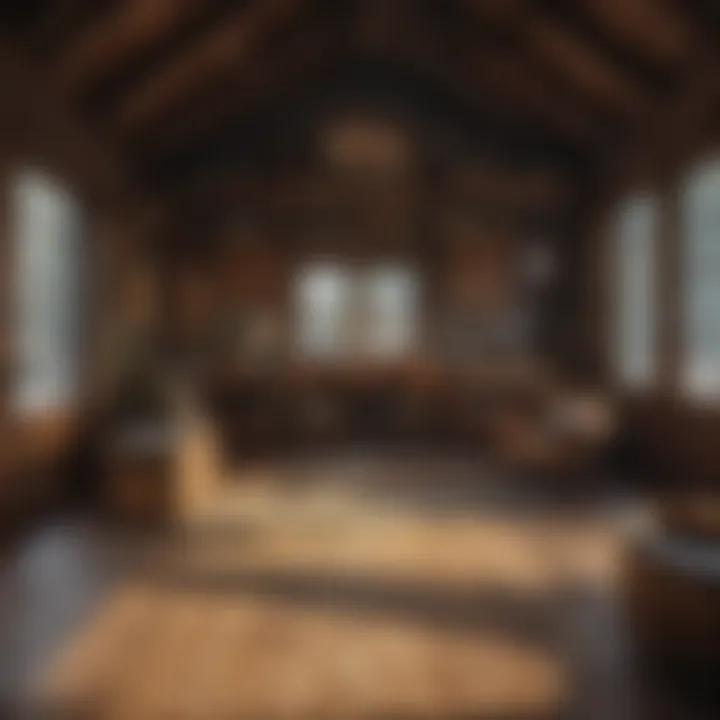
When designing a two bedroom cabin, planning isn’t just a footnote; it's the backbone of the entire project. Effective planning sets the stage for a successful build and ultimately ensures that the cabin meets not only aesthetic preferences but also functional needs. Whether it’s about creating the perfect retreat or a family getaway, several key elements require careful thought. Here are some crucial considerations that can help you nail down your dream cabin while minimizing potential pitfalls.
Site Location and Analysis
Choosing the right location for your cabin is akin to finding a needle in a haystack—one wrong move and it could become a thorn in your side. Factors like proximity to water, views, and the lay of the land are immense. Evaluating your options includes comprehending the accessibility of the site, terrain, and proximity to local amenities.
You might envision a serene lakeside view, yet if access to main roads is limited, think twice. Conduct a thorough analysis that includes:
- Topography: Understanding the slope and elevation can affect cabin design.
- Utilities: Ensure that water, electricity, and sewage connections are manageable.
- Wildlife: Proximity to a natural habitat might bring charming visitors, but it can also be a nagging nuisance.
Choosing wisely can mean the difference between a peaceful getaway and endless headaches.
Zoning Regulations and Building Codes
Next in line is grasping the local zoning regulations and building codes. These guidelines can feel like reading a foreign language, but they’re crucial. Ignoring them could lead to complications or even project halts. Here’s what you might want to familiarize yourself with:
- Setback Requirements: Most areas have rules about how far structures must be from property lines.
- Size Restriction: Some zones may limit the square footage of your cabin.
- Permitting Process: Know the steps to obtain permits; it's less hassle in the long run.
Understanding these regulations not only prevents legal headaches but also can enhance your cabin’s market value.
Environmental Impact Assessments
The modern builder cannot afford to overlook environmental impact assessments. It's a no-brainer to consider how the construction and subsequent habitation of your cabin might affect the surrounding ecology. Conducting an assessment helps make informed decisions that safeguard natural resources while fostering sustainable living. Pay attention to:
- Erosion Control: Protecting slopes and soil from degradation.
- Wildlife Protection: Ensuring that the disturbance to local fauna is at a minimum.
- Resource Management: Being mindful of water usage and energy consumption.
"Building a cabin isn't just about aesthetics; it's a commitment to harmony with nature."
Incorporating sustainable practices may pose initial challenges, but they lay the foundation for a cabin that interweaves seamlessly with its environment and bears the fruits of your foresight for years to come.
Selecting Materials for Construction
When it comes to building a two bedroom cabin, the materials you choose can make all the difference. The right components not only affect the appearance and durability of your cabin but also have a significant impact on its environmental footprint and efficiency. Let’s delve into the two primary factors that should guide your selection: sustainability and energy efficiency.
Sustainable Building Materials
In recent years, sustainable building materials have gained a lot of traction among environmentally conscious builders and homeowners. Using these materials helps minimize the ecological impact of construction and can lead to long-term cost savings. Examples of sustainable materials include:
- Reclaimed Wood: This is wood salvaged from old buildings, furniture, or even shipping pallets. It’s not only eco-friendly but brings a unique character and warmth to your cabin’s aesthetics.
- Bamboo: Fast-growing and incredibly strong, bamboo is increasingly used in flooring and furniture, providing a renewable option that often outperforms traditional hardwoods.
- Recycled Metal: Utilizing metals like steel for roofing can prove beneficial for both longevity and sustainability. Recycled metals require less energy during production than new metal.
- Hempcrete: A relatively new material, hempcrete combines the fibers of the hemp plant with lime. It’s lightweight, sustainable, and provides excellent thermal insulation.
These materials reflect a growing trend towards responsible construction. By choosing sustainably, you contribute to preserving the planet while also ensuring that your cabin stands out in terms of both style and ethics.
"The choices we make in construction today have repercussions for generations to come. "
Insulation and Energy Efficiency
Once the structural materials are selected, attention must turn to insulation and overall energy efficiency. These components are critical for ensuring comfort and minimizing energy costs down the line, especially in climates that experience extreme temperatures.
- Types of Insulation:
- Fiberglass Insulation: Widely used due to its affordability and effectiveness. It comes in batts or loose-fill and is generally easy to install.
- Foam Board Insulation: This offers a high R-value in a thin profile, making it suitable for both walls and roofs.
- Spray Foam Insulation: While it has a higher upfront cost, it creates an airtight seal and dramatically improves a cabin’s energy performance.
To help maintain an energy-efficient space, consider installing energy-efficient windows and doors. Look for those with a low U-factor, as they provide better insulation. Adequate ventilation is also crucial, as it helps regulate indoor air quality and temperature without compromising energy savings.
Proper insulation leads to a more comfortable living environment and helps reduce utility bills, thus maximizing the enjoyment of your space. By focusing on both sustainable materials and effective insulation strategies, you can create a two bedroom cabin that meets modern standards while maintaining eco-friendly principles.
By thinking critically about your materials, you will play a key role in crafting a home that feels good to live in, offers longevity, and also respects our planet.
Maximizing Space in Two Bedroom Cabins
When it comes to designing a two-bedroom cabin, maximizing space is a priority. These structures often occupy a cozy footprint in nature, meaning every square foot counts. An efficient layout can significantly enhance the living experience, making a cabin feel both spacious and functional, even if it's not overly large. In this section, we will explore essential strategies for space optimization, focusing on the unique elements and considerations of two-bedroom cabins.
Multi-Purpose Rooms
Creating multi-purpose rooms is an effective strategy for maximizing space in a two-bedroom cabin. Instead of confining each area to a single function, why not design spaces that serve multiple purposes? A great example of this is a living room that doubles as a guest bedroom. With a comfortable sofa bed, a cozy living area can become a sleeping space for visitors without sacrificing valuable square footage.
Furthermore, consider a home office nook integrated into the living room or even a dining area. By utilizing furniture that can be easily moved or reconfigured, such as collapsible tables or modular seating, you can maintain flexibility. This approach not only enhances functionality but also gives the cabin a homely feel, making it adaptable for various situations, whether you're hosting friends or enjoying a quiet weekend alone.
Vertical Space Utilization
Another crucial component in maximizing space is the smart use of vertical dimensions. Many cabin designs often have high ceilings, creating a perfect opportunity for vertical storage solutions. Instead of relying solely on floor space, think about what you can do with the walls. Installing shelves that reach toward the ceiling can significantly expand your storage capacity without occupying precious ground area.
Adding built-in cabinets or tall bookcases against walls can also keep areas tidy and organized while showing off decorative items. Hooks and pegboards can provide additional storage for items like hats, coats, or utensils, especially in the kitchen.
"Using vertical space can be a game changer in a small cabin. It allows for a seamless flow of design without the clutter of bulky furniture."
Additionally, consider incorporating loft areas where possible. By creating a sleeping loft above the main living space, you can free up the ground floor for more amenities or social space. This not only provides an intimate sleeping area but also allows the rest of the cabin to feel more expansive and open, making your two-bedroom cabin feel much larger than its footprint would suggest.
Outdoor Living Considerations
Outdoor living spaces are more than just an extension of interior areas; they transform a two bedroom cabin into a haven that reflects nature's beauty while adding practicality to daily life. Engaging with the outdoors from a comfortable spot can enhance everyone’s experience of cabin living. Consideration of these areas is paramount as they allow homeowners to enjoy fresh air, sunshine, and the surrounding landscape without sacrificing convenience and comfort.
Deck and Patio Options
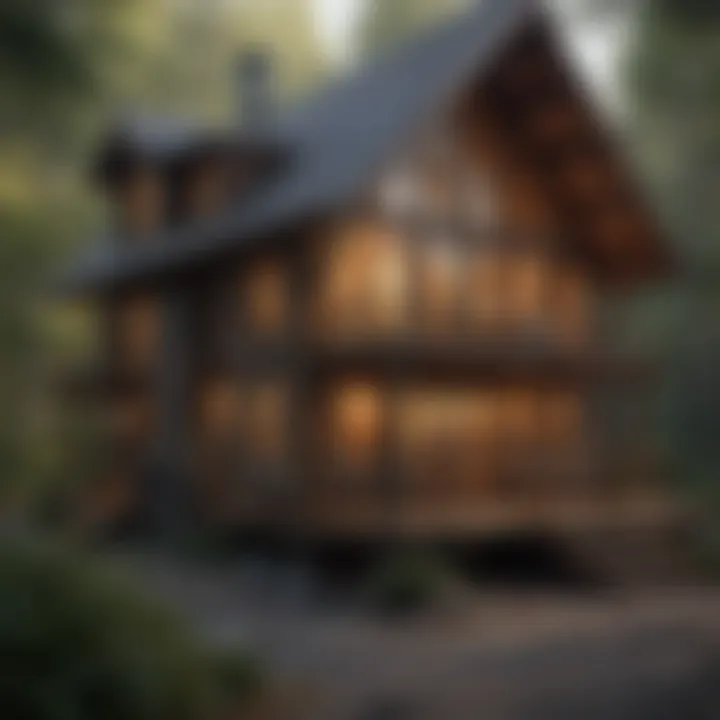
When designing a two bedroom cabin, incorporating a deck or patio is a must. These outdoor spaces create a seamless transition from inside to outside. A well-designed deck can serve various purposes, from hosting weekend barbecues to enjoying a morning coffee surrounded by rising mist.
Some options for decking materials can include wood, composite materials, or even pavers, depending on the aesthetic and maintenance level desired. A wooden deck brings warmth, while composite can offer longevity without constant upkeep. To spice it up, adding built-in seating or flower boxes can turn a simple deck into an inviting gathering spot.
"A spacious deck transforms your cabin into a place where nature meets relaxation."
Benefits of Decks and Patios:
- Increased living area: An outdoor space provides additional room for gatherings without the clutter inside the cabin.
- Enhanced enjoyment of nature: Surrounded by the sights and sounds of nature, it becomes a retreat.
- Flexibility: Use it for quiet mornings or lively evenings with guests.
Integration with Natural Surroundings
Integrating outdoor living spaces with nature is a crucial element in two bedroom cabin planning. The aim is to create a harmonious relationship between the cabin and the landscape. This could mean positioning the cabin to take advantage of views or aligning outdoor seating to catch the sunset.
To achieve this synergy, consider landscaping that complements the design of the cabin. Native plants are a smart choice; they require less water and blend seamlessly with the environment. Paths made from local stones can enhance the visual appeal while ensuring easy navigation around the property.
Some methods to enhance integration include:
- Using natural materials for patios and decks, helping them blend into the surroundings.
- Creating vantage points with strategically placed seating that allows guests to appreciate the beauty of the woods or water features nearby.
- Incorporating local flora into your outdoor design to ensure wildlife can still thrive around your cabin.
Successful integration of outdoor living into a cabin’s design not only elevates the aesthetics but creates a peaceful environment where homeowners and their guests can enjoy the natural splendor.
Challenges of Building a Two Bedroom Cabin
Building a two-bedroom cabin may seem like a dream come true, but like any home construction project, it comes with its own set of hurdles. Understanding these challenges up front can save not only time but also a considerable amount of cash and heartache down the line. The importance of identifying potential pitfalls in the cabin-building process cannot be overstated, especially for those gleaning knowledge from the information provided in this article.
From fluctuating build costs to weather-related delays, there are several factors that can turn a picturesque project into a prolonged endeavor that tests one's patience. Having a grip on these challenges is essential for ensuring smooth sailing from construction to the moment you finally kick back on your new porch with a view.
Cost Management
Cost management isn't just about sticking to a budget when building a two-bedroom cabin; it's about making informed decisions that directly impact the overall financial plan. The first step in managing costs is to create a realistic budget that includes all aspects of construction. From the foundation to the finishing touches, each detail needs to be accounted for, and it often helps to pad that budget by at least 10-20% to account for unexpected costs.
When choosing materials, it can be tempting to go for the cheapest option. However, opting for higher-quality materials for structural components, like framing and roofing, can pay off in the long run. Keep an eye out for locally sourced materials; not only can they be more cost-effective, but they often add character to your cabin while supporting the local economy.
A list of common expenses might include:
- Land Purchase: Finding the right plot can be a game-changer.
- Permitting Fees: Don't ignore local regulations; they can bite if overlooked.
- Labor Costs: Sometimes doing it yourself saves money but can add time. Know your limits.
- Utilities and Site Preparation: Hooking up water, electricity, and sewage can come with a hefty price tag, so plan ahead.
With a solid framework for cost management, you will be better equipped to navigate the financial waters of your cabin build.
Labor and Construction Timelines
Labor and construction timelines can often feel like a tightrope walk, especially when you're juggling multiple contractors or trying to adhere to your personal schedule. Part of the challenge lies in securing skilled labor. Depending on your geographical area, qualified builders may be in high demand, leading to delays. It's worthwhile to book contractors well in advance and have contingency plans should your first choice become a bottleneck.
Moreover, the construction phase itself can be unpredictable. Weather conditions can wreak havoc on timelines; no one likes a rain delay, especially when it comes to outdoor framing. You'll need to plan with this in mind, perhaps allowing extra time for foundation work during rainy seasons.
Here are some strategies to navigate labor and timelines effectively:
- Thorough Planning: Create a detailed timeline that includes all stages of construction and stick to it as closely as possible.
- Frequent Communication: Regular updates with contractors can ensure everyone is on the same page and working towards the same goal.
- Flexible Scheduling: Life happens; being adaptable can ease the stress when unexpected challenges arise.
Ultimately, having a clear idea of your timelines can not only minimize frustrations but can also help align your expectations, making the entire cabin-building journey more enjoyable.
Examples of Noteworthy Two Bedroom Cabin Plans
When it comes to designing a two bedroom cabin, examining specific examples can illuminate the path for homeowners and builders alike. These noteworthy plans embody effective integration of architectural style, functionality, and livability. They serve not only as inspiration but also as practical templates for those venturing into cabin construction. Recognizing the important features and benefits of these designs can guide an individual’s decision-making process towards crafting an ideal retreat.
Each example sheds light on various considerations such as space utilization, aesthetic appeal, cost efficiency, and environmental impact. By analyzing the unique attributes of standout plans, readers may grasp how specific designs cater to varying personal and familial needs.
A well-thought-out cabin design does not just create a dwelling; it cultivates an experience most fulfilling.
Case Study: Modern Cabin Appeal
The modern cabin often marries sleek lines with natural materials, exhibiting a refreshing blend of contemporary design and rustic charm. One notable example is the ‘Timberline Retreat’. This cabin features an open floor plan that emphasizes free-flowing spaces. Large windows not only invite ample light but also offer stunning views of the surrounding landscape. The use of reclaimed wood, paired with large stone elements, bridges the gap between modern and traditional aesthetics, creating a cohesive visual narrative.
What sets this cabin apart is its functional zoning. The living area flows seamlessly into the kitchen, ensuring smooth movements for gatherings, while still providing two distinct bedrooms for privacy. Thanks to thoughtful design choices, such as built-in shelving and under-bed storage, space is maximized, reducing clutter while enhancing utility.
From a practicality standpoint, energy-efficient systems such as solar panels and premium insulation ensure that the cabin remains warm during colder months, cutting down on heating costs significantly. This attention to sustainability is an important consideration for potential cabin owners.
Case Study: Eco-Friendly Solutions
Moving into the realm of eco-conscious living, the ‘Green Haven Cabin’ showcases how sustainability can lead to a charming and practical home. Built using eco-friendly materials such as bamboo flooring and recycled steel, this two bedroom cabin emphasizes minimal environmental impact while ensuring longevity and durability.
The design of Green Haven promotes a harmonious relationship with nature. Its roof, adorned with a green living system, not only improves insulation but also serves as a habitat for local wildlife. Moreover, this cabin utilizes rainwater collection systems and graywater recycling, minimizing waste and reducing the household's overall water footprint, which resonates well with environmentally-conscious homeowners.
In terms of layout, this cabin embraces open concept living yet maintains private spaces. The bedrooms are strategically placed away from the main activity zone, ensuring a tranquil environment for relaxation. The outdoor deck provides an extension of living space, perfect for enjoying nature without compromising comfort.
Both case studies present tangible examples of how two bedroom cabin plans can cater to varied lifestyles—whether through modern aesthetics or eco-friendly solutions. Each example not only serves as a model for design but also as a reminder that thoughtful selections can transform a cabin into a beloved dwelling.
The Future of Cabin Living
As we consider the future of cabin living, it’s clear that both individual aspirations and broader societal trends are steering us in exciting new directions. The charm of a classic cabin nestled in the woods will always hold a special place in the hearts of many. However, as our lifestyles evolve, so too do our expectations and requirements for these beloved retreats. Notably, the importance of sustainability, space management, and technological integration has never been more vital. Here, we delve into key aspects like innovative designs and the shifting preferences of modern homeowners to provide insight into what lies ahead for two bedroom cabin developments.
Innovative Designs and Technologies
One can't help but notice the wave of fresh ideas breaking over the traditional cabin. The advent of cutting-edge design technologies is reshaping how cabins are visualized and constructed. From 3D modeling to advanced materials, designers now have tools to create structures that are not only stunning but also practical.
- Smart Home Features: Homes equipped with smart technologies allow for energy efficiency and enhanced comfort. Imagine controlling your cabin’s heating or lighting with a simple app on your phone, or investing in solar panels that make the space self-sufficient.
- Modular Construction: This concept embraces flexibility. Cabin designs can be tailored to individual needs and allow for easy expansion or modification. For instance, a couple can start with a two bedroom plan and expand with additional modules as their family grows.
- Sustainable Materials: The focus on eco-friendly building materials is gaining traction. From reclaimed wood to renewable resources, utilizing these materials not only lessens environmental impact but also adds unique character to the cabin.
The future looks promising with these innovations paving the way to a more efficient and aesthetically pleasing cabin experience. Not only do they create spaces that blend into natural landscapes, but they also echo the concerns of a growing environmentally conscious society.
Evolving Lifestyle Preferences
In addition to design innovations, the way homeowners view cabin living is significantly shifting. There has been a noticeable move towards adapting our living spaces to cater to changing lifestyles. What does this mean for two bedroom cabins?
- Remote Work Adaptations: With an increasing number of people working remotely, having a dedicated workspace within the cabin has become essential. This can involve designing a small office nook that offers a serene view, promoting focus and creativity.
- Multi-Generational Living: Some families seek out cabins that can accommodate multiple generations under one roof. This leads to designs that incorporate privacy while still facilitating togetherness. For instance, a two bedroom layout might adapt to include a flexible space that can serve as a guest area or a children's playroom.
- Health and Well-Being: The desire for tranquil spaces that promote relaxation and mental wellness is more pronounced than ever. Considerations such as large windows for natural light, open layouts, and incorporation of outdoor spaces are becoming staples in designs.
As we move further into the 21st century, the evolution of cabin living reflects our changing priorities, where comfort, sustainability, and functionality interlace seamlessly.
"The future of cabin living is not just about retreating into nature but intelligently blending comfort, innovation, and environmental consciousness."
By understanding and adapting to these changing preferences, builders and homeowners alike can ensure that their two bedroom cabins remain relevant and desirable for years to come.