Transforming Bedrooms: The Art of Wall Painting
Intro
When it comes to transforming the ambiance of a bedroom, few things can make as significant a change as wall painting. The colors, patterns, and textures you choose can influence not just aesthetics but also your mood and mindset. In this guide, we will explore the nitty-gritty of wall painting, taking you from the initial planning stages all the way to enjoying a freshly painted space that reflects your personal style.
Wall painting might seem like a straightforward task, yet it encompasses a range of considerations, from selecting the right materials to understanding the impact of color psychology. Whether you're a seasoned DIY-er or a curious novice, this article will equip you with the tools and knowledge to embark on your wall painting journey with confidence.
Materials:
Before you dive into painting, it’s essential to gather all the necessary materials. Having everything ready beforehand will save you time and frustration while you’re engrossed in your project. Here’s a comprehensive list:
- Paint: 1 to 3 gallons, depending on your wall size; consider high-quality latex paint for better durability.
- Primer: 1 gallon, especially if changing from a dark to a lighter color.
- Paintbrushes: 1.5 to 2 inches for edges; smaller ones are useful for detail work.
- Roller and Roller Tray: A 9-inch roller for larger areas; a tray that fits your roller.
- Drop Cloths: At least 2 pieces to cover furniture and floors.
- Masking Tape: 1 roll for sharp edges.
- Sandpaper: 120 to 220 grit for smoothing walls before painting.
- Spackling Paste: For filling in any holes or imperfections.
- Ladder: Depending on your wall height, you might need a step ladder.
- Screwdriver: To remove light switch covers and nails.
- Paint Roller Extension Pole: This helps reach high spots without a ladder.
- Paint Can Openers and Stir Sticks: Not glamorous, but essential.
Having the right tools on hand before you start makes the entire process much smoother.
DIY Steps:
Now that you are equipped with the essentials, let’s get into the detailed instructions for painting your bedroom walls:
- Preparation: Move furniture away from walls and cover everything with drop cloths. Remove any decorations, switch plates, and nails.
- Wall Preparation: Inspect your walls for holes, cracks, or blemishes. Use spackling paste to fill in these imperfections and sand them down once dry.
- Priming: Applying primer is crucial, especially if you’re switching colors dramatically. Using a roller, apply primer on the walls and allow it to dry completely.
- Tape the Edges: Use masking tape along the edges of the trim, windows, and ceilings. This helps create clean lines when you paint.
- Cutting In: With your paintbrush, tackle the edges around fixtures and corners, where the roller cannot reach. This is known as "cutting in."
- Roller Work: Dip your roller into the paint tray, remove excess paint, and start rolling it onto the wall. Work in sections to keep the paint wet and workable, mixing horizontal and vertical strokes for an even finish.
- Second Coat: Once the first coat is dry, assess if you need a second coat. If you do, repeat the roller application after a couple of hours.
- Cleanup: Remove masking tape while the paint is still a bit wet for a smoother edge. Clean brushes and rollers with water if you used water-based paint.
Technical Aspects:
To enhance the quality of your DIY painting endeavor, consider the following technical details:
- Timing: Plan to paint when the weather is mild, as extremes in temperature can affect drying times.
- Texture Techniques: For unique textures, experiment with techniques like sponge painting or rag rolling.
- Color Consistency: Always mix multiple cans of paint together in one bucket to avoid color discrepancies.
- Drying Times: Always follow the manufacturer's instructions for drying times between coats, usually about 2 to 4 hours.
DIY Project Process:
This sequential method outlines the practical installation aspect of wall painting:
- Gather All Materials: Once you have everything, it's go-time.
- Prepare Your Space: Ensure the area is well-ventilated and free from clutter.
- Surface Prep: Smooth out the walls as discussed earlier.
- Paint Application: Focus on efficiency while ensuring quality with careful strokes.
- Inspect: Before calling it quits, check for drips or missed spots and touch those up carefully.
Troubleshooting Tips:
Mistakes happen, and knowing how to fix them can save your project:
- Drips: If you spot any drips while painting, smooth them out immediately with your brush or a clean roller.
- Bubbles: If bubbles form, pop them gently with a fine brush or roller to prevent them from drying in that state.
- Uneven Color: If you find certain areas appear darker or lighter, make sure you're blending the paint well and consider a third coat for consistency.
Embrace the journey of wall painting as an opportunity to express yourself and create a living space that truly feels like home. With thoughtful planning and careful execution, you’ll not only enjoy the process but also the welcoming result.
Prelims to Wall Painting in Bedrooms
When it comes to personal spaces, the bedroom is often seen as a sanctuary—a cozy retreat from the noise of the world. Wall painting plays a pivotal role in transforming this sanctuary into a space that resonates with an individual’s unique identity and taste. This introductory section aims to shed light on why wall painting is not just about aesthetics but also about creating an environment that can influence mood and comfort.
Importance of Wall Painting
The act of painting a bedroom wall can be as therapeutic as it is transformative. It can breathe new life into old spaces, turning drab and uninspired rooms into inviting areas that reflect one's personality. Color choices alone can evoke emotions. A serene blue might provide calmness, while a vibrant yellow can instill energy. This emotional connection underscores the importance of thoughtful wall painting in bedrooms.
Benefits to Consider
Investing time and resources into wall painting can yield numerous benefits:
- Personalization: One can tailor the interior to suit their style. Whether aiming for a minimalist look or a bohemian vibe, paint offers an endless canvas to express oneself.
- Mood Enhancement: Colors have a psychological impact. Research indicates that certain hues can lead to relaxation or even productivity. Painting can create the desired ambiance through thoughtful color selection.
- Value Addition: A well-painted room can increase a home’s value. When buyers tour a home, neat and stylish paint often leaves a lasting impression.
"A fresh coat of paint brings out the soul of a room, making it a true reflection of us."
Things to Keep in Mind
Before picking up a paintbrush, homeowners should consider several elements:
- Type of Paint: Different types of paint serve various functions. For instance, matte finishes can mute distractions, while gloss can highlight architectural features.
- Color Trends: Staying updated on color trends can help maintain a modern feel in the bedroom. However, personal preference should not be compromised in the name of trends.
- Space Dynamics: Understanding the room’s size and natural light is crucial. Dark colors may envelop smaller rooms, making them feel claustrophobic, while light shades can open them up.
By taking into account the importance, benefits, and considerations of wall painting, homeowners can engage in a rewarding creative journey. This process not only revitalizes the space but invites tranquility, creativity, and comfort into their everyday lives.
Historical Perspective on Bedroom Wall Art
Understanding the historical context of wall painting in bedrooms allows us to appreciate the artistry and significance behind our modern choices. The journey of how walls have been adorned reveals a tapestry of cultural shifts, artistic innovation, and the changing meanings of personal space. This exploration not only enlightens our current preferences but also encourages us to weave stories into our living environments that resonate with history.
Cultural Significance Through Ages
From the days when cavemen used pigments made from minerals to paint on stone, the art of wall decoration has been a crucial means of expression. Ancient Egyptians portrayed their deities and daily life in elaborate murals, serving both aesthetic and religious purposes. Fast forward to the Renaissance, where affluent families showcased their wealth and education through frescoes that adorned their bedrooms.
Each era’s walls spoke volumes about social standings and values. In Victorian England, intricate wallpaper became the norm, signifying not just beauty but status. Homeowners sought to create sanctuaries that reflected personal identities—intimate spaces laden with meaning and a hint of prestige.
"The walls of a home are not just boundaries; they are canvases that tell a family’s story."
Today, bedrooms offer a more democratized space for self-expression. Many people are inclined to personalize their walls, irrespective of their financial situation. The intricate dance between color, texture, and pattern plays a pivotal role in signifying moments and memories. Homes become reflections of comfort and identity, no matter the era, as walls echo the sentiments held within.
Evolution of Techniques and Materials
The shift in techniques and materials used in wall painting mirrors broader technological advancements across the centuries. In ancient times, natural pigments were often mixed with animal fats or plant oils, yielding vibrant and long-lasting colors. Fast forward to the modern era, where synthetic paints have become commonplace.
Here’s how techniques have evolved:
- Natural Pigments: Used by early civilizations, these were often sourced from the environment and provided unique hues.
- Frescoes and Murals: This technique requires the application of pigment on wet plaster, allowing colors to meld beautifully as they dry, seen in grand palaces and churches.
- Oil and Acrylic Paints: These materials brought versatility and durability in the 20th century, fostering artistic experimentalism in personal spaces, allowing for anything from bold, graphic designs to soft, muted aesthetics.
The introduction of spray paint in the contemporary art scene allowed people to explore street-art inspired designs, adding an urban flair to bedroom decor. Today, DIY enthusiasts can find various tools and materials that offer esoteric yet practical solutions for personalizing their spaces with ease.
In essence, taking stock of the historical evolution in bedroom wall art provides invaluable insight into our preferences today. It emphasizes that while styles may ebb and flow, the impulse to express—whether through intricate designs of yore or bold strokes of modernity—remains eternally strong.
Psychology of Color in Bedroom Spaces
Understanding the psychology of color can completely transform how we perceive and experience our bedroom spaces. Colors are more than just visual aesthetics; they can influence emotions, set the mood, and even affect our physiological responses. Therefore, it is essential to choose colors wisely when painting bedroom walls. The right hues can create a serene oasis or a vibrant retreat, tailored to individual preferences.
Impact of Colors on Mood
Colors carry psychological weight, impacting our feelings in various ways. For instance, warm colors like reds and yellows tend to evoke excitement and energy, making them less suitable for a peaceful bedroom setting. On the other hand, cool colors such as blues and greens are often associated with calmness and tranquility.
- Red: Energizes the space but can be overwhelming and stimulating.
- Yellow: Cheerful and uplifting, yet too much can lead to anxiety.
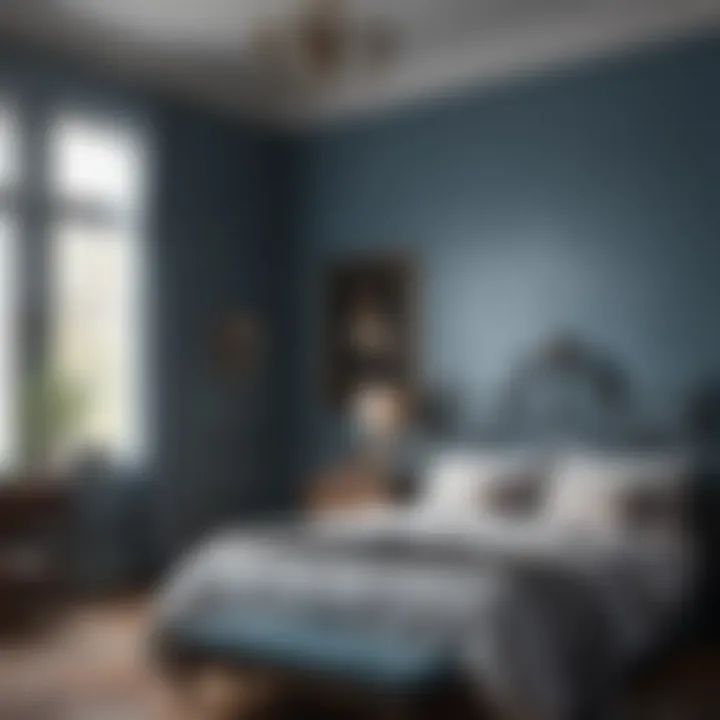
- Blue: Promotes relaxation, ideal for restful sleep.
- Green: Connects us with nature, further enhancing calmness.
- Purple: Works well for creativity and luxury, but its intensity can be distracting.
Research shows that specific color schemes can manipulate mood and emotions, offering a psychological boost or, conversely, contributing to stress. For example, a soft lavender or pale blue wash across the walls can create an atmosphere inviting relaxation and rest, whereas an aggressive shade of orange might excite but could disrupt the tranquility intended for a bedroom.
Research suggests that blue hues can lower heart rates and create a soothing environment, making it one of the most favored choices for bedroom walls.
Choosing the Right Palette for Restfulness
Selecting a soothing color palette for a restful bedroom environment goes beyond just personal preference. It involves understanding how various shades work together to create a cohesive and calming atmosphere. Here are a few factors to consider:
- Complementary Colors: Use colors that complement one another. Soft whites paired with muted greens can calm the space, while contrasting colors may add visual excitement but detract from serenity.
- Natural Influences: Draw inspiration from nature. Earthy tones combined with soft greens or tranquil blues can evoke a sense of peace reminiscent of outdoor settings.
- Lighting Effects: Keep in mind how light affects color perception. A color may look different under natural light compared to artificial lighting. Testing a few swatches during different times of the day helps ensure satisfaction with the final choice.
- Personal Reflection: Consider incorporating your own personality into the color choice. Maybe you find solace in warm earth tones, or perhaps you prefer a versatile and airy feel with whites and blues.
When planning, consider mixing and blending techniques to achieve textures that complement your color choices. Various methods, such as sponging or rag rolling, can add depth while still retaining that tranquil vibe.
By thoughtfully applying color psychology, you can transform your bedroom into a sanctuary that supports not just sleep, but also emotional well-being.
Design Principles for Wall Painting
When it comes to wall painting in bedrooms, understanding the design principles is crucial. This knowledge can make the difference between a space that feels chaotic and one that’s serene and inviting. Effective design principles guide choices regarding color schemes, patterns, and placement, providing a cohesive look that enhances the room’s character.
By adhering to fundamental design principles, like balance and harmony, homeowners can create an atmosphere that reflects their personal style while also promoting tranquility. A well-planned design not only beautifies the bedroom but also contributes to emotional well-being, making it a sanctuary for relaxation and rejuvenation.
Balance and Harmony in Design
Creating a balanced and harmonious environment starts with the understanding of visual weight. Visual weight can be considered as the perceived 'heaviness' that elements in a space carry. For instance, dark colors tend to carry more weight than light colors.
In wall painting, achieving balance can be done in several ways:
- Symmetrical Balance: This is where elements are placed evenly on either side of a central line. Imagine a wall featuring two painted shelves flanking a center piece.
- Asymmetrical Balance: This method might incorporate a bold mural on one side, balanced with lighter colors or simple patterns on the opposite side.
Harmonizing colors is also vital. This could mean selecting shades from the same color family— like various blues or greens— to create a soothing transition. According to the principles of color theory, complementary colors can provide a striking contrast that can invigorate a space when done thoughtfully. If a homeowner leans towards a more vibrant aesthetic, channeling bright hues with moderation will prevent the bedroom from feeling overwhelming.
"A well-executed design reflects the personality of its inhabitant and acts as a backdrop to life experiences."
Creating Focal Points with Paint
A focal point in a bedroom can guide the eye and anchor the space. Utilizing paint creatively allows homeowners to accentuate a specific area. Here are some techniques to create effective focal points:
- Feature Walls: Painting one wall a standout color or applying a unique pattern can draw attention to it. For instance, consider a deep navy feature wall that brings depth and coziness to a room.
- Artistic Murals: If the homeowner has a knack for painting or an appreciation for artistry, a hand-painted mural can serve as a personal signature of the space. It creates intrigue and a conversation starter.
- Layering Techniques: Combining various paint techniques, like sponging or rag-rolling, can create texture that invites closer inspection, thus forging a focal point.
In summary, embracing the principles of balance and focalization not only enhances aesthetics but also nurtures the emotional and psychological essence of bedroom spaces.
The fusion of these design elements paints a holistic picture of comfort and harmony, making a bedroom truly feel like a personal haven.
Exploring Different Painting Techniques
In the realm of wall painting, the choice of technique can significantly influence the overall vibe and atmosphere of a bedroom. Each method brings its own flavor, allowing homeowners to express their individuality and creativity. Understanding these techniques not only adds to the aesthetic appeal but also aligns with functional aspects of interior design.
The beauty of exploring different painting techniques lies in their versatility. One homeowner may dream of a tranquil sanctuary, while another seeks a vibrant burst of energy. By selecting the appropriate technique, you can transform a mundane wall into a focal point of the room. With this in mind, let’s unravel some popular methods, each offering unique benefits and considerations.
Acrylics and Their Versatility
Acrylic paints are incredibly popular among bedroom decorators, and it’s no wonder why. They are easy to work with, quick-drying, and can be mixed to create a wide range of colors. One of the key advantages of acrylics is their durability. Once dried, they resist fading, making them ideal for areas exposed to sunlight.
- Non-toxic and safe: This makes them suitable for bedrooms, where air quality is paramount.
- Layering ability: Artists can layer colors and techniques to achieve a more complex look.
When using acrylics, a homeowner might opt for bold strokes or delicate washes, depending on the desired outcome. Utilizing acrylics can provide a touch of modernity while also allowing for personal expression, by incorporating patterns or even abstract forms directly onto the walls.
Watercolor Effects for Soft Ambiance
Watercolor techniques, while often associated with paper, have made their way into interior painting. The fluidity of watercolors brings an ethereal quality that can evoke warmth and tranquility in a bedroom setting. Imagine soft hues blending seamlessly into each other, creating a dreamy atmosphere.
- Easily adaptable: Watercolor techniques can create anything from pastel soft gradients to more vibrant washes, offering flexibility with color choices.
- Subtle texture: Watercolors lend an almost fabric-like appearance when layered correctly, adding depth without overwhelming.
To achieve these effects on walls, consider using a technique called "wet-on-wet" where wet paint is applied onto a wet surface. This method allows the colors to mingle in ways that can be mesmerizing.
Stenciling and Its Artistic Value
Stenciling is a classic technique that remains in vogue for its ability to add intricate designs without the need for professional artistry. With stencils, homeowners can craft distinctive patterns—be it floral motifs, geometric shapes, or bespoke illustrations—tailored directly to their liking.
- Cost-effective: It’s often more economical than hiring an artist or purchasing expensive wall art.
- Control over design: This allows homeowners to play the role of artist in their own right, giving them creative freedom.
When planning a stenciling project, the choice of colors plays a crucial role. Using contrasting colors can make the design pop, while shades that blend create a more subtle effect. Regardless, stenciling offers a way to inject personality into a space, making it uniquely yours.
Incorporating Patterns and Textures
When it comes to wall painting in bedrooms, incorporating patterns and textures can elevate the space beyond mere color selection. Patterns breathe life into a room, offering depth and visual intrigue that flat colors simply can't compete with. At times, a single bold pattern can become a focal point, making it easy for your eyes to dance across the surfaces, igniting one's imagination and creating a unique atmosphere.
Benefits and Considerations
The blend of patterns and textures brings multiple advantages:
- Visual Interest: An imaginative design captures attention, allowing you to express your personality. For example, a bold chevron pattern can create a sense of movement, while delicate floral prints can evoke feelings of serenity.
- Spatial Perception: Wall patterns can alter our perception of space. Vertical stripes may lend a sense of height, while horizontal designs can create the illusion of width. A special consideration in bedrooms where space might feel cramped or excessively large.
- Mood Alteration: Specific patterns can set the emotional tone. For instance, softer patterns like lace or damask can create a peaceful ambiance, while vibrant geometric designs can energize the room.
However, there are essential factors to keep in mind:
- Compatibility: It's crucial that any chosen pattern complements existing furnishings and decor. A brightly patterned wall might clash with patterned bedding or curtains, creating a visual jigsaw that's more chaotic than cohesive.
- Overuse: While patterns can be impactful, overwhelming a bedroom with too many competing designs can lead to a cluttered appearance. A balance must be struck, often alternating between patterned and solid areas to avoid visual overload.
"A well-merchandised space engages the senses and evokes emotion, thus becoming a sanctuary in one's home."
Geometric Designs for a Modern Look
Geometric patterns are making a strong statement in interior design. Their clean lines and bold shapes can mingle effectively within contemporary settings. Think about shapes like triangles, hexagons, or even concentric circles; they can lend a modern touch while feeling structured. The visual sharpness of geometric forms can contrast beautifully with softer elements in the room, such as plush bedding or round decorative pillows.
Choosing colors for geometric designs can also be an adventure. Bright tones against muted backgrounds create striking visuals or monochrome schemes can provide a sense of sophistication. Remember, layering textures with geometric patterns—like a matte wall contrasted with glossy geometric shapes—adds another layer of depth.
Nature-Inspired Patterns and Their Appeal
On the other hand, nature-inspired patterns warm a room's atmosphere, making it feel grounded and inviting. Imagine soft leaf motifs or delicate branches decorating walls. These designs evoke tranquility and a connection to the outdoors, which can be particularly serene in a space dedicated to rest.
Such patterns don’t merely rest on the wall; they tell a story about the world outside. For instance, a mural of a serene forest can wrap you in a world that exudes calm and relaxation, subtly reminding you to breathe and take a moment.
A vital aspect to consider when choosing these patterns is the color palette. Soft greens and browns can create a calming setting, while brighter floral patterns infuse energy. Using natural textures, like distemper or washes, can amplify the organic feel of these graceful designs.
In summary, by thoughtfully incorporating patterns and textures into your bedroom walls, you invite dynamic nuances that reshape your personal sanctuary into a reflection of your identity, creativity, and desires.
DIY Wall Painting: Advantages and Disadvantages
When it comes to transforming a bedroom through wall painting, many individuals wonder whether they should take the plunge into DIY projects or hire professional help. This decision can greatly influence the efficiency, budget, and outcome of the painting endeavor. DIY wall painting carries with it unique advantages and notable disadvantages that are worthy of exploration. Engaging in this creative act is not merely a task; it's an opportunity to express one’s style and personal touch in a space that fosters rest and rejuvenation.
Assessing Skill Levels and Resources
Before you grab that brush and roller, it’s crucial to evaluate your own skill set and the resources at your disposal. Are you a crafty individual with a steady hand or more like a bull in a china shop? Honestly assessing your abilities can save you from unnecessary frustration and wasted materials.
Here are some questions to consider:
- Experience: Have you painted before? If so, how did it go?
- Tools and Materials: Do you already own essential tools like brushes, paint trays, and ladder? If not, factor this into your budget.
- Time Availability: Do you have the time to commit? Painting a room can take longer than expected, especially if you're doing it alone.
For many homeowners, the joy of DIY can easily turn into a headache if the skill level doesn't align with the demands of the project. Thus, being realistic about your prowess and the supplies necessary is a step in the right direction.
Cost-Effectiveness and Budgeting
One of the primary reasons people consider DIY wall painting is cost-effectiveness. Hiring a professional can come with a hefty price tag, often including labor, materials, and sometimes, a premium for their artistic flair. On the flip side, painting yourself can offer significant savings, provided you plan ahead.
Here are a few budget considerations to keep in mind:
- Material Costs: The price of paint can vary widely. Opt for high-quality brands like Sherwin-Williams or Benjamin Moore, though they may be pricier. You can still find decent paints on sale.
- Tools Investment: A one-time purchase of brushes, rollers, and tape might put a dent in your wallet, but they can be reused for future projects.
- Unexpected Expenses: Be prepared for hiccups, such as patches that need extra coats or repairs. Ensuring you have a little cushion in your budget can help.
DIY wall painting can prove to be budget-savvy if executed thoughtfully, blending personal style with financial wisdom. However, the crux lies in the balance of costs and the time invested. Both advantages and disadvantages dance closely, so choose wisely.
When to Seek Professional Help
Navigating the world of wall painting in bedrooms may seem like a straightforward endeavor for many. However, there are instances when the guidance of a seasoned painter is not just beneficial but necessary. Knowing when to call in a professional can save homeowners not only time and headaches but also ensure that the final outcome meets their vision and stands the test of time. This section unearths the elements to consider and the benefits of seeking expert help in more intricate situations.
Identifying Complex Projects
Some painting projects demand a skill set that goes beyond the basics. Complex projects could involve multi-layered designs, intricate patterns, or the need to work with unusual materials. For instance, if a bedroom calls for a custom mural that requires perspective or a portrait-like finesse, that’s a clear indicator for professional involvement.
Moreover, factors such as:
- High ceilings: Painting high walls can be tricky and safety becomes paramount.
- Textured surfaces: Preparing and painting textured walls requires experience to maintain a clean finish.
- Unique architectural details: Homes with elaborate moldings or trimming need a precise hand to ensure every curve and corner is properly painted.
In these scenarios, professionals can not only execute the task with precision but also offer creative insights that align with the homeowner's aesthetic goals. They’ve encountered a broad array of challenges throughout their careers, thus they can navigate any project from start to finish seamlessly.
Evaluating Artistic Expertise
When considering whether to hire a professional, evaluating their artistic skills becomes crucial. It’s not just about technical ability; it’s about artistry and the understanding of color theory, design balance, and the psychological effects of color in a space.
- Portfolio review: A professional painter will typically have a portfolio showcasing their past projects. This gives insights into their style and capability.
- Client testimonials: Listening to what previous clients have to say about their experience can reveal a lot. Positive feedback and successful outcomes speak volumes.
- Consultation: Engaging in an initial conversation can help gauge their understanding of the project. A good painter will ask questions to understand the homeowner's vision, offering practical advice based on experience.
Ultimately, it’s vital to find someone whose artistic vision resonates with your own. Remember, the aim is not only to achieve a certain look but to create an atmosphere that reflects personal taste and enhances the comfort of the bedroom.
"Sometimes it’s easier to see someone else's vision clearly than your own; don’t hesitate to lean on those who can transform your ideas into a beautiful reality."
In summary, while DIY projects can be incredibly rewarding, it’s essential to know when the complexity or scale of a painting task necessitates the touch of a skilled professional. Assessing your needs thoroughly can guide you toward making an informed decision that leads to a stunning transformation of your personal space.
Maintenance and Longevity of Wall Paints
When it comes to wall painting in bedrooms, maintenance and longevity are crucial elements that often get overlooked. A freshly painted wall can look stunning, transforming a space instantly, but its continued beauty depends greatly on how well it is cared for after the paint dries. Proper maintenance not only enhances the aesthetic appeal of your bedroom but also prolongs the life of your paint job, saving you time and money in the long run.
Cleaning and Care Tips
Keeping your painted walls pristine requires some routine care. First and foremost, dusting should be done regularly. Just like furniture, walls can gather dust. A soft microfiber cloth or a duster can do wonders. You may also want to establish a habit of gentle cleaning for stubborn stains or fingerprints. Here are some steps to follow:
- Use mild soap and water: Mix a few drops of dish soap with warm water. Dampen a cloth, wring it out, and gently wipe the stained area, making sure not to soak the wall.
- Test a small area first: Before applying any cleaning solution on a large patch, pick a hidden corner to see how the paint reacts. This will save you from unexpected surprises.
- Avoid abrasive tools: Steel wool or harsh scrubbers can scratch the paint surface. Stick to soft sponges or cloths.
- Dust regularly: Simply using a feather duster or a lint-free cloth can go a long way in maintaining the surface integrity of your walls.
One thing to keep in mind is humidity. High humidity can compromise the paint over time. If your bedroom is prone to moisture, consider using a dehumidifier to control the environment.
"A stitch in time saves nine." Keeping a regular cleaning schedule can really stretch the life of your painted walls.
Repainting: Indications and Timing
Knowing when to repaint your walls is as important as the original painting process itself. Various factors play a role in deciding this. Paint will start to show signs of wear and tear over time, and it is essential to keep an eye out for these indicators:
- Fading colors: Sunlight can dull bright colors. If you notice your once-rich hues becoming lackluster, it's a good sign that it's time to consider a fresh coat.
- Chalking and peeling: If you see a white powdery residue (chalking) on the surface or if the paint starts to peel away from the surface, it suggests a lack of adhesion or poor-quality paint. This is an alarm bell for repainting.
- Marks and stains: While routine cleaning helps, heavy stains may not come out. If you've tried cleaning multiple times and stubborn marks still stand out, repainting might be the best solution.
- Trends and Styles: Sometimes, you may simply want to refresh your space due to changing trends or personal tastes. It’s a great way to reinvigorate your surroundings.
Timing can also be guided by seasonality. Hosts of moisture-laden air, like rain, can adversely affect paint curing; hence, it's best to choose a dry period for repainting. Also, consider painting in the spring or summer when windows can be kept open for ventilation, and the paint can dry more effectively.
The beauty of wall painting lies in its ability to adapt and change. So, every few years, assessing maintenance routines and considering repainting allows your bedroom to continue reflecting your evolving tastes.
Future Trends in Wall Painting
The art of wall painting, especially in bedroom spaces, is evolving at a rapid pace. This section highlights the importance of staying attuned to future trends in wall painting. In an era where personal space reflects one's identity, understanding emerging trends can give home dwellers an edge in creating spaces that resonate with contemporary aesthetics and practical considerations.
By embracing new techniques, materials, and philosophies, homeowners can achieve not just visually striking interiors but also sustainable and innovative living environments. Being aware of these trends helps you make informed decisions, ensuring your bedroom remains a sanctuary that not only looks beautiful but meets modern needs and values.
Sustainable and Eco-Friendly Options
In recent years, sustainable practices have crept into home design, and wall painting is no exception. Eco-friendly paints, which are low in volatile organic compounds (VOCs), have become indispensable, as they pose fewer health risks and minimize environmental impact.
- Natural pigments: Instead of synthetic colors, consider paints made with natural dyes sourced from minerals or plants.
- Recycled materials: Some paints incorporate recycled elements which contributes to sustainability while still achieving vibrant hues.
- Durability: Look for paints that last longer, needing less frequent reapplications. This not only saves money over time but also reduces waste.
The benefits of opting for sustainable wall painting are clear: healthier indoor air quality, less strain on the environment, and a boost in the aesthetic value of your space.
Technological Innovations in Paint
Innovation in painting technology has opened up a myriad of possibilities for interior design. Next-gen paints and tools promise not only ease of application but also a unique visual experience.
- Smart Paints: Imagine a paint that changes color based on the time of day or according to room temperature. Though still in early development, the concept is gaining traction and can redefine how we perceive color in our homes.
- Magnetic and Chalkboard Paints: These paints offer functionality beyond mere aesthetics. Magnetic walls enable creative displays, while chalkboard surfaces provide a canvas for doodling or jotting down ideas.
"The future of wall painting is not just about pretty colors; it's about harnessing technology to enhance everyday living."
As these innovations blossom, homeowners will find themselves armed with tools and techniques that empower creativity, efficiency, and personal expression. Deciding to incorporate these trends can transform any ordinary bedroom into a cutting-edge personal haven.
The End: The Transformative Power of Wall Paint
As we draw the curtains on this exploration, it's vital to underscore how wall painting in bedrooms goes beyond mere aesthetics. It represents a compelling fusion of artistry and emotional resonance that can genuinely alter a person’s experience of a space. From the hues that cradle your dreams to the strokes that evoke memories, the paint on your walls has the power to narrate your story, creating a sanctuary that reflects your unique identity.
Reimagining Personal Space
When contemplating wall painting, think of it as an intimate dialogue between the space and its inhabitants. The texture, colors, and patterns chosen echo personal taste and moments in life. For example, soft blues can instill calmness, while vibrant yellows may inspire creativity.
This transformation doesn't happen in a vacuum. Successful wall painting invites consideration of lighting, furniture layout, and even the purpose of the room. For instance, a bedroom dedicated to relaxation might benefit from muted tones, while a space designated for activities may thrive on brighter, invigorating colors.
Benefits of Custom Wall Art
- Emotional Influence: The psychology behind colors is profound. Each shade can elicit different emotions, allowing spaces to serve specific functions.
- Aesthetic Appeal: A well-painted wall can elevate the look of a room, making it feel fresh and inviting.
- Personal Expression: Unlike mass-produced decor, a personalized wall paint job is an expression of your tastes,
- Increased Home Value: Not to forget, a beautifully crafted space can enhance the value of your home, particularly if you're considering selling or renting.
- Be it whimsical, elegant, or cozy, custom wall art can resonate on a level that common items simply cannot.
"Paint is the magic that transforms thought into expression, and in bedrooms, this canvas becomes a reflection of who we are."
Considerations in Choosing Paint
Before diving into the brushes and rollers, a few critical elements must be weighed. First off, the types of paint—latex or oil-based? Feel the texture, consider your previous experiences, and go for the one that meets your needs in terms of durability and finish.
Next, assess your skills. Some may feel confident enough for a DIY job, while others may prefer the precision and expertise that a professional can offer. Finally, stay abreast of any trends, but remember timelessness beats trendiness; you want a space that ages like fine wine.
The Final Thought
Ultimately, the transformative power of wall paint lies not only within its visual artistry but also in what it represents—a personal journey towards comfort, expression, and creativity. Take the time to envision what you want your bedroom to become, and allow wall paint to pave that way, making it a true reflection of your idyllic retreat.