
Transform a Small Bedroom into a Stylish Walk-In Closet


Intro
Materials:
Before diving into the transformation, proper materials are essential to ensure durability and a neat finish. Here is a list of materials you will need, along with their measurements.
- Plywood sheets: ¾ inch thick, cuts of 4 ft x 8 ft (quantity depending on closet design)
- Wood screws: 1¼ inch (1 box)
- Hanging rods: 1 inch in diameter (length according to wall space)
- Brackets for hanging rods: As needed
- Shelf brackets: 1 bracket per shelf (count according to the number of shelves)
- Wood finish or paint: Minimum 1 quart (select according to personal style)
- Drawer slides: Varies based on preferred drawers (commonly 16-20 inch lengths)
- Storage baskets or bins: Select various sizes for shoes and accessories
- Hooks: As desired for bags and belts
It is also helpful to have some decorative wooden moldings for a professional finish.
DIY Steps:
Step 1: Planning Your Space
Begin by measuring the dimensions of your bedroom and determine the area available for the walk-in closet. Sketch a basic layout of where shelves, rods, and additional storage will be located. Ensure to cater for sufficient room to move easily within the closet.
Step 2: Gathering Tools
You'll need specific tools to complete this conversion efficiently. Here’s a list:
- Long level for ensuring alignment
- Drill for making pilot holes for hooks and rods
- Saw for cutting plywood, sized according to needs
- Screwdriver for tightening screws
- Measuring tape for consistently accurate measurements
- Paint brush or roller for finishing touches
Step 3: Building the Framework
Start by cutting your plywood sheets to the desired dimensions. Assemble the frames for shelves or the base for storage bins as according to your layout. Secure each unit with wood screws, ensuring everything is level and firmly attached. Allow the framework to reflect a sturdy design.
Step 4: Installing the Rods and Shelves
Once the framework is ready, you can now install hanging rods using brackets at appropriate heights based on how many sections you want – for shirts, skirts, or elongated pieces. Adjust the positions of shelves based on regular usage, making them accessible.
Step 5: Finishing Touches
It is time to paint or apply a wood finish to your constructed units. Choose smart colors that align with your aesthetics. After a few hours waiting for the finish to dry, add storage baskets, hooks, and the arrangement of your belongings. Then, your walk-in closet transforms into usable beauty.
Proper planning and considerate organization techniques can enhance the daily effectiveness of your closet space.
Troubleshooting Tips:
Lastly, common problems may arise. If shelves sag, evaluate if the brackets used are adequately supporting the weight. Consider reinforcing shelf brackets. Incorrect placements can disrupt flow, so double-check all measurements before cutting materials.
With attention to detail and patience, converting a small bedroom space can lead to a comforting personal sanctuary for organization.
Prologue
Transforming compact spaces into functional areas is not just a trend but a necessity for many house owners. A small bedroom can present limitations, yet it holds potential. This article focuses on turning a standard small bedroom into a walk-in closet that marries form and function.
The significance of this transformation lies not only in maximum storage but also in the psychological benefits associated with organized spaces. An efficient walk-in closet enhances daily routines by making clothing selection easier and faster. It reduces clutter and presents a sense of order.
Moreover, a walk-in closet allows individuals to personalize their storage solutions according to unique lifestyles and preferences. Working with a limited footprint encourages creativity in design choices and organizational strategies. This thoughtful approach to the limited space results in a solution that is both practical and that can also allure aesthetical appeal.
The process unfolds naturally through comprehending principles that suit small environments, ensuring every corner is utilized well. Engaging with various elements, such as storage solutions, design principles, and personal touches ensures a comprehensive outcome. Achieving this transformation requires careful planning and consideration.
Proper organization not only improves efficiency but also enhances overall well-being. A clutter-free environment can reduce stress and enhance joy in daily life.
Assessing Space Limitations
Understanding the physical constraints within your living space is crucial when converting a compact bedroom into a functional walk-in closet. This section discusses the importance of assessing space limitations to optimize functionality and aesthetics. A careful evaluation helps identify potential obstacles, ensures efficient use of available area, and sets realistic expectations for design outcomes. Space limitations vary dramatically from one home to another, emphasizing the need for thorough examination during this transformation.
Measuring Room Dimensions
Accurate measurement of the room's dimensions is the first step in assessing space limitations. Take a tape measure and calculate the length, width, and height of the room. Recording these dimensions allows for a better understanding of the available area.
Important points in measuring include:
- Length and Width: Establish these in feet to lay a foundation for plans.
- Height: Consider vertical space to incorporate overhead storage solutions.
- Door and Window Placement: Mark where entrances and windows are, as they affect the layout options.
- Obstructions: Take note of features like radiators or built-in shelving that could disrupt layout flow.
Utilizing graph paper or digital tools to sketch the room’s outline enhances clarity. This visual aid helps understand how different design elements can coexist within the given space.
Identifying Key Features
Identifying key features and structural elements within the room is another essential task. This component plays a significant role in decision-making throughout the design process. Several aspects warrant attention:
- Closet space explanation: If existing closets are present, evaluating their size and design will lay the groundwork for enhancing those capabilities.
- Ceiling Height: High ceilings could allow for creative storage solutions like shelving upwards, improving the number of storage options.
- Lighting Natural and Artificial: Assess any natural lighting sources and their placement because this affects both ambiance and effective usage of the space.
- Wall Power Outlets: Evaluate the placement of electrical outlets since this guides the use of electronic accessories, such as lighting and other devices.
Understanding the interplay between these features is crucial for creating a harmonious closet space that is practical and personalized.
Assessing these limitations is not just about spatial report; it's about envisioning how to create a practical sanctuary that reflects your own style while meeting functional requirements.
Understanding Personal Needs


Evaluating Wardrobe Requirements
Every individual's wardrobe consists of a unique blend of clothing styles, necessary accessories, and seasonal items. Evaluating wardrobe requirements is more than just counting your dresses or shoes; it involves a comprehensive assessment of what you truly wear and what you can let go of. Consider the frequency of use, relevance, and condition of each item. Common steps in this evaluation include:
- Item Inventory: Begin by surveying what you have. Divide the clothes into categories: everyday wear, special occasions, and seasonal storage.
- Determining Frequency of Use: How often do you wear each item? Keep likewise outfits accessible, while rarely used clothes can be stored more discreetly.
- Condensing: It may be helpful to adopt a less is more mindset at this stage. Functionalizing your space echoes how well you are at managing your wardrobe.
Through rigorous evaluation, you can identify essential pieces and space occupiers. Thus, making adjustments enables the walk-in closet to cater to your lifestyle. This ultimately boosts productivity when selecting outfits daily.
Considering Lifestyle Factors
Lifestyle factors significantly influence wardrobe choices and closet setups. A busy professional may require quick-access clothing for daily work engagements, while a stay-at-home parent might prioritize comfortable, versatile outfits. Factors to take into account include:
- Daily Routines: Reflect on what types of clothing and footwear you wear most often based on your activities. For example, office attire vs. casual wear or specific workout gear.
- Future Changes: Think about any forthcoming shifts in your lifestyle, such as a promotions, pregnancy, or travel plans that would necessitate adaptations in your wardrobe selections.
- Sharing Spaces: If your closet serves more than one purpose or accommodates more than one person, collaboration in planning is essential.
Your walk-in closet should assimilate seamlessly into your life. By accommodating these considerations into your design, you'll create an endeavor that evolves with you, ultimately reducing friction during busy moments.
Design Principles for Small Spaces
In the quest to transform a compact bedroom into a fully functioning walk-in closet, design principles for small spaces play a pivotal role. Applying these principles will not only help maximize utility but also ensure the end result is visually pleasing. Living in an era where space optimization is crucial, understanding and implementing thoughtful design strategies can make an evident difference.
Key considerations include a balance between functionality and aesthetics, which is often hard to achieve in confined spaces. Years of experience show that implementing that balance leads to a greater sense of fulfillment. When one believes their surroundings are inspiring and organized, it greatly influences their daily activities. Particularly, careful spatial planning facilitates streamline access to all items stored, which allows users to easily find and re-arrange belongings without unnecessary complication.
Creating Open Space Concepts
Creating an open space concept is an essential step in the design phase when converting a small bedroom into a walk-in closet. This approach implies reducing visual barriers and embracing a flowing layout among storage areas. It yields multiple benefits including enhanced mobility and less cluttered appearance. Employing lightweight furniture pieces or open shelving units can reveal more of the floor space while also presenting items clearly.
Consider the layout; positions drawers and hanging rods to promote clear transitions and natural pathways. Position mirrors strategically, as they increase the sense of spaciousness. Coupled with a neutral color palette, which reflects light, it can provide a feeling of serene openness. Less is almost always more when space is tough to come by.
Thoughtful categorizationystem will translate beautifully onto the openness principle, zombies that its application often simplifies choices remodelb.
Incorporating Vertical Storage
Vertical storage is another key design principle for small spaces, particularly relevant in transforming a small bedroom into a walk-in closet. When floor space is limited, building upward is a viable solution. This strategic use of height optimizes available area and takes advantage of the often underused dimensions above eye level.
Common ways to create vertical storage include:
- Installing wall shelves to keep essential items visible and accessible.
- Using tall dressers or cabinets that provide ample drawer space without consuming much floor area.
- Adding hooks or racks to walls enables users to hang bags, accessories, or seasonal clothing without hassle.
All these innovations heighten the versatility of small spaces, making them more conducive to both organization and everyday usability. Carefully thought out vertical components, when selected based on user needs, can radically shift how functionality is viewed.
Effective vertical storage creates opportunities for creative expression alongside practicality.
Effective integration of these principles throughout the design process ensures that every square foot contributes positively, resultingantly leading to a higher satisfaction with well-arranged spaces, pleasure, and efficiency.
Choosing Storage Solutions
Choosing effective storage solutions is pivotal when converting a small bedroom into a functional walk-in closet. The right storage systems not only optimize space but also create an organized environment that simplifies daily routines. The selections made here will significantly influence the overall usability and aesthetic of the new space.
Several factors merit consideration:
- Space constraints: Be mindful of the dimensions and available storage real estate.
- Personal habits: Analyze how items are frequently accessed or stored.
- Versatility and adaptability: Choose systems that can evolve as needs change.
Smart storage solutions result in an efficient and enjoyable closet, allowing one to effortlessly locate garments and accessories, thus enhancing one’s overall lifestyle.
Shelving Options
Shelving is an invaluable addition for maximizing vertical space when transforming your bedroom. Solid, adjustable shelves provide flexibility in organizing items ranging from shoes to handbags. There are many styles:
- Adjustable Shelves: Offer versatility to accommodate changing storage needs over time. This is crucial as seasonal clothing or fashion preferences evolve.
- Corner Shelves: Utilize previously ignored areas to provide additional storage without sacrificing essential floor space, thereby maximizing your existing square footage.
- Built-In Shelving Units: Provide customization to fit specific design requirements and personal style choices, creating a cohesive and polished look.
- Floating Shelves: These save floor space and create an open feel. Floating designs can display decorative items or suitcases, adding to both function and decor.
In summary, effective shelving can transform otherwise wasted vertical space into accessible, meaningful storage.
Drawer Systems
Integrating drawer systems into the walk-in closet design encourages organized storage of smaller items. Drawers can conceal clutter while providing easy access to garments. When choosing drawer options, take note of the following aspects:
- Divided Drawers: These keep items classified, from accessories to undergarments. It prevents rummaging and saves time in daily routines.
- Soft-Close Mechanisms: While often overlooked, this feature enhances the user experience by promoting a quieter, gentler closing action, avoiding disturbance in adjacent spaces.
- Shallow vs. Deep Drawers: Shallower drawers can be optimal for accessories, while deeper drawers are useful for heavier items like bulky sweaters or denim. Investing in varied depths can address diverse storage requirements.
The correct drawer systems contribute to an efficient workflow in your walk-in closet from morning to night, creating ease in selecting pieces for various occasions.
Hanging Racks and Hooks
Hanging solutions play a crucial role in maximizing storage and maintaining order within your new space. They provide easy access and keep items visible, preventing undesirable visual clutter. Here are key options:
- Full-Length Racks: Ideal for dresses, coats, or frequently used outfits, a full-length rack ensures your favorite pieces are prioritized for convenience.
- Double Hanging Racks: The innovative use of two rods can double the hanging capacity, effectively tackling wardrobe needs in smaller spaces.
- Hooks and Pegboards: Perfect for accessories like handbags, belts, or scarves. They can be added trolley-way or dramatically on walls to keep essentials within fingertips reach.
Enhanced accessibility can be dramatically uplifting. An organized setup of hanging racks can alleviate stress and, in a subtle way, contribute to improved daily presence.
Ultimately, choosing the right storage solutions involves analyzing personal needs, assessing space, and understanding proper design principles has vast benefits. Implementing successful storage solutions leads to a more efficient, styled experience transforming a simple closet into a dreamy, functional environment.
Lighting Considerations
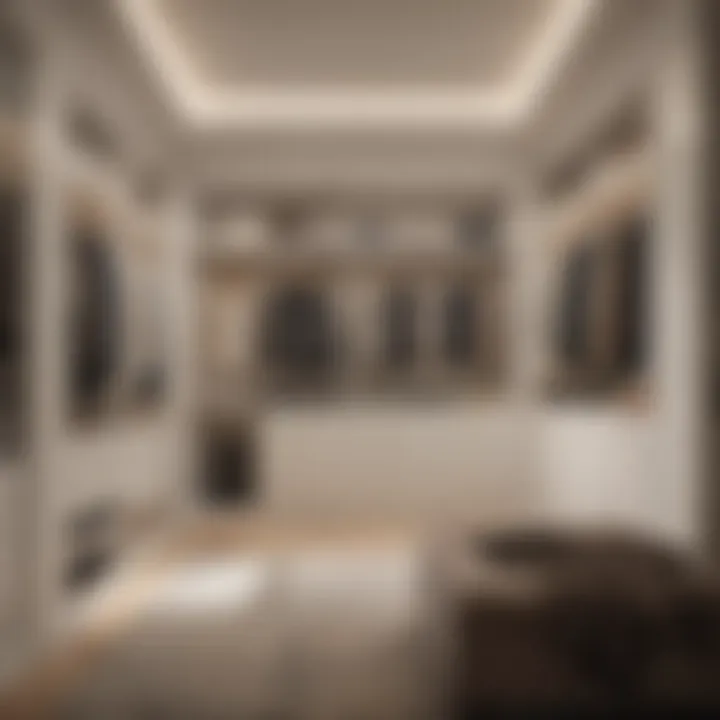
Lighting plays a crucial role in transforming a compact bedroom into a functional walk-in closet. Proper illumination influences not only the ambiance but also visibility, allowing you to distinguish between garments easily. The strategic integration of lighting enhances your organizational efforts while complementing your design. This intersection of function and aesthetic is essential when creating a space that feels spacious and inviting.
Importance of Natural Light
Natural light transforms spaces. A walk-in closet filled with sunlight not only feels welcoming but also energizes the room. When possible, take advantage of windows or skylights. Position your closet where these elements offer maximum exposure. This minimizes artificial lighting needs during daylight hours.
Consider using sheer curtains that both filter light and maintain privacy. This balance ensures you benefit from sunlight acts more like a natural spotlight, improving your mood, and contributes to mental clarity while getting dressed. If your closet does not have windows, think about mirrors. This can reflect existing light, imitating a brighter and bigger space.
Artificial Lighting Solutions
In situations where natural light is lacking, thoughtful artificial lighting can make a dramatic difference. Invest in layered lighting to create well-lit areas in your walk-in closet. Incorporating ambient, accent, and task lighting will give you flexibility and accessibility while dressing.
- Recessed Lighting: These fixtures are installed in a ceiling void. They provide subtle and even light. This is particularly helpful if your closet has a low ceiling.
- Wall Sconces: Placing wall sconces at pivotal points enhances visibility, especially near mirrors or shelves with clothing.
- LED Strip Lights: Installed under shelves or along hanging rods, these lights add a contemporary feel while helping you find items furthemore more easily.
When designing your closet, consider dimmable switches. They allow you to adjust the brightness according to your needs, improving comfort for choosing outfits any time of day.
“Optimizing your lighting not only improves the visual aspect of your space but also has psychological advantages—a well-lit area can elevate your daily routine.”
By blending natural and artificial lighting, you create a genuinely functional and inviting walk-in closet.
Incorporating Personal Style
Incorporating personal style into your walk-in closet project is vital for creating a space that not only serves as an organized storage area but also reflects your individual taste. This reflection of personal style differentiates a functional space from one that embodies your character. The closet is a place where you begin your day and end it, making it essential that it is aesthetically pleasing. Factors to consider include color schemes, decorative elements, and overall themes that can be cohesive with the rest of your home.
When you tailor your walk-in closet to your style, the outcome can greatly increase your enjoyment and satisfaction. It transforms the closet from a mere functionality to a space where you enjoy spending time. A customized look can also give you peace of mind, knowing that each element is purposeful yet beautiful.
Choosing Color Schemes
Selecting the appropriate color scheme is crucial when integrating personal style into your closet. Color influences mood and organization, making it more than just an aesthetic choice. Neutral colors like white and gray can create a calming atmosphere, while more vivid colors can energize the space. Consider the following when choosing your color scheme:
- Size and Light: Light colors generally make a small space feel bigger and brighter. Dark hues might provide a cozy feel, but can also make it feel cramped.
- Existing Decor: The closet should align with your room’s design theme. Pull colors from adjoining rooms or from the bedroom. Sway trends to find what feels best.
- Personal Preference: If you adore warm tones, don’t shy away from those. The point is happiness in your daily routine.
Keep in mind the effects of color psychology. According to various studies, colors can evoke feelings of relaxation and comfort or motivation and energy, depending on your selected palette.
Adding Decorative Elements
Once you have established your hues, consider the decorative elements that wall incorporate style further. Decorative touches offer finishing flourishes that can elevate the design. Here are notable ideas to peruse:
- Artwork: Incorporate framed artwork or photographs to give the space character. Items collected over the years can bring visualization and nostalgia.
- Mirrors: Mirrors can serve practical uses but also enhance style while providing depth. They reflect light, making your walk-in closet feel more spacious.
- Textiles: Implement soft rugs or throw pillows that coordinate with the color scheme. Texture will add comfort and style.
Diverse kid focus element shapes samples ranging from lavish to minimalist can showcase your personal touch. When considering a walk-in closet, think of each piece as an extension of who you are and how you wish to present yourself.
By elasing structure, personality plus functionality embeds rich character into the closet setup.
Budgeting for Your Project
Before you begin, make a detailed list of all the expected costs. This will serve as a roadmap for your project. You will find that the main areas comprising the budget will likely include:
- Storage Solutions: Assess how much shelving and drawer space you need. The complexity of storage systems will influence pricing significantly.
- Lighting: Both natural and artificial lighting must be considered here. Quality fixtures can elevate the overall aesthetic of the closet.
- Finishing Touches: This involves the choice of paint, flooring, and other decor elements that contribute significantly to the final impact.
Once you outline these necessary expenses, you can allocate your funds accordingly, having a clearer grasp of what you can prioritize. Ultimately, comprehensive budgeting leads to a well-rounded transformation where no unexpected costs disrupt your plans.
Cost-Effective Solutions
Identifying cost-effective solutions is a part of a successful budgeting strategy. There exists various methods and systems that save money while optimizing space. Start by researching discount home improvement stores or thrift shops. This tactic often yields shelving, cabinetry, or unique ware at lower prices than brand new options.
Another proven approach is:
- DIY Approaches: Many projects can be undertaken even without extensive knowledge of carpentry. Basic shelving units or simple storage bins can be made with low-cost materials, giving you control over the quality and look.
- Multi-Functional Furniture: Consider investing in furniture that serves multiple purposes, like ottomans that serve as extra storage. This type of furniture minimizes space while remaining functional.
In addition, focusing on simple installation can cut down on labor costs. Completing straightforward tasks and placing components yourself reduces the overall expenditure significantly.
Investing in Quality Materials
While approaching cost management, do not overlook the value of investing in quality materials. Though premium components may have higher upfront costs, they often lead the way in durability and aesthetics. For an installation that you aim to enjoy for years, selecting robust materials contributes to lower maintenance and repair needs in the future.
Choosing Quality Means:
- Long-Lasting Furniture and Fixtures: Look for durable materials such as solid wood or high-grade metal for shelving and cabinetry, which withstand wear and tear.
- Value Over Price: Keep in mind that cheaper options might save money initially, but could require replacement sooner, therefore leading to higher costs in the long term.
Lastly, while it may seem tempting to cut corners, the impression of the new walk-in closet plays a crucial role in its function. Quality finishes, timeless designs, and components tailored to your needs will ultimately provide a space you can utilize to the fullest, making the investment worthwhile.
Remember the significance of balance in your budgeting approach. Adequately framing your needs while considering the financial implications provides clarity in creating your ideal walk-in closet.
Planning the Layout
Planning the layout is an essential step in turning your small bedroom into a functional walk-in closet. A well-planned layout maximizes the available space, ensuring all items have their designated place. It also allows for easy access and convenience when using the closet daily. Several factors are important to consider during this phase.


Benefits of Effective Planning
A systematic approach in layout planning can reduce clutter and enhance efficiency. When the arrangement prioritizes accessibility, it removes the frustration often associated with a chaotic storage area. Good organization principles create a sense of satisfaction when using the closet, reflecting your organizational capabilities.
- Customized usage: Consider how you use your items daily. Specific placements of clothes and accessories can facilitate quick saves time when getting ready.
- Visibility: Ensure that everything can be seen and accessed easily. A thoughtful layout will prioritize high-frequency items at eye level.
- Flow: Arrange by category, helping create smooth transition zones between clothes storage, accessories, and seasonal items.
Sketching Initial Designs
Sketching initial designs does not require artistic talent. Simple pencil and paper can help translate your layout ideas into a visual concept. It isn’t the final plan but a preliminary outline guiding your direction.
Begin by sketching out the room dimensions as well as the features that influence the space. This includes windows, doors, and built-in shelving. Noting different zones within the closet can refine ideas even further. Using color codes can mark where dresses, shoes, or hats will be located.
Approach design intuitively; let it reflect functionality layered with personal preferences. Encourage yourself to get creative yet logical at the same time.
Utilizing 3D Modeling Tools
3D modeling tools add real value to the planning process. Online software such as SketchUp and Roomstyler allows users to visualize the space better. These tools offer a more realistic assessment than flat sketches and let you more touch flexible adjustments.
- Advantages of 3D Design:
- Visual Process: Provides a real-life feel to it to check proportions and choices made for items like shelves or racks.
- Enhanced Organization: Manipulate designs in a digital environment before purchasing storage essentials and avoiding overrates.
- Accessorizing: With the ease of cloning or dragging, you quickly adapt to different materials, colors, and textures to align with your personal style.
Exploring 3D layout can minimize errors before embarking on a potentially costly implementation process.
In summary, proper layout planning is the bedrock of an efficient and enjoyable walk-in closet. By laying your layout on the table and creating design drafts with basic sketches or modern tools, clarity emerges leading to satisfactory achievable goals.
Implementation Process
The implementation process is a critical stage in transforming a compact bedroom into a functional walk-in closet. The significance lies in effectively applying the design concepts selected during the planning stage. This phase ensures that your ideas materialize into a well-organized and visually appealing space. As a meticulous process, it pays off to follow the prescribed steps carefully.
Gathering Necessary Tools
To commence the implementation, you need the right tools. Having suitable tools not only simplifies the execution but also guarantees accuracy in your work. Here is a list of the necessary tools:
- Measuring tape: For accurate space measurement.
- Level: To ensure shelves and rods are straight.
- Screwdriver set: Essential for installing fixtures.
- Drill: Comes handy to create holes for hardware.
- Stud finder: To locate anchors behind walls.
- Utility knife: Useful for cutting materials like carpet or cardboard.
- Safety glasses: For eye protection during the implementation process.
Finally, conducting a quick check of your checklist makes sure no vital tools are left behind.
Executing Your Design
With tools in hand, you're ready to go ahead with executing the design. This part breaks down into several important steps that should be approached sequentially:
- Prepare the Space: Clear out the bedroom. Remove furniture and unwanted items. This opens up a blank slate for your project.
- Mark Out the Design: Use the measuring tape to note areas for shelving and installations. Mark these locations with a pencil or masking tape.
- Install the Framework: Begin with the major structural elements. Attach shelves to the walls, securing them with brackets. Ensure everything is level and secure to prevent shifting.
- Add Storage Features: Attach rods for hanging clothes next. Follow it with drawer units or modular shelving, according to the plan laid out before.
- Incorporate Accessories: Lastly, fiddling with hooks or decorative elements is a chance to personalize the space. Make small adjustments as needed.
Considerations during this step involve attention to detail and a mindset geared towards adapting the layout as necessary. The benefit of this process is you end up with a nimble yet functional layout that enhances both usability and appearance. Organization should be functional and serve your specific needs. By following through methodically, your vision will transition into reality, yielding an optimized walk-in closet ultimately suited to express your functionality and style preferences.
Maintaining Your Walk-In Closet
Maintaining a walk-in closet is essential for ensuring it remains a functional and organized space over time. This area in your home should ideally reflect both utility and style. Regular upkeep not only enhances efficiency but also prolongs the lifespan of the storage solutions and systems installed. When maintained properly, a walk-in closet can serve as a seamless extension of your personal style, while meeting daily needs for accessibility and ease of use.
A well-maintained closet does not just house outfits; it represents a lifestyle of efficiency and clarity.
By focusing on regular organization practices and seasonal clothing rotation, your walk-in closet can truly be a refined space that evolves alongside your wardrobe.
Regular Organization Practices
The core of maintaining a walk-in closet involves developing consistent organizational habits. Start with establishing a routine, perhaps every couple of months, to evaluate and reorganize your items. During these sessions, consider these essential steps:
- Empty & Clean: First, take everything out. This step offers a chance to clean shelves, floors, and other surfaces effectively. You’ll be amazed at how much dust can accumulate.
- Sort & Purge: After cleaning, categorize your clothing and accessories. Keep things like dresses, trousers, shoes, and handbags separate. Use this time to also identify any items that you no longer wear or need. Consider donating or selling things rather than letting them clutter your spaces.
- Reload Strategically: When placing items back, think about visibility and accessibility. Place frequently used items at eye level, heavier items on lower shelves, and seasonal clothing toward the back. Organization labels can also enhance clarity on which items are where.
Consistent organization fosters a clear and manageable space, minimizes stress, and contributes towards daily efficiency.
Seasonal Clothing Rotation
Another important aspect of closet maintenance is implementing a seasonal clothing rotation. Fashion often hinges on seasons and moods; therefore, shifting your wardrobe according to the time of year can bring freshness and ease of access. This process should not be overlooked because it dictates how well personal needs are met each season.
To conduct a seasonal rotation effectively, follow these guidelines:
- Identify Seasonal Items: Different seasons yield different clothing and accessories. For instance, during summer, focus on light fabrics and colors. Take stock of what you need, what has been worn, and what should stay hidden until a later time.
- Store Off-Season Clothing Wisely: Consider using vacuum-sealed bags or containers for off-season clothing. Storing items out of sight, while taking care to keep them breathable will prevent them from becoming musty or damaged.
- Revisit and Adjust: As each season comes around, revisit the clothing storage to meet any changing styles, body shapes, or tastes. Adjusting accounts for personal growth, both in fashion sense and practical space needs.
Balanced maintenance through regular organization and seasonal storage not only adds convenience but creates a soothing environment ready for use. Being mindful of your space and keeping it adaptable ensures that your closet always meets your needs while reflecting your personality.
Epilogue
A well-planned closet does not merely serve its functional purpose, but can enhance your lifestyle and organizational habits. Properly executed storage solutions can free up floor space while optimizing every corner of your room. Relying on vertical storage or multi-functional pieces can make a significant difference when working with confined areas.
The color scheme and lighting play pivotal roles in creating a pleasant atmosphere. Ensuring that your new walk-in closet welcomes natural light, complemented by thoughtful artificial options, extends the usability of the space beyond day hours.
Fulfilling personal style is equally important. Integrating custom decorations that echo your aesthetic preference not only motivates organization but also transforms the closet into a desired space. Conclusively, every aspect from budgeting to execution matters as you enhance functionality while maintaining beauty.
Achieving such a transformation requires careful planning and execution; however, the rewards—a tidy environment and a stress-free experience when selecting outfits—are absolutely worthwhile.
A well-organized space reflects a well-organized mind.
Consider the transformation as an investment, enriching not just your physical surroundings but also your daily routines. The synthesis of practicality and style can bring immense satisfaction to daily life, making this project pertinent for anyone looking to maximize functionality in their small bedroom.