Transform Your Bedroom with Decorative Wall Panels
Intro
Decorative wall panels have become quite the rage in recent times, especially when it comes to sprucing up bedroom spaces. While some might think of them as just another trend, they offer much more than just aesthetics. Utilizing these panels can transform your bedroom into a haven, reflecting your personality and elevating the overall vibe of the space.
When you think about it, bedroom design often tells a story. By choosing the right decorative wall panels, you craft a narrative that suits your style—whether it’s modern minimalism, rustic charm, or something eclectic and vibrant.
This comprehensive guide will navigate you through all the essentials of incorporating wall panels into your bedroom design. From understanding the materials to uncovering installation secrets, every bit of information provided will help you achieve a space that is not just visually appealing but also functional.
You'll find that exploring wall panels isn't merely about choice and implementation; it’s about crafting a personalized sanctuary that harmonizes with your life. With the right guidance, you can embark on this journey to enhance your living environment while showcasing your discernment in design choices.
Foreword to Bedroom Decorative Wall Panels
Decorative wall panels have become an integral part of modern bedroom design, offering both aesthetic appeal and practical benefits. The choice to incorporate these panels can significantly transform a space, providing a focal point or enhancing the overall décor. This section dives into the major aspects of bedroom decorative wall panels, shedding light on their significance, types, and impact on interior design.
Defining Decorative Wall Panels
Decorative wall panels refer to a variety of materials installed on walls to enhance their visual appeal and functionality. They can range from solid wood planks to sleek, modern metal sheets, and even textured fabric coverings. The primary aim of these panels is to bring character to a room and create an inviting atmosphere. When selecting the right type, one should consider factors like color, texture, and installation method.
These panels don't just serve a decorative purpose; they can also improve a room’s acoustics and insulation, making them a practical choice for a bedroom environment.
The Evolution of Wall Panels in Interior Design
The history of wall panels can be traced back centuries, with early examples found in grand castles and homes designed for nobility. Initially, these panels were a symbol of wealth and status, often crafted from rich materials like oak or mahogany. However, as interior design evolved, so did the materials and styles used in paneling.
In the 20th century, the advent of synthetic materials opened new avenues for creativity and affordability, allowing anyone to enhance their living spaces. Today, decor enthusiasts have access to an array of styles, ranging from classic to contemporary, ensuring that wall panels can fit any bedroom aesthetic.
As preferences continue to evolve, understanding this evolution can provide valuable insight into how wall panels can not only enhance a bedroom but also reflect broader interior design trends.
"Choosing the right wall panel is not just about looks; it can connect a room to its historical context while providing modern solutions for today’s lifestyle."
With this foundation in mind, one can appreciate how decorative wall panels encapsulate a unique blend of tradition and innovation, making them a worthwhile consideration in bedroom design.
Types of Decorative Wall Panels
When it comes to elevating the aesthetic of bedrooms, decorative wall panels stand as a crucial element. Not only do they provide a variety of styles and textures, but they also enhance the overall functionality of the space. In this section, we will dive into distinct categories of wall panels, helping housewives and homeowners alike to understand the benefits and considerations for each type.
Wood Panels: Timeless Elegance
Wood panels exude a classic charm, bringing warmth and authenticity into the bedroom. This material not only feels natural but also embodies timeless elegance. Whether it's oak, cherry, or even reclaimed wood, the grain patterns and hues can transform a dull wall into a focal masterpiece. Furthermore, wooden panels are generally durable and can withstand wear, making them a practical choice.
However, one should be mindful of maintenance. Wooden surfaces can require occasional sealing or staining to protect against humidity and scratches, particularly in regions with varying climates. This consideration is crucial for ensuring that your investment stands the test of time.
Fabric Panels: Soft Touch and Sound Proofing
For those looking to add a soft touch to their bedroom, fabric panels can be a game changer. These panels not only introduce warmth with their cozy textures but also provide sound-absorbing qualities. The plush nature of fabric can make a room feel snug and inviting, creating a sanctuary for rest and relaxation.
The selection of fabric types—ranging from linen to velvet—offers a variety of aesthetic options. However, it’s essential to think about cleaning. Some fabrics may be less durable or require professional cleaning, which could lead to higher upkeep costs over time. Therefore, consider choosing a blend that balances elegance with practicality.
3D Panels: Adding Depth and Dimension
3D panels can spice up the decor like no other. With unique patterns and shapes, they create an optical illusion that can make spaces feel larger and more engaging. From geometric cuts to organic designs, these panels catch light and shadow in intriguing ways, drawing the eye and prompting conversation.
Benefits of 3D Panels:
- Visual Interest: Adds a dynamic element to flat walls
- Customization: Available in various designs to match any theme
- Installation Flexibility: Can be used in accents or whole walls
While they do pack a punch in terms of style, consider the installation. Depending on their size and weight, walls might require reinforcement to accommodate these panels, adding another layer of complexity to the project.
Metal Panels: Modern and Industrial Flair
Metal panels introduce a bold and contemporary look, perfect for those aiming for an industrial vibe. Common materials include stainless steel, aluminum, and even weathered copper, which can add a unique character to the room. They reflect light beautifully, creating an interesting interplay with other elements in the bedroom.
Still, it’s worth mentioning the potential for scratches and dents, especially in high-traffic areas. Therefore, think about the layout and what other furnishings will complement this sleek material without competing for attention.
Vinyl and Laminate: Versatility and Affordability
For budget-conscious individuals, vinyl and laminate panels present versatile options that won’t break the bank. These materials mimic the appearance of real wood or stone at a fraction of the cost. They come in countless designs, colors, and finishes, appealing to many varying tastes.
In addition to affordability, these panels often boast simple maintenance and resilience, making them practical for bedrooms that see regular use. However, it’s crucial to verify that they do not contain harmful chemicals, such as VOCs, to ensure a healthy living environment.
In essence, choosing the right type of decorative wall panels is a delicate dance between aesthetic appeal and practical considerations. Each option comes with its own set of benefits and drawbacks, urging homeowners to reflect on their preferences and the specific utilities of each material.
Benefits of Using Wall Panels in Bedrooms


In the quest for creating your ideal bedroom, decorative wall panels can be a game changer. They bring a multitude of benefits that extend beyond mere aesthetics. When you introduce wall panels, you are not simply adding a decorative element; you are enhancing the entire room's function and feel. Their versatility allows for adjustments in atmosphere, acoustics, and maintenance, tailored to individual preferences. Let's delve deeper into some key benefits.
Aesthetic Enhancement
First off, wall panels can significantly elevate the visual appeal of a bedroom. With an array of designs, textures, and materials available, they offer a blank canvas for creativity. A wooden panel can add warmth and a rustic touch, while a sleek metal one can scream modern sophistication. You can choose colors that scintillate the senses or neutral palettes that soothe the mind.
For instance, consider a bold geometric pattern on fabric panels that immediately catches the eye. Placing these carefully can create an illusion of depth, drawing attention to other decor elements in the room.
You might even harmonize the colors of these panels with your bedding or curtains, making your bedroom feel like a curated masterpiece. This visual synergy isn’t just a trend; it’s a conversation starter and a personal expression of style.
Improved Acoustics
Next, let’s touch on the acoustic advantages. Many are surprised to learn how much sound can bounce around a room. Wall panels serve as a buffer against noise pollution, transforming a typical bedroom into a personal sanctuary.
When you outfit your walls with acoustic fabric panels or thicker wooden designs, you effectively reduce echoes and external noises. This can be particularly beneficial if you live in a bustling urban area or near high-traffic zones. Having a quieter space not only enhances relaxation but also improves sleep quality.
Insulation and Energy Efficiency
Another compelling reason to consider wall panels stems from their insulative properties. Good insulation translates to reduced energy costs, which is a boon for any homeowner looking to cut expenses. When wall panels are correctly installed, they can help maintain a stable temperature within your bedroom, keeping it cozy in the winter and cooler in the summer.
Synthetic panels often come with built-in insulation, while wooden panels create a natural barrier. This contributes to not just immediate comfort, but also long-term savings on energy bills. In today’s eco-conscious world, making energy-efficient choices is not merely practical but also admirable.
Ease of Maintenance
Last but not least, wall panels offer a commendable edge in maintenance. Unlike traditional drywall, which can be prone to dents and scratches, many wall panels are designed for durability.
Most types require only simple cleaning with a damp cloth to keep them looking fresh. Spills or stains on fabric panels can be addressed with fabric cleaner, and wooden panels need the occasional polish to maintain their sheen.
This ease of upkeep not only saves time but can also prolong the life of your decor, ensuring that your investment in beautifying your bedroom continues to pay dividends.
“Incorporating wall panels into your bedroom decor could be the simplest yet most effective way to enhance comfort, style, and functionality, transforming the space completely.”
Overall, the variety of benefits provided by decorative wall panels makes them a worthy consideration for anyone looking to reimagine their bedroom. From aesthetic upgrades to practical advantages, their inclusion is likely to usher in a new era of comfort and creativity.
Materials Used in Bedroom Wall Panels
When it comes to decorative wall panels, the materials you choose can make or break the look of your bedroom. The right material not only contributes to aesthetic appeal but also affects durability, maintenance, and even acoustic properties. This aspect is significant in our exploration, as the variety of materials available today offers unique characteristics, benefits, and stylistic choices that can align with any homeowner's vision.
Natural vs Synthetic Materials
Natural materials, like wood, have a certain charm that synthetic ones often can’t replicate. Imagine the warmth that oak or walnut brings to a space. Each grain tells a story, adding texture, depth, and a touch of nature indoors. Moreover, natural panels may be prized for their longevity when properly cared for.
On the other hand, synthetic materials—such as high-density fiberboard—provide an attractive alternative that can be more affordable while still offering great aesthetic value. These materials can mimic wood's look without the hefty price tag and usually come with protective coatings that make them easier to maintain. They often resist moisture, mold, and warping, which means they are practical for various settings.
Sustainability in Panel Selection
In today’s world, sustainability is not just a buzzword; it's become a vital consideration in interior design. When selecting wall panels, looking for materials that are sourced sustainably or have eco-friendly certifications can reduce your environmental impact.
For example, panels made from reclaimed wood not only tell a unique story but also contribute to sustainability goals. Similarly, many manufacturers now produce panels using low-VOC (volatile organic compounds) materials or recycled content. This choice can help maintain healthier indoor air quality and lessen your carbon footprint, something increasingly valued by homeowners.
"Choosing sustainable materials transforms your decor into a statement of responsibility and style."
Durability and Lifespan Considerations
While aesthetics are crucial, the durability and lifespan of your wall panels should not be overlooked. Different materials come with varying degrees of resilience against wear and tear. For instance, hardwood panels, while beautiful, may require more upkeep to resist scratches and dents.
In contrast, materials like vinyl or laminate are often engineered to withstand the rigors of daily life, making them ideal for busy households. They are not only resistant to fading but also easier to clean, thus requiring less maintenance over time. When making choices, consider how often the room will see use and whether the decor needs to hold up against kids or pets.
In summary, contemplating these material aspects—natural versus synthetic, sustainability, and durability—can foster a more fulfilling selection process and ultimate design satisfaction. A smart choice in wall panel materials can truly elevate a bedroom while balancing both aesthetic desires and functional needs.
Design Considerations for Wall Panels
When it comes to enhancing the aesthetic value of a bedroom, the design of decorative wall panels cannot be overlooked. These panels play a pivotal role in establishing the character and ambiance of the space, bridging functionality with artistic expression. It’s not just about throwing up a panel; thoughtful integration and design choices are paramount.
Integrating Panels with Existing Decor
One of the first things to consider is how the wall panels will fit in with existing decor. The best approach is to think of your room like a puzzle where every piece needs to fit perfectly. Whether you have a contemporary aesthetic or lean more toward rustic charm, panels should complement rather than clash.
For instance, wooden panels may augment a warm, traditional room. If your decor features sleek lines and minimalist design, consider using 3D panels that provide texture without overwhelming visual space. Additionally, look into the color palette of your room. A cohesive look often calls for harmonizing tones. If your walls are painted in soft hues, introducing panels in related shades can weave a narrative of continuity while adding depth.
Color and Texture Choices
The colors and textures selected for wall panels significantly impact the room's overall feel. Colors can create moods: warm tones like oranges and reds can make a space feel inviting and energetic, while cool tones like blues and greens evoke calmness. Texture, on the other hand, adds another layer of sensory experience. A glossy panel can reflect light and create a spacious feel, whereas a matte finish indicates coziness.
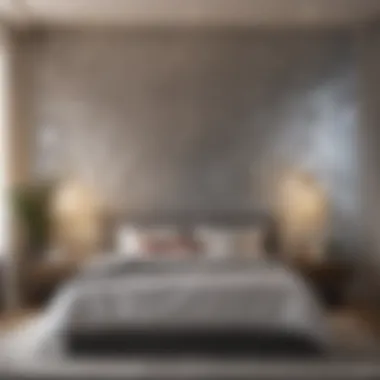

When experimenting with color and texture, it’s wise to bring samples into the room before a final decision. Swatches can look entirely different under various lighting conditions as the sun shifts throughout the day. Also, consider blending textures; a smooth panel engineered with a coarse one can greatly enhance dimensionality in the room, capturing interest without inducing chaos.
Creating Focal Points and Accent Walls
Every room benefits from a focal point—a standout feature that draws the eye. Decorative wall panels can serve this purpose beautifully. Think about areas like the wall behind the bed, as it is often the first thing one notices upon entering the room. Using intricate or bold panels can instantly create a stunning accent wall, making it a centerpiece for the design.
Moreover, accents don’t have to be limited to just one wall. You could frame a window or piece of artwork with contrasting paneling, directing attention and enhancing the visual hierarchy. Another option is to stagger different panel styles to guide the viewer’s gaze around the room, giving a sense of flow and engagement throughout.
Remember: A well-designed focal point does not require extravagant or bold elements—sometimes subtle changes can be the most impactful.
In summary, when designing with decorative panels for bedrooms, consider their integration with the current decor, make mindful choices in color and texture, and think about how to craft inviting focal points. These elements can transform ordinary walls into extraordinary statements, elevating your bedroom to a beautiful retreat.
Installation Techniques for Decorative Wall Panels
Decorative wall panels can be a game changer in transforming a basic bedroom into an elegant sanctuary. The installatioon process isn't just about slapping up some boards on the wall; it requires careful planning and execution to ensure that the final look is polished, functional, and aesthetically pleasing. This section will guide you through the important aspects of installing decorative wall panels, emphasizing not only the techniques but also the benefits and considerations that will help you achieve the best results.
Pre-Installation Planning
Before you even think about picking up a tool, it’s crucial to sit down and plan things out. This phase sets the foundation for a successful project. Ask yourself questions like:
- What style do I want?\
- Which materials fit my budget?\
- How do I want the overall interior to feel?\
Taking time to measure the walls and sketch a layout is essential. Use a level to ensure that everything is straight, because a crooked panel can be an eyesore. It helps to take samples of your panel choices home to see how they interact with the room’s light and colors. Remember, good preparation can save you from unnecessary headaches down the road.
Tools and Materials Required
Having the right tools on hand can make the difference between a smooth installation and a long, frustrating process. Here’s a quick rundown of tools and materials you may need:
- Tools:\
- Materials:\
- Level\
- Tape Measure\
- Power Drill\
- Adhesive or Nails (depending on your panel type)\
- Saw (if cutting is necessary)\
- Decorative wall panels of your choice\
- Trim boards (if needed)\
- Caulking\
- Paint or finish (if applicable)\
Make sure everything is in order before you start; nothing is worse than needing to stop mid-project because you’re missing a vital tool.
Step-by-Step Installation Guide
Once you’re ready to roll, follow these steps for a successful installation:
- Prepare the Wall: Make sure the wall is clean, dry, and flat. Remove any fixtures or furniture that might obstruct the work area.
- Mark Guidelines: Using your level and tape measure, mark where each panel will go. This helps in aligning everything correctly.
- Cut Panels (if necessary): If your panels need to be trimmed to fit, do this carefully to avoid waste. A clean cut ensures a professional finish.
- Apply Adhesive/Nails: Depending on your panel choice, either apply adhesive to the back or nail them in place. Ensure each panel is level during placement.
- Finishing Touches: After all panels are installed, consider adding trim to cover seams or edges. This adds a neat, finished look.
Common Mistakes to Avoid
Even seasoned DIYers can trip up in the installation process. Here are a few pitfalls to look out for:
- Skipping the Planning Phase: Failing to plan can lead to misaligned and uneven panels.
- Ignoring Wall Conditions: Not addressing wall imperfections can affect how panels adhere.
- Cutting Panels Incorrectly: Always measure twice, cut once.
"In DIY projects, patience and precision are your best friends. Don’t be in a rush; the results will shine through in your meticulousness and efforts.”
With careful planning, proper tools, and a clear installation process, wall panels can transform your bedroom into a stylish haven. Take your time and enjoy the process!
Cost Considerations and Budgeting
Understanding the costs associated with decorative wall panels is vital, especially for homeowners and housewives who often manage budgets. Proper budgeting ensures that you can strike a balance between aesthetics and financial practicality. Whether you are looking to create a cozy bedroom retreat or a sophisticated ambiance, knowing your financial limits will guide your choices in materials, design, and installation.
When considering decorative wall panels, several key elements come into play:
- Material Selection: Different materials come with distinct price tags. For instance, solid wood panels are generally more expensive than laminate options, yet they offer natural beauty and longevity. Knowing your materials helps to forecast overall expenses.
- Labor Costs: Installation can significantly affect your budget. Depending on the complexity of the design, hiring a professional may be necessary. Be sure to include these labor costs in your calculations.
- Maintenance and Longevity: Consider future costs related to maintenance. Some materials may require more upkeep than others. Ultimately, investing wisely now can save you headaches down the line.
Budgeting not only helps you stay within financial means but also opens a door to smarter design decisions. You can often find stunning options at every price point, enabling personal expression without breaking the bank.
Average Cost Analysis
On average, costs for bedroom decorative wall panels can vary widely. It primarily depends on several factors, including material choice and installation method. Here’s a breakdown of typical costs:
- Wood Panels: Generally range from $10 to $50 per square foot, depending on the type of wood.
- Fabric Panels: Typically run between $15 and $30 per square foot, with varying prices based on fabric quality.
- 3D Panels: These can range from $25 to $75 per square foot due to their intricate designs and manufacturing processes.
- Metal Panels: These are usually priced higher, from $50 to $100 per square foot, reflecting their modern look and durability.
- Vinyl and Laminate: These options are often the most affordable, ranging from $5 to $15 per square foot.
Estimating costs could also involve additional charges for adhesive, tools, and other materials. Ensure that you research thoroughly and gather quotes from multiple suppliers.
Budget-Friendly Alternatives
If you find yourself stretched thin financially, fear not. There are numerous budget-friendly alternatives that can deliver style without significant expenditure:


- DIY Options: There are many DIY tutorials available for creating your own panels. Using plywood or MDF boards and a creative coat of paint can yield professional-looking results at a fraction of the cost.
- Peel and Stick Panels: These are a popular choice among those on a budget. They offer the look of traditional panels without the hefty price tag. Simply peel, stick, and you get an instant upgrade at around $5 to $20 per square foot.
- Repurpose Existing Materials: Sometimes, all it takes is a little creativity. Old doors or reclaimed wood can be transformed into striking wall paneling.
- Consider Textured Wallpaper: If you don’t want the bulk of panels, textured wallpaper can be a cost-effective alternative, available for $1 to $5 per square foot. It adds dimension and character without the need for heavy installation.
Selecting the right option comes down to blending your style desires with what your wallet can handle. Ultimately, you want to elevate your space without the financial strain.
"A well-planned budget is your best friend when it comes to home improvements—think smart and enjoy the process."
By examining cost considerations carefully, you can make informed decisions and create a beautiful bedroom space that reflects both your personality and your fiscal sensibilities.
Trends in Bedroom Wall Panel Design
As time rolls on, styles and preferences shift, but one thing remains certain: wall panels have made a significant mark in contemporary bedroom design. Understanding current trends in decorative wall panels is vital not just for aesthetic appeal but also for optimizing functionality and personal expression in a space that serves as a sanctuary. Staying informed about these trends will empower homeowners and designers alike to make thoughtful choices that resonate with today’s design ethos.
Current Aesthetic Trends
Today’s decorative wall panels aren't just about covering walls; they're about making a statement. From earthy tones to bold textured surfaces, here are some of the standout trends:
- Natural Elements: The trend towards biophilic design has brought a surge in the use of wood paneling with natural finishes. People want a slice of the outdoors in their bedrooms, embracing textures that mimic nature. Think reclaimed wood or bamboo, which adds warmth and an organic touch to the room.
- Color Blocking: Gone are the monochromatic styles of yesteryear. Homeowners are brightening up their spaces using vibrant colors and patterns. Color blocking with panels can add dimension, creating dramatic features, especially on accent walls. This technique can energize the space, making it feel fresh and inviting.
- Geometric Patterns: Shapes and angles galore! Panels with geometric designs are becoming increasingly popular. They beckon a modern flair, with options like hexagons or chevrons. These patterns breathe life into the bedroom, shifting the standard look and forging unique visual identities.
- Textured Surfaces: Smooth finishes have their place, but 3D panels with textures that catch the eye are in vogue. Whether it's raised surfaces or unique embossed designs, these elements create an interplay of light and shadow, making the walls come alive, bringing a tactile dimension that resonates with touch.
"The right wall panel can turn any bedroom into a work of art. It expresses who you are and breathes life into your four walls." — Design Expert
Innovative Technologies in Wall Panels
Technological advancements continue to shape the landscape of bedroom design, making decorative wall panels more dynamic. Here are some innovative technologies that have emerged:
- Smart Panels: These are not just about aesthetics anymore. Smart wall panels include features like integrated lighting, sound systems, and even climate control. Imagine controlling your bedroom ambiance or listening to your favorite tunes while being cocooned in stylish panels. The blend of technology and decor is elevating what it means to personalize a space.
- Eco-Friendly Options: With sustainability gaining traction, many manufacturers have turned to recycled materials and sustainable resources for their panels. Innovations now allow for attractive designs made from repurposed plastics and sustainable woods. Choosing these options not only enhances your bedroom's aesthetics but also promotes eco-conscious living.
- DIY-Friendly Solutions: Technology has also facilitated the growth of user-friendly panel solutions. Kits that require minimal tools and time have become widely available, allowing not-so-handy folks to enjoy the beauty of decorative panels. There are interlocking systems that make installation as easy as snapping a puzzle together.
- Digital Printing: The capacity for digital surface printing has transformed the world of wall panels. Homeowners can now customize their panels with any image or design. This means you could print anything from a beloved family photo to a scenic landscape, giving your walls a personal story.
Understanding these current aesthetic trends and technological innovations in wall panels allows you to tailor your bedroom to reflect your personal style while maximizing functionality. Considering these aspects can turn an ordinary space into something quite extraordinary.
Case Studies and Real-Life Applications
Understanding how decorative wall panels are used in real-world settings can provide valuable insights for potential buyers. Case studies offer a tangible look at how different styles and materials transform spaces, illustrating the possibilities and benefits that wall panels can bring to both residential and commercial environments. They emphasize the practical application of design theories, highlight innovation, and demonstrate the potential return on investment. Seeing the success stories behind decorative wall panels enables home and business owners alike to envision such enhancements in their own spaces.
Residential Projects
In residential settings, decorative wall panels often serve as a personal touch, helping to showcase individual style. Take, for instance, a family home in suburban Michigan that embraced wood wall panels to create a rustic yet modern ambiance in their master bedroom. The family chose reclaimed barn wood, allowing the natural variations in texture and color to play a significant role in the overall design. This choice not only added character but also evoked nostalgia, transforming their previously bland walls into a warm, inviting space.
- Benefits demonstrated in the project:
- Enhanced aesthetic appeal, creating a focal point in the room.
- Improved acoustics, which soothed the environment, making it perfect for relaxation.
- Added insulation, effectively managing energy costs during harsh winters.
Another interesting example involves a city apartment where fabric panels were used. The owners opted for upholstered wall panels in a soft gray hue with a subtle texture that complemented their minimalist decor. This choice elevated the space, offering both comfort and a stylish finish.
"The fabric not only brought warmth to the stark white walls but also helped reduce noise, making our small apartment feel like a sanctuary," shared the homeowner.
The application of fabric panels resonates especially well with families seeking a blend of elegance and function. It’s notable that the versatility of colors and textures means homeowners have plenty to choose from when customizing their personal haven.
Commercial Installations
Commercial spaces have unique demands, often needing to balance aesthetic appeal with functionality. An excellent case in point is a trendy café in downtown Seattle that opted for 3D decorative panels on the walls. The café aimed to create an Instagrammable space that attracted young professionals.
- Key elements employed in this project:
- Use of lightweight, durable materials that are easy to clean, perfect for a high-traffic area.
- Unique panel designs that crafted an energetic vibe aligning with the café's modern branding.
- Panels also contributed to the acoustic properties, maintaining a pleasant ambiance despite noise from patrons.
In another instance, an office lobby in New York City utilized metal panels to convey a sense of sophistication and innovation. The sleek, reflective surface visually expanded the space while aligning with the company’s tech-forward image. This project highlighted how commercial installations could embody brand identity while providing practical benefits like durability and low maintenance.
By examining these case studies, it becomes evident that decorative wall panels are not just about aesthetics; they are about functionality, personal expression, and creating environments that resonate with their intended users.
Final Thoughts on Bedroom Decorative Wall Panels
Decorative wall panels have emerged as a distinct element in interior design, especially within the romantic confines of the bedroom. Their importance is not merely in their aesthetic appeal but in the symbiotic relationship they foster between personal expression and functional spaces. As we reflect on their transformative power, it becomes clear that they are more than just stylish additions; they are an integral part of curating a space that tells a story.
Personal Expression through Design
When it comes to designing a bedroom, personal expression plays a pivotal role. The walls are a blank canvas waiting for homeowners to showcase their identity. Decorative wall panels allow for an array of options, from bold geometric patterns to soft, muted textures. Each choice reflects the occupant's personality, tastes, and aspirations.
For example, selecting a vibrant fabric panel can introduce a playful or cozy vibe, while choosing sleek metal panels communicates a more modern and minimalist mood. This variety empowers homeowners to mold their bedrooms into unique sanctuaries. With wall panels, it's not just about decoration; it's about creating a space that resonates emotionally.
"Your home should tell the story of who you are, and be a collection of what you love." – Nate Berkus
This sentiment can be effortlessly represented through decorative wall panels. They bridge the gap between style and comfort, allowing individuals to express who they truly are, all while enhancing the overall ambiance of the room.
Future of Decorative Panels in Interior Design
Looking ahead, the future of decorative wall panels in interior design seems promising. As homeowners continue to seek versatility in their living spaces, panels are likely to adapt and evolve with technology and trends. Innovations such as smart wall panels that integrate lighting and sound will probably offer multifunctional uses, meeting both aesthetic and practical needs.
Moreover, with sustainability becoming a focal point for many households, we can anticipate a rise in eco-friendly materials being utilized in wall panels. Reclaimed wood, biodegradable composites, and other green alternatives will not only provide aesthetic value but also align with the growing demand for environmentally-conscious design choices.
Thus, as design trends evolve, the essence of decorative wall panels will persist, nourished by creativity and intentionality.