
Discover the Finest Small Indoor Plants for Indirect Sunlight Environments
Materials:
- Small indoor plant species suitable for indirect sunlight, such as snake plant, peace lily, spider plant, or pothos
- Compact plant pots with drainage holes (exact measurements: 4-inch diameter)
- High-quality indoor potting soil
- Watering can
- Fertilizer suitable for indoor plants
DIY Steps:
- Choose a small indoor plant species that thrives in indirect sunlight, ensuring it fits the dimensions of your space.
- Select a compact plant pot with adequate drainage holes to prevent waterlogging.
- Fill the pot with indoor potting soil, leaving enough space for the plant's roots.
- Gently remove the plant from its nursery container and place it in the new pot, covering the roots with soil.
- Water the plant thoroughly and place it in a location with indirect sunlight.
- Use a suitable indoor plant fertilizer according to the manufacturer's instructions.
Technical Aspects:
- Tools: None required beyond basic gardening supplies
- Timing: Plant during the growing season for optimal results
- Critical Techniques: Ensure proper drainage in the pot to prevent root rot and maintain soil moisture levels
DIY Project Process:
- Carefully follow the steps outlined above to repot your small indoor plant.
- Monitor the plant regularly, adjusting watering frequency based on its individual needs.
- Rotate the plant periodically to promote even growth and exposure to indirect sunlight.
- Troubleshooting Tips: If the plant shows signs of overwatering or lack of sunlight, adjust watering frequency or relocate to a spot with better light conditions.
- Enjoy the lush greenery brought into your indoor space without direct sunlight exposure.
Introduction
In the realm of indoor gardening, the significance of selecting the right small plants for spaces with indirect sunlight cannot be overstated. This article delves into the nuances of incorporating greenery into indoor environments where direct sunlight is limited. Through a meticulous exploration of various plant options and care techniques, readers will gain valuable insights into cultivating thriving indoor gardens that flourish under indirect sunlight conditions.
Understanding the Importance of Small Indoor Plants
Benefits of Indoor Plants
Indoor plants offer a myriad of benefits beyond their aesthetic appeal. They act as natural air purifiers, enhancing indoor air quality by reducing toxins and providing oxygen. Additionally, indoor plants have been shown to boost mood, reduce stress, and increase productivity. The presence of plants in indoor spaces can also create a calming and rejuvenating ambiance, fostering a sense of well-being and tranquility.
Challenges of Indoor Plant Care
While indoor plants bring numerous advantages, they also present challenges in terms of care. Maintenance factors such as watering frequency, light requirements, and pest control need to be carefully managed to ensure the plants thrive. Balancing these elements demands attention to detail and a commitment to providing the optimal growing conditions for indoor plants.
Factors to Consider for Plants in Indirect Sunlight
Lighting Requirements
When selecting small indoor plants for spaces with indirect sunlight, considering lighting requirements is crucial. Plants vary in their tolerance for low light conditions, with some species thriving in such environments while others may struggle. Understanding the specific lighting needs of different plants is essential for ensuring their healthy growth and development in areas with limited natural light.
Watering Needs
Proper watering is a critical aspect of indoor plant care, especially in settings with indirect sunlight. The frequency and quantity of water supplied to plants play a significant role in preventing root rot or dehydration. Balancing the right amount of moisture without overwatering is key to sustaining plant health and vitality in indoor environments with reduced sunlight exposure.
Temperature Considerations
Temperature can impact the growth and well-being of indoor plants, particularly in spaces with indirect sunlight. Maintaining a consistent and suitable temperature range is essential for ensuring optimal plant growth. Extreme temperature fluctuations can stress plants and hinder their ability to thrive, making it important to create a stable indoor climate that supports plant health and resilience.
Top Small Indoor Plants for Indirect Sunlight
For indoor spaces with indirect sunlight, selecting the right small plants is crucial to introducing greenery effectively. These plants not only add aesthetic appeal but also contribute to better air quality and a sense of tranquility within the indoor environment. When considering top small indoor plants for indirect sunlight, factors such as the ability to thrive in low-light conditions, minimal maintenance requirements, and visual attractiveness play a significant role. By choosing the right plants, one can create a harmonious indoor oasis that enhances the overall ambience of the space.
1. Pothos
Characteristics of Pothos:
Pothos, also known as Devil's Ivy, boasts vibrant green heart-shaped leaves that can vine or trail elegantly. Its ability to thrive in low-light conditions makes it a popular choice for indoor spaces with limited sunlight exposure. Pothos is well-loved for its air-purifying qualities, helping to remove toxins from the air, and its resilience to different environments. The charming cascading nature of Pothos adds a touch of greenery and sophistication to any room.
Care Tips:
To ensure the optimal growth of Pothos in indirect sunlight, it is essential to provide well-draining soil, moderate lighting, and regular watering. Pothos thrives in moderate to low light and prefers its soil to dry out slightly between watering sessions. Regular pruning to maintain its lush appearance and occasional fertilization are key care tips for keeping Pothos healthy and flourishing.
2. Spider Plant
Distinctive Features of Spider Plant:
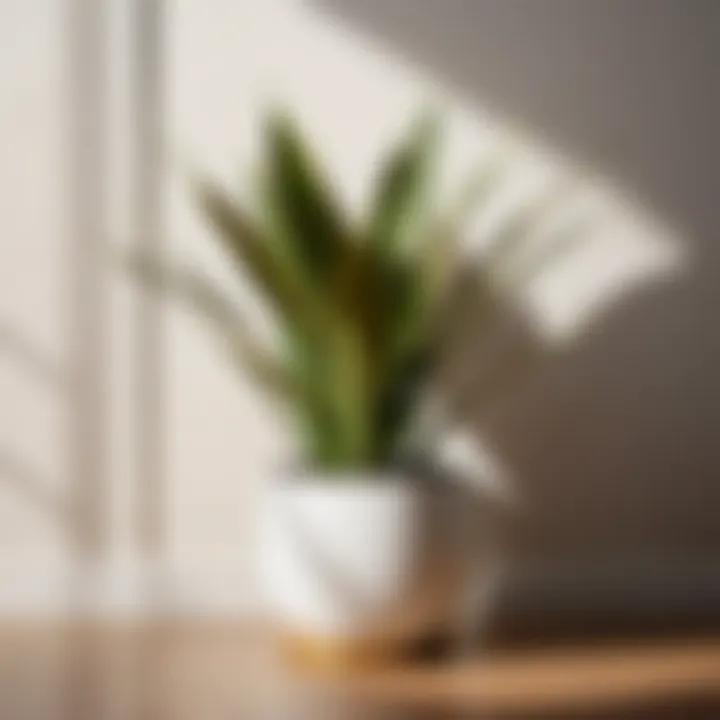
The Spider Plant, characterized by its long, arching leaves with small plantlets that dangle down like spiders on a web, is an ideal choice for spaces with indirect sunlight. Its air-purifying properties make it a popular choice for indoor environments. The Spider Plant is easy to propagate, making it a great option for beginners looking to expand their plant collection.
Maintenance Guidelines:
To ensure the well-being of the Spider Plant in indirect sunlight, maintaining consistent watering (allowing the soil to dry out slightly between waterings), occasional misting to increase humidity, and periodic removal of brown tips are essential. Providing adequate drainage and repotting when necessary contribute to the health and longevity of the Spider Plant.
3. Peace Lily
Peace Lily's Attributes:
Peace Lily, with its elegant, glossy, dark green leaves and white flowers, thrives in low to medium indirect light. Known for its air-cleansing properties, the Peace Lily adds a touch of elegance to any indoor space. Its tolerance for lower light levels and ability to indicate when it needs watering through drooping leaves make it a convenient choice for indoor gardening.
Caring for Peace Lily:
Caring for Peace Lily involves maintaining consistent soil moisture, avoiding overwatering, and providing occasional fertilization during the growing season. Regularly wiping its leaves with a damp cloth helps prevent dust buildup, ensuring optimal photosynthesis. Pruning spent blooms and damaged foliage encourages ongoing growth and vitality.
4. Snake Plant
Snake Plant Qualities:
The Snake Plant, also known as Mother-in-Law's Tongue, is revered for its striking upright leaves that come in various patterns and colors. Thriving in low-light environments, the Snake Plant is an excellent choice for spaces with indirect sunlight. Its air-purifying qualities, low watering needs, and resilience to neglect make it a top contender for indoor plant enthusiasts.
Snake Plant Care Routine:
Maintaining a healthy Snake Plant includes providing well-draining soil, letting the soil dry out between waterings, and occasional fertilization during the growing season. Avoiding overwatering, which can lead to root rot, and ensuring proper drainage through the use of pots with drainage holes are key aspects of the care routine for Snake Plants.
5. ZZ Plant
ZZ Plant Features:
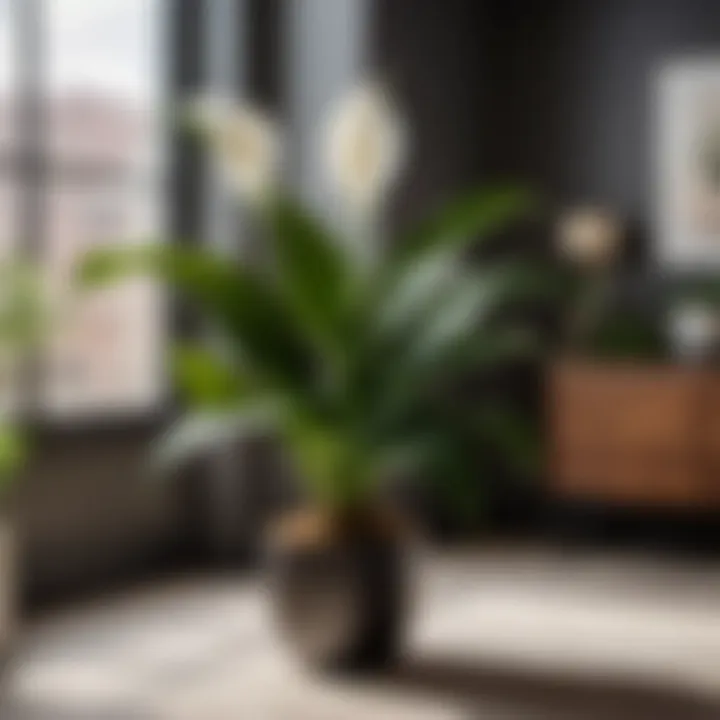
The ZZ Plant, known for its waxy, dark green leaves on slender stems, is a hardy plant that thrives in low-light conditions, making it perfect for indoor spaces with indirect sunlight. Its ability to tolerate neglect, low watering requirements, and air-purifying properties make it a favored choice for both novice and seasoned plant enthusiasts.
ZZ Plant Maintenance:
Maintaining the ZZ Plant involves providing well-draining soil, occasional watering only when the soil is completely dry, and avoiding direct sunlight exposure, which can scorch its leaves. Regularly wiping the leaves with a cloth to remove dust and keeping the plant in a stable, moderate temperature environment contribute to its overall well-being.
Additional Tips and Maintenance Guidelines
When it comes to caring for small indoor plants in environments with indirect sunlight, additional tips and maintenance guidelines play a crucial role in ensuring their health and longevity. These extra measures go beyond the basic care routines and focus on optimizing the growing conditions for the plants. By understanding and implementing these tips, you can create a thriving indoor garden that flourishes even in low-light settings. Some key aspects to consider include proper placement, watering techniques, and temperature and humidity control.
Optimal Placement for Small Plants
Ideal Locations in a Room
The ideal placement of small plants within a room can significantly impact their growth and overall well-being. Choosing spots that receive adequate indirect sunlight while avoiding direct exposure to harsh rays is essential. The key characteristic of selecting ideal locations in a room is to ensure that plants receive sufficient light without being subjected to harmful levels of brightness. By strategically placing plants near windows or sources of natural light, you can create a conducive environment for their growth. However, it is crucial to rotate the plants periodically to ensure even exposure and prevent foliage from leaning towards the light source. This rotation helps maintain the plants' symmetry and promotes equal growth.
Avoiding Direct Sunlight Exposure
Direct sunlight exposure can be detrimental to small indoor plants that thrive in indirect light conditions. By avoiding direct sunlight, you prevent issues such as leaf burn and heat stress. The unique feature of preventing direct sunlight exposure lies in shielding plants from intense rays while still providing the gentle light they need for photosynthesis. This practice not only protects the plants from damage but also ensures they receive the appropriate amount of light for healthy development. It is essential to monitor the sunlight levels in your space and adjust the plant's placement accordingly to maintain optimal growing conditions.
Watering Techniques for Indoor Plants
Signs of Overwatering
Recognizing the signs of overwatering is crucial for maintaining the health of indoor plants in environments with indirect sunlight. Symptoms such as yellowing leaves, wilting, or soggy soil indicate excess moisture, which can lead to root rot and other issues. The key characteristic of identifying signs of overwatering is to observe the plant's foliage and soil texture regularly. By keeping a close eye on these indicators, you can adjust your watering schedule to prevent waterlogged conditions and promote proper drainage.
Proper Watering Frequency
Determining the correct watering frequency is essential for small indoor plants in low-light settings. The key characteristic of watering frequency lies in finding the right balance between providing enough moisture for plant growth and avoiding waterlogging. By following a watering schedule based on the plant's specific needs and environmental conditions, you can ensure consistent hydration without overburdening the roots. Proper watering techniques involve watering thoroughly but allowing the soil to dry partially between watering sessions. This approach helps prevent water accumulation and supports healthy root development.
Temperature and Humidity Considerations
Maintaining Suitable Climate Conditions
Maintaining optimal temperature and humidity levels is vital for small indoor plants thriving in indirect sunlight. The key characteristic of climate control is to create a stable environment that mimics their natural habitat. By monitoring and regulating temperature and humidity levels, you can mimic the plant's preferred conditions and promote steady growth. Maintaining suitable climate conditions involves avoiding temperature extremes and abrupt fluctuations that can stress the plants. Using tools such as hygrometers and thermometers can help you stay informed about the indoor environment's conditions and make necessary adjustments for plant health.