
Sophisticated Grey Master Bedroom Design Ideas
Intro
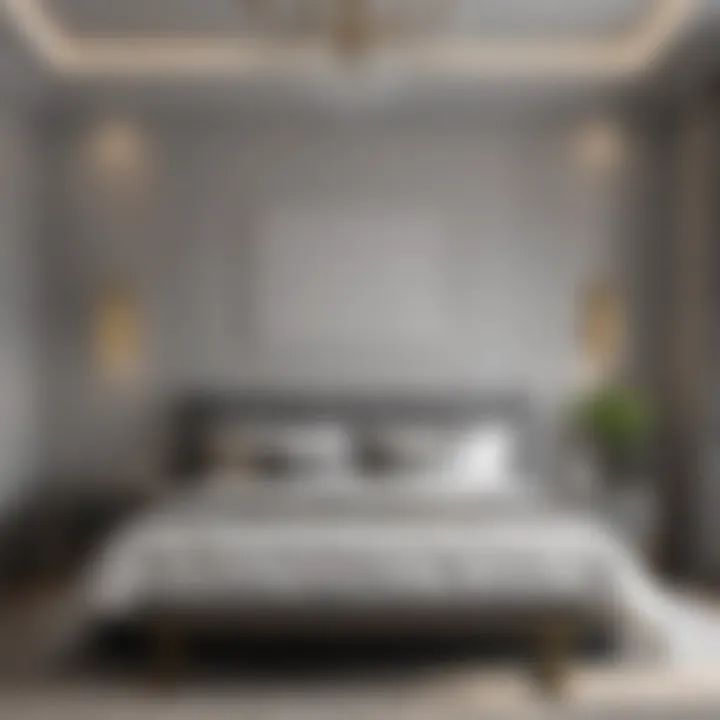
Designing a master bedroom in shades of grey doesn’t simply mean throwing some paint on the wall and calling it a day. It’s about creating serenity with a touch of sophistication. Grey can be soothing and stylish, offering a blank canvas for creativity while ensuring the space feels cozy and inviting. In this guide, we’ll dive into practical ideas, starting from the materials needed to execute your vision.
Materials:
To kick off your master bedroom makeover, you’ll need specific materials that will help realize your design ideas. Below is a detailed list, complete with measurements to assist you better:
- Paint:
- Primer: 1 gallon for the walls and ceiling
- Wood for Accent Wall (if applicable): 4-6 boards, 1 x 6 inches, cut to desired length
- Furniture:
- Bedding:
- Lighting Options:
- Decor Elements:
- Light grey: 1 to 2 gallons (depending on room size)
- Dark grey: 1 gallon
- Bed frame: Queen or King size (ensure to measure the space first)
- Nightstands: 2 (height of about 24 inches)
- Dresser: Width around 50-60 inches
- Sheets: 1 set of grey sheets, breathable material
- Comforter or duvet: Grey with possibly a pattern or texture
- Pendant light or chandelier (depending on ceiling height)
- Bedside lamps: 2, about 12-20 inches tall
- Curtains: Floor-to-ceiling, light-filtering grey or white
- Wall art or prints: A few pieces that have grey tones or abstract art
Collecting these materials will lay the foundation for your transformation journey.
DIY Steps: Detailed Instructions
You may be wondering how to go about executing this project. Below, we'll go step by step to ensure you understand the whole process thoroughly.
- Prepare the Room:
- Priming:
- Painting:
- Install the Accent Wall (if applicable):
- Set Up the Furniture:
- Bedding:
- Lighting Installation:
- Final Touches:
- Clean Up:
- Clear out furniture and decor items to make room for the work. Cover the floor with drop cloths to protect it from paint spills.
- Apply the primer using a paint roller for the walls and a brush for corners and edges.
- Allow it to dry fully. This will provide a good base for the paint.
- Start with the lighter grey paint for the walls. Two coats might be necessary for an even finish.
- Use the darker grey for accent features or walls. It’s best to do this on a feature wall to provide depth.
- Secure your boards to the wall using a nail gun or hammer and nails. Ensure they are straight by using a level.
- Begin with the bed frame, placing it centered against the wall. Add bedside tables on either side.
- Position the dresser against another wall that offers balance in the space.
- Dress the bed by layering different textures. Start with the flat sheet, then your comforter or duvet, and add decorative pillows that compliment the grey tones.
- Install the pendant light or chandelier according to the manufacturer’s instructions. Position bedside lamps on nightstands.
- Hang curtains, add art pieces, and any decorative elements you’ve chosen.
- Remove covers from floors and reassemble any furniture that had been moved.
Technical Aspects: Tools and Timing
For every great project, the right tools make a world of difference. Here’s what you’ll need along with estimated timing for each task:
Tools Needed:
- Paint roller and tray
- Paintbrushes in various sizes
- Nail gun or hammer and nails
- Level for alignment
- Drop cloths
- Ladder for higher installations
Timing for Each Task:
- Preparation: 1-2 hours
- Priming: 2 hours (including drying time)
- Painting: Around 4 hours for two coats
- Accent Wall & Furniture Setup: 3-5 hours
- Lighting Installation and Final Touches: 2-3 hours
Critical Techniques:
- Use painter’s tape to achieve clean edges where walls meet trim.
- Ensure good ventilation while painting to help with drying times and air quality.
DIY Project Process: Sequential Steps
Understanding the sequence of your project will help keep things organized:
- Prepare the room as mentioned above.
- Primer application.
- Paint the walls with the desired colors.
- Set up any accent wall materials.
- Assemble and arrange the furniture.
- Dress the bed and add bedding.
- Install lighting fixtures.
- Make tweaks to existing decor.
- Final cleanup to reveal your newly transformed space.
Troubleshooting Tips:
Even with the best of plans, issues might arise. Here are some common challenges:
- Uneven paint coverage: If you notice patches, apply a second coat. For minor touch-ups, a small brush can help.
- Furniture spacing issues: Always measure before purchasing. You can use painter’s tape to simulate furniture dimensions on the floor, determining the best layout.
- Decor placement: If artwork feels off-balance, try swapping it out with other items or shifting heights to find a more appealing look.
"Creating a grey master bedroom is not just about color but an entire atmosphere of calm and chic living. Put in the effort, and the results will pay off."
By following this structured approach, you will not only achieve a beautifully designed grey master bedroom but also learn a thing or two about the nuances of home decor in the process.
Prelims to the Grey Aesthetic
When it comes to interior design, the choice of color sets the entire tone of a space. The grey aesthetic has gained remarkable traction in the world of home decor, particularly in the context of master bedrooms. Choosing grey as a dominant color allows for a seamless blending of elegance and comfort. It’s not just about slapping some grey paint on the walls; it involves a deep understanding and appreciation of what this color represents.
Understanding the Color Grey
Grey sits comfortably between the extremes of black and white. It's a neutral shade, which means it can harmonize with numerous color palettes. Some might even say it’s like the middle child of colors—often overlooked, yet crucial for balance.
One of the reasons grey is so appealing is its versatility. From the lightest dove grey akin to a gentle fog to the deeper charcoal shades that evoke the night sky, the possibilities are endless. By incorporating different shades, you can create dimension and layers within the room. Additionally, grey can also hold its own against more vibrant accent colors, making it an excellent backdrop for expressing personal style.
Consider these common grey shades:
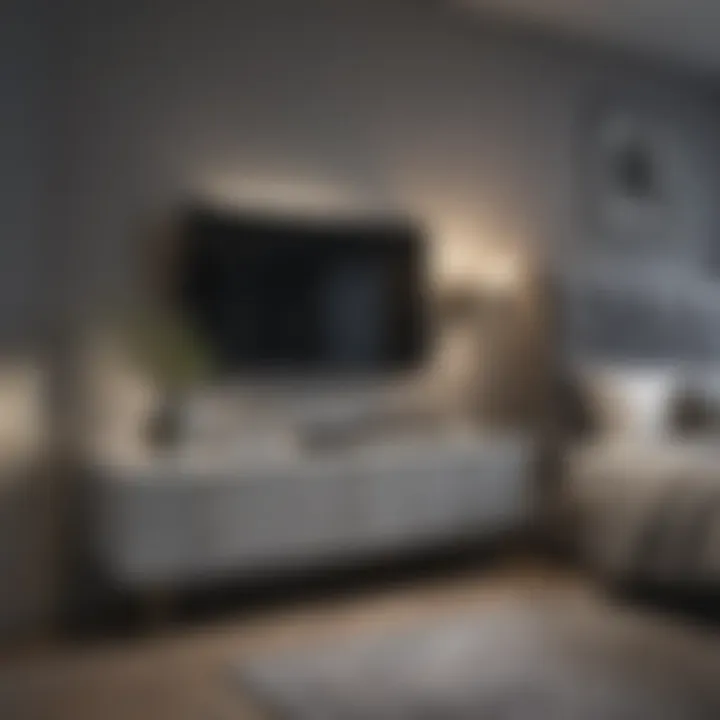
- Slate Grey: This darker tone can lend an air of sophistication and depth.
- Cool Grey: Often with blue undertones, it adds a refreshing feel, ideal for a serene master bedroom.
- Warm Grey: This variant can create a cozy atmosphere, slightly reminiscent of beige but more refined.
The Psychological Impact of Grey
The color grey often evokes different feelings based on its context and tone. Studies suggest that grey can be quite soothing; it promotes a sense of calm and tranquility, making it suitable for spaces meant for relaxation.
However, too much grey can lead to feelings of dreariness or boredom. It’s essential to strike that balance—using grey as a primary hue while allowing accents of color to breathe life into the design. This way, you maintain a sense of serenity without falling into a monotonous trap.
Moreover, grey has a timeless quality. Unlike more trendy colors that may go in and out of style, grey provides a sophisticated backdrop that remains relevant through changing design fads. Many homeowners appreciate this longevity, as it means their investment holds greater value over time.
"Grey is the color of balance, a versatile choice that can enhance any room's allure."
Choosing the Right Shade of Grey
In the realm of interior design, selecting the appropriate shade of grey for your master bedroom is a pivotal step. Grey is not just a single hue; it encompasses a vast spectrum from light, airy tones to deep, rich charcoals. The choice you make can easily dictate the room's overall atmosphere and how it feels to reside in that space.
Picking the right shade isn't merely a matter of aesthetic preference. It involves understanding the interplay of light, the room's dimensions, and how the color will interact with other elements within your decor. Thus, this selection process is akin to choosing the right artist's palette; it sets the tone for everything else that follows.
Choosing the correct shade of grey allows you to create a serene environment. Light greys promote calmness and can make a small room appear larger, while darker shades can give your space a cozy, intimate feel. This importance turns your color selection into both an art and a science, a thoughtful process that defines the essence of your sanctuary.
Warm vs. Cool Grey Tones
Warm greys tend to have a hint of brown or beige that fosters a welcoming and inviting atmosphere. These shades can be perfect for bedrooms where warmth and comfort are the goals. Think of shades like Revere Pewter by Benjamin Moore or Worldly Gray from Sherwin-Williams. These tones complement wooden furniture beautifully and create a sense of ease that beckons you to rest.
On the flip side, cool greys carry blue or green undertones, which evoke a more sophisticated and modern feel. They work well in spaces that aim for a more chic or refined vibe. Colors like Stonington Gray by Benjamin Moore or Sea Serpent by Sherwin-Williams add depth without overwhelming the senses.
Choosing between these two categories really hinges on what type of feeling you wish to cultivate. You might also consider how much natural light the room receives. Warm tones can soften the harshness of a room that's overtly bright, while cool tones can balance a dimly lit area, making it feel fresh and less claustrophobic.
Monochromatic Schemes and Variations
Monochromatic color schemes rend themselves perfectly to the use of grey in a master bedroom. By selecting varying shades of grey, you foster a seamless appearance that provides depth without sacrificing coherence. When a palette sticks to this singular color family, it creates a visual tranquility that many find appealing.
To employ this effectively, you might start with a mid-tone grey for the walls, then integrate lighter and darker shades in your choice of furniture and accessories. For example, a light dove grey can be paired with charcoal accents in your throw pillows or rugs. This not only grounds the space but also keeps it from becoming stale or monotonous.
You can also introduce patterns in textiles—think striped or geometric patterns in various greys—to add interest without breaking the monochrome harmony.
This flexibility allows room for creativity while maintaining an air of sophistication. Using variations in tone also encourages the addition of different materials, such as soft linens with a fuzzy rug or a sleek leather chair, making the space feel more dynamic.
Using a monochromatic scheme can make it easier to incorporate textures and shapes, providing layers of visual complexity that enhance the overall appeal.
In sum, the right shade of grey sets the stage in designing a master bedroom that is both stylish and functional. The careful balance between warm and cool tones and a thoughtful approach to monochromatic schemes will lead you down the path of crafting a sophisticated, inviting sanctuary within your home.
Furniture Selection for a Grey Bedroom
When diving into the realm of grey master bedrooms, the significance of furniture selection cannot be understated. It serves as the backbone of the space, influencing both functionality and aesthetics. Choosing the right pieces of furniture can transform a grey bedroom from a mere sleeping area into a sophisticated sanctuary. The interplay of textures, shapes, and styles plays a pivotal role in how the grey tones resonate throughout the space, thus enhancing the overall atmosphere.
Types of Furniture to Consider
Bed Frames
The bed frame is the centerpiece of any bedroom, and its role becomes even more crucial in a grey-themed space. A bed frame contributes not just to the overall aesthetic but also to the comfort of the room. Many homeowners opt for upholstered frames, particularly in soft grey hues or rich velvets, which can effortlessly soften the starkness that grey can sometimes introduce.
One key characteristic of bed frames is their ability to create a defined style. For instance, a sleek, modern metal frame can introduce a more industrial look, while a carved wooden frame provides warmth and a touch of traditional elegance. Each of these choices offers its own set of benefits. For instance, upholstered frames can be extremely comfortable and inviting, yet they may require more upkeep to keep them looking pristine, as spills or wear might be more visible.
"The bed is not just a place to sleep; it’s where dreams are woven into the fabric of our lives."
A unique feature of bed frames today is the introduction of storage options, minimizing clutter and optimizing space. Think under-bed drawers or lofted styles that allow for creative storage solutions in small apartments. However, while these frames can be advantageous in utility, they might not work with every design preference.
Dressers and Nightstands
Dressers and nightstands complement the bed frame and add an essential element to the bedroom layout. They serve functional purposes, yet they also provide a chance to express your individual style. A classic grey dresser can meld seamlessly with various designs, from minimalistic chic to rustic charm.
The standout characteristic often sought in dressers and nightstands is their built-in storage capacity, which can streamline your organizational woes. Consider nightstands with drawers that not only keep essentials within reach but also help reduce surface clutter. This is particularly important in a grey room, where simplicity can be key.
Incorporating these pieces can dramatically impact the ambiance, as a beautifully stylized dresser with intricate knobs can elevate the room’s sophistication. However, it’s essential to consider the proportions as well; oversize furniture can crowd the space, while undersized pieces might seem lost in the overall scheme.
Seating Options
Adding seating options can enhance the comfort and usability of a grey bedroom, turning it into a multifunctional retreat. A couple of stylish lounge chairs or a neatly positioned bench at the foot of the bed can not only serve as extra seating but also as a place for relaxation or reading.
The key characteristic of seating options lies in their versatility. Chairs or benches in textured fabrics, like soft chenille or leather, bring a tactile quality that contrasts beautifully with a smooth grey palette. Such additions can serve as eye-catching decor pieces that do double duty.
One unique advantage of incorporating seating into your bedroom environment is that it adds layers. You create an inviting nook that encourages comfort and warmth. However, careful consideration should be given to ensure these pieces don’t impede movement or disrupt the flow of the room, especially in smaller spaces.
Balancing Texture and Color
Finding the right balance of texture and gray tones is essential for creating a cohesive design. Combining smooth finishes with soft textiles can add visual interest while keeping the atmosphere calm.
In a grey bedroom, consider mixing materials, such as polished wood alongside soft fabrics and metals. This creates an engaging dialogue without overwhelming the senses. Furthermore, choosing various shades of grey in textiles—like differing tones in rugs, cushions, or throws—can help avoid monotony and provide the warmth necessary for a cozy setting.
A well-planned combination of furniture and decor not only invites tranquility but also fosters a space that feels personal and unique. The right furniture choices will ensure the bedroom is both a retreat and a beautiful reflection of the owners’ tastes.
Lighting Techniques for Grey Rooms
Lighting is an essential part of any room, especially in a grey master bedroom. A well-thought-out lighting scheme brings out the beauty of the grey tones while creating a warm, inviting atmosphere. Understanding the importance of this topic is key to achieving a sophisticated design. Good lighting not only enhances the aesthetics but also affects mood and functionality. When planning your bedroom’s lighting, consider how various lighting techniques can be combined to complement the grey palette effectively.
Natural Light Considerations

Natural light is a powerful asset in any space, and it holds special significance in a grey bedroom. Large windows or skylights invite the sun in, allowing natural hues to dance off the soft grey walls, creating a serene environment. When you’re selecting window treatments, think about sheer curtains that let daylight filter through. This helps in maintaining privacy while bathing the room in a gentle glow.
You might consider placing mirrors strategically to reflect natural light, thus brightening up darker corners of the room. It’s crucial to avoid heavy drapes that block out this lovely light; after all, why hide what nature offers? Let it fill the room, energizing it throughout the day.
Layered Lighting Approaches
Layered lighting is the technique of using different sources at varying levels to create a well-lit and inviting space. This approach is particularly beneficial in grey rooms as it showcases the various shades and textures within the decor.
Ambient Lighting
Ambient lighting acts as the foundation of your room's layout. It provides general illumination, enabling you to move around safely and comfortably in the space. A soft ceiling light or recessed can lights can set the stage by flooding the room with an even light.
The key characteristic of ambient lighting is its ability to fill the room without harsh glare, which suits the calming nature of grey. Many homeowners opt for dimmable fixtures, allowing them to adjust the brightness depending on the time of day or mood. This flexibility is particularly popular for evening relaxation or intimate gatherings. However, be cautious; too much direct overhead lighting can wash out the beauty of your gray tones.
Task Lighting
Task lighting fulfills a specific purpose, making daily activities easier and more delightful. This type of lighting can be seen in bedside lamps or reading spots. The important aspect here is functionality. Proper task lighting can help when you’re reading, sewing, or working on hobbies right there in your bedroom.
A distinctive feature of task lighting is its focused approach. For instance, adjustable arm lamps provide excellent light without intruding on the overall design. Task lighting is a favorable option for creating dedicated spaces within the grey master bedroom, yet one must carefully position it to avoid shadows that could disrupt clarity.
Accent Lighting
Accent lighting adds another layer of depth and dimension to your room. By highlighting artwork, architectural features, or plants, it creates visual interest and drama. Picture wall-mounted sconces, track lighting over a gallery wall, or even LED strip lights under furniture.
The hallmark of accent lighting lies in its ability to draw focus to specific elements. It’s not merely about brightness; it’s also about mood. Consider using LED colored strips; they can offer a pop of hues that complement grey beautifully. However, too much accent lighting can overpower the subtle elegance of the grey, so strike a balance for the best effect.
"Balancing ambient, task, and accent lighting is the secret sauce to showcasing the elegance of any grey room."
Textiles and Fabrics in Grey Bedrooms
When it comes to designing a grey master bedroom, textiles and fabrics play a pivotal role in shaping the overall atmosphere. They can transform a space from merely functional to inviting and cozy. The right choices in linens, curtains, and decorative accents not only introduce layers of comfort but also enhance the aesthetic appeal, creating a harmonious balance that technology and furniture alone can’t provide.
Investing in quality textiles can significantly amplify the sophistication of your room. Imagine sliding into a soft, plush comforter every night or pulling the curtains open to bright, filtered sunlight in the morning. Textiles work wonders, softening the starkness that might arise from a predominantly grey palette and bringing tactile warmth to the entire space.
Bed Linens and Comforters
Bed linens and comforters are the foundations of your sleep sanctuary. They set the tone for comfort and add an essential layer of style to the grey backdrop. Choosing the right bedding can turn a simple grey bed frame into the center of attention.
- Material Considerations: Selecting materials like cotton or linen ensures breathability and comfort. Satin or velvet can add a touch of luxury, giving your bedroom an upscale vibe.
- Layering Textiles: Utilize multiple layers to achieve depth. Pairing a lighter grey duvet with darker throw blankets adds contrast and invites warmth, making the bed more inviting.
- Play with Patterns: Don’t shy away from combining patterns. Stripes or geometric prints in soft tones can create visual interest without overwhelming the senses. This subtle playfulness can keep the environment from feeling too monochromatic.
- Maintenance and Care: Consider how easy it is to clean your textiles. Opting for machine-washable fabrics saves time and effort, critical for busy house owners managing household chores.
By focusing on the textiles of your bedding, you not only create a visually appealing look but also craft a uniquely personal space. A well-made bed can evoke a sense of tranquility that aids in relaxation.
Curtains and Drapes
Curtains and drapes serve a dual purpose in a grey master bedroom: they provide privacy and manage light, while also adding an essential decorative element. When chosen wisely, they can elevate a room from basic to barrier-breaking.
- Light Control: Opt for blackout curtains if you're a light sleeper or prefer a dark bedroom for a leisurely lay-in. Alternatively, sheer curtains can filter light beautifully, providing a gentle ambiance during the day.
- Color and Texture: Choose fabrics that complement your grey tones. Rich gold or deep navy curtains can add a striking contrast, while lighter hues like white or beige maintain a softer palette. Textured fabrics like linen or even velvet can provide an extra layer of opulence.
- Length and Style: Floor-length drapes can create an illusion of height, making the room feel more spacious. Play with styles, like tie-backs or rod designs, to add personality.
- Practical Considerations: Remember to keep functionality in mind; curtains should be easy to open and close, fitting within your lifestyle and the space’s purpose.
"A thoughtfully chosen fabric not only enhances the aesthetic appeal but also contributes to a nurturing environment."
In summary, textiles and fabrics are integral in creating a layered, sophisticated grey bedroom. From the comfort of bed linens to the elegance of curtains, every choice contributes to the overall serenity and functionality of the space. By emphasizing textiles, you enrich the atmosphere, ensuring that your bedroom becomes a true haven for relaxation.
Incorporating Accent Colors
In any grey master bedroom, incorporating accent colors is nothing short of essential. Grey, while providing a lovely base, can sometimes seem a bit too dreary or monochrome. Accent colors breathe life into the space, ensuring that it doesn’t feel flat or uninspiring. Beyond aesthetics, these colors help in creating distinct zones within the room, guiding the eye and emphasizing certain features or areas. This subtle cue can transform the bedroom into a more sophisticated and inviting retreat.
Choosing Complementary Colors
Finding the right complementary colors can feel like a delicate balancing act. Opt for hues that harmonize with grey, such as soft pastels like blush pink or mint green. Alternatively, bolder colors such as mustard yellow or deep navy can also provide striking contrast. It’s most effective to choose colors that resonate with the emotional tone you wish to set. Pastels are calming, while deeper shades can create a dramatic flair, perfect for a cozy surprise.
When selecting your accents, consider the following points:
- Color Temperature: Warm colors add energy, while cool tones evoke serenity.
- Contrast: Too much contrast can feel jarring. Find a balance that pleases the eye.
- Mood: Each color has its personality. Think about how they affect your mood and set the right tone for relaxation.
Using Accent Pieces Effectively
Artworks
Art has a unique capability to transform a grey space; it adds texture and intrigue. A vibrant artwork can serve as a focal point—drawing the eye and encouraging conversation. Choose pieces that either complement or oppose your chosen grey shades, to add depth.
One of the key characteristics of artworks is their variety; they can be paintings, prints, or even photography. Artworks serve as a beneficial choice in this guide because they reflect personal style and create an emotional connection. A fantastic unique feature is that art can often evoke memories or feelings, providing depth to the bedroom. However, ensure to choose pieces that don’t clash with other elements.
Throw Pillows
Throw pillows are one of the simplest yet most effective ways to inject accent colors. These small items pack a powerful punch, instantly making your bed or seating areas pop. They can be swapped out seasonally or whenever you wish for a change, making them not only appealing but also versatile.
The key characteristic of throw pillows is their variety in shape, size, and fabric; an endless possibility to explore combinations that suit your style. They are popular in grey bedrooms because they can soften the look and feel of the space without overwhelming it. One unique feature is their affordable accessibility; you don’t need a hefty budget to make significant changes in your room. On the downside, too many can lead to a cluttered aesthetic if not well thought out.
Rugs
Rugs can anchor a room and introduce warmth beneath your feet. They can serve as an excellent contrast to grey tones and may even incorporate patterns that enliven the overall design. Choosing the right rug is crucial as it defines the area and adds texture.
One of the key characteristics of rugs is their size; a rug that's too small can make a space feel disjointed, while a larger rug creates cohesion. Rugs are also a beneficial aspect of this guide because they help absorb sound, contributing to a serene atmosphere. A unique feature is the variety of materials available—from plush to flat woven—each giving a different feel and look. One consideration is regular maintenance; some materials require extra care and can wear out more quickly than others.
Storage Solutions for a Grey Master Bedroom
Storage isn’t simply an afterthought in bedroom design; it's a crucial element that marries functionality with aesthetic appeal. For those creating a grey master bedroom, effective storage solutions can enhance the sophisticated look while helping maintain the serene atmosphere that grey embodies. Not only does proper storage reduce clutter, but it also contributes to a sense of order and tranquility that every homeowner desires. Let’s dive into some practical and stylish storage options that can transform any grey master bedroom into an organized retreat.
Designing Minimalist Storage

When crafting a minimalist storage solution, one must embrace simplicity and intuition. This design philosophy is about creating open lines of sight and avoiding overwhelming the senses with excess clutter. A well-thought-out minimalist design clouds not the atmosphere with uninvited clutter, allowing the beauty of the grey tones to shine.
Consider these important aspects when designing your minimalist storage:
- Built-in Cabinets: Opt for sleek, built-in storage, seamlessly blending with the walls. These cabinets can cleverly hide away your clothes and linens while offering a clean, neat profile.
- Open Shelving: A few well-placed open shelves can showcase decorative items while providing practical storage. Use them to hold books, plants, or neatly folded linens, ensuring the items on display complement the grey aesthetic.
- Color Coordination: Stick to a limited color palette that aligns with the various shades of grey in the room. Perhaps you choose white or natural wood accents that contrast yet harmonize with the grey hues.
"A tidy room often mirrors a tidy mind; embrace minimalist storage to foster serenity in your sanctuary."
Multi-functional Furniture
In today’s fast-paced world, the appeal of multi-functional furniture is undeniable, especially in a master bedroom. This type of furniture fulfills multiple roles, saving not only space but also promoting an efficient lifestyle.
Here are several multi-functional items to consider:
- Storage Beds: Imagine your bed doubling as a spacious storage unit. Beds with built-in drawers or under-bed storage can accommodate everything from seasonal clothing to extra linens.
- Ottomans or Benches: Incorporating a stylish ottoman or a bench at the foot of your bed provides not only aesthetic charm but also hidden storage for blankets or out-of-season shoes. These can be easily tucked away, keeping your space clean.
- Convertible Tables: A bedside table could also serve a secondary purpose. Look for tables with shelves or drawers, where you can tidy away essentials like books or chargers, maintaining the calm energy of a grey-themed room.
By carefully selecting these elements, one can create a serene sanctuary that reflects personal style while meeting practical needs.
Creating a Cozy Atmosphere
A cozy atmosphere is not just about the visual appeal; it’s about creating a space where one feels at ease, relaxed, and at home. In a grey master bedroom, achieving this ambiance becomes particularly important due to the color's association with calmness and serenity. Grey can sometimes be perceived as cold or uninviting. Therefore, it’s crucial to incorporate elements that infuse warmth and comfort into your space.
Specific Elements
To foster a cozy environment, one should pay attention to several specific aspects:
- Textures: Mixing textures can add depth to a room. Soft throws, plush rugs, and tactile pillows can make the space feel inviting.
- Lighting: Dim, warm lighting has a way of transforming the mood of a room. Using lamps with warm bulbs or string lights can create an enchanting atmosphere.
- Warmth through Accents: Colors that contrast warmly with grey, such as yellows, blush pinks, or golds, can play an essential role. These hues can be included in your decor through artwork, curtains, or accent cushions.
- Scent: The olfactory element cannot be overlooked either. The right scents can evoke feelings of tranquility and comfort.
Benefits
Creating a cozy atmosphere offers numerous benefits:
- Enhanced Relaxation: A comfortable environment contributes to better rest and relaxation, making it a perfect retreat after a long day.
- Mood Improvement: A cozy atmosphere can uplift your spirits and encourage a positive mindset, thanks to thoughtfully chosen color palettes and decor arrangements.
- Personalization: Incorporating personal touches into your cozy design makes the space uniquely yours, turning it into a haven of comfort and style.
Considerations
While crafting this cozy ambiance, it's essential to consider balance. The goal is not to clutter but to curate beautifully. Ask yourself:
- How can I layer my textures while keeping the space breathable?
- Are my lighting choices too harsh or too dim?
- Do the accent pieces harmonize with the overall grey aesthetic?
These questions guide you toward a space that feels inviting and well-thought-out, ensuring that every corner beckons you to relax.
Use of Aromatherapy and Candles
Aromatherapy and candles are great for setting the mood in a grey master bedroom. Imagine walking into a space filled with soothing scents, where each breath calms the spirit.
Why Aromatherapy?
Using essential oils can elevate your atmosphere instantly. Scents like lavender promote relaxation, while citrus can uplift mood. Try incorporating oil diffusers or scented candles that align with your preferred ambiance. Place them strategically on dressers, shelves, or nightstands. A calm blend of aromas and grey shades produces a peaceful haven that rejuvenates the mind.
Incorporating Plants and Greenery
Bringing in houseplants can breathe life into a grey bedroom. Plants not only purify the air but also add a splash of color and vibrancy. Options like snake plants or pothos are low-maintenance and suitable for any light condition.
Why Plants?
- Natural Energy: Plants create a connection to nature, which can enhance mental well-being.
- Visual Appeal: Their varying hues can contrast beautifully with grey, offering a refreshing look.
Placement Tips:
- Load up window sills with smaller pots for sunlight exposure.
- Use taller plants, like fiddle leaf figs, in corners to draw the eye upwards and create height.
- Hang trailing plants to add layers and make your space feel dynamic.
The Role of Art and Personal Touches
Art and personal touches play a crucial role in transforming a grey master bedroom from merely a color palette to a truly inviting sanctuary. They elevate the design, bringing life, depth, and character to the space. Unlike neutral tones that might simply serve as a backdrop, well-chosen art pieces can act as focal points, provoke thought, and reflect individual tastes and experiences. This section will delve into why incorporating art and personal elements is essential and how it can enhance the overall aesthetic and emotional appeal of the room.
Selecting Art for Grey Bedrooms
When selecting art for a grey bedroom, one must consider how the piece interacts with the surrounding elements. Ideally, the artwork should resonate with the specific shades of grey within the room. For instance, softer pastel artworks may complement a lighter grey tone, while bold, vibrant pieces can inject energy into a darker palette.
- Size Matters: The scale of the art should be proportional to the wall space it occupies. A grand piece can dominate a small wall, while a collection of smaller works can create a more dynamic gallery effect that still engages without overwhelming.
- Texture and Medium: The material of the artwork — be it a canvas painting, a textured woven piece, or photography — can greatly influence the room's atmosphere. Mixing various textures adds depth and interest, reinforcing the sophisticated vibe of the grey aesthetic.
- Color Coordination: While grey serves as a versatile base, infusing color can create an inviting warmth. Emphasizing complementary colors through art can accentuate elements in the room. For instance, a piece with hints of mustard or teal can harmoniously play off grey tones, crafting a cozy yet chic look.
Consider selecting pieces that resonate personally — perhaps travel photos, or art from local artists that speak to your experiences. Such choices not only beautify the room but also encapsulate moments that evoke fond memories.
Documenting Personal Moments
Art doesn't always have to come from a store or gallery. Documenting personal moments through photography or framed memorabilia can provide a unique touch to your grey bedroom. This could be images of family gatherings, landscapes from travels, or snapshots of favorite occasions. Not only does this personalize the space, but it also invites conversations, creating a story within the room.
- Create a Collage: One popular approach is to curate a gallery wall featuring framed photos of different sizes alongside small pieces of art. This collage effect can enhance the overall look while giving a nod to shared experiences and cherished times.
- Incorporate Three-Dimensional Elements: Beyond framed images, consider displaying items like souvenirs, collections, or even art pieces from local artisans. A small sculpture or artifact can serve as another layer of decoration, adding dimensionality to the decor.
Personal touches in decor remind us that a space is not just an environment; it’s a reflection of who we are, our journeys, and the life we’re living.
In summary, integrating art and personal touches into your grey master bedroom provides an opportunity to create a unique environment that showcases individuality. It's about crafting a space that not only embodies sophistication but also tells your story. This makes it feel not just like a room, but a true haven.
Maintaining and Caring for Grey Interiors
Taking care of a grey interior is crucial for preserving its elegance and soothing nature. Grey, being a neutral tone, has an inherent ability to adapt to various styles but can easily show signs of wear and tear if not properly maintained. Regular upkeep not only ensures that your grey bedroom maintains its sophisticated charm but also extends the lifespan of your furnishings and decor.
A well-maintained bedroom allows for a continual atmosphere of relaxation and serenity, which is what many seek in a master bedroom. Let’s dive into some practical ways to preserve the beauty of your grey space.
Cleaning and Upkeep Tips
- Dust Regularly: Dust can quickly dull the chic appearance of grey surfaces. Use a microfiber cloth for daily dusting, focusing on high-touch areas such as bedside tables, dresser tops, and light fixtures. A quick wipe down can keep the room looking fresh.
- Vacuum Textiles: Carpets, rugs, and upholstery can trap dust and allergens. Regular vacuuming will not only maintain the cleanliness but also the texture of your fabrics. Make sure to check for dust bunnies in those hidden corners!
- Choose the Right Cleaning Products: For painted walls or furniture, opt for gentle cleansers that won’t strip away the finish.
- Spot Clean Stains Immediately: Accidents happen—coffee spills or muddy footprints can mar the aesthetic. Address stains as soon as they occur, using appropriate cleaning methods for the specific material. Don’t let a small blemish become a big eyesore.
- Maintain Air Quality: Use air purifiers to minimize dust and allergens, ensuring your bedroom stays healthy and inviting. When possible, open windows for fresh air to flow through, further enhancing the room’s atmosphere.
Regular care of a grey interior is as essential as the initial design. When clean and well-maintained, the serenity of grey shines through, creating a true sanctuary.
Seasonal Decor Adjustments
As the seasons change, so should your decor. Adjusting the accents and textiles within your grey bedroom can add warmth or a crisp feeling depending on the time of year. Here are a few ideas to keep your space current:
- Spring: Incorporate light pastels with pillows and throws to bring life to your space. Consider lilac or soft blue to pair beautifully with grey.
- Summer: Lighten up with sheer fabrics for curtains. Bright-colored accents such as lemon yellows or aqua can make the bedroom feel airy, perfect for warm nights.
- Autumn: Bring in warmth with earthy tones. Rich oranges, browns, and textures like knitted throws can create a cozy atmosphere.
- Winter: Embrace the colder months with luxurious fabrics. Velvet or heavy woolen textures in deep jewel tones can juxtapose nicely against the cooler grey, making the space feel inviting.
These simple adjustments not only refresh the room’s appearance but can also shift its mood, keeping the environment dynamic and enjoyable, thus avoiding the monotony of a static design.