Exploring the Impact of Small Rectangle Mirrors in Bathrooms


Intro
In the realm of bathroom design, the subtle elements often hold paramount importance. Among these, small rectangle mirrors stand out not just for their utility but also for their ability to enhance aesthetic appeal. As spaces where functionality meets design, bathrooms can often feel limited in expression. However, incorporating small rectangle mirrors provides a way to infuse personality and elegance without overwhelming the space.
Small rectangle mirrors come in various styles and finishes, allowing homeowners to match their decor while serving the essential purpose of reflection and light amplification. Understanding the integration of such mirrors is crucial for optimizing both the visual space and functionality.
This article aims to cover essential aspects that homeowners should consider when selecting and installing small rectangle mirrors. From materials and tools required, to detailed steps for installation, the guide will assist readers in creating a harmonious bathroom environment that reflects personal taste and contemporary design trends. Let's begin.
Prologue to Small Rectangle Mirrors
Small rectangle mirrors occupy a unique space in bathroom design, balancing both aesthetic appeal and practicality. Their shape allows for versatility in placement, making them suitable for various bathroom sizes and styles. Unlike larger or round mirrors, small rectangular mirrors enhance spatial perception while providing essential functionality.
Their importance cannot be understated. Small rectangle mirrors serve as focal points in a bathroom, adding character while also fulfilling a critical role in daily routines such as grooming and reflection. Furthermore, their compact nature means they can fit in limited spaces, which is essential for smaller bathrooms.
In this article, we will explore various aspects of small rectangle mirrors, addressing how to select the right one, considering style and materials, and installation tips. The goal is to guide readers through the decision-making process, ensuring that each element contributes to the overall bathroom design.
Understanding the Functionality
When discussing functionality in the context of small rectangle mirrors, several key points arise. These mirrors not only provide reflection but also act as tools for enhancing light and creating a sense of depth within the space. They are often strategically placed to maximize ambiant light, reflecting warmth and brightness across the room.
In addition to enhancing natural light, these mirrors often serve practical purposes. From daily grooming routines to simple checks of appearance, their presence is invaluable. Homeowners frequently underestimate how choosing the right mirror impacts user experience.
Ultimately, functionality aligns closely with design. Selecting a mirror that balances these aspects makes it a critical part of any bathroom renovation or design project.
Historical Context of Bathroom Mirrors
The evolution of bathroom mirrors traces a rich history. Initially, reflective surfaces dated to ancient civilizations used polished metals such as bronze and silver. However, their integration into personal grooming spaces gained prominence in the late 19th century.
By the early 20th century, improvements in glass-making technologies allowed for mass production of mirrors. This innovation made mirrors more accessible, and their role within households evolved. Bathrooms transitioned from mere functional spaces to places of relaxation and personal care, emphasizing the need for appropriate reflective surfaces.
Today, small rectangle mirrors reflect not only personal vanity but also a myriad of design influences. They embody trends ranging from minimalism to extravagant designs, catering to the diverse preferences of homeowners. The historical context highlights the shifting social norms around privacy, self-care, and the importance of these items in domestic spaces.
Importance of Size and Shape
The size and shape of bathroom mirrors play a crucial role in both functionality and aesthetics. In a space like a bathroom, where dimensions can be limited, the impact of these factors becomes pronounced. Small rectangle mirrors are often chosen for their ability to optimize space while enhancing the overall look of the room. Understanding the balance between size and shape can significantly affect the visual styling and practical use of a bathroom mirror.
Optimizing Space with Rectangular Design
When selecting mirrors for smaller bathrooms, a rectangular design can be particularly advantageous. The long lines of a rectangle can create a perception of height and space, making the room feel larger. This is essential in compact areas where every square foot matters.
- Space Utilization: A rectangular mirror can be hung above a sink or vanity without consuming much floor space, while providing an adequate reflection for day-to-day activities.
- Proportional Balance: The proportions of a rectangular mirror can harmonize with standard furniture and fixtures, such as vanities and cabinets, creating visual interest without overwhelming the space.
By carefully selecting the size of the mirror, homeowners can maintain an inviting ambiance while ensuring that the mirror remains functional. Mirrors that are too big may crowd a space, while those that are too small might not provide enough utility. Hence, the dimensions should complement the overall room size.
Visual Perception: Depth and Width
Rectangular mirrors also influence how homeowners perceive depth and width in their bathrooms. The nature of their shape can manipulate visual appearance, effectively altering how space feels.
- Illusion of Depth: A properly positioned rectangular mirror can create an illusion of depth, making a narrow bathroom appear wider and more open. This is especially useful for bathrooms with limited wall space.
- Enhancing Light: Reflections in mirrors can amplify light sources, whether from windows or fixtures. This enhanced brightness can counteract enclosed feelings in smaller areas.
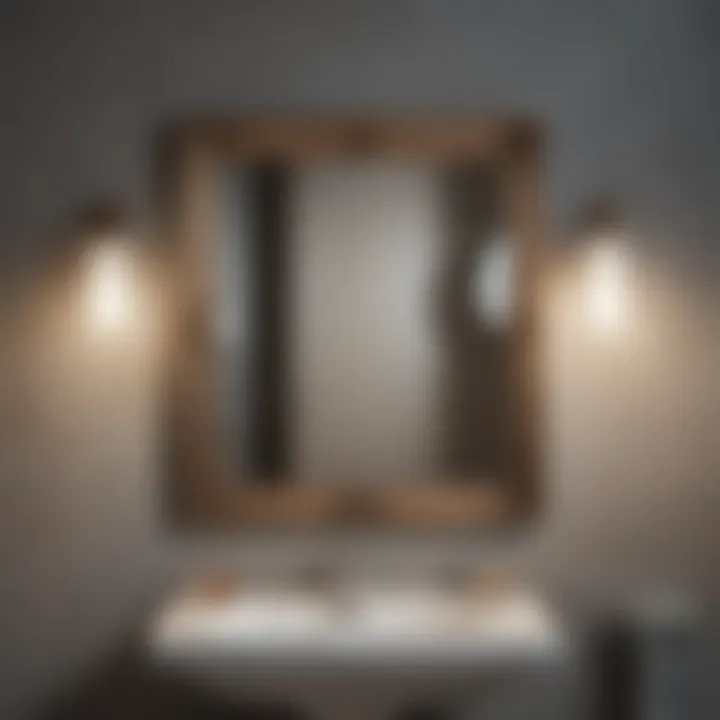
It is essential to consider how height and width interact with the existing installations, be it the basin or the lights. A mirror’s position can make or break the intended design. Therefore, thoughtful consideration should be given to all aspects of size and shape when incorporating small rectangle mirrors into bathroom plans.
"A well-placed mirror can significantly change the perception and functionality of a bathroom space."
Materials Used in Small Rectangle Mirrors
Materials significantly influence the aesthetic and functional aspects of small rectangle mirrors in bathrooms. Understanding these materials helps in selecting mirrors that not only complement the bathroom decor but also withstand moisture and usage. The choice of materials extends beyond mere appearance; it impacts durability, maintenance, and overall user satisfaction. Two critical components of mirrors are the glass itself and the frame surrounding it. Each aspect deserves attention for a thorough understanding.
Glass Types and Their Benefits
Various types of glass are utilized in small rectangle mirrors, each offering distinct benefits. Here are some common types:
- Float Glass: This type of glass is smooth and provides a clear, high-quality reflection. It is affordable and lightweight, making it a popular choice for many bathrooms.
- Safety Glass: Often used in environments where safety is a concern, this glass is designed to minimize injury risk when broken. It is shatter-resistant and is ideal for homes with children.
- Mirror Glass: Coated with a reflective material, this glass is standard in most mirrors. It offers the best clarity for personal grooming.
The benefits of choosing quality glass are numerous. High-quality mirror glass reduces distortion, providing a more accurate reflection. Safety glass can provide peace of mind. Each type has its unique application based on user needs.
Framing Options: Wood, Metal, and Plastic
When it comes to framing, small rectangle mirrors can be customized with a variety of materials, such as wood, metal, and plastic. Each of these materials carries its own set of considerations:
- Wood Frames: Wood adds warmth and a touch of elegance to bathrooms. It can be stained or painted to match existing decor. However, wood is more susceptible to moisture damage, so careful selection of treated or sealed finishes is advisable.
- Metal Frames: Metal frames are sturdy and provide a modern look. They are resistant to moisture and often come in various finishes, including chrome or brushed nickel, which can enhance the elegance of a bathroom. However, they can be heavier and may require stronger wall support.
- Plastic Frames: Plastic frames are often the most budget-friendly option. They are lightweight and highly resistant to moisture, making them easy to maintain. However, they might lack the aesthetics of wood or metal, thus impacting the overall decor.
Design Considerations for Bathroom Mirrors
When one considers the design aspect of small rectangle mirrors in bathrooms, it is crucial to acknowledge how they influence not just functionality but also the aesthetics of the space. The right mirror can act as a focal point or complement existing elements within the room, thus enhancing the overall style. Choosing appropriate design, style, and color coordination leads to a cohesive bathroom atmosphere, which is essential for creating a welcoming space.
Choosing the Right Style to Match Aesthetics
Every bathroom has its unique style; thus, selecting a mirror that harmonizes with this style is vital. For a modern bathroom, a sleek, frameless mirror may suit the space well. Alternatively, a vintage-style mirror with ornate details can add character to a traditional bathroom. It is worth noting that the mirror’s shape—while rectangular—can also exhibit varied styles. Some might prefer minimalist aesthetics, while others could go for bold patterns or textures. This decision should reflect personal preference, as it can profoundly affect the overall ambiance.
Color Coordination with Bathroom Interiors
Color plays a significant role in how a mirror will fit into the bathroom. Consideration of existing color palettes will help ensure seamless integration. For instance, a black-framed rectangular mirror might contrast beautifully against white tiles while complementing chrome fixtures. Lighter colors can help the mirror blend in with pastel-themed baths, creating a soft and airy vibe. It is advisable to choose colors that either match or subtly contrast with other fixtures to maintain a balanced aesthetic. An ineffective color choice may lead to a disjointed look, ultimately diminishing the harmony of the space.
Integrating Mirrors with Other Fixtures
Integrating mirrors with other bathroom fixtures can enhance functionality and visual appeal. This process involves careful planning about the proximity of the mirror to sinks, lighting, and storage. Positioning the mirror strategically above a vanity can create an illusion of greater depth, making the bathroom appear larger than it is.
Considerations regarding lighting are also vital. A well-lit mirror area allows for practical usage while ensuring the reflections are clear. Placing sconces on either side of the mirror can help in achieving even lighting. Moreover, it is essential to choose fixtures that echo the mirror's style. A cohesive look can be achieved by using materials or colors that reflect the same design language as the mirror. This interconnectedness significantly enhances the bathroom's overall aesthetic.
Reflecting on design can lead to more than just aesthetics; it redefines the functional experience within the space.
In summary, careful consideration of style, color coordination, and integration with other fixtures can transform a simple small rectangle mirror into an integral element of bathroom design. Choosing wisely can make a significant difference in the harmony of the overall design.
Installation Techniques and Best Practices
The installation of small rectangle mirrors is often overlooked, yet it plays a crucial role in enhancing the functionality and aesthetics of a bathroom. Proper installation ensures not only the visual appeal but also safety and convenience. When mirrors are correctly mounted, they serve their purpose better, providing an enhanced experience in daily routines. It is essential to consider the techniques and best practices that go into this process, as it directly influences the longevity and usability of the mirrors.
Determining Optimal Height and Placement
Determining the right height and placement for a mirror is vital for effective use. One key consideration is the user’s height. The center of the mirror should typically align with the average line of sight, which is around 5 feet to 5.5 feet from the floor for most adults. For taller individuals, you might need to raise the mirror further.
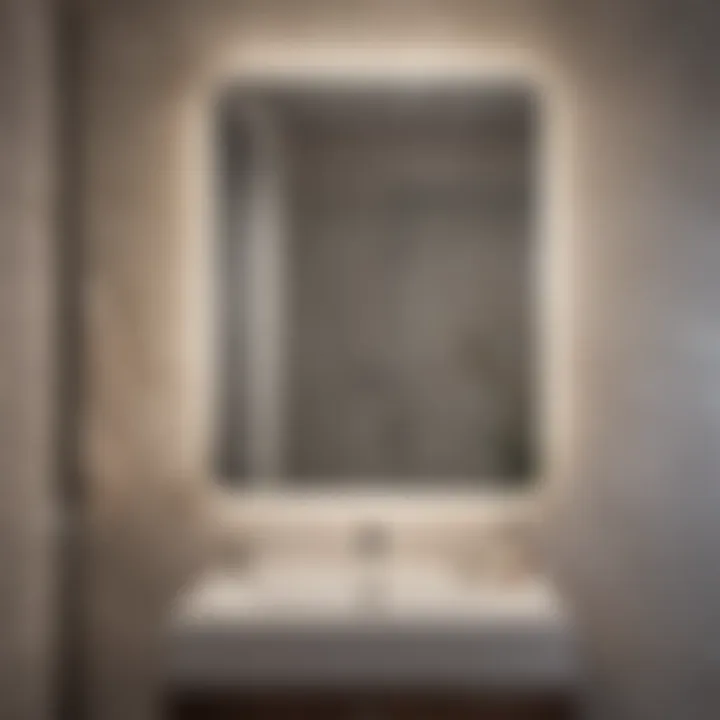
Additionally, think about the mirror's function. If it’s mainly for grooming, a lower placement may be appropriate. If it primarily serves decorative purposes, higher positioning could work better. The location of existing light sources also influences placement. Natural light can enhance reflection quality, so positioning the mirror near a window, if possible, is useful.
- Consider ease of use when setting the height.
- Ensure to measure before drilling to avoid imperfect elevations.
Tools and Materials Needed for Installation
Having the correct tools and materials on hand is crucial for a smooth installation process. Below is a list to ensure preparations are thorough:
- Drill
- Wall anchors
- Level
- Stud finder
- Tape measure
- Pencil for marking
- Safety goggles and gloves
Understanding the wall type is also necessary. For drywall, wall anchors are essential to prevent the mirror from falling. If mounting on tile, special drill bits are required to avoid cracking. Using a level will ensure the mirror is hung straight, contributing to its alignment and overall appearance.
Addressing Common Installation Challenges
During installation, challenges may arise that can hinder progress. One common issue is stud alignment. When the studs do not line up with mounting brackets, it can complicate securing the mirror effectively. Here, the use of wall anchors becomes necessary to create a stable foundation.
Another challenge is uneven walls, which can lead to tilting mirrors. Shims can be used to correct this to achieve a level finish. It's also crucial to account for any movement when tightening screws; the mirror should remain stationary.
In situations involving older homes, check for electrical wires or plumbing lines behind walls. This step prevents accidental damage while drilling. Being attentive to these factors minimizes errors and stress during installation.
"Proper installation practices can preserve both the functionality and style of your bathroom mirror over the long term."
By focusing on these installation techniques and best practices, you can ensure the mirror enhances both the usability and aesthetic value of your bathroom, offering a smooth reflection for years to come.
Lighting Considerations for Mirrors
Lighting plays a critical role in the utility and aesthetics of small rectangle mirrors in bathrooms. Proper lighting can enhance the functionality, ensuring these mirrors serve not just as accessories but as vital components of the space. It affects how the mirrors reflect images, the ambiance of the room, and even contributes to the overall design ethos. The right lighting can make a small bathroom appear larger and more inviting, while poor choices can create unflattering reflections and shadows that undermine the mirror's purpose.
Natural vs. Artificial Lighting
Natural light is often praised for its ability to accurately represent colors and ensure high-quality reflection. Windows letting in daylight can illuminate a bathroom and create a refreshing and airy feeling. Placing mirrors near windows can maximize the benefits of natural light, enhancing reflections and reducing the need for additional lighting.
On the other hand, artificial lighting is essential during nighttime or in rooms with limited natural light. The placement and quality of artificial lights can dramatically affect how users perceive their reflections. Task lighting, such as wall sconces or illuminated mirrors, can enhance detail and clarity. Warm light tones tend to create a soothing atmosphere, while cool light tones may heighten alertness and improve visibility for makeup application or grooming tasks.
> "An optimal balance of natural and artificial lighting can enrich the overall bathroom experience, ensuring functionality meets aesthetic appeal."
Impact of Lighting on Reflection Quality
The quality of light directly influences the clarity and accuracy of reflections in mirrors. Bright, direct light can highlight every detail, which may be desirable for grooming tasks. However, this brightness can also create harsh shadows and distortions, especially if light sources are poorly positioned.
In contrast, diffuse lighting can produce softer reflections. This can be aesthetically pleasing but might not be ideal for activities requiring precision, such as makeup application. Therefore, a balanced approach is often best. Here are some key considerations for achieving ideal lighting:
- Position of Light Fixtures: Lights should be installed at eye level, either side of the mirror or above it.
- Type of Bulbs: LED bulbs provide longevity and efficiency, while incandescent bulbs create a warm glow.
- Dimmer Switches: Installing dimmers allows for flexibility in light intensity according to mood and time of day.
Maintenance and Care of Bathroom Mirrors
Maintaining and caring for bathroom mirrors is crucial for preserving their functionality and aesthetic appeal. Mirrors, especially small rectangle ones, serve not only as tools for personal grooming but also as elements that enhance the overall look of a bathroom. Regular upkeep is necessary to ensure they remain clear and free of blemishes, which can detract from their beauty and utility. In addition, understanding the right methods of cleaning and maintenance can extend the lifespan of your mirrors, making them a wise investment in your home decor.
Cleaning Techniques for Different Materials
Different materials used in bathroom mirrors require specific cleaning approaches to maintain clarity and finish. Here are some common types of mirrors and recommended cleaning methods:
- Glass Mirrors: Use a gentle glass cleaner or a mixture of water and vinegar. Apply the solution with a soft cloth or paper towel, and avoid abrasive pads which can scratch the surface.
- Acrylic Mirrors: These are lighter and less fragile than glass but can scratch easily. Use a mild soap solution and a microfiber cloth for cleaning. Never use ammonia-based products as they can damage the surface.
- Framed Mirrors: For mirrors with wooden frames, use a damp cloth to clean the frame, and be cautious not to wet the wood too much. If the frame is metal, a soft cloth with a gentle cleaner can help prevent tarnishing.
It is important to clean mirrors at least once a month to prevent buildup that can cause reflections to appear cloudy or distorted. Additionally, make sure to check for any signs of moisture damage, especially if the mirror is in a humid area like a bathroom.
Handling and Preventing Damage
To maintain the integrity of your mirrors, proper handling and preventive measures are essential. Here are some tips to ensure longevity:
- Secured Installation: Ensure mirrors are mounted securely to the wall. Loose mirrors can fall and break, leading to accidents and costly replacements.
- Avoid Excessive Moisture: Use exhaust fans while showering or bathing to reduce humidity in the bathroom; this helps prevent fogging and mold growth on the mirror surface.
- Safe Cleaning Practices: Always use soft cloths to clean your mirrors and avoid excessive pressure that can cause cracks in the glass.
"Regular maintenance not only keeps your mirrors looking good but also ensures they serve their purpose effectively for longer periods."
- Storing Tools Safely: If you have tools for cleaning or hanging mirrors, store them in a safe place to avoid accidental knocks or falls that could damage the mirrors.
Ensuring proper care and maintenance for bathroom mirrors enhances not just their appearance but also the overall ambiance of the space. It reflects attention to detail, which any homeowner can appreciate in their bathroom design.
Innovative Features in Modern Mirrors
Modern small rectangle mirrors are no longer just functional items; they have evolved into innovative features that enhance the overall bathroom experience. With advancements in technology and design, these mirrors offer both practicality and aesthetic appeal. In this section, we explore smart technology integration and anti-fog and illumination advancements, highlighting their importance and benefits in contemporary bathrooms.
Smart Technology Integration
Smart technology integration in mirrors represents a significant leap in convenience and efficiency. These mirrors can connect to home networks, enabling various functionalities. For example, many modern mirrors now come equipped with built-in LED displays, allowing users to interact with their smart home systems. This integration might include voice command capabilities, where owners can adjust lighting or play music while getting ready.
In addition, some smart mirrors offer touchscreen interfaces, providing personalized experiences through apps that display weather updates, calendar events, and social media notifications. This feature not only saves time but also elevates the bathroom's usability.
There are also energy-efficient options available. Sensors in smart mirrors can detect when someone is nearby, turning on lights automatically. This feature conserves energy and enhances the mirror's functionality in daily routines.
Anti-Fog and Illumination Advances
Anti-fog technology is a game-changer for bathrooms, especially in areas where steam is prevalent. Traditional mirrors often fog up after hot showers, compromising visibility. Modern mirrors now utilize anti-fog coatings or heated backing that prevents condensation buildup. This ensures that the reflection remains clear, regardless of bathroom humidity levels.
Moreover, illumination advancements provide ambient lighting solutions. Many mirrors come with integrated LED lights that illuminate the face evenly without harsh shadows, essential for tasks such as shaving or applying makeup. Some designs offer adjustable brightness settings, enabling users to customize the lighting to their preference. This versatility is crucial in creating an inviting atmosphere while maximizing functionality.
"Innovative features in modern mirrors not only enhance performance but also contribute significantly to bathroom aesthetics."
Closure and Future Trends
The exploration of small rectangle mirrors highlights their significant role in enhancing bathroom design. As homeowners continually seek to blend aesthetics with functionality, mirrors emerge as pivotal elements. In this conclusion, we discuss design evolution and anticipate future innovations that will shape how mirrors are utilized in bathrooms.
Reflecting on Design Evolution
Historically, bathroom mirrors have served basic purposes—reflection and illumination. However, their design has evolved dramatically. Initially, mirrors were often large and ornate, overshadowing the rest of the bathroom decor. In contrast, modern small rectangle mirrors prioritize minimalism and efficiency. The emphasis has shifted toward sleek lines and versatile frames that complement various interior styles. The current trend favors practicality, ensuring that mirrors not only fulfill a reflective role but also contribute to the overall decor.
The advent of contemporary materials has also contributed to this evolution. Glass types have diversified, providing options like shatter-resistant surfaces and anti-fog coatings. The framing has moved from elaborate designs to streamlined options in wood, metal, or even plastic, allowing homeowners to match or contrast with existing fixtures. This adaptability supports a functional yet elegant appearance, making small rectangle mirrors ideal for different bathroom themes—from rustic to modern.
Anticipating Future Innovations
Looking ahead, the future of small rectangle mirrors seems promising. Innovations in smart technology are set to redefine their functionality. Imagine mirrors that not only reflect but also integrate seamlessly with the day-to-day routines of users. Features such as built-in lighting that adjusts based on the time of day, or mirrors that display weather updates and news, are a few examples of what might come.
Furthermore, advancements in anti-fog technology will further enhance the usability of mirrors in steam-prone areas. This means that regardless of how hot or humid the bathroom becomes, the reflection will remain clear and unobstructed.
Sustainability will likely play a crucial role as well. As more consumers become environmentally conscious, the demand for eco-friendly materials and energy-efficient technologies will rise. Companies might explore recyclable materials for frames and use sustainable practices in production processes.
"The evolution of bathroom mirrors underscores a broader acceptance of design as functional art, capable of elevating everyday experiences."
In summary, embracing small rectangle mirrors in bathroom design is not merely a matter of choice; it represents an ongoing journey towards enhancing living spaces.