Top Bathroom Tile Trends to Transform Your Space in 2021
Intro
In the ever-evolving world of interior design, bathroom tiles play a crucial role in setting the tone and functionality of the space. As we look back at the most popular choices in 2021, it becomes evident how various materials, patterns, and colors have influenced bathroom aesthetics. The focus is not just on visual appeal but also on attributes like durability and ease of maintenance. Homeowners need to carefully consider their options when selecting tiles, as their choices greatly affect both the style and the utility of the bathroom.
Materials formed the backbone of many trends noticed in 2021, where differences in texture, size, and finish shaped the overall ambiance of bathrooms. With proper planning and awareness of the changing trends, homeowners could transform their bathrooms into contemporary sanctuaries. Now, let us explore the materials required and specific methods to achieve on-trend, bathroom tiles in your very own home.
Materials:
To successfully embark on your bathroom tiling project, having all necessary resources is imperative. Below is a clear list of materials needed:
- Tiles: Depending on the desired style,
- Thin-set Mortar: 1 bag (1/4 inch to 1/2 inch size based on tile weight)
- Grout: 1 bag (pre-mixed for ease of use)
- Tile Spacers: Choose 1/16 inch for smaller joints or 1/8 inch for larger tiles
- Tape Measure: For recording dimensions accurately
- Level: Ensures tiles lay flat
- Square: For ensuring even right angles
- Notched Trowel: Choose a 1/4 inch size to spread mortar
- Sponge and Bucket: For cleaning grout lines and tools
- Ceramic tiles: 10x10 inches for walls and 12x12 inches for flooring
- Porcelain tiles: 24x24 inches for larger spaces
- Mosaic tiles: Various sizes for accents
Once you have acquired all these materials, it is crucial to follow accurate and detailed procedures for installation.
DIY Steps:
Below find step-by-step instructions to guide your tile installation:
- Prepare the Surface: Ensure that the floor and walls are clean and dry.
- Layout Planning: Use a chalk line to mark guidelines on surfaces. This generates an accurate reference point for laying tiles.
- Mix the Mortar: Follow the package instructions to create a good consistency.
- Spread Mortar: Use the notched trowel to apply mortar and create grooves for the tiles.
- Place Tiles: Firmly press the tiles along your guidelines, making sure to use spacers in between each tile.
- Cutting Tiles: For edges or corners, employ a tile cutter. Please mind safety with goggles.
- Install Grout: After setting tiles, allow for some curing time. Mix grout and use a rubber float to push it into spaces.
- Cleanup: Use a damp sponge to wipe off excess grout, taking care to not disrupt the lines.
- Seal Grout: Consider applying a sealant after the grout has fully cured.
Technical Aspects:
Tools you will need:
- Tile cutter
- Grout float
- Safety goggles
- Trowel
- Rubber mallet
Timing specifics:
- Surface preparation: 1-2 hours
- Setting tiles: 3-4 hours (depending on the size and complexity)
- Grouting: 2-3 hours
- Curation complete: 24-48 hours
Employ the following techniques:
- Ensure every tile lies flat and centered. A level will help with alignment.
- When grout sets, ensure it does not dry out too soon by misting it lightly.
DIY project Process:
For detailed installation:
- Start with the wall: If you begin from the floor, consider how the upper rows align. Starting with the wall can prevent potential unevenness later.
- Keeping tiles straight: Use spacers wisely. Every third row can assist in maintaining overall straightness.
- Consistent grout lines: Pay careful attention to spacing. Adjustment after setting is limited.
Troubleshooting Tips:
To overcome common issues:
- Uneven tiles: Check each tile level after application. If one appears higher, push down gently.
- Excess grout: Don’t panic. Wipe off with a damp sponge but avoid perturb the lines.
- Grout haze: Gently buff with a cloth once the grout cures.
The installation of bathroom tiles undoubtedly ensures a durable and aesthetic transformation. The collective practicality and visuals make these choices paramount for enhancing your space effectively.
Prelude to Bathroom Tiles
Bathroom tiles are often overlooked as a simple design choice, yet they hold significant weight in defining the overall atmosphere and functionality of this essential space in every home. Understanding the different aspects of bathroom tiles—materials, colors, patterns, and installation—can lead to better decisions that not only enhance aesthetics but also improve durability and ease of maintenance. This article aims to shed light on popular tile selections of 2021, providing valuable insights into the latest trends and practical applications in bathroom design.
Understanding Tile Materials
Bathroom tiles come in a variety of materials, each offering unique advantages and drawbacks. Common materials include ceramic, porcelain, natural stone, vinyl, glass, and mosaic. Each type serves different design sensibilities as well as varying degrees of durability and maintenance needs.
For example, ceramic tiles are often favored for their broad range of colors and designs, enabling creative freedom when designing a bathroom. Porcelain, on the other hand, is a premium choice known for its superior durability and water resistance. Natural stone tiles, such as granite and marble, continue to appeal for their unique, organic appearance but often require additional care to maintain their look. Understanding these materials helps homeowners select the right tiles tailored to personal style and practical needs.
Key Material Types:
- Ceramic: Affordable, versatile, and widely available.
- Porcelain: Denser than ceramic, offering higher durability and moisture resistance.
- Natural Stone: Includes options like marble, granite, and slate, distinguished by their unique textures.
- Vinyl: Budget-friendly and suitable for DIY enthusiasts, with many modern designs.
- Glass: Adds elegance and sophistication but requiring careful installation to avoid breakage.
- Mosaic: Available in small pieces allowing for intricate designs and color combinations.
The Role of Tiles in Bathroom Design
Tiles play a crucial role in setting the mood and character of a bathroom while serving a practical purpose as well. The strategic placement of various tiles can create focal points, while colors can influence visual perceptions of space. Light-colored tiles can help make a small bathroom appear more expansive, while darker tiles may create a cocoon-like atmosphere.
In addition, tiles contribute to the definition of style; contemporary tiles may employ clean lines and minimalistic designs, while traditional tiles might showcase intricate designs and warm tones. The flooring, wall tiles, and accent pieces work together to establish a bathroom's unique identity, making careful selection a key part of the renovation or design process.
Tiles not only serve an aesthetic function; they also provide important practicality by protecting walls and floors from moisture, stains, and wear caused by everyday activities.
When considering this, it is essential to think about the cohesion between selected tiles and other bathroom elements like fixtures, cabinetry, and accessories. This holistic approach allows homeowners to curate an organized and inviting environment, ultimately influencing their day-to-day experiences in the space.
Ceramic Tiles
Ceramic tiles hold a prominent position in bathroom design. Their combination of aesthetic appeal and practical benefits makes them a staple for homeowners. Crafted primarily from natural clay and other environmentally friendly materials, these tiles are versatile enough to fit various bathroom styles. Installers and designers often prefer them for their durability and ease of maintenance. Understanding their properties leads to better decision-making when it comes to home improvements.
Properties and Benefits
Ceramic tiles possess several unique properties that contribute to their widespread popularity. First, they are durable and resistant to water, which is essential in a bathroom environment.
- Water Resistance: Properly glazed ceramic tiles do not absorb moisture, minimizing mold growth and damage.
- Easy to Clean: Regular cleaning with mild detergent can keep ceramic tiles looking new. This feature appeals to those who value a sanitary space without excessive maintenance efforts.
- Variety of Finishes: Available in matte and glossy finishes, ceramic tiles can complement any design aesthetic, whether modern or traditional.
Furthermore, these tiles come in an array of colors and patterns, providing flexibility to homeowners or designers seeking to create a specific ambiance. Another significant advantage is their affordability compared to other flooring options, making them accessible for a broader range of budgets.
Popular Designs and Patterns
Today's bathroom trends lean towards unique and expressive designs, with ceramic tiles leading the way. Here are some popular styles to consider:
- Subway Tiles: These rectangular tiles provide a classic look and can be arranged in various patterns, such as herringbone or traditional brick.
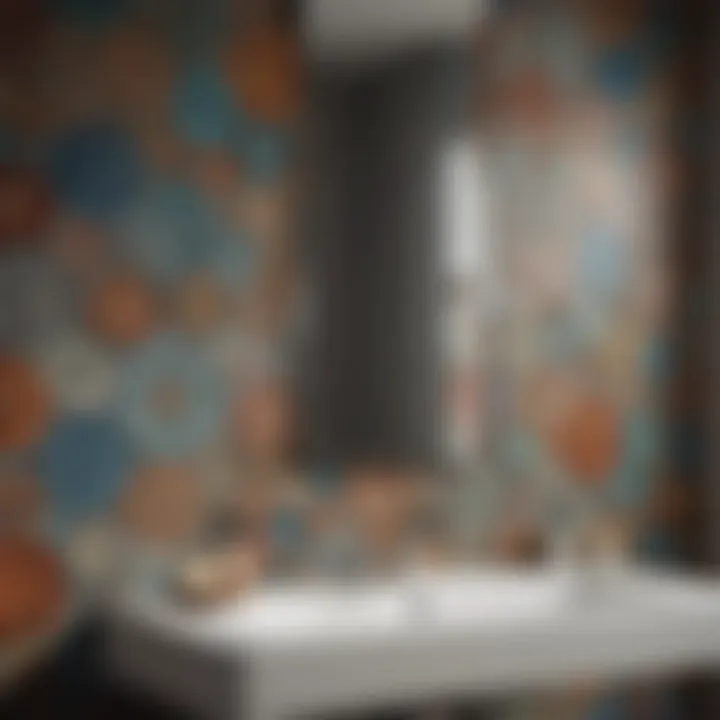
- Bold Colors: Brightly colored tiles can act as statements in an otherwise understated color scheme. Shades like deep blues or greens can bring energy to the space.
- Textured Tiles: Some ceramic tiles come with relief patterns to add depth and interest without using additional accessories.
- Printing Techniques: prints on tiles can emulate wood, stone or intricate motifs. This achieves the desired aesthetic while benefiting from the practical strengths of ceramic.
Whether it’s freshening up a small guest bathroom or giving a newly built ensuite a touch of elegance, ceramic tiles provide the bases to design creatively and efficiently. Every choice in tile design transforms water closets into personal sanctuaries.
Porcelain Tiles
Porcelain tiles are a noteworthy choice when it comes to bathroom tiling. Their properties set them apart in terms of durability and aesthetic appeal. The increasing preference for porcelain tiles in contemporary design stems largely from their high functionality alongside striking appearances.
Durability and Maintenance
Porcelain tiles are known for their remarkable durability. They are resistant to scratches, chips, and stains, making them an ideal fit for high-traffic areas such as bathrooms. Unlike other tile types, porcelain has a dense structure that holds up well against moisture. Furthermore, its low porosity level means that these tiles do not absorb water, thus minimizing the risk of mold and mildew growth.
Maintenance is comparatively simple, which is a significant advantage for busy householders. Regular sweeping or vacuuming to remove debris, followed by mopping with a mild cleaner, is often sufficIent to keep porcelain tiles looking their best.
- Bear in mind:
- Avoid harsh chemicals that may affect the finish.
- Use non-abrasive sponges for cleaning to prevent scratches.
Emerging Trends in Porcelain Tiles
In recent times, there has been a rise in diverse styles and technologies in porcelain tiling. Homeowners are increasingly attracted to larger format tiles that create a seamless look with fewer grout lines. This trend not only expands visual space but also enhances easy maintenance. Beyond size, innovation in the designs has also taken center stage.
Textures are receiving attention, as many homeowners gravitate towards wood-look tiles. These tiles maintain the natural essence of wood while offering the benefits of a durable tile.
“Modern porcelain tiles can mimic the look of Natural materials, making them versatile choice.”
Moreover, striking patterns and bold colors have entered the market, allowing for creative and personalized designs within bathrooms. Sustainability in product choices is crucial, leading to the emergence of eco-friendly porcelain tiles made from recycled materials.
Exploring the bathroom tile trends of 2021, one finds that porcelain tiles, with their unique benefits and evolving styles, remain an ideal choice for contemporary homeowners.
Natural Stone Tiles
Natural stone tiles have long been a coveted choice for bathroom design, merging distinct aesthetics with functional benefits. The allure of natural stone lies in its unique formations and textures derived from the Earth. Each piece carries a story, telling about where it was mined and the geological processes that shaped it. As we explore 2021 trends, understanding natural stone tiles can help homeowners make informed design choices while appreciating their enduring features.
Types of Natural Stone used in Bathrooms
There are several types of natural stone widely used for bathroom tiles. Here are some popular varieties:
- Marble: Known for its elegance, marble offers unique veining patterns. This stone is appreciated for its luxurious appearance. However, it can be prone to staining without proper care.
- Granite: An extremely durable option, granite is resistant to scratches and heat. It is available in myriad colors and patterns, making it versatile for any bathroom style.
- Limestone: This type possesses a softer look with a matte finish, providing a calm aesthetic. It can be combinied with richer colors for contrast.
- Slate: Characterized by its layered appearance, slate creates an earthy feel. Its natural texture can add visual interest but may require sealing to avoid water absorption.
- Travertine: Perfect for achieving a rustic ambiance, travertine offers pits and grooves that can enhance anti-slip qualities.
Sealants and Care for Natural Stone
Caring for natural stone is crucial to preserving its beauty. Sealants play a fundamental role in protection. Below are key considerations:
- Sealants Use: Applying a high-quality sealant will protect the natural stone from moisture, stains, and scratches. It is recommended to seal your stone tiles annually, or more frequently in areas with heavy moisture.
- Cleaning: Use pH-balanced cleaners instead of acidic products. Regular cleaning helps prevent dirt and grime build-up, ensuring longevity.
- Avoid Harsh Chemicals: Abrasive cleaners can damage the surface. Stick to soft cloths for cleaning to avoid scratching.
- Routine Checking: Periodically check for wear and recalculate your sealing needs. Being proactive can avert costly damages in the future.
Remember: Natural stone, though beautiful, requires maintenance to keep its functionality and appearance intact.
Natural stone tiles encompass a broad spectrum of styles and benefits, making them a favorable choice for many bathrooms. With essential care and appropriate maintenance, homeowners can transform their spaces into inviting personal retreats that stand the test of time.
Vinyl Tiles
Vinyl tiles have gained considerable traction in modern bathroom design, offering a confluence of affordability and versatility. For homeowners looking at renovation or new installations, vinyl represents a practical choice. Its ability to mimic more expensive materials makes it popular. This type of flooring sways many homeowners, not just for cost-effectiveness but for its wide-ranging applications and aesthetic options.
Affordability and Versatility
One of the standout features of vinyl tiles is their enjoyambe affordability compared to materials like ceramic or natural stones. In a variety of housing markets, budgets can become restrictive. Choosing vinyl can help balance the costs without compromising on style or function.
The production processes have evolved, leveraging technology to create vinyl that is not only budget-friendly but also fashionable. Homeowners can select different tile sizes, shapes, and colors based on their preferences. A significant benefit is its ease of installation. Such tiles are available in interlocking options, simplifying DIY installations and enabling even novice renovators to undertake projects without engaging professionals—and additionally reducing costs.
In essence:
- Cost-Effectiveness: Lower price eases the strain on renovation budgets.
- Variety: Options available from solid colors to intricate designs.
- Install-friendly: Simple self-installation lowers additional labor costs.
Vinyl truly appeals, allowing homeowners to achieve desired visual drama without overarching costs. In turn, the balance such elements strike enables individuals more elegant choices for their bathroom floors, increasing overall satisfaction.
Innovative Designs Available
The inventiveness in vinyl tile designs has reached new heights. Homeowners are not limited to basic textures or colors anymore; manufacturers now offer styles that mimic natural wood, stone, or even contemporary modulations.
Trendy features often seen in vinyl include:
- Realistic Finishes: Designs that replicate both the look and feel of high-end materials.
- Pattern Flexibility: Varieties extend from vintage bicycles to artisanal abstracts.
- Visual Ease: The ability to combine patterns and textures effortlessly leads to unique bathroom aesthetics.
Moreover, vinyl’s resistance to moisture supports its usage in typically humid environments characteristic of bathrooms, providing not only design aesthetics but also functional benefits.
It's noteworthy that:
“Innovations in vinyl concept enable a customization rung few other flooring options achieve, ensuring your bathroom reflects personal properties most effectively.”
InConclusion, vinyl tiles distinctly present unique advantages while accommodating varied taste levels. For any homeowner considering a bathroom redevelopment, evaluating vinyl will yield attractive, budget-conscious results without sacrificing unique home expression.
Glass Tiles

Glass tiles have gained notable traction in bathroom design due to their unique aesthetic properties and versatility. They play a significant role in contemporary interiors, directly influencing how spaces interact with light and reflection. This adaptability allows glass tiles to fit seamlessly into various design themes, enhancing both traditional and modern aesthetics. Furthermore, their ability to make a bathroom appear larger and lighter highlights their DP alongside practical benefits.
Aesthetic Qualities of Glass Tiles
The aesthetic charm of glass tiles is unmistakable. Their sleek surface reflects light, creating a play of illumination that brightens bathroom spaces. This feature is particularly beneficial in small bathrooms, where light can be scarce. Available in an extensive array of colors, shades, and finishes, glass tiles allow homeowners and designers to craft individualized looks.
Some key aesthetic characteristics include:
- Color Variability: Glass tiles can be found in endless colors, providing options to mix and match for endless possibilities.
- Finish Options: These tiles may come with a glossy, matte, or textured finish that adds distinctive flair and appeal.
- Reflective Qualities: The reflective nature enhances natural and artificial lighting, offering a dynamic visual experience.
- Frosted or Clear Choices: Variations like frosted tiles encourage privacy while still allowing light diffusion.
Such elements contribute to an elegant, chic feel, appealing to home designers and house owners focused on style.
Installation and Cost Considerations
When choosing glass tiles as a bathroom solution, both installation processes and budgetary requirements merit careful consideration. Though glass tiles are trendy, they require more attention during installation when compared to traditional options such as ceramic tiles.
Installation Challenges:
- Fragility: Glass tiles can be brittle, necessitating skilled handling and transportation.
- Adhesive Necessities: Not just any adhesive will do. Opt for a thin-set mortar designed for glass to ensure they adhere properly.
- Cutting Techniques: Glass tiles require specialized tools for cutting to avoid chipping or breaking.
Cost Parameters:
- Glass tiles can often range from moderate to expensive, depending on the source and style. While a budget must be planned, consider also the long-term impact of quality over price.
“Think of the installation costs as an investment into the beauty and longevity of your bathroom. High-quality glass tiles can justify higher expenses with their timeless appeal.”
Carefully assess where costs fall. Alternative tile types may compare in reliability or elegance, offering paths to budget considerations without sacrificing overall design goals. Factors like removal of old tiles and potentially prep costs can also weigh into the large-scale budgeting within any redesign project.
Mosaic Tiles
Mosaic tiles stand as a timeless choice, holding a significant position in bathroom design. Their unique styles and adaptibility can create various effects in any space. Furthermore, they can work wonders for those aiming to add a touch of individuality to their bathrooms. The craft of combining multiple tile pieces plays an essential role in the overall look and feel of the bathroom environment.
Design Versatility of Mosaic Tiles
The design options for mosaic tiles are almost limitless. They come in various shapes, sizes, and colors. This variety allows homeowners to express their personal taste. Traditional designs, modern geometric patterns, metallic finishes, or natural hues each provide a different vibe. Mosaic tiles can often be used to add accents against larger tiles, allowing for creative flair.
“Mosaic tiles are not just functional; they are art in itself, combining utility with aesthetic richness.”
In addition, their small size enables creative arrangements, ensuring that homeowners can play with patterns uniquely and dynamically. From floral motifs to abstract designs, these tiles transform plain surfaces into stunning features.
Application in Bathroom Spaces
The practical application of mosaic tiles in various bathroom settings is extensive. Mosaic tiles transition from small backsplashes to entire feature walls effectively. They also serve critical zoning functions within spaces, such as delineating a tub area or a walk-in shower without the need for physical dividers.
Moreover, their moisture resistance makes them suitable for bathrooms, where humidity and splashes are common. The small and interlocking nature helps minimize grout lines, offering an easy surface to maintain.
For a successful implementation, consider the following:
- Color Schemes: Harmonize colors with your existing design. Pop of color for contrast can stir interest.
- Pattern Selection: Choose a pattern that integrates smoothly into bathroom elements, creating flow.
- Placement Variety: Use mosaic tiles on floors or walls, which can alter perceptions of space size.
Mosaic tiles deserve serious consideration because they enhance aesthetics while appreciating function in bathroom spaces.
Color Trends in Bathroom Tiles
Understanding color trends in bathroom tiles is essential for creating cohesive and aesthetically pleasing designs. Color choice influences not only the visual impact of a bathroom but also its mood and the perceived space within. Whites and off-whites create a sense of cleanliness and openness, while darker shades can imbue a space with drama and intimacy. At a practical level, certain colors can effectively mask wear and imperfections that often occur in high-traffic areas, a significant consideration for homeowners seeking both style and functionality.
Neutral Tones and Their Appeal
Neutral tones remain steadfast in their popularity within bathroom tile design. Light grays, soft beiges, and warm whites promote a feeling of calm and balance, often serving as a blank canvas. This neutrality allows homeowners to easily incorporate accent pieces, such as vibrant towels or decorative items. Additionally, neutral tiles lend themselves well to feature walls and innovative arrangements, ensuring that the style can be adapted over time.
The choice of neutral colors can also enhance the natural light in the bathroom, making the room feel bigger and brighter. Tiles in these shades often pair seamlessly with various finishes and fixtures, from matte to gloss. Ultimately, neutral tones provide versatility, making them a practical choice for various bathroom themes from contemporary to traditional.
Bold Colors and Patterns
Bold colors and patterns have emerged as a way to inject personality into bathroom spaces. Rich jewel tones and vibrant patterns can captivate an observer's attention immediately. Homeowners are increasingly exploring unconventional hues such as deep blue or emerald green, paired with striking geometric patterns.
Applying bold tiles can create a focal point, whether as an eye-catching feature wall or a stylish backsplash behind a sink. Such choices allow for self-expression in a space that often feels dominated by utilitarian functions. However, incorporating bold colors requires careful consideration. It’s key to balance bold elements with more subdued surroundings to maintain harmonious aesthetics.
Key Considerations for Using Bold Colors:
- Focal Points: Determine where you want the viewer’s eye drawn, such as an accent wall.
- Lighting: Understand how natural and artificial light interacts with your chosen colors.
- Durability: Ensure bold patterns do not easily wear off or become dated within a few years.
Effective use of color trends can transform a bathroom from bland to beautiful. Paying attention to the interaction of shades and patterns fosters a thoughtful design. Both neutral and bold options hold merits that cater to differing tastes and styles.
Remember, color has a profound impact on design, influencing emotional response and the functionality of a space.
Tile Size and Shape Preferences
Tile size and shape play a significant role in the overall aesthetic and functionality of a bathroom. Selecting the right dimensions and geometry can enhance visual appeal and practicality, making these choices crucial for house owners and designers alike. In 2021, the trend towards specific tile sizes and innovative shapes gained momentum, and this section delves into their importance and impact.
Standard Sizes versus Custom Options
When it comes to bathroom tiles, standard sizes are widely available and, typically, more affordable. Sizes like 12"x12" or 24"x24" are common choices, providing a familiar framework that can easily fit many layouts. However, using standard sizes does not limit creativity. For example, larger tiles create a sense of space while smaller tiles can allow for detailed designs or mosaics.
On the other hand, custom options offer flexibility in creating personalized designs. Custom-sized tiles can enhance unique layouts or help achieve specific desired effects. Such bespoke selections often encourage experimentation with geometry and patterns.
"Custom tiles can transform a regular space into something tailor-made for personal style."
The downsides to customizing are generally considered cost and longer lead times. Always consider the benefits set against the investment required to achieve unique aesthetics.
Impact of Shape on Aesthetics and Design
The shape of tiles also influences the visual dynamics of a bathroom. Rectangular tiles can lend a contemporary, sleek look, while square tiles might impart a more traditional style. Alternating shapes in a specified pattern introduces depth and interest, as often seen in hexagonal styles, which are particularly favored for their intricate formats.
When designing with tile shape, you not only create a visual statement but can also take advantage of the room proportions. For instance, vertically set rectangular tiles can accentuate height, bringing an illusion of taller ceilings, while horizontal layouts can foster more width perception.
Moreover, achieving the right proportion of these shapes across surrounding elements matters. Combining different shapes judiciously, whilst maintaining harmony, elevates bathroom design beyond simple tile placements. Encouraging variation can foster that inviting atmosphere distinct to many modern homes.
In summary, whether leaning towards standard sizes or innovative shapes turn sophistication into the main character of a bathroom renovation. Both choices importantly influence design tendencies that reflect personal style.
Sustainability in Tile Production
Sustainability in tile production has emerged as a vital topic in the bathroom design industry. As consumers grow more conscientious about their environmental impact, the tiles they choose reflect their values. The shift toward sustainable practices not only addresses the urgent need to reduce carbon footprints but also correspondingly offers numerous benefits in durability and quality. Therefore, the choice of materials, manufacturing processes, and overall lifecycle impact becomes pivotal.
One of the main features of sustainable tile production is the integration of eco-friendly materials. Manufacturers have made strides in sourcing natural resources responsibly. For instance, many tiles now utilize recycled content or alternative raw materials such as reclaimed porcelain or glass. This reduces waste and conserves energy, addressing concerns about resource depletion. Selecting tiles made of sustainable materials leads to a reduction in both landfill waste and environmental degradation, demonstrating a commitment to preserving nature for future generations.
Eco-Friendly Materials
Some popular eco-friendly materials used in tile production include:
- Recycled Porcelain: This tile absorbs less energy during the firing process, which reduces greenhouse gas emissions.
- Reclaimed Terracotta: It’s salvaged from old buildings, creating unique designs while preventing excess waste.
- Glass Tiles: Often made from recycled bottles, glass tiles are a colorful and responsible choice that adds visual interest.
- Cork Tiles: Derived from cork oak trees, they boast a renewable source that regenerates itself without harming the tree.
Each type of these materials informs the aesthetic and practical options available. Therefore, homeowners can achieve beauty in their bathrooms while being responsible.
Certifications and Standards
Beyond material selection, certifications and standards play a crucial role in ensuring that bathroom tile production aligns with sustainable practices. Recognized certifications signal that producers meet environmental criteria set by various organizations. Some essential certifications include:
- LEED (Leadership in Energy and Environmental Design): Products that contribute to green building points can improve sustainability ratings.
- FloorScore Certification: This certifies low indoor air emissions and advocates healthier spaces.
- GreenGuard Gold Certification: Ensures products meet stringent chemical emission limits, promoting product safety.
Gradually, more manufacturers reliant on eco-friendly techniques gain acknowledgment, encouraging quicker transitions into sustainable operations. Homeowners should seek out these certifications to verify their chosen tiles reflect true dedication to sustainability.
A focus on sustainable products does not merely fulfill consumer demands; it stimulates innovation, offers health benefits, and most importantly, contributes to environmental recovery.
Understanding these facets of sustainability helps housewives and homeowners not just create beautiful bathrooms, but also reflect values of responsibility and care for the environment through thoughtful shopping choices.
By aligning bathroom designs with these sustainability principles, you ensure your home contributes positively to the world while still satisfying your aesthetics.
Bathroom Tile Installation Techniques
Bathroom tile installation is a vital aspect that can affect the overall outcome of a tiling project. The success of transforming a bathroom space depends largely on how tiles are installed. Proper installation ensures a beautiful and functional bathroom while reducing long-term maintenance issues. Factors such as waterproofing, substrate preparation, and tile placement play critical roles in installation. Choosing the right method is essential based on the type of tiles selected, their material properties, and the aesthetic goals envisioned.
Professional Installation Benefits
Engaging a professional for tile installation comes with numerous advantages. Firstly, professionals bring experience and expertise to the table. Trained installers are familiar with a variety of materials, including ceramic, porcelain, and natural stones. This depth of knowledge helps them navigate potential pitfalls that a novice may overlook.
- Insurance and warranty:* Often, professional services offer warranties on their workmanship, providing a layer of security in case of installation failures.
- Time efficiency:* Professionals tend to complete installations much faster due to their skills. They know the intricacies of the process, reducing the time your bathroom is under renovation.
- Quality results:* With advanced tools and precision techniques, professionals can achieve a level of finish that might be difficult for an average homeowner.
As noted in a study, “Inadequate installation is among the most common causes of tile failure.” Ensuring a solid and sustainable installation must be a priority.
DIY Tile Installation Considerations
For the enthusiastic DIYer, tackling bathroom tile installation can be a rewarding project. However, certain factors merit attention.
- Skill Assessment: Assess your own skills and comfort level with tools. Not everyone has experience with tiling, so understanding your limitations is critical.
- Material Selection: Select tiles that align with your ability. Some materials require more precision; others, like vinyl, might be more forgiving.
- Tools Required: Ensure you have the necessary tools available. This may include a tile saw, trowels, spacers, and grout float.
- Preparation Work: Depending on the existing state of your bathroom, preparation might involve demolishing old tiles or repairing uneven surfaces.
- Time and Effort: Be honest about the time commitment. DIY tasks often end up requiring more hours than initially expected.
While the advantages of DIY include cost savings and personal satisfaction, understanding project scope and intricacies is paramount.
In summary, whether choosing professional installation or opting for a DIY approach, awareness of the decision’s implications is essential for achieving desirable results. Measured planning can seamlessly transition the bathroom from concept to realization.
The End: The Future of Bathroom Tiles
As we move forward, the landscape of bathroom tiles is rapidly evolving. This section will analyze the trends heading into the future, emphasizing emerging technologies in tile design as well as possible design predictions that target both functionality and aesthetics.
The integration of innovative materials, smart features, and improved manufacturing processes will redefine bathroom spaces, and many homeowners are already examining how these changes can support their personal style while enhancing usability. Keeping abreast of developments allows homeowners to make informed decisions that cater to their aesthetic preferences and practical needs.
Emerging Technologies in Tile Design
Tile manufacture is constantly growing. New advancements in materials and processes create more reliable and design-friendly products. For instance, manufacturers are now employing digitally printed tiles capable of reproducing intricate designs or patterns. This capability offers a level of personalization not previously accessible, allowing homeowners to establish a unique aesthetic that resonates with them.
Another recent advancement includes self-cleaning tiles that promote easier maintenance. These tiles feature surfaces designed to break down dirt and grime, minimizing manual effort required in cleaning. Such innovations not only enhance convenience but also bring durability to the forefront when selecting tile designs, making these options appealing to a variety of homeowners.
Smart tiles are also entering the market, platforming tech advancements to monitor humidity levels and incorporate heating elements directly into the flooring. This integration emphasizes both utility and comfort.
- Continuously evolving materials: Bio-based and recycled materials gain prominence in environmentally conscious designs.
- Interactivity: Many consumers express desire for functionality intertwined with eco-friendliness.
As actual benefits surface, understanding and adoption of these emerging technologies will position homeowners advantageously when choosing bathroom tiles.
Predictions for Bathroom Design Trends
The direction of bathroom design seems rather clear: the selection of tiles will see a strong push towards sustainable options while incorporating high-tech functionalities. Homeowners will likely gravitate towards eco-friendly tiles that feature low environmental impacts without compromising quality. This desire for sustainability naturally corresponds to aesthetic desires, with natural tones that align connected to nature being popular choices.
Expect also customized geometries and designs that fit within smaller spaces recounting usability while maximizing style. Larger format tiles will likely keep leading as they can produce the illusion of more space—even in modest bathrooms, creating a more welcoming ambiance.
Finally, the idea of multi-layered textures will rise. Textured tiles are increasingly favored; they not only provide interesting visuals but also enhance tactile interactions within space, moving away from the unvarnished smoothness often seen in traditional tiles.
“Understanding these upcoming trends will empower homeowners to make educated decisions during renovations.”
Keep a watchful gaze on industry trends. As the marketplace adapts, so will your choices—in trends reflecting individuality, functionality, and respecting our environment. Being knowledgeable about the trends provide an edge when connecting personal preferences and innovative solutions for modern bathroom tiles.