Mastering the Art of Organizing Furniture in Your Bedroom for Ultimate Harmony

Materials:
- Bed frame: Ensure you have a sturdy bed frame that fits the size of your mattress. Measurements should be precise to avoid any fitting issues.
- Nightstands: A pair of nightstands to flank each side of the bed. Measure the height to align with the top of your mattress.
- Dresser: A spacious dresser for storage. Consider the dimensions to fit the available space in your bedroom.
- Wardrobe: A wardrobe for hanging clothes. Measure the width and depth to ensure it fits comfortably in the designated area.
- Wall mirror: A decorative wall mirror to add visual appeal. Measure the space where you plan to hang it.
DIY Steps:
- Start by measuring your bedroom dimensions to determine the layout that best utilizes the space.
- Arrange your bed frame in a central location, leaving enough room on all sides for movement.
- Place the nightstands on each side of the bed, ensuring they are at equal distances for symmetry.
- Position the dresser in a corner or against a wall, leaving enough space to open the drawers smoothly.
- Install the wardrobe in a separate area, making sure there is ample space for the doors to open fully.
- Hang the wall mirror at a height that complements the room's design and allows for convenient use.
Technical Aspects:
- Tools required: Tape measure, screwdriver, level
- Timing specifics: Allocate a few hours to organize and assemble the furniture
- Critical techniques: Ensure all furniture pieces are leveled and secure to prevent accidents
DIY Project Process:
- Start by laying out all furniture pieces as per your measurements and plan.
- Assemble the bed frame following the manufacturer's instructions, ensuring it is stable and secure.
- Place the nightstands and dresser in their designated spots, adjusting as needed for proper alignment.
- Assemble the wardrobe, ensuring the doors open smoothly and secure it to the wall for stability.
- Hang the wall mirror securely, verifying the placement enhances the room's aesthetic.
Troubleshooting Tips:
- If the furniture seems cramped, consider rearranging to create more open space
- In case of misalignment, double-check measurements and adjust furniture accordingly
- If any piece feels unstable, reinforce it to prevent accidents
Introduction
Organizing furniture in your bedroom is a crucial aspect of creating a harmonious and functional living space. This article delves deep into the intricate process of mastering the art of furniture arrangement, offering expert tips and guidelines to help you maximize space and enhance aesthetic appeal within your personal sanctuary. By following the detailed strategies outlined in this comprehensive guide, you will be able to transform your bedroom into a serene oasis that perfectly aligns with your lifestyle and preferences.
Understanding the Importance of Furniture Arrangement
Creating a Relaxing Environment
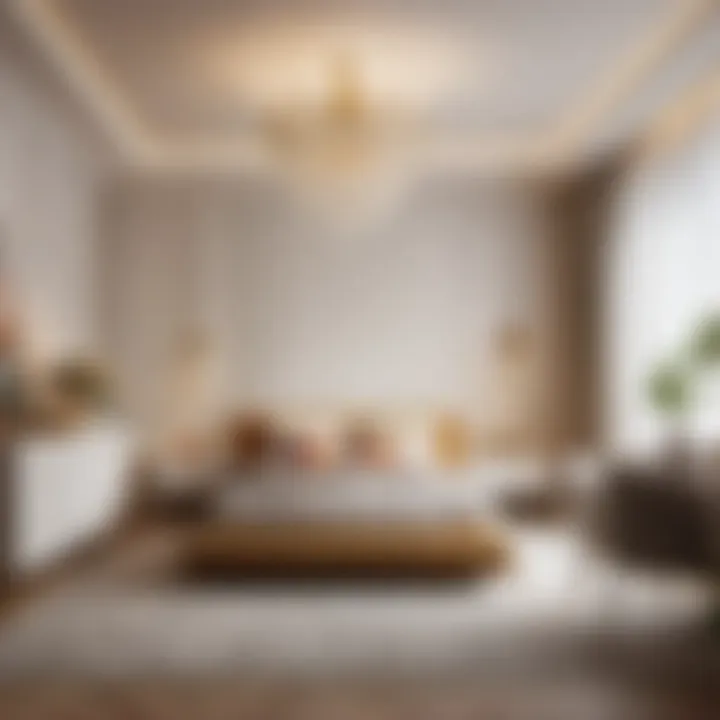
Creating a relaxing environment in your bedroom is essential for promoting restful sleep and a sense of tranquility. By strategically placing furniture to encourage a peaceful ambiance, you can elevate the overall comfort and functionality of the space. Emphasizing features such as soft lighting, comfortable seating areas, and natural elements can contribute to a serene atmosphere that promotes relaxation and stress relief. The key characteristic of creating a relaxing environment lies in focusing on elements that soothe the senses and promote a sense of calm within the bedroom. While this approach is widely popular for its ability to enhance overall well-being, it requires thoughtful planning and consideration to ensure a cohesive and inviting space.
Optimizing Functionality
Optimizing functionality through furniture arrangement involves prioritizing the practicality and efficiency of each piece within the bedroom. By strategically placing items to maximize usability and accessibility, you can streamline daily activities and enhance the overall workflow in the room. The key characteristic of optimizing functionality is to ensure that every furniture piece serves a specific purpose while contributing to the overall functionality of the space. This approach is beneficial for creating a well-organized and efficient environment that meets your specific needs and lifestyle preferences. However, striking a balance between functionality and aesthetic appeal is essential to avoid clutter and maintain a visually pleasing bedroom layout.
Enhancing Visual Appeal
Enhancing the visual appeal of your bedroom through furniture arrangement involves creating a cohesive and visually stimulating environment that reflects your personal style and preferences. By incorporating elements such as color coordination, texture mixing, and focal points, you can elevate the aesthetic charm of the space. The key characteristic of enhancing visual appeal lies in the careful selection and placement of furniture pieces to enhance the overall aesthetics of the room. While this approach is popular for its ability to transform a dull space into a visually captivating one, it requires attention to detail and a keen eye for design to achieve a harmonious and visually appealing bedroom decor.
Planning Your Layout
Assessing Room Dimensions and Features
Measuring the Space
When it comes to Measuring the Space, precision is key. This first step in the Planning Your Layout process involves taking accurate measurements of the room to determine the available space for furniture placement. By meticulously measuring the dimensions of the room, including the length, width, and height, you can avoid overcrowding or underutilization of space. This meticulous approach ensures that each piece of furniture fits perfectly within the room, facilitating ease of movement and enhancing the overall flow of the space. The advantage of precise measurements lies in maximizing every inch of available space, allowing for a well-organized and visually appealing layout that aligns with the intended design aesthetic of the bedroom.
Identifying Architectural Elements
Identifying Architectural Elements is another crucial aspect of assessing room dimensions and features. This involves recognizing the architectural characteristics of the room, such as alcoves, windows, doors, and built-in features, that can influence furniture placement. By understanding these elements, you can strategically position furniture to complement the room's design and functionality. Identifying architectural elements enables you to work around structural constraints and leverage these features to create a cohesive layout that maximizes both space and visual appeal. While it may present challenges in terms of placement options, utilizing architectural elements effectively can enhance the overall aesthetics of the room, showcasing a balance between functionality and design.
Setting Clear Objectives
As we transition to Setting Clear Objectives within the Planning Your Layout phase, it is essential to define your usage priorities. Articulating how you intend to utilize the space sets a clear direction for furniture arrangement and design choices. By prioritizing functionality over mere aesthetics or vice versa, you can tailor the layout to suit your specific needs and lifestyle. This proactive approach ensures that every piece of furniture serves a purpose, contributing to a cohesive and well-thought-out design scheme that aligns with your practical requirements.
Establishing Focal Points
Equally important is the aspect of Establishing Focal Points when setting clear objectives for your layout. Focal points serve as key areas of interest within the room, drawing attention and guiding the eye through the space. By consciously defining focal points, such as a statement headboard, a cozy reading nook, or a stylish dresser, you can create visual interest and harmony within the room. Establishing focal points helps to balance the overall design, preventing the space from feeling cluttered or disjointed. Additionally, focal points provide a sense of direction, highlighting the unique features of the room and enhancing its aesthetic appeal.
Considering Furniture Placement


In the realm of Planning Your Layout, a critical aspect to consider is Furniture Placement. This involves strategically positioning furniture to optimize traffic flow and create a visually balanced environment. Ensuring that there is sufficient space for movement and that furniture is arranged in a way that facilitates easy navigation around the room is paramount. By determining traffic flow early on, you can avoid potential obstacles and create a seamless layout that promotes functionality and comfort. The advantage of prioritizing traffic flow lies in enhancing the usability of the space, allowing for effortless movement and accessibility throughout the room.
Balancing Visual Weight
Balancing Visual Weight plays a crucial role in achieving a harmonious layout that appeals to the eye. This concept involves distributing visual elements, such as furniture pieces, decor, and accent pieces, in a way that creates a sense of equilibrium within the room. By balancing visual weight, you prevent one area of the room from feeling too heavy or overcrowded, while another appears sparse or neglected. Striking a balance ensures that each element contributes to the overall aesthetics of the space, creating a cohesive and visually pleasing environment. Additionally, balancing visual weight allows for the creation of focal points and visual interest, enhancing the overall appeal of the room.
Selecting and Arranging Furniture
In the realm of bedroom organization, the process of selecting and arranging furniture stands as a pivotal aspect. The careful curation and placement of furniture pieces can significantly influence the overall ambiance and functionality of the space. When it comes to this crucial step, several specific elements must be taken into consideration to ensure a harmonious and well-balanced bedroom environment.
Choosing the Right Pieces
For an efficient furniture arrangement in your bedroom, prioritizing essential items is key. By focusing on the most necessary and functional pieces, you can optimize both space utilization and practicality. From essential items like the bed frame and wardrobe to bedside tables and seating options, each selection should serve a purpose while contributing to the room's aesthetic appeal.
Prioritizing essential items not only streamlines the overall look but also ensures that you allocate space for must-have elements before considering additional decor or non-essential furnishings. This approach helps avoid clutter and overcrowding, promoting a sense of openness and airiness within the room.
Matching Styles and Sizes
Harmonizing furniture styles and sizes is another crucial factor in achieving an organized and visually pleasing bedroom setup. Matching styles ensure a cohesive design scheme, creating a sense of unity throughout the space. Whether you opt for modern, traditional, or eclectic pieces, coordinating styles can tie the room together and elevate its overall appeal.
Furthermore, considering the sizes of furniture pieces is essential in preventing overcrowding or imbalance. By selecting items that complement each other in scale and proportion, you can establish a sense of visual harmony and balance within the room. Properly sized furniture not only fits well within the space but also allows for easy navigation and a comfortable layout.
Enhancing Visual Harmony
In the realm of maximizing the aesthetic appeal of a bedroom, enhancing visual harmony plays a crucial role. Creating a cohesive and visually pleasing environment can have a significant impact on our perception of the space. By carefully considering color schemes, textures, accents, and lighting, we can transform a mundane bedroom into a tranquil oasis that reflects our personality and style.
Playing with Color and Texture
Coordinating Color Schemes


Coordinating color schemes is like painting a beautiful canvas – it sets the tone and establishes the mood of the room. When choosing colors for your bedroom, it's essential to consider factors such as natural light, room size, and the overall atmosphere you wish to create. Whether opting for calming neutrals, bold contrasting hues, or soothing pastels, the right color scheme can elevate the visual appeal and promote relaxation. Mixing textures adds depth and interest to the space, creating visual contrast and tactile richness. By incorporating a variety of textures such as smooth fabrics, soft rugs, and sleek surfaces, we can introduce layers of visual and sensory stimulation.
Mixing Textures for Depth
Mixing textures for depth allows for a multi-dimensional experience within the bedroom. Textures add depth and complexity to the design scheme, making the space more inviting and engaging. Combining different textures like rough wood, plush textiles, and glossy finishes can create a dynamic visual landscape that stimulates the senses. It introduces a tactile element that enhances the overall ambiance, promoting comfort and intimacy in the room.
Utilizing Accents and écor
Integrating Artwork and Mirrors
Integrating artwork and mirrors into the bedroom decor enhances the visual interest and expands the perceived space. Artwork can be a personal expression of style and taste, adding character and intrigue to the room. Mirrors, on the other hand, reflect light and create the illusion of a larger, brighter space. Strategic placement of mirrors can enhance natural light, making the room feel airy and spacious.
Adding Personal Touches
Adding personal touches to the bedroom décor infuses the space with your unique personality and warmth. Whether it's cherished mementos, family photos, or handcrafted pieces, personal touches create a sense of intimacy and emotional connection. By incorporating items that hold sentimental value or evoke positive memories, you can turn your bedroom into a sanctuary that nurtures your soul.
Implementing Lighting Strategies
Balancing Ambient and Task Lighting
Balancing ambient and task lighting is essential for creating a functional and inviting bedroom environment. Ambient lighting sets the overall mood and ambiance, while task lighting provides focused illumination for specific activities. By combining various light sources such as overhead fixtures, bedside lamps, and dimmable options, you can tailor the lighting to suit different needs and preferences. Achieving the right balance enhances comfort, functionality, and visual appeal in the bedroom.
Highlighting Key Features
Highlighting key features through lighting accents adds a touch of elegance and drama to the bedroom. Directional lighting can draw attention to architectural elements, artwork, or focal points in the room, creating visual interest and depth. By strategically placing spotlights, wall sconces, or LED strips, you can accentuate the design elements you wish to showcase. This technique not only enlivens the space but also adds a touch of sophistication and glamour to the overall decor.
Final Touches and Adjustments
In the realm of organizing furniture in your bedroom, the final touches and adjustments play a crucial role in elevating the overall ambiance and functionality of the space. It is the stage where meticulous adjustments are made to ensure that every aspect of the room aligns with your initial vision. From fine-tuning the layout to adding personalized elements, this section focuses on the intricate details that bring a sense of completion to your bedroom's design.
When fine-tuning the layout, one of the central elements to consider is ensuring functional flow. This involves optimizing the arrangement of furniture to facilitate efficient movement within the room while maintaining a harmonious balance between each area. By prioritizing functional flow, you can enhance the usability of the space and create a seamless transition between different zones. The key characteristic of ensuring functional flow is its ability to maximize the functionality of the layout, ensuring that every piece of furniture serves a purpose in enhancing the room's overall utility. This strategic approach is highly beneficial for creating a cohesive and user-friendly environment in your bedroom, as it allows you to navigate the space with ease and promote a sense of harmony.
In parallel, reevaluating placement is another essential aspect of the final touches and adjustments phase. By reassessing the positioning of furniture items, you can address any potential inefficiencies in the layout and optimize the spatial arrangement to better suit your needs. This process involves exploring alternative placement options to find the most optimal configuration that enhances both the aesthetic appeal and functionality of the room. The unique feature of reevaluating placement lies in its ability to transform the room's dynamics by repositioning elements to achieve a more cohesive and visually pleasing setup. While this approach may require some experimentation, the advantages of reevaluating placement are vast, as it allows you to adapt the layout to your evolving lifestyle requirements and refine the overall design aesthetic to better reflect your personal style.
Moreover, adding personalized elements is a key aspect of the final touches and adjustments phase, as it infuses your bedroom with individuality and character. Incorporating sentimental items into the decor adds a personal touch that resonates with your emotions and memories, creating a sense of nostalgia and warmth within the space. The key characteristic of incorporating sentimental items is its ability to imbue the room with a distinctive personal narrative, making it feel truly unique and reflective of your personality. This approach is popular for its capacity to evoke emotional connections and create a homely atmosphere that is both comforting and inviting.
Similarly, reflecting your personality through decor choices is another valuable strategy for adding personalized elements to your bedroom. By selecting decor items that resonate with your tastes, interests, and lifestyle preferences, you can showcase your individuality and create a space that embodies who you are. The unique feature of reflecting your personality lies in its capacity to turn your bedroom into a sanctuary that not only meets your practical needs but also aligns with your aesthetic sensibilities. Embracing this approach allows you to curate a living environment that expresses your identity and fosters a deep sense of belonging and contentment.