Optimal Shelving Solutions for Indoor Plants: A Comprehensive Guide
Materials:
- Three 3-foot wooden shelves
- Six shelf brackets for proper support
- One level to ensure accurate installation
- Measuring tape for precise positioning
- Screwdriver for securing brackets
DIY Steps:
- Measure the desired area for shelf placement using a measuring tape. Ensure it is level to avoid slanted shelves.
- Mark the positions where the shelf brackets will be installed on the wall, making sure they are evenly spaced.
- Attach the brackets securely to the wall using a screwdriver, ensuring they are aligned correctly for optimal support.
- Place the wooden shelves on top of the brackets, ensuring they sit evenly and are secure.
Technical Aspects:
- Tools required: Measuring tape, screwdriver, level
- Timing specifics: Approximately 1-2 hours for installation
- Critical techniques: Ensure brackets are securely fastened to wall studs for maximal support
DIY Project Process:
- Start by measuring and marking the placement area accurately
- Install brackets securely using the appropriate tools
- Attach wooden shelves on top of brackets, ensuring stability
Troubleshooting Tips:
- If shelves appear uneven, recheck measurements and bracket alignment
- For wobbly shelves, tighten brackets and screws for stability
- In case of misalignment, make necessary adjustments to ensure a level display
Choosing the Right Shelves
In the realm of indoor plant cultivation, choosing the right shelves is a fundamental aspect that can significantly impact the well-being and aesthetics of your plant collection. The shelves you select play a crucial role in providing a suitable environment for your plants to thrive. When considering shelves for indoor plants, various elements such as material, size, and design must be carefully deliberated to ensure optimal growth and visual appeal. By exploring different shelving options, you can discover the perfect match for your indoor gardening needs.
Material Considerations
Wooden Shelves
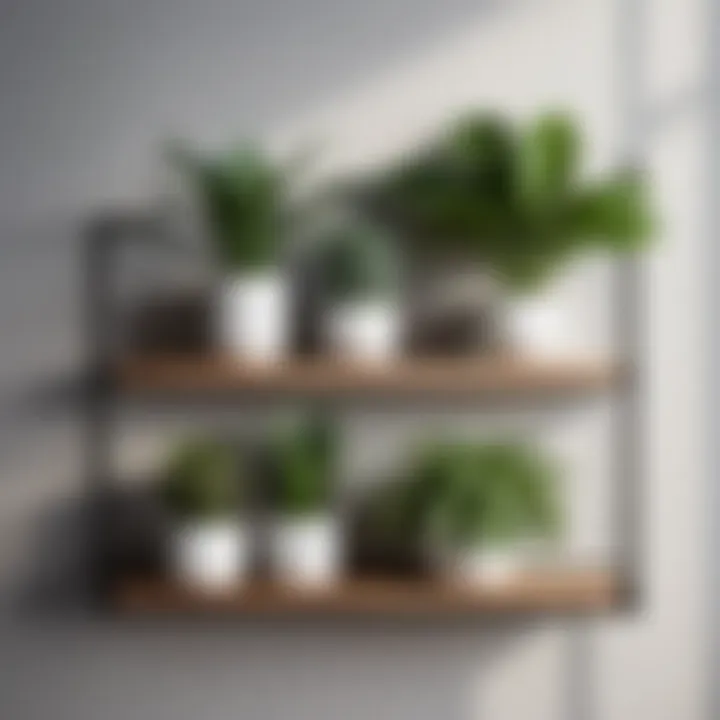
Wooden shelves hold a timeless appeal in the realm of indoor plant shelving. Renowned for their natural beauty and versatility, wooden shelves can seamlessly blend with diverse interior design aesthetics. The warmth of wood brings a touch of organic elegance to your indoor plant display, creating a harmonious connection with nature within your living space.
While wooden shelves excel in their aesthetic appeal, they also offer durability and sturdiness, providing a reliable platform for displaying your plant collection. The breathable nature of wood allows for adequate air circulation around the plants, contributing to their overall health and vigor. However, it's important to note that wooden shelves may require occasional maintenance to prevent water damage and warping.
Metal Shelves
Metal shelves represent a modern and sleek option for indoor plant shelving. Known for their contemporary allure and robust construction, metal shelves offer a minimalist backdrop that highlights the beauty of your plant selection. The strength and stability of metal shelves make them a practical choice for holding heavier planters or multiple plants.
In addition to their durability, metal shelves are often resistant to moisture and easy to clean, making them a low-maintenance shelving option. The versatility of metal shelves allows for creative display arrangements, adding a touch of industrial chic to your indoor plant setup.
Glass Shelves
Elegant and airy, glass shelves introduce a sense of lightness and sophistication to indoor plant displays. The transparency of glass shelves creates a floating effect, accentuating the plants showcased on them. Glass shelves are ideal for smaller spaces, as they maintain an open and unobtrusive feel.
One of the key advantages of glass shelves is their ability to reflect light, enhancing the overall brightness of the plant area. While glass shelves offer a visually pleasing backdrop for your plants, they require regular cleaning to maintain their sparkle and transparency.
Size and Dimensions
Height
When choosing shelves for indoor plants, the height of the shelves plays a crucial role in determining the vertical space available for your plants to grow. Taller shelves allow for the display of taller plants or stacking of planters, maximizing the use of vertical space and creating a dynamic visual impact within your space.
The height of shelves also influences the distribution of light and air around the plants. By strategically positioning plants on different levels of varying heights, you can create a visually engaging display while ensuring each plant receives adequate light and ventilation.
Width
The width of shelves directly impacts the amount of horizontal space available for arranging your plant collection. Wider shelves provide ample room for displaying multiple plants side by side or showcasing a diverse array of plant sizes and shapes. Wide shelves offer flexibility in design, allowing you to create balanced compositions and experiment with various plant arrangements.
Moreover, the width of shelves determines the accessibility to your plants for care and maintenance. Optimal width ensures easy reach for watering, pruning, and inspecting the health of your plants, facilitating their overall well-being.
Depth
The depth of shelves influences the spatial dimension available for accommodating plant pots and containers. Deeper shelves offer space for placing larger or deeper planters, accommodating root growth and allowing for creative layering of plants. The depth of shelves also impacts the visual aesthetic of your indoor plant display, creating depth and dimension within the arrangement.
Furthermore, the depth of shelves influences the overall visual balance of the plant arrangement. By considering the depth of shelves in conjunction with the height and width, you can create a harmonious and visually appealing composition that maximizes the beauty and functionality of your indoor plant display.
Positioning for Optimal Growth
Indoor plants require strategic placement to thrive, making Positioning for Optimal Growth a crucial aspect of successful indoor gardening. By understanding the specific elements of positioning, housewives and homeowners can ensure their plants receive the necessary light, air circulation, and temperature conditions for healthy growth. Proper positioning not only enhances the aesthetic appeal of indoor plants but also promotes their overall well-being. Factors such as proximity to windows, heat sources, and nearby obstacles play a significant role in determining the optimal growth environment for indoor plants.
Light Requirements
Direct Light
Direct light is essential for plants that require high levels of sunlight to flourish. The intensity of direct light provides plants with the energy needed for photosynthesis, promoting robust growth and vibrant foliage. However, it's important to monitor exposure to prevent sunburn and scorching, especially for sensitive plant varieties.
Indirect Light
For plants that thrive in moderate lighting conditions, indirect light offers a balanced option. Indirect light provides a gentle glow that encourages steady growth without the risk of sunlight damage. This lighting option is ideal for plants that prefer dappled or filtered sunlight, such as ferns and peace lilies.
Artificial Light
Artificial light supplements natural light sources, allowing housewives and homeowners to grow plants in areas with limited sunlight exposure. LED grow lights or fluorescent bulbs mimic the spectrum of natural sunlight, providing plants with the essential light wavelengths for photosynthesis. While artificial light can be effective, it's crucial to maintain the appropriate distance and duration to prevent light stress on plants.
Air Circulation
Spacing
Proper spacing between plants is essential for adequate air circulation, reducing the risk of fungal diseases and promoting healthy growth. Strategic placement of plants on shelves ensures sufficient airflow around leaves and stems, minimizing humidity levels that can lead to plant issues.
Ventilation
Ventilation plays a key role in maintaining optimal conditions for indoor plants. Good air circulation helps regulate temperature and humidity levels, preventing stagnant air that could attract pests or foster mold growth. By incorporating indoor fans or opening windows when weather permits, housewives and homeowners can create a conducive environment for plant health.
Temperature Considerations
Avoiding Drafts
Drafts can disrupt the stable growth environment plants require, leading to stress and potential damage. By avoiding drafty areas in the home, such as near doors or windows, plants can thrive without facing temperature fluctuations that may hinder their development.
Maintaining Consistent Temperature
Consistency in temperature is essential for indoor plants to establish growth patterns and metabolic functions. By maintaining a stable temperature range suited to the plant species, housewives and homeowners can support healthy growth and blooming cycles, fostering a thriving indoor garden.
Shelf Maintenance Tips
Shelf maintenance plays a crucial role in ensuring the longevity and health of indoor plants. With proper care and attention to detail, your plants can thrive in their shelving environment. Regular maintenance not only keeps your shelves looking aesthetically pleasing but also prevents potential issues such as pest infestations and overcrowding. By following essential maintenance tips, you can create an optimal environment for your indoor plant collection.
Cleaning and Dusting
Regular Cleaning Schedule
Incorporating a regular cleaning schedule is essential for maintaining indoor plant shelves. Dust and debris can quickly accumulate on shelves, affecting not only the appearance but also the health of your plants. Regular cleaning not only removes dirt but also prevents the build-up of harmful bacteria that can harm plants. It is recommended to dust shelves at least once a week and deep clean them monthly to ensure a clean and healthy environment for your plants.
Preventing Pest Infestations
Preventing pest infestations is another critical aspect of shelf maintenance. Inspecting plants regularly for signs of pests such as aphids, mealybugs, or spider mites is vital in early detection and control. Implementing prevention methods such as using natural pest deterrents, isolating infested plants, and maintaining proper humidity levels can help safeguard your indoor plants from destructive pests. By practicing regular monitoring and preventive measures, you can protect your plants and maintain a pest-free environment.
Water Drainage Management
Trays and Saucers
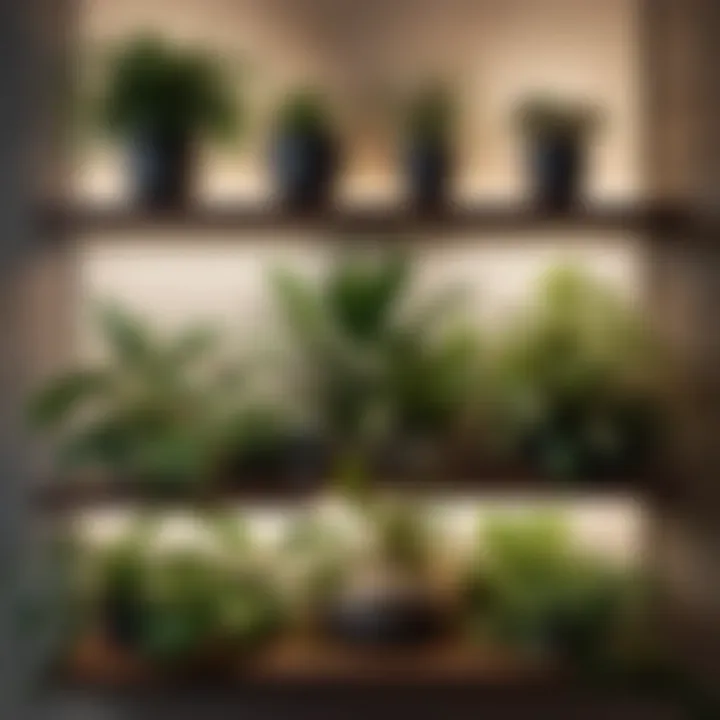
Proper water drainage is essential for the health of indoor plants. Trays and saucers are practical tools used to catch excess water and prevent root rot. Placing plants on trays or saucers allows excess water to drain away from the roots, avoiding waterlogged soil and potential fungal diseases. Choosing trays or saucers with drainage holes and ensuring they are emptied regularly can help maintain optimal moisture levels for plant growth.
Proper Watering Techniques
Mastering proper watering techniques is crucial for preventing water-related issues in indoor plants. Overwatering can lead to root rot, while underwatering can cause dehydration and wilting. By understanding the water requirements of different plant species and using watering cans with narrow spouts to control water flow, you can ensure plants receive the right amount of moisture. Monitoring soil moisture levels, adjusting watering frequency based on plant needs, and using watering indicators can help you develop a successful watering routine.
Avoiding Overcrowding
Spacing Plants Appropriately
Properly spacing plants on shelving units is key to preventing overcrowding and promoting air circulation. Each plant species has specific space requirements based on its size and growth habits. By allowing adequate space between plants, you can minimize competition for light, water, and nutrients, reducing the risk of disease spread and overcrowding. Strategic placement of plants based on their growth patterns and maintenance needs can enhance the overall health and aesthetics of your indoor plant display.
Pruning and Trimming
Pruning and trimming are essential practices for maintaining plant health and controlling growth. Regular pruning helps remove dead or damaged foliage, encourages new growth, and shapes plants for a neat and tidy appearance. Trimming back overgrown branches or shoots promotes plant growth in desired directions and prevents plants from outgrowing their designated space. By staying proactive in pruning and trimming your indoor plants, you can cultivate healthy, vibrant foliage and maintain the aesthetic appeal of your plant display.
Enhancing Aesthetics with Shelving
When it comes to indoor plants, the visual aesthetics not only add to the ambiance of a space but also play a crucial role in creating a harmonious environment for both the plants and the inhabitants. This section delves into the crucial aspect of enhancing aesthetics with shelving in the context of indoor plants. By carefully selecting and arranging shelves, one can not only display their plant collection elegantly but also optimize growing conditions.
Decorative Shelving Options
Floating Shelves
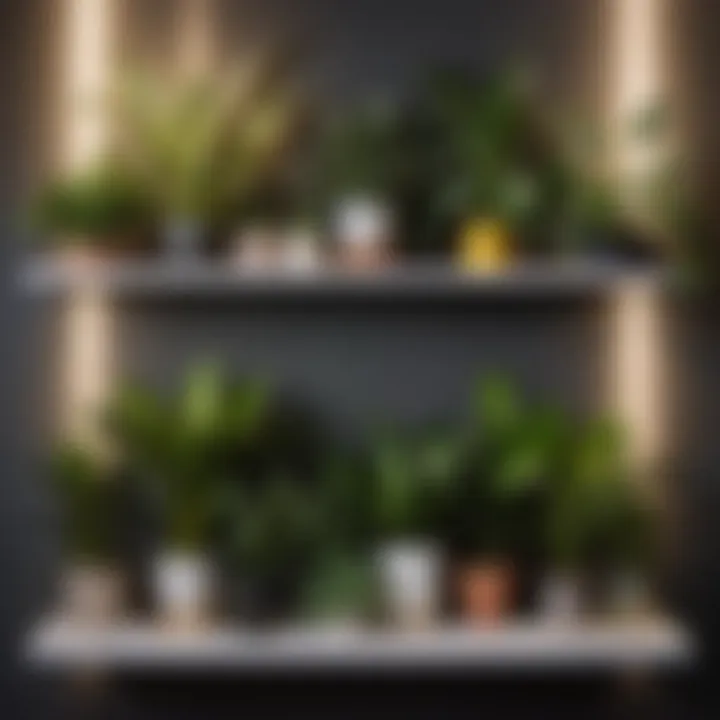
Floating shelves are a popular choice for displaying indoor plants due to their minimalistic and modern design. These shelves create a visually appealing illusion that plants are floating in mid-air, adding a touch of sophistication to any room. The key characteristic of floating shelves is their ability to create a clean and uncluttered look, making them ideal for small spaces. While they offer a contemporary look, their downside lies in limited weight capacity, so they are best suited for lighter plants.
Corner Shelving Units
Corner shelving units are excellent space-saving solutions that utilize often neglected corners to showcase plants. Their key characteristic lies in their ability to maximize vertical space, making them ideal for creating a lush green backdrop in any room. The unique feature of corner shelving units is their versatility in accommodating various plant sizes and shapes, thus offering a dynamic display option. However, a potential disadvantage is that plants in the corners may receive uneven light exposure, requiring strategic plant placement.
Plant Stands
Plant stands are a classic choice for elevating plants and adding dimension to indoor spaces. These stands typically feature multiple tiers, allowing for the display of several plants at varying heights. The key characteristic of plant stands is their ability to create visual interest and showcase plants at eye level, making them stand out as decorative elements. However, their limited surface area may pose a challenge for larger plant pots. Despite this, plant stands remain a popular choice for those looking to create a stylish plant display.
Incorporating Planters and Pots
Matching Pot Styles
The choice of pot style plays a significant role in the overall visual appeal of indoor plants. Matching pot styles to the decor theme or plant type enhances the cohesiveness of the display. The key characteristic of matching pot styles is the ability to tie the plant's aesthetic with the room's design, creating a cohesive and harmonious look. However, it is essential to consider drainage and insulation properties to ensure the plant's health and prevent water damage to the shelves.
Utilizing Hanging Planters
Hanging planters provide a unique way to incorporate greenery into a space without utilizing shelving or floor space. Their key characteristic lies in their ability to add a touch of whimsy and vertical dimension to a room. Hanging planters also allow for creative positioning, making them ideal for showcasing trailing plants or highlighting specific areas. However, proper installation is essential to prevent accidents and ensure the safety of both the plants and the inhabitants.