Exploring Mirrored Glass Bedroom Furniture Styles

Intro
In the realm of interior design, few choices resonate as profoundly as mirrored glass furniture, particularly in bedroom spaces. The blend of aesthetic appeal and functional utility that this type of furniture offers is hard to ignore. Not only does mirrored glass create an illusion of space, but it also reflects light, adding a touch of glamour to your sanctuary. Whether you are redesigning a cozy corner or completely revamping the entire bedroom, incorporating mirrored glass can transform the look and feel of your environment.
However, with every trendy option, there come unique challenges. The delicate nature of mirrored surfaces often poses questions around maintenance and placement. Understanding the intricacies of this design choice can make all the difference between a chic statement piece and a potential headache. Over the following sections, we will delve deeply into the materials, steps, and technical aspects of integrating mirrored glass bedroom furniture into your decor.
Crafting your own or selecting the perfect mirrored piece requires insight into not only the glamour it brings but also the practicality it demands. By the end of this exploration, you will be well-equipped to make informed decisions about how to optimize your bedroom with this striking style.
Foreword to Mirrored Glass Furniture
Mirrored glass furniture has become a standout choice in contemporary bedroom design, capturing the eye and imagination of many home decorators. Its importance in this article lies in highlighting not just the aesthetic charm it brings but also the versatile nature it embodies.
When you consider mirrored glass, you enter a realm where functionality meets visual appeal. This furniture type serves not only as a practical addition but also contributes significantly to the overall vibe of a space. The sparkling surfaces reflect light, creating an atmosphere that can make even the coziest bedroom feel more spacious and inviting.
Additionally, understanding mirrored glass furniture involves recognizing its adaptability. It can blend into various design styles - whether you're aiming for modern minimalism with clean lines or the ornate touches seen in classical designs. A key advantage here is its ability to complement other furnishings, often allowing for creative combinations and setups that maximize both style and utility.
In short, this introduction sets the stage for a detailed exploration of mirrored glass furniture, shedding light on its multi-faceted nature. This work aims to illuminate how these reflective surfaces can enhance a bedroom, revealing aspects of style, use, and even personal emotional connections to our living spaces.
Defining Mirrored Glass
Mirrored glass, in its essence, refers to glass that has been coated with a thin layer of metallic or reflective material. This process is what gives the glass its shiny appearance—almost like a polished surface reflecting back light and images. The unique qualities of mirrored glass furnish a room with both depth and brightness, lending an airy feel when incorporated into bedroom furniture.
Moreover, it's important to note that mirrored glass furniture comes in various forms ranging from simple bedside tables to ornate dressers and statement mirrors. Each piece offers a different function while collectively creating an illusion of grandeur and sophistication.
Historical Context
The allure of mirrored furniture is far from a modern phenomenon. Its historical context traces back centuries, with roots found in the extravagant décor of the Renaissance period. Wealthy Europeans began to embrace mirrors as integral elements in their interiors, often using them to showcase opulence and status.
As time progressed, mirrored pieces evolved, finding their way into different cultures and styles. Fast forward to the 20th century, styles like Art Deco celebrated bold geometric forms and, naturally, reflected surfaces. This enduring affinity for mirrored furniture speaks volumes about its lasting appeal— the kind that decor enthusiasts continuously seek to harness in their designs today. Householders appreciate it not simply for its look or functionality, but for its ability to tell a story through each reflective surface.
Aesthetic Appeal of Mirrored Glass
When it comes to designing a bedroom space, the aesthetic appeal of mirrored glass furniture cannot be overstated. It serves not just a decorative purpose, but intricately ties into the overall ambiance of the room. From the shine of a sleek mirrored dresser to the intriguing reflections of a bedside table, mirrored glass acts as both functional and artistic elements within a home. This section delves into the various facets of this allure, revealing why it has become a staple in modern bedroom design.
The first thing that strikes one when entering a room adorned with mirrored furniture is the sense of spaciousness it can create. By reflecting light and surrounding decor, mirrored pieces play a crucial role in enhancing the perception of space, making even the smallest rooms feel larger and more open. Not only does this functionality hold significant value, but when coupled with its inherent beauty, it solidifies mirrored glass as an elegant option for bedroom furnishings.
Light Reflection and Ambiance
Mirrored glass furniture shines brightest in its ability to reflect light. Natural light entering through windows gets captured and amplified by these surfaces. This means that even a single piece like a mirrored nightstand can brighten up a dark corner and make it feel inviting. The dynamic quality of light reflection helps to create a warm and lively atmosphere; as sunlight dances off the glass, it brings in a renewed sense of energy.
Moreover, the ambiance created is not solely dependent on brightness. For instance, soft and dim lighting can also be beautifully enhanced by mirrors, creating a cozy, intimate space perfect for winding down. This versatile play of light makes mirrored furniture a fantastic option for couples and individuals looking for both functionality and a touch of artistry in their bedroom.
Versatility in Design Styles
Mirrored glass furniture is remarkably versatile, enhancing various design styles from modern minimalism to classic elegance. Each style comes with its own unique features, capable of transforming a bedroom into a personal oasis.
Modern Minimalism
Modern minimalism emphasizes simplicity and clean lines. This approach aligns seamlessly with mirrored glass due to its sleek, unobtrusive surface. The key characteristic of modern minimalism is its focus on functionality without excess ornamentation. In this context, mirrored furniture serves as a practical and stylish choice, as it reflects and amplifies surrounding elements without overwhelming the space.
One notable advantage of this style is its ability to blend into various color schemes and patterns, making it easy to incorporate new elements as tastes evolve. But, it's worth noting that this style demands a meticulous eye to ensure a clutter-free area, as excess decor can clash with the minimalist ethos.
Classic Elegance
The classic elegance style leans towards more timeless pieces, rich colors, and intricate details. Here, mirrored glass incorporates a certain finesse that elevates a room's aesthetic. The key characteristic is its ability to stand out while simultaneously complementing traditional wooden furniture.
This choice tends to evoke feelings of warmth and nostalgia, making it a beneficial option for those who adore details and craftsmanship. However, it can sometimes feel a bit heavy or overwhelming in smaller spaces, necessitating a careful balance between classic mirror pieces and surrounding decor.
Art Deco Influence
With its bold geometric patterns and vibrant colors, Art Deco presents a dramatic flair that is quite alluring. Mirrored glass draws from this style’s key characteristic of opulence and grandeur. The interplay between sharp angles and smooth surfaces allows for extraordinary visual stories within the space.
One unique feature of Art Deco mirrored glass furniture is its ability to provide a punch of personality. While it may not suit everyone's taste, it stands out as a popular choice for those looking to make a statement. Its primary disadvantage, however, is that it may require thoughtful integration with more subdued elements to avoid overpowering other design aspects.
Functional Aspects of Mirrored Glass Furniture
Mirrored glass furniture holds a unique position in bedroom design, blending style with practical benefits. Understanding the functional aspects of this type of furniture can shed light on its relevance in contemporary decor. The contributions of mirrored surfaces extend far beyond aesthetics; they play a vital role in optimizing space and enhancing storage, making them essential for anyone looking to elevate their bedroom's functionality.
Space Enhancement Techniques
The utilization of mirrored glass effectively transforms a room's spatial dynamics. It creates an illusion of depth and openness, making smaller bedrooms feel more expansive. When strategically placed, these pieces reflect light and colors from around the room, amplifying brightness and contributing to a more inviting atmosphere. This is particularly advantageous in urban apartments, where square footage is often at a premium.
A few tips on how to maximize space with mirrored furniture:
- Positioning: Place larger mirrored items, like dressers or headboards, against walls to reflect natural light from windows.
- Layering: Use mirrors and mirrored furniture against contrasting colors to further emphasize their reflective properties, creating visual interest.
- Multi-Dimensional Layouts: By mixing mirrored and non-mirrored pieces, you can craft a layered look that enhances depth.
Storage Solutions
Finding sufficient storage in a bedroom can often be a tall order, but mirrored glass furniture steps up to the plate with well-designed solutions that maintain a sleek look. The clever integration of storage elements enables both utility and style, ensuring your space is as practical as it is beautiful.
Drawers and Cabinets
When considering drawers and cabinets, they serve a dual purpose; they not only conceal belongings but also maintain the room's aesthetics. Their reflective surfaces can add a touch of glamour, enriching the overall decor while storing away essentials like clothing, accessories, or linens.
One of the main characteristics that stand out is their ability to blend seamlessly into various design themes. Mirrored cabinets, for instance, can fit into a modern minimalist bedroom or a more opulent space with ease due to their adaptable nature.
A unique feature of these storage solutions is the practical accessibility; despite their stylish appearance, they often come equipped with ample storage that makes organization simple and effective. One downside to be aware of is that they, like any surface, require regular upkeep to keep them in top condition. If not maintained, they can easily become marred with fingerprints or dust.
Multi-Functional Pieces
Mirrored multi-functional furniture pieces are a game-changer in maximizing utility without cluttering the space. Take, for instance, a mirrored bench with hidden storage – it can serve as a seating area, a dressing spot, and a place to store shoes all at once. The versatility here is striking.
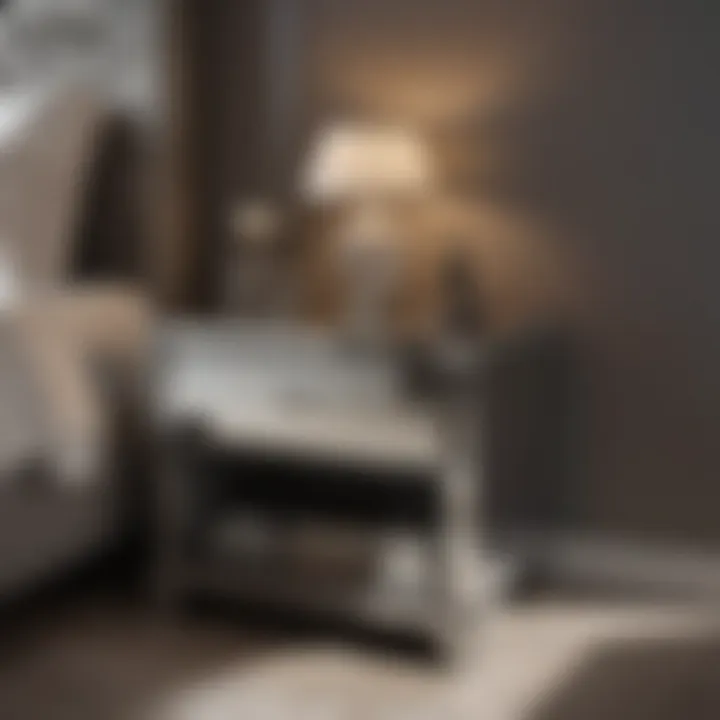
This kind of furniture tends to be popular because of its ability to address multiple needs while retaining an elegant appearance. It helps in avoiding overcrowding a room with separate pieces for each function. Think about how a mirrored nightstand with slots for books and a drawer for night-time necessities can streamline your bedtime routine wonderfully.
Furthermore, these multi-functional items can be a smart investment. The unique selling point is two-fold; they are not only aesthetically pleasing, but they also cater to practical needs. On the flip side, sometimes the craftsmanship might not hold up against frequent use, so it’s worth investigating the quality of the build before making a purchase.
The smart integration of functionality into mirrored glass furniture makes it a standout option in the realm of bedroom furnishings. By combining beauty with practical designs, homeowners can experience firsthand the significant benefits of including these reflective elements in their personal spaces.
Selecting Mirrored Glass Bedroom Furniture
Choosing mirrored glass furniture for your bedroom is no small potatoes. It's about this delicate balance of style and substance, where every decision can reflect not just light but your personal taste. The journey of selecting such furniture means considering its materials and design congruity with your space.
Material Considerations
Quality Glass vs. Acrylic
When you're on the hunt for mirrored furniture, one of the most crucial decisions involves the material used. You might wonder, "Should I go for glass or acrylic?" The choice can have a significant impact on durability, aesthetic, and feel in your room. Quality glass often provides a refined appearance that can enhance the elegance of a space, reflecting light in ways that elevate the whole room's vibe.
On the other hand, acrylic, while lighter and less prone to shattering, tends to have a plastic-like look that can lack the sophisticated ambiance.
The beauty of quality glass shines through when it comes to visibility and clarity. It highlights your room’s decor rather than overshadowing it. However, it's also heavier and can be more challenging to handle during installation.
Acrylic, while more manageable, can scratch more easily and may fade over time, which can make it less appealing for long-term use. In this article, leaning towards quality glass for mirrored furniture is often a more beneficial choice, especially when aiming for longevity.
Frame Construction
Once you've made a call on the material, let's dig into frame construction. A chair or dresser made with a sturdy frame not only guarantees better durability, it shapes the overall aesthetic. Key characteristics like the type of wood or metal can influence the furniture's sturdiness, making it either a piece that withstands wear and tear or one that crumbles at the first bump.
Solid frames made of hardwood or robust metals tend to provide a solid base that can support the weight of glass without compromising integrity. They add a layer of stability and elevate the feeling of quality. In contrast, flimsy frames can lead to wobbling or even breakage, countering the allure of mirrored surfaces. Meaning, you invest in something that enhances your space rather than ruining it with imperfections.
A priority should be placed on well-constructed frames that maintain the elegance of mirrored glass while supporting its weight effectively.
Style and Size Matching
After navigating materials and frame construction, it’s time for another biggie: style and size matching. From sleek modern lines to ornate vintage facades, mirrored glass comes in a bucketload of designs. The key is ensuring that what you choose harmonizes well with your existing decor and the space’s dimensions. If the furniture is too bulky, it might crowd your area, which would defeat the purpose of spatial enhancement. Measure twice, buy once, right? A clear understanding of your room’s proportions helps you select pieces that feel right—both in size and style—ultimately leading to a coherent environment that showcases the stunning potential of mirrored furniture.
Maintenance of Mirrored Glass Furniture
Taking care of mirrored glass furniture is not just an afterthought; it's a vital part of ensuring the longevity and beauty of these reflective pieces. When incorporated into a bedroom, mirrored glass can create an atmosphere that is both captivating and functional. However, neglecting maintenance can undermine its appeal, leading to scratches, smudges, or even structural weaknesses. With the right practices, homeowners can preserve the original shine and charm of their pieces, making maintenance an integral part of owning mirrored glass furniture.
Cleaning Techniques
Maintaining cleanliness is paramount for mirrored surfaces. Regular dusting should be part of the routine, as dust accumulation can dull the shine and create an unappealing look. When it comes to cleaning, using a soft lint-free cloth is key; this prevents scratches and keeps the surface pristine. For deeper cleaning, a mixture of warm water and a few drops of mild dish soap can work wonders.
A vital tip here is to avoid glass cleaners that contain ammonia, as they can weaken the adhesive that keeps the mirrored surface together.
Important Note: Always test a small area before applying any cleaning solution to ensure it does not harm the surface.
Preventing Damage
Taking precautions to prevent damage is essential. The beauty of mirrored glass can easily wane if not handled with care. Sometimes, it’s the little things that can cause the most harm.
Handling and Placement Tips
When positioning mirrored furniture, consider placing it in areas where the risk of collision is minimal. For instance, avoiding tight spaces where movement is restricted can help prevent bumps and scrapes. Handling these pieces with both hands when moving them protects corners and edges, which are vulnerable to damage. Using rubber pads under furniture legs can also help protect flooring while offering stability.
This attentiveness enhances not just the lifespan of the furniture but also its appearance. Fragile yet impactful, understanding the delicate nature of mirrored glass is a wise choice in any decor plan.
Avoiding Scratching and Smudging
Scratches are the nemesis of mirrored surfaces; they can completely alter the look of a piece, turning elegance into distraction. To avoid this, always choose cleaning materials that are gentle. Microfiber cloths are especially effective in removing smudges without leaving scratches behind. Also, be mindful of the items placed around mirrored pieces. Sharp objects or rough surfaces can be a recipe for disaster.
Establishing areas where heavy or rough items can’t come into contact with the mirrors creates a buffer that helps maintain clarity and shine. Think of it this way: a little foresight can save a lot of heartache down the line.
Psychological Impact of Mirrored Surfaces
The psychological impact of mirrored surfaces in bedroom furniture is a topic that deserves more than just a passing glance. This aspect connects with how we perceive our living spaces and our overall well-being. Mirrored surfaces go beyond mere aesthetic appeal; they play a crucial role in how we view ourselves and the environment around us. This section delves into the deeper implications that mirrored glass furniture can have on both perception and mood.
Perception of Space
When you think about perception of space, consider it a trick of the eye combined with the mind's interpretation. Mirrored glass furniture can create the illusion of a larger area. In cozy bedrooms where space feels tight, a reflective surface can make an immense difference. For instance, a simple mirrored dresser can visually expand the room, making it feel less claustrophobic and more airy.
The reflection creates depth. By bouncing light, mirrored pieces can brighten up dimly lit areas which might contribute to a positive mental state. Using mirrored furniture instead of solid pieces not only gives the illusion of grandeur but also encourages a more open space—one that feels inviting and wide rather than cramped.
- Key Benefits of Using Mirrored Glass:
- Expands visual space, combating the feel of cramped quarters.
- Increases light levels, enhancing the overall mood.
- Adds a layer of sophistication, elevating the room's decor.
It’s essential to note that the effect can shift strongly depending on layout. For example, placing a tall mirrored wardrobe against a wall opposite a window can double the light that enters, thereby enhancing that sense of openness. However, careful thought must also be given to the arrangement. Too many mirrored surfaces can lead to chaos rather than tranquility, leaving those in the space feeling overwhelmed.
Emotional Responses to Light and Reflection
The interplay of light and reflection has a powerful sway on emotional responses. Natural light, when bounced off mirrored surfaces, heightens the sense of serenity and balance in the bedroom. It creates a harmony that resonates emotionally. Think about waking up to a bright room that feels alive and energized—this can transform a gloomy morning into an inspiring start to the day.
Conversely, excessive reflection can also stir anxiety in some individuals. A room that is overly reflective may sometimes feel confrontational or clinical, especially for those who prefer a more comforting, cozy atmosphere. It’s worth considering how you personally respond to these surfaces.
"Mirrored furniture can evoke feelings of grandeur, but too much can overshadow comfort."
- Emotional Benefits of Reflections:
- Stimulates positive feelings through enhanced light flow.
- Offers a visual connection to the outside world, creating a sense of openness.
- Aids in personal reflection, both literally and metaphorically, which some find comforting.
Challenges in Using Mirrored Glass Furniture
When it comes to choosing mirrored glass furniture, it's not all glitter and glamour. While these pieces bring a certain elegance to any room, they also come with a set of challenges that potential buyers must consider. The integration of mirrored glass elements into a bedroom can significantly impact both aesthetic appeal and functionality.
Understanding these challenges is crucial for those who are eager to elevate their space without turning it into a headache. From its maintenance requirement to the intricacies of design compatibility, potential buyers should think twice and plan ahead. Let's delve deeper into these challenges.
Maintenance Challenges
Maintaining mirrored glass furniture can often feel like walking through a minefield. While these elegant pieces can enhance the look of your space, they also require a bit of diligence to keep them shining like new. Dust and fingerprints can accumulate quickly on the surface, thus making regular cleaning an essential task.
To tackle this, a gentle solution of water and vinegar can be a great choice. It's natural and gets the job done without scratching the glass. Yet, be aware that using the wrong cleaning products can lead to damage; harsh chemicals might result in cloudy spots that ruin that pristine reflection. Additionally, mirrored surfaces can easily become marred by scratches. Once that happens, it’s like a scar on a beautifully polished face.
- Tip: Consider using microfiber cloths. They are soft and won't scratch the surface while effectively removing dust.
Furthermore, the placement of mirrored pieces plays a pivotal role. A misplaced chair that accidentally scrapes against a mirrored dresser can lead to unfortunate and unsightly scratches. Dealing with maintenance can become a chore if one doesn’t take care of their mirrors right from the get-go.
Design Limitations
Designing a space with mirrored glass furniture can be as tricky as piecing together a jigsaw puzzle. While it brings light and a sense of depth to the room, it may not meld easily with all styles and materials.
Compatibility with Other Materials
Compatibility with other materials is a key concern when integrating mirrored glass furniture. It’s vital to consider how these reflective pieces will interact with other elements of your room such as wood, metal, or fabric. A common issue arises when trying to mix different materials that clash visually; for instance, pairing a striking mirrored bed frame with a rustic wooden nightstand might not create the harmonious look one might hope for.
Remember, not all materials play nicely together. If one isn’t careful, the varying tones and finishes might create a disjointed aesthetic. Maximizing the beauty of mirrored glass often involves adhering to a cohesive color palette and material usage throughout the design.
- Key Characteristic: Mirrored surfaces can reflect not just light, but hues and textures around them. This can sometimes enhance a room’s appeal or, in other cases, overwhelm it.
Color Coordination Issues

Another hurdle many face is color coordination issues. Mirrored glass furniture can be a wild card when it comes to color schemes. It reflects everything around it, which means it can clash unexpectedly with walls, bedding, or even artwork. This reflective quality can lead to a chaotic look if the surrounding colors do not complement each other.
Consider this: the mirror reflects light, creating a brighter ambiance. However, if paired with bold, clashing colors, one might end up with a vibrant mess rather than a vision of elegance.
- Unique Feature: The mirror doesn’t just show what’s there; it can alter the perceived color of your furnishings. For example, a warm-toned room might appear altogether different when mirrored surfaces reflect cooler tones.
Finding the right balance between reflected colors and the existing palette requires a careful hand and keen eye. Thoughtful selection and strategic arrangements are essential to ensure that mirrored glass truly enhances the room instead of overwhelming it.
Above all, recognizing these limitations helps create a seamless blend in interior design, ensuring that the charm of mirrored glass shines without overshadowing the overall decor.
Mirrored Glass Furniture in Interior Design
When one thinks about the influence of furniture on an interior design scheme, mirrored glass pieces often find their way onto the list of must-haves. They can transform bedroom spaces with an immediate sense of opulence and charm. The significance of incorporating mirrored glass furniture lies not just in its striking looks, but in its functional versatility, ability to manipulate light, and the sheer character it can bring to various aesthetics.
Mirrored glass furniture stands as a bridge between form and function. It enhances room dimensions through its reflective qualities, making even the smallest spaces feel expansive. The reflections created can play tricks on the eye, creating depth and interest, which is particularly beneficial in compact bedrooms.
Benefits of Incorporating Mirrored Glass in Interiors
- Enhanced Lighting: The reflective surfaces contribute to a brighter space by bouncing light around the room.
- Visual Interest: Unique contours and designs offer dynamic elements that can catch the eye and evoke conversation.
- Diverse Styles: From traditional elegance to modern minimalism, mirrored furniture fits seamlessly into nearly any design style.
On the flip side, homeowners need to consider functions like placement and proportion to avoid overwhelming the room. Too many reflective surfaces can lead to a sense of chaos rather than cohesion.
Trends in Bedroom Design
In the ever-evolving world of interior design, trends emerge and shift, but mirrored glass furniture consistently holds its ground. Currently, there’s a growing inclination towards minimalistic designs that emphasize lightness and transparency. Mirrored furniture fulfills this desire, providing essential features without feeling heavy or cumbersome.
Some of the prominent trends steering mirrored glass furniture in bedrooms include:
- Layered Textures: Adding soft materials, like velvets or knits, alongside sleek mirrored surfaces creates a balanced environment.
- Mixed Materials: Pairing mirrored glass with wood or metal accents enhances visual intrigue.
- Statement Pieces: Stand-alone mirrored items, such as a statement mirror or a sleek nightstand, can serve as focal points without heavy decor.
These trends highlight the adaptability of mirrored glass furniture, allowing it to change with the times while maintaining its elegance.
Incorporating Mirrored Elements
Mirrored glass can be an impressive addition to bedroom designs by integrating both accent pieces and complete setups. Each approach offers distinct benefits and styles that cater to different preferences.
Accent Pieces
Accent pieces are like the cherry on top of a sundae; they bring the design together without overwhelming the main structure. Whether it's a dazzling mirrored lamp or a small console table, these items add just the right sparkle. They can reflect ambient light and colors in the space, creating beautiful shadows and nuances. Such pieces are a beneficial choice because they allow for easy integration into existing decor without requiring major changes—perfect for renters or those who enjoy changing their design often.
One of the unique features of accent pieces is their ability to enhance other decor choices. A mirrored vase can catch the colors of surrounding flowers, therefore transforming the room into a vivid tableau of reflections.
However, a common disadvantage is that smaller pieces can easily get lost among other furnishings. Careful selection is necessary to ensure they stand out rather than blend into lighter or overly cluttered backgrounds.
Complete Setups
On the other end of the spectrum, complete setups of mirrored glass furniture offer a more cohesive look. This may include combinations of a bed frame, nightstands, and even dressers, all designed in mirrored glass. Such setups create a strong visual impact and can define the character of the entire room.
The defining character of these configurations is their ability to establish a unified aesthetic across the bedroom. When coordinated correctly, they can echo an extravagant and sophisticated tone, which is becoming more desirable in modern interiors.
The massive advantage of a complete setup is that it simplifies styling choices as it emphasizes harmony and helps to create a serene space. On the downside, this approach can risk appearing overly uniform or cold if not balanced with warmer elements.
In summary, mirrored glass furniture, whether as accent pieces or in complete setups, offers unique ways to enhance bedroom design. While they bring light and sophistication, careful placement and thoughtful integration are crucial to achieve the desired effect seamlessly.
Finale
In summarizing the myriad layers surrounding mirrored glass bedroom furniture, it's clear this design choice transcends mere aesthetics. It offers a melange of beauty and utility, which resonates deeply with homeowners seeking to elevate their living spaces.
Summary of Key Points
When it comes to incorporating mirrored glass furniture into a bedroom, several pivotal elements should be considered:
- Lighting and Ambiance: The reflective surface of mirrored furniture not only illuminates a room but also creates an inviting atmosphere, making spaces appear larger and more open.
- Design Versatility: Mirrored pieces can blend seamlessly with various styles—be it modern, classic, or even eclectically spirited. This adaptability allows homeowners to express their personal taste distinctly.
- Functionality: Mirrored furniture is not just for show. With clever storage solutions and multi-functional designs, such furniture pieces can enhance a bedroom’s utility without compromising on style.
- Maintenance: Although care for mirrored surfaces requires diligence, understanding cleaning techniques and preventative measures will prolong their beauty and functionality.
Final Thoughts on Mirrored Glass Furniture
Ultimately, the charm of mirrored glass bedroom furniture lies in its ability to transform the mundane into something spectacular.
It encourages creativity in design and can make even the simplest of bedrooms feel luxurious and well-thought-out. As you reflect on the advantages, challenges, and styles, consider your own space and how these striking pieces can blend into your home.
Wielded wisely, mirrored furniture can become a central character in your home narrative, enhancing not just the space, but the very experience of living in it. It’s a choice that encourages light, depth and reflection—both literally and figuratively. The key is to strike the right balance between beauty and function, ensuring that while the furniture captures attention, it never overwhelms the room.
"Mirrored glass furniture is where practicality meets elegance. Choose wisely, and your bedroom will become a sanctuary of beauty."
In this light, everything involved in selecting, maintaining, and styling mirrored glass furniture takes on greater significance, serving not just to complete a look, but to create a harmonious living environment.