Enhancing Bathroom Exhaust Fan Performance: A Comprehensive Guide
Materials:
- Exhaust fan assembly kit
- Ducting material (measured to fit)
- Vent cover
- Electrical cable
- Mounting hardware
- Screws
- Drill
- Screwdriver
- Pliers
- Tape measure
DIY Steps:
- Preparation: Measure the bathroom space for optimal placement of the exhaust fan. Ensure all necessary materials are on hand.
- Installation: Follow the manufacturer's instructions to assemble the fan unit. Mount the fan securely on the ceiling or wall.
- Ventilation: Connect the ducting material from the fan to the external vent cover. Ensure a secure and airtight connection.
- Electrical Connection: Safely wire the exhaust fan to the electrical supply following local building codes and safety precautions.
- Testing: Turn on the fan to ensure proper ventilation and operation.
Technical Aspects:
- Tools Required: Drill, screwdriver, pliers, tape measure.
- Timing: Allow 3-4 hours for a complete installation.
- Critical Techniques: Ensure proper ducting alignment to optimize airflow efficiency.
DIY Project Process:
- Detailed Installation Method: Start by marking the mounting location, cutting the duct as needed, and securing the fan unit in place.
- Key Techniques: Use a level to ensure the fan is mounted evenly for optimized performance.
- Timings: Take care in measuring and cutting the ducting to avoid any obstructions or inefficiencies.
- Troubleshooting Tips: If the fan is noisy, check for loose screws or misalignment in the ducting. For low airflow, inspect for blockages in the vent.
Understanding Bathroom Exhaust Fan Assembly
Introduction to Bathroom Exhaust Fans
Purpose of Exhaust Fans
The purpose of exhaust fans in bathrooms is multi-faceted. These fans serve as a means to circulate air, remove excess moisture, and eliminate odors, ultimately maintaining a fresh and clean atmosphere within the space. The key characteristic of exhaust fans lies in their ability to prevent the buildup of humidity, which can lead to mold and mildew growth. By expelling damp air outside, exhaust fans significantly contribute to the overall ventilation of the bathroom, ensuring a healthy indoor environment. Their unique feature of improving air circulation and eliminating odors makes them indispensable for maintaining a pleasant bathroom ambiance.
Benefits of Proper Ventilation
Proper ventilation in bathrooms offers numerous advantages for homeowners. By enhancing air quality, proper ventilation helps to reduce the risk of respiratory issues and allergies caused by indoor pollutants. Additionally, it aids in preventing condensation and mold formation by regulating moisture levels. The unique feature of promoting a healthy living environment distinguishes proper ventilation as a crucial aspect of optimizing bathroom exhaust fan assembly. Its advantages extend to preserving the structural integrity of the property by mitigating the risks associated with excess humidity.
Components of Exhaust Fan Assembly
Fan Blades and Motor
The fan blades and motor constitute the core components of an exhaust fan assembly. These elements work together to facilitate the movement of air and remove moisture from the bathroom. The key characteristic of fan blades lies in their design to efficiently propel air, ensuring effective ventilation. Paired with a durable motor, these components guarantee the reliable operation of the exhaust fan system. While their primary advantage is the quick and efficient extraction of humid air, one potential disadvantage could be the noise level generated during operation, which is a key consideration for homeowners seeking a quieter experience.
Ventilation Ducts
Ventilation ducts play a crucial role in directing the extracted air from the bathroom to the outside environment. Their key characteristic lies in their flexibility and durability, allowing for effective air passage while withstanding varying environmental conditions. The unique feature of ventilation ducts is their ability to maintain consistent airflow, ensuring continuous ventilation within the bathroom space. While their advantages include efficient air movement and improved air quality, a potential disadvantage could arise if the ducts become clogged or restricted, leading to reduced ventilation efficiency.
Grilles and Covers
Grilles and covers serve as the visible components of an exhaust fan assembly, providing aesthetic appeal while safeguarding the internal mechanisms. The key characteristic of grilles and covers lies in their design to prevent debris from entering the fan, maintaining its functionality. These components also contribute to noise reduction by acting as sound barriers. Their unique feature of enhancing the overall look of the exhaust fan system makes them popular choices for homeowners seeking both functionality and style. While their advantages include improving airflow and protecting the fan components, an occasional disadvantage could be the accumulation of dust on the grilles, necessitating regular cleaning.
Importance of Proper Ventilation
Prevention of Mold and Mildew
One of the critical aspects of proper ventilation is the prevention of mold and mildew growth. Effective air circulation and moisture control facilitated by exhaust fans significantly reduce the conditions conducive to mold and mildew formation. The key characteristic of this preventive measure lies in its ability to maintain optimal humidity levels, thus safeguarding against microbial growth. The unique feature of mold and mildew prevention through proper ventilation contributes to a healthier indoor environment and prolongs the lifespan of bathroom surfaces.
Improving Indoor Air Quality
Proper ventilation not only prevents mold but also plays a key role in enhancing indoor air quality. By continuously renewing the air in the bathroom, exhaust fans remove pollutants, odors, and excess moisture, resulting in cleaner and fresher air. The key characteristic of this process is its contribution to a healthier living environment by reducing allergy triggers and respiratory irritants. The unique feature of improved indoor air quality through proper ventilation is its long-term impact on the well-being of occupants, promoting a comfortable and hygienic home environment.
Installation of Bathroom Exhaust Fan Assembly
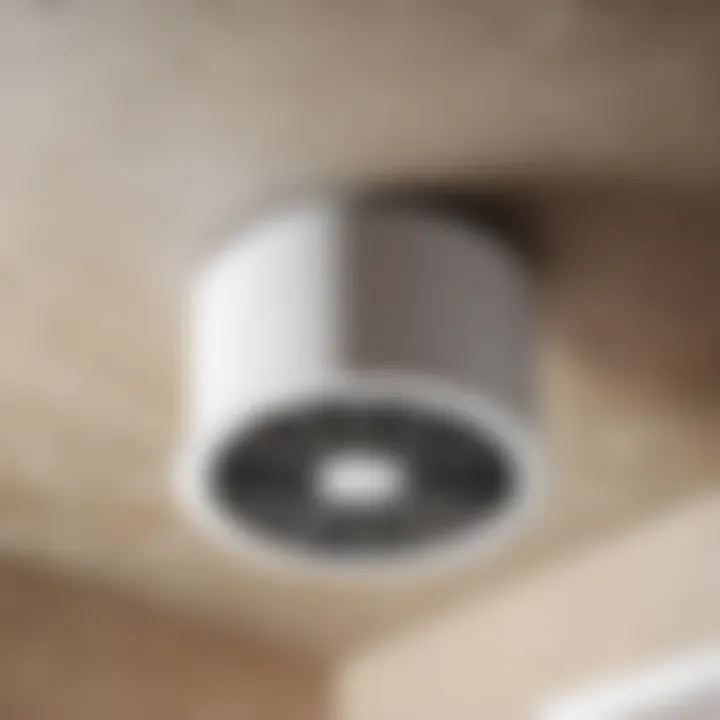
In the realm of optimizing bathroom efficiency, the installation process holds paramount importance. Proper installation ensures that the exhaust fan operates at its peak performance, effectively eliminating moisture and odors to maintain a healthy indoor environment. The significance of the installation process lies in setting the foundation for the fan's functionality, ensuring all components are correctly positioned to maximize airflow and ventilation. By meticulously following installation guidelines, housewives and homeowners can create a conducive space that promotes air quality and prevents the buildup of mold and mildew.
Determining the Right Fan Size
Calculating Airflow Requirements
Determining the appropriate size of the exhaust fan involves meticulous calculations of airflow requirements to match the needs of the specific bathroom space. Calculating airflow requirements considers factors such as the size of the room, frequency of use, and moisture levels to determine the fan's capacity. This meticulous approach ensures that the fan can effectively remove excess moisture and odors, promoting a fresh and comfortable bathroom environment. Households benefit from this tailored approach as it guarantees optimal ventilation tailored to their precise needs.
Matching Fan Capacity to Room Size
Matching the fan's capacity to the room size is crucial in maintaining balanced airflow and efficient ventilation. Ensuring that the fan's capacity aligns with the dimensions of the space prevents issues such as inadequate ventilation or excessive noise during operation. By selecting a fan that matches the room's size, housewives and homeowners can enjoy effective moisture removal and enhanced air circulation without compromising on comfort. This custom approach optimizes ventilation efficiency and promotes a healthier indoor environment.
Placement Considerations
Ideal Positioning for Optimal Ventilation
The strategic placement of the exhaust fan plays a vital role in optimizing ventilation within the bathroom space. Positioning the fan in an ideal location ensures that it efficiently removes moisture and odors, preventing the formation of mold and mildew. The ideal positioning for optimal ventilation involves considering factors such as proximity to the shower or bathtub area, ensuring that the fan can effectively draw out moist air to maintain air quality. By strategically placing the fan for optimal airflow, housewives and homeowners can create a fresh and hygienic bathroom environment.
Electrical Wiring and Safety Guidelines
Connecting the Fan to Power Source
The process of connecting the exhaust fan to a power source requires adherence to electrical wiring standards and safety guidelines. Ensuring a secure and stable connection to the power supply is essential for the fan's safe and efficient operation. By following specific guidelines for electrical wiring, households can prevent electrical hazards and malfunctions, guaranteeing the longevity and performance of the exhaust fan. This meticulous approach prioritizes safety and reliability, offering homeowners peace of mind in utilizing their exhaust fan.
Ensuring Compliance with Building Codes
Adhering to building codes is a critical aspect of installing an exhaust fan to ensure compliance with safety and regulatory standards. By following building codes related to ventilation systems, housewives and homeowners can rest assured that their installation meets legal requirements and promotes a safe indoor environment. Compliance with building codes not only ensures the safety of occupants but also enhances the overall efficiency and effectiveness of the exhaust fan assembly, contributing to a healthy and sustainable living space.


Maintenance and Troubleshooting
In maintaining and troubleshooting bathroom exhaust fan assemblies, one cannot underestimate the critical role this aspect plays in ensuring the efficient and effective operation of these systems. Proper maintenance not only extends the longevity of the fan but also contributes significantly to a healthier indoor environment. By regularly inspecting and caring for the components of the exhaust fan, homeowners can prevent potential malfunctions and guarantee optimal performance. Troubleshooting, on the other hand, allows for quick identification and resolution of issues that might arise, thereby avoiding more extensive problems down the line.
Cleaning and Regular Upkeep
Removing Dust and Debris
The meticulous removal of dust and debris is a fundamental task in preserving the functionality of a bathroom exhaust fan. This process involves cleaning the fan blades, housing, and surrounding areas to prevent blockages that could impede airflow. Regularly tidying up the fan not only improves its efficiency but also reduces noise levels and power consumption. Neglecting this maintenance item could lead to diminished performance and potential motor strain.
Checking for Motor Wear
The examination of motor wear is crucial in ensuring the smooth operation of a bathroom exhaust fan. Detecting signs of wear early on can prevent unexpected breakdowns and costly repairs later. By inspecting the motor for any unusual noises, excess vibration, or visible signs of damage, homeowners can address potential issues proactively. Regular checks for motor wear also contribute to a safer and more reliable exhaust fan system.
Common Issues and Solutions
Loud Operation or Vibrations
Loud operation or vibrations in bathroom exhaust fans often signal underlying mechanical problems. These issues can be caused by loose components, imbalanced fan blades, or motor malfunctions. Addressing these problems promptly is essential to prevent further damage to the fan and ensure a quieter and more stable performance.
Inadequate Ventilation
The issue of inadequate ventilation can lead to moisture buildup, unpleasant smells, and even structural damage within a home. By addressing poor ventilation in bathroom spaces, homeowners can enhance air quality, prevent mold growth, and maintain a comfortable environment for occupants. It is essential to identify the root cause of inadequate ventilation, whether it be a fan capacity issue or improper placement, to implement effective solutions.
Replacing Parts and Upgrading
Upgrading to Energy-Efficient Models
Upgrading to energy-efficient models of bathroom exhaust fans not only reduces energy consumption but also enhances overall performance. Energy-efficient fans offer improved airflow, lower noise levels, and cutting-edge features such as motion sensors or humidity sensors. By making this upgrade, homeowners can enjoy a more eco-friendly and cost-effective ventilation solution while maximizing the efficiency of their bathroom exhaust fan system.
Replacing Faulty Components
When faced with faulty components in a bathroom exhaust fan assembly, timely replacement is essential to avoid further complications. Whether dealing with a malfunctioning motor, damaged blades, or worn-out ducts, replacing faulty parts restores the functionality and efficiency of the fan. Selecting high-quality replacement components ensures the longevity and reliability of the exhaust fan system, providing peace of mind for homeowners.