The Evolution and Utility of LED Touch Bathroom Mirrors

Intro
In contemporary bathroom design, LED touch mirrors have emerged as a prominent choice, providing both aesthetic and functional advantages. With their technological advancements and visually appealing features, these mirrors significantly enhance the user experience. This article will discuss not only the evolution of LED touch bathroom mirrors but also their practical applications within different kinds of households.
As consumers seek to create luxurious and efficient spaces, understanding the multiple aspects of LED touch bathroom mirrors becomes essential. From considering materials for installation to recognizing their impact on energy efficiency, the insights shared here cater primarily to housewives and homeowners, eager to enrich their living environments.
Taking into account market trends and innovative technology, the subsequent sections will analyze various elements involved in the ownership of LED touch mirrors, ensuring readers are well-informed in their journey—from planning a purchase to executing an installation.
Materials:
Before delving into the DIY aspects, it is crucial to first assemble all necessary materials to ensure a seamless installation process:
- LED Touch Control Mirror: Choose a size that accommodates your bathroom space, typically ranging from 24”x36” to 36”x48”.
- Mirror Brackets: Sturdy and stable brackets designed for wall mounting.
- Wall Anchors: For added support, particularly on drywall surfaces, opt for heavy-duty anchors.
- Screwdriver: A Phillips screwdriver, suitable for tightening and fixing screws.
- Level Tool: Essential to ensure the mirror hangs straight. Another option could be a laser level.
- Measuring Tape: To accurately gauge wall space and mark positioning.
- Stud Finder: Useful for locating wall studs, making the installation more secure.
- Mounting Tape (optional): For adjustments before committing to permanent solutions.
- Wiring Kit: If the mirror requires electrical connections, ensure to have the right gauge wire, connectors, and electrical tape.
- Sealant (Optional): For waterproofing around edges, especially in moisture-heavy bathrooms.
DIY Steps:
After securing the materials, the next focus is to become familiar with the detailed installation steps. The following are methodical instructions aimed at guiding you through the installation process:
- Preparation for Installation: Clear the area around the installation site to allow free movement and reduce accidents.
- Select a Location: Hold the mirror against the wall and mark the preferred position with a pencil. It's advisable to maintain at least 30 inches above the floor to enhance both usage and aesthetics.
- Measure from Center: Use a measuring tape to determine the central part of the mirror, marking reference points for brackets on each side.
- Find Wall Studs: Employ the stud finder to locate sturdy points on the wall which can bear the mirror's weight. This process is vital in ensuring long-term stability.
- Leveling and Marking: Place the level tool horizontally across the marked positions to maintain a horizontal reference for the brackets. Correctly adjust as necessary before proceeding.
- Drilling Holes: Drill the marked spots, being mindful of using screws and wall anchors from the materials list to ensure a firm grip.
- Mounting the Mirror: Begin by attaching the mirror brackets onto the wall. Line the brackets with the corresponding holes on the mirror. Pay attention to aligning each corner for even suspension.
- Finish Electrical Connections: If there are any electrical functions, follow the specific wiring instructions from the mirror's manual to ensure safety standards.
- Seal Edges (if applicable): Apply the sealant around the edges to prevent moisture damage.
- Clean the Surface: Once installation completes and the electrical functions checked, clean the mirror surface to remove fingerprints and debris.
Technical Aspects:
Understanding the technical requirements of the mirror installation enhances the quality of your DIY project. Here are essential aspects to consider:
- Time Allocation: Installation typically takes about 2-4 hours, factoring in measuring, preparing, and installing. Allow additional time for any electrical considerations.
- Tools Required: Ensure that the tools mentioned earlier are available and easily accessible for efficient operation during the installation.
- Techniques: Employing two-person execution might increase efficiency, especially during the heavier lifting stages of affixing the mirror to the brackets. Communicate precautions to avoid mishaps.
DIY Project Process:
As you progress through installation, bearing these further steps in mind aids in avoiding common pitfalls:
- Careful Execution: Handle the mirror delicately and confirm securing methods. Burden upon oneself tightening the screws may lead to cracks or damage the mirror.
- Double-check Levels: Use the level tool increasingly to ensure the mirror remains consistently straight across its surface.
- Evaluate Power Requirements: If your LED touch mirror includes serrated wires, gain assistance from a professional to optimize configuration safety.
Installing LED touch mirrors blend practical abilities with modern aesthetics. Getting each step precisely right can immensely elevate the profile of your bathroom without a significant investment in professional services.
Troubleshooting Tips:
Even the well-planned installations might pose issues occasionally, consider these follow-up tips:
- If the mirror is loose, double-check that all screws remained tight and re-secure wall anchors if needed.
- For electrical issues, anyone should consult the specific brand guidelines; if recurrent problems arise, contact a licensed electrician for assessment. This will avert any unforeseen hazards.
In summary, having insight into every stage—from acquiring materials to troubleshooting post-installation problems—will ensure your LED touch bathroom mirror not only resembles contemporary design but also embodies functionality. Knowing these internal dynamics allows homeowners to achieve noteworthy results. The upcoming sections will delve deeper into market trends, contributing to a broader perspective in bathroom innovations.
Understanding LED Touch Bathroom Mirrors
Understanding LED touch bathroom mirrors is crucial for recognizing their transformative impact on the bathroom space. This technology not only enhances functionality but also elevates the overall aesthetics. As these mirrors become more common in households, an in-depth appreciation of their definition, functionality, and technology is essential for potential users.
Definition and Functionality
LED touch bathroom mirrors integrate mirror functionality with advanced technology. These mirrors use LED lighting that is often adjustable, offering an effective and pleasing light source for various tasks, such as grooming or makeup application. The incorporation of touch-controls makes these mirrors user-friendly, reducing physical switches which can accumulate dirt and contaminants over time.
These mirrors are indispensable in modern bathrooms, combining a utility that is both practical and visually compelling. Their dual purpose provides illumination while allowing users to see themselves with clarity. Furthermore, they help conserve bathroom space by merging the functionalities of light sources and reflective surfaces.
Technological Components
This section delves into the technological foundation that sustains LED touch bathroom mirrors. Each component plays an integral role in the mirror’s overall effectiveness, efficiency, and user satisfaction.
LED Lighting
LED lighting is a fundamental aspect of modern bathroom mirrors. Its key characteristic lies in its ability to provide bright, energy-efficient illumination. This type of lighting is regarded as a beneficial choice in the bathroom due to its long lifespan, low heat emission, and reduced energy consumption compared to traditional incandescent bulbs.
A unique feature of LED lighting is its dimmability. This allows users to adjust brightness according to their needs, whether it be for everyday grooming or intricate beauty tasks. The often natural light representation further enhances how colors appear, which is crucial for activities like makeup application. One consideration with LED lighting is its initial cost, which can be higher than that of other options. However, its longevity often compensates for this paywall.
Touch Sensitivity Technology
Touch sensitivity technology represents a significant advancement in how users interact with mirrors. Their key characteristic, typically a seamless glass surface, provides instant feedback with a simple touch. This intuitive feature offers ease of use, making it popular among homeowners who prioritize convenience in their daily routines.
The technology reacts swiftly to user commands. Some models even facilitate features like temperature control for LED brightness, improving versatility. However, reliance on this technology can concern users regarding its durability and potential malfunctions, though many brands have made substantial improvements in this area to enhance reliability.
Energy Efficiency Mechanisms
Energy efficiency is a significant concern for modern consumers. LED touch bathroom mirrors incorporate mechanisms that cater to this demand. The key characteristic is their capacity to reduce energy consumption, aligning seamlessly with sustainable living preferences. These mirrors typically employ automation or sensors that adjust brightness according to ambient light, resulting in less energy expenditure.
A unique feature of these energy efficiency mechanisms is their programmable settings that can customize lighting according to user needs or times of day. This aspect enhances usability while actively promoting energy savings. An essential point, however, is that less understanding of these features can lead consumers to neglect optimal settings, leading to unnecessary energy use.
The evolution of LED touch bathroom mirrors showcases the blend between aesthetics and functionality, marking a transformation in user experience.
Benefits of LED Touch Bathroom Mirrors
The Benefits of LED Touch Bathroom Mirrors are significant for those looking to enhance their everyday routines and improve the overall utility of their bathrooms. This section will analyze various important elements, advantages, and specific considerations related to LED touch mirrors. By understanding these factors, house owners and housewives can make informed decisions that best suit their lifestyle and needs.
Enhanced Illuminative Properties
LED touch bathroom mirrors offer superior illuminate perfection compared to traditional light fixtures. The incorporation of LED lights provides even light distribution across the face, minimizing harsh shadows that can distort a person's appearance. Such property is vital—whether applying makeup or simply grooming, proper lighting contributes to achieving clear results. Moreover, color rendering index (CRI) ratings are important in this context. Some LED mirrors achieve a CRI of 90 or above, ensuring the reflection resembles natural light, hence providing a more accurate portrayal of one's features. Along with this, LED fixtures consume less power, ensuring longevity while maintaining brightness that is consistent.
User Convenience and Usability
When discussing user convenience, LED touch bathroom mirrors shine due to their accessibility. Most products embed user-friendly features like touch sensors, allowing simple activation of lights without needing switches. This functionality is with particular importance when hands are wet or occupied.
- Goal precision. Users will enjoy the option to adjust brightness levels manually, offering the perfect aesthetics from morning routines to evening relaxation.
- Morphology. To further enhance usability, many models include built-in clocks or demister pads. While a clock provides a quick glance at time, demister pads maintain a clear view post-shower, adding practical elements that enhance daily bathroom encounters.
Overall, these advancements foresee smoother experiences and bridges the gap between utility and satisfaction for residential users.
Aesthetic Appeal
The aesthetic appeal of LED touch bathroom mirrors plays a pivotal role in interior design strategy. Their sleek, contemporary designs blend fluently into a wide range of decor styles. Buying one creates a simple update for any washroom, ensuring upgrade with minimum hassle.
Householders can select from diverse shapes, such as oval, round, and square designs, catering distinctly to personal tastes, thus enhancing functionality without compromising style. Importantly, certain mirrors incorporate frameless or minimalist frames, often serving as focal points that elevate the overall aesthetic of the room without overwhelming the existing decor.
Many users realize that these mirrors elevate both functional and visual aspects of their living space, which allows for a sophisticated upgrade during renovations or simple room adjustment.
Design Considerations
Design considerations are vital when selecting LED touch bathroom mirrors. The right choice ensures that the mirror not only serves practical purposes but also enhances the overall bathroom aesthetic. A suitable design integrates seamlessly with existing elements, reflects personal style, and contributes to functionality. These considerations go beyond mere appearances, as they encompass size, shape, materials, and how the piece interacts with the space around it. Paying attention to design principles can lead to a more harmonious and functional bathroom environment.
Size and Shape Variations
Size and shape variations play a significant role in the selection process of LED touch bathroom mirrors. The mirror’s dimensions should correspond to the available space and intended use. Larger mirrors can create an illusion of space in smaller bathrooms, while smaller mirrors may suit cozy spaces well.
When it comes to shape, choices range from classic rectangular options to round and oval designs. Rectangular mirrors tend to offer a structured look, suited for more traditional layouts. On the other hand, round or oval mirrors might add a soft touch, creating a more relaxed ambiance. Understanding personal preferences for size and shape can enhance the bathroom’s usability.
Frame Options and Materials
The frame options and materials used in constructing LED touch bathroom mirrors affect both durability and style. A well-chosen frame not only enhances the visual appeal but also holds crucial functionality. Stainless steel frames provide a sleek and modern touch, while wood frames can project warmth and tradition. Other materials like plastic can offer affordability with varying designs.
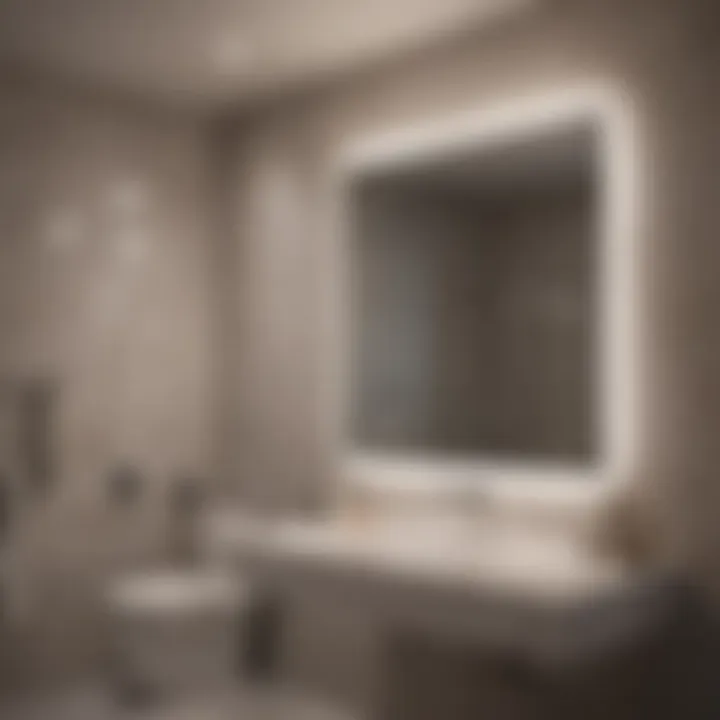
Moreover, frames might be finished in different styles such as matte, gloss, or metallic. Each finish corresponds to different decor schemes. Additionally, the selection of the material also impacts the maintenance and longevity of the mirror. By examining frame options carefully, homeowners can find solutions that blend durability with style.
Integration with Bathroom Decor
Integration with bathroom decor is key to creating a cohesive setting. An LED touch bathroom mirror should complement existing colors, fixtures, and overall themes. This synergy contributes to a personalized space that resonates with individual style.
The color palette of the mirror can harmonize with tiles, cabinetry, and other accessories. It’s important to consider how the mirror interacts with lighting in the space. A well-placed mirror can reflect light, enhancing brightness and visual appeal. Additionally, homeowners should determine if the mirror style falls in line with modern, vintage, or transitional themes. Skillful integration transforms a simple functional item into a centerpiece of the bathroom.
The thoughtful selection of design elements results in a balanced bathroom that is enjoyable to use and visually pleasing.
Overall, being mindful of design considerations when selecting LED touch bathroom mirrors ensures the piece is both functional and aesthetically aligned with the homeowner's vision. This deliberate approach leads to a renewed sense of satisfaction with daily routines in the bathroom.
Installation of LED Touch Bathroom Mirrors
The installation of LED touch bathroom mirrors is a critical aspect that enhance their performance and ensure user satisfaction. Proper installation safeguards functionality while maximizing designer features. This section offers guidance aimed at homeowners, ensuring they achieve great results.
Pre-installation Requirements
Before embarking on the installation, several pre-installation requirements need to be addressed. This ensures all necessary steps are covered to facilitate a smooth installation process:
- Location Assessment: Carefully select where to mount the mirror. Factors include access to electrical outlets, plumbing considerations, and user height.
- Tools and Materials: Gather the right tools such as a drill, screwdriver, level, and measuring tape. These are vital to secure the mirror correctly and ensure accurate placement.
- Electrical Line Check: Ensure that electrical installations comply with local building codes. It would be beneficial to consult an electrician if unsure about the wiring.
These requirements lay the groundwork, preventing avoidable complications down the line.
Step-by-step Installation Guide
Installing an LED touch bathroom mirror entails several clear steps:
- Preparation: Mark the area on the wall where you intend to attach the mirror. Use a pencil to make faint marks for precision.
- Mounting Bracket Installation: If the mirror has a mounting bracket, attach it to the wall using screws and anchors. Ensure it is level.
- Connecting Wires: For electrical service, carefully follow manufacturer's instructions to connect the wires properly. Positive (live) and negative (neutral) wires are very important to distinguish correctly.
- Mounting the Mirror: Lift the mirror into place and secure it to the bracket. Ensure it aligns with the markings you set earlier.
- Testing: After installation, check the touch functionality and LED lighting, ensuring everything operates smoothly.
Following this guide will simplify the process while achieving an aesthetically pleasing finish.
Safety Considerations
When installing LED touch mirrors, safety cannot be underestimated:
- Moisture Risks: In a bathroom setting, moisture is an ever-present concern. Ensure that all electrical connections use appropriate moisture-resistant insulation.
- Electrical Safety: Working with electricity demands care. Turn off the power supply at the circuit breaker to reduce any risk of shocks. Additionally, consider using insulated tools.
- Weight Support: LED bathroom mirrors can be heavy. Ensure that you are installing them into wall studs for proper support.
Important: Prioritize safety to prevent accidents. Protect your household with the right precautions during definitory construction work.
Understanding and adhering to those safety considerations guarantees adds protection when arranging your bathroom's space.
Maintenance and Care
Proper maintenance and care are crucial for ensuring the long-term functionality and aesthetic appeal of LED touch bathroom mirrors. These modern fixtures not only serve practical purposes but also enhance the ambiance and design of a bathroom. Understanding the specific aspects of maintenance is essential for prolonging their lifespan, optimizing performance, and ensuring safety. This section covers the primary maintenance components for these mirrors along with detailed techniques to help all users keep them in top condition.
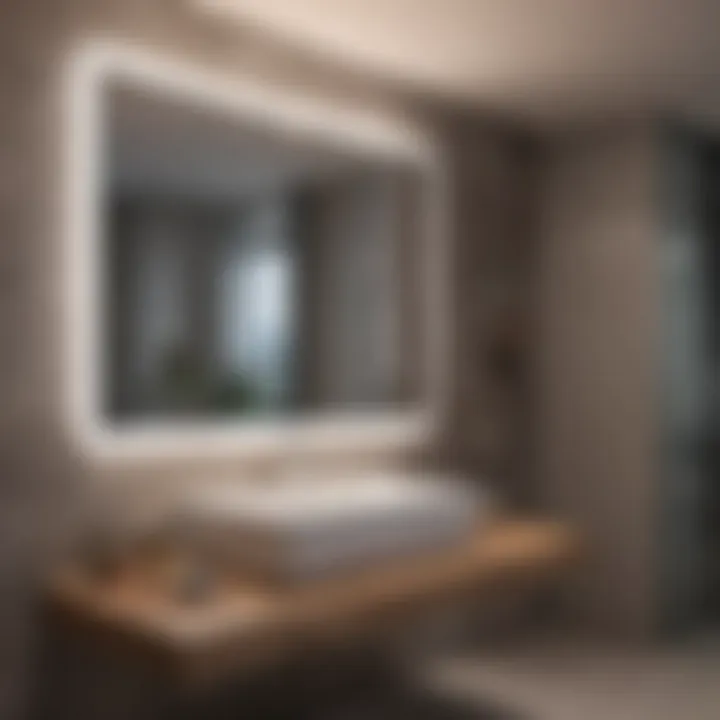
Cleaning Techniques
Cleaning LED touch bathroom mirrors requires specific techniques to avoid damage while ensuring a clear reflection. Here are key options for effective cleaning:
- Use a Non-Abrasive Cleaner: Special glass cleaners or a mild soap solution (like diluted dish soap) can be efficient. Avoid harsh chemicals that could erode the mirror’s reflective coating.
- Soft Cloth Approach: Always opt for a microfiber cloth. It gently cleans surfaces without scratching. Avoid paper towels as they can leave lint behind.
- Gentle Circles for Hard Spots: For stubborn marks, use the cloth in small, circular motions. Taking your time allows for better attention to spots without pushing dirt further into the finish.
Remember: Rinse thoroughly after cleaning to avoid streaks from soap residue.
- Regular Dusting: An easy preventive technique is to regularly dust using a dry microfiber cloth to collect excess dirt and help maintain clarity.
Dealing with Electrical Components
Handling electrical components is an integral part of maintaining LED touch bathroom mirrors. Safety should be the primary concern. Here are several guidelines on managing any electrical components involved:
- Turn Off Power Before Maintenance: Always switch off any circuit breaker supplying power to the mirror to avoid electric shock during any inspection or cleaning done.
- Check Wiring and Connectivity: Regular inspections ensure that there are no loose or damaged wires. Using a multimeter can help ascertain the continuity of electrical connections.
- Do Not Attempt Major Repairs Alone: If any repairs are beyond routine maintenance or seem complex, call a certified electrician. Identifying specific issues early can prevent significant malfunctions down the road.
Longevity and Lifespan Expectations
When purchasing an LED touch bathroom mirror, it is essential to understand its expected lifespan to make an informed investment. Knowing what influences longevity assists in obtaining the maximum utility from the purchase:
- Quality of Components: The caliber of materials used significantly affects lifespan. Quality mirrors can last for up to 10 to 20 years if maintained properly.
- Frequency of Use: Mirrors often used several times a day require more care, reinforcing the need for efficiency in cleaning and maintaining usage awareness.
- Efficiency Regulations: Many modern designs comply with world standards for energy and safety. Higher-quality mirrors will have better energy management properties, resulting in a longer operational OFF effectiveness.
While each component plays an important part in promoting maintenance and care, individual habits also hold value. Investing some time into tending to these elements can reduce long-term costs and extend the life of the mirror dramatically.
Current Trends in LED Touch Bathroom Mirrors
The field of LED touch bathroom mirrors has undergone significant evolution recently. Understanding current trends provides insight into consumers' needs and preferences. These trends reflect advances in technology, an emphasis on sustainability, and market demands.
Smart Technology Integration
The integration of smart technology is among the most significant trends influencing LED touch bathroom mirrors today. Consumers seek convenience, and smart mirrors offer various features enhancing usability. Many mirrors now include options such as voice control and smartphone connectivity. These features enable users to adjust lighting or mirror settings using mobile applications or voice commands.
Furthermore, integration with smart home systems enhances user experience. Many modern LED touch mirrors sync with home automation systems, allowing users to control lighting or settings alongside other home devices. Tile enablers can be effective for ambient lighting adjustments that cater to different moods.
Drafting integration features maximizes practicality for daily routines. For example, smart LED mirrors can display the weather, news, or personal calendars directly on the mirror surface. Thus, seamlessly incorporating technology into everyday life supports busy homeowners' lifestyles.
Sustainability Features
Sustainability continues to be a prevalent concern among consumers, forcing manufacturers to innovate eco-friendly designs for LED touch bathroom mirrors. Customers increasingly prefer products that decrease environmental impact. Today's mirrors often feature LED lighting with reduced energy consumption compared to traditional lighting.
Using materials with lower carbon footprints in the construction of mirrors further supports sustainable practices. For instance, optting for mirrors constructed with recycled glass contributes environmentally friendly manufacturing. Some mirrors may also offer solar-power capabilities, serving as an additional feature to encourage sustainable energy usage.
Additionally, brands that demonstrate a commitment to sustainability often earn higher consumer loyalty. Customers feel better about their purchases when brands share transparency regarding production processes and material sourcing.
Consumer Preferences and Market Insights
Understanding consumer preferences is critical in the LIED bathroom mirror market. As with many home improvement products, practicality must balance aesthetics. Current trends indicate an increased market demand for multifunctional mirrors combining stylish designs with essential capabilities.
The contemporary market features reflections in a variety of styles, such as minimalist to ornate. Homeowners are not just looking for functionality; they also desire designs that complement their overall bathroom decor. Mirrored surfaces that project a sleek and modern image add elegance while remaining practical.
Regular data collecting, such as surveys and feedback, helps manufacturers tailor products according to consumer insights. Sales predictions also show features enhancing user experience, such as anti-fog screens or adjustable brightness settings, are desirable to buyers. With constant market analysis, producers can stay up to date with evolving consumer expectations.
Ultimately, those who adapt to current trends will likely claim a competitive edge in an increasingly crowded marketplace, fully benefiting from the innovations in LED touch bathroom mirrors.
Closure
The conclusion serves as a vital juncture in the discourse on LED touch bathroom mirrors. It encapsulates the journey through various components that contribute to the utility and appeal of these innovative fixtures. As discussed throughout the article, key aspects of LED touch mirrors significantly enhance functionality and aesthetic value within bathrooms. For housewives and homeowners, this translates into a fusion of practicality and style.
Summary of Key Points
The benefits surrounding LED touch bathroom mirrors include:
- Technological Advancements: These mirrors feature touch-sensitive capabilities, allowing for ease of use.
- Energy Efficiency: Incorporating LED technology means they consume less power and have a longer lifespan compared to traditional lighting solutions.
- Design Versatility: With various sizes and styles, these mirrors can integrate seamlessly into any bathroom design.
- User Convenience: Many models now come with additional features, such as adjustable brightness and smart connectivity.
Overall, these aspects combine for a highly user-friendly solution that addresses both functional necessities and aesthetic pursuits.
Future Outlook
As the bathroom decor landscape evolves, the outlook for LED touch mirrors seems promising. Innovations in smart technology may continue dictating future development, resulting in connected appliances that enhance efficiency and user experience. Sustainability will play a more considerable role, pushing manufacturers to utilize eco-friendly materials in production.
Additionally, consumer preferences are likely to continue leaning toward both sleek minimalist designs and multifaceted functionality. Envision a future where bathroom mirrors are intuitive, possibly featuring advanced sensors that adjust lighting based on time of day or user preference, marking another step in the evolution of bathroom ergonomics.
In summary, LED touch bathroom mirrors do not only represent a current trend but also set a benchmark for future bathroom innovations.