Modern Bathroom Design: Integrating Bathtubs and Showers
Intro
The contemporary bathroom design landscape pushes boundaries, inviting unconventional combinations and maximizing usability. Integration of a bathtub into a walk-in shower signifies the zenith of functional beauty. Not only does this design mindset promote efficiency, but it also reflects a modern sensibility in leisure spaces. With challenges of space constraints and needs for relaxation meeting practical design, this layout offers both aesthetic charm and practicality for homeowners.
As you consider this transformation, it is crucial to break down this project into manageable tasks. The goal is to create a serene environment where you can transition smoothly between refreshing showers and calming baths. Dive into the integration journey with a clear understanding of the required materials, careful planning, and sequence of actions.
Materials:
To initiate this project, gather the necessary materials. Set your space right with the following items:
- Bathtub (Oval and standard sizes available – check local dimensions)
- Walk-in shower base (Sturdy option that fits your bathtub)
- Selected tiles for flooring and walls (ample coverage should be planned)
- Water-resistant mortar (plus a bucket
- Backer board (standard sizes: 3'x5')
- Caulong for sealing gaps
- Grout (match color with tiles)
- Faucet system (compatible with both bathtub and shower components)
- Showerhead (consider handheld and fixed designs)
- Shower screen or curtains (max 72 inches width for flexibility)
- *Drain system (ensure proper alignment with plumbing)
- Excess waterproofing material (contingency for installation)
- Tools: power drill, trowel, tile cutter, level, measuring tape, sponge, safety goggles, hammer, and caulk gun.
Accurate measurements are critical when selecting the items. Additionally, do not forget potential regions outside your primary material selections, such as wall panels or storage units. This breadth of materials amplifies durabilrty and placese aesthetics at the forefront with seamless integration.
DIY Steps:
Step 1: Planning and Preparation
- Assess your existing space to understand dimensions.
- Design a layout that highlights both bathtub and shower.
- Consider plumbing needs and way water flows through.
Step 2: Acquire Materials
- Purchase all listed materials from a thrify source or specialized store, verifying specific sizes.
- Measure and check gauges of plumbing fittings and drainage systems.
Step 3: Installation 🌟
6.## Drain Cap Placement: a. Mark the desired drain placement in the floor base for alignment. b. Cut an appropriate hole and securely attach to the drain pipe grooves. 7. Backer Board Installation: a. Cut the backer board to size. b. Position it below the areas where both the bathtub and shower attain installation. 8. համապատասխան պատասխան հանդիսացող Իրավիճակ 9. Apply waterproofing over backer curbs, allowing ten to twenty minutes to dry.
- Floor-second - Shower Floor Tile:** a. Efficiently work your irrigation for rigid acceptance during flooring. b. A mesh grout technique can help create an uninterrupted tiling view.
- Begin to place the bathtub once mortar points are checked.
- Follow wiring needs for the shared drain as needed.
Technical Aspects:
To ensure this design stays at its peak aesthetic and functional quality, follow this preparation list and construction pacing. Ensure environment levels are comfortable during mounting setups.
- Tools Needed:
- Timing: Dedicate at qualities of three to four full days, allocating serious review time (if working alone).
- Laser level for accurate layouts.
- Caulk gun for sealing joints smoothly.
Process:
Step after step build reliability and readiness. Maintain site flexibility for unforeseen hurdles.
- While placing tiles: 1: Start from the center and clear any shifts away. Measure randomized additional formation clearance, integrating a pattern as fully visible and executed with ease.
Troubleshooting Tips:
- If misalignments shown, adjust drains by marking isolation boundaries properly.
- Common mistakes can include droops or bends for aligning fixtures outside maximum supportive tubes. Campaign clear overview each stage distinctly, so errors are documented methodically.
Home improvement demands attention and patience, but integrating a bathtub into a walk-in shower grants profound lifestyle satisfaction.
In staying true to life choices, ensure this integration trend serves both style and sustains enriching routines.
Prolusion
Integrating a bathtub into a walk-in shower represents a noteworthy development in bathroom design. This combination not only fulfills the practical needs of homeowners but also enhances aesthetic appeal significantly.
The importance of this topic lies in its capacity to adapt to diverse lifestyles and preferences while considering space limitations. As urban living becomes more prevalent, bathrooms often shrink in size. Thus, finding innovative solutions becomes crucial for maximizing utility.
Homeowners can achieve balance through this integration. It offers flexibility between the two bathing approaches: a relaxing soak and quick rinses. Flawlessly merging these two elements caters to varying urgency and time constraints that many face in thier daily routines.
Benefits of Integration:
- Provides various bathing options that cater to different preferences.
- Increases perceived value of the home.
- Creates a luxurious feel in an otherwise utilitarian space.
From a design perspective, it raises unique considerations. All aspects from space requirements to materials must be accounted for. Thinking strategically about layout can contribute to a more functional and harmonious space. Factors like water management and safety must also remain a priority to enhance user experience.
This article seeks to convey an informed exploration of integrating bathtubs within walk-in showers. By understanding both the current trends and the historical context, homeowners can make decisions that enrich both their culture of bathing and overall living quality.
Understanding the Concept
Integrating a bathtub into a walk-in shower offers a unique bathroom design that combines the functionality of both bathing experiences. Understanding what each component brings to the larger design will aid homeowners greatly in their decisions. It becomes critical to analyze the space effectively, evaluate personal preferences, and recognize practical applications in overall home design.
Definition of Walk-In Showers
Walk-in showers present a concept of bathing that emphasizes accessibility and space efficiency. Defined primarily by their open layout, these showers require no doors or curtains, allowing for seamless transitions between the shower space and the rest of the bathroom. Relative to traditional shower setups, they demand a higher level of design consideration, focusing less on structural impediments and more on user experience. With their minimalistic design, walk-in showers are often viewed as a modern twist on traditional bathing, especially prevalent in contemporary bathrooms. This openness can lead to an illusion of larger space, which many homeowners appreciate.
Overview of Bathtubs
Bathtubs supplement the modern bathroom experience, serving relaxation and comfort. They come in a variety of shapes and materials, like acrylic, cast iron, and freestanding designs. Each type has its distinct aesthetic qualities and functional attributes. Traditional bathtubs are stark contrasts to the minimalist approach of walk-in designs but combining them offers a dual-function utility. Many people see the experience of soaking in a bath as a retreat, often heading to the tub after a stressful day. Additionally, modern tub designs include options for efficiency, creativity, and style that encourage harmonious coexistence with walk-in showers.
Integrating a bathtub enhances not only aesthetics but also practical usage, making rooms more versatile. Time spent in both a bath and shower can satisfy differing needs—whether seeking a quick refresh or a leisurely soak. The viewpoint of this synthesis is refocusing on comfort, functionality, and benefit rather than designer norms. Hence, understanding not just the definitions and standard utilities of these two features becomes fundamental for any homeowner vying for an upgrade.
Consider participating in online communities like Reddit where discussions regarding bathroom renovations often unveil unique design perspectives and experiences, enhancing the homeowner's understanding of integration choices.
Historical Perspective
Understanding the historical context of bathroom design provides insight into current trends and preferences. The way bathrooms have evolved can shed light on why certain features, like the integration of a bathtub into a walk-in shower, are becoming increasingly common. This section will explore the evolution of bathroom design and the factors that led to the emergence of walk-in showers.
Evolution of Bathroom Design
Bathroom design has experienced significant transformations over the years. Originally, bathrooms served only the basic function of sanitation. They were simple spaces with a toilet and perhaps a basin. Early 19th century designs were functional but lacked the aesthetics and comforts we associate with bathrooms today.
As time progressed, the influence of various architectural styles began to shape the layout and features of bathrooms. The incorporation of luxurious materials and design became more popular during the Victorian era, making bathrooms spaces for relaxation and comfort.
Later, during the mid-20th century, the rise of modernism saw a shift towards minimalism. Functionalism dominated, leading to cleaner lines and simpler forms. Spaces became more about utility but still retained certain luxurious elements like bathtubs. It’s during these shifts that the concept of combining a bathtub with other amenities started to take time. Homeowners looking for both convenience and luxury propelled these design trends further, culminating in what we see today.
Emergence of Walk-In Showers
Walk-in showers emerged in response to changing lifestyles and preferences. The traditional handheld shower experience gradually became enhanced by open-plan designs, making showering a multi-sensory experience. Homeowners desired spaces that not only functioned well but also invited relaxation and luxury.
With increasing interest in efficient use of space, professionals found effectively integrating walk-in showers provided several advantages—perhaps most notably are greater accessibility and improved aesthetics. The shift to walk-in showers also paralleled a cultural move towards more open and breezy spaces in homes, aligning bathrooms with adjacent areas. It became apparent that offering both a display of hygiene and a hint of leisure was possible within the same footprint.
The trend of open bathroom designs accelerated in the late 20th century, coinciding with developments in plumbing and bathroom products. Homes began integrating bathtubs within enclosures that also included walk-in showers, allowing seamless transitions between the two types of bathing experiences.
The combination represents a melding of eras: traditional bathing practices with modern aesthetics and functionality, showing how historical influences shape present and future design choices.
As bathrooms evolved, so did homeowners' expectations regarding the luxury, utility, and design of their bathing spaces.
Since then, this trend has grown, pointing towards an integration model that is not only practical but also offers dual benefits of indulgence and minimalist philosophy. Understanding this perspective encourages current and potential homeowners to appreciate the sophistication behind integrating bathtubs and showers, redefining comfort and functionality in their own spaces.
Design Considerations
In the context of integrating a bathtub into a walk-in shower, design considerations play a critical role. The successful melding of these two elements requires comprehensive planning. An effective design speaks to both functionality and aesthetics. Understanding specific factors can help homeowners avoid common pitfalls and enhance their bathrooms' overall feel and appeal.
Space Requirements
A bathroom's size and layout dictate the feasibility of this integration. First, it is essential to measure the available space to accommodate both the shower and the bathtub.
- Available Square Footage: Ideally, a minimum of 50 square feet is necessary to comfortably include both features without excessive congestion.
- Clearances: Ensure adequate space for maneuvering. This includes walking paths and allowance for placing accessories like towel bars or shelving.
- Bathroom Shape: Rectangular or square layouts tend to facilitate better integration than L-shaped designs with limited access.
Visualizing the layout on paper helps to establish flow. Many find it helpful to sketch designs before deciding on final placements.
Materials and Finishes
Selecting appropriate materials and finishes greatly influences the design's success. Here, functionality best practices need to meet style preferences. Material choice must heed several factors: durability, aesthetics, and maintenance.
- Bathtub Material: Options like acrylic or fiberglass are lightweight and easy to maintain. Cast iron provides sturdiness and longevity but comes with considerable weight.
- Shower Surfaces: Non-slip tiles can make the walk-in shower safe while offering visual appeal. Maintainable surfaces help to minimize cleaning concerns.
- Shared Features: The tub and shower can harmonize using the same color palette or material to unify the space. Coordinating grout colors can also create continuity.
Each material option carries virtues. Investigate features comprehensively based on individual requirements before concluding.
Accessibility and Safety Features
Safety and ease of access are paramount in bathroom design, especially when combining a bathtub and a walk-in shower. Homeowners should prioritize functionality while considering demographic factors, such as children or older adults.
- Non-Slip Surfaces: Both tub and shower require slip-resistant materials to prevent falls, a critical safety feature.
- Grab Bars: Installing grips within reach offers support to users when entering or exiting the tub or shower station. Getting these installed at an appropriate height will enhance usability for all ages.
- Low Threshold Entry: Ideally, a walk-in shower should feature minimal elevation transitions. Alongside bathtubs, consider options that reduce the risk of tripping.
Focusing on accessibility not only improves safety but ensures long-term satisfaction with the designed space.
Implementing thoughtful design choices genuinely contributes to an enjoyable user experience that resonates viscerally with good living practices.
Aesthetic Considerations
Aesthetic considerations play a crucial role in integrating a bathtub into a walk-in shower. This element of bathroom design offers a unique opportunity to enhance both the visual appeal and functionality of the space. It serves to create a cohesive environment that not only looks pleasing but also complements the overall design theme of the home.
In this section, we will delve into specific factors that define the aesthetic aspect, focusing on color schemes, lighting solutions, and decorative elements. Each of these components contributes to the ambiance of the bathroom, transforming it into a serene and inviting area. A well-thought-out aesthetic balance can positively impact user satisfaction while increasing the value of the property.
Color Schemes
The significance of color schemes in bathroom design cannot be understated. Choosing the right colors sets the tone for the entire space. Neutral tones like whites, grays, and taupes are often preferred as they create a tranquil environment. However, adding a splash of bold colors can make a dramatic statement and enhance the luxurious feel of the area.
In the case of integrating bathtubs and walk-in showers, consider the following:
- Selecting harmonious shades can create visual continuity. Darker shades might absorb light, making the space feel smaller, while lighter shades can open up the area.
- Mosaic tiles in contrasting colors offer visually interesting textures. Placement of such accents can draw attention without overwhelming the senses.
- Incorporating natural elements like green plants can complement any color scheme. Multiple shades of green give a lively contrast to neutral tones.
“Color influences mood significantly. Choosing a scheme that resonates with personal taste while accommodating seasonal aesthetics can cultivate a more inviting atmosphere.”
Lighting Solutions
Proper lighting acts as a pivotal aspect of bathroom aesthetics. The dynamics of light can emphasize features of a bathtubs and shower combination. This-enhances both functional and stylistic choices. The options are numerous, but some notable considerations include:
- Task lighting near the bathtub and shower can illuminate these areas, making them easier to use. Bright lighting can facilitate activities like skincare.
- Ambient lighting can soften harsh contrasts, creating a gentle glow for relaxation. Warm bulbs are ideal here.
- Accent lighting, which draws the eye to specific features, can be integrated around the bathtub area. Architectural layers in lighting enhance a spa-like ambiance.
Decorative Elements
Decorative elements provide further artistic expression in integrating a bathtub into a shower. These components should be purposefully chosen to match the overall style while enhancing comfort. They can also define personal aesthetic tastes. Some valuable thoughts here include:
- Choosing simple and functional accessories avoids creating visual chaos. Open shelving with neatly arranged towels looks neat while optimizing storage.
- Artwork and mirrors reflect light, contributing to a more spacious feel. A statement mirror can make a considerable difference in how the environment is perceived.
- Adding luxurious touch with textiles, like plush rugs or shower curtains can warm up a space that may otherwise feel cold or sterile.
Functional Benefits
The integration of a bathtub into a walk-in shower combines functionality and aesthetic gained from both bathing methods, providing multiple benefits. Space can be maximized creatively to fit distinct but functional areas within the bathroom. This approach allows homeowners to enjoy the various aspects of bathing in one design.
Combined Experience
Having a bathtub within a walk-in shower enhances the experience significantly. Instead of choosing between a quick rinse or a long soak, it provides both options in one seamless area. Families particularly value this because kids often need different bathing environments. A bath might be necessary for safety or relaxation. Rather than addressing logistical issues, the open concept allows these families to cater to different needs simultaneously. Indeed, multitasking while bathing becomes easier.
Additionally, incorporating both into a single space simplifies bathing routines. Parents can keep an eye on toddlers in the bathtub while simultaneously showering. This eliminates the need for constant room changes. Moreover, integrating a bathtub into a walk-in shower creates a more versatile environment for social interaction, creating a welcoming space in routine home use.
Space Optimization
Space is often a limitation in many bathrooms, especially in urban areas where room such as size can pose a challenge. Integrating a bathtub within a walk-in shower effectively overcomes this issue. The open layout reduces visual clutter, which can often come with traditional shower enclosures. Less rigid boundaries promote an inviting environment, enhancing narrow or limited spaces by eliminating bulky features. Instead, innovative designs slot tubs into corners or along spaces to encourage flow.
Prioritizing multifunctional products also aids in optimizing available space. Selecting a spacious tub that also serves storage for towels enhances utility. Walk-in showers can also maximize surface areas. For example, the space where fixtures might normally reside can have shelves designs specifically designed for quickly accessed soap or shampoo fixtures, further redeeming that area only for soothing relaxation.
Combine all benefits of bathing within one space, therefore ensuring maximum utility and maintenance ease with only a small footprint.
With proper planning, transitions between regions can maintain necessary drainage control, essential in keeping everything functional. Focusing on arranging essential elements keeps a streamlined experience that supports movement and slows chore-like sequences in even the most compact areas.
Challenges of Integration
Integrating a bathtub into a walk-in shower presents distinct challenges that need careful consideration. Recognizing these hurdles is crucial as they can significantly affect both design choices and day-to-day functionality. Homeowners Must understand how these challenges impact water management, installation tasks, and ongoing maintenance. Addressing these issues creates a streamlined implementation process.
Water Management Issues
One of the foremost concerns in combining a bathtub and a walk-in shower is water management. Proper drainage must be strategically designed to avoid flooding, especially since walk-in showers often use an open layout with minimal barriers. Effective drainage systems must accommodate water from both fixtures, necessitating thoughtful planning and the possibility of installing additional drains. Homeowners should consider factors like the slope of the floor and the type of drainage products used. Choosing materials like non-slip tiles and water-resistant surfaces further helps in managing the splashes more effectively.
Installation Complexities
The installation phase for integrating these two elements can often become complicated. Contractors must deal with uneven floor levels, plumbing adjustments, and sometimes structural reinforcements. If the bathtub is a standalone feature, its weight and positioning for plumbing connections introduce further complexity. Another consideration can be local building codes, which may impact design configuration or require plumbing experts for specific tasks. It is important to engage with qualified professionals who understand these aspects, ensuring that the executed plan aligns both safely and functionally.
Maintenance Considerations
Continuous maintenance becomes more labor-intensive when incorporating a bathtub with a walk-in shower. The combination creates unique cleaning requirements to avoid mold accumulation in hard-to-reach places, such as grout lines or hidden corners. The surface materials must be durable and easy to clean, as well as effective against soap buildup or limescale. Establishing a regular cleaning schedule dedicated to the two features prevents wear and keeps them hygienic.
"Effective water management and product maintenance are crucial components in a successfully integrated bathtub and walk-in shower setup."
Ensuring awareness of such challenges supports homeowners in avoiding pitfalls and in making thoughtful decisions for their bathroom layouts.
Cost Implications
The integration of a bathtub into a walk-in shower brings forth several cost implications that potential homeowners must carefully assess. Understanding financial components related to this modern bathroom design is crucial for making informed decisions. Budgetary considerations influence not only the initial expenditure but also the long-term obligations connected with maintenance and enhancements.
Budgeting for Design
Budgeting for the design of a combined bathtub and walk-in shower system is a multilayered process. The first step is to establish your overall budget. This budget should be realistic and consider the distinct costs required for each functional aspect.
Consider key elements such as:
- Renovation Needs: Depending on your space, existing plumbing may need to be rewired or shifted. These adjustments can lead to unanticipated expenditures.
- Material Choices: Amenities like glass shower doors, high-grade faucets, or hydrotherapy bathtubs will significantly impact total spending. Opting for high-quality finishes without exceeding financial capability delivers optimal results.
- Labor Costs: Hiring licensed plumbers and contractors is pivotal. Their fees must be included in your calculations, as skilled strategists can prevent costly remakes and many unforeseen liabilities down the road.
Detailing and prioritizing your wish list will assist in allocating funding effectively. It also creates a platform for dialogues with professionals, ensuring alignment with financial limitations.
Long-Term Value
Investing in a bathtub-walk-in shower combination can yield positive long-term returns. Homeowners often emphasize immediate aesthetics, but future value enhancement remains a central component worth amplifying. Real estate agents frequently advise that multifunctional spaces add versatile appeal to potential buyers.
Realizing lasting benefits includes:
- Market Trends: Properties with innovative bathroom designs are more marketable. Showers with tubs engage both bathers and shower-goers, appealing to a larger demographic, increasing buyer interest quickly.
- Resale Potential: Sellers equipped with such well-thought-out designs often secure higher offers. Ultimately, prospective buyers recognize and appreciate well-integrated elements, driving up property assessments across neighborhoods.
- Personal Benefits: While challenging now, this efficiency increases user satisfaction daily. More connections across families slow down bathrooms' wear and tear, which curtails long-awaited replacements or repairs from emerging costs naturally.
Environmental Considerations
The concept of integrating a bathtub into a walk-in shower is not only a design innovation but also relates closely to environmental factors. Homeowners are increasingly aware of their impact on the planet, which influences their decisions in home design. When considering innovations like this, it is crucial to focus on elements that promote sustainability and reduce waste.
Sustainability in Material Selection
Choosing the right materials plays a significant role in the environmental footprint of bathroom renovations. Opting for sustainable materials can greatly improve the overall eco-friendliness of the space. For instance, options such as recycled glass tiles or bamboo vanities are both attractive and resource-efficient. Moreover, this approach minimizes deforestation and conserves energy.
When selecting materials for a bathtub and shower integration, consider the longevity of the products. Durable materials lead to greater sustainability, since they require less frequent replacement and reduce waste. Look for certifications such as GreenGuard or LEED ratings, which ensure materials meet strict environmental standards.
- Recycled Glass: Reflects a contemporary aesthetic while being environment-friendly.
- Bamboo: A renewable resource that grows quickly and requires less energy to process.
- Non-toxic Finishes: Protect air quality and are safer for both health and the environment.
Choosing well will not only fulfill your practical needs but also align your bathroom design with modern environmentally conscious trends.
Water Conservation Strategies
Water conservation is an impressive benefit of integrating bathtubs and walk-in showers. Standard practices can drastically reduce a home's water usage, benefiting both the environment and water bills. Installing fixtures that incorporate low-flow technology can lead to significant savings without a perceptible difference in user experience.
For instance, you may consider:
- Low-flow Showerheads: These can halve water use, compared to traditional showerheads, yet still provide adequate pressure.
- Dual-flush Toilets: Reduces unnecessary water use by providing options for different flush volumes.
- Water-efficient Bathtubs: Look for models designed specifically to use less water while still providing a deep soaking experience.
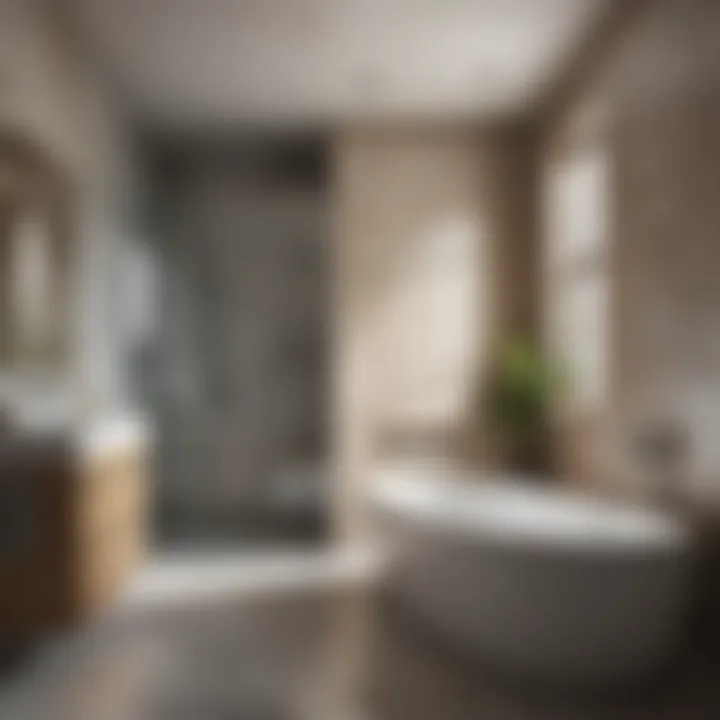
Another essential aspect involves installing a greywater system to reuse water from baths or showers for irrigation purposes.
"Sustainabilty in designCan profoundly impact daily water usage. Lowering consumption on a household level contributes to a larger effect for collective environment."
By thinking strategically about water usage and selecting efficient fixtures, homeowners can create an environmentally-conscious浴室 without compromising on style or comfort.
User Experience
User experience is paramount when integrating a bathtub into a walk-in shower. This distinctive design approach marries two different bathing styles into one space, creating an oasis of comfort and relaxation. To appreciate its significance, let us explore key elements that influence user experience, highlighting benefits and various considerations.
Psychological Benefits of a Dual Setup
The presence of a bathtub alongside a walk-in shower presents psychological advantages that can enhance well-being. Having choices within the same space allows residents to indulge in either a quick refreshing shower or a luxuriant soak. As studies suggest, the act of taking a bath is often associated with self-care and stress relief.
Choosing between options can alleviate decision fatigue and offers a sense of control over one’s personal retreat. Each experience brings a distinct mood and emotional state. For example, showers are often seen as energizing, while baths should foster relaxation. Homes with this dual setup cater to varying needs, adding a layer of personalization to everyday routines. Hence, it encourages healthier habits and promotes mental well-being.
Customization Options
Customization forms one of the highlights of incorporating a bathtub into the shower design. The user's involvement in designing this unique space results in a product that reflects individual tastes and styles. Here are some options that homeowners can consider:
- Color Choices: Homeowners can pick colors that resonate with their personal aesthetic. Choosing soothing hues can promote relaxation.
- Fixture Variety: Different faucets, shower heads, and bathtub designs allow users to find what suits their style. Functions like rainfall showerheads or handheld sprayers further enhance usability.
- Storage Solutions: Integrating shelves and nooks within the design can significantly elevate user experience by keeping necessary items within easy reach.
- Ergonomic Features: Consideration of the user’s height when selecting bathtub depth or bar placements can increase the comfort level in this space.
By choosing customizable elements, homeowners create functionally and visually satisfying environments tailored to their own preferred usage. The immersive experience cultivated within this bespoke bathroom contributes to greater satisfaction and enriches daily life.
Designing a specialized bathroom isn’t just about aesthetics; it’s about understanding the intimate connection a user has with their space and recognizing how choice profoundly impacts their experience.
Future Trends
The integration of a bathtub into a walk-in shower reflects the broader evolution of bathroom design. Understanding the future trends in this domain is essential for homeowners seeking innovation and functionality in their spaces. This section highlights crucial elements that underpin future developments.
Technological Advances in Bathroom Design
Technology plays a significant role in redefining how bathrooms are utilized. These advances enhance both the design and functionality of integrating tubs with walk-in showers. For instance:
- Smart Devices: New technologies allow users to control water temperature, lighting, and even music via smartphone apps. This synergy between technology and bathing creates a more luxurious and personalized experience.
- Water-Saving Innovations: With an increasing focus on conservation, several manufacturers begin to offer designs that consume lesser water without sacrificing comfort. Dual-flush toilets and low-flow shower systems are examples.
- Stylish Display: Mirrors now employ LEDs for a polished look, while many are equipped with anti-fog features. Also, smart mirrors provide touchless controls for better hygiene.
Investing in these technologies can elevate the design of a bathroom and improve user convenience significantly. They help in creating a modern ambiance that resonates with today’s homeowners.
“Embracing technology in bathroom designs is not just a trend; it is becoming a necessity.”
Changing Consumer Preferences
As consumers evolve in their preferences, architects and designers must adapt. These changes reflect broader social trends and practical demands:
- Emphasis on Wellness: Modern bathrooms now lean towards providing a spa-like atmosphere. Many house owners seek comfort and relaxation rather than mere functionality. The dual setup of a walk-in shower alongside a luxurious bathtub caters to this desire.
- Minimalist Designs: There is also a growing tendency towards minimalist aesthetics. Clean lines and simple color schemes reflect calmness, making them ideal for a refreshing bathroom.
- Lifestyle Integration: Homeowners no longer look at bathrooms as just utilities. They seek the integration of technology and design to match their lifestyle demands. This change leads to a careful selection that prioritizes both function and beauty when considering a bathtub and shower combination.
In summary, staying informed about future trends in technology and consumer preferences aids in making more astute decisions in bathroom design. This proactive approach not only maximizes satisfaction but also potentially increases property value.
Case Studies
Case studies are a vital component in understanding integrating a bathtub into a walk-in shower. They offer real-world examples that showcase various aspects of design, functionality, and user experience. Analyzing these case studies helps to highlight successful strategies, common issues, and innovative solutions. Collectively, they illustrate what works and what does not in this unique bathroom design approach, providing insights that can significantly benefit future projects.
Successful Integrations
Instances of successful integrations demonstrate how thoughtful design can create harmonious and functional spaces. These case studies reveal a range of styles—modern minimalism to more traditional settings, each reflecting the homeowner's personality and preferences.
- The Open Concept: Many homeowners chose to incorporate glass partition walls that provide accessibility without sacrificing privacy. These areas can feel larger and more inviting.
- Material Harmony: In a recent case, a homeowner opted for matched tiles in both the shower and bathtub areas to create a seamless look. This technique pulled the space together visually and made maintenance easier.
- Smart Features: Showcases in high-tech homes often included features like rain showerheads above the bathtub, with integrated LED lights. This elevates the experience of bathing versus showering, transforming routine into an indulgent experience.
These successful integrations exemplify a range of practical and aesthetic complements. The benefits extend beyond mere visual appeal and improve the overall usability of the space.
Lessons Learned
Reflecting on lessons learned from previous projects offers guidance towards overcoming challenges in integration.
- Water Management: Some designs experienced drainage issues due to incorrect placement of drains. Proper positioning based on independent water dynamics in the bathtub versus the shower proved essential.
- Space Utilization: Research indicated configurations that prioritize space and layout often led to greater satisfaction—particularly in smaller bathrooms.
- Future-Proofing: Many case studies highlighted the importance of selecting durable materials and timeless designs that cater to changing lifestyle needs over time.
In summary, studying real-world case scenarios emphasizes the importance of planning and foresight. They underpin the need for quality workmanship in bathroom design where a bathtub and shower coexist. Evaluating these practices leads to more informed and sophisticated decisions for anyone considering this modern design approach.
Finale
In this article, we discussed the integration of a bathtub into a walk-in shower, exploring various dimensions of design and functionality. This modern approach has grown in popularity due to various factors, including aesthetic appeal and practical advantages.
It is essential to understand that blending a bathtub with a walk-in shower is not merely about aesthetics. It enhances how spaces are utilized and improves overall user experience. Many homeowners desire both the relaxing retreat of a bathtub and the convenience of a shower, and this setup allows for both preferences to coexist seamlessly.
Key Considerations
- Space Efficiency: More homes are embracing minimalism. Combining these fixtures can lead to optimal use of space, especially in smaller bathrooms.
- Design Trends: Many contemporary styles reflect a desire for luxury and functionality. The design integration aligns well with current trends of open spaces and high-end finishes.
- Emotional Benefits: The psychological impact may be significant. A well-designed space can bring a sense of calm and satisfaction, often translating into daily wellbeing.
Importance of References
- Supporting Evidence: Lawn various designs and innovations in bathroom spaces shows how this merging of fixtures addresses modern needs.
- Contemporary Practices: Accessing peer-reviewed journals or influential design magazines can offer insight into popular trends that can be followed or adapted. For instance, the trends noticed from platforms like Reddit reflect what actual users appreciate about integrated space.
- Technical Specifications: RCAI often assessments technical details about material longevity, design stability, and water efficiency.
- User Experiences: Learning about installation or maintenance from words of the community often illuminates practical obstacles or advantages not always present in professional analyses.
How to Utilize References Effectively
To drill deep into the subject matter, references must be prioritized wisely. Here are some strategies to consider:
- Diverse Sources: Don't rely on singular references. Seek diverse viewpoints to gather thoroughly.
- Current Data: Look for information published in recent years. Fashions in housing design direction shift quickly…and knowing what's hot ensures you're up-to-date.
- Expert Guidelines: Incorporating guidelines from professionals or industry standards solidifies the assessment and help clear confusion around choices.
Continuing to explore ample resources prepares you're more knowledgeable when consultation or engaging in practical elements of your project begins. First-time efforts can seem daunting; organized reference gathering cushions this smooth process.
Integrating a bathtub in a shower is indeed not just about aesthetics; it's about formulating a comfortable, safe, and thermally balanced retreat within the home. Reflecting studies alongside personal experiences brightens the source case, creating marked result independence and strategy comprehension.