Integrated Sink Bathroom Vanities: A Complete Guide
Intro
In today's fast-paced world, the bathroom is no longer just a utilitarian space—it's become a sanctuary for many. And at the heart of this transformation, integrated sink bathroom vanities emerge as a practical and stylish solution. These vanities combine the sink and counter into a single unit, maximizing both aesthetic appeal and functionality.
This article will guide you through the ins and outs of integrated sink bathroom vanities, from selecting the materials and understanding the installation process to appreciating their design and maintenance. By the end, you'll be well-equipped to make an informed decision on whether an integrated vanity is the right fit for your bathroom needs.
Materials:
When diving into a DIY project, starting with the right materials can make a world of difference. Here’s a list to get you on the right track:
Essential Materials:
- Integrated sink vanity unit (e.g., quartz or solid surface material)
- Plumbing kit (P-trap, supply lines, shut-off valves)
- Silicone sealant (100% silicone recommended)
- Caulk (for finishing edges)
- Waterproofing membrane (if installing in a wet environment)
- Cabinet handles or knobs (optional; for added style)
Additional Supplies:
- Screws and hardware for mounting
- Adhesive for sealing joints
- Paint or stain (if customizing the vanity)
- Sponge or cleaning rag
Measurements:
- Vanity height: Standard height is typically between 30 to 32 inches
- Vanity width: Common sizes range from 24 to 72 inches depending on space availability
- Sink basin dimensions: Should correspond to the vanity’s design, often around 16 to 22 inches in diameter for drop-in models.
DIY Steps:
Getting hands dirty can be rewarding when installing an integrated sink vanity. Here, we outline clear steps to guide you through the process, ensuring you achieve a flawless finish.
Step-by-Step Installation Process:
- Gather Your Tools: Before commencing, ensure you have all necessary tools ready. Standard tools include a drill, screwdriver, level, and measuring tape.
- Remove Old Vanity (if applicable): Disconnect plumbing, and carefully remove the existing vanity. Patch any holes or damages to the wall behind.
- Prep the Area: Measure the space where the new vanity will go. Ensure the floor is level. If not, consider using shims for balance.
- Install the New Vanity: Place the integrated sink vanity in position, ensuring it’s level. Fasten into place using screws through the mounting brackets.
- Connect Plumbing Fixtures: Attach the plumbing kit, ensuring seals are tight to prevent leakage. Turn on the water supply to check for leaks.
- Final Touch-ups: Use silicone sealant to fill gaps and caulk around the edges for a clean finish.
Technical Aspects:
Understanding the technical aspects of installation can elevate the quality of your project. Here are some critical points:
- Tools Required:
- Timing Specifics:
- Critical Techniques:
- Drill
- Level
- Screwdriver
- Pipe wrench or adjustable wrench
- Allow approximately 4-8 hours for full installation, depending on experience level.
- Ensure the sink aligns properly with the plumbing to avoid unnecessary strain.
- Use a spirit level to check both the vanity and sink; any tilt can lead to drainage issues over time.
DIY Project Process:
Once equipped with materials and a plan, the installation journey becomes easier. Let’s delve into the sequential steps:
Key Techniques and Timings:
- Keep a close eye on the drying times for adhesives and sealants; they often require at least 24 hours to achieve maximum adhesion.
- After installation, you may need to adjust the faucet or drain based on water pressure or alignment.
Troubleshooting Tips:
Even the best projects have hiccups. Here’s how to navigate through some common issues:
- Leaking Connections: Tighten fittings and re-check seals with silicone, ensuring everything is snug.
- Unlevel Vanity: Check beneath to see if the floor requires shimming.
- Tempered Glass Cracks (if applicable): Avoid using harsh chemicals during clean-up that might endanger glass integrity.
"Taking your time during installation can save stress down the road. A small misstep can lead to big repairs."
Understanding Integrated Sink Bathroom Vanities
When stepping into the realm of bathroom designs, integrated sink bathroom vanities stand out quite prominently. They are not mere fixtures; they are the intersection of style, practicality, and innovation in modern living spaces. Understanding these vanities is essential for house owners and housewives aiming to create a home environment that is not just functional but also visually appealing.
From a design perspective, integrated sink vanities offer a seamless look, where the sink and the vanity unite as one cohesive unit. This design choice isn't only about aesthetics. It simplifies cleaning and enhances usability, transforming daily routines from mundane tasks to smoother experiences.
Moreover, these vanities come with several benefits that cater to the needs of today’s homeowners:
- Space-Efficiency: They maximize available space, making them ideal for both small and large bathrooms.
- Ease of Care: Fewer seams and joints mean less opportunity for dirt and grime to accumulate. A quick wipe can usually do the trick.
- Customization: Homeowners can choose from various materials and finishes, allowing them to express individual tastes and preferences.
Understanding integrated sink bathroom vanities isn't just about functionality; it’s also about making an informed choice that reflects the personality and needs of the household. As modernization steadily sweeps through home design, these vanities are becoming more than just a trend; they represent a significant evolution in how we approach bathroom spaces.
Definition and Characteristics
Integrated sink bathroom vanities are essentially bathroom units where the sink and cabinet are part of a single, unified design. Unlike traditional setups, where sinks and counters are separate, here, the sink is cast directly into the countertop or designed to fit perfectly within the vanity itself.
These vanities are often made from a variety of materials, including:
- Laminate: Affordable and easy to maintain, perfect for families.
- Marble or Quartz: Offers a luxurious look with durability and easy cleaning.
- Wood: Brings warmth to the space but often requires more maintenance to avoid water damage.
In addition to aesthetics, it’s also crucial to consider functionality. The height, depth, and overall size of the integrated sink play a significant role in usability. Adjusting these variables can greatly enhance comfort, especially for families with varying heights and ages.
Comparative Overview: Integrated vs. Separate Sinks
When weighing options for bathroom vanities, a natural question arises: How do integrated sinks measure up against traditional separate sinks?
Integrated Sinks:
- Pros:
- Cons:
- They save space, especially useful in compact bathrooms.
- They promote easier cleaning surfaces, thanks to reduced gaps and seams.
- They typically come with coordinated designs, improving the overall aesthetic of the space.
- Installation can be trickier and may require professional help.
- Limited in adaptability, particularly if styles change.
Separate Sinks:
- Pros:
- Cons:
- Flexibility in changing one piece without affecting the whole setup.
- A wide range of styles to choose from, which permits customization.
- More surface areas mean increased effort for cleaning.
- May occupy more space due to additional parts and fixtures.
Design Principles of Integrated Sink Bathroom Vanities
In the ever-evolving world of interior design, integrated sink bathroom vanities stand out due to their unique blend of functionality and aesthetics. The design principles behind these fixtures aren't just a matter of style; they touch on deeply practical aspects that can make or break a bathroom's appeal. From how the space feels to how efficiently it works, these principles guide homeowners toward smarter choices. The core elements include aesthetic appeal, maximization of available space, and careful selection of colors and materials, which together create a seamless blend of elegance and practicality.
Aesthetic Appeal and Contemporary Styles
The visual impact of integrated sink bathroom vanities is a significant consideration. Homeowners now often seek not just function but chic designs that increase the bathroom's character. A sleek, modern design can make a small space feel open and inviting.
- Simplicity in Lines: Clean lines and understated elegance dominate contemporary styles. For instance, a matte black vanity coupled with a white sink can create a striking contrast, balancing simplicity and sophistication.
- Playing with Textures: Mixing materials, such as wood and stone, can also enhance charm. Imagine a brushed nickel faucet perched atop a smooth quartz surface—this juxtaposition highlights creativity in design.
- Customization: Many homeowners opt for personalized features, like unique sink shapes or fixtures that reflect their style. This creativity transforms functional spaces into artistic statements.
"Design isn't just what it looks like and feels like. Design is how it works."
Maximizing Space Utilization
Space can be a tricky thing in bathrooms, especially smaller ones. When it comes to integrated sink vanities, efficient design can pave the way for both aesthetic and functional maximization.
- Built-in Storage Solutions: Many of these vanities come with drawers and shelving that capitalize on every inch. This means you can store toiletries and towels without clutter becoming an issue.
- Dual Purpose: Some designs incorporate seating areas, allowing a place to sit while getting ready, which is perfect for mornings when time is tight.
- Slim Profiles: Opting for narrower designs can open floorspace, making the bathroom look spacious and airy while still allowing for all necessary components.
Color Schemes and Material Selection
The colors and materials chosen for an integrated sink vanity can dramatically influence the overall vibe of the bathroom. It’s essential to consider the thresholds of taste and harmony in every choice.
- Neutral Palettes: Soft whites, greys, and tans often create a serene backdrop, allowing for seasonal changes in decor without the need for a major overhaul.
- Bold Accents: On the flip side, splashes of color through accessories or even the vanity itself can create focal points. For example, a navy blue cabinet paired with gold accents can evoke a fresh and sophisticated look.
- Material Durability: Choosing materials isn't only about looks—durability must also be at the forefront. Materials like granite or solid quartz resist the wear and tear that bathrooms typically endure, ensuring longevity.
Functionality and Practicality
The importance of functionality and practicality in integrated sink bathroom vanities cannot be overstated. These elements serve as the backbone of any successful design. When you choose a bathroom vanity that integrates the sink, you're not just making an aesthetic decision; you’re prioritizing usability and convenience. Integrated vanities complement the daily routines of homeowners, offering features that address both form and function. This dual nature is key to creating spaces that work well and still look good.
Ease of Cleaning and Maintenance
One noticeable advantage of integrated sink bathroom vanities is their ease of cleaning. An integrated sink merges seamlessly with the countertop, minimizing the nooks and crannies where dirt and grime typically accumulate. Since there's no gap between the sink and the countertop, homeowners can simply wipe down the surface without worrying about the stubborn build-up that occurs with traditional setups.
Regular cleaning often requires no more than a simple soap-and-water wipe down. Some materials, like quartz, offer even more ease with their non-porous surfaces, preventing stains and bacteria from taking hold. Moreover, integrated designs frequently feature smooth finishes, reducing the overall effort needed for maintenance.
"A clean bathroom is not just visually appealing; it positively affects your overall health and well-being."
Storage Solutions Integrated in Design
Storage is paramount in any bathroom, and integrated sink vanities often come equipped with cleverly designed compartments. This might include drawers that slide smoothly beneath the sink or cabinets designed to make use of otherwise wasted space. The drawers can house toiletries, cleaning supplies, or even linens, encouraging an organized space that tends to clutter.
For instance, think about pull-out organizers that can hold everything from hair driers to bath salts. With these integrated solutions, everything has its place, decluttering surface areas and making the bathroom feel more spacious. This design means no more searching high and low for that elusive tube of toothpaste!
Adaptability to Different Bathroom Sizes
Another distinct advantage of integrated sink vanities is their adaptability to a variety of bathroom sizes. They can be found in a range of designs from compact styles for smaller spaces to more substantial units for larger bathrooms. By altering factors like depth, width, and the configuration of the sink, homeowners can choose models that best fit their unique bathroom dimensions.
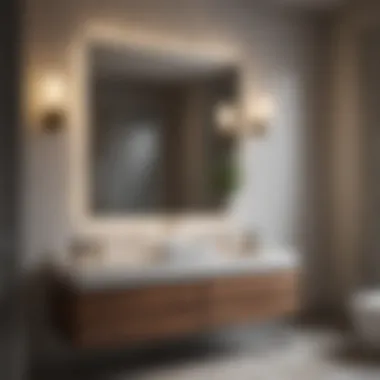

This versatility means that whether you are revamping a cozy powder room or remodeling a master bath, there's an integrated vanity that serves your specific needs. The flexibility also extends to styles and colors, making it easier to incorporate them into any design aesthetic.
Creating a striking visual without sacrificing functionality is a win-win approach for any homeowner.
Installation Considerations
When it comes to integrated sink bathroom vanities, installation isn't just a simple formality—it's a crucial juncture that can determine the vanity’s overall functionality and aesthetic appeal. Proper installation can make or break the entire project, ensuring everything fits snugly and performs efficiently. Think of it as the foundation of a house; without a solid base, what’s built on top may not hold together for long.
Preparation for Installation
Preparation is key. Before diving into the installation process, it's wise to take stock of everything you'll need. This includes the vanity itself, sink, plumbing fixtures, and tools such as wrenches, screwdrivers, and a level. First off, measure your existing space to ensure that the new vanity will fit like a glove. Don’t forget to account for the specific plumbing configuration, existing wall structure, and clearance for other fixtures in the bathroom.
- Measure the bathroom space accurately, including doorways and hallways.
- Familiarize yourself with local plumbing codes to avoid complications.
- Gather all necessary tools and materials before starting.
Also, consulting the manufacturer’s instructions can save you from headaches. This helps in highlighting any particular steps or requirements unique to that specific product. It's like having a roadmap before embarking on a road trip—you’ll want clear directions to reach your destination seamlessly.
Professional vs. DIY Installation
Now, this one boils down to personal preference and expertise. Many experienced homeowners with a knack for DIY might tackle this project on their own. Installing an integrated sink bathroom vanity can be satisfying, giving the chance to learn on the go. However, there’s also a case for calling in the pros.
Advantages of DIY Installation:
- Cost-effective as you save on labor costs.
- Flexibility to work at your own pace.
Advantages of Professional Installation:
- Expertise in managing unexpected challenges.
- Warranties often cover workmanship.
Some may feel comfortable handling installation but it might entail financial risks, especially if unanticipated plumbing issues arise. Others, meanwhile, value the peace of mind that comes with hiring a seasoned plumber or contractor—the guarantee that everything is up to code and functioning properly.
Common Challenges During Installation
Navigating the installation of integrated sink bathroom vanities doesn't come without its hiccups. Being aware of the common challenges could save unnecessary grief and time.
- Alignment Issues: Getting everything lined up just right can be trickier than it sounds. A small miscalculation at the start can mean a lot of adjustments later on.
- Plumbing Complications: Existing plumbing might not align with the new vanity's setup. Misalignment can lead to leaks, so don’t skip the checks!
- Weight Concerns: Integrated sink vanities can be hefty. Ensure the surrounding cabinetry can handle the weight, or you might end up with sagging or structural problems.
- Surface Damage: During transport or installation, it’s easy to scratch or dent the surfaces. Take care while maneuvering it through tight spaces.
"A solid installation doesn't just enhance beauty; it adds to the value of your home."
Despite these potential roadblocks, with careful preparation and an approach tailored to your skills and resources, anyone can navigate the waters of installing integrated sink bathroom vanities successfully.
Material Considerations for Integrated Sink Vanities
When it comes to integrated sink bathroom vanities, material selection plays a pivotal role in defining both aesthetics and functionality. The materials you choose are not just about appearance; they fundamentally influence the longevity, upkeep, and overall experience of your bathroom. In this section, we will explore different materials, assess their pros and cons, and delve into eco-friendly choices, which are becoming increasingly popular among home owners conscious of environmental impact.
Exploring Popular Materials
There’s a wide array of materials available for integrated sink vanities, each possessing unique characteristics and benefits. Here’s a closer look at some of the most popular options:
- Quartz: This engineered stone material is prized for its non-porous nature, making it resistant to stains and easy to clean. It also comes in various colors and patterns, so it can fit into any design theme.
- Solid Surface: Composed of acrylic and other materials, solid surfaces offer a seamless look that’s both modern and sleek. They are durable and can be molded for unique shapes and designs.
- Natural Stone: Choices like granite and marble add a touch of luxury to your bathroom. They're beautiful but can require more maintenance due to their porous nature. Regular sealing is necessary to maintain their appearance.
- Wood: While not as common, wooden vanities can create a warm and inviting atmosphere. However, wood can be sensitive to moisture, so proper sealing and maintenance are key to ensuring longevity.
- Ceramic and Porcelain: These materials are traditional choices for basins and offer a classic look. They are less versatile than others but remain durable and easy to maintain.
Understanding these materials helps home owners make informed decisions that align with their design preferences and functional needs.
Durability and Longevity
When investing in an integrated sink vanity, durability should be at the forefront of your considerations. After all, a vanity is not just a piece of furniture; it bears the brunt of daily use, splashes, and the mist of a humid bathroom.
Different materials offer varying degrees of durability:
- Quartz and solid surfaces generally excel in strength and resilience, standing strong against scratches and chips.
- Natural stones are durable but can be less forgiving; they may crack or stain if not carefully maintained.
- Wood, despite its beauty, can warp or swell in humid conditions, making it less suited for moist environments without proper treatment.
Investing in high-quality materials that offer longevity can save you time and money in the long run by reducing the need for replacements or extensive repairs.
"A well-chosen integrated sink vanity can serve its purpose for years, enhancing your bathroom’s utility and charm without demanding constant attention."
Eco-Friendly Options
As awareness around sustainability continues to rise, many homeowners are leaning towards eco-friendly materials for their integrated sink vanities. Selecting green options not only reduces your environmental footprint but also often results in healthier indoor air quality.
Here are some options that reflect an eco-conscious choice:
- Recycled Materials: Some manufacturers produce vanities using recycled glass or reclaimed wood, embodying an ethos of sustainability.
- Bamboo: This fast-growing plant is an excellent alternative to traditional hardwood, offering both durability and a stylish appearance.
- Low-VOC Finishes: Choosing finishes that are low in Volatile Organic Compounds helps minimize harmful emissions, creating a healthier bathroom environment.
Incorporating eco-friendly materials into your bathroom design reflects a commitment to sustainability while still enjoying the luxury and functionality of integrated sink vanities.
Understanding material considerations is vital in making informed choices for integrated sink vanities. By carefully evaluating different materials, their longevity, and eco-friendly options, homeowners can strike a balance between beauty, practicality, and sustainability.
Customization and Personalization
Customization and personalization in integrated sink bathroom vanities are not just about aesthetics; they resonate deeply with individual functionality and identity in home design. In a space as personal as the bathroom, where daily rituals unfold, having the ability to tailor elements to your specific needs can elevate the entire experience. This isn't simply about selecting a color or a style; it's about creating an environment that reflects personal taste while seamlessly integrating into your lifestyle.
Tailoring to Individual Needs
Every homeowner has distinct preferences and requirements when it comes to their bathroom setup. For instance, a busy family may prioritize durability and ease of cleaning, while someone living alone might focus on style and a boutique feel. When considering an integrated sink vanity, it’s essential to evaluate how each element can address these unique needs.
- Space Considerations: Small bathrooms can benefit from compact designs, allowing for more storage without sacrificing aesthetics. Conversely, larger spaces might allow for grander designs with additional features.
- User Experience: Accessibility is crucial. For individuals with mobility challenges, designing a vanity that accommodates reach and usability can be a game changer.
- Storage Solutions: Tailoring storage in accordance with your needs helps create efficiency. Additional drawers for toiletries, or deeper cabinetry for oversized items, enhances functionality.
Choosing Fixtures and Faucets
Fixtures and faucets are often where the magic happens in integrated sink designs. The right choices here can either complement the vanity or make it stand out as a focal point. Choosing fixtures requires thoughtful consideration about both style and functionality.
- Style Matching: Whether opting for a sleek modern look or a vintage charm, the fixtures should harmonize with the overall design of the vanity. Gold finishes paired with dark wood can impart a luxurious vibe, while matte black fixtures provide a trendy edge.
- Water Efficiency: It's not just style; modern faucets come in various designs that prioritize water conservation. Selecting fixtures that are water-efficient benefits both the environment and your water bill.
- Ease of Use: Leverage technology with faucets that might include touchless controls or temperature regulation features. These small conveniences can enhance daily usability.
Creative Design Solutions
The creativity afforded by integrated sink bathroom vanities doesn't end with basic shapes or colors. Designers and homeowners alike can push the envelope with ideas that break the traditional mold. Creativity can manifest in numerous ways, and here are some considerations:
- Mixed Materials: Don't shy away from combining materials. Wood with stone or glass can create captivating contrasts in texture and depth. For instance, a reclaimed wood vanity with a glass sink adds an element of surprise.
- Color Pop: Neutrals will always hold a place, but why not dare to add a splash of color? Unique paint finishes or unexpected color combinations can breathe new life into your space.
- Integration with Lighting: Innovative use of lighting can completely alter the feel of the vanity. Backlit mirrors or integrated LED lighting within cabinetry showcases design while adding functionality.
Customization is the bridge between standard fixtures and personal expression.
Market Trends and Innovations
Market trends and innovations in integrated sink bathroom vanities are essential for understanding the evolving landscape of bathroom design. Homeowners, particularly housewives and those deeply involved in home management, are constantly seeking stylish yet functional solutions. The importance of staying updated on these trends cannot be overstated, as they influence choices related to aesthetics, space efficiency, and cost-effectiveness.
Recent years have seen a surge in demand for integrated sink vanities that balance luxury and practicality. Homeowners want to make a statement while also ensuring their selections harmonize with the broader design of their living spaces. This merging of form and function is not just a trend; it’s a shift toward a lifestyle that prioritizes not only appearance but also convenience.
Emerging Styles and Features
In today's market, a variety of styles have emerged that cater to diverse tastes. Integrated sink vanities now come in various finishes, textures, and configurations, allowing personal expression through home decor.
- Minimalist Designs: The rise of minimalism means fewer frills and more functional pieces. Clean lines and neutral colors are favored.
- Vintage and Industrial Fusion: Combining classic charm with modern utility, this style brings warmth and personality into the bathroom. Think wrought iron, distressed wood, and unique sink placements.
- Bold Colors and Textures: A growing number of designs feature striking colors, such as deep greens and urban grays, alongside innovative materials like quartz and recycled synthetics, which allows for creativity in bathroom aesthetics.
Not to mention, the addition of smart features—like sensor-activated faucets and integrated lighting—has elevated the standard of these vanities, making them more enticing for homeowners looking to upgrade their spaces.
Influence of Technology on Bathroom Design
As technology continues to advance, it's making a significant impact on how we approach bathroom design. Integrated sink vanities are no exception. Home automation systems are becoming commonplace, and bathrooms are increasingly part of the smart home ecosystem.
- Smart Faucets: These allow for precise water control, minimizing waste. Households appreciate the ease of touchless technologies, as they enhance cleanliness.
- Water-Saving Features: Due to rising environmental concerns, manufacturers are incorporating systems that reduce water flow without sacrificing performance.
- Integrated Technology: Innovations like Bluetooth speakers built into mirrors or smart faucets that remember your water temperature preferences have changed the bathroom experience dramatically.
Incorporating these technologies is not just about luxury; it can lead to significant cost savings in utility bills over time. Plus, they enhance the user experience, appealing to those who value efficiency.
Predicted Future Developments
Looking ahead, several predicted developments in integrated sink vanities point to an exciting evolution in bathroom design. As sustainability becomes a central theme for consumers, we expect to see:
- Increased Use of Eco-Friendly Materials: Vanities made from recycled materials and sustainably sourced woods will become even more prevalent, reflecting consumers' demand for greener choices.
- More Customization Options: Homeowners want products that fit their unique needs, thus manufacturers will likely offer greater flexibility in vanity designs, sizes, and features, accommodating both small and large spaces seamlessly.
- Focus on Wellness: The concept of wellness in home design will influence vanities. Features like adjustable lighting that mimics natural daylight or aromatherapy fixtures integrated into the design may soon become standard.
"The future of integrated sink bathroom vanities reflects a shift toward sustainability and customization, resonating deeply with the modern homeowner's preferences."
End: The Future of Integrated Sink Bathroom Vanities
The world of bathroom design is evolving consistently, and integrated sink bathroom vanities are steadily making their mark. In this section, we take a closer look at the essence of integrated sink vanities and explore the trends shaping their future. Embracing bold designs and functionality, these vanities not only offer aesthetic appeal, but also reshape how we approach bathroom comfort and utility.
Summarizing Core Insights
As we wrap up our exploration, several core insights stand out. Integrated sink bathroom vanities fuse form and function in a way that enhances modern living. They are designed for optimal use of space, making them an ideal choice for compact bathrooms. Here are some key takeaways:
- Space-Saving Design: These vanities fit snugly against walls, creating room for more fixtures or additional storage.
- Ease of Maintenance: With fewer crevices than traditional setups, cleanup becomes a breeze, allowing for a hygienic environment.
- Customization Potential: Homeowners have a wide array of materials, colors, and styles to choose from, making personalization straightforward.
"The choice of an integrated sink vanity transcends mere aesthetics; it becomes an integral part of efficient bathroom functionality."
In summary, integrated sink vanities stand out for their practicality while catering to varied stylistic preferences. Their growing popularity signals a shift in the way we design and utilize bathroom spaces.
Final Thoughts on Design and Functionality
When it comes to design and functionality, integrated sink bathroom vanities encapsulate innovation. They are no longer just about being visually appealing; they are about enhancing daily routines. Whether it’s a small powder room or a spacious master bath, these vanities adapt seamlessly.
From minimalist designs to those adorned with intricate details, they align with diverse tastes. The integration of smart technology, such as touchless faucets, is another trend to watch. These features not only improve usability but also add a modern touch to traditional styles.
Some considerations as we step into the future:
- Sustainability: There is a notable shift towards eco-friendly materials, ensuring that beauty does not come at the expense of the environment.
- Technology Integration: Smart technology will increasingly play a role in enhancing the functionality of these vanities, offering features like water-saving systems and ambient lighting.
- Longevity and Maintenance: Homeowners will prioritize fixtures that retain their appeal and functionality over time, leading to greater investments in upmarket materials.