Detailed Guide on Nurturing Indoor Plants for Optimal Growth and Health
Materials:
- Potting soil: 2 bags of premium organic potting mix, each bag weighing 3 gallons for a total of 6 gallons.
- Plant containers: 4 ceramic pots, each with a diameter of 8 inches.
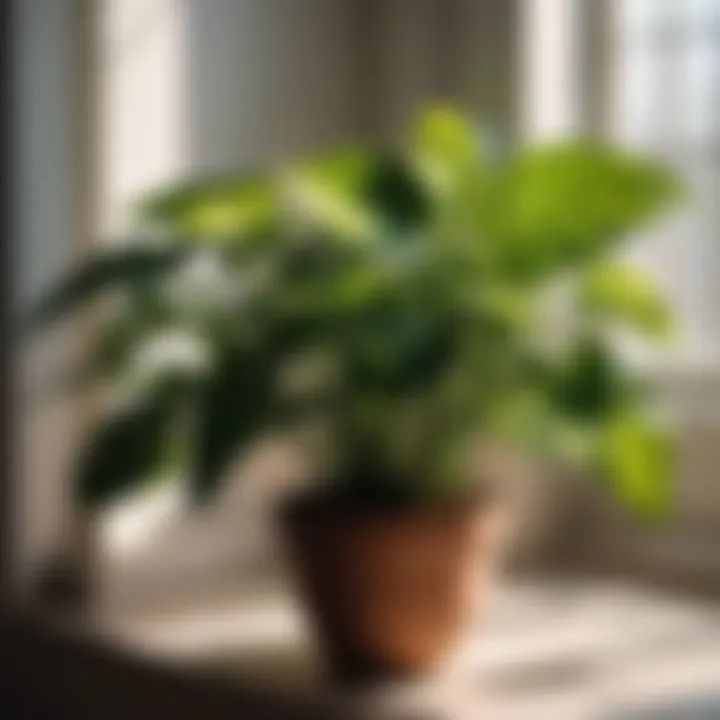
- Indoor plants: Select 4 low-maintenance plants such as snake plants, pothos, or peace lilies.
- Fertilizer: Water-soluble fertilizer with an N-P-K ratio of 10-15-10 for optimal plant growth.
- Watering can: 1 large watering can with a narrow spout for accurate water distribution.
DIY Steps:
- Begin by filling each plant container with the potting soil, leaving at least 1 inch of space from the rim.
- Plant one indoor plant in each container, ensuring the roots are well-covered and compact the soil gently around the base.
- Water each plant thoroughly until water drains from the bottom of the container, providing ample moisture for healthy growth.
- Add a diluted solution of the water-soluble fertilizer once a month to supply essential nutrients to the plants.
Technical Aspects:
- Timing specifics: Water the plants once a week or when the top inch of soil feels dry to the touch.
- Critical techniques: Ensure proper drainage in the plant containers to prevent water-logging and root rot.
- Tools: Use a trowel for planting, moisture meter to monitor soil moisture, and pruners for trimming any yellowing leaves.
DIY Project Process:
- Plant containers should be placed near windows with filtered sunlight for optimal light exposure.
- Monitor plant growth and adjust watering frequency based on seasonal changes and plant requirements.
- Troubleshooting Tips: If leaves start turning yellow, reduce watering frequency to prevent overwatering.
- Enjoy your lush indoor garden by incorporating these detailed methods for successful plant care!
Introduction
Indoor plants are more than just decorative house additions; they can significantly enhance our living spaces, purify the air we breathe, and even boost our overall well-being. In this comprehensive guide to indoor plant care, we delve into the essential aspects of nurturing and maintaining these green companions within our homes. Whether you are a novice plant parent or a seasoned enthusiast looking to expand your botanical repertoire, this guide offers valuable insights and practical tips to help your indoor plants thrive.
As we embark on this journey through the intricacies of indoor plant care, we will explore everything from choosing the right plants that suit your living environment to creating the optimal conditions for their growth. Understanding the nuances of light, water, space limitations, temperature, and humidity is paramount in fostering healthy and flourishing indoor plants. By mastering the art of plant care, you not only elevate the aesthetic appeal of your home but also contribute to a healthier indoor atmosphere.
Join us as we unravel the art and science of tending to indoor plants, where each leaf unfurls a story of resilience and beauty, and each bloom embodies the promise of natural grace within our homes.
Choosing the Right Plants
In the realm of indoor plant care, the cornerstone lies in selecting the right plants that not only complement your aesthetic preferences but also thrive in the specific conditions of your indoor environment. Picking suitable plants can greatly impact the success and enjoyment of your indoor garden. Considerations such as light availability, space constraints, and watering needs play pivotal roles in determining the most compatible plant species for your indoor oasis.
Assessing Light Conditions
Understanding Light Intensity
When it comes to assessing light conditions for indoor plants, understanding light intensity is crucial. Different plants have varying requirements when it comes to the amount of light they need to flourish. Some plants thrive under bright, direct sunlight, while others prefer low-light conditions. By comprehending the light intensity preferences of different plant species, you can strategically place them in optimal spots within your home to ensure their growth and vitality.
Identifying Low-Light Tolerant Plants
For spaces with limited natural light, identifying low-light tolerant plants is key. These plants have adapted to thrive in environments with minimal sunlight exposure, making them ideal choices for rooms with small windows or shaded areas. Choosing low-light tolerant plants allows you to enjoy the benefits of indoor greenery even in spaces that receive limited natural light.
Selecting Plants for Bright Spaces
In contrast, bright spaces beckon plants that can make the most of ample sunlight. Selecting plants that thrive in bright conditions ensures that they receive the necessary light energy for photosynthesis and growth. By choosing plants attuned to bright light environments, you maximize their potential for robust development and vibrant foliage.
Considering Watering Needs
Understanding Watering Frequency
An essential element of indoor plant care revolves around understanding watering frequency. Different plant species have specific requirements when it comes to the amount and frequency of watering. Some plants prefer consistently moist soil, while others thrive in drier conditions. Understanding the watering needs of your indoor plants is vital to prevent overwatering or underwatering, which can both be detrimental to plant health.
Choosing Plants with Specific Watering Requirements
Beyond frequency, some plants have distinct watering requirements, such as those needing well-draining soil or preferring to dry out between waterings. By selecting plants with specific watering needs that align with your care routine, you can establish a healthy watering regimen that supports optimal plant growth. Matching your watering tendencies with the preferences of your plant selections fosters a harmonious relationship that promotes thriving greenery.
Evaluating Space Constraints
Selecting Plants Based on Available Space
Space constraints should not hinder your indoor gardening ambitions, as there are plant options suited to various spatial limitations. Choosing plants based on available space involves considering factors like plant size, growth habit, and container arrangements. By selecting plants that fit seamlessly into your living space, you can create a visually appealing indoor garden that complements your decor while flourishing within the confines of your home.
Utilizing Vertical Planting Solutions
Vertical planting solutions offer innovative ways to maximize space utilization and introduce greenery into smaller indoor environments. From hanging planters to wall-mounted pots, vertical gardening opens doors to creativity and plant diversity within limited floor space. By embracing vertical planting solutions, you can elevate your indoor plant display while conserving valuable floor area, creating a captivating green oasis that defies spatial constraints.
Creating an Optimal Environment
In the realm of indoor plant care, creating an optimal environment serves as a foundational pillar for fostering healthy and thriving plants. This section delves into the critical factors that contribute to an ideal setting for indoor plants to flourish. By understanding and implementing strategies to enhance the environment, plant enthusiasts can bolster the longevity and vitality of their green companions.
Understanding Temperature and Humidity
Maintaining Consistent Temperature Levels
Maintaining consistent temperature levels is paramount in ensuring the well-being of indoor plants. Consistency in temperature not only prevents sudden shocks to the plant's system but also promotes steady growth and metabolic functions. By keeping the temperature within the optimal range for the specific plant species, owners can cultivate a conducive habitat for their plants to thrive. The stability in temperature aids in regulating processes such as photosynthesis and transpiration, crucial for the overall health of the plant.
Implementing Humidity Control Measures
Implementing humidity control measures complements the regulation of temperature levels in creating an optimal environment for indoor plants. Maintaining appropriate humidity helps mitigate issues such as wilting, excessive transpiration, and susceptibility to diseases. By controlling humidity levels, plant owners can mimic the natural habitat of their plants, fostering ideal growth conditions. However, it is essential to strike a balance with humidity levels, as both excess and deficits can negatively impact plant health. Utilizing tools such as humidifiers or pebble trays can aid in controlling humidity levels effectively.
Managing Air Circulation
Proper air circulation is a crucial component in ensuring the overall well-being of indoor plants. Adequate airflow helps in regulating temperature, distributing nutrients, and preventing the accumulation of stale air. By enhancing air circulation within the designated indoor space, plant owners can create a microclimate that mimics natural outdoor conditions, promoting optimal growth and resilience in their plants.
Utilizing Fans or Natural Ventilation
Utilizing fans or natural ventilation systems facilitates the movement of air within the indoor environment, preventing stagnation and ensuring a constant supply of fresh air to the plants. Fans help in dispersing heat evenly, reducing the risk of overheating, and aiding in the transpiration process. Natural ventilation, such as opening windows strategically, enhances airflow and provides a more natural exchange of air, promoting a healthy growing environment for indoor plants.
Avoiding Drafty Areas
Avoiding drafty areas is essential to prevent abrupt changes in temperature and air currents that can stress indoor plants. Drafts can cause uneven temperatures, leading to fluctuations that can harm plant health. By identifying and sealing off drafty areas in the indoor space, plant owners can maintain a stable environment conducive to robust plant growth. Avoiding drafts also helps in preventing the spread of pests and diseases, safeguarding the overall well-being of indoor plants.
Essential Care Practices
In this article on indoor plant care, the section on Essential Care Practices serves as a cornerstone for ensuring the health and vitality of your indoor greenery. This segment focuses on key aspects such as watering techniques, fertilizing guidelines, and pruning and maintenance, all of which are crucial in nurturing thriving plants within your indoor space. By delving into Essential Care Practices, you equip yourself with the fundamental knowledge needed to sustain a flourishing indoor garden.
Watering Techniques
Watering at the Base of the Plant
Watering at the base of the plant is a vital practice that promotes accurate moisture intake for optimal plant growth. This method involves the targeted application of water directly to the roots, avoiding foliage wetting which can lead to issues like fungal infections. By concentrating the watering process at the plant's base, you ensure efficient absorption and minimize water wastage. This technique is particularly beneficial as it delivers water precisely where the plant requires it most, supporting healthy root development and overall plant resilience. Although this method requires a more hands-on approach, its benefits far outweigh the slight added effort, making it a popular choice among indoor gardeners.
Using Room Temperature Water
Opting for room temperature water offers a stable environment for your indoor plants, preventing shock from drastic temperature variations. Room temperature water is gentle on plants, avoiding stress that cold or hot water can induce. By using water at room temperature, you create a consistent watering routine that supports plant health and growth. This method also helps prevent temperature-related issues that could hamper your plants' well-being, ensuring a stable and nurturing environment for their development.
Checking Soil Moisture Levels
Monitoring soil moisture levels is essential in preventing both under and over-watering, which are common causes of plant stress and health issues. By checking the soil moisture regularly, you can adjust your watering schedule to suit your plant's specific needs. Proper moisture levels are vital for root health and nutrient uptake, fostering vigorous growth and blooming. By understanding and maintaining optimal soil moisture, you provide your indoor plants with an environment conducive to their sustained well-being.
Fertilizing Guidelines
Choosing the Right Fertilizer
Selecting the appropriate fertilizer is a critical part of ensuring your indoor plants receive the necessary nutrients for robust growth. The right fertilizer provides essential elements such as nitrogen, phosphorus, and potassium in balanced proportions to support healthy foliage, blooms, and overall plant vitality. By choosing a fertilizer formulated for indoor plants, you tailor your feeding regimen to meet your plants' specific requirements, promoting lush greenery and vibrant blooms. Opting for a quality fertilizer suitable for your plants' needs is key in fortifying their health and longevity, enriching your indoor garden with thriving vegetation.
Following a Regular Feeding Schedule
Establishing a consistent feeding schedule is vital for sustaining your indoor plants' nutrient levels and supporting their growth. By adhering to a routine feeding regimen, you maintain a steady supply of essential nutrients that plants need for photosynthesis, energy production, and overall well-being. Consistency in feeding enhances plant resilience, flower production, and foliage health, ensuring your indoor garden flourishes with vitality. A regular feeding schedule acts as a cornerstone in plant care, providing a foundation for healthy growth and sustained beauty within your living space.
Pruning and Maintenance
Removing Dead or Yellowing Leaves
Removing dead or yellowing leaves is a crucial practice in plant maintenance, aiding in disease prevention and aesthetic upkeep of your indoor greenery. The timely removal of unhealthy foliage reduces the risk of disease spread and maintains a tidy appearance for your plants. By eliminating wilted or discolored leaves, you redirect the plant's resources towards new growth, promoting overall plant vitality. This practice also encourages air circulation and light penetration, contributing to a healthy and visually appealing indoor garden.
Promoting New Growth Through Pruning
Promoting new growth through pruning is a strategic technique that stimulates plant vigor and shape enhancement. Pruning allows you to shape your plants, encourage branching, and remove unwanted parts for overall plant improvement. By selectively removing stems, shoots, or buds, you guide the plant's growth pattern and enhance its aesthetic appeal. Pruning also stimulates new growth by redirecting energy to active parts, fostering abundant foliage and blooms. This practice not only controls plant size and shape but also rejuvenates your indoor plants, ensuring their continuous vitality and beauty.
Preventing and Managing Pests
In the realm of indoor plant care, preventing and managing pests is a critical aspect that cannot be overlooked. Pests can wreak havoc on the health and appearance of your beloved plants, posing a significant threat to their overall well-being. By addressing pest issues proactively, you can ensure that your indoor garden remains vibrant and thriving. Understanding the various pests that may infiltrate your space and implementing effective pest control measures are key components of successful plant care.
Identifying Common Indoor Plant Pests
Recognizing Signs of Pest Infestation:
Recognizing the signs of pest infestation is imperative in maintaining the health of your indoor plants. Common indicators such as yellowing leaves, distorted growth, or unusual spots can signal the presence of pests. By identifying these signs early on, you can take timely action to address the issue and prevent further damage to your plants. This keen observation helps in diagnosing the specific pest infestation and allows for targeted treatment, ensuring the longevity of your indoor garden.
Common Pest Control Solutions:
When faced with pest infestations, having effective pest control solutions at your disposal is essential. From natural remedies to commercial products, there are various methods available to combat indoor plant pests. It is crucial to choose control measures that are safe for both your plants and the surrounding environment. Implementing these solutions promptly and consistently can help eradicate pests and safeguard the health of your indoor greenery.
Implementing Preventive Measures
Maintaining Plant Hygiene:
Maintaining plant hygiene is a fundamental preventive measure in pest management. A clean environment with regular plant care routines reduces the likelihood of pest infestations. Removing debris, dusting leaves, and inspecting plants for signs of pests are essential practices to uphold plant hygiene. By prioritizing cleanliness and organization, you create an inhospitable environment for pests, promoting the overall health of your indoor plants.
Using Natural Pest Repellents:
Incorporating natural pest repellents into your plant care regimen offers a sustainable and eco-friendly approach to pest control. Natural repellents derived from botanical sources or essential oils can deter pests without harming your plants or the environment. These repellents act as protective barriers, deterring pests from invading your indoor garden. By harnessing the power of nature, you can effectively safeguard your plants against harmful insects while maintaining a green and thriving indoor oasis.