Elegant Gray Bathroom Paint Colors Guide for Your Renovation Project
Materials
Paint Colors## l Undertones- Silver Mist: 2 gallons- Sterling: 1 gallon### Wa es- Greige: 3 gallons- Charcoal Gray: 2 gallons## Paintin pplies- Paintbrushes: 2 medium, 1 small- Roller: 1 large, 1 small- Painter's tape: 3 rolls, 1-inch wide- Drop cloths: 2 large## Prepping T
- Sandpaper: 1 pack of fine grit- Paint scraper: 1 tool- Tack cloth: 2 pieces## DIY Steps:### nning Phase1 sure bathroom walls accurately to determine paint quantity needed.2. Choose between cool undertones like Silver Mist or warm hues like Charcoal Gray based on bathroom size and lighting.### Preparation Phase1. r the bathroom of any obstructions and cover fixtures with drop cloths.2. Use sandpaper to smooth out any imperfections on walls for a flawless paint finish.### Painting Process1. Star h applying painter's tape to edges and corners for clean lines.2. Begin painting with broad strokes using a roller for larger areas, then refine edges with a paintbrush.3. Allow the first coat to dry completely before applying a second coat for a rich color depth.### Finishing Touches1. Remove er's tape carefully once paint is fully dried.2. Clean up any drips or spills with a paint scraper and tack cloth for a pristine look.## Technical Aspects:### Timing- Al 2-3 hours for prep w depending on wall condition.### Tools- Use a medium brush for cutting rners and a small brush for touch-ups.### Techniques- Apply paint with even pressure a smooth finish.### Troubleshooting Tips- If paint drips occur, ge sand the area and touch up with a small brush.
Introduction
In the realm of interior design, choosing the right paint color can make a significant impact on the aesthetics and ambiance of a space. When it comes to bathrooms, where tranquility and functionality are paramount, selecting the perfect shade of gray can transform a dull space into a sophisticated sanctuary. This article on \
Understanding Gray
In the realm of interior design, the color gray holds a significant place due to its versatility and timeless appeal. Understanding the nuances of gray tones is crucial when embarking on a bathroom renovation project to create a harmonious and elegant space. Gray can be classified into cool and warm tones, each evoking distinct moods and aesthetics within a bathroom setting. Cool grays exude a sense of calm and sophistication, while warm grays foster a cozy and inviting atmosphere. By comprehending the interplay between cool and warm grays, homeowners can make informed decisions that align with their design preferences and overall vision for their bathroom.
Cool vs. Warm Grays
The Impact of Undertones
Undertones play a pivotal role in determining the character of gray shades, influencing how light interacts with the paint color. Cool grays with blue undertones infuse a serene and refreshing ambiance, perfect for creating a spa-like retreat within your bathroom. On the other hand, warm grays featuring yellow or red undertones imbue the space with a sense of warmth and intimacy, ideal for enhancing a cozy atmosphere. Understanding the impact of undertones equips homeowners with the knowledge to choose gray hues that complement their desired mood and enhance the overall aesthetic of their bathroom.
Enhancing Natural Light
Enhancing natural light is essential in illuminating gray bathroom paint colors to their full potential. Strategically selecting cool or warm grays based on the amount of natural light in the space can amplify brightness and create visual interest. Cool grays reflect light beautifully, making a small bathroom feel more expansive and airy. In contrast, warm grays can enhance the cozy ambiance of a bathroom bathed in natural sunlight. By harnessing the power of natural light, homeowners can maximize the beauty of gray paint colors and transform their bathroom into a tranquil oasis.
Choosing the Right Undertone
Blue Undertones
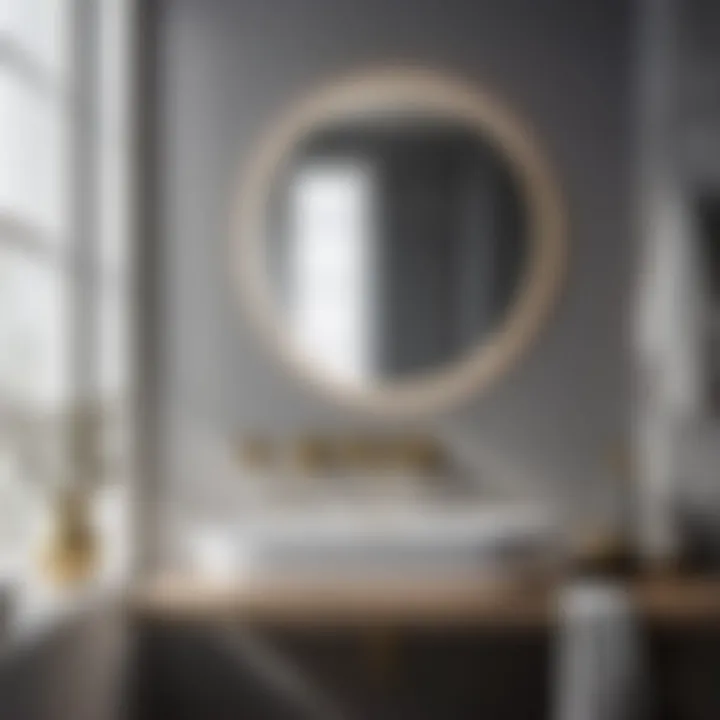
Blue undertones in gray paint colors evoke a sense of tranquility and serenity, reminiscent of calming ocean waters. This subtle touch of blue can add depth and sophistication to a bathroom, creating a soothing retreat for relaxation. Blue undertones are versatile and pair well with various decor styles, from modern to traditional, offering homeowners endless possibilities for customization.
Green Undertones
Green undertones infuse gray paint colors with a refreshing and nature-inspired vibe, bringing a touch of the outdoors inside the bathroom. Green undertones can evoke a sense of rejuvenation and well-being, making them an excellent choice for creating a spa-like environment in your home. Whether used as an accent or as the main color, green undertones add an element of freshness and tranquility to a bathroom space.
Purple Undertones
Purple undertones in gray hues lend a sophisticated and regal air to bathroom decor, adding a touch of luxury and opulence. The richness of purple undertones can elevate the overall aesthetic of the bathroom, creating a sense of refinement and elegance. Whether used subtly as an accent or prominently as the primary color, purple undertones bring a sense of drama and glamour to the space, making a bold design statement.
Effects of Lighting
Natural Light vs. Artificial Light
The interplay between natural and artificial light significantly impacts the perception of gray bathroom paint colors. Natural light enhances the true undertones of gray shades, showcasing their depth and complexity. By strategically placing mirrors or utilizing reflective surfaces, homeowners can amplify natural light to illuminate gray hues brilliantly, creating a welcoming and inviting ambiance in the bathroom.
Considerations for Small Bathrooms
In small bathrooms, lighting plays a crucial role in optimizing the space and enhancing the visual appeal of gray paint colors. Soft, diffused lighting can make a small bathroom feel more spacious and airy, minimizing shadows and creating a sense of openness. Considerations such as the placement of lighting fixtures and the use of task lighting are essential in ensuring that gray tones are showcased effectively in small bathroom environments, maximizing their impact and contributing to a cohesive and stylish design.
Popular Gray Paint Colors
When it comes to selecting the perfect gray paint color for your bathroom, understanding popular options is crucial for achieving the desired aesthetic. Popular gray paint colors showcase a wide range of tones and undertones that can dramatically impact the overall look and feel of your space. By delving into classic, modern, and bold gray choices, you open up a world of design possibilities for your bathroom renovation project.
Classic Gray Tones
In the realm of classic gray tones, Benjamin Moore's Revere Pewter stands out as a timeless and versatile choice. The key characteristic of Revere Pewter is its ability to balance between warm and cool undertones, making it a universally flattering hue for various bathroom styles. This popular choice offers a subtle elegance that can complement both traditional and contemporary bathroom designs. However, one drawback of Revere Pewter is its tendency to lean slightly towards a taupe undertone in certain lighting conditions.
Moving on to Sherwin Williams' Agreeable Gray, this classic gray tone exudes a comforting warmth that adds a cozy ambience to any bathroom. Its key characteristic lies in its neutral undertones, making it a flexible option that pairs well with a wide range of decor choices. Agreeable Gray's popularity stems from its ability to create a harmonious backdrop for various accent colors and textures. While it excels in creating a welcoming atmosphere, its lighter shade may appear less impactful in bathrooms with limited natural light.
Modern Gray Shades
For those inclined towards modern aesthetics, Farrow & Ball's Pavilion Gray presents a sophisticated choice. The key characteristic of Pavilion Gray is its understated glamour, offering a contemporary charm that elevates any bathroom space. This popular shade's unique feature lies in its cool undertones that exude a sense of calm and serenity, perfect for creating a spa-like sanctuary. However, due to its cooler tones, Pavilion Gray may appear slightly austere in bathrooms lacking adequate warmth.
In contrast, Behr's Silver Drop embodies a modern gray shade that exudes a fresh and airy feel. The key characteristic of Silver Drop is its crisp and clean appearance, providing a sense of brightness to smaller bathrooms. Its unique feature lies in its ability to reflect light, making the space feel more expansive and open. While Silver Drop's lightness adds a sense of airiness, it may lack the depth and richness that some homeowners desire in their bathroom color palette.
Bold Gray Choices
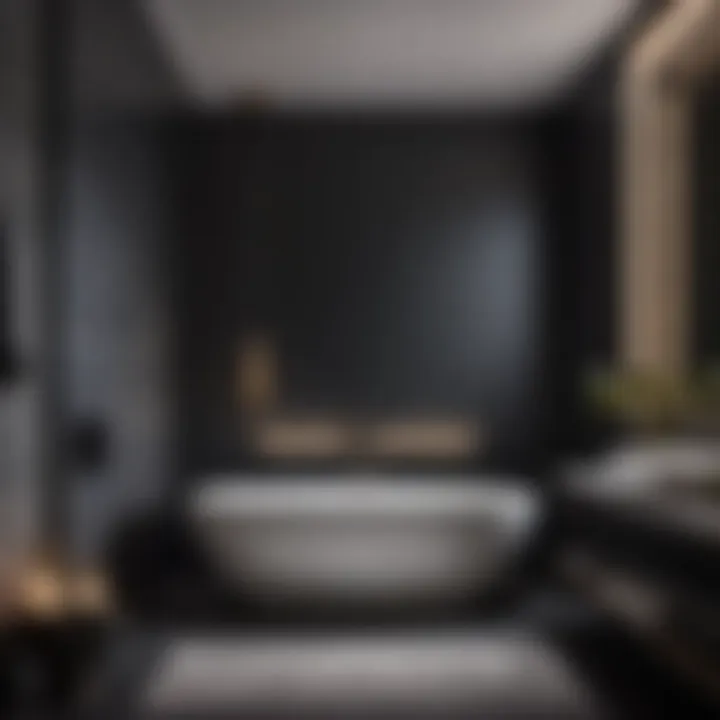
Dulux's Night Jewels 5 stands out as a bold gray choice that adds a touch of drama to bathroom decor. The key characteristic of Night Jewels 5 is its deep and moody undertones, making it a striking option for those looking to create a statement in their bathroom. This bold choice's unique feature lies in its ability to create a luxurious and intimate atmosphere, adding depth to the space. However, Night Jewels 5's darkness may be overwhelming in smaller bathrooms or spaces with limited natural light.
On the other hand, PPG's Flint offers a bold gray choice with a modern edge. The key characteristic of Flint is its industrial-inspired undertones, infusing a contemporary vibe into any bathroom. This popular choice's unique feature lies in its versatility, pairing well with both sleek modern elements and rustic accents. While Flint's boldness adds a dynamic flair to the space, its intensity may need to be balanced with lighter elements to prevent the room from feeling overly dark.
Application Tips
Accent Wall
Creating Depth and Contrast
In the realm of gray bathroom paint colors, the concept of creating depth and contrast through an accent wall introduces a dynamic visual element that can transform the ambiance of your bathroom. By strategically selecting a specific wall to highlight with a contrasting gray tone, you can add dimension and character to the space. The interplay of light and shadow on the accent wall creates a sense of depth, making the bathroom appear more visually intriguing.
Accentuating the contrast between the accent wall and the surrounding surfaces enhances the overall aesthetic appeal, drawing attention to a focal point within the bathroom. This technique not only adds visual interest but also serves to break the monotony of uniform gray walls, injecting personality and style into the room. The application of depth and contrast through an accent wall is a popular choice among homeowners seeking to elevate the design of their bathroom with minimal effort.
Ceiling Considerations
In the context of gray bathroom paint colors, carefully considering how the ceiling impacts the perception of height and space is paramount to achieving a harmonious visual effect. Enhancing height and space through ceiling color plays a vital role in creating an open and airy atmosphere within the bathroom. Opting for a light gray shade on the ceiling can give the illusion of a higher ceiling, making the room feel more spacious and inviting.
By incorporating the right gray tone on the ceiling, you can amplify the natural light present in the bathroom, further enhancing the overall brightness of the space. The reflective properties of a well-chosen gray hue can add luminosity to the room, contributing to a sense of warmth and expansiveness. When executed thoughtfully, ceiling considerations can truly elevate the ambiance of the bathroom, transforming it into a sanctuary of calm and comfort.
Trim and Moldings
For those venturing into the realm of gray bathroom paint colors, the role of trim and moldings in complementing the main walls cannot be underestimated. Choosing the right trim color that harmonizes with the chosen gray shade is essential for achieving a cohesive and polished look. When the trim complements the walls seamlessly, it creates a sense of continuity and sophistication throughout the space.
Complementing gray walls with carefully selected trim and moldings can highlight architectural details and add visual interest to the bathroom. The contrast between the gray walls and the trim can accentuate the contours and features of the space, resulting in a more refined and elegant aesthetic. By paying attention to the finer details of trim and moldings, homeowners can elevate the overall design of their bathroom with a touch of finesse and style.
Accessorizing
In the realm of gray bathroom paint colors, the art of accessorizing with pops of color serves as a versatile and impactful way to inject personality and vibrancy into the space. Adding pops of color against a backdrop of gray tones can create a striking visual contrast that instantly enlivens the bathroom environment. Whether through vibrant towels, decorative accents, or planters, incorporating color accents can infuse the room with a sense of energy and character.
The key to successful accessorizing lies in striking a balance between the dominant gray palette and the colorful accents, ensuring that the overall look remains cohesive and visually appealing. By strategically placing pops of color in key areas of the bathroom, homeowners can create focal points that draw the eye and create visual intrigue. Accessorizing with color offers a creative outlet for personal expression and allows individuals to tailor their bathroom space to reflect their unique style and taste.
Maintenance and Care
Maintaining and caring for your gray bathroom paint colors is essential to ensure the longevity and aesthetic appeal of your space. Proper maintenance not only preserves the beauty of the paint but also contributes to a healthy bathroom environment. By following best practices in maintenance and care, you can enjoy your newly painted bathroom for years to come.
Preventing Mildew and Mold
In a moist and humid environment like a bathroom, preventing mildew and mold growth is crucial. Effective ventilation plays a key role in this aspect. Proper ventilation helps in reducing humidity levels, which in turn prevents the growth of mildew and mold. Investing in a good ventilation system ensures proper air circulation, minimizing the chances of moisture accumulation and microbial growth.
Effective Ventilation
Effective ventilation involves the use of exhaust fans, windows, or other ventilation systems to promote air circulation. By expelling moist air outside, effective ventilation helps maintain ideal humidity levels in the bathroom, discouraging the formation of mildew and mold. The key characteristic of effective ventilation is its ability to continuously remove humid air, thus creating a dry environment that is unsuitable for mold growth. This makes effective ventilation a popular and beneficial choice for preventing mildew and mold in bathrooms. However, one must ensure proper installation and regular maintenance of ventilation systems to maximize their benefits.
Quality Paint Choices
Selecting high-quality paint for your bathroom walls is another important consideration for preventing mildew and mold. Quality paint choices offer better resistance to moisture, making them less susceptible to mold growth. Opting for paints with mold and mildew-resistant properties provides an added layer of protection against these common bathroom issues. The unique feature of quality paint choices lies in their formulation, which includes antimicrobial agents that inhibit mold and mildew growth. While quality paints may come at a slightly higher cost, their advantages in preventing mold formation and maintaining a clean bathroom environment make them a worthwhile investment.
Cleaning Gray Walls
Regular cleaning is integral to keeping your gray bathroom walls looking fresh and vibrant. Proper cleaning methods not only preserve the appearance of the paint but also contribute to a healthy indoor environment. By adopting gentle cleaning practices, you can maintain the cleanliness and beauty of your bathroom walls without causing damage.
Gentle Cleaning Methods
When it comes to cleaning gray walls, opting for gentle cleaning methods is paramount to avoid damaging the paint finish. Gentle cleaning involves using mild soaps or detergents with warm water to gently wipe down the walls. Abrasive cleaners or harsh chemicals should be avoided as they can strip the paint's surface or alter its color. The key characteristic of gentle cleaning methods is their ability to effectively remove dirt and grime while being safe for the paint surface. This makes gentle cleaning an ideal and popular choice for maintaining gray walls in bathrooms. Additionally, gentle cleaning methods have the unique advantage of preserving the paint's integrity over time, ensuring long-lasting beauty and cleanliness.