Enhancing Bathroom Functionality with Small Stools: A Practical Guide
Materials:
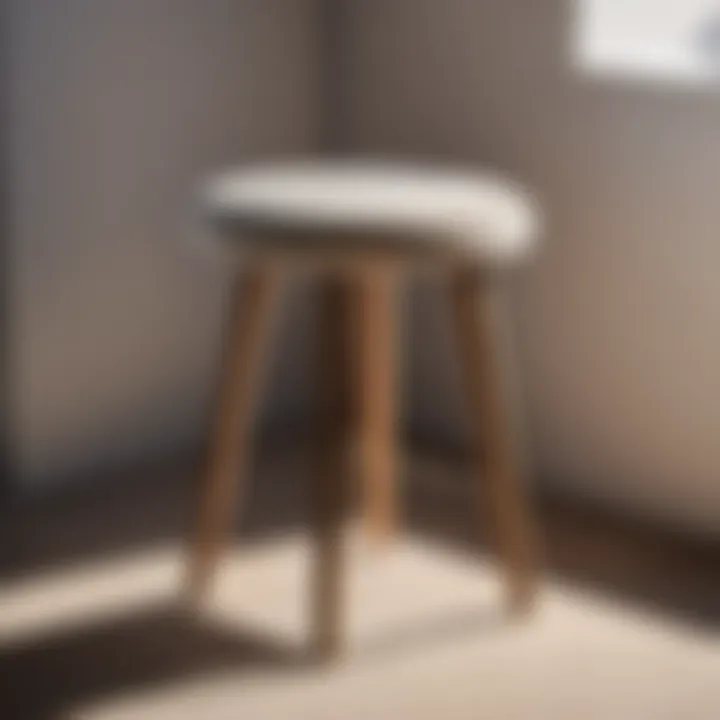
- 1 small wooden stool (measuring 12 inches in height, 10 inches in diameter)
- 4 wooden legs (each measuring 4 inches in length)
- Wood glue
- Screws
- Screwdriver
DIY Steps:
- Assembling the Stool:
- Finishing Touches:
- Apply wood glue to the top of each wooden leg.
- Attach the legs to the base of the stool, ensuring equal spacing between each leg.
- Secure the legs in place with screws using a screwdriver.
- Sand down any rough edges for a smooth finish.
- Optionally, paint or stain the stool to match your bathroom decor.
Technical Aspects:
- Tools: Screwdriver, sandpaper
- Timing: Allow 24 hours for the wood glue to fully dry.
- Critical Techniques: Ensure legs are securely attached for stability.
DIY Project Process:
- Installation: Place the small stool next to your bathroom vanity or bathtub for added convenience.
- Key Techniques: Properly align the legs with the base to prevent wobbling.
- Timing: Complete the assembly in one sitting to avoid disjointed legs.
For Troubleshooting Tips, if the stool wobbles, double-check the leg alignment and tighten the screws. If the stool is unstable, reinforce the leg attachments with additional screws.
Introduction
In the realm of modern bathroom design, the inclusion of small stools holds a significant role in achieving both practicality and versatility. These unassuming pieces of furniture not only accentuate the aesthetics of a bathroom but also serve multiple functional purposes. By delving into the dynamics of small stools, this article aims to unravel their profound impact on bathroom spaces, from enhancing accessibility to offering storage solutions.
Understanding the Role of Small Stools
Enhancing Accessibility
Enhancing accessibility is a crucial aspect when it comes to the incorporation of small stools in bathroom settings. These stools provide a convenient and stable platform for individuals to sit or place items on, thereby catering to users of varying ages and physical abilities. The key characteristic of enhancing accessibility lies in its ability to make the bathroom more user-friendly and accommodating, especially for those with mobility issues. The unique feature of enhancing accessibility through small stools is their adaptable nature, allowing for easy customization based on specific user needs.
Promoting Safety
Promoting safety is another vital function that small stools offer in a bathroom environment. These stools provide a secure and steady surface, reducing the risk of slips and falls, particularly in wet conditions. The key characteristic of promoting safety through small stools is their stable construction and non-slip design, ensuring a reliable support system for various bathroom tasks. The unique feature of promoting safety enhances overall bathroom safety measures, making these stools an essential addition to any bathroom space.
Adding Decorative Elements
In addition to their functional purposes, small stools also serve as decorative elements that contribute to the visual appeal of a bathroom. These stools can add a touch of elegance and personality to the overall bathroom design, making them a versatile decor piece. The key characteristic of adding decorative elements is the aesthetic enhancement they offer, elevating the ambiance of the bathroom space. The unique feature of adding decorative elements through small stools allows for customization and style integration, creating a cohesive and inviting bathroom setting.
Benefits of Incorporating Small Stools
Space-Saving Solutions
Small stools present space-saving solutions that are invaluable in optimizing tight bathroom spaces. These stools occupy minimal floor area while providing useful functionality, making them ideal for compact bathrooms. The key characteristic of space-saving solutions is their ability to maximize usability without compromising on design or comfort. The unique feature of space-saving solutions through small stools is their versatility in placement, allowing for efficient utilization of space in varying bathroom layouts.
Multi-Functional Use
The multi-functional use of small stools adds a layer of practicality to their presence in a bathroom setting. These stools can serve as seating options, step stools, or even storage units, catering to diverse user needs. The key characteristic of multi-functional use lies in the adaptability of these stools to different tasks, enhancing the overall functionality of the bathroom space. The unique feature of multi-functional use through small stools offers versatility and convenience, making them essential assets in a modern bathroom design.
Aesthetic Appeal
Beyond their utilitarian roles, small stools contribute to the aesthetic appeal of a bathroom, enhancing its visual charm. These stools come in various designs, finishes, and materials, allowing for seamless integration with different decor styles. The key characteristic of aesthetic appeal is the ability of small stools to complement the overall theme of the bathroom, creating a cohesive and fashionable look. The unique feature of aesthetic appeal through small stools is the blend of beauty and functionality, transforming a mundane space into a stylish and inviting oasis.
Types of Small Stools
Small stools play a significant role in modern bathroom design, offering practicality and versatility. Understanding the different types of small stools is essential to choose the right one for your bathroom. Each type of small stool comes with its unique features, benefits, and considerations to enhance your bathroom space.
Wooden Stools
Wooden stools are a popular choice for bathrooms due to their natural aesthetics and durability. Within the category of wooden stools, there are various options to consider, including Teak, Bamboo, and Oak.
Teak
Teak is known for its exceptional durability and resistance to moisture, making it an ideal choice for bathroom furniture. Its key characteristic is its ability to withstand humid environments without warping or deteriorating. Teak's unique feature lies in its natural oils, which repel water and prevent rotting, making it a long-lasting and low-maintenance option for small stools in the bathroom.
Bamboo
Bamboo is another eco-friendly and sustainable option for small stools in bathrooms. Its key characteristic is its strength and flexibility, providing a sturdy yet lightweight seating option. Bamboo's unique feature includes its rapid growth rate, making it a renewable resource. However, bamboo may require some maintenance to prevent water damage and preserve its appearance.
Oak
Oak small stools are prized for their timeless elegance and strength. The key characteristic of oak is its durability and resistance to wear, making it a long-term investment for your bathroom. Oak's unique feature lies in its rich grain patterns and warm tones, adding a touch of luxury to the space. While oak requires minimal maintenance, it may be heavier than other wooden stools.
Metal Stools
Metal stools offer a sleek and contemporary look for bathrooms, bringing a modern touch to the space. Stainless Steel, Aluminum, and Iron are common choices for metal stools.
Stainless Steel
Stainless steel is prized for its corrosion resistance and hygienic properties, making it an excellent choice for bathrooms. Its key characteristic is its durability and sleek appearance, complementing various bathroom styles. Stainless steel's unique feature includes its ease of cleaning and maintenance, ensuring a pristine look in your bathroom.
Aluminum
Aluminum stools are lightweight yet sturdy, ideal for easy moving and cleaning in the bathroom. The key characteristic of aluminum is its rust resistance and affordability, providing a budget-friendly option for small stools. Aluminum's unique feature lies in its versatility and modern aesthetic, enhancing the overall design of the bathroom.
Iron
Iron small stools exude a sense of elegance and sophistication in bathroom design. The key characteristic of iron is its strength and timeless appeal, adding a sturdy seating option to the space. Iron's unique feature includes its intricate designs and ornate details, making it a statement piece in the bathroom. However, iron may require periodic maintenance to prevent rust and ensure longevity.
Plastic Stools
Plastic stools are practical and versatile options for bathrooms, offering a wide range of colors and styles to suit different preferences. Acrylic, Polypropylene, and ABS Plastic are popular choices for plastic stools.
Acrylic
Acrylic stools provide a modern and sleek look to the bathroom space. The key characteristic of acrylic is its transparency and lightweight nature, creating an airy and open feel in the bathroom. Acrylic's unique feature includes its resistance to impact and discoloration, maintaining its appearance over time. However, acrylic may scratch easily and require proper care to prevent damage.
Polypropylene
Polypropylene stools are known for their affordability and practicality in bathrooms. The key characteristic of polypropylene is its lightweight and durable properties, making it a versatile seating option. Polypropylene's unique feature lies in its resistance to moisture and stains, ideal for high-traffic bathroom areas. While polypropylene is easy to clean, it may show signs of wear over time.
ABS Plastic
ABS plastic stools offer a balance between durability and style for bathroom use. The key characteristic of ABS plastic is its impact resistance and longevity, ensuring a lasting seating solution in the bathroom. ABS plastic's unique feature includes its versatility in design and color options, allowing for customization to match your bathroom decor. However, ABS plastic may not be as eco-friendly as other materials and could show wear with heavy use.
Factors to Consider When Choosing Small Stools
When selecting small stools for your bathroom, several crucial factors come into play to ensure you make the best choice for your space. Understanding these considerations can significantly impact the functionality and aesthetic appeal of your bathroom.
Size and Height
Matching Bathroom Dimensions
One key aspect to consider when choosing a small stool for your bathroom is ensuring that it complements the dimensions of the space. Matching the stool's size to the available area is essential for seamless integration. Whether you have a cozy powder room or a spacious master bathroom, selecting a stool that fits proportionally can enhance the balance and flow of the room. Additionally, a stool that aligns with the dimensions of your vanity or bathtub can create a harmonious look and optimize both usability and visual appeal.
Adjustable Height Options
Another important feature to explore when selecting a small stool is its height adjustability. Opting for a stool with adjustable height options provides flexibility, catering to different users and scenarios. This versatility ensures that the stool can adapt to various needs, whether it's assisting children or accommodating individuals with mobility issues. Adjustable height stools offer practicality and comfort, allowing you to customize the seating according to specific requirements.
Material Selection
Durability
When evaluating material options for small stools, durability is a critical factor to consider. Choosing a sturdy and long-lasting material, such as solid wood or metal, ensures that your stool withstands daily wear and tear in a moisture-rich environment like the bathroom. Durability guarantees longevity, offering you a reliable seating solution that maintains its quality over time.
Water Resistance
Given the bathroom's inherent humidity and water exposure, selecting a stool with excellent water resistance is imperative. Materials like teak, stainless steel, or acrylic are ideal choices for their resistance to moisture damage. Water-resistant stools are easy to maintain and clean, preventing issues like warping or mold growth. Investing in a water-resistant stool ensures that your bathroom furniture remains in top condition even in high-moisture settings.
Maintenance
Consider the maintenance requirements of the stool material before making a purchase. Opt for materials that are easy to clean and upkeep, requiring minimal effort to preserve their appearance. Choosing a material that is resistant to stains and mildew simplifies the cleaning process, enhancing the stool's longevity and aesthetics. Prioritizing low-maintenance materials contributes to a hassle-free bathroom experience, allowing you to focus on enjoying your space without constant upkeep.
Design and Style
Modern
For a sleek and contemporary bathroom aesthetic, consider opting for a modern small stool design. Modern stools often feature minimalist characteristics, clean lines, and ergonomic shapes that complement a contemporary bathroom decor. Choosing a modern stool can infuse a sense of sophistication and elegance into your space, offering a visually appealing focal point that harmonizes with modern fixtures and fittings.
Traditional
Alternatively, if you prefer a timeless and classic look for your bathroom, a traditional stool design might be the perfect choice. Traditional stools typically showcase ornate details, intricate craftsmanship, and rich wood finishes that exude warmth and charm. Incorporating a traditional stool can add a touch of vintage elegance to your bathroom, creating a cozy and inviting ambiance that recalls timeless design elements.
Contemporary
For those seeking a blend of both modern sophistication and traditional warmth, a contemporary small stool design offers the best of both worlds. Contemporary stools combine elements of modern and traditional styles, resulting in a versatile and eclectic aesthetic. Choosing a contemporary stool allows you to experiment with unique shapes, finishes, and materials, creating a visually striking statement piece with a nod to both past and present design trends.
Placement Ideas for Small Stools
In the realm of bathroom design, the placement of small stools plays a pivotal role in enhancing both functionality and aesthetics. Strategically positioning small stools can not only optimize space but also elevate the overall ambiance of the bathroom. Given their versatile nature, small stools can serve multiple purposes depending on where they are placed within the bathroom layout. When contemplating placement ideas for small stools, several factors should be taken into consideration to ensure a harmonious and practical design scheme.
next to the Bathtub
As a Resting Spot
As a central element in bathroom design, the placement of a small stool next to the bathtub serves as a convenient resting spot for individuals during a relaxing bath. This specific aspect allows bathers to have easy access to essentials such as towels, bathrobes, or a place to keep personal items within reach. Additionally, a well-placed stool beside the bathtub can add a touch of sophistication to the overall aesthetic of the space, blending functionality with style effortlessly. The use of a stool as a resting spot embodies the idea of comfort and convenience, making it a popular choice in modern bathroom setups.
For Toiletries
Another pivotal role that a small stool next to the bathtub plays is that of a designated area for toiletries. By utilizing the stool for storing toiletries like bath salts, body scrubs, or even a tray of essential oils, individuals can ensure that their bathing essentials are neatly organized and readily available. This specific aspect not only adds a practical element to the bathroom but also contributes to creating a spa-like atmosphere, enhancing the overall bathing experience. The unique feature of using a stool for toiletries lies in its ability to keep the bathtub area clutter-free while maintaining a luxurious touch, making it a highly advantageous choice for creating a well-rounded and harmonious bathroom space.
Near the Vanity Area
Makeup Station
When positioned near the vanity area, a small stool can be repurposed as a makeup station, offering individuals a designated space to sit and apply their daily cosmetics with ease. The key characteristic of a makeup station is its functionality, providing a comfortable and well-lit space for individuals to focus on their grooming routines. This setup not only enhances the efficiency of getting ready in the morning but also adds a sophisticated touch to the bathroom decor. The unique feature of a makeup station lies in its ability to merge practicality with indulgence, turning the ritual of applying makeup into a luxurious experience within the comfort of one's bathroom.
Extra Seating
Beyond its role as a makeup station, a small stool near the vanity area can also serve as extra seating for individuals to relax while preparing for the day or winding down in the evening. The key characteristic of extra seating lies in its versatility, providing an additional spot for individuals to comfortably sit and unwind while completing their grooming routines. This dual-purpose use not only maximizes the functionality of the vanity area but also adds a touch of hospitality to the bathroom space. The unique feature of extra seating is its ability to transform the vanity area into a cozy nook, inviting individuals to linger a little longer and enjoy moments of relaxation within their personal sanctuary.
Adjacent to the Shower
Towel Storage
Placing a small stool adjacent to the shower serves the practical purpose of providing a designated spot for storing towels within arm's reach. The key characteristic of utilizing a stool for towel storage is its efficiency, allowing individuals to grab a towel conveniently after a shower without having to venture far. This aspect not only streamlines the post-shower routine but also adds a touch of spa-like luxury to the bathroom environment. The unique feature of using a stool for towel storage lies in its ability to combine practicality with elegance, offering a seamless and visually appealing solution to towel organization in the bathroom.
Shower Accessories
Moreover, a small stool positioned adjacent to the shower can be utilized to hold essential shower accessories such as bath products, loofahs, or shower gels. The key characteristic of this setup is its functionality, ensuring that all necessary shower items are within easy reach during the bathing process. This aspect not only enhances the efficiency of the shower routine but also elevates the overall shower experience to a spa-like level. The unique feature of using a stool for shower accessories lies in its ability to declutter the shower space while adding a touch of luxury, making it a practical and desirable choice for those seeking a well-organized and stylish bathroom setup.
Maintenance Tips for Small Stools
Maintaining small stools is crucial for ensuring their longevity and preserving the hygiene of your bathroom space. By following proper maintenance tips, you can extend the lifespan of your small stools while keeping them in pristine condition. This section will delve into key aspects of maintenance to consider.
Regular Cleaning Routine
In a bathroom setting, regular cleaning is essential to prevent the buildup of dirt, grime, and mold on small stools. Proper Wiping plays a significant role in maintaining cleanliness and preserving the appearance of the stools. Implementing a routine that includes wiping down the stools with a mild detergent and soft cloth helps to remove dust and moisture that can accumulate over time. Moreover, proper wiping not only enhances the visual appeal of the stools but also contributes to a healthier environment in your bathroom.
Avoiding Harsh Chemicals is paramount when cleaning small stools, as abrasive cleaners can damage the material and finish. Opting for gentle, non-abrasive cleaning solutions ensures the longevity of the stools without causing any harm. Harsh chemicals not only degrade the surface of the stools but may also pose health risks if residue is left behind. By avoiding such chemicals, you protect both the stools and the individuals using them.
Preventing Water Damage
Water is a common element in bathrooms, making it crucial to take measures to prevent water damage to small stools. Using Waterproof Mats beneath the stools provides a protective barrier against water splashes and spills. Waterproof mats not only shield the stools from direct water exposure but also help in maintaining the flooring underneath by preventing moisture absorption. They are a practical solution to safeguard your small stools and surrounding areas from water-related issues.
Ventilation is another essential aspect in preventing water damage, as proper airflow aids in drying out any moisture that may accumulate on the stools. Good ventilation promotes quick evaporation of water residues and minimizes the risk of mold or mildew growth. By ensuring adequate ventilation in your bathroom space, you reduce the likelihood of water damage affecting your small stools and improve overall air quality.