Discovering the Pioneering Trends in Kitchen and Bathroom Design: An Editorial Overview
Materials:
- Quartz countertops: 10 feet x 2 feet
- Subway tiles: 100 pieces
- Matte black faucets: 2 sets
- Stainless steel cabinet handles: 20 pieces
- LED light strips: 5 meters
- Grout: 3 bags
- Plywood sheets: 4 feet x 8 feet x 0.5 inch
- Paint primer: 1 gallon
- Paint color of choice: 2 gallons
DIY Steps:
- Measure and cut plywood sheets to fit as cabinet backsplash and side panels.
- Install LED light strips underneath cabinets for ambient lighting.
- Apply paint primer evenly over plywood surfaces and let dry.
- Paint plywood with your chosen color, ensuring full coverage and let dry completely.
- Arrange subway tiles in desired pattern and secure with grout.
Technical Aspects:
- Tools required: Saw, paintbrush, trowel, screwdriver, measuring tape.
- Timing specifics: Allow 24 hours for paint and grout to dry before finalizing installation.
- Critical techniques: Use leveling tools for precise tile placement.
DIY Project Process:
- Attach plywood panels to cabinets using screws for added support.
- Install quartz countertops securely on cabinets as per manufacturer's instructions.
- Mount faucets and connect water lines carefully to prevent leaks.
- Position stainless steel handles on cabinet doors and drawers for a cohesive look.
Troubleshooting Tips:
- If paint cracks or peels, lightly sand affected areas and reapply in thin layers.
- For grout discoloration, clean with a mixture of water and vinegar and reseal if needed.
Introduction
In this article exploring the latest trends in kitchen and bathroom design, we embark on a journey to unravel the dynamic and ever-evolving landscape of interior spaces. The significance of understanding the trends in kitchen and bathroom design cannot be overstated, as these areas hold a pivotal role in our daily lives, shaping not only our living spaces but also reflecting our personal style and preferences.
Kitchen and bathroom design trends go beyond mere aesthetics; they encompass functionality, practicality, and innovation. By staying abreast of the latest trends, homeowners can transform their spaces into both efficient work zones and relaxing sanctuaries. The amalgamation of form and function is at the core of modern design trends, emphasizing the importance of creating spaces that are not only visually appealing but also highly functional.
As we delve into the world of kitchen and bathroom design trends, we are presented with a plethora of choices and possibilities. From minimalist chic to bold statements, each trend offers a unique perspective on how these essential spaces can be customized to suit individual preferences. Understanding these trends allows homeowners to reimagine their kitchens and bathrooms, infusing them with freshness, functionality, and personalized charm.
Moreover, exploring the latest trends in kitchen and bathroom design provides a roadmap for homeowners looking to renovate or build afresh. It offers insights into innovative concepts, materials, and layouts that can elevate the overall look and feel of these spaces. By being informed about the latest trends, homeowners can make informed decisions that align with their needs and design preferences, resulting in spaces that not only look stunning but also cater to their day-to-day requirements.
Join us on this enlightening journey through the realms of kitchen and bathroom design, where we uncover the trends that are revolutionizing these essential areas of the home. Get ready to be inspired, informed, and empowered to transform your living spaces into stylish yet functional havens that embody the essence of contemporary design. Let's delve deep into the nuances of design trends and discover the endless possibilities awaiting your kitchen and bathroom spaces.
Kitchen Trends
Kitchen trends play a pivotal role in the evolution and transformation of modern homes, encapsulating a blend of functionality and aesthetic appeal. The significance of staying abreast of kitchen trends lies in the ability to create spaces that are not only visually pleasing but also highly efficient and practical. In this article focusing on the latest trends in kitchen and bathroom design, exploring the realm of Kitchen Trends opens up a world of design innovation for homeowners seeking to revamp their spaces with a contemporary touch.
Minimalist Chic
Clean Lines and Neutral Palettes
Clean lines and neutral palettes constitute the essence of minimalist chic design, emphasizing simplicity, elegance, and a clutter-free aesthetic. The streamlined look achieved through clean lines promotes a sense of openness and sophistication in kitchen spaces. Neutral palettes, such as whites, grays, and beige tones, serve as the perfect backdrop for creating a calming ambiance while allowing other design elements to shine. The use of clean lines and neutral palettes in kitchen design not only brings a sense of tranquility but also fosters a seamless integration of modernity with timeless sophistication.
Integration of Smart Technology
Incorporating smart technology into kitchen spaces elevates functionality, efficiency, and convenience to new heights. The integration of smart appliances, touchscreen faucets, and automated lighting systems enhances the overall cooking and dining experience. The seamless blend of technology with design aesthetics provides homeowners with a sophisticated yet practical kitchen environment. While the integration of smart technology offers unprecedented ease and control, it also creates a harmonious marriage between innovation and everyday living, making it a compelling choice for those looking to embrace the future of kitchen design.
Bold Colors and Patterns
Vibrant Hues and Geometric Designs
Vibrant hues and geometric designs inject energy and personality into kitchen spaces, transforming them from mundane to captivating focal points. The use of vibrant colors like daring blues, deep greens, or striking yellows adds vibrancy and visual interest to the kitchen decor. Combined with geometric patterns, such as chevron backsplashes or hexagonal tiles, these design elements create an engaging visual contrast that stimulates the senses. Incorporating vibrant hues and geometric designs allows homeowners to make bold statements in their kitchens, infusing them with character and charm.
Patterned Backsplashes and Countertops
Patterned backsplashes and countertops offer a creative and expressive way to introduce personality and style into kitchen design. From intricate floral motifs to bold geometric patterns, the variety of options in patterned surfaces allows for endless customization. These eye-catching elements not only serve as focal points but also add texture and depth to the overall kitchen aesthetic. While patterned backsplashes and countertops can make a striking design statement, they also require thoughtful coordination with other design elements to achieve a cohesive look that enhances the visual appeal of the kitchen.
Sustainable Practices
Recycled Materials and Energy-Efficient Appliances
Embracing sustainable practices in kitchen design involves using recycled materials and energy-efficient appliances to reduce environmental impact while creating eco-friendly spaces. Utilizing reclaimed wood for cabinets, recycled glass countertops, and energy-efficient appliances like induction cooktops and LED lighting fixtures contributes to a greener kitchen ecosystem. By opting for sustainable materials and appliances, homeowners not only promote environmental conservation but also enjoy long-term cost savings through reduced energy consumption and lower utility bills.
Indoor Herb Gardens
Indoor herb gardens represent a harmonious union of functional decor with sustainable living, allowing homeowners to cultivate fresh herbs year-round in their kitchens. These miniature green oases not only enhance the visual appeal of the kitchen but also provide a convenient source of fresh herbs for culinary endeavors. The incorporation of indoor herb gardens adds a touch of nature indoors, promoting a healthy and sustainable lifestyle while infusing the kitchen with a delightful fragrance and aesthetic charm.
Bathroom Trends
In this article, the exploration of bathroom trends holds significant importance as it delves into the evolving landscape of bathroom design. Understanding the intricacies and nuances of bathroom trends is crucial for homeowners seeking to revamp their spaces with a touch of modernity and functionality. By immersing in the specific elements, benefits, and considerations related to bathroom trends, readers can gain valuable insights into creating a rejuvenating sanctuary within their homes.
Spa-Inspired Retreats
Freestanding Bathtubs and Rainfall Showers:
The inclusion of freestanding bathtubs and rainfall showers in bathroom design epitomizes luxury and relaxation, contributing significantly to the overall goal of creating a spa-inspired retreat. Freestanding bathtubs offer a sense of opulence and sophistication while rainfall showers provide a refreshing and indulgent bathing experience. The key characteristic of freestanding bathtubs and rainfall showers lies in their ability to elevate the aesthetics and functionality of the bathroom space, making them a popular choice in contemporary design trends. The unique feature of these elements is their capacity to enhance relaxation and rejuvenation, providing homeowners with a retreat-like bathing experience. While they bring unparalleled luxury, it's essential to consider the space and plumbing requirements these features demand for optimal integration within the bathroom environment.
Natural Wood Accents and Greenery:
Incorporating natural wood accents and greenery into bathroom design brings a sense of warmth, tranquility, and connection to nature, aligning perfectly with the theme of a spa-inspired retreat. Natural wood accents add a touch of organic charm and elegance, creating a harmonious balance with modern fixtures and finishes. The key characteristic of natural wood accents and greenery is their ability to infuse the space with a serene atmosphere and visual appeal, making them a sought-after choice in contemporary bathroom aesthetics. The unique feature of these elements is their capacity to foster a sense of well-being and relaxation, promoting an environment conducive to unwinding and rejuvenation. While they introduce a biophilic element into the design, considerations such as moisture resistance and maintenance need to be addressed to ensure their lasting beauty within the bathroom setting.
Luxurious Finishes
Marble Vanities and Gold Fixtures:
The incorporation of marble vanities and gold fixtures in bathroom design epitomizes luxury and sophistication, contributing to the overall goal of achieving a truly lavish space. Marble vanities exude timeless elegance and opulence, while gold fixtures add a touch of glamour and refinement. The key characteristic of marble vanities and gold fixtures is their ability to elevate the aesthetic appeal and upscale the design, making them a preferred choice in high-end bathroom renovations. The unique feature of these elements lies in their capacity to enhance the sense of luxury and indulgence, creating a space that exudes grandeur and style. While they offer unmatched elegance, considerations such as maintenance and durability should be considered to ensure their longevity and exquisite appearance within the bathroom environment.
Statement Mirrors and Crystal Lighting:
The inclusion of statement mirrors and crystal lighting fixtures in bathroom design adds a touch of drama, elegance, and luminosity, aligning perfectly with the theme of luxurious finishes. Statement mirrors amplify the visual impact of the space, while crystal lighting fixtures create a dazzling ambiance and instant focal point. The key characteristic of statement mirrors and crystal lighting lies in their ability to elevate the overall design aesthetic and introduce a sense of luxury and sophistication, making them a popular choice for upscale bathroom renovations. The unique feature of these elements is their capacity to reflect light and create a sense of spaciousness, enhancing the visual allure and ambience of the bathroom. While they offer unparalleled glamour, considerations such as positioning and lighting effects should be carefully planned to maximize their decorative and functional impact within the bathroom setting.
Tech-Enhanced Comfort
Heated Floors and Smart Toilet Systems:
Integrating heated floors and smart toilet systems into bathroom design enhances comfort, convenience, and efficiency, contributing significantly to the overall goal of modernizing the space. Heated floors provide warmth and luxury underfoot, while smart toilet systems offer advanced features for enhanced hygiene and comfort. The key characteristic of heated floors and smart toilet systems is their ability to elevate the functionality and comfort levels within the bathroom, making them a preferred choice in contemporary home upgrades. The unique feature of these elements is their capacity to enhance the overall user experience and streamline daily routines, offering homeowners a blend of comfort and technology in the bathroom space. While they introduce innovative convenience, considerations such as installation costs and energy efficiency should be factored in to ensure their seamless integration and sustainable performance within the bathroom environment.
LED Mood Lighting:
Incorporating LED mood lighting into bathroom design adds a touch of ambiance, versatility, and energy efficiency, aligning perfectly with the concept of tech-enhanced comfort. LED mood lighting allows for customizable light settings to suit different moods and preferences, creating a dynamic and visually engaging environment. The key characteristic of LED mood lighting is its ability to transform the atmosphere and aesthetics of the bathroom, making it a popular choice for modern lighting solutions. The unique feature of LED mood lighting lies in its energy-efficient nature and ability to enhance the overall mood and functionality of the space, providing homeowners with a versatile and eco-friendly lighting option. While it offers flexibility and style, considerations such as lighting placement and color temperature should be carefully considered to optimize the lighting effects and ambience within the bathroom setting.
Materials and Textures
In this section, we delve into the vital role that materials and textures play in shaping the latest trends in kitchen and bathroom design. Materials and textures are not just surface-level elements; they form the foundation of the aesthetics and functionality of these spaces. By carefully selecting materials ranging from sleek finishes to tactile surfaces and incorporating diverse textures, designers can create unique and inviting environments that resonate with homeowners.
Matte Finishes
The allure of matte finishes lies in their ability to offer a sophisticated and understated design option that remains resilient to fingerprints and smudges. A sleek appearance combined with fingermark resistance ensures a clean and polished look, enhancing the overall visual appeal of kitchen and bathroom surfaces. Matte finishes bring a modern edge to kitchen cabinetry, leaving a lasting impression with their timeless elegance.
Sleek Appearance and Fingermark Resistance: Matte finishes exude a contemporary charm with their smooth surfaces that mitigate the appearance of fingerprints and smudges. This characteristic not only enhances the overall aesthetic but also reduces maintenance efforts, making them a practical choice for high-traffic areas in homes. While matte finishes provide a sleek and modern look, they can sometimes lack the luster of glossier alternatives. However, the trade-off is often welcomed for their ability to maintain a pristine appearance even with minimal cleaning.
Modern Appeal in Kitchen Cabinetry: Incorporating matte finishes in kitchen cabinetry elevates the space with a sense of sophistication and minimalist design. The subdued luster of matte surfaces complements various interior styles, from contemporary to industrial, creating a versatile canvas for homeowners to personalize their living spaces. While matte finishes offer a sleek and modern aesthetic, they may require more frequent cleaning to preserve their fingerprint-resistant properties. Despite this, the aesthetic payoff is well worth the extra upkeep, as matte finishes add a touch of refinement to kitchen cabinetry.
Mixed Metal Accents
Mixed metal accents introduce warmth and contrast to kitchen and bathroom fixtures, infusing spaces with character and visual interest. The interplay of brass, copper, and black finishes creates a harmonious blend of metallic tones that add depth and sophistication to the overall design. By strategically incorporating mixed metal accents, homeowners can achieve a cohesive yet striking look that enhances the ambiance of their living environments.
Warmth and Contrast in Faucets and Hardware: Utilizing mixed metal accents such as brass and copper in faucets and hardware provides a warm and inviting atmosphere in kitchens and bathrooms. The juxtaposition of different metal tones adds contrast and visual intrigue, elevating the design aesthetic to new heights. While mixed metal accents offer a luxurious and stylish finish, maintaining the different metal finishes may require specialized cleaning methods to preserve their luster and prevent tarnishing. However, the warm and contrasting effect they create makes them a popular choice for infusing spaces with character and elegance.
Interplay of Brass, Copper, and Black Finishes: The interplay of brass, copper, and black finishes harmonizes disparate elements within a space, tying together various design components seamlessly. The combination of these metallic hues adds depth and dimension to fixtures and hardware, creating a visually compelling environment. While mixed metal accents offer a sophisticated and contemporary aesthetic, homeowners need to be cautious about potential corrosion or patina formation on certain metals. Despite this, the unique charm and versatility of mixed metal accents make them a favored choice for creating striking focal points in kitchens and bathrooms.
Textured Surfaces
Textured surfaces introduce tactile elements that add depth and dimension to kitchen and bathroom design, elevating the visual appeal of these spaces. By incorporating textured elements like tiles and wall coverings, designers can create sensory experiences that engage both the eyes and fingertips. The careful selection and placement of textured surfaces allow homeowners to infuse their living spaces with a sense of luxury and refinement, turning ordinary rooms into extraordinary sanctuaries.
Tactile Elements in Tiles and Wallcoverings: The incorporation of tactile elements in tiles and wall coverings provides a sensory experience that invites touch and exploration. Textured surfaces not only enhance visual interest but also introduce a tactile dimension to interiors, stimulating the senses and creating a dynamic environment. While textured surfaces offer a sensorial richness to spaces, they may pose challenges in terms of cleaning and maintenance due to their uneven surfaces. However, the textural contrast they provide contributes to a unique and immersive design experience, making them a popular choice for homeowners seeking to add depth to their kitchens and bathrooms.
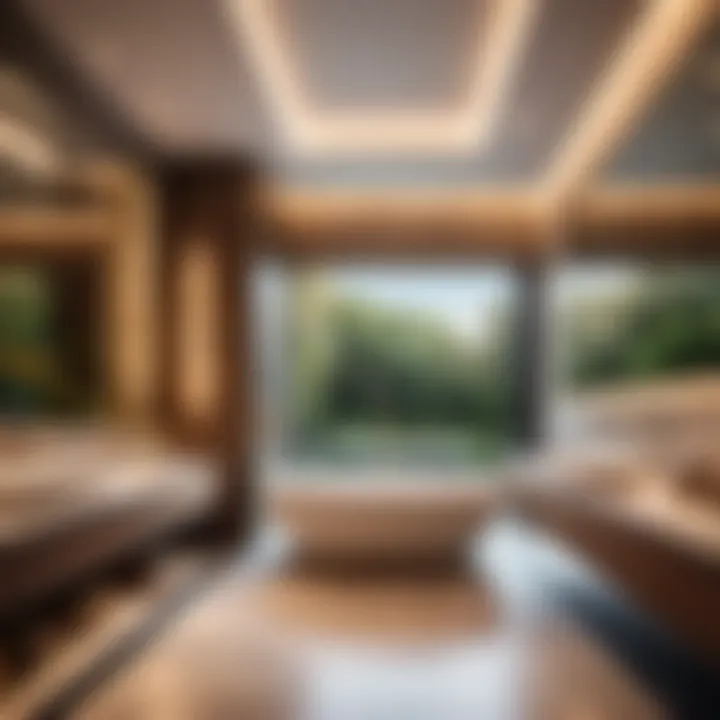
Depth and Dimension in Design: Textured surfaces bring depth and dimension to design schemes, transforming flat walls and surfaces into dynamic focal points that capture attention. The three-dimensional quality of textured elements adds visual interest and complexity to spaces, creating an immersive environment that resonates with homeowners. While textured surfaces enhance the aesthetic appeal of interiors, they can be more challenging to install and clean compared to smooth finishes. Nonetheless, the depth and dimension they introduce elevate the overall design concept, infusing spaces with a sense of texture and personality.
Space Optimization
In the realm of kitchen and bathroom design, space optimization plays a pivotal role in maximizing functionality and aesthetics. Efficiently utilizing space ensures that every corner and area serves a purpose and contributes to the overall layout. When it comes to kitchen and bathroom design, making the most of available space is crucial for a seamless and organized living experience. This article delves deep into the topic of space optimization, examining specific elements and benefits that enhance the usability and visual appeal of these spaces.
Multi-Functional Layouts
Island Seating and Hidden Storage Solutions
Island seating and hidden storage solutions stand out as key components of multi-functional layouts in kitchens and bathrooms. Islands not only provide a space for casual dining or socializing but also offer additional storage opportunities. The versatility of island seating allows for a seamless transition between cooking, dining, and entertaining areas, making it a popular choice for modern living spaces. Hidden storage solutions, on the other hand, optimize space by concealing clutter and optimizing storage capacity. While island seating encourages social interaction and a focal point for gatherings, hidden storage promotes a clutter-free environment, enhancing the overall aesthetic of the space.
Convertible Spaces for Work and Leisure
Convertible spaces cater to the evolving needs of individuals who seek adaptable environments that can transform based on specific requirements. In the context of kitchens and bathrooms, convertible spaces offer the flexibility to switch between work and leisure functions effortlessly. For instance, a kitchen counter that doubles as a workspace during the day can convert into a serving area for dinner parties in the evening. This adaptability optimizes space usage and enhances the practicality of the layout, reflecting the fusion of functionality with dynamic design. The unique feature of convertible spaces lies in their ability to cater to diverse activities without compromising on comfort or efficiency.
Open Shelving Concepts
Airy Aesthetics and Display Opportunities
Open shelving concepts revolutionize the way storage is approached in kitchen and bathroom design. By eliminating traditional closed cabinets, open shelves create an illusion of spaciousness and introduce a sense of airiness to the environment. Display opportunities through open shelving allow homeowners to showcase their decorative items, adding a personal touch to the space. While airy aesthetics enhance the visual appeal of the area, display opportunities enable individuals to curate a personalized design statement that reflects their unique style and preferences.
Organizational Efficiency in Kitchens
Organizational efficiency in kitchens emphasizes the importance of structured storage solutions that streamline daily routines. By incorporating efficient organizational systems such as pull-out drawers, rotating trays, and compartmentalized storage, kitchen spaces become more functional and user-friendly. The key characteristic of organizational efficiency lies in its ability to reduce clutter, enhance accessibility, and optimize workflow. While maintaining a clean and organized kitchen environment, homeowners can effortlessly navigate through their culinary tasks with ease, reflecting a seamless blend of practicality and design sophistication.
Vertical Storage Innovations
Utilization of Height for Increased Capacity
Vertical storage innovations capitalize on ceiling height to increase storage capacity and optimize space utilization. By utilizing vertical space effectively, homeowners can expand storage options without compromising floor space. The key characteristic of height utilization lies in its ability to accommodate bulkier items or lesser-used belongings in an organized manner. This results in a clutter-free environment that maximizes storage efficiency while enhancing visual appeal. The unique feature of employing height for storage solutions offers customizable options to suit individual storage needs, ensuring that every corner is utilized effectively.
Customizable Options for Every Corner
Customizable storage options designed for every corner of the kitchen and bathroom provide tailored solutions for maximizing functionality. By offering versatile storage solutions that cater to specific spatial constraints, customizable options ensure that no space goes unused. The key characteristic of customizable storage lies in its adaptability to various layouts and dimensions, allowing homeowners to create personalized storage solutions that align with their organizational needs. While providing optimized storage solutions for each corner, customizable options offer a balance between functionality and aesthetics, catering to the individual preferences of homeowners.
Future Directions
In the ever-evolving landscape of kitchen and bathroom design, the concept of future directions plays a pivotal role in steering the industry towards innovation and sustainability. As we look ahead to what lies beyond current trends, the incorporation of forward-thinking ideas and practices becomes imperative. Future directions in this context encompass a range of aspects such as technological advancements, environmental consciousness, and user-centric designs. By anticipating the needs and preferences of consumers, designers and manufacturers aim to create spaces that not only cater to functional requirements but also elevate the overall experience of daily living. This section delves deep into the essence of future directions, offering insights into how these trends shape the trajectory of kitchen and bathroom design.
Integration of Nature
Biophilic Design Elements for Wellbeing
Biophilic design, a concept deeply rooted in the integration of natural elements into indoor spaces, holds significant importance in fostering a sense of connection with the environment. Within the realm of kitchen and bathroom design, incorporating biophilic elements not only enhances aesthetic appeal but also contributes to improving the overall wellbeing of individuals. The emphasis on natural light, organic materials, and greenery brings a sense of tranquility and harmony to these spaces, creating a retreat-like atmosphere that promotes relaxation and rejuvenation. Biophilic design elements are carefully curated to evoke a sense of biophilia – the innate human inclination to connect with nature. By infusing aspects such as indoor plants, natural textures, and views of natural landscapes, designers can create environments that resonate with occupants on a deeper level, fostering a sense of wellbeing and calmness.
Seamless Indoor-Outdoor Transitions
Seamless indoor-outdoor transitions represent a design philosophy that blurs the boundaries between the interior and exterior spaces, creating a cohesive and fluid living experience. In the context of kitchen and bathroom design, incorporating elements that facilitate a smooth connection between indoor and outdoor areas enhances the spatial quality and functionality of the spaces. By integrating features like expansive windows, sliding glass doors, or outdoor living areas adjacent to indoor spaces, homeowners can enjoy a heightened sense of openness and continuity. This design approach not only expands the visual perception of space but also allows for increased natural light and ventilation, contributing to a sense of overall well-being. While seamless indoor-outdoor transitions offer numerous advantages in terms of aesthetics and functionality, considerations such as climate compatibility, privacy, and maintenance need to be carefully addressed to ensure a harmonious and practical integration of both environments.