Exploring Different Types of Bathroom Windows
Intro
When it comes to designing a bathroom, the windows are often an afterthought. But in reality, bathroom windows play a crucial role in shaping the overall ambiance of the space. They can provide essential light, fresh air, and a pinch of privacy, all while enhancing the architectural style of your home. If you’ve ever daydreamed about how a carefully chosen window might transform your bathroom, you’re not alone. This guide will take you through the pivotal materials, steps, and technical aspects for installing different types of bathroom windows, ensuring you have both the aesthetic and functionality covered.
Materials:
In embarking on this bathroom window project, having the right materials is key. Here’s a list of what you'll need, complete with measurements where applicable:
- Window Frame:
- Windowpanes:
- High-quality sealant: 1 tube of silicone caulk
- Insulation (if needed): Polyfoam insulation boards, cut to size for the frame
- Window locks: 2 locks suitable for the frame
- Paint or stain for the frame: 1 quart (choose waterproof options for longevity)
- Shutter or blind: 36 inches wide for added privacy
- Cleaning supplies: Soft cloth, glass cleaner, and sponge
- Wooden or vinyl frame measuring 36x24 inches (adjust based on your existing space)
- Double-glazed clear or frosted glass, cut to fit the frame (typically 34x22 inches for the given frame size)
DIY Steps:
Detailed Instructions:
- Preparation:
- Removal of Old Window:
- Frame Installation:
- Adding Glass Panes:
- Sealing:
- Finishing Touches:
- Final Inspection:
- Measure your existing window area accurately. This ensures you get the right dimensions for your new window.
- Carefully take out any existing fixtures or frames. Wear gloves to protect your hands.
- Place the new frame into the opening and ensure it is level. Secure it with screws or brackets.
- Insert the cut glass panes into the frame. Ensure a snug fit to avoid gaps.
- Use the silicone caulk around the edges to provide a waterproof seal. Smooth it out with your finger for a clean finish.
- Apply your chosen paint or stain to match your decor. Install locks and any privacy blinds.
- Check for airtightness by inspecting the edges for any visible gaps or drafts.
Technical Aspects:
Tools Needed:
- Drill: For screws
- Screwdriver: To tighten the locks
- Measuring tape: For accurate dimensions
- Level: To ensure your frame is straight
Timing Specifics:
- Allow 1-2 hours for removal of the old window and installation of the new one.
- Give sealant and paints time to dry, ideally a full day before any caulking or trimming.
Critical Techniques:
- When using caulk, ensure you apply in a continuous bead to avoid gaps.
- Always pre-drill holes if you are fastening into hard material such as wood or brick to prevent splitting.
DIY Project Process:
Sequential Steps:
- Measure the existing window and gather all materials according to the list above.
- Remove the old window frame carefully..
- Install the new window frame tightly.
- Add glass panes snugly and seal them properly.
- Paint or stain as desired.
- Allow everything to dry as instructed before handling further.
Troubleshooting Tips:
- If the window won’t close fully, double-check the frame installation.
- In case of drafts, inspect the sealed areas for excessive gaps.
Remember, this process may seem daunting, but with the right tools and patience, your bathroom will soon showcase a beautifully functional window.
Foreword to Bathroom Windows
Bathroom windows play a significant role in both the functionality and aesthetic appeal of a home. They not only allow natural light to cascade into a usually small space but also provide crucial ventilation, keeping the air fresh and preventing moisture buildup. Homeowners often face a myriad of choices when it comes to selecting suitable windows for their bathrooms, which can impact privacy, energy efficiency, and overall comfort.
A well-placed bathroom window can frame a view or direct sunlight, creating an inviting atmosphere that enhances the user experience. The importance of understanding the various types of windows, their mechanisms, and their styles cannot be overstated, as these factors significantly influence the renovation process.
Historical Context
Historically, windows in bathrooms were often overlooked in favor of practicality. In ancient times, many homes depended on small, high-set windows for both light and air, which limited access to bright sunlight and views. Over the years, bathroom design has evolved. Early structures usually had limited or no windows due to privacy concerns or weather exposure.
As architectural styles have changed, the products have followed suit. In the Victorian era, ornate leaded glass and stained glass became popular. These choices reflected the wealth and tastes of homeowners. In contrast, mid-century modern designs often favored simplicity and large expanses of glass, heralding a new approach to using windows in bathrooms. The historical trajectory highlights how our understanding and needs regarding privacy and light have shaped window design. Today, there is a vast array of window types available that meet both aesthetic and functional needs.
Importance of Natural Light and Ventilation
Natural light and ventilation are two of the most significant reasons homeowners opt for windows in their bathrooms. Bright, well-lit spaces can create an illusion of openness, making even the smallest bathrooms feel airy and expansive. Moreover, sunlight can positively affect mood and well-being, thus improving the overall atmosphere of the home.
Ventilation is equally crucial. Poor ventilation can lead to numerous issues such as mold growth, musty odors, and compromised air quality. By using windows effectively, homeowners can enable natural airflow that helps decrease humidity levels and maintain a fresher environment.
In essence, understanding these facets is vital for anyone looking to enhance their living space through renovation. Whether it's choosing the right type of window or determining the optimal placement, there are a host of considerations to ensure that the investment pays off in comfort and style.
"Windows are the eyes of a house; they bring light in and invite the world to peer inside, making careful selection essential for a welcoming home."
By grasping the importance of bathroom windows, one can navigate the vast selection available, leading to informed choices that enhance both functionality and beauty.
Types of Bathroom Windows
Choosing bathroom windows isn’t a task to be taken lightly. The right type of window can drum up a world of benefits, ranging from natural light to energy efficiency. These windows don’t just act as barriers between indoor settings and the great outdoors; they’re pivotal in affecting the ambiance and utility of the space. With various styles and materials available, it’s important to consider their unique characteristics.
Casement Windows
Mechanism and Functionality
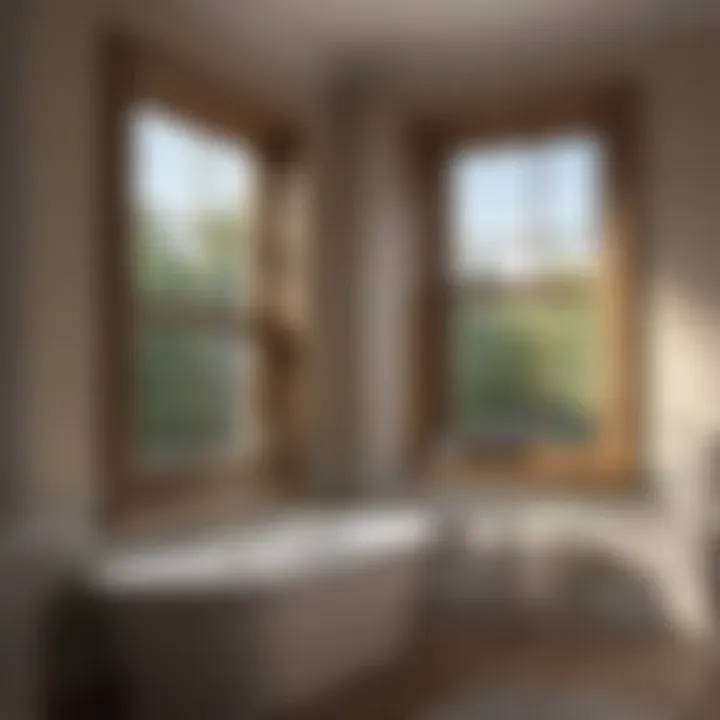
Casement windows are a popular choice in bathrooms, and for good reason. They open outward, thanks to hinges that are typically set on the side. This design allows for easier access to ventilation, which is especially key in a place where moisture is often lingering. One important aspect to note is that the crank mechanism makes them easy to open, allowing users to control the airflow precisely, thus promoting better air circulation.
A unique feature is that they can be positioned high on walls without sacrificing ventilation. This can be advantageous for privacy, allowing light in while keeping prying eyes at bay.
Design Considerations
Aesthetically speaking, casement windows come in various styles, often giving a touch of modernity while maintaining practicality. Their clean lines and minimalistic design options make them a fitting choice for those seeking a contemporary bathroom look. With multiple opening options available, you can customize them not only to fit the bathroom's architectural style but also personal preference. But, potential drawbacks include limited options for window dressings; making them less versatile than some other window types.
Pros and Cons
When weighing the pros and cons of casement windows, it becomes clear why they are often favored. One major advantage is their outstanding energy efficiency. Once closed, casements press against their frame tightly, which helps in keeping air from escaping or entering. However, their outward opening might not suit every property, particularly where outdoor space is limited. Additionally, they may require more frequent cleaning due to their design.
Awning Windows
Best Suitability
Awning windows are aptly named for their top-hinged design, which opens outward. This makes them a smart choice for high humidity areas like bathrooms. Because they open from the bottom, they can be left ajar during a rainy spell without risking water getting inside. The best-fit scenario? Think of homes in damp climates, or perhaps bathrooms requiring a whole lot of ventilation. They certainly set a practical tone for inclusivity in design and usage.
Weather Resistance
A notable feature of awning windows is their weather resistance. When closed, their design creates a tight seal that keeps out heavy rain and strong winds. This can be particularly beneficial not just for keeping moisture out, but also energy loss prevention. Most homeowners find that this feature contributes positively to energy savings over time. Still, it would be wise to regularly inspect weather stripping to maintain this resilience.
Installation Tips
For those considering awning windows, installation can be straightforward, but there are some things to remember. A proper sloped sill is crucial to ensuring that rainwater drains away efficiently. Another important tip involves selecting the right hardware; the hinges require sufficient strength to allow for smooth operation. It’s always recommended to enlist professionals for installation to avoid hassles later on, helping the window live up to its full potential.
Sliding Windows
Space Efficiency
Sliding windows are a great choice for smaller bathrooms. Their horizontal design takes up no floor space, making them ideal in tight quarters. This space efficiency is particularly beneficial in modern homes where maximizing usable area is essential. They can slide open for a nice breeze without protruding outward or inward, which allows furniture placement to remain undisturbed.
Accessibility
The accessibility offered by sliding windows is another noteworthy benefit. They are easy to operate, making them especially friendlier for all ages, including children and elderly individuals. Additionally, they can provide an uninterrupted view, which is a lovely aspect in regions with beautiful surroundings. On the downside, while they are generally low-maintenance, sliding tracks can accumulate dirt or debris over time, leading to operational difficulties.
Potential Drawbacks
As with all windows, sliding windows come with their share of drawbacks. While they are energy-efficient, gaps in their sealing can lead to less insulation compared to fixed or casement options. Their design may also limit overall ventilation, as they typically don’t open fully or as widely as others. Because of the mechanics, ensuring they are level during installation is also crucial to avoid issues.
Double-Hung Windows
Traditional Appeal
Double-hung windows embody a classic aesthetic that can complement various architectural styles. With both sashes operable, they provide a on traditional and elegant appearance, adding a lovely touch to the bathroom. Homeowners often lean towards these for their timeless visual appeal, especially in heritage homes. While they offer a traditional edge, the style is versatile enough to suit modern tastes as well.
Ease of Cleaning
Cleaning double-hung windows is a breeze! Each sash can be tilted inward, allowing for hassle-free access to both sides of the glass from inside the home. This feature is particularly appealing for those who might dread the chore of cleaning windows. Even higher windows become less intimidating to maintain, thereby promoting a clearer view and enhancing natural light infiltration.
Ventilation Aspects
In terms of ventilation, double-hung windows shine. They can be opened from the top, bottom, or both, allowing for optimal air circulation. This flexibility in how air flows can help keep bathrooms fresher, particularly in the face of moisture generated by showers. However, they may require more maintenance than simpler window types to keep them functioning smoothly.
Frosted Glass Windows
Privacy Features
Frosted glass windows are an excellent option for those prioritizing privacy. The etched or treated glass obscures view while still letting natural light pour into the space. This can be particularly important in a bathroom, where privacy is not just a desire but a necessity. Their appeal lies in ensuring that one can indulge in relaxation without concern for outsiders catching a glimpse.
Light Filtration
Beyond preserving privacy, frosted glass also aids in effective light filtration. It diffuses sunlight softly, creating a calm and soothing ambiance, ideal for winding down after a long day. The unique feature here is that the glass maintains brightness without allowing harsh sunlight that can make spaces feel too sterile or overexposed. However, it might reduce the clarity of views if that’s a concern for the homeowner.
Material Choices
Material choices for frosted glass can vary widely. From traditional glass to acrylic variants, each material brings its own set of advantages and disadvantages. Glass options provide durability and an air of elegance, while acrylic cuts down on weight and cost. Finding the right material depends on budget considerations, as well as personal style preferences.
Architectural Styles and Aesthetics
When discussing bathroom windows, the significance of architectural styles and aesthetics cannot be overstated. The way a window is styled impacts not just the visual appeal of the room but also contributes to the overall atmosphere, functionality, and the relationship between indoor and outdoor spaces. A well-chosen window design harmonizes with the building's style, fostering a cohesive look that adds character and elegance. Homeowners typically want their bathrooms to serve as relaxing oases, and the right window design plays a pivotal role in achieving this.
Incorporating architectural styles into bathroom window designs allows for enhanced privacy and natural light, while also maintaining energy efficiency. This melding of form and function draws attention to how windows can define a space, providing an opportunity for homeowners to express their personal tastes.
Modern Minimalist Approach
Clean Lines
In modern design, clean lines stand out as a singular feature that defines spaces. This approach emphasizes simplicity, which resonates with a contemporary audience seeking unembellished beauty. Clean lines not only create a sense of order but also functionally maximize natural light without distractions. Homeowners appreciate this style because it provides a subtle backdrop for other design elements, making it flexible and timeless.
The unique trait of clean lines lies in their ability to visually expand a room. However, one must remember that while they create an airy feel, excessive minimalism might sometimes come across as stark or cold if not balanced with other softer features.
Integration with Design
The concept of integration within design ties closely into modern aesthetics. This approach requires that each element, including bathroom windows, complements the overall style of the home, thus enhancing coherence. Key features of this integration involve the use of similar materials, color palettes, and shapes that echo through various parts of the living space.
This thoughtful integration results in a space that feels cohesive and intentional. It makes the bathroom appear as an extension of the rest of the home, which is a growing desire among homeowners. One drawback is that homeowners may have to sacrifice personal expression for conformity, but the resulting harmony often outweighs this concern.
Material Usage
Material choices play a crucial role in achieving the desired aesthetic. In modern bathrooms, materials such as tempered glass, stainless steel, and even sustainable choices like bamboo can elevate window designs. Utilizing these materials not only aligns with modern aesthetics but also ensures durability and functionality.
Key characteristics of these materials include their longevity and low maintenance needs, presenting a practical choice for busy lifestyles. While the cost of high-quality materials may be a consideration, their benefits often justify the investment in terms of performance and style longevity.
Traditional Styles
Classic Features
Classic features demonstrate an enduring appeal that resonates with many homeowners. Elements such as ornate window moldings, decorative panes, and vintage hardware capture a nostalgic elegance that speaks to timeless craftsmanship. These features serve to elevate the space, making the bathroom feel inviting and refined.
Their key characteristic lies in their ability to connect the modern-day bathroom with historical practices. While these styles can significantly enhance the aesthetic, they may also lead to challenges in maintenance and repair, requiring more diligence than their modern counterparts.
Periodic Design Elements
Incorporating periodic design elements into the bathroom window adds depth and interest. These could include designs reminiscent of particular cultures or historical periods, infusing character into an otherwise straightforward space. Homeowners often gravitate towards these elements to showcase individuality and narrative within their homes.
These unique features not only enhance visual complexity but can tell a story about the homeowner’s taste. On the flip side, they require careful consideration in context to avoid an overloaded design that clashes with contemporary aspects of the home.
Symmetry and Craftsmanship
Symmetry and craftsmanship are foundational aspects of traditional window design. This element asserts balance and harmony, creating a pleasing visual effect that invites comfort. Recognizing the skilled work that goes into crafting each piece becomes part of the experience, connecting the user on a deeper level with the space.
With a focus on symmetry, homeowners can ensure their bathrooms exude elegance and stability. However, achieving this level of craftsmanship requires investment and may limit options in mass-produced window designs, which could be seen as a drawback for those on a budget.
Energy Efficiency in Bathroom Windows
When homeowners think about bathroom windows, energy efficiency might not be the first thing that comes to mind. However, it’s a crucial factor to consider. Efficient windows in the bathroom help in managing heating and cooling costs. They also play a key role in maintaining indoor comfort levels, minimizing unwanted heat loss during winter and heat gain during summer.
Choosing energy-efficient window types can significantly contribute to lower utility bills and a more sustainable home environment. With increased awareness of energy consumption, homeowners are increasingly seeking ways to optimize their living spaces. This is especially true for bathrooms, which may become damp and humid; effective windows can solve multiple issues at once.
Heat Insulation
Low-E Glass Options
Low-emissivity (Low-E) glass is a popular choice when it comes to enhancing energy efficiency. The key characteristic of Low-E is its ability to reflect heat away from the interior during summer and reflect indoor heat back into the space during winter. This feature drastically reduces the demand on heating and cooling systems.
By employing a thin metallic coating on the glass, it effectively minimizes UV rays and infrared light without significantly impairing the amount of light that enters the room. This unique aspect makes it beneficial for bathrooms that require both natural light and insulation from outdoor temperature extremes.
However, one downside could be the cost. Low-E glass tends to be pricier than standard glazing options. Homeowners will want to weigh that initial investment against potential long-term savings on energy bills.
Framing Materials
Every window’s framing material contributes significantly to its overall energy efficiency. Wood frames are known for their natural insulation properties. They add a warm aesthetic but may require higher maintenance. Vinyl, on the other hand, offers excellent insulation and doesn’t need much upkeep. Each of these materials can assist in energy conservation, making them excellent choices for bathroom windows.
Professional installers often point out that vinyl frames tend to be more affordable while still providing substantial insulation. Yet, some may argue that they lack the elegance of traditional wood. Understanding the trade-offs of each frame material can help homeowners make informed choices that align with their design preferences and efficiency goals.
Sealing Techniques
The sealing technique used in window installation determines how well your bathroom windows can trap air. Good sealing helps in preventing drafts and air leaks, which boosts overall performance. Cable seals, for instance, are becoming popular due to their elasticity and durability. This characteristic makes them less likely to degrade over time, thereby enhancing the lifespan of window installations.
One can argue that robust sealing can often be the unsung hero of energy efficiency. Homeowners may overlook it during their renovation projects. However, poor sealing can reduce savings, leading to frustration when energy bills arrive. Proper sealing involves attention to detail during installation, which could save both headaches and money down the line.
Natural Ventilation Strategies
Natural ventilation strategies are also essential when it comes to energy efficiency in bathroom windows. Proper airflow prevents moisture buildup and helps keep indoor air fresh.
Cross Ventilation Importance
Cross ventilation is crucial because it relies on natural wind currents to enhance airflow. For a bathroom, this means a fresher environment and improved air quality. It's a simple yet effective method to combat humidity and prevent mildew and mold growth.
The importance of this strategy can’t be overstated; bathrooms need to be moisture-free. Adding windows on opposite walls makes cross ventilation more effective. Yet, if the layout doesn’t allow for this setup, alternative strategies may be necessary.
Window Placement
Strategically placing windows can indeed elevate the overall functionality of your bathroom. The positioning can largely dictate how much natural light and air your space receives.
For instance, placing a window high on the wall allows for privacy without compromising light. Alternatively, placing lower windows might provide better airflow during the summer months. It is sensible to consider both aesthetics and the practical implications of window placement.
Seasonal Considerations
Lastly, seasonal conditions dictate various energy efficiency strategies. In colder months, one might prefer to keep windows tightly sealed. Yet, in warmer weather, cracking windows open can promote airflow.
This means that selecting windows with removable screens could be beneficial for maintaining flexibility. Homeowners must assess their climate and design preferences when considering which window functions best support seasonal needs.
In summary, energy-efficient bathroom windows can significantly impact heating and cooling costs, while enhancing comfort and air quality. Taking time to evaluate each feature can help create a space that meets both aesthetic and functional needs.
Installation Considerations
When installing bathroom windows, a couple of things become crucial to keep in check. Installation can make or break the functionality and overall look of your bathroom. It’s not just about fitting a window into a frame; it involves considering how that window will work with the space, handle moisture, and meet local regulations. Every step must be carefully planned to ensure both performance and aesthetics harmonize to enhance your living environment.
Choosing a Professional Installer
Credentials and Experience
In the world of home improvement, experience speaks louder than words. When it comes to installing bathroom windows, choosing someone with the right credentials is non-negotiable. Experienced installers usually have faced various challenges and learned how to maneuver around them. The unique aspect of their credentials is not just about the certification but also the wisdom gained through the years.
A person who's been in the business knows the ins and outs of different types of bathroom windows. They'll quickly understand how to handle specific materials, which is a critical element in preventing future leaks or other issues. Moreover, their keen eye tends to catch problems before they escalate, making them a wise investment for any homeowner.
Cost Considerations
While many people rush to find the lowest price, that approach can bite you down the road. Cost considerations in bathroom window installations balance between affordability and quality. Understanding the overall costs is important. It includes the price of the window itself, but also the labor, materials for waterproofing, and any potential unexpected expenses.
A key characteristic of cost considerations is longevity versus initial spending. Often, the cheapest option leads to throwing money down the drain for repairs later. Hence, investing a bit more upfront can save you headaches and cash over time.
Timeline Expectations
Anticipating a timeline for installation is imperative; it helps set realistic expectations. Knowing how long it usually takes to get a window installed lets you make necessary arrangements for your family’s daily rhythms. A unique feature of timeline considerations is the ability to adjust based on unforeseen circumstances like weather changes or the need for special materials.
Understanding the expected duration of your project can help maintain your sanity. It can be frustrating if things drag on longer than planned, so clear communication with your installer about timelines can lead to a smoother experience for everyone involved.
Common Installation Challenges
Moisture Management
One cannot underscore moisture management enough when placing windows in a bathroom. The unique challenge here is balancing openings for ventilation while taking robust measures against water intrusion. Moisture can wreak havoc if not controlled properly—it leads to mold, rot, and overall structural compromise over time.
Effective moisture management practices might include using proper sealing techniques or selecting materials specifically designed to resist water. Homeowners tend to overlook this aspect, thinking that simply installing a window will handle itself; unfortunately, that is a one-way ticket to headache city.
Structural Integrity
Structurally sound windows are a must; they hold the aesthetic and practical foundation of your home environment. The main concern related to structural integrity is ensuring that the surrounding wall can support the added weight and stress of the window. An installer needs to pay extra attention to the load-bearing capacity of the wall, especially if it is being modified during the installation.
This concern should not be taken lightly. A window installation that fails to consider structural integrity can lead to additional repairs and even significant safety risks down the line. Hence, investing in quality installation practices not only keeps your home looking fresh but maintains its safety over the years.
Local Building Codes
Every region comes with its layer of regulations—local building codes are a core consideration when it comes to installing windows. They vary significantly, so what’s acceptable in one area might get you into hot water in another. It’s crucial to know what requirements you need to meet before you begin the installation.
A profound aspect of local codes is their purpose: to ensure safety and efficiency for occupants. Not abiding by these regulations can lead to fines, additional work, or even forcing you to redo the entire job. Understanding these codes might seem tedious, but in the long run, it's a wise route that saves time, money, and troubles when seeking approvals later on.
A good installer will be up to date with local codes, ensuring your installation meets all legal requirements, thus paving the way for a hassle-free completion.
Maintenance and Care
Caring for bathroom windows is not just a chore; it’s an essential part of home ownership that can enhance both the longevity and functionality of these fixtures. Regular maintenance helps prevent issues like condensation build-up, which is particularly common in moisture-rich areas. Keeping windows in good shape ensures they contribute effectively to natural light and ventilation, thus enhancing the overall atmosphere of your bath space. Without proper care, issues may arise which could lead to costly repairs down the line. So, adopting good maintenance and care practices can save both time and money, bringing lasting benefits to your home.
Cleaning Techniques
Window Material Considerations
When it comes to bathroom windows, the material certainly matters. Common materials include vinyl, wood, and aluminum. Vinyl is known for its resilience against moisture, which makes it a popular option in wet environments like bathrooms. It doesn’t warp or rot over time, reducing the need for frequent replacements. However, the downside could be that it can lack the aesthetic appeal of wood, which offers that classic touch but requires more upkeep.
Using wood means potential problems with humidity that might lead to peeling paint or flaking finishes, demanding extra attention. So, homeowners need to weigh the benefits of moisture resistance versus the beauty and prestige of wood. In summary, the right choice of material can optimize the effectiveness and longevity of bathroom windows.
Tools and Products
Having the right tools can make cleaning bathroom windows a much easier task. Basic equipment usually includes a squeegee, microfiber cloths, and mild, non-abrasive cleaning solutions. The key is to opt for products that are suitable for the specific material of your windows. Glass cleaners are effective but be wary of using harsh chemicals that could damage finishes or seals.
A unique feature of many home cleaning products today is that they often come with eco-friendly options. Using sustainable products not only benefits the environment but can also keep your home safer, especially if you have children or pets around. Thus, investing in the right tools and products simplifies the care routine while safeguarding your bathroom’s ambiance.
Frequency Recommendations
How often should you wash those windows? A good rule of thumb is to clean them at least twice a year. However, if your bathroom has high humidity or lacks ventilation, more frequent cleaning may be in order to prevent mold or mildew buildup.
The unique aspect of frequent maintenance lies in its preventative nature. Keeping a regular schedule helps you identify minor concerns before they escalate into bigger issues. Remember, a little elbow grease goes a long way in protecting the function and appearance of bathroom windows.
Identifying Repair Needs
Signs of Deterioration
It’s essential to know the signs that your windows may need repairs. Look for issues like cloudy glass, peeling paint, or draftiness. If you see condensation collecting between panes, it may indicate failure of the seal, which could lead to bigger problems like mold growth or inefficiency in insulation.
These signs highlight the need for timely action. Addressing issues like these promptly can save you unnecessary expenses and keep your bath space pleasant. So, regular checks can save you from a world of trouble.
Preventive Measures
Preventive measures can save you both heartache and dollars in the long run. Start by ensuring proper ventilation to reduce humidity - this reduces potential wear on your windows. If using wooden frames, applying a protective coating is a sharp move to lengthen their lifespan.
Being proactive with maintenance is the name of the game here. Frequent inspections can catch small issues before they mushroom into larger problems that require heavy-duty repairs. Planning ahead saves hassle, allowing you to enjoy your space without worry.
Hiring a Repair Specialist
When it comes to repairs, sometimes it's better to call in a professional. Hiring a repair specialist can provide peace of mind, especially if you encounter complex issues that exceed your skill set. A pro not only brings expertise but also has access to quality materials and tools often unavailable to non-professionals.
While the upfront cost may raise doubts, think of it as an investment in your home. Quality repairs can significantly extend the lifespan of your windows, protecting against moisture and promoting better energy efficiency. Ultimately, a professional touch in repairs ensures that your bathroom remains both functional and aesthetically pleasing.
Epilogue
In wrapping up our exploration of bathroom window types, it’s crucial to understand how this aspect of home design transcends mere aesthetics. Windows, while often viewed as just openings to let in light, can play a pivotal role in enhancing the functionality of a bathroom space, so we must not overlook their significance.
Summarizing Key Points
To crystallize our discussion, here are the vital takeaways:
- Different window styles suit various bathroom needs: From casement to frosted glass, the choice impacts ventilation and privacy.
- The architectural style of the home influences window selection; a modern minimalist approach might favor sleek awning windows, while a traditional style may call for double-hung designs.
- Energy efficiency is a growing concern, with options like Low-E Glass and thoughtful placement contributing to reduced utility costs.
- Installation plays a critical role; opting for a qualified installer can help mitigate common pitfalls such as moisture management.
These points encapsulate the interplay between design, function, and efficiency, ideal for house owners aiming for an improved living environment.
Future Trends in Bathroom Window Design
Looking ahead, several key trends are likely to shape bathroom window design:
- Smart Windows: With the integration of technology, windows may soon allow intuitive control over light and privacy, responding to voice commands or smartphone apps.
- Sustainable Materials: In an eco-conscious world, manufacturers may trend towards using recycled or low-impact materials without compromising on durability or style.
- Larger Openings: As space becomes a premium, designs that utilize larger windows to blur the line between indoor and outdoor living are becoming appealing.
- Frosted and Textured Variations: To enhance privacy while allowing light, expect to see more variety in frosted or textured glass designs.
Adapting to modern preferences while maintaining traditional values will likely lead to innovations that provide both privacy and natural light. Keeping an eye on these trends will empower home owners to make choices that are not only functional but also stylish and reflective of the evolving landscape of home design.