Enhancing Bird Baths: A Guide to Aesthetic Functionality
Intro
Bird baths serve not only as functional objects for the well-being of birds but also as aesthetic enhancements to gardens and patios. Designing and decorating a bird bath requires thoughtful consideration of various factors, merging beauty and utility. This guide aims to illuminate the intricate process of transforming a simple bird bath into a captivating feature that invites feathered visitors while blending seamlessly into its surroundings.
Materials:
Creating a beautifully decorated bird bath involves a careful selection of materials. Below is a comprehensive list:
- Bird Bath Base: 1 unit, preferably concrete or ceramic, at least 24 inches in diameter
- Water Source: Access to a hose or existing water supply
- Adhesive: Waterproof exterior-grade sealant, such as Sikaflex or Liquid Nails, at 0.1 liters
- Decorative Stones: Smooth river stones, approximately 5 pounds total
- Natural Plants: Aquatic plants, like water lilies or hornwort, at least 2 pots
- Pea Gravel: 4 pounds for the base of the bath
- Natural Crystals: Optional; look for quartz or similar, at least 1 pound
- Paint: Acrylic paint for any designs, suitable for outdoor use, at 0.2 liters
- Sealant: Outdoor clear coat sealer, at 0.1 liters
DIY Steps:
Step-by-Step Process
- Planning: Determine the best location for your bird bath. Consider sunlight, shade, and accessibility.
- Choosing a Design: Sketch your design, incorporating elements such as stones, plants, and paint patterns that appeal to your taste.
- Preparing the Base: Ensure the bird bath base is clean and free from debris. Apply a coat of acrylic paint if desired and allow to dry.
- Creating a Nature Base: Lay pea gravel evenly across the bottom of the bird bath. This provides a textured surface while also allowing water drainage.
- Arranging Decorative Stones: Place smooth river stones artistically around the edge, ensuring they are secure and stable.
- Adding Aquatic Plants: Carefully position the potted plants into the water, ensuring they are submerged adequately.
- Final Touches: If using crystals, scatter them around the edges. Seal any painted areas with a clear outdoor sealant for durability.
- Filling with Water: Fill the bath with clean water to the appropriate level, keeping in mind the needs of visiting birds.
Technical Aspects:
Tools Needed
- Trowel: For spreading pea gravel
- Paintbrushes: For applying paint and sealant
- Watering Can: To add water after installation
Timing Specifics
- Total Project Time: Approximately 4 to 5 hours, including drying time for paint and sealant.
Critical Techniques
- Always use waterproof adhesive to ensure the materials stay intact and functional over time.
- For best results, avoid harsh chemicals in the bird bath to promote a safe environment for birds.
DIY Project Process:
Sequential Steps
- Select an appropriate day for the outdoor project, ideally when the temperature is above 50°F.
- Midway through your DIY process, step back and assess if the stones and plants are positioned as desired.
- Monitor the drying time of paint and sealant closely; follow manufacturer instructions for best results.
Troubleshooting Tips
- If stones do not adhere as expected, consider reapplying adhesive and securing them with weights until it sets.
- Water levels may fluctuate; check it regularly and refill as necessary to maintain an inviting environment for birds.
Remember: Creating a visually appealing and functional bird bath not only enhances the area but provides a much-needed resource for local wildlife.
Foreword to Bird Baths
Bird baths serve not just as decorations in gardens or yards; they play a vital role in the ecosystem as well. This section sets the stage for understanding the multifaceted purpose of a bird bath, balancing aesthetic value with practical functionality. Whether one is an avid bird watcher or simply enjoys gardening, the bird bath can become a focal point, enhancing the overall environment. Involving various styles and materials, selecting a bird bath goes beyond mere appearances; it requires thoughtful consideration of how it can attract local wildlife and contribute to their well-being.
Historical Significance of Bird Baths
The concept of bird baths has a long history. Initially, they were simple dishes filled with water, used primarily for practical purposes. Many generations past, people recognized birds as symbols of freedom and joy. The simple act of placing water outdoors evolved into a tradition, enriching gardens and landscapes. In various cultures, from ancient Romans who created elaborate fountains to modern-day homeowners, bird baths provided a place for birds to drink, bathe, and enjoy a little respite from daily life.
"Bird baths not only enhance the beauty of a space but also serve the critical function of providing hydration and hygiene to birds."
Coherence across history involves understanding how various societal values respect nature. Today, many people regard bird baths as essential elements of outdoor spaces, reflecting personal tastes while honoring traditions.
Ecological Importance
Bird baths offer significant ecological benefits. Water sources are critical for birds, especially in urban areas where natural bodies of water may be scarce. A well-placed bird bath can attract diverse bird species, contributing to local biodiversity. Moreover, bird baths support insects, which in turn serve as food sources. Their presence helps maintain the delicate balance within garden ecosystems.
Setting up a bird bath also fosters responsible behavior toward wildlife. When thoughtfully designed and maintained, they serve as havens where birds can thrive. This not only delights observers but supports larger environmental health. The ecological importance of bird baths cannot be understated; it is a simple yet effective means of fostering a deeper connection between humans and the natural world around them.
Choosing the Right Style
Choosing the right style for a bird bath is a crucial step in merging aesthetics with functionality. A well-chosen style enhances the visual experience while encouraging local wildlife to visit. It can serve as a striking centerpiece in your garden, attracting birds and other pollinators, simultaneously enriching your outdoor space.
When selecting a style, consider the architectural features of your home and garden. For instance, a modern-style bird bath may complement a contemporary home, while a traditional design may fit better in a classic or rustic setting. This alignment not only improves visual harmony but also creates an inviting atmosphere.
The benefits of choosing the right style extend beyond appearance. A well-designed bird bath can support a variety of bird species. Birds are often drawn to baths that reflect their natural habitats. For instance, if your garden emphasizes natural materials and rustic motifs, a stone or wooden bird bath may appeal more to local species, encouraging visits.
Furthermore, investing time into the aesthetics means you prioritize care and maintenance in future. There’s a need to blend practicality with visual appeal. The chosen style of your bird bath often dictates which materials will fit best. Hence, this decision may streamline your selection process down the line.
"A decorative bird bath should be a balance of beauty and utility, making your garden a sanctuary for birds."
Assess local climate and specific environmental factors before finalizing your choice. A sturdy design will endure seasonal changes better. Poorly chosen styles may lead to maintenance difficulties or reduced bird activity in your garden.
Traditional vs. Modern Designs
Traditional and modern designs showcase distinct aesthetics that cater to different tastes. Traditional bird baths often feature ornate designs, combining intricate patterns and natural stone materials. They frequently evoke a sense of nostalgia and warmth, attracting birds that appreciate stability and familiarity. Popular options include bird baths with classical bird sculptures or those mimicking natural ponds.
In contrast, modern designs usually lean towards minimalism, utilizing clean lines and innovative materials. They often embrace functionality without embellishment. Bird baths of this nature may include geometric shapes and sleek, shiny metals, appealing to bird species that are more adventurous. This style can redefine the look of a contemporary garden.
Consider how each design relates to the surrounding environment. Choosing between traditional and modern styles might depend on personal preferences as much as the broader garden aesthetic.
Cultural Inspirations for Design
Cultural inspirations can significantly enhance the design of a bird bath. Integrating influences from different cultures allows you to create a unique piece that reflects personal values or experiences. For instance, Moroccan designs often feature colorful tiles and intricate patterns. This influence can easily be translated to a bird bath design, inviting vibrancy to the garden.
Incorporating Asian elements introduces concepts of harmony and balance, which align well with the natural world. Stone bird baths with Zen-inspired designs promote tranquility. Additionally, indigenous American artistic styles provide opportunities for natural inspiration and symbolism within your bird bath decoration.
Researching various cultures can yield innovative ideas. You may find surprising ways to blend aesthetics and utility, creating a bird bath that not only attracts birds but also serves as a unique artistic expression of culture.
Materials for Bird Baths
Choosing the right materials for your bird bath is integral to achieving both aesthetic appeal and functionality. The materials selected impact not just the visual aspect of the bird bath but also its durability and ecological benefits. A bird bath made from suitable materials can attract a variety of bird species while blending harmoniously into its surroundings. Let's explore the various material options available for creating the perfect bird bath.
Natural Materials
Natural materials offer a unique charm, giving bird baths an organic and rustic appearance. They tend to blend better with garden environments, adding to the overall aesthetics.
Stone
Stone is a highly sought-after material in bird bath construction. One key characteristic of stone is its thermal mass. This means it can retain heat, helping to keep the water warmer during chilly days. This can be particularly beneficial for attracting birds in cooler climates. Moreover, the robust nature of stone means it can withstand harsh weather conditions, ensuring longevity.
A unique feature of stone bird baths is the diverse range of textures and colors available, which allows for personalization. However, while stone can be an excellent choice, it may be pricier and heavier than other options, making installation a bit challenging.
Wood
Wood presents another attractive option for bird baths. Its natural look complements garden aesthetics beautifully. One of the main benefits of wood is its lightweight nature, making it easier to move and install.
An important feature of wood is its ability to be treated with various finishes that can enhance durability and resistance to the elements. However, wood requires more maintenance over time, as it can rot or warp if not properly cared for. Therefore, using well-treated or naturally rot-resistant woods like cedar is advisable.
Ceramics
Ceramics offer a different aesthetic appeal with their glossy finishes and vibrant colors. One key characteristic of ceramics is their ability to hold water without leaking, which is crucial for a bird bath. Ceramics are popular because they come in various styles and can be easily shaped and decorated.
They also provide unique features such as being dishwasher safe for easy cleaning. On the downside, ceramics can be fragile and may crack in harsh weather, especially in freezing conditions. Therefore, it’s essential to choose ceramics made for outdoor use for optimal durability.
Manufactured Materials
Manufactured materials provide alternative options that often prioritize durability and practical benefits. They can also offer unique design possibilities that natural materials may not provide.
Concrete
Concrete is highly durable and weather-resistant, making it a solid choice for bird baths. Its key characteristic is its sturdiness; it can withstand wind, rain, and other environmental factors without deteriorating. This longevity is a significant advantage for homeowners looking for something low maintenance.
Concrete can be molded into various shapes and sizes, providing creative design flexibility. However, it can be quite heavy, which requires careful planning during installation. Additionally, concrete can absorb heat, which may cause water evaporation on hot days.
Plastic
Plastic is often favored for its lightweight and affordable nature. One attractive aspect is that plastic can be molded into numerous designs, making it versatile. It can come in bright colors and can be made to imitate other materials, further enhancing its decorative appeal.
However, plastic may take on more heat in sunny conditions, which can affect water temperature. Additionally, lower-quality plastics may fade over time or become brittle when exposed to UV rays, leading to potential cracking.
Metal
Metal options, such as copper or aluminum, bring a classic look to bird baths. A significant characteristic is their long lifespan, provided they are properly maintained with weather-resistant coatings. Metal can add a touch of elegance, particularly copper, which develops a pleasing patina over time.
Metals can be vulnerable to rusting if gaps in coatings emerge. Regular upkeep is necessary to maintain functionality and beauty. Thus, while metal offers many advantages, they come with a responsibility of maintenance to ensure longevity.
Integrating Natural Elements
Integrating natural elements into the design of a bird bath is essential for creating an inviting environment for birds. This approach not only enhances the aesthetic appeal of the bird bath but also contributes to its overall functionality. By harmonizing the bird bath with its natural surroundings, one can attract various bird species while ensuring they are comfortable. This creates a peaceful habitat promoting ecological balance. Through careful selection of plants and stone arrangements, homeowners can transform the bird bath into a lively attraction.
Incorporating Plants
Aquatic Plants
Aquatic plants are more than just a decorative addition to a bird bath; they play a vital role in maintaining a balanced ecosystem. These types of plants, such as water lilies or lotus, float on the water, providing shade and a respite for birds. A key characteristic of aquatic plants is their ability to help keep the water clean by filtering pollutants.
Adding these plants can be a beneficial choice for bird baths, as they not only attract birds but also support beneficial microorganisms that keep the water fresh. However, it is essential to select the right varieties to ensure they thrive in the specific conditions of your bird bath. Additionally, overgrowth can lead to challenges in maintenance, which homeowners need to consider.
Surrounding Flora
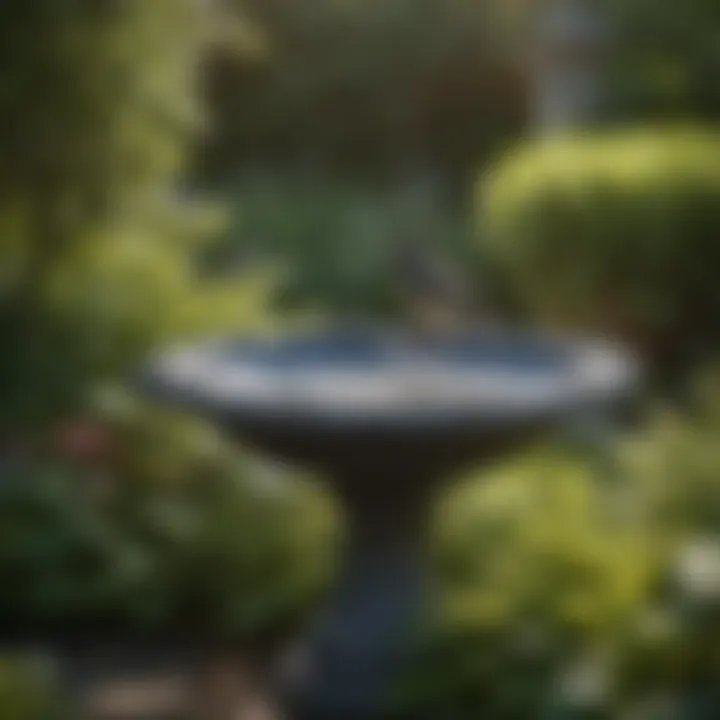
Surrounding flora also plays a crucial role in enhancing a bird bath's appeal. This refers to the plants that are positioned around the bird bath. They create a natural frame and can offer essential cover for birds, making them feel secure while they drink or bathe. A significant advantage of surrounding flora is the attractivity it provides for insects and other wildlife, which in turn supports bird activity.
Choosing native plants for this purpose is often a popular choice. They generally require less maintenance and are better suited to local ecosystems. Such flora not only beautifies the space but also encourages a biodiverse environment that benefits the birds.
Natural Stone Arrangements
Natural stone arrangements lend an organic feel to the bird bath and are instrumental in creating a seamless transition between the bird bath and its surroundings. Stones can be positioned in such a way that they provide perches for the birds, or even create stepping stones leading into the water. The unique feature of natural stone is that each piece is distinct in shape and texture, allowing for creative and personalized arrangements that suit the garden's aesthetic.
Incorporating stones offers several advantages; they are durable, require little maintenance, and enhance drainage around the bird bath. However, it is vital to ensure that the stones are clean and free from chemicals so as not to harm the wildlife. When arranged thoughtfully, natural stones bring an added touch to the bird bath, further blending functionality with beauty.
Functional Decorative Techniques
In the realm of bird bath decoration, functional decorative techniques are paramount. These techniques not only embellish the bird bath but also enhance its usability for local bird populations. Investing time into functional aspects facilitates an environment where birds feel safe and are drawn to visit. This involves creating features that add beauty while simultaneously supporting the ecological role that a bird bath serves.
Creating Water Features
Fountains
Fountains serve as dynamic features in bird baths that elevate both aesthetic appeal and functionality. They introduce a continuous movement of water, which birds find inviting. The gentle splashing of water is not only visually pleasing but also acts as an auditory cue that attracts birds from afar.
A key characteristic of fountains is their ability to aerate water, helping to maintain a fresh and clean environment. This feature significantly reduces the chances of stagnation, which can be detrimental to the health of the birds. However, fountains require a bit more maintenance due to moving parts, and they can be somewhat of an energy consumer if not thoughtfully designed.
The unique feature of fountains is their arrangement of water jets or spouts. This visual aspect can transform an ordinary bird bath into a more engaging landscape piece. Their advantages include increased bird activity and added visual interest. The main disadvantage is the possible need for regular cleaning and troubleshooting any technical issues.
Waterfalls
Waterfalls also prove to be effective design elements when decorating a bird bath. They create a natural flow of water that mimics what birds may encounter in their natural habitats. A waterfall’s cascading water not only provides a wonderful visual display but also contributes to soundscapes that can soothe both the birds and human observers.
A prominent characteristic of waterfalls is their layered structure, which can vary in height and flow rate. This allows for customization based on the space available and the overall design concept. Waterfalls are beneficial as they add movement and mimic natural water sources that can attract various bird species.
The unique feature of waterfalls is their ability to simulate a biotope, which makes the bird bath more appealing to different species. Since cascading water naturally aerates, it encourages healthy water, while also creating various zones for birds to perch. On the downside, they could require more space and installation effort, which not every homeowner may be willing to undertake.
Adding a Solar Pump
Incorporating a solar pump in a bird bath can be a game changer. This innovative approach utilizes renewable energy to power water features. The use of a solar pump is not only effective but also environmentally responsible. It eliminates the need for a traditional electricity source, making it easier to place a bird bath in areas farther from outlets.
A notable benefit of using a solar pump is the cost-effectiveness it provides in the long run. Once installed, the energy costs are negligible, and it allows for the continuous circulation of water. Additionally, modern solar pumps come in aesthetically pleasing designs that can blend seamlessly within a garden.
On the flip side, solar pumps can be dependent on sunlight, which can lead to less consistent performance during cloudy days or in shaded areas. It’s important to position solar panels effectively for optimal charging to ensure reliable operation.
Seasonal Decor Considerations
When it comes to enhancing the beauty and functionality of a bird bath, seasonal decor is essential. Each season presents unique opportunities and challenges in creating an inviting space for birds. Understanding this aspect allows homeowners to make thoughtful choices that not only appeal visually but also cater to the changing needs of the avian visitors.
Considering seasonal themes encourages creativity and adheres to ecological awareness. For instance, different plants can be chosen based on the time of year, offering diverse environments that attract various species. Additionally, adapting the design to seasonal attributes can balance functionality with aesthetics, ensuring that birds feel drawn to the bath regardless of the outdoor climate.
In summary, seasonal decor considerations are vital. They enable a thoughtful and flexible approach to bird bath decoration, allowing it to remain a vibrant and desirable space for both birds and observers alike.
Summer Themes and Enhancements
Summer is a vibrant season characterized by warmth and vitality. During this time, the bird bath can be adorned to reflect this energy. Incorporating bright colors and lively plants can greatly enhance the visual appeal. For example, using flowering plants that thrive in the heat invites butterflies along with the birds, creating a flourishing ecosystem.
Additionally, integrating lightweight decor, like colorful hanging ornaments or sun catchers, can add a touch of whimsy. Ensuring ample shade around the bird bath will help keep the water cool and inviting during hot days. It is also important to maintain the cleanliness of the water regularly to encourage birds to visit.
Winter Preparations
Winter poses its own set of challenges and considerations. To prepare a bird bath for the colder months, two primary aspects come into play: insulation and heating options.
Insulation
Insulation is crucial for keeping the water in the bird bath from freezing. One effective method is using materials like foam or insulating pads underneath the bird bath. This provides a barrier against the cold ground, reducing heat loss. The key characteristic of insulation is its ability to retain warmth from the sun, ensuring that water remains available to birds, even in frigid temperatures.
While using insulation can help, it must be noted that it does not entirely prevent freezing; therefore, it is only a partial solution. Nonetheless, it is a popular choice among homeowners who want to provide a reliable water source without significant alteration to the bath's aesthetic.
Heating Options
Heating options add another layer of assurance for maintaining liquid water. Submersible heaters are commonly used in bird baths during winter. These heaters are designed to warm the water without being overly intrusive. The significant advantage of heating options is their effectiveness in preventing freezing, ensuring that birds have continual access to drinking water in winter months.
It is important, though, to choose models that are safe and energy-efficient. Some heaters may have higher running costs or can be more visible, which might detract from the natural aesthetics of the yard. Therefore, evaluating your specific requirements and budget is essential when considering these heating options.
The careful balance between maintaining a beautiful display and ensuring functionality is the hallmark of effective seasonal decoration for a bird bath.
Bird Attraction Strategies
Bird baths can be seen as more than mere ornamental additions to a garden; they serve as vital havens for local bird populations. Attracting birds not only enhances the beauty of the environment but also contributes significantly to the ecosystem. The charm of birds splashing and drinking can transform a simple garden into a vibrant habitat. Thus, employing effective bird attraction strategies is essential for those who wish to optimize their bird baths.
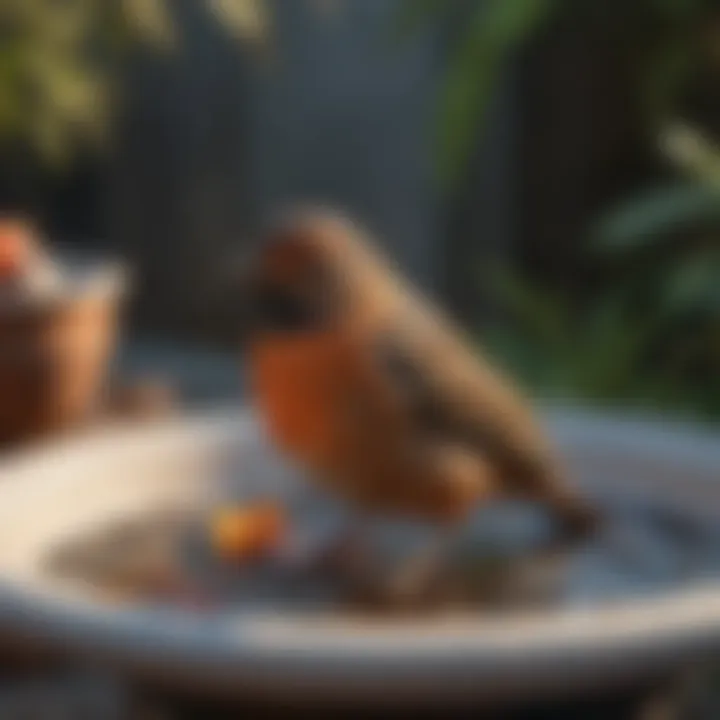
Choosing the Right Height
When placing a bird bath, height is a crucial consideration. The ideal height can vary depending on the species of birds you wish to attract. Most small birds prefer lower baths, while larger birds like doves or slight raptors may be comfortable with higher designs. A bird bath should ideally be 30 inches off the ground but adjust this according to your local bird species’ preferences. It is important to observe the habits of local bird life; for example, perching nearby is a common behavior. Therefore, positions that offer safety and visibility will encourage visits.
Birds are far more likely to use a bird bath that offers a sense of safety from potential ground predators.
Adding Surrounding Perches
Surrounding your bird bath with perches can significantly increase its attractiveness to birds. Perches provide resting spots where birds can observe their surroundings before entering the bath for a drink or splash. Using natural branches or manmade items can create a welcoming area. Branches should be sturdy and positioned at varying heights for different types of birds.
Here are some considerations for effective perching:
- Natural structure: Use tree branches or logs to harmonize with the environment.
- Placement: Ensure that perches are no more than five to six feet away from the bath.
- Variety: Different thicknesses will attract various bird sizes.
By implementing these strategies, you can transform your bird bath into a flourishing hub of activity, drawing in an array of delightful feathered visitors. With careful planning, you can create an inviting atmosphere that supports local wildlife while enjoying the aesthetic beauty that birds bring to your garden.
Maintenance Considerations
To sustain the beauty and function of a bird bath, regular maintenance is crucial. A well-maintained bird bath not only attracts birds but also ensures their safety and good health. Dirty water can harm birds, making it essential to establish a routine that keeps both the water and the surrounding area clean. In this section, we delve into best practices for upkeep, so your bird bath remains a delightful feature in your garden.
Regular Cleaning Routines
Regular cleaning of your bird bath is fundamental to encourage birds to use it. A cleaning schedule can vary depending on environmental factors such as season and local conditions. Aim to clean the bird bath at least once a week to remove debris, algae, and any waste that accumulates.
Key Steps for Effective Cleaning:
- Draining Water: Start by draining the old water completely.
- Scrubbing: Use a stiff brush and a mild soap or a vinegar solution to scrub the surfaces. Avoid using harsh chemicals as they may harm the birds.
- Rinsing: Thoroughly rinse the bath to ensure no soap residue remains.
- Refilling: Replace it with fresh water to make it inviting for birds.
This routine does not just clean; it transforms your bird bath into a safe haven, fostering an environment that birds will trust. Regular attention also allows you to observe any wear and tear, prompting timely repairs that maintain your bath's aesthetic appeal.
Preventing Algae Growth
One significant challenge in maintaining a bird bath is managing algae growth, especially in warmer months. Algae can render the water unappealing, deterring birds from visiting. Thus, tackling this issue is necessary for fostering bird-friendly conditions.
Effective Algae Prevention Methods:
- Using a Natural Cleaner: Add a natural enzyme product that helps break down organic matter. It will keep the water cleaner for longer periods.
- Adding Fresh Water: Frequently changing the water helps limit algae proliferation. Stagnant water is a prime target for algae growth.
- Placement Considerations: Properly positioning the bird bath away from direct sunlight can lower water temperature and reduce algae production.
Maintaining a clean bird bath enhances the overall health of local bird populations, ensuring they thrive in your garden.
By following these maintenance considerations, you not only preserve the functional aspect of your bird bath but also enrich your garden's ecological system. A well-maintained bird bath is more than just a decorative piece; it is a commitment to supporting local wildlife.
Innovative Decorative Ideas
Innovative decorative ideas play a vital role in enhancing the aesthetic and functional aspects of bird baths. The aim is to create a harmonious blend of ecological function with artistic beauty. These ideas do not just beautify; they also cater to the preferences of various bird species and encourage their presence in your garden. The introduction of creative elements can significantly transform a standard bird bath into a captivating focal point in your yard.
Upcycling Materials
Upcycling materials is an excellent practice for both sustainability and creativity. This involves taking discarded or unused items and converting them into functional art. Items such as old pots, cracked dishes, or even wood from pallets can serve as bases or decorative elements for your bird bath. Using these materials contributes to the reduction of waste while allowing you to express your personal style. This practice highlights resourcefulness, proving beneficial as it allows for budget-friendly decor.
Considerations for Upcycling:
- Identify items around your home that are no longer in use.
- Ensure all materials are safe for bird interaction, meaning no sharp edges or toxic substances.
- Incorporate these materials in a way that enhances not just the beauty but also the functionality of the bird bath.
Artistic Touches
Artistic touches can elevate any bird bath's visual appeal. These enhancements allow for a more tailored decorative scheme that reflects your individual taste. Customization through artistic methods makes it easier to align the look of the bird bath with the overall garden style.
Hand-painted Designs
Hand-painted designs are an expressive way to personalize your bird bath. They enable you to showcase unique patterns, colors, or themes that resonate with your garden aesthetic. One key characteristic of hand-painted designs is their versatility. They can range from intricate floral motifs to simple geometric patterns. This diversity makes them a popular choice among homeowners looking to add a custom touch.
The unique feature of hand-painted designs lies in their ability to bring life and character to your bird bath. However, a disadvantage is that these designs can fade over time due to weather exposure. Proper sealing can mitigate this issue, ensuring your artwork lasts longer and maintains its vibrancy.
Mosaics
Mosaics represent another artistic option for decorating bird baths. This method involves piecing together small tiles or glass fragments to create a cohesive design. The vibrant colors and textures make mosaics visually captivating, drawing attention and encouraging birds to visit.
The key characteristic of mosaics is their durability. Unlike paint, the materials used in mosaics withstand various weather conditions without losing their integrity. One unique advantage is that they require minimal maintenance, any sizeable damage can potentially be repaired by replacing a few tiles. However, the initial installation can be labor-intensive and may require some skill in layout design.
Finale: A Harmonious Blend
The conclusion of this discourse on decorating a bird bath emphasizes the essential connection between aesthetics and functionality. Creating a harmonious blend of both elements is critical for not just enhancing the visual appeal of your garden space but also for promoting a welcoming environment for avian visitors.
Bird baths serve a dual purpose. They are not merely decorative pieces but also crucial habitats for birds. Thus, achieving this balance ensures that the art of decoration does not overshadow the functional aspect of water provision. When birds are drawn to the inviting design of your bird bath, it denotes the success of this blending.
Balancing Aesthetics and Functionality
Balancing aesthetics with functionality requires conscious decision-making. Here are several considerations to help achieve this balance:
- Select Visually Appealing Materials: Use materials like natural stone or ceramics that complement your garden. This enhances the overall structure's look while providing durability.
- Incorporate Practical Features: Utilize features like shallow edges or built-in fountains to ensure that birds can comfortably access the water without difficulty.
- Consider Seasonal Changes: Your decor may need to change with the seasons. Both looks and functionalities can be adjusted to cater to specific bird species' preferences and behaviors.
- Embrace Natural Designs: Integrate surrounding flora or elements that mimic nature, making the bird bath blend seamlessly into the ecosystem.
In essence, a well-decorated bird bath reflects thoughtful planning. The result is not only a beautiful addition to your landscape but also a vital asset to your local wildlife. As such, it invites admiration while fulfilling its ecological role.