The Timeless Elegance of Black and White Bathrooms

Intro
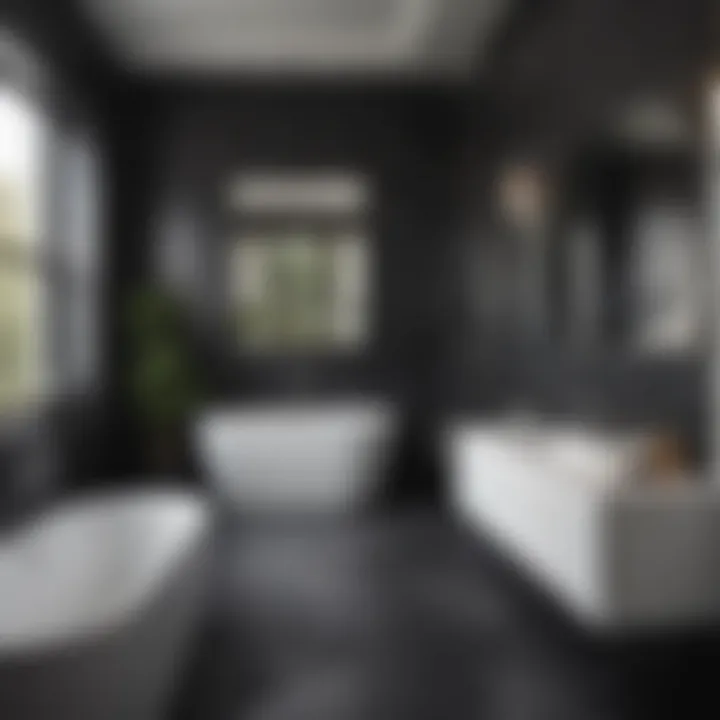
Black and white bathrooms have a distinct charm that can elevate any home. Their classic color scheme creates a sense of balance and sophistication. This article explores the essential principles that define black and white designs while also considering practical factors for implementation.
The use of contrasting colors can enhance a space's perception of size and light. These designs may appear modern, yet there is an inherent timelessness in their execution. Throughout this article, we dive into the details of planning, material selection, and thoughtful application to achieve a harmonious result.
Materials:
To kickstart your project, compiling the right materials is essential. Here’s a clear list that can aid your journey in transforming your bathroom.
- Ceramic Tiles: Approximately 60 square feet of black and white 12x12 tiles.
- Paint: One gallon of waterproof semi-gloss black paint.
- Paint: One gallon of waterproof semi-gloss white paint.
- Primer: One quart of mold-resistant primer.
- Vanity: One white sink vanity, measuring 36 inches.
- Lighting Fixtures: One ceiling fixture and two wall sconces (in black).
- Mirror: One framed black or white mirror, preferably 30x40 inches.
- Accessories: Towels, bath mat, and decor in black and white hues.
DIY Steps:
Identifying a budget is crucial. After finalizing your list, follow the steps below carefully.
- Preparation: Start by clearing out your bathroom of existing items. Protect the floor with drop cloths to prevent damage. Cover any bathroom fixtures).
- Painting: Apply the mold-resistant primer to the surfaces needing paint. Once it dries, apply two coats of your chosen black and white paint. Use paint that handles humidity well.
- Tile Installation: Lay out your tiles in a pattern that you prefer before sticking them down. Using a notched trowel, apply thin-set mortar. Press down your tiles firmly, making sure the layout aligns as planned.
- Grouting: Allow your tiles to set for 24 hours. Then, mix and apply grout between the tiles, wiping off excess without delaying. Let it cure.
- Vanity and Fixtures: Install your new sink vanity, ensuring it is secured properly. Connect plumbing as required. Mount lighting fixtures where desired for optimal illumination without wystanding issues.
- Mirror and Accessories: Once everything is in place, hang your mirror and arrange towels and decor to enrich your elegance theme.
Technical Aspects:
Having the right tools can greatly assist in achieving professional results.
Tools Needed:
- Tile cutter
- Notched trowel
- Grout float
- Paint rollers and brushes
- Level
- Measuring tape
- Screwdriver
Timing Specifics:
- Allow 1-2 days for painting based on drying time.
- Grouting can take an additional day, followed by curing for at least another two days.
Critical Techniques:
- Always measure thrice before cutting any material.
- Maintain consistent spacing between tiles for a neat finish.
Troubleshooting Tips:
Despite careful planning, challenges may arise. Here are some solutions.
- Uneven Tiles: If tiles appear uneven, check first alignment with a level, adjusting as necessary.
- Grout Haze: If grout haze forms, clean gently with a damp sponge after it sets, ensuring no scratches form on tile surfaces.
- Paint Peeling: If paint peels, reassess surface priming or consider a different paint variant that's more compatible with wet conditions.
“Timeless elegance in black and white isn’t only about looks; it’s also about functionality”
Achieving a stylish black and white bathroom requires attention to detail and understanding of the fundamentals of design. With careful planning and execution, your project will cohesively showcase an elegant allure, embodying both sophistication and utility.
Preamble to Black and White Bathrooms
Black and white bathrooms represent a design style that persists through changing trends. This approach is not just a choice of colors, it encapsulates a philosophy of aesthetics, form, and function. These spaces evoke a strikig contrast whie maintaining elegance and simplicity.
When it comes to designing this type of bathroom, a few core elements must always be at the forefront. Foremost is the idea that black and white is timeless. Its appeal spans both classic and modern influences, making it a versatile option for homeowners looking to futur-proof their designs while remaining true to traditional values.
The Benefits of adopting a black and white design extend beyond mere appearance. Practical benefits can arise in maintenance, allowing homeowners to keep surfaces looking clean and polished. This color scheme can also produce an illusion of space, as bright whites often recede, creating depth when balanced correctly against dark hues. Moreover, its simplicity allows homeowners to creatively enhance with accessories without overwhelming the integrity of the color scheme.
But alongside these benefits come important considerations. Understanding the effects of color in lighting conditions, for example, can change the intended design entirely based on time of day. Therefore, undertaking this design requires thoughtfully navigating these challenges to truly enjoy the results.
Historical Context of Black and White Design
The use of black and white in design can be traced back centuries. Notably, it gained prominence during the Art Deco period of the 1920s and 1930s, where lavish black and white patterns really shone, demonstrating lavish indulgence alongside stark, geometric lines. The interplay of these dual tones conveyed a sense of chic modesty paired with luxury—a balance that resonates throughout time.
In the following decades, the monochrome palette became emblematic of modernism. Influential designers, such as Mies van der Rohe, employed these colors to create open, livable spaces; bathrooms were not immune. Clean lines in design paired with muted extremes made the black and white bathroom a favored choice for those desiring an impactful aesthetic without excess. Soon enough, this design trend moved away from mere trendiness to a hold as a classic, signifying sophisticated choices over fleeting whims.
As we progress into the 21st century, the resurgence of minimalism has coupled perfectly with black and white ideals. These transformative decades show a continuous evolution where minimalism encourages openness while allowing for rich design woven within the simple color choice.
The Enduring Appeal of Monochrome Design
Monochrome design, specifically in black and white bathrooms, remains appealing due to its resilience. One may argue that its logic is borne for practicality—a black and white bathroom can be easier to clean and less prone to trends that fade over time.
However, there is a deeper connection at hand; it's suggested that color choices poignantly affect mood. The starkness of white, coupled with the grounding depth offered by black, engenders a harmonic balance in one's daily life.

**“In design, your choice of colors should resonate with more than aesthetic principles; it should align with your identity.
Design Principles for Black and White Bathrooms
The design principles for black and white bathrooms serve as a foundation for achieving a visually pleasing and functional space. Understanding these principles is essential for homeowners and interior designers who aim to create bathrooms that embody elegance and coherence. The strategic use of black and white not only enhances aesthetic appeal but also allows for greater versatility in decoration. Some key elements to consider include contrast, balance, proportion, scale, symmetry, and asymmetry.
A well-planned black and white bathroom can have a timeless allure that accommodates various tastes and styles. This aesthetic choice is enduring, as it allows for adaptability through accessories and upgrades. When designing such a space, ensure that you respect the principles that govern how the colors interact, heightening both form and function.
Contrast and Balance
Contrast and balance occupy a central role in a black and white bathroom. While black draws attention and creates depth, white provides spaciousness and light, together coaxing harmony from opposite qualities. When you achieve the right contrast, it prevents any detail or feature from being lost in visual noise. You also foster an environment that anchors the overall design.
Consider the following:
- Feature Walls: A striking black feature wall paired with white accents can simplify impact.
- Modern Fixtures: Black fixtures stand out beautifully against white tiles.
When determining balance, ensure color distribution spans the entire room without creating overwhelming regions of darkness or brightness. It is crucial to avoid a feeling of chaos which could arise from too much of one color.
Proportion and Scale
Proportion and scale are critical facets when dealing with space, particularly in smaller bathrooms. They dictate how elements interact visually. This arrangement impacts user experience by either enhancing flow or creating hurdles in space navigability.
- Larger Tiles: Using larger black and white tiles can create a sense of expanded space, giving illusion of height and width.
- Balanced Fixtures: Select bathroom furnishings that complement their surroundings without crossing the visual scale limit.
Teetering between oversized decor or too miniscule details can result in lost functionality. Emphasize anchoring elements in line with existing fixtures for great enhancement in overall design coherence.
Symmetry and Asymmetry
Symmetry instills order and tranquility, whereas asymmetry introduces dynamism. Due to the ambiguous nature of aesthetics, both approaches have a special role in the spatial-example of black and white bathrooms. Most successful designs will blend these two concepts gracefully relative to the users’ experience.
- Exhibited Symmetry: Matching vanity sinks reflect symmetry while syncing with a thoughtful tile pattern.
- Calculated Asymmetry: Planning an irregular arrangement of black decor elements can spice up traditional setups, preventing monotony.
Ultimately, the successful interplay between these two values organizes space and produces visual intrigue, rewarding occupants with continually engaging forms and artistic dimensions.
Tip: Always strive for a balance amidst the presence of alternative design philosophies. Make sure neither element overwhelms the other excessively. Combining disparate thoughts often brings about pleasant surprises reflective of meticulous planning.
Material Selection for Black and White Bathrooms
Choosing the right materials for a black and white bathroom is crucial. The materials significantly influence both the design aesthetic and practical functionality of the space. Each choice can either enhance or detract from the overall elegance. Incorporating the right blend of textures and finishes can create visual interest while maintaining harmony within the monochrome scheme. This is where thoughtful selections manifest stunning results.
Tiles: Trends and Textures
Tiles serve as a foundational element in bathroom construction. They are available in various textures, styles, and patterns, impacting the overall look of the room. Popular trends in tile design often feature geometric patterns, giving a modern edge, or classic styles like subway tiles that emphasize an enduring aesthetic. Glossy finishes can reflect light, making small areas appear spacious. On the other hand, matte finishes often lend a cozy atmosphere and can help conceal stains. It is essential to think about durability and slip resistance especially in a bathroom environment.
- Subway tiles, known for their classic and clean look, are easy to install and maintain.
- Marble-effect tiles can introduce a luxurious touch without significant expense.
- Textured tiles can add personality, avoiding a stark or cold feel from excess white or black.
Fittings and Fixtures: Aesthetic Choices
The details of fittings and fixtures are vital in achieving a cohesive design. Faucets, showerheads, and cabinet handles should align with the overall vision of the black and white theme. For instance, chrome or black matte fixtures can lend a contemporary feel, while antique brass might evoke a vintage vibe. Furthermore, elements such as mirrors and light switches can either enhance or disrupt the simplicity of the space. Good quality fittings are worth the investment; they improve functionality and complement the visual language of the bathroom effectively.
Important cues for choosing fittings include:
- Ensure finishes match to avoid a disjointed aesthetic.
- Consider the size of fittings relative to overall bathroom proportions.
- Look for designs with cood serviceability; they play a crucial role beyond aesthetics.
Thoughtful selection of fittings enhances the design while offering practical benefits.
Surface Finishes: Enhancing Visual Appeal
Surface finishes in a black and white bathroom are key to creating dimension and focus. Glossy surfaces reflect light, which can elevate the space even in limited light conditions. In contrast, matte finishes provide depth and make the area feel more inviting. Paint sheen should also be carefully considered; eggshell and satin finishes are useful in preventing moisture-related issues while still providing some reflectiveness.
- Walls, painted in a semi-gloss finish, combat humidity well.
- Adding texture on ceilings or walls using plastering can add visual dynamism.
- A combination of both types lends an appealing contrast and directs the eye in specific directions.
To sum up, careful attention to surface finishes can turn a simple bathroom into a stylishvisual retreat. Investment in high-quality materials pays off in both durability and aesthetics.
Good material selection is a defining footprint in establishing a balance between beauty and functionality.
Color Psychology in Black and White Bathrooms
Understanding the nuances of color psychology is essential in creating a space that truly resonates with its users. In black and white bathrooms, color goes beyond mere aesthetics. These colors evoke specific feelings and create an atmosphere that significantly impacts one's mood and behavior while in the space.

Incorporating black and white incorporates sophistication and a feeling of tranquility. However, design choices in these colors can either elevate or detract from the intended ambience. It's crucial to consider how these hues will interact and influence any subsequent behavior or feelings within such a room.
Impact of Color on Mood and Behavior
Various studies have shown that color has a profound impact on our emotions. In black and white bathrooms, the absence of color might seem limiting, but this monochrome scheme plays an instrumental role in creating a balanced environment.
Black can impart a sense of luxury or comfort, but it can also feel heavy or overwhelming. Therefore, it’s usually beneficial to use black as an accent. It draws the eye and allows contrasting elements to shine, often leading to a feeling of depth within the room.
White, at the opposing end, offers a sense of cleanliness and spaciousness. It can make a space feel larger and more inviting. When these two colors mix, they foster a contrasting vibe—where one can feel calm yet invigorated.
“Colors can influence individual apprehension and emotional experiences.”
To gain maximum benefit from these colors, it is essential to strike a delicate balance between the two, cultivating a serene yet stimulating sgpace.
Creating Tranquility with Monochrome
When designing a black and white bathroom, focusing on the tranquility aspect is worthwhile. Monochrome schemes tend to be timeless. They can aid in generating an inviting but peaceful atmosphere, soothing the user as they prepare for their day or unwind at night.
Here are a few considerations for establishing this type of tranquility:
- Texture Variation: Incorporate various materials with different finishes. For example, mix matte black tiles with glossy white ceramics. This disparity in texture allows your design to feel dynamic without overpowering colors.
- Strategic Use of Accessories: Integrate accessories like towels and décor with soft patterns rather than bright, jarring colors. This maintains the serene feel while adding a touch of personality.
- Form and Volume: Lean towards simpler shapes. Collection of an octagonal mirror versus a round one can subtly alter how tranquil one feels while preparing in this space or reflecting on one’s thoughts.
By carefully considering how this palette affects mood and behavior, it’s possible to design areas that serve as sanctuaries for relaxation and rejuvenation.
Lighting Considerations in Black and White Bathrooms
Lighting is a critical aspect of any bathroom design, more so when using a black and white scheme. The use of contrasting colors creates a unique ambiance that requires thoughtful lighting solutions. The right elements can enhance overall aesthetic, making the space feel more inviting and functional. A well-lit bathroom serves both beauty and practicality. Good illumination helps in tasks such as grooming and can create a calming environment.
Types of Lighting: Ambient vs.
Task
In black and white bathrooms, utilizing a combination of lighting types is essential.
- Ambient Lighting: This serves as general illumination. Ceiling fixtures, such as chandeliers or flush mounts, provide distributed light, ensuring all areas of the bathroom are adequately lit. An ambient lighting approach balances the stark contrast of black and white surfaces.
- Task Lighting: This focuses on specific areas. This type includes sconces beside mirrors or LED lights above vanities. Task lighting is vital for executing delicate tasks such as shaving or makeup application. Ensure this lighting is bright, so you can perform these tasks efficiently without straining your eyes.
Both ambient and task lighting should co-exist harmoniously. Opting for dimmable features can add flexibility, letting you adjust light levels according to needs.
Using Light to Influence Space Perception
How light interacts with the colors and materials of your bathroom can reshape the perception of space. A well-lit black and white bathroom can appear larger and more open compared to a dimly lit one.
Here are some practical tips for influencing space perception with light:
- Choose Reflective Surfaces: Glossy finishes on tiles or fixtures will reflect light, amplifying the overall illumination in the room.
- Layered Lighting: Mixing ambient, task, and accent lighting provides depth and flexibility. Use multiple light sources at different levels to create more dimension.
- Color Temperature Considerations: Warmer light temperatures might offer a softer vibe suitable for relaxation, while cooler temperatures work well for task-oriented areas where detail is essential.
A smart use of lighting can transform your black and white bathroom from plain to pristine, intensifying its elegance.
Creating the perfect aura requires balancing these elements. Addressing these lighting considerations can drastically improve your bathroom experience and cultivate the desired atmosphere.
Common Mistakes in Black and White Bathroom Design
Black and white bathrooms are popular for their clean aesthetic and timeless appeal. However, achieving a balanced design can be tricky. Recognizing common mistakes is essential to avoid pitfalls and ensure a successful renovation or design. Missteps can lead to a disjointed space rather than one that feels coherent and inviting.
Overuse of One Color
One frequent error in black and white bathroom designs is the overreliance on one dominant color. While black and white are classic choices, employing excessive black can create a heavy, oppressive environment. Alternatively, overusing white may lead to a sterile look, making the space feel cold and uninviting.
- Balance is Key: Striking a balance includes using both colors effectively. One color can dominate, but there should always be enough contrast to create visual interest.
- Funtionality Matters: Additionally, consider how the colors affect the space's usability. For example, darker areas may obscure features or create a less functional environment, especially in smaller bathrooms.
_
Tips for Maximizing Space in Black and White Bathrooms
Maximizing space in a black and white bathroom design is an important aspect of creating both functionality and aesthetic appeal. Space is often limited in such areas, making it crucial to arrange elements thoughtfully. Efficient space usage can lead to a pleasant atmosphere, while lacking in this regard can result in a cramped or disorganized experience. Focusing on specific elements ensures that every inch is utilized effectively, enhancing the bathroom's practicality.
Strategic Layout Choices
The layout of a bathroom fundamentally dictates the flow and usability of the space. Begin by analyzing existing structures like windows, doors, and plumbing. This allows for planning an arrangement that facilitates movement. Consider placing larger fixtures like the bathtub or shower against the longest wall to maintain walking space.


Additionally, opt for wall-mounted vanities or sinks. This choice visually expands the floor area, creating a sense of openness. Implementing a corner sink might also optimize underutilized spaces, making rooms with limited dimensions feel larger.
Be mindful of the distance between fixtures. Assign a comfortable gap between the toilet and the bathtub, while still conserving room inside the setup. Maintaining a balanced layout will boost aesthetic quality and ease of use.
Incorporating Storage Solutions
Storage is pivotal in maintaining an uncluttered space in black and white bathrooms. But, achieving practicality without sacrificing the elegant design requires careful decision. Starting with smart storage helps retain harmony within the monochrome theme.
Consider integrating built-in shelving within wall recesses. Such shelves can accommodate towels and stylishly organize toiletries. Another excellent alternative is installing cabinets above the toilet or under the sink to maximize vertical space. Choosing opaque, sleek-designed cabinet doors in black or white will also align with the overall aesthetic.
Utilizing decorative baskets or sleek bins in a black or white hue can both serve practical storage needs and enhance the visual aspect of the area. Make sure that all storage containers coordinate without overwhelming the esthetic balance already present.
Incorporating Accessories in Black and White Bathrooms
In designing a black and white bathroom, accessories are more than mere afterthoughts; they are fundamental elements that can enhance both functionality and aesthetic appeal. Accents in this color scheme not only serve practical purposes but also solidify the coherence of the design. When carefully selected, accessories become a bridge linking design principles with personal expression.
Choosing Functional Decor
Functionality must intertwine with design, especially in bathrooms where space is often limited. Choosing decor that serves a specific purpose can create harmony in a black-and-white bathroom. For example, soap dispensers and toothbrush holders made from elegant materials can contribute to the room's style. These then underscore the monochrome nature of the space.
In addition to aesthetic appeal, consider how each accessory enhances usability. A well-placed towel rack, for example, can save valuable space on countertops, demonstrating that practical decor doesn’t have to sacrifice style. Function and form in this setting help emphasize cleanliness, which aligns well with monochromatic designs.
- Tip: Select accessories that combine visual appeal with everyday use. Assessing each item's functionalities can guide decisions to merge style and praxis.
Balancing Accessories with Simplicity
Simplistic design does not mean the absence of creativity. Instead, it encourages individuals to create thoughtful spaces where every piece has importance. In black-and-white bathrooms, balancing accessories with simplicity is crucial. Too many components can muddle the clean lines this philosophy celebrates.
Over-accessorizing can overwhelm eyes and convolute the design. Every accessory should echo a deliberate choice to maintain unity in the decor. Use a limited palette for accessories, utilizing black and white items, while occasional gold or silver accents can add an interesting twist without losing the monochrome theme.
- Key Consideration: Focus on maintaining clear spaces—both physically and visually. Prioritize a few select pieces that elevate the ambiance rather than cluttering it. This approach provides elegance while aligning with the minimalist appeal that black and white presentations naturally possess.
A black and white bathroom reflects a timeless quality; choosing accessories wisely enhances that clarity and sophistication.
By thoughtfully incorporating accessories into a black-and-white bathroom, designers achieve both functionality and elegant simplicity, creating a sanctuary that invites relaxation and stylish serenity.
Maintenance and Care for Black and White Bathrooms
Maintaining the visual allure of black and white bathrooms is critical for prolonging their timeless elegance. These spaces, while showcasing a classic aesthetic, can experience noticeable wear and staining due to their contrasting colors. Regular maintenance allows homeowners to enhance the appeal and longevity of each feature. This section will underscore practical techniques for cleaning various materials, alongside preventive measures to inhibit stains and damage.
Cleaning Techniques for Different Materials
Effective cleaning techniques differ by material, whether it’s tile, porcelain fixtures, or chrome fittings. It’s vital to tailor the approach according to the surface type to avoid damage while sustaining a lustrous finish.
- Ceramic and Porcelain Tiles: Use a mixture of mild detergent and warm water for regular cleaning. Avoid harsh chemicals as they can lead to discoloration. A soft mop or cloth applicator is recommended. Rinsing is just as important — residues can collect and dull the surface over time.
- Stone Surfaces: Stones like marble or granite need special care, particularly avoiding acidic cleaners that can etch the surface. Instead, employ specific stone cleaners or mild dish soap diluted with water. Due to their porous nature, sealing should be considered to prevent stains from penetrating.
- Chrome Fixtures: These tend to show water spots and fingerprints more prominently. Utilizing a vinegar solution can be effective. Combine equal parts water and vinegar to create a gentle cleaner; wipe down and follow up with a dry microfiber cloth to restore shiny appearance.
- Glass Showers: To maintain clarity, it’s useful to clean glass with products specifically designed for this. The occasional use of baking soda can remove tough stains without scratching. Use non-abrasive sponges.
Preventing Stains and Damage
Prevention is just as crucial as cleaning. Emphasizing preventive measures helps in maintaining a black and white bathroom’s pristine condition.
- Anti-Soap Scum Measures: Using a squeegee after each shower can offer great benefit. This simple act helps limit soap buildup on glass surfaces, making further cleaning decreases.
- Seal Grout: Periodically sealing grout lines is an effective tactic. This reduces the potential for dark staining, allowing vibrant contrast without intervention from harsh products.
- Be Selective With Products: Always assess cleaning products for colorback qualities. A cleaner containing bleach might assure cleanliness but can also ricck damage actuator tiling or fixtures if not adequately rinsed. Always excels in compatibility.
Ending: The Timeless Nature of Black and White Bathrooms
The concept of black and white bathrooms embodies elegance and utility. This design choice is not merely a trend; it resonates with timeless principles that endure through changing fads. The unyielding contrast between black and white generates visual harmony and simplicity. It allows for easy integration of personal style while maintaining a classic backdrop.
Reflecting Personal Style within a Classic Framework
Black and white bathrooms provide an excellent canvas on which personal taste can flourish. Homeowners can introduce colorful accessories or ornamental features that stand out vividly against the monochrome backdrop. Think about how vibrant plants, authentic decor, or unique textiles can vivify the room.
Also consider artwork and ethnic accents. These elements can showcase uniqueness, elevating the bathroom's overall aesthetic. For example, a colorful mosaic mirror brings character to a stark white wall. The ability to change or update these accents without completely altering the design is a substantial benefit.
- Classic accessories find their place well alongside modern ones.
- Elements like vases, rugs, or light fixtures can all subtly echo personal style.
- This versatility supports the aesthetic system, harmonizing without beeing jarring.
Therefore, when selecting distinctive pieces, ensure they encapsulate one’s personality but respect the design’s foundational structure. A well-thought-out space reflects beauty in coherence and individuality, fostering both empowerment and serenity.
The Future of Black and White Bathroom Design
As we look ahead to the future of bathroom design, black and white schemes will likely continue to flourish. Emerging technology and innovative materials drive transformation. Smart technology, for instance, merges aesthetics with utilities, allowing for more efficient usages of space and energy in bathrooms.
Sustainability also rises in importance for modern design. Eco-friendly materials become increasingly available. Recycled tiles or fixtures designed for low water use will align well with black and white designs. Their addition will provide practicality while still adhering to the classic look. Environmental responsibility will reflect positively personal choices as well as the function of one’s home.
Using these colors enables homeowners to remain rooted while staying open to future possibilities. This space might evolve, but the framework of elegance remains undoubted.
In summary, the emerging trends will not erase but enhance the elegance of black and white bathrooms. The conversations around minimalism and the emerging digital integration placed in conjunction with sustainability suggest exciting times ahead without losing what makes these spaces special.