Crafting a Crochet Bath Runner: Your Complete Guide
Intro
Creating a crochet bath runner combines functionality and artistry. This versatile piece can enhance the aesthetics of your bathroom while providing comfort underfoot. Whether you are a beginner embarking on your first project or an experienced crocheter seeking a new challenge, understanding essential materials, techniques, and proper maintenance is crucial for achieving desirable results.
Materials:
To begin making a crochet bath runner, gather the following materials:
- Yarn: 100% cotton yarn offers durability and absorbency. Approximately 2 to 3 skeins (about 600 to 900 meters) should suffice, depending on the size of your runner.
- Crochet Hook: A size H (5.0 mm) hook is commonly recommended for medium weight yarn. Ensure that the hook is suitable for the yarn thickness.
- Measuring Tape: This tool will help you keep track of dimensions and ensure uniformity in your project.
- Scissors: Use a sharp pair for clean cuts, essential for finishing your work neatly.
- Tapestry Needle: This needle is vital for weaving in ends and assembling your crochet pieces, providing a professional finish to your work.
- Stitch Marker: Although optional, stitch markers assist in keeping track of your progress, particularly in complex designs.
- Fabric Stiffener (optional): If you wish to maintain firmness in your runner, a fabric stiffener can be applied post-creation.
DIY Steps:
Detailed Instructions:
To craft your crochet bath runner, follow these steps meticulously:
- Planning Your Design: Before you begin, visualize the final product's appearance. Decide on your colors and patterns. Sketching can help clarify your ideas.
- Creating a Foundation Chain: Start with a slip knot. Chain a number divisible by your stitch pattern plus a few extra for adjustment. For example, for a runner that is 60 cm long, chain enough stitches to achieve your desired width.
- Working the First Row: Crochet into the second chain from the hook to establish the first row pattern. Continue the stitches according to your chosen pattern.
- Building Subsequent Rows: Follow through each row, remembering to adjust your tension to ensure even stitches. Continue until you reach the desired length for your bath runner.
- Finishing: Once the last row is completed, cut the yarn, leaving a 10 cm tail. Pull through to secure the final stitch. Weave in all loose ends using the tapestry needle, ensuring no frayed edges are showing.
Technical Aspects:
Tools and Timing:
- Average Time: Depending on your skill level, the project can take anywhere from a few hours to a couple of days.
- Hook Size: Consistent hooking (5.0 mm or appropriate size for your yarn) is vital. Adjusting hook size affects the tension and final appearance.
Critical Techniques:
- Granny Square Pattern: A common choice for vibrant, patterned runners. Master this technique to elevate your project’s character.
- Single and Double Crochet Variations: Understand these basic stitches for flexibility in your designs.
DIY Project Process:
Detailed Installation Method:
If you plan to secure the bath runner to the floor:
- Positioning the Runner: Place the runner in your desired location.
- Using Non-Slip Fabric Underlaying: Optional steps can secure your runner to the flooring and reduce the risk of slipping when wet.
- Check for Concerns: Regularly inspect your bath runner for wear and routine maintenance.
Troubleshooting Tips:
- Uneven Stitches: Varying tension while crocheting could lead to uneven stitches. Practice consistent tension or use a stitch marker to track your rows.
- Dealing with Mistakes: Don't hesitate to undo and re-crochet sections that appear incorrect. The beauty of crochet lies in the ability to adapt as you learn.
Crafting a crochet bath runner combines creativity and practical skills, giving you a rewarding DIY experience while maintaining functionality in your home decor.
Care and Maintenance:
After the completion of your project, understanding how to maintain your crochet bath runner extends its life and vibrancy. Cotton yarn allows for machine washing, but it’s best to use cold water and a gentle cycle to prevent shrinkage.
Understanding the Crochet Bath Runner
Crochet bath runners serve as functional and decorative pieces in many homes. They have distinctive qualities that combine practicality with aesthetics. This section aims to provide a refresher on why these items are significant in the realm of home decor and to expertly guide you in understanding their core features.
Definition and Purpose
A crochet bath runner is a long, narrow rug typically placed in front of the bathtub or shower area. Its design is specifically for absorbing water and protecting the floor from moisture that arises during bathing activities. Beyond their basic functionality of moisture absorption, bath runners often bring a touch of coziness and style to otherwise plain bathrooms.
In making a crochet bath runner, you are not just creating a piece that serves a purpose; you are also personally engaging with your space. Customizing your bath runner allows you to reflect individual taste and transform the atmosphere of your bathroom.
Benefits of Using a Bath Runner
Enhancing Aesthetic Appeal
One crucial aspect of the crochet bath runner is its ability to enhance aesthetic appeal. Classily designed runners can elevate the overall look of your bathroom. Whether integrated into a minimalist or decorative design, they add color and character to often overlooked spaces. Its textured layer can soften harsh flooring, drawing attention subtly.
Decorating with a crochet bath runner is advantageous as it allows homeowners and housewives to express creativity and style without major renovations. Select vibrant yarn colors or intricate patterns can help achieve a good visual balance in your space.
Providing Comfort and Warmth
Another important benefit is that crochet bath runners provide comfort and warmth. After a shower or bath, standing on a cold surface can be undesirable. A crochet runner provides a buffer, making it a comforting experience. It helps keep feet warm and promotes a homey atmosphere.
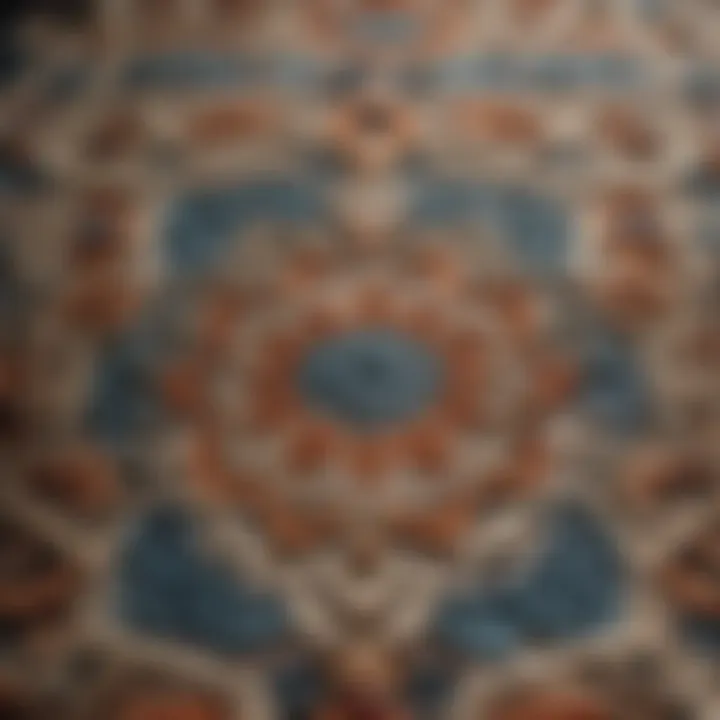
Such comfort can be especially valued during colder months when maintaining a warm environment becomes a priority. The soft and cushy nature of crochet adds an element of relaxation to daily routines.
Absorbing Moisture
From a practical standpoint, an essential feature of a crochet bath runner is absorption— absorbing moisture. This quality ensures safety in the bathroom by minimizing slips caused by wet floors. By soaking up excess water, these runners keep bathroom surfaces cleaner and more hygienic, which is an invaluable aspect for any household.
Furthermore, choosing the right type of yarn, specifically cotton, for your crochet runner maximizes its durability and absorption capabilities. Thus, they prove to be both beneficial and practical additions to bath areas, leading to improved maintenance and care.
In summary, crochet bath runners are more than mere decorative items. They provide essential functions like moisture absorption, comfort, and aesthetic improvement, creating an inviting and safer bathroom environment.
Materials Required
Understanding the materials required to create a crochet bath runner is crucial for both the function and aesthetics of the finished product. The right choice of yarn and tools can significantly influence the overall impact. Using suitable materials not only enhances durability but also makes the crafting process easier and more enjoyable.
Choosing the Right Yarn
Yarn selection is key in crafting a crochet bath runner. Different types of yarn can determine the texture, appearance, and functionality of the runner you create.
Cotton vs.
Synthetic Fibers
When discussing cotton vs. synthetic fibers, each comes with its distinct attributes. Cotton yarn is well appreciated for its incredible absorption and natural softness, making it a preferred choice for bath runners. This material wicks away moisture effectively, which is important considering the use context of a bathroom. On the contrary, synthetic fibers, such as acrylic, offer advantages like greater stain resistance and color vibrancy.
One significant feature of cotton is its breathability. This natural fiber feels cool against the skin, which adds comfort, especially in a bathroom environment. While synthetic options bring longevity to the table, their feel and breathability might not surpass that of cotton. Thus, making the correct fiber choice is about balancing comfort with durability based on individual preferences and needs.
Durability and Maintenance
Durability and maintenance are fundamental factors to consider in yarn selection. In a busy bathroom, your crochet bath runner needs to withstand regular use and laundering.
Cotton yarn, while luxurious, can be less durable in constant exposure to high moisture and aggressive washes. This makes maintenance more crucial – proper laundering and drying are vital to preserve its quality. Synthetic options, however, excel here. They are often more resilient against washing and drying cycles, securing their shape over time. Therefore, assessing both material properties and necessary upkeep should guide your choices in the yarn you select.
Necessary Tools
Selecting the appropriate tools is essential in the crafting process. The right tools ensure accuracy, ease, and a polished finish in your crochet projects.
Crochet Hooks
Crochet hooks serve as the primary instrument for creating the bath runner. The type and size of the hook you choose impact the tension and gauge of your crocheted piece. A standard aluminum or ergonomic hook often provides better comfort and control as you work through layers of yarn.
A notable compact point is the size of the crochet hook. Using a hook matched to the yarn's thickness is critical. Oversized hooks can lead to a loose and sloppy structure, while undersized ones can constrict your fibers. Thus, utilizing the proper size promotes fluency while crocheting and leads to a more professional finish of your bath runner.
Measuring Tools
Measuring tools, such as measuring tapes and rulers, contribute significantly to the accuracy of your dimensions. Before starting your project, knowing the size destinations ensures your bath runner fits within your intended bathroom space precisely.
Precision is key. Using measurement tools prevents wastage since it allows for concise calculation and design planning. Appropriately marking dimensions and adjusting as you proceed safeguards against errors across sections of your runner.
It is evident that coming equipped with necessary tools facilitates smoother crafting of a crochet bath runner. Each tool enhances your ability to create a finished product that fulfills both aesthetically and practically.
Design Considerations
When creating a crochet bath runner, design considerations form a crucial foundation for the project. They shape not only the physical appearance of the finished piece but also its functionality within the bathroom setting. Not only should your crochet creation enhance the space's aesthetic value, but it should also provide practicality and comfort. Therefore, careful planning regarding size, color schemes, and patterns is integral.
Size and Dimensions
Understanding Bathroom Layouts
Understanding bathroom layouts is essential when designing a crochet bath runner. This aspect includes recognizing the available space and how the bath runner fits into that environment. Different bathrooms have varying sizes and designs, which calls for an appreciation of proportionality. A keen perception of layout dynamics helps one achieve a cohesive look.
Some key characteristics of understanding bathroom layouts include proper measurement and allowance. This ensures the runner doesn’t dwarf or become disproportionately small in the space. Choosing an appropriate size contributes significantly to the overall ambiance, making it visually balanced. A well-placed runner can add warmth and style, whereas a poorly chosen one may disrupt the flow of the room.
Choosing Proportions
Conversely, choosing proportions highlights how scale might affect perception. Finding the right proportions enables the bath runner to complement existing fixtures and amenities gracefully. This choice involves aligning the bath runner design closely with your bathroom's theme and size.
When proportions are appropriate, they create a daunting yet harmonious effect on the viewers. However, oversizing can make the entire room appear cluttered or overwhelming, while undersized pieces may feel like an afterthought. Hence, finding the right scale is paramount.
Color Schemes and Patterns
Complementing Bathroom Decor
Complementing bathroom décor through specific color schemes is vital in enhancing the runner's role in the aesthetic. The interplay of colors sets the mood and atmosphere, reflecting individual tastes. It allows homeowners to express their style while ensuring the bath runner integrates smoothly into existing decorations.
For instance, a neutral color palette can evoke serenity, while brighter colors might introduce liveliness. Therefore, paying attention to color choices dictates how the overall space feels. A thoughtfully selected color scheme can elevate a basic bath runner into a stunning focal point.
Personal Style Choices
Personal style choices manifest in a designer's ability to integrate unique patterns or motifs into the crochet runner. Making such choices allows for a high degree of customization, tailoring the piece to match individual preferences and tastes. This aspect reflects uniqueness and personal flair.
In particular, opting for distinctive, personalized patterns can serve to highlight the creative skills of the crocheter while also leaving a lasting impression on visitors. The downside may include a challenge in coordinating patterns with other elements within the bathroom, but with careful consideration, a bit of creativity can yield extraordinary results.
In summary, incorporating careful design considerations into creating a crochet bath runner leads to functional and appealing home decor.
Techniques for Crochet Bath Runners
Understanding the techniques involved in crafting a crochet bath runner is vital for achieving a successful final product. The methods you choose will influence both the aesthetics and durability of the runner.
First, the choice of particular crochet stitches sets the foundation for your project, dictating texture and visual appeal. Also, creating a simple project that incorporates key techniques while minimizing complexity can enhance understanding for beginners while still being a rewarding challenge for seasoned crafters.
Basic Crochet Stitches
Chain Stitch
The chain stitch creates the base of most crochet patterns, making it a fundamental element in creating a crochet bath runner. Its most distinguishing feature is its simplicity. When you begin a project, you typically start with a chain stitch, crafting a row of interconnected loops. This stitch is prevalent because it is easy to learn.
A notable advantage of the chain stitch is its versatility. It is a great starting point for various designs and techniques. However, there are some limitations. Notably, it does not add much thickness or texture on its own. For the bath runner, combining it with other stitches can enhance its tactility and visual interest.
Double Crochet
Double crochet is another stitch that offers unique benefits for your crochet bath runner. This stitch creates taller stitches allowing for a more airy and textured look. Importantly, it adds dimensions to your project. Like the chain stitch, the double crochet can stand alone, but it becomes more powerful in combination with others.
This stitch takes slightly more skill to execute than the chain stitch, making it a popular choice among crafters wanting a bigger impact. The double crochet, with its raised profile, permits for better moisture absorption which is essential in a bath setting. It is a significant option due to its combination of ease and extended reach.
Creating a Simple Bath Runner
Step-by-Step Instructions
Step-by-step instructions provide a structured framework essential for successfully constructing a crochet bath runner. By following defined steps, crafters minimize the risk of making errors while gaining proficiency in crochet techniques.
The strength of this approach lies in its clarity. A well-structured guide can break down the process into manageable parts. This makes the craft accessible to beginners, which is one of its fundamental qualities. Clear examples and measurable outcomes also help track progress, boosting confidence.
However, it's crucial to emphasize that while this structure aids beginners, it may seem limiting to experienced crafters. Seeking variety can excel their projects in new dimensions and complexity.
Common Pitfalls to Avoid
While embarking on a new project, recognition of common pitfalls can prevent frustration and lead to a smoother crocheting experience. Being forewarned allows you to foresee challenges that can arise during the crafting process.
This aspect is invaluable; it highlights preventable mistakes such as counting errors or inconsistent tension. Awareness promotes confidence. Additionally, understanding these scenarios can serve to enhance the quality of your crochet bath runner. Knowing how to address these issues will deepen your skill and enjoyment of the craft.
There might be drawbacks too. Overthinking these common mistakes could hinder creativity or analysis overload. Striking a balance between mindful practice and playful exploration can add unique qualities to your bath runner.
Embracing error as part of the learning process transforms each encounter into a growth opportunity.
By incorporating these techniques into your crochet bath runners, you'll develop functional and artistic pieces that enhance the overall ambiance of your bathroom environment. Take your time, practice effectively, and enjoy the prosperity of your crafted work.
Caring for Your Crochet Bath Runner
Caring for your crochet bath runner is essential for longevity and aesthetics. Proper maintenance ensures that the item remains in good condition, inspiring you to continue incorporating it into your decor. Understanding the care techniques highlights the best practices for keeping your work looking fresh while being continually functional in a bathroom setting.
Washing and Drying Techniques
Choosing the Right Detergent
When considering washing your crochet bath runner, choosing the right detergent is critical. Opting for a gentle, environmentally friendly cleanser can maintain the texture and color of your yarn. Harsh chemicals might degrade fibers over time and lead to fading. Good quality detergents can also prevent the musty smell often associated with damp environments like a bathroom.
The key characteristics of an ideal detergent include being phosphate-free and biodegradable. This is beneficial for both yarn care and for the environment. Unique features, such as hypoallergenic properties, make such detergents especially effective for sensitive skin. However, always read labels to avoid common allergens that may lurk in some brands.
Machine vs.
Hand Washing
The next decision is whether to machine wash your crochet bath runner or to hand wash it. Hand washing is undoubtedly gentler and allows for greater control over the water temperature and detergent usage. People often find that it helps to maintain the structure of their runner.
Meanwhile, machine washing is much quicker and convenient. It provides ease, especially when cleaning larger items. A delicate cycle will provide this balance of convenience without overly stressing the fibers. Choosing appropriate wash settings is crucial for preserving the bath runner.
Dealing with Wear and Tear
Repairing Damage
No crochet project is immune to wear and tear. Repairing damage is an important practice. The right techniques can lengthen the lifespan of your valuable runner. Simple methods, like darning or stitching up small holes, can retain its original beauty.
The significance of using the same type of yarn for repairs cannot be understated. Weaving in new pieces seamlessly with existing yarn is key. You will find this beneficial as it maintains uniformity. Missing threads might be visible if using differed shades or crochet types, detracting from your work.
Maintaining Freshness
Maintaining freshness in your crochet bath runner is equally essential. Mold and mildew can develop if water pools or air circulation is poor in your bathroom. Daily airing out and regular sun exposure can effectively help counter this issue. If the runner becomes damp frequently, consider placing it in a well-ventilated area, to speed up the drying.
In addition, periodically spritz the fabric with fabric freshener or a diluted vinegar solution great scents to neutralize lingering odors. Opting for natural products avoids using harsh fragrances that may leave behind long-lasting residues. This practice can significantly contribute to extending the fresh appearance and fine quality of your crochet work.
Caring for your crochet bath runner not only guarantees its beauty but also promotes a healthier environment within your home. Simple care practices can yield remarkable results.
Sourcing Sustainable Materials
Sourcing sustainable materials is a vital factor in creating your crochet bath runner. This approach not only minimizes environmental impact but also enhances the overall quality and durability of your finished product. In today's market, consumers are increasingly conscious about their choices. Being eco-friendly means considering both the source and the life span of the materials you utilize.
When you opt for sustainable materials, you contribute to a reduction in waste and pollution. This choice may involve creating with biodegradable fibers or sourcing from manufacturers that practice sustainable methods. Indeed, sustainability is an integral aspect of modern crafting that reflects a broader ethical mindset, appealing to many housewives and homeowners.
"Crafting with the environment in mind not only supports what you create but also the planet."
An awareness of the materials you choose lays the foundation for both your creative expression and your commitment to a greener lifestyle. Not only do sustainable options provide practical benefits, they resonate with a shared desire to create spaces that should reflect personal values and responsible choices.
Eco-friendly Yarn Options
Choosing the right yarn for your crochet bath runner plays a significant role in the sustainability aspect. For instance, organic cotton yarn is a strong contender. It is both soft and durable, making it comfortable for any bath runner. Moreover, it stems from cotton grown without harmful pesticides or chemical fertilizers. Biodegradable yarns such as bamboo or hemp present remarkable alternatives as well. These fibers decompose naturally, minimizing harmful effects on the environment.
Other sustainable yarns are blends of post-consumer recycled materials. They not only contribute towards reducing waste but also often possess a unique texture or color, adding character to your crochet design. When selecting yarn, it's also a great idea to inquire about its dyeing process, as eco-friendly dyes significantly reduce chemical runoff into water systems.
Though these eco-conscious options might come at a premium price initially, they provide value over time thanks to their durability and low maintenance needs. Remember, the decision to source sustainable yarn is not only about material use but aligning your crafting practice with broader environmental goals.
Ethical Crafting Practices
Embracing ethical crafting includes understanding where your materials come from and how they are made. It means supporting manufacturers and brands that prioritize fair labor practices and environmentally sound production methods. Shopping from small businesses or local artisans often leads to unique finds while ensuring the craftsmanship comes with a heart.
When crafting your bath runner, consider the impact of ethical decisions behind your selected supplies. For example, an artisan who makes their yarn locally may uphold traditional methods that honor the environment. You are contributing to preserving these arts while reducing your carbon footprint by avoiding mass-produced items requiring extensive distribution.
In addition to material sourcing, think about your crafting practices. Sustainable crafting can extend to your process. Reuse scraps, share tools, and consider local stitching groups that emphasize green values. Knowledge about encouraging waste reduction in your workshop is as important as the yarn you select. With a mindful approach, crafting becomes an enriching and responsible journey aligned with your lifestyle.
Overall, taking these insights into account when planning your crochet bath runner ensures your finished product reflects your dedication to both personal taste and larger global considerations.
Inspiration and Ideas
Incorporating a crochet bath runner into your bathroom decor goes beyond just functional needs. It's a chance for self-expression and creativity. This section explores motivations and concepts that spark inspiration when designing your bathroom, while emphasizing the unique attributes of crochet runners.
Creatively thinking about your bath runner's design elevates your living space. Not only can it reflect your personality, but it can also unify bathroom elements. A thoughtful selection of patterns and integrating design lead to an inviting ambience. You can craft a crochet bath runner with varied yarn types and stitch patterns, substantially affecting its final appearance and functionality.
Unique Patterns to Explore
When considering unique crochet patterns for your bath runner, many options are waiting to be discovered. Some popular and visually striking designs can make a profound statement.
- Geometric Patterns: They offer clean lines and can provide a contemporary feel. Striped or repeated shapes can create a sense of harmony.
- Floral Designs: Flowers or leaf motifs add a touch of nature to the space. This can bring warmth and a comforting feel to cold tile surfaces, especially in minimalist bathrooms.
- Texture Variations: A combination of stitches can create a luxurious sensation underfoot. Mixing dense stitches with open lacy patterns can lead to unexpected yet pleasing visuals, combining comfort and aesthetics.
Patterns do not merely serve decorative functions. They can express emotions, reflect seasons or even a specific theme you wish to convey.
Exploration with diverse yarn shades can greatly enhance the impact of your selected pattern. A geometric pattern could become a focal point in a neutral bathroom with sharp contrast using colors like bright yellow against deep charcoal.
Integrating the Bath Runner into Your Decor
Integrating your crochet bath runner into the overall decor can elevate your bathroom's character. Consider the space and existing features before placing your finished piece. The positioning and size matter significantly.
- Matching With Color Themes: Ensure the colors resonate with the existing decor. If you have earthy tones, using yarns in similar shades will make your runner blend harmoniously.
- Positioning Techniques: Consider the common routes of foot traffic when placing your bath runner. Avoid placements where furniture can block its visibility or use. It should accentuate other design elements, mesh with bathroom furniture, and enhance overall comfort.
- Complementary Accessories: Incorporate elements such as towels or decorative mats that complement the colors or patterns of your bath runner. This adds a layer of sophistication and attention to detail in your overall decor strategy.
By integrating these aspects, you can create an appealing visual aesthetic. Elevating the style of the bath runner, ultimately enriches your personal space in meaningful ways.