Creative Small Bathroom Vanity Concepts for Style


Intro
When it comes to small bathrooms, the challenge of finding a vanity that strikes a balance between style and functionality can feel like finding a needle in a haystack. The truth is, these compact spaces demand creative solutions. A well-designed bathroom vanity doesn’t just hold your sink and essentials; it can transform the look and feel of your entire bathroom. Imagine transforming a tight corner into an inviting nook, or making the most out of a narrow wall space. By opting for an innovative small bathroom vanity with a sink, home owners can open up their bathrooms to a new world of possibility.
In this guide, we will delve into the world of small bathroom vanities, focusing on distinct ideas to tailor them perfectly to your space. From the starting point of planning your design to basking in the luxury of your freshly renovated bathroom, we’ll cover key insights every homeowner should have in their toolkit. Let's roll up our sleeves and dive into all the nitty-gritty details!
Understanding Small Bathroom Spaces
In the realm of home design, every nook and cranny matters, particularly in small bathrooms. These areas are often overlooked, dismissed as mere necessities rather than opportunities for creative expression. Understanding the unique dynamics of small bathroom spaces is not just suggested; it is essential for making the most out of limited square footage. Here, we delve into why comprehending these spaces can elevate your bathroom experience, both functionally and aesthetically.
Defining Small Bathrooms
So, what exactly qualifies as a small bathroom? While there isn't a strict definition, many regard spaces under 50 square feet as small. This might encompass half-baths or full bathrooms that squeeze in essentials like a shower, toilet, and sink in tight quarters. Picture a cozy space where every inch counts. For instance, a typical small bathroom might house a corner shower, a compact toilet, and a minimalist vanity with a sleek sink design. Everything in this area must be meticulously thought out, shaped by your needs and the room's physical constraints.
Importance of Efficient Design
Efficient design in small bathrooms is akin to solving a puzzle where each piece needs to fit perfectly. Poor design choices lead to cramped conditions and an overwhelming sense of clutter. When it comes to small bathrooms, every design decision can signal positive or negative impacts on functionality and comfort. Here are several considerations:
- Prioritizing Functionality: A vanity should not only look good but serve practical purposes, like maximizing storage or simplifying access for daily routines.
- Creating Visual Space: Clever use of mirrors can visually expand your bathroom, making it feel larger than it is. This can be complemented by using lighter colors on walls and finishes, which reflect light and enhance openness.
- Maximizing Storage: Integrating shelves and cabinets into the design allows for essentials to be stored neatly out of sight, maintaining a clean and uncluttered appearance.
Efficient bathroom design transforms a compact square footage into an oasis of calm and convenience, where each element plays a crucial role in the overall experience.
In small bathrooms, understanding how these elements work together opens doors to innovative solutions. It’s this synergy that can turn cramped quarters into functional sanctuaries tailored to your lifestyle. In short, a thoughtful approach to small bathroom spaces isn’t just beneficial; it's paramount to creating a stylish yet practical retreat.
Key Considerations for Small Bathroom Vanities
When it comes to small bathroom vanities, making the right selections can be a game changer. The limited square footage means every choice— from dimensions to aesthetics—carries a weighty significance. Small bathrooms can feel claustrophobic if not carefully planned. Thus, understanding key considerations is essential not just for functionality, but for creating a welcoming atmosphere where one can relax.
Measuring Your Space
One cannot overemphasize the importance of accurate measurements.
- Measure, measure, and measure again. Oversized furniture might sound appealing, but it can turn a cozy retreat into a cramped cell.
- Start with the width and depth of the area where the vanity will reside. Ensure to account for door swings and the amount of room needed to interact comfortably with other fixtures.
- Also, remember about plumbing needs. Vanity designs that integrate sinks directly can help minimize exposure to pipes, maintaining a cleaner look. The last thing you want is a vanity placed so close to the wall that you barely have a thumb’s width to open a drawer.
"The most beautiful small bathroom vanity won't do you a lick of good if it doesn't fit. Plan ahead, and your little space can feel just right."
Choosing the Right Sink
The sink is not just a utility; it defines the character of the entire vanity.
- Consider how you use your sink. Is it mainly for washing hands, or do you need space for grooming routines? A shallow or narrower basin might suffice if you're short on space, while deeper bowls can provide extra functionality.
- Look at the sink's style: vessel sinks, undermount, or drop-in? A vessel sink can offer a modern, chic vibe, while undermount styles may create seamless lines that extend counter space visually. Each type carries its charm and potential clutter.
- Also, it's critical to choose materials that align with your overall design scheme. Common choices include porcelain, stone, or glass, each presenting unique care requirements and aesthetic appeal.
Selecting a Vanity Style
The style of your vanity can make or break the entire room's look. The options can feel endless, but thinking about how you'll use the space can help narrow it down.
- Traditional, modern, or eclectic? Each design communicates a mood. A sleek, contemporary vanity may open up a room, providing an airy feel. On the other hand, vintage vanities might add a cozy charm that warms up the space.
- Don’t overlook functionality. Floating vanities provide an illusion of spaciousness and allow for easy cleaning underneath, while corner vanities can efficiently use areas that might otherwise remain untouched.
- If storage is a need— and it usually is— look for integrated shelving or cabinets. Some designs disguise storage options cleverly, keeping the room uncluttered.
In summary, balancing measurement, sink selection, and style can help you transform even the tiniest bathrooms into charming sanctuaries. By placing importance on these considerations, homeowners can evoke comfort while maximizing every precious square inch.
Types of Small Bathroom Vanities
When considering the design of a small bathroom, the choice of vanity is a central element. The right type of vanity not only enhances the overall look but also maximizes functionality and efficiency within a confined space. With the myriad of options available, understanding the different types of small bathroom vanities will allow homeowners to make informed decisions that contribute to an aesthetically pleasing and practical bathroom environment.
Wall-Mounted Vanities
Wall-mounted vanities are a popular choice for small bathrooms, and for good reason. They are affixed directly to the wall, freeing up valuable floor space. This design creates an illusion of a larger area, which can be especially beneficial in compact settings. The open space beneath can also be utilized for storage or display, enhancing both style and utility.
Another appealing trait of wall-mounted designs is the vast range of styles—from sleek, modern aesthetics to rustic wooden options. Such versatility allows homeowners to tailor their selection to the aesthetics of their overall decor.
Moreover, cleaning becomes a breeze. The absence of legs means less hassle when it comes to sweeping or mopping, leading to a neater appearance with minimal effort.

Corner Vanities
Corner vanities are ingenious alternatives when floor space is at a premium. By fitting snugly into corners, they maximize the usability of often-overlooked areas in a bathroom. This type of vanity doesn’t just serve as a sink holder; it can also be a stylish feature that makes your bathroom unique.
These vanities come in various shapes and styles, fitting seamlessly into the design of a rustic, modern, or even vintage-themed bathroom. Depending on the chosen configuration, corner vanities often provide additional storage through built-in cabinets or shelves, which helps keep essentials organized and within reach.
Additionally, choosing a corner vanity allows homeowners finer control of their bathroom layout, enhancing overall functionality without sacrificing design.
Pedestal Sinks
Pedestal sinks are another option that condenses functionality in small bathrooms. Their slender profile showcases elegance without consuming substantial space. Typical of classic design, these sinks fit well in vintage-style themes while still appealing to contemporary tastes.
One great advantage is their ease of installation and maintenance. Not much surface area means fewer places for dirt and grime to settle. Additionally, the open floor beneath gives an airy feel, which is particularly valuable in tight quarters.
While these sinks may lack storage space, creative design can offset this. For instance, a nearby shelf or cabinet can store necessary toiletries, keeping everything neat without cluttering the visual space.
Floating Vanities
Floating vanities are gaining popularity as a modern solution for small spaces. Similar to wall-mounted ones, they provide that coveted sense of openness, making the bathroom appear less cramped. With the variety of designs and finishes available, homeowners can achieve a chic appearance, matching the floating vanity with wall colors or tiles.
A floating design enables more floor space to be visible, promoting a clean and uncluttered ambiance. This additional floor area can make the bathroom feel twice its size—ideal for those looking to maximize every inch.
Another appealing factor is the customizability of floating vanities. They can be designed to fit specific needs—whether you are looking for more counter space or additional drawers. This adaptability makes them practical in addition to their aesthetic benefits.
Emphasizing the right type of vanity can transform not just the look but also the function of a small bathroom. With myriad options like wall-mounted, corner, pedestal, and floating vanities, homeowners are sure to find a solution that meets their space and style needs.
Materials and Finishes for Vanities
Choosing the right materials and finishes for small bathroom vanities is paramount in both aesthetics and functionality. The choice you make can dramatically influence the overall appeal of your bathroom layout while impacting durability, maintenance needs, and the feeling of space you can create. Selecting high-quality materials not only elevates the visual style of your bathroom but also ensures longevity, which is essential for a room subjected to moisture and humidity. Let's explore some popular materials, along with their unique benefits and considerations to keep in mind.
Wood Options
When considering wood for your vanity, you have quite a few choices. Various types of wood, such as oak, maple, or walnut, can enhance the character of your bathroom. Each wood species brings its own grain patterns and hues, from light oak to dark mahogany, allowing you to harmonize with existing fixtures. Wood remains a timeless choice, offering warmth and a natural look.
However, finishing is key. It must be resistant to moisture since the bathroom environment can wreak havoc on untreated wood. Options like varnish or semi-gloss paint provide needed protection while adding a sleek glossy finish. In terms of maintenance, you’ll find that sealed wood requires periodic cleaning and reapplication of finish to extend its life.
Metal Finishes
Metal finishes can introduce a modern flair to your small vanity. Stainless steel, brushed nickel, and even bronze can all be superb choices. Each brings a different feel: stainless steel is sleek and industrial, brushed nickel leans towards contemporary, and bronze gives a rustic touch.
Using a metal finish on drawer pulls, sink fittings, or as accents can also create visual contrast against a wood or laminate base. Though metals are generally robust, careful selection of rust-resistant materials is essential due to moisture in bathrooms. Proper cleaning solutions also help maintain their shine and prevent tarnishing.
Laminate Choices
Laminate vanities are rapidly gaining popularity, especially for small bathrooms where budgeting plays a role. Laminate provides a robust surface that mimics wood or stone without the hefty price tag. Plus, they boast a variety of finishes. With modern designs, they can often be mistaken for real wood or marble, which can elevate the look of your space without breaking the bank.
Another hidden advantage of laminate is its easy maintenance and resistance to scratches. Regular cleaning usually suffices, and they are generally quick to install. However, be cautious about exposing laminate to excessive water as seams can swell if not properly sealed.
Eco-Friendly Materials
For those leaning towards sustainability, eco-friendly materials offer great potential. Reclaimed wood, bamboo, and recycled materials are increasingly becoming popular choices in modern vanities. These materials are not only beneficial for the planet but are often unique in appearance, bringing character and a story to your home.
Bamboo is particularly noted for its rapid growth and durability while reclaimed wood adds rustic charm combined with environmental consciousness. When considering eco-friendly options, always check for certifications that ensure responsible sourcing, as this can make a big difference in the overall impact on your space and the planet.
Incorporating sustainable materials is not just good for the environment; it contributes to a healthier living space by minimizing exposure to harmful chemicals often found in manufactured woods.
Whether you choose natural wood, sleek metals, practical laminates, or eco-conscious options, what matters is how each type serves your particular style and the functionality you require. Each material has its own charm, ultimately contributing to making your compact bathroom both practical and pleasing to the eye.
Color Schemes and Aesthetic Considerations
Choosing the right color scheme and aesthetic elements for a small bathroom vanity can shape the entire atmosphere of the space. It’s not just about looking good; colors can affect how we feel when we step into a room. Small bathrooms often run into the challenge of feeling cramped, but with clever choices and a keen eye for detail, one can easily create a sense of openness and harmony.
Light Colors for Small Spaces
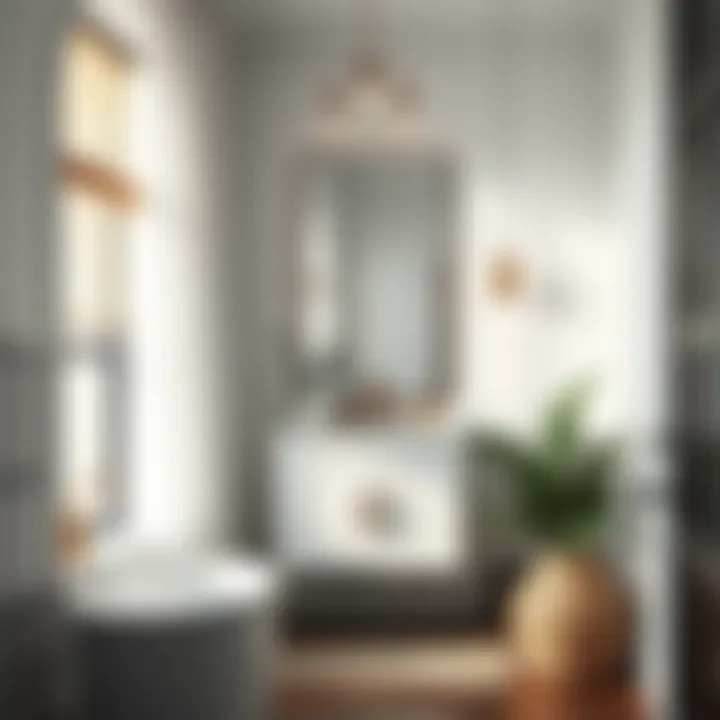
When it comes to bathroom design, light colors reign supreme. Soft whites, pale blues, and gentle greens can make a world of difference in a small area. These shades reflect light and help to create an illusion of a more expansive room. Choosing a light color for your vanity can also complement the overall brighter theme.
Consider using finishes like a matte white or very light oak. Add simple accessories in the same palette to maintain consistency. Sometimes, homeowners use a soft pastel as their primary color, lending a touch of character while keeping the room feeling airy.
To give an example, a muted lavender or mint glaze can add personality without overwhelming the senses. Plus, gracing a small bathroom with such colors not only makes it seem bigger but can lift spirits to boot.
Accent Colors and Patterns
While light colors often pave the way, introducing accent colors is where the real fun begins. Accents allow you to inject personality into the space while keeping the overall feel cohesive. Consider vibrant shades like a deep navy, mustards, or rustic reds for hardware and accessories.
One playful idea is to utilize a patterned backsplash or a shower curtain with geometric shapes or bohemian prints. This can also divert attention from the limited dimensions of the bathroom. Just like dressing up a basic outfit with a statement necklace, patterns and bold hues can add depth and visual intrigue to your small bathroom.
Moreover, it’s crucial to balance your accent colors to avoid chaos. Ideally, keep the bold tones to around 15-20% of the color palette, allowing the lighter tones to dominate.
Coordinating with Other Fixtures
Amidst creating a serene or vibrant nook, coordination with other fixtures reassures a polished look. Choose a color scheme that resonates not only with your vanity but also with toilets, bathtubs, and cabinets. The aim is to create harmony so that each piece complements the others.
Consider a common thread in materials and colors for this coordination. For instance, if your vanity is a sleek white with brushed nickel hardware, strive for similarly styled fixtures. Sometimes, it may be worthwhile mapping out your scheme and considering transitions to blend the elements seamlessly.
For those feeling more adventurous, don’t shy away from mixing textures—dark woods with light reflective surfaces can add depth to the design. But just as with accent colors, ensure that there’s a balance and flow. > "A well-coordinated bathroom speaks volumes about understanding the intricacies of design and functionality."
Practical Design Tips
When dealing with a small bathroom, the essence lies in practical design tips that can transform a compact space into a functional haven. These strategies provide homeowners with the tools they need to not only make their bathrooms aesthetically pleasing but also to ensure that every square foot serves its purpose. Effective design is all about balancing style with usability; the idea is to create an inviting atmosphere without compromising on practicality. Here, we’ll delve deeper into several key aspects that can aid in maximizing your small bathroom vanity experience.
Maximizing Storage Solutions
In a small bathroom, storage can often become a tricky endeavor. Without sufficient space for essentials, clutter can quickly accumulate. Thus, cleverly maximizing storage solutions is integral. Here are a few thoughtful approaches that can be adopted:
- Under-Sink Storage: Consider using baskets, racks, or even small cabinets under the sink. This area is often neglected, yet it holds great potential for keeping items organized and out of sight.
- Wall-Driven Cabinets: Installing shelves or cabinets above your vanity can create extra space while keeping your countertops clear. You can use these spaces for towel storage or even decorative baskets to add some flair.
- Hanging Hooks and Organizers: For those bath items you need daily access to, wall-mounted hooks can be a lifesaver. They keep things off the floor and can easily accommodate towels or robes.
Implementing these storage ideas not only declutters the space but also helps in optimizing the utility of your small bathroom, ensuring functionality doesn’t take a back seat to style.
Utilizing Vertical Space
Often overlooked, vertical space can be a game changer for small bathrooms. Instead of spreading out horizontally, think upwards. Here’s why it matters:
- Eye-Level Effect: Using tall vanities or cabinets draws the eye upward, which can create an illusion of higher ceilings, making the space feel larger.
- Vertical Shelves: Adding shelves that extend from the floor to the ceiling can greatly enhance your storage potential. It also allows for stylish decor without occupying any floor area.
- Long Mirrors: Mirrors that stretch vertically can not only serve a functional purpose but also visually expand the room. Placing a tall mirror across from a window can reflect light and amplify the airy feel of your bathroom.
This technique is not just about aesthetics; it's about making every inch of your bathroom work harder for you.
Incorporating Mirrors for Depth
Mirrors play an important role in any bathroom. They are not just for last-minute checks before heading out; they can also add depth and dimension to a small space. Here’s how you can incorporate mirrors effectively:
- Stylish Vanities with Integrated Mirrors: Some vanities come with built-in mirrors. These can streamline the space while maintaining functionality. Choosing a frame that fits your overall theme can enhance the visual appeal.
- Multiple Mirrors: Using several smaller mirrors instead of one large piece can create a dynamic visual effect. They not only add interest but can also improve light distribution, enhancing the brightness of the room.
- Mirrored Furniture: Consider a mirrored vanity or cabinet. This design choice will help reflect light and create the illusion of depth, making your bathroom feel much more spacious.
By thoughtfully integrating mirrors into your design, you contribute to both light and dimension, elevating the comfort and visual experience of your small bathroom.
Tailoring your space with practical design tips can dramatically elevate the functionality and style of your small bathroom, creating a harmonious balance that serves both purpose and pleasure.
Maintenance Considerations
When it comes to small bathroom vanities, maintenance is not just a chore; it’s a crucial component that ensures the longevity and functionality of your investment. Regular upkeep contributes to a polished look and enhances the overall hygiene of your bathroom space. Families and homeowners alike will appreciate that a little effort in this area can yield significant returns in terms of aesthetics and practical usability.
The vanities often become focal points, used daily, which means they are prone to wear and tear. Keeping them in prime condition is not merely about good housekeeping; it’s about protecting your space and enhancing your daily experience. Not overlooking this aspect can save you both time and money down the road, preventing costly repairs or replacements. Here are some specific angles to consider when maintaining your small bathroom vanity with sink.
Cleaning Materials and Products

Using the right cleaning materials is critical for sustaining the beauty and function of your bathroom vanity. Not all products are suited for every material, so pay attention to what you're using. Here are some effective cleaners:
- Mild soap and water: This is a gentle method for routine cleaning. It cleans without risking damage to your finish.
- Vinegar solution: A mixture of vinegar and water effectively removes hard water stains while being environmentally friendly.
- Baking soda: Make a paste with water for tough stains. It’s a natural abrasive that can clean without scratching softer surfaces.
- Wood polish: For wooden vanities, a good-quality wood cleaner helps maintain shine and protect from moisture damage, ensuring that they stay looking swank.
Try to avoid harsh chemicals or abrasive cleaners, as these can mar the finish and cause long-term damage. More importantly, always dry your surfaces after cleaning. Standing water can lead to mold and mildew, particularly important in a small, moisture-prone area like a bathroom.
Routine Inspections
Keeping a watchful eye on your bathroom vanity is as essential as the cleaning itself. Routine inspections can help catch small problems before they balloon into larger issues. Here’s what to look for:
- Check for water damage: Keep an eye out for warped wood or bubbling paint. If you see any signs of moisture damage, tackle it immediately.
- Inspect the sink and plumbing: Ensure there are no leaks or drips. A tiny leak can create big problems if not addressed, including mold growth.
- Look at the hardware: Check the screws and hinges to ensure they are not rusting or loose. Tighten any that are starting to feel a bit wobbly.
- Assess the surface: Look for scratches, chips, or cracks, especially if your vanity is made of a less durable material. This could save you from needing major repairs down the line.
"An ounce of prevention is worth a pound of cure"—this old adage proves true time and time again in home maintenance, particularly for those elevated, modern small bathroom vanities.
In summation, putting some thought into the maintenance of your small bathroom vanity with sink will not only keep it looking fresh but could also prolong its life. When you maintain your space well, it reflects care and attention to detail, ultimately making the bathroom a welcoming retreat.
Case Studies of Successful Small Bathroom Renovations
When diving into the world of small bathroom renovations, sometimes the best lessons come from those who have journeyed before us. Case studies of successful small bathroom transformations provide a wellspring of ideas and practical knowledge. They highlight enhancements not just in functionality but also in aesthetic appeal, illustrating how strategic choices can make even the tiniest of spaces feel luxurious.
Understanding the real-life application of design concepts underscores their utility. Each case serves as a narrative, demonstrating what works and what doesn’t, while sparking the imagination of homeowners eager to take the plunge. For instance, features that may seem trivial on paper—like a clever mirror placement—can dramatically alter the perception of space and light in a compact bathroom.
One significant benefit of analyzing successful case studies is the direct insight into the thought process behind each renovation. Details on budgeting, timelines, and challenges can help prospective renovators manage expectations. They can also offer a roadmap of dos and don’ts, ensuring that small bathroom vanities with sinks become not only functional but also a centerpiece of enjoyment.
Modern Minimalist Approaches
Modern minimalism in bathroom design revolves around the idea of 'less is more.' A minimalist approach often means selecting key pieces that serve multiple purposes without overwhelming the space. For example, choosing a wall-mounted vanity with integrated storage not only maximizes floor area but also evokes a sense of cleanliness and order. The color palette of such designs frequently leans towards whites, soft grays, and muted tones, creating an airy feel.
Check out how this style stands out:
- Sleek Lines: Clean, straight lines in vanities can create a streamlined look that enhances small spaces.
- Hidden Storage: Smart designs that include hidden compartments allow homeowners to stow away toiletries, keeping countertops clutter-free.
- Open Shelves: While offering additional storage, open shelving maintains a visual connection to the space, which can be particularly beneficial in compact areas.
A recent renovation highlighted the use of a floating walnut vanity paired with a round mirror, reflecting light and establishing a focal point. This type of setup is not just a cosmetic change; it can significantly affect the room’s perceived size.
Balancing Function and Form
Navigating the delicate balance between function and form is crucial in small bathroom renovations. It's easy to get carried away with aesthetics, but without the practicality, a beautifully crafted vanity can be rendered useless. This aspect speaks to the importance of understanding individual needs alongside aesthetic desires.
A well-chosen vanity should offer:
- Ample Counter Space: Even in small bathrooms, enough surface area is essential for daily activities, like grooming and washing.
- Accessibility: Ensuring that sinks and storage are within easy reach defines usability. Features such as soft-close drawers may also enhance daily operations.
- Style Cohesion: Each element—from faucets to tiles—should feel unified, contributing to a more polished look.
Homeowners have found that a double-sink integrated vanity is an excellent way to promote both functionality and style. It allows for simultaneous use without crowding the space while also making a bold design statement.
Future Trends in Small Bathroom Vanities
As the landscape of home design evolves, small bathrooms are no longer seen as spaces to compromise on aesthetics or functionality. Instead, they are becoming canvases for innovation. Understanding these future trends helps homeowners make forward-thinking decisions that can enhance both the usability and style of their bathrooms.
By exploring these trends, one can consider how to not only make the most out of the available space but also to prioritize elements that promote efficiency, sustainability, and modern comfort. Let's dive deeper into what the future holds for small bathroom vanities and how these trends can transform your bathroom into a haven of functionality and elegance.
Smart Vanities with Technology Integration
In this day and age, merging technology with design is almost a given. Small bathroom vanities are seeing a rise in smart functionality that caters to both convenience and luxury. Features such as integrated lighting, heated sink basins, and Bluetooth-enabled mirrors that play music are becoming staples.
Moreover, one finds smart faucets that help monitor water usage, thus cutting down on waste. With the planet in mind, the efficiency level can be heightened while maintaining a sleek design. Some modern vanities now come with charging ports hidden in drawers for your electronic devices, keeping everything neat and tidy.
Benefits of integrating technology into your vanity include enhanced functionality, ease of use, and often, a more polished look. You won’t just be cleaning your face in the mirror; you’ll be doing it in style with the latest gadgets all around you.
"Smart technology is not just about flashy features; it's about creating a more convenient and efficient lifestyle."
Sustainability and Green Design
As awareness of environmental issues grows, so does the desire for sustainable living. Small bathroom designs now lean more towards eco-friendly materials and practices. Opting for vanities made from recycled wood or cabinets that incorporate sustainably sourced hard woods can significantly cut down on your carbon footprint. It’s where style meets responsibility.
In addition to materials, sustainable bathroom vanities often include fixtures designed for water efficiency. Dual-flush toilets and low-flow faucets can contribute to reducing water usage without sacrificing performance. Combining these practices not only aids the environment but also lowers utility bills in the long term.
Some trends also include using natural stones or tiles that require less manufacturing energy, showcasing their unique colors and textures. In essence, embracing sustainability doesn't mean losing out on beauty; on the contrary, it enhances the aesthetic while allowing you to feel good about your choices. Consider these options when planning a small bathroom renovation to ensure your choices reflect a commitment to a greener future.