Creative Bathroom Remodeling Ideas for Every Budget
Intro
Bathroom remodeling is often seen as an impending project that can revive a tired space. Whether you crave a spa-like escape or simply want to improve the functionality of your bathroom, the possibilities are endless. With a few innovative ideas, a touch of creativity, and some elbow grease, you can elevate your bathroom from drab to fab without breaking the bank. Let’s dive into the specifics of what you might need to create that dream space.
Materials:
When embarking on a bathroom remodeling journey, having the right materials is key. Below is a list of items along with approximate measurements to help you get started:
- Tiles:
- Paint: 2 liters of moisture-resistant paint (satin finish recommended)
- Vanity: 1 pre-fabricated bathroom vanity (size varies, standard: 60 cm wide)
- Sink: 1 undermount sink (size: 45 cm)
- Faucet: 1 waterfall faucet (standard height)
- Showerhead: 1 handheld showerhead or rain showerhead (standard size)
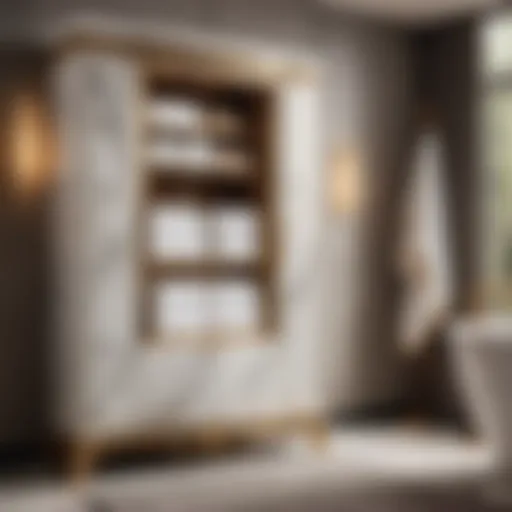
- Storage: 1 tall cabinet (for towels and toiletries, size: 30 cm wide, 150 cm tall)
- Lighting Fixtures: 2 wall-mounted sconces
- Accessories: mirror, towel bars, soap dispensers (varied sizes)
- For walls: 2 square meters of ceramic tile (size 30x60 cm)
- For the floor: 3 square meters of non-slip porcelain tile (size 45x45 cm)
Tip: Always opt for high quality and durability over cheaper options, particularly for materials exposed to water.
DIY Steps:
Now, let’s step into the nitty-gritty. Below are detailed instructions for remodeling your bathroom:
- Planning the Layout:
- Removing Old Fixtures:
- Installing New Tiles:
- Painting the Walls:
- Fitting the Vanity and Sink:
- Installing Lighting and Accessories:
- Begin by sketching the current layout and noting measurements. This ensures you know what fits where.
- Consider the movement within the space. Typically, a clear pathway is essential.
- Turn off water supply to avoid unwanted surprises.
- Remove existing tiles, faucets, and the vanity carefully. Use a chisel where necessary.
- Start from the bottom and work your way up. Utilize a notched trowel to apply adhesive evenly.
- Allow the tiles to set for 24 hours before grouting.
- Apply primer first if necessary; this helps the paint adhere better.
- Two coats of moisture-resistant paint will be sufficient. Make sure to let each layer dry completely.
- Most vanities come with built-in sinks. Secure this first to avoid future leaks.
- Ensure that plumbing connections are tight and leak-free.
- Use a stud finder before drilling into walls for lights or towel bars.
- Position lights where they highlight the main features of the space.
Technical Aspects:
To tackle a remodeling project, you'll need a selection of tools. Here’s a list of essentials:
- Cordless drill
- Tile cutter
- Level
- Tape measure
- Notched trowel
- Grout float
- Caulking gun
Timing: Each phase of this project can vary based on skill level and the size of your bathroom but allocate at least a couple of weekends for a complete remodel.
DIY Project Process:
Now, let's carefully walk through how to pull this all together.
- Lay out your plan - ensuring you have all measurements correct and a clear idea of where everything will go can save time later.
- Prepare your site - remove items that won’t be used anymore and make sure to prep surfaces for installation.
- Begin with the floor - once tiles are laid and set in place for at least 24 hours, move to the walls.
Troubleshooting Tips:
- Uneven tiles: If tiles don't set evenly, use spacers to correct during installation.
- Leaky faucet: Check plumbing connections if leaks occur, and don’t hesitate to call in a pro if needed.
Remember, patience is key. Each step done carefully will yield better results.
Embarking on a bathroom remodeling adventure can seem daunting but breaks down into manageable parts. As you progress, enjoy the cumulative impact of these changes as they transform a simple bathroom into a stylish and functional retreat.
Understanding Your Bathroom Space
Understanding the unique characteristics of your bathroom is essential for embarking on a remodeling journey. Every bathroom is different and has its own quirks and constraints. Factors like size, natural light, plumbing layout, and existing fixtures play a crucial role in shaping design decisions. When you grasp what you have to work with, it opens doors to creativity and functionality that can transform your space into something special.
An effective assessment of your bathroom space helps you visualize possibilities and limitations. It creates a blueprint in your mind, guiding not just aesthetic choices but also practical aspects, like storage solutions and accessibility. This stage is much more than merely recognizing dimensions; it’s about seeing how you want the area to flow. A well-planned layout can enhance your daily routine and maintain a sense of tranquility in what is often a chaotic household setting.
"An innovative bathroom starts with a clear understanding of the space you have. Knowing its flow and function sets the stage for creativity."
Assessing Current Layout
The first step in remodeling begins with a thorough assessment of your current layout. Look at how you use the space day by day. Is the sink conveniently located near the toilet and the shower? Does the floor layout make sense, or does it feel constricted? Walk around your bathroom and take note of where functionality meets inconvenience.
Consider the flow. Does it feel like a smooth transition, or do you find yourself bumping into things? Visualizing how you interact with each element makes it easier to decide what stays and what goes. Sometimes a minor change, like relocating a towel rack or reorienting the toilet, can make a world of difference in ease of use.
Identifying Inherent Limitations
Each space comes with its own set of constraints. Identifying these limitations early on can save time and money later. Look out for fixed elements like plumbing, electrical outlets, or windows that you can’t move. These factors often dictate what’s feasible in your remodel. For example, shifting a bathtub to another wall might not be realistic if plumbing does not allow for it.
Moreover, the overall size can limit design options. A compact bathroom may not accommodate a double vanity or a large soaking tub without making it overcrowded. Embracing these limitations instead of resisting them opens up the potential for clever, space-saving solutions.
Ask yourself questions like:
- Is there enough storage space for necessities?
- Are the materials compliant with local regulations?
- How does the overall layout impact accessibility, especially for those with mobility challenges?
By taking the time to identify these factors, you ensure that the outcome not only looks good but also serves you well in practical, everyday use.
Setting a Realistic Budget
When diving into bathroom remodeling, setting a realistic budget is akin to laying a strong foundation before erecting a house. It not only keeps your finances in check but also guides every decision you make throughout the process. Without a solid budget, it’s easy to get swept away by alluring designs or high-end finishes that can quickly break the bank. This section discusses key elements of budget setting, the benefits it brings, and crucial considerations to ensure you don’t end up with a financial hangover post-remodel.
Budgeting isn’t just about crunching numbers; it’s about making informed choices that resonate with both your vision and your financial reality. Having a realistic budget helps prioritize expenses. You’ll be able to differentiate between what you want and what you really need. Additionally, it empowers you to make smart investments. For instance, splurging on a quality showerhead might be wiser than investing heavily in a trendy tile that might lose its charm in a year.
"Budgeting for a remodel is essential. It helps you stay on track and avoid those surprise costs that can leave you stressed out!"
Cost Estimation Techniques
Estimating costs involves several layers of analysis. Suppose you’re eyeing a complete overhaul, such as ripping out the tub and switching to a walk-in shower; you need to get prepped for not only the fixtures but the plumbing changes, too. Start with a breakdown of the primary areas affected: materials, labor, and unexpected costs.
Materials can vary widely in pricing. Here’s how you can gauge potential expenses effectively:
- Conduct thorough research: Websites like Home Depot or Lowes can provide a ballpark for the costs of tiles, fixtures, and vanities.
- Create a wishlist: Beyond essentials, jot down a few extras that you might want— this will expand your understanding of potential financial commitment.
- Factor in markups: When working with contractors, they often charge a markup on the materials they provide, so gather quotes from suppliers directly.
Labor costs are another crucial piece. Most homeowners underestimate how much they’ll spend here. It’s wise to evaluate the going rates in your area.
A few tips:
- Get multiple quotes from different contractors for clarity on labor expenses.
- Account for additional work like plumbing or electrical upgrades, as these can significantly add to the overall sum.
Understanding Labor Costs
Labor costs can be one of the most significant expenditures in any remodeling project, often comprising 20% to 35% of the entire budget. Understanding these costs is key to preparing your wallet for what's ahead. The labor involved isn’t just about muscle; skilled tradesmen bring expertise that can save you from potential disaster down the road.
A few vital considerations include:
- Wage variations: Pay rates can vary significantly based on location, availability of tradespeople, and their experience level. A seasoned plumber may charge more, but the peace of mind that comes with their expertise can be worth the extra expense.
- Project complexity: The more complex your project, the higher the labor cost. For example, relocating plumbing can become a daunting task— higher costs will follow.
- Contingency fund: Always allocate an extra 10% to 20% for labor to cushion against unforeseen circumstances. You never know when you might need to hire additional help or cover unexpected issues.
Whether you're tightening your belt or ready to invest in your dream aesthetic, understanding and setting a realistic budget for remodeling your bathroom is paramount. Keep your choices aligned with what you can afford, and you’ll create a space that meets both your needs and your expectations.
Current Trends in Bathroom Design
When it comes to remodeling a bathroom, keeping an eye on current design trends is essential. Trends not only reflect aesthetic changes but also deliver practical benefits. Incorporating trendy elements into your bathroom can improve functionality, enhance comfort, and increase property value. Furthermore, with the rise of technology and sustainable living, understanding what’s popular can help homeowners create a sanctuary that meets their evolving needs.
Minimalism and Clarity
Minimalism promotes simplicity, and in the context of bathroom design, this means decluttering and focusing only on essential elements. Think of clean lines, neutral color palettes, and sleek fixtures. This approach isn't just about visual appeal; it’s about creating a space that promotes relaxation.
- Key Features of Minimalistic Design:
- Neutral Colors: Whites, greys, and soft pastels can make even small spaces feel larger.
- Simple Fixtures: Wall-mounted sinks and floating vanities reduce visual weight and create a sense of airiness.
- Natural Materials: Use of wood and stone can enhance the soothing feel of a minimalistic bathroom.
Adopting minimalism can also lead to easier cleaning and maintenance. Less clutter means fewer surfaces to dust and wipe down.
Bold Color Schemes
On the flip side of minimalism, bold color schemes are making waves. This is about embracing vibrant hues and intricate patterns to create a striking focal point in the bathroom. Instead of sticking to safe, muted tones, why not use color to express one’s personality?
- Trendy Color Choices:
- Rich Jewel Tones: Emerald greens and sapphire blues can turn a simple bathroom into an elegant retreat.
- Contrasting Accents: Pairing a bold color on the walls with white or neutral fixtures creates a beautiful contrast.
- Graphic Tiles: Hexagonal or patterned tiles can add visual interest on the floor or as a feature wall.
Implementing a bold color scheme can energize the space, making it vibrant and alive. Knowing where to infuse color and how much can be crucial to avoid overwhelming the senses.
"A splash of color can bridge the gap between comfort and creativity, offering you a chance to express yourself in a way that's uniquely you."
Smart Bathrooms
In this age of technology, smart bathrooms are not just a trend but a necessity. Imagine being able to control your shower temperature via an app or having a toilet that automatically opens when you approach it. The integration of technology into bathroom design enhances convenience and promotes energy efficiency.
- Sleek Smart Technologies:
- Smart Showers: These can be programmed to deliver your desired water temperature and have customizable spray patterns.
- Automated Lighting: Motion sensors can illuminate when someone enters, cutting down on energy use.
- Electronic Water Faucets: Tap-less faucets not only save water but also reduce the spread of germs.
Choosing smart solutions may require an upfront investment, but they pay off in long-term convenience and sustainability. As bathrooms evolve into more than just functional spaces, these features make them modern havens for relaxation and self-care.
Materials for a Lasting Impression
Choosing the right materials for your bathroom is crucial, as they have a long-term impact on both the aesthetics and functionality of your space. The bathroom is unlike any other room in the house—it's subjected to moisture, humidity, and daily wear and tear. Therefore, selecting durable and visually appealing materials can transform your bathroom from drab to fab. When considering any renovation, think about how materials can enhance your design, create a specific vibe, and ultimately stand the test of time.
Here are some core elements to keep in mind:
- Durability: Materials that withstand moisture and frequent use are essential.
- Maintenance: Opt for materials that are easy to clean and maintain over time.
- Style: Consider how different materials influence the bathroom's overall design theme.
Choosing the Right Tiles
When it comes to tiling the bathroom, tiles serve not only as practical flooring or wall choices but also as a canvas for your creative expression. They play a critical role in setting the ambiance of the room. Consider these akdsos when selecting tiles:
- Material Types: Porcelain and ceramic are popular, offering a water-resistant surface that’s easy to clean. Meanwhile, natural stone like slate or granite can bring an organic feel but might require more upkeep.
- Size and Shape: Large tiles can make a small space feel bigger, while smaller tiles can add intricate detail. Think about a mosaic for a splash of color or texture.
- Pattern and Color: Don't shy away from vibrant patterns or bold colors. They can act as a focal point and bring life to an otherwise dull space.
A carefully chosen tile can elevate your space and offer the perfect backdrop for fixtures and accessories.
Wood vs. Composite Options
When it comes to materials, wood always carries that classic warmth. However, composite options are gaining traction for good reason. Here's a breakdown:
- Wood: Authentic wood adds a timeless touch but can warp or fade in moist environments. If you prefer wood, consider teak or cedar, which are naturally resistant to water.
- Composite Options: These engineered materials, like PVC or fiberglass, are often more resistant to moisture and less likely to swell or crack over time. They come in various designs, mimicking wood finishes or stone textures, while requiring less upkeep on your part.
Ultimately, your choice should align with the desired aesthetics and functional needs of your bathroom.
Sustainable Materials Available
With increasing awareness about environmental concerns, opting for sustainable materials in your bathroom remodel is not only beneficial for the planet, but it can also give your space a modern twist. Consider these sustainable options:
- Bamboo: Fast-growing and durable, bamboo is an excellent sustainable choice for flooring and cabinetry. It’s also naturally resistant to moisture.
- Recycled Glass: This material can be used in tiles or countertops, offering a unique look while reducing waste.
- Reclaimed Wood: Using wood from old buildings or furniture not only helps the environment but also adds character and history to your bathroom.
"Sustainability in materials isn't just a trend; it's a journey towards timeless elegance that respects our planet's limitations."
Enhancing Bathroom Functionality
Enhancing bathroom functionality is not just about improving how the space looks; it's about making it work better for you and your lifestyle. A well-designed bathroom can transform the daily routine from mundane to efficient, freeing up time and reducing stress. This consideration is especially significant for families or individuals with busy lives, where every minute counts. Let's dive into how you can incorporate practical elements that will elevate your bath experience while maximizing space and convenience.
Incorporating Storage Solutions
When dealing with limited square footage in a bathroom, it’s crucial to make every inch count. Effective storage solutions can vastly improve the functionality, helping to reduce clutter. A well-organized space not only looks appealing but also simplifies daily tasks.
- Vertical Storage: Consider using tall shelving units or built-in cabinets that utilize vertical space. These can be installed above the toilet or between the wall studs, providing extra room for towels, toiletries, and cleaning supplies without taking up floor space.
- Under-sink Drawers: Instead of a traditional sink cabinet, opt for drawers that provide easier access to items you use regularly. These can be customized to fit your needs, allowing for a clean and organized appearance.
- Mirrored Cabinets: A mirrored cabinet serves the dual purpose of providing storage for small items while also acting as a mirror. This is a space-saving solution that’s both practical and aesthetic.
"A cluttered bathroom not only feels cramped, but it can also make mornings feel chaotic. An organized space translates to a more peaceful start to your day."
Adding Multi-functional Fixtures
The right fixtures can drastically change the usability of a bathroom. These days, innovation is all about maximizing function while keeping style intact, which is exactly what multi-functional fixtures provide. They cater to various needs and often save space—a win-win! Here are some ideas to consider:
- Shower/Bath Combos: If space permits, install a combined shower and bathtub. This allows for luxurious soak days while also providing the convenience of a quick shower, especially useful for families with children.
- Vanities with integrated Sinks: Selecting a vanity that houses both storage and a functional sink can simplify the space. These vanities come with shelves or compartments designed for easy access to linens and personal items.
- Touchless Faucets: These faucets not only enhance hygiene by limiting contact but they can also help conserve water. Their ease of use – especially for little hands – is a practical solution for family bathrooms.
By keeping functionality at the forefront, you ensure that your newly remodeled bathroom serves your needs while still being a serene retreat. In addition, practical enhancements lead to a smoother daily routine, allowing for moments of peace in your busy life.
Lighting Considerations
Importance of Lighting in Bathroom Remodeling
Lighting is a crucial element in bathroom remodeling and can dramatically enhance both aesthetics and functionality. It’s not merely about illumination; it's about creating an atmosphere, defining spaces, and making a statement. A well-lit bathroom can transform daily tasks into pleasurable experiences.
Not only does quality lighting contribute to the overall design but it also serves practical purposes. For instance, good lighting is essential for tasks like shaving or applying makeup. Furthermore, when the right fixtures and positioning are selected, it can make a small bathroom feel larger and more welcoming. In this section, we will explore how to incorporate natural light and use layered lighting techniques to achieve the ideal ambiance.
Natural Light Utilization
Natural light is like the cherry on top of a sundae when it comes to bathroom design. It breathes life into the space and enhances color, texture, and overall mood. When possible, maximizing natural light should be a top priority.
Consider these points:
- Window Placement: Strategically placed windows can brighten and enlarge a confined space. If your bathroom has a window or can accommodate one, treat it as a focal point in your design.
- Skylights: Installing a skylight can infuse your bathroom with generous sunlight, which is especially beneficial for windows that may not be feasible due to structures outside.
- Transparent or Frosted Glass: For privacy concerns, opt for frosted or textured glass that allows light to filter in while still obscuring the view from outside.
Natural light not only saves energy but also fosters a sense of wellbeing. As the sun shines, it shifts your bathroom’s profile throughout the day, bringing dynamic beauty to the walls.
"A well-lit room can elevate your mood and make mundane routines enjoyable."
Layered Lighting Techniques
Once you've harnessed natural light, it’s time to focus on layered lighting techniques. The combination of ambient, task, and accent lighting creates depth and versatility in how bright or mellow you want your bathroom. Here’s a quick rundown:
- Ambient Lighting: This is the foundation of your lighting scheme. Think overhead fixtures, like flush mounts or recessed cans, which provide general light for the entire space. Choose fixtures that align with your aesthetic—modern, classic, or something in between.
- Task Lighting: This type is targeted and functional, meant to illuminate specific areas where activities occur. Sconces flanking a mirror or pendant lights overhead can enhance visibility when grooming.
- Accent Lighting: Use this for adding drama or highlighting particular areas. Picture a spotlight on an artwork or glowing LED strips beneath cabinetry. It contributes to skilled layering and creates warmth.
Overall, adopting a layered approach ensures adaptability. For instance, having various lighting options means you can set the perfect scene whether you’re winding down with a bath or hosting friends.
Implementing well-thought-out lighting designs can convert your standard bathroom into a sophisticated retreat, showcasing style and efficiency. Always remember that the goal is to merge utility with elegance for a truly innovative remodeling experience.
Innovative Shower Ideas
In the realm of bathroom remodeling, the shower area often gets overlooked. Modern trends emphasize its importance, making it more than just a functional space. It's where rejuvenation meets design, blending efficiency with a touch of luxury. With innovative shower ideas, homeowners can create personal oases that enhance both the appearance and usability of their bathrooms.
Walk-in vs. Traditional Shower
When choosing between a walk-in shower and a traditional enclosure, it's crucial to weigh the pros and cons based on your space and lifestyle. Walk-in showers present a sleek, open feel, often expanding the visual space of smaller bathrooms. They can be outfitted with striking tile designs, which can serve as a focal point.
On the other hand, traditional showers—typically enclosed with glass doors—offer the advantage of reducing water splash, keeping the rest of the bathroom dry. They may come with added features like built-in shelves for toiletries.
Here are some considerations:
- Space Utilization: Walk-in showers work well for large bathrooms, whereas traditional ones can be a better fit for smaller layouts.
- Accessibility: If mobility is an issue, walk-in designs minimize barriers, making them easier for all users.
- Design Versatility: Walk-in showers can incorporate various styles from minimalist to more luxurious hybrid designs.
Ultimately, the choice boils down to personal preference, available space, and design aspirations.
Water-saving Technologies
Water scarcity is a pressing issue, and many homeowners are looking towards water-saving technologies to make a difference without sacrificing comfort. Innovative fixtures can reduce water usage significantly while still delivering a satisfying shower experience.
Here’s a closer look at beneficial technologies:
- Low-flow Showerheads: These fixtures restrict water flow without compromising pressure. Models from brands like Moen and Delta are known for both efficiency and style.
- Smart Showers: Technologies, such as digital controls, can monitor and adjust water usage. These systems not only save water but also allow users to customize settings for temperature and pressure.
- Recirculating Systems: A cutting-edge innovation, this technology reduces wait time for hot water, recycling the water until it reaches the desired temperature, which conserves both water and energy.
"Incorporating water-saving technologies isn’t just a trendy move; it’s a significant step toward sustainability in your home."
Adopting these innovative solutions not only supports environmental efforts but can also lead to cost savings on water bills. The integration of these features reflects a growing awareness of resource conservation, helping owners feel good about their design choices.
Bathtubs and Their Aesthetic Roles
Bathtubs have long been considered a staple in bathroom design, offering not only usefulness but also a key aesthetic element that can set the whole ambiance of the space. When you walk into a bathroom, the presence of a tub can be a focal point that draws the eye, often inviting contemplation and relaxation. In times gone by, bathtubs were mostly utilitarian, but mood has shifted, and today they are often viewed as works of art that can dramatically enhance a bathroom's charm.
Freestanding Bathtubs
Freestanding bathtubs have surged in popularity in recent years, and it's easy to see why. They lend a certain flair that built-in tubs simply can’t match. Imagine a soaking tub elegantly positioned under a window, illuminated by soft, natural light, or nestled in a corner surrounded by greenery and soft textiles. These tubs can vary in shape, from traditional oval silhouettes to angular, modern designs, effectively allowing homeowners to express their personal style. Moreover, freestanding models come in a variety of materials, including acrylic, cast iron, and even stone, making it possible to match them to any existing decor theme.
Benefits of freestanding bathtubs include:
- Flexibility in placement: Unlike built-in didactic tubs, these can be placed almost anywhere, offering design possibilities that are limited only by the imagination.
- Creating a spa-like atmosphere: Their elegance can elevate even the simplest bathroom, morphing it into a sanctuary for relaxation.
With all this said, homeowners should consider the overall bathroom size and layout. A giant freestanding tub in a compact bath may not only overcrowd the space but also defeat its purpose of providing a tranquil atmosphere.
Spa-like Features to Consider
As the trend toward creating home spas continues to gain foothold, incorporating spa-like features around the bathtub can enhance the experience remarkably. Think of soft lighting, aromatic candles, and thoughtful water features such as jets or waterfall spouts. The goal here is to foster an environment where one can unwinding from the day's stresses.
Consider the following when designing:
- Use calming color palettes: Soft whites, creams, or gentle blues create a serene atmosphere that's often found in wellness retreats.
- Integrate natural elements: Wooden accents, stone tiles, or plants can bridge the gap between indoor and outdoor, maximizing the feeling of tranquility.
- Explore innovative add-ons: Features like built-in shelving for bath products or calming sound systems can heighten the experience.
Creating a coherent visual and functional aesthetic around the tub can transform not only the look of your bathroom but also the way you interact with it day-to-day.
"A bathtub isn't just a place for washing—it's where moments pause, and relaxation begins."
Vanity Selection
Vanity selection plays a crucial role in bathroom remodeling. It serves not merely as a functional piece of furniture but also as a significant aesthetic element that can set the tone of the entire space. The right vanity can enhance both the beauty and efficiency of a bathroom, making it an area that reflects individual tastes while providing necessary storage.
When choosing a vanity, consider the dimensions and layout of your bathroom first. A large vanity can overwhelm a small space, while a petite piece might feel lost in a grand bathroom. The style and materials you choose should also resonate with the overall design theme of the room, from modern sleek lines to rustic charm. Additionally, think about the finish; a matte, glossy, or textured finish can change the visual impact significantly.
Moreover, the functionality of the vanity cannot be overstated. It is essential to strike a balance between form and function. Beyond aesthetics, it’s important to inquire about practical features such as:
- Drawer and cabinet space: This is vital for clutter management.
- Countertop area: Ample space for daily routines.
- Sink configuration: Will you opt for one or two sinks?
An efficient vanity can make or break your everyday experience in the bathroom.
Custom vs. Prefabricated Options
When it comes to vanity selection, one must grapple with the decision of choosing between custom and prefabricated options. Custom vanities are tailored to fit your specific space and personal style, offering unique designs that can perfectly complement the rest of your home. They're often made with higher-quality materials, which can increase their lifespan.
However, custom vanities can come with a hefty price tag. Not everyone has the budget or time to wait for custom designs to be created. This is where prefabricated options shine. These are readily available at various retailers and can be installed relatively quickly. They may not fit personal dimensions or styles perfectly but often come in popular designs that appeal to a broad audience.
Pros and Cons
Custom Vanities
- Pros: Unique designs, higher quality, tailored fit.
- Cons: Expensive, longer lead time.
Prefabricated Vanities
- Pros: Affordable, quick availability, variety of designs.
- Cons: Limited customization, may not fit all spaces.
Storage Features to Explore
Storage is often at the forefront when selecting a vanity. The last thing anyone wants is a crowded bathroom with products strewn everywhere. A well-designed vanity acts as a sanctuary for creams, lotions, and essentials, keeping the space neat.
When evaluating storage options, you may want to think about:
- Drawers vs. Cabinets: Drawers give easy access to smaller items, while cabinets may work better for larger items.
- Built-in Organizers: Consider vanities with built-in dividers or trays to optimize storage space.
- Vertical Storage: Tall vanities can utilize vertical space for additional storage.
A vanity's storage features not only alleviate clutter but also enhance accessibility—everything you need is just at your fingertips.
"Choosing the right vanity is about merging functionality with your personal style, making the bathroom space not just utilitarian, but a reflection of you."
By paying attention to vanity selection and incorporating efficient storage solutions, you can elevate the overall aesthetic and functionality of your bathroom.
Making a Statement with Accessories
In the realm of bathroom remodeling, accessories can either elevate a design from drab to fab or leave it feeling a bit lackluster. Accessories are the finishing touches that can transform an ordinary space into an expression of personal style. They play a vital role in enhancing both functionality and aesthetics, offering an opportunity to make bold statements or introduce subtle elegance.
Adding accessories to your bathroom is about more than just decoration. These elements, from towel racks to mirrors, can serve functional purposes while also appealing to the senses. Moreover, picking the right accessory can reflect your individuality; it shows off your taste and can even set the tone of the entire bathroom.
Selecting the Right Towel Racks
Towel racks go beyond their basic function; they can act as an important design feature. Consider your options here carefully. Wall-mounted racks take little floor space and can be positioned for easy access, while freestanding varieties may offer a more casual, laid-back feel.
When choosing a towel rack, think about:
- Material: Chrome, wood, or brushed nickel—each offers a unique aesthetic.
- Size: Ensure it suits the space available, and accommodates all of your towels.
- Functionality: Some racks come with additional features like hooks or shelves, maximizing utility.
A well-chosen towel rack can tie other elements of the bathroom together, creating a cohesive look.
Mirror Styles and Functions
Mirrors are often considered a staple in bathroom design, but they can do much more than just reflect your image. A mirror can serve as a focal point, enhancing light and making small spaces appear larger. When you're on the hunt for the perfect mirror, keep these aspects in mind:
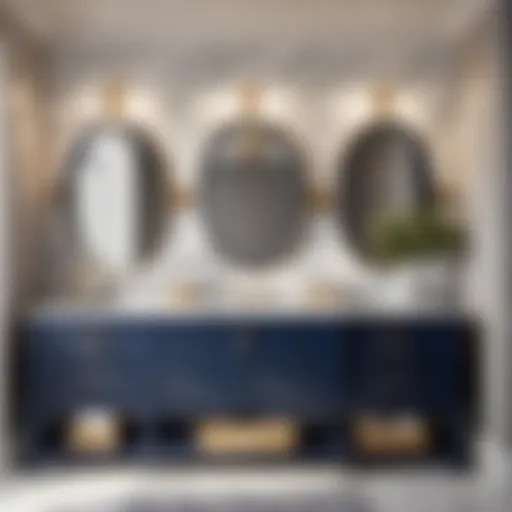
- Shape and Size: Consider rounded mirrors for a soft touch or angular ones for a more modern appeal.
- Lighting: Integrated lighting can eliminate dark spots and enhance the visual interest of the mirror.
- Framing: A frame can add character, whether it be rustic wood or sleek metal.
"The right mirror can reflect not just your image but your style, turning bare walls into galleries of design."
Choosing the Right Faucets
Faucets, while functional, often serve as statement pieces in a bathroom. With many styles available, from vintage to contemporary, choosing the right faucet can significantly impact the overall aesthetic. Here are a few factors to consider:
- Finish: Chrome, matte black, or brushed gold—each can convey a distinct atmosphere.
- Type: Single-handle faucets are user-friendly and sleek, whereas double-handles offer more control over water temperature.
- Water Efficiency: Looking for faucets with water-saving technology is wise. Not only does this cut down on water waste, but it can also save you money in the long run.
Solutions for Small Bathrooms
When remodeling a bathroom, the size constraints can often feel like a heavy burden, especially in urban environments where space is limited. However, embarking on a journey to optimize a small bathroom can be both an exciting and rewarding endeavor. The following sections dive into innovative strategies tailored specifically for smaller spaces, helping homeowners transform their often cramped quarters into stylish retreats that maximize functionality.
Space-saving Fixtures
In a small bathroom, every square inch counts. Choosing space-saving fixtures can drastically alter the perception of the room and improve its usability. Start by considering compact vanities that offer storage without overwhelming the space. Wall-mounted sinks can also contribute by freeing up floor space, making the room feel larger.
Another option is a corner shower, which makes use of otherwise wasted space. These showers come in various designs, tailoring to chic modern styles without sacrificing comfort. Additionally, consider foldable or retractable fixtures, such as a collapsible shower rod, which can open up space when not in use.
Think practical, yet stylish -- an innovative combo of aesthetics and function. Selecting fixtures that are sleek and slender visually elevates the room without compromising essential features. Small details, such as fixtures that have elegant curves, add a touch of sophistication while still fitting neatly into tight confines.
Color Choices that Brighten Small Areas
Color plays a pivotal role in how we perceive space. For small bathrooms, opting for the right hues can create an illusion of depth and openness. Light and neutral colors, like soft whites, pale grays, or muted pastels, tend to reflect light, making the space feel airy. Consider using these colors not just on walls, but also on cabinetry and fixtures.
Accent walls in slightly bolder tones can add character without enclosing the space. Pairing a light color palette with shiny, reflective surfaces, such as glass tiles or metallic fixtures, can amplify brightness.
Moreover, incorporating vibrant accents in your accessories -- think towels, rugs, or even art -- is a clever way to inject personality while ensuring the overall look remains bright and inviting. Choosing colors that complement one another can maintain harmony, which is essential for smaller spaces that need to avoid visual chaos.
"Incorporating the right design choices can make a minute space feel grand; it’s all about clever renovations that embrace creativity and functionality."
By focusing on these thoughtful considerations, homeowners can turn a small bathroom, often seen as a limitation, into a well-designed haven that feels more spacious and functional. Drawing from these insights, it becomes evident that innovative solutions for small bathrooms are not merely about managing constraints but rather transforming them into opportunities for smart design.
Incorporating Technology
In this day and age, technology has seeped into every nook and cranny of our lives, and the bathroom is no exception. Embracing technology in your bathroom remodel can significantly enhance both functionality and convenience. Smart innovations not only position your space as a modern marvel but also blend comfort with energy efficiency. With the right tech, your bathroom can transform into a sanctuary that caters to your every need.
When planning to incorporate technology, it’s crucial to consider both your lifestyle and the unique demands of your household. For many, a smart bathroom means no longer having to flip switches or searching for bath products in dim light; it’s about creating an environment that adapts to its users.
- Connection: Smart devices can often connect to your existing home networks, facilitating easy integration into your daily life.
- Energy Efficiency: Innovative gadgets can reduce water waste and energy consumption, saving you money in the long run.
- User Customization: Personalized settings can help create a tailored experience, whether through preferred shower temperatures or ambient lighting.
Smart Showers and Baths
Among the standout trends in bathroom technology are smart showers and baths. These fixtures do much more than dispense water; they offer a customizable experience designed to invigorate or soothe. Imagine a shower that remembers your preferred water temperature or one that can be activated remotely via your smartphone. This technology is especially useful for busy families that often scramble during morning routines.
Moreover, some advanced systems utilize digital controls to set multiple spray patterns and even integrate music or aromatherapy into your shower experience. Here are some perks:
- Water Monitoring: Keep an eye on usage, which helps in making eco-friendly choices.
- Temperature Control: Avoid that shocking cold water at the beginning of your shower.
- Voice Activation: Get hands-free control, perfect if your hands are soapy or dirty.
On top of that, you can often find units with smartphone applications that allow you to pre-heat your shower or bath. It’s a game changer for those chilly winter mornings.
Dimmers and Automated Lighting
Lighting, especially in a room as utilized as the bathroom, plays a tremendous role in setting the mood. Dimmers and automated lighting systems are a must-have for any tech-forward bathroom. Streamlining your bathroom lighting isn't just about aesthetics, it's also about functionality. How often have you stumbled into a well-lit bathroom at 2 AM, only to be blinded by the sudden brightness? Well, with dimmers, you can control the intensity based on your needs.
- Smart Dimmers: These can adjust automatically, responding to natural light levels or the time of day.
- Scene Settings: You can create different lighting scenarios. For example, bright light for morning routines, softer light for a relaxing bath, or ambient night-lighting for late-night visits.
- Energy Savings: By using LED bulbs alongside dimmers, you can cut down on energy consumption significantly.
Incorporating technology into your bathroom is not just a trend; it's a step towards a more efficient, personalized lifestyle. So, embrace it; after all, your bathroom should be a retreat.
"The future of home improvement is intuitive technology that offers ease and comfort."
By adapting your space to include these innovations, you aren’t just remodeling; you’re creating an enhanced living experience that balances luxury with necessity.
Maintenance and Care
A bathroom remodel is not just about aesthetics; it is equally about long-term usability and care. Proper maintenance ensures that all the effort and investment put into your bathroom not only stays intact but also continues to enhance your home's value. The truth is, maintaining functional beauty in a bathroom demands diligence and forethought.
Durability of Materials
When it comes to your bathroom, choosing the right materials is paramount. Durability can make a world of difference. High-traffic areas like this one need materials that can withstand moisture, stains, and regular wear and tear. For example, opting for porcelain tiles instead of traditional ceramic can provide a tougher surface that resists chipping and cracking.
Wood can add warmth but isn't always advisable in humid environments unless treated correctly. On the flip side, composite materials can offer both aesthetic appeal and resilience. They often come with a sealant that repels water effectively. Ultimately, picking robust materials that align with your lifestyle will make maintenance less of a hassle down the line.
Cleaning and Upkeep Strategies
A well-maintained bathroom speaks volumes about the home itself. Develop a routine cleaning schedule that incorporates both daily and deep-cleaning tasks. Daily tasks might include wiping down surfaces and squeegeeing shower walls to prevent water spots. For deep cleaning, consider using a combination of natural cleaners and commercial options; for instance, vinegar and baking soda can be quite effective against soap scum and mildew.
Here are a few strategies to keep in mind for upkeep:
- Regularly Check Grout and Seals: Inspect and re-seal any caulking around the tub, sink, or shower periodically to prevent leaks and damage.
- Invest in Quality Cleaning Tools: Microfiber cloths and non-abrasive scrubbers can help keep surfaces intact while ensuring a thorough clean.
- Stay On Top of Mold and Mildew: Using mold inhibitors in paint or an exhaust fan can greatly reduce moisture buildup.
Maintaining a bathroom may seem like a chore. However, when done systematically, it not only protects your investment but allows you to enjoy a clean and inviting space day after day.
Planning for the Future
When considering a bathroom remodel, it’s wise to think ahead. Planning for the future means not only tailoring the space to present needs but also ensuring its functionality and aesthetic appeal stand the test of time. A well-thought-out bathroom design can enhance your home's value, making your investment worthwhile.
Future-proofing your bathroom involves keeping in mind changing lifestyles and potential family needs. For instance, what seems perfect today could feel cramped or insufficient in a few years. There are numerous factors to consider when planning, including current trends, available technologies, and sustainable materials.
Adaptive Spaces
Creating adaptive spaces is about versatility. Imagine a bathroom that can shift from a tranquil retreat into a family-friendly space with just a few tweaks. Consider fixtures and layouts that cater to different age groups. For example, installing grab bars not only enhances safety for older occupants but can also be functional for families.
One exceptional idea is a sliding shower door instead of the traditional swinging models. This choice saves space and offers easy access, making it ideal for both children and seniors. Likewise, a dual-height vanity meets varying user preferences—shorter people can use the lower counter, while taller members can use the higher one without discomfort.
Here are some other suggestions for creating adaptive areas:
- Multi-functional furniture: Employ vanities that double as storage or seating.
- Flexible lighting: Incorporate dimmable LED lights to set the mood.
- Adjustable shelving: Ensure storage can adapt as needs change.
Long-term Investment Insights
Diving into long-term investment insights brings a financial lens to the remodeling process. Understand that the money spent on renovating a bathroom might not yield immediate returns, but over time, the value can increase significantly. A bathroom remodel can provide a return on investment anywhere from 60% to 70%, depending on the quality and scope of work.
To maximize value, focus on high-quality materials and durable fixtures. Avoid trendy finishes that could quickly go out of style and instead opt for classic designs that appeal to a broader audience. Projects that address both aesthetics and functionality can help in this regard.
Think about energy-efficient updates too. Modern toilets and faucets can significantly cut down on water use, translating into lower bills over time. Investing in smart technology—like thermostats or motion-sensitive lighting—can also pay off by enticing eco-conscious buyers in the market.
"When you plan for the future, you not only create a beautiful space but also a wise investment that respects both your budget and the environment."
In summary, planning for the future is a cornerstone of a successful bathroom remodel. Adaptability and long-term value should guide your choices, ensuring that the bathroom uniquely caters to your needs while remaining a wise investment for years to come.
Local Regulations and Compliance
When considering any bathroom remodel, understanding local regulations and compliance is fundamental, acting much like the backbone of any project. These rules are not just some bureaucratic nonsense; they are essential for ensuring safety, functionality, and long-term peace of mind. Ignoring them can lead to costly consequences, not to mention the headache of potential fines or, worst-case scenario, having to undo work that has been done.
Permits and Necessary Approvals
First things first, permits can be a bit of a maze. Depending on where you live, you may need to secure various permits before starting your project.
- Why Get Permits? The primary reason permits are mandated is to ensure safety and compliance with local building codes. If your project involves electrical work, plumbing changes, or even structural alterations, the permits guarantee that the job is done right.
- How to Obtain Permits? Start by visiting your local building department or their website. They often have a clear outline of the steps needed to apply for permits.
- Fill out the required application forms.
- Provide detailed plans of your intended remodel, showing placement for fixtures or electrical systems.
- Pay the necessary fees, which can range significantly.
You should also keep in mind that approvals may be needed from homeowners' associations, especially in subdivisions or neighborhoods with specific aesthetic or structural guidelines. Each approval process can have different time frames, so plan accordingly.
Safety Standards to Consider
Safety should never take a back seat during a remodel. Local safety standards aim to protect you and your family from potential hazards that could arise from improper installations or materials that do not meet guidelines.
- Electrical Safety: Any new lighting or electrical work must adhere to local code. Issues here can lead to shock hazards or even fire.
- Plumbing Standards: Updates to plumbing, such as new fixtures or re-routing pipes, must meet health regulations. Failing to comply could lead to water damage or inefficiencies with waste disposal.
- Ventilation Requirements: Bathrooms require adequate ventilation to minimize excess moisture build-up. This, in turn, reduces mold growth and creates a healthier environment.
In thinking about these safety standards, it's always wise to consult a professional. While it might seem like a straightforward do-it-yourself project, having an expert can ensure regulations are followed precisely, saving you from future headaches.
"Following guidelines isn't just about 'playing it safe'; it's about creating an environment where you can truly relax, free from worry."
Finally, as a homeowner or housewife considering a remodel, it’s not only important for the aesthetics of your space to shine but also to respect the regulations that help protect your investment and promote safety within your home.
The End and Next Steps
Homeowners often find themselves at a crossroads filled with choices: colors, fixtures, materials, and layouts can feel overwhelming. However, this final stage underscores the significance of reviewing your options and making informed decisions that align with your vision and lifestyle.
When considering your next steps, remember: every detail counts. Whether you're drawn to a minimalist aesthetic or prefer a more vibrant, eclectic design, the choices you make can either elevate your space or lead to frustration down the line. Get cozy with planning, as this is your chance to align dreams with reality. Don't hesitate to jot things down; creating a pros and cons list for materials or designs can spotlight what truly resonates with your tastes.
Each decision should also respect your budget constraints while considering long-term functionality. Transforming your bathroom should not just be about instant appeal but ensuring it serves your needs for years to come. Think about family dynamics – how do you use your bathroom currently, and how might those needs evolve?
[Remember, a well-thought-out design can enhance functionality as much as it boosts aesthetic appeal.]
In terms of next steps, assessing options also means exploring technology that blends seamlessly with your renovation plans. With smart devices becoming a staple in modern homes, consider incorporating elements like automated lighting or digital showers that offer both convenience and eco-friendliness.
In this concluding section, we set the stage for diving deeper into specifics, but not without first emphasizing a balanced approach. Effective remodeling combines creativity with practicality. Strive for harmony in your design choices, and you'll undoubtedly create a bathroom space that reflects your individuality.
Reviewing Your Options
This phase is where a strategic lens is not just recommended, but essential. Evaluating options helps clarify what fits and what doesn’t in the mix of materials, styles, and layouts vying for your attention. Here’s how you can approach this vital step:
- Create a Mood Board: Collect inspiring images, textures, and colors to visualize your ideal bathroom.
- Weigh Functionality Against Aesthetics: Think about how each choice impacts day-to-day use. For instance, while a stylish pedestal sink may catch your eye, it could limit counter space.
- Explore Alternatives: Look into various fixtures or finishes. Sometimes a less common material can make all the difference in terms of cost and long-term maintenance.
Seeking Professional Guidance
Once the options have been narrowed down, consider enlisting expert help. While DIY approaches can be fulfilling, a seasoned professional can offer invaluable insights based on years of experience and training.
- Renovation Specialists: Engage with individuals who can provide tailored solutions fitting your specific needs and budget.
- Interior Designers: They can bring a fresh perspective, suggesting ideas you might not have considered while ensuring cohesiveness and functionality.
- Contractors: Choosing the right contractor can save you not only time but potential headaches, so do your homework to find someone you can trust with your vision.
Engaging professionals allows you to tap into a wealth of knowledge that will ultimately refine your decisions, helping to transpose your inspiration into reality with greater ease. This step could be the difference between a bathroom that meets your vision and one that only partially fulfills it.
In summary, as you prepare to embark on this bathroom transformation journey, keep these considerations close to heart. The road may twist and turn, but with careful planning and evaluation of options, you can transform your bathroom into an oasis that both meets your daily demands and showcases your personal style.