Unlocking the Art of Crafting an Exquisite Bathroom Door: A Comprehensive Exploration
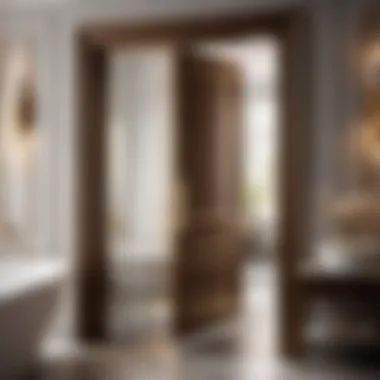
Materials:
- Solid wood door (Dimensions: 80 inches by 30 inches)
- Door hinges (Quantity: 3, Size: 4 inches)
- Sliding door handle
- Sliding door track
- Screwdriver
- Measuring tape
- Level
- Pencil
- Safety goggles
DIY Steps:
- Begin by measuring the doorway to determine the appropriate size for the bathroom door. Standard door heights are typically around 80 inches, but ensure accurate measurements to avoid any misfit.
- Choose a solid wood door for durability and aesthetics. Opt for a door that complements your bathroom decor and style.
- Install the door hinges using a screwdriver. Position them evenly on the door frame to ensure smooth operation.
- Affix the sliding door handle to allow for easy opening and closing. Ensure it is securely fastened to the door.
- Mount the sliding door track above the doorway using a level to ensure proper alignment. This will facilitate smooth sliding of the door.
- Carefully hang the door on the sliding track, ensuring it glides seamlessly along the track. Make any necessary adjustments to ensure proper functionality.
Technical Aspects:
- Tools: Screwdriver, Measuring tape, Level
- Timing: Approximately 2-3 hours
- Critical Techniques: Ensure precise measurements and alignment of the door hinges and sliding track for seamless operation.
DIY Project Process:
- Measure the doorway and select the solid wood door.
- Install the door hinges and sliding door handle.
- Mount the sliding door track above the doorway with precision.
- Hang the door on the track and adjust for proper functionality.
Troubleshooting Tips:
- If the door does not slide smoothly, check for any obstructions on the track and ensure proper alignment.
- In case of misalignment, adjust the track and hinges for a seamless operation.
Introduction
In the realm of interior design, the meticulous attention given to bathroom door selection plays a pivotal role in shaping the overall ambiance and functionality of a space. Bathroom doors are not merely functional elements but significant contributors to privacy, aesthetic appeal, and usability within a home. As one of the most utilized features in a household, the design of a bathroom door should be carefully considered to ensure it aligns seamlessly with the overarching design scheme while meeting the practical needs of its users. This article delves into the intricate process of selecting and designing a bathroom door, exploring the nuances that go into creating a harmonious and efficient bathroom space.
Significance of Bathroom Door Design
Ensuring Privacy
Ensuring Privacy is a fundamental aspect of bathroom door design, providing a sanctuary where individuals can maintain personal space and solitude. The choice of a door that ensures complete privacy is paramount in creating a comfortable bathroom environment. Privacy can be achieved through factors such as solid construction, sound insulation, and proper sealing to prevent visibility and sound transmission. Opting for frosted glass or opaque materials can also enhance privacy without compromising natural light flow.
Enhancing Aesthetic Appeal
Enhancing the aesthetic appeal of a bathroom door significantly contributes to the overall visual harmony of the space. The design, material, and finish of the door can elevate the bathroom's aesthetic, making it a cohesive part of the interior décor. From minimalist contemporary styles to ornate traditional designs, the aesthetic appeal of a bathroom door can reflect the homeowner's personal taste and reinforce the desired atmosphere of the room.
Providing Functional Utility
While aesthetics are important, functional utility is equally essential in bathroom door design. A well-designed door should not only look good but also offer practical features that enhance the overall user experience. Elements such as ease of operation, durability, and compatibility with the bathroom layout are crucial considerations. Choosing materials that resist moisture and are easy to maintain can prolong the door's lifespan and ensure it remains functional for years to come.
Objective of the Article
To Explore Various Aspects of Bathroom Door Design
The objective of this article is to delve deep into the diverse facets of bathroom door design, shedding light on the myriad options available to homeowners. By exploring various design elements such as materials, styles, and dimensions, readers can gain a comprehensive understanding of the choices at their disposal. From traditional wooden doors to modern glass alternatives, this section aims to educate readers on the vast array of possibilities for creating a bespoke bathroom door that suits their preferences.
To Provide Insights for Designing an Ideal Bathroom Door
Beyond mere exploration, this article seeks to provide practical insights for designing an ideal bathroom door that ticks all the boxes of functionality, aesthetics, and durability. By offering guidance on critical considerations like size, swing direction, and accessibility features, readers can make informed decisions that align with their specific needs and preferences. The aim is to empower readers with the knowledge and tools necessary to craft a bathroom door that not only looks good but also functions optimally in their living space.
Materials and Finishes
In the realm of designing a bathroom door, the choice of materials and finishes plays a pivotal role in both the functionality and aesthetics of the final product. When crafting the perfect bathroom door, one must carefully consider the materials used and the finishes applied to achieve a cohesive and durable result. The selection of materials impacts aspects such as durability, maintenance, and overall appearance, while finishes can enhance the visual appeal and protect the door against moisture and wear.
Wooden Bathroom Doors
Types of Wood
Wood has long been a popular choice for bathroom doors due to its natural beauty and versatility. Various types of wood, such as oak, mahogany, and pine, offer unique characteristics in terms of grain patterns, color variations, and durability. Oak, known for its strength and resistance to moisture, is a popular choice for homeowners seeking a traditional and sturdy option. On the other hand, mahogany exudes elegance with its rich tones and fine textures, ideal for adding a touch of luxury to the bathroom ambiance. Pine, a more affordable option, provides a lighter and softer appearance, perfect for achieving a more rustic or casual look. Each type of wood brings distinct advantages in terms of aesthetics and durability, allowing homeowners to customize their bathroom door to suit their preferences.
Finishing Options
The finishing of a wooden bathroom door not only enhances its visual appeal but also protects the wood from moisture and damage. Options such as varnish, paint, or stained finishes offer different levels of protection and style. Varnish provides a clear and glossy finish that highlights the natural beauty of the wood while adding a layer of protection against water. Paint allows for a wide range of customization, from bold colors to subtle tones, and can complement various bathroom design themes. Stained finishes offer a more natural look by enhancing the wood's grain and texture, creating a sophisticated and timeless aesthetic. Each finishing option contributes to the overall durability and aesthetics of the wooden bathroom door, making it a crucial decision in the design process.
Glass Bathroom Doors
Types of Glass
Glass bathroom doors are a popular choice for modern bathrooms as they can create a sense of openness and brightness. Different types of glass, such as clear, frosted, or textured, offer varying levels of privacy and style. Clear glass allows light to pass through freely, making the bathroom appear more spacious and airy. Frosted glass, on the other hand, provides privacy while still allowing diffused light to filter through, ideal for maintaining a balance between openness and seclusion. Textured glass adds a decorative element to the door, introducing patterns and designs that can enhance the overall aesthetic of the bathroom. The choice of glass type depends on the desired level of privacy and design preference, shaping the atmosphere of the space.
Surface Treatments
To enhance the functionality and appearance of glass bathroom doors, surface treatments such as anti-glare coatings or UV protection can be applied. Anti-glare coatings reduce reflections and glare, improving visibility and creating a more comfortable environment in the bathroom. UV protection films can help prevent furniture and fixtures in the bathroom from fading due to exposure to sunlight, ensuring the longevity of interior elements. These surface treatments not only contribute to the practicality of the glass door but also add value in terms of maintenance and longevity, making them essential considerations in the design of a glass bathroom door.
Metal Bathroom Doors
Aluminum vs. Steel Doors
When considering metal bathroom doors, homeowners often have to choose between aluminum and steel based on their specific requirements. Aluminum doors offer lightweight construction and resistance to corrosion, making them a practical choice for humid bathroom environments. Steel doors, on the other hand, provide enhanced security and durability, suitable for homeowners prioritizing robustness and longevity. The decision between aluminum and steel doors depends on factors such as budget, style preference, and desired level of maintenance, each offering unique advantages to tailor the bathroom door to individual needs.
Coating Options
Coating options for metal bathroom doors include powder coating, anodizing, or painting, each offering distinct benefits in terms of aesthetics and protection. Powder coating provides a durable and customizable finish that resists chipping and scratching, ideal for high-traffic areas like the bathroom. Anodizing creates a corrosion-resistant layer on the metal surface, enhancing its durability and appearance while maintaining a natural metallic look. Painting metal doors allows for endless color options and finishes, enabling homeowners to match the door to existing bathroom decor or create a statement piece. The choice of coating option depends on the desired aesthetic, maintenance requirements, and budget considerations, influencing the overall look and performance of the metal bathroom door.
Design Considerations
When it comes to designing a bathroom door, the aspect of size and dimensions plays a crucial role in the overall functionality and aesthetics of the space. It is vital to carefully consider these design elements to ensure that the door fits perfectly within the layout of the bathroom while enhancing its visual appeal.
Size and Dimensions
Standard Door Sizes
Standard door sizes are a fundamental aspect of bathroom door design as they determine the accessibility and usability of the door. These standardized dimensions provide a basis for ensuring that the door can effectively serve its purpose in various settings. The standard sizes are commonly used in residential and commercial spaces, offering a balance between functionality and space optimization. The key characteristic of standard door sizes lies in their universal compatibility, making them a popular choice for quick and easy installation. However, the main disadvantage is that in some cases, standard sizes may not align perfectly with unique or unconventional bathroom layouts, requiring special considerations.
Custom Sizing Options
Custom sizing options offer a tailored solution for those seeking a precise fit for their bathroom door. These customized dimensions cater to specific requirements, ensuring that the door seamlessly integrates with the overall design of the space. The unique feature of custom sizing lies in its flexibility to accommodate non-standard layouts, enabling homeowners to optimize every inch of their bathroom space. While the advantage of custom sizing is its ability to provide a perfect fit, the potential drawback could be the additional cost and lead time associated with custom manufacturing.
Swing Direction
Determining Swing Direction
The swing direction of a bathroom door is a critical consideration that impacts the flow and functionality of the space. Selecting the appropriate swing direction ensures smooth accessibility and efficient use of the bathroom. The key characteristic of determining swing direction is its influence on how the door interacts with surrounding fixtures and furniture, contributing to the overall efficiency of the layout. This feature is beneficial as it allows for optimal space utilization while maintaining a seamless aesthetic. However, one potential disadvantage could be the restriction in design options or configurations based on the chosen swing direction.
Factors to Consider
Factors such as traffic flow, spatial constraints, and personal preference should be taken into account when determining the swing direction of a bathroom door. These considerations play a significant role in enhancing user experience and functionality. The unique feature of considering these factors is the ability to customize the door's swing for maximum convenience and ergonomic use. While the advantage lies in creating a space-efficient solution, the potential disadvantage may arise if the chosen swing direction conflicts with other elements in the bathroom layout.
Accessibility Features
ADA Compliance
Ensuring ADA compliance in bathroom door design is essential to cater to individuals with disabilities and provide inclusive access to the space. ADA-compliant features contribute to a barrier-free environment, offering convenience and safety for all users. The key characteristic of ADA compliance is its adherence to specific regulations and guidelines set forth by the Americans with Disabilities Act. This compliance is beneficial as it promotes universal design principles, enhancing the usability and accessibility of the bathroom. However, one potential disadvantage could be the additional planning and implementation requirements to meet ADA standards.
Handle and Lock Placement
The placement of handles and locks on a bathroom door influences ease of use and security measures within the space. Strategically positioning these elements enhances user experience and ensures practical functionality. The key characteristic of handle and lock placement is its contribution to the overall ergonomics and safety of the door, allowing for seamless operation. This feature is beneficial as it enables effortless interaction with the door while maintaining privacy and security. However, a potential drawback could be the need for careful consideration to prevent potential hazards or inconvenience based on user height or mobility constraints.
Styles and Trends
In the realm of bathroom door design, the understanding of styles and trends plays a crucial role in creating a harmonious and functional living space. Styles and trends encompass a range of aesthetic choices and design philosophies that can significantly impact the overall ambiance and functionality of a bathroom. By delving into the nuances of modern and traditional styles, designers can cater to diverse tastes and preferences, ensuring that the bathroom door becomes a focal point of architectural charm and practicality.
Modern Bathroom Door Designs
Sleek and Minimalist
Sleek and minimalist designs represent a contemporary approach to bathroom door aesthetics. The key characteristic of this style lies in its clean lines, uncluttered surfaces, and understated elegance. By opting for a sleek and minimalist door design, homeowners can achieve a sense of spaciousness and modernity within their bathrooms. The simplistic yet refined nature of this style enhances the overall aesthetic appeal of the space, creating a soothing environment for relaxation and rejuvenation.
One of the primary advantages of choosing a sleek and minimalist bathroom door design is its ability to complement a variety of interior decor styles. Whether it be a sleek monochromatic theme or a vibrant and eclectic bathroom setting, a minimalist door blends seamlessly with different design elements, adding a touch of sophistication without overpowering the space. However, a potential disadvantage of this style is that it may lack the intricate detailing and ornate features found in traditional designs, which could be a drawback for those seeking a more ornamental aesthetic.
Industrial Chic
Industrial chic bathroom door designs draw inspiration from urban lofts and industrial spaces, infusing a raw and edgy charm into the bathroom ambiance. The key characteristic of industrial chic style is its fusion of rugged materials such as metal and distressed wood with modern elements like glass and polished metal finishes. This unique blend results in a striking door design that exudes character and personality.
The allure of industrial chic lies in its ability to add a sense of drama and intrigue to an otherwise ordinary space. By opting for industrial chic bathroom doors, homeowners can create a statement piece that serves as a conversation starter and a distinctive focal point within the bathroom. The juxtaposition of rough textures and sleek surfaces in industrial chic design adds depth and visual interest to the overall decor scheme.
However, one consideration to keep in mind with industrial chic bathroom door designs is the potential maintenance requirements. The mixing of materials and finishes in this style may necessitate specific care instructions to preserve the door's unique aesthetic appeal over time.
Traditional Bathroom Door Styles
Classic Panel Doors
Classic panel doors evoke a sense of timeless elegance and sophistication, making them a popular choice for traditional bathroom designs. The key characteristic of classic panel doors is their structured layout, featuring raised panels that add depth and dimension to the door surface. This traditional style exudes a sense of refinement and heritage, perfect for homeowners looking to instill a sense of nostalgia and charm in their bathroom decor.
The benefit of choosing classic panel doors lies in their versatile appeal across different interior styles. Whether incorporated into a vintage-inspired bathroom or a classic contemporary setting, these doors add a touch of traditional craftsmanship and allure. However, one potential drawback of classic panel doors is their ornate detailing, which may not align with minimalistic or modern decor preferences.
Victorian-Inspired Designs
Victorian-inspired bathroom door designs pay homage to the opulence and grandeur of the Victorian era, characterized by intricate patterns, ornate carvings, and elaborate embellishments. The key characteristic of Victorian-inspired doors is their elaborate detailing and decorative elements, ranging from floral motifs to filigree accents. This style brings a sense of luxury and refinement to the bathroom space, creating an ambiance of old-world charm and elegance.
Choosing Victorian-inspired door designs adds a touch of drama and richness to the bathroom decor, elevating the space to a level of grandeur and sophistication. The intricate craftsmanship and attention to detail in Victorian designs reflect a bygone era of craftsmanship and artistry, making them a prized addition to traditional and vintage-themed bathrooms. However, the intricate nature of Victorian designs may require regular maintenance to preserve their intricate details and prevent wear and tear over time.
Practical Considerations
When it comes to designing a bathroom door, practical considerations play a pivotal role in ensuring the door not only looks appealing but also functions seamlessly. This section delves deep into the essential aspects of practical considerations that can elevate your bathroom door design to the next level. From addressing moisture resistance to focusing on maintenance and durability, every detail is meticulously analyzed to guide you towards creating an ideal bathroom door that stands the test of time.
Moisture Resistance
Waterproof Materials
Waterproof materials are a game-changer when it comes to bathroom door design. These materials are specifically engineered to withstand the constant exposure to moisture and humidity typical in bathroom environments. The key characteristic of waterproof materials lies in their ability to repel water effectively, preventing warping, rotting, or mold growth. This makes them a popular and highly beneficial choice for bathroom doors, ensuring longevity and durability.
One unique feature of waterproof materials is their sealing properties, creating a barrier that protects the door from moisture infiltration. While they provide excellent protection against water damage, it's essential to consider that some waterproof coatings may alter the appearance or texture of the door surface. Balancing protection with aesthetics is key when opting for waterproof materials in bathroom door design.
Ventilation Solutions
Ventilation solutions are another crucial aspect to consider for moisture resistance in bathroom doors. Proper ventilation helps control humidity levels and promotes air circulation, reducing the risk of mold and mildew growth. By incorporating ventilation features such as slotted panels or louvered designs, bathroom doors can breathe, allowing moisture to evaporate efficiently.
The key characteristic of ventilation solutions is their ability to create a well-ventilated environment, ensuring that moisture doesn't get trapped inside enclosed spaces. This makes them a popular choice, especially in areas with high humidity levels. One unique feature of ventilation solutions is their versatility, as they can be integrated into various door designs without compromising aesthetics.
Maintaining optimal airflow through ventilation solutions aids in preserving the integrity of the door and surrounding walls, ultimately contributing to the longevity and functionality of the bathroom door.
Maintenance and Durability
Easy-to-Clean Surfaces
In the realm of bathroom door design, having easy-to-clean surfaces is a practical choice for busy households. These surfaces are specifically designed to resist stains, water spots, and soap scum buildup, making maintenance a breeze. The key characteristic of easy-to-clean surfaces is their smooth texture and non-porous finish, allowing dirt and grime to be effortlessly wiped away.
One unique feature of easy-to-clean surfaces is their resistance to chemical cleaners, ensuring that the door maintains its pristine appearance even with regular cleaning. While these surfaces offer immense practical benefits, it's important to note that certain abrasive cleaners or rough scrubbing tools may damage the finish over time.
Longevity of Materials
When considering maintenance and durability, the longevity of materials becomes a crucial factor in bathroom door design. Opting for durable materials that can withstand daily wear and tear is essential for ensuring the door's longevity. The key characteristic of longevity in materials lies in their resilience against scratches, dents, and fading, maintaining the door's aesthetics over time.
One unique feature of longevity in materials is their ability to retain their structural integrity even with repeated use. However, it's important to acknowledge that some high-durability materials may come at a higher price point. Balancing durability with budget considerations is key when selecting materials for long-lasting bathroom doors.
Conclusion
In the realm of designing a bathroom door, the conclusion serves as the amalgamation of various facets explored throughout this comprehensive guide. It encapsulates the symbiotic relationship between functionality, aesthetics, and practicality, essential in crafting a seamless user experience. Through meticulous analysis of materials, finishes, accessibility features, and design considerations, the importance of striking a perfect balance becomes evident. The conclusion underscores the pivotal role that a well-designed bathroom door plays in enhancing the overall ambiance of a space while simultaneously providing essential privacy and utility. It signifies how every detail, from door size to swing direction, influences the comfort and convenience of the inhabitants.
Overall Importance of Bathroom Door Design
Integration with Overall Bathroom Aesthetics
The integration of a bathroom door with the overall aesthetics of a bathroom is crucial for creating a cohesive and visually pleasing environment. By harmonizing the design elements of the door with the rest of the bathroom decor, a sense of continuity and elegance is achieved. The choice of materials, finishes, and styles must complement the existing theme to ensure a seamless transition between spaces. Integrating the door aesthetically not only enhances the visual appeal of the bathroom but also showcases attention to detail and design coherence.
Enhancement of User Experience
Enhancing the user experience through thoughtful bathroom door design is paramount in elevating daily rituals. The functionality of the door, from easy handle access to proper lock placement, contributes significantly to user convenience and comfort. A well-designed door ensures smooth operation, durability, and accessibility for users of all ages and abilities. By focusing on user-centric features, such as ADA compliance and ergonomic handles, the overall experience of using the bathroom door is optimized. Prioritizing user comfort and safety adds a layer of sophistication and reliability to the design.
Future Trends in Bathroom Door Design
Smart Features Integration
The integration of smart features in bathroom door design heralds a new era of convenience and technology. Incorporating elements like automatic opening mechanisms, smart locks, and digital access controls revolutionizes the way we interact with doors. Smart features not only enhance security and ease of use but also provide a futuristic and sophisticated touch to the bathroom space. By seamlessly blending technology with design, smart doors offer a glimpse into the advanced possibilities of modern living.
Sustainable and Eco-Friendly Materials
Embracing sustainable and eco-friendly materials in bathroom door design reflects a commitment to environmental responsibility and conscious living. Choosing materials like reclaimed wood, recycled glass, or eco-conscious metals reduces the carbon footprint and promotes sustainable practices. These materials not only ensure durability and longevity but also add a unique, natural aesthetic to the bathroom door. Incorporating sustainable elements instills a sense of eco-consciousness and innovation, aligning design with the principles of environmental stewardship and long-term sustainability.