Chandeliers in Bathroom Design: Enhancing Tub Spaces

Intro
The influence of chandeliers extends far beyond elegant dining rooms or grand ballrooms; they bring an unexpected charm to the intimate space of a bathroom. In fact, placing a chandelier over the tub is a bold design move that transforms a utilitarian room into a personal oasis. It’s the subtle interplay between function and style that creates a unique bathing area, allowing homeowners to indulge in luxury after a long day's grind. This guide unveils the path to achieving that aesthetic, from careful planning to the last-final touch.
As we embark on this journey, bear in mind that choosing the right materials and design principles is as vital as the chandelier's placement. Mistrust the notion that function supersedes aesthetic appeal. Instead, let’s explore how these luminous fixtures can breathe life into your tub space—illuminating your daily routines and elevating the entire ambiance.
Materials:
Embarking on this DIY project requires an understanding of both the beauty involved as well as the practical elements at play. Below you’ll find a well-itemized list of materials to kick things off:
- Chandelier: Select based on size and design preference (average dimensions: 24-36 inches)
- Ceiling Mounting Kit: Ensure it supports the weight of the fixture (check the weight limit)
- Chain or Rod: Flexibility for height adjustments (1-3 feet length)
- Wire: 14-gauge electrical wire; length will vary based on room size (check local codes)
- Wire Connectors: To secure electrical connections
- Electrical Tape: For insulation
- Mounting Bracket: Ensure proper support and stability
- Light Bulbs: Choose type based on chandelier design (typically 6-10 bulbs, based on the fixture)
- Ladder: 6-8 feet for safe installation
- Drill and Drill Bits: For holes (1/8 inch or larger)
- Screwdriver: To secure fixtures
- Level: For accuracy in placement
Each item holds its own significance; the chandelier must reflect your taste while adhering to the room's aesthetic theme, be it vintage, modern, or somewhere in-between. And remember, measure twice, cut once.
Detailed DIY Instructions:
After gathering the materials, it's time for a structured approach:
- Planning the Space:
Measure the height from the floor to the ceiling, taking note of any obstructions such as vents or beams. Ensure the total height of the chandelier and chain/fitting doesn’t impede movement within the bathroom. - Choosing the Right Chandelier:
Pick a design that complements the tub and the overall decor. Factors like size, material, and style play significant roles here. Opt for moisture-resistant options when placing them in a humid area like a bathroom. - Installing the Bracket:
Following the chandelier's weight specifications, affix the mounting bracket to the ceiling. Use a drill to create proper holes and secure with suitable screws. - Wiring Connections:
Carefully turn off the power supply. Utilize the 14-gauge wire to connect the chandelier to the ceiling junction box. Ensure the connections are securely wrapped with electrical tape. When finished, restore the power to check if all connections are solid. - Finalizing the Hang:
Attach the chandelier to the mounting bracket, ensuring it’s level and properly adjusted for height. - Light Bulb Installation:
Insert bulbs into the fixture, following the manufacturer’s suggested wattage. - Check for Safety:
Finally, test the wiring and secure the fixture. Adjust as necessary to ensure it meets safety codes and doesn’t interfere with the humid environment.
Technical Aspects:
Execution requires precision. Here’s a succinct list of essential tools and practices:
- Tools Needed:
- Timing:
- Critical Techniques:
- Ladder
- Drill and different bit sizes
- Screwdriver
- Wire strippers
- Tape measure
- Level
- Roughly 4-6 hours depending on complexity
- Always work with a partner for safety
- Use a voltage tester to double-check safety before wiring
Sequential Steps:
For those with the courage to dive deeper into the installation process, follow these sequential steps methodically:
- Set the ladder securely under the intended chandelier spot.
- Remove old fixtures as necessary, keeping safety gear in mind.
- Follow the electrical guidelines when connecting wires, always cross-check your work.
- Use the level to ensure it hangs correctly.
"Safety must be paramount during installation; there's no point in having glamour if it's not secure."
Troubleshooting Tips:
No perfect plan exists, and here are some common fixes for those anticipated mistakes:
- If Unstable:
Recheck the mounting bracket; tighten screws and ensure it's anchored well. - Buzzing Noise:
Check for loose connections; this can also come from incompatible bulbs. - Dim Lights:
Ensure the bulbs are within the correct wattage and fully secured in their sockets.
In closing, chandeliers can do wonders for a bathroom space. When paired thoughtfully with the right materials and techniques, they don’t just hang overhead; they enliven the entire room and create a delightful ambiance. Immerse yourself in the process, follow the steps outlined, and you will find that the charm of a sparkling chandelier needs no further justification to grace the elegance above your tub.
Importance of Lighting in Bathrooms
When one thinks of bathrooms, the first thing that often comes to mind is functionality. However, the importance of lighting in these spaces stretches far beyond mere visibility. It plays a pivotal role in establishing the overall ambiance, ensuring safety, and reflecting style choices that can elevate even the simplest of bathrooms into luxurious sanctuaries.
Good lighting is not just about flipping a switch. It assists in performing everyday tasks effectively, helping during routines such as shaving or applying makeup. When entering a bathroom, the immediacy of the light can invoke feelings of calm or stress—it's all in how you choose and implement that lighting.
A well-lit bathroom not only allows for practical uses but also enhances aesthetics. It can create warmth or drama, highlighting specific design features. Whether it’s a traditional chandelier hanging above a centrally placed tub or understated wall sconces framing the mirror, the choice of lighting can significantly influence your experience in the space.
Furthermore, the choice between functional and ambient lighting transforms the atmosphere. Functional lighting provides the bright illumination needed for daily tasks, while ambient lighting adds that layer of softness which can make the space feel cozier.
"In a cozy bathroom, lighting should be like a warm blanket—just the right amount to make you feel at home."
Functional Lighting vs. Ambient Lighting
Functional lighting ensures that essential tasks get done without a hitch. This can be achieved through bright, focused fixtures such as recessed lighting or adjustable sconces. For instance, when considering chandeliers in a bathroom setting, opting for designs that incorporate a higher wattage can help illuminate the entire space with ease. This means no more squinting while brushing your teeth or trying to see properly in the mirror.
On the flip side, ambient lighting plays a supportive role. It's about creating an overall glow that feels inviting yet not overpowering. Chandeliers can shine here, too, with dimming capabilities or softer, warmer bulbs that wrap the room in a gentle light. Imagine soaking in a warm bath surrounded by flickering candlelight, complemented by a chandelier casting playful shadows on the walls; it’s a serene escape.
The balance between these types of lighting is crucial. An over-lit bathroom can feel sterile or harsh, while the absence of adequate light can make it feel claustrophobic and impractical. Achieving harmony in lighting choices results in a multifunctional bathroom suitable for both high-paced mornings and relaxing evenings.
Psychological Effects of Lighting
Lighting can heavily influence mood and perception in any space, and bathrooms are no different. The psychological effects of how light interacts with our senses can be profound, especially in a space meant for relaxation and self-care. Bright lighting can stimulate energy while soft lighting tends to create a calming effect.
Consider that first moment stepping into a bathroom after a long day. The glow of a well-placed chandelier can signal an opportunity for rest. On the contrary, fluorescent lights often found in public restrooms can evoke feelings of unease or stress. This clearly illustrates how critical light selection is in the home environment, particularly in private spaces meant for unwinding.
Some studies suggest that color temperature also plays a role. Cooler light may heighten alertness, making it suitable for task-oriented activities, while warmer tones tend to soothe the mind, ideal for winding down.
Ultimately, the psychological experiences facilitated by different lighting choices are worth considering. Whether through luxurious chandeliers or simple pendant lights, thoughtful lighting selection can create a harmonious atmosphere, inviting relaxation and enjoyment in one of the most personal spaces in a home.
Chandeliers as a Design Element
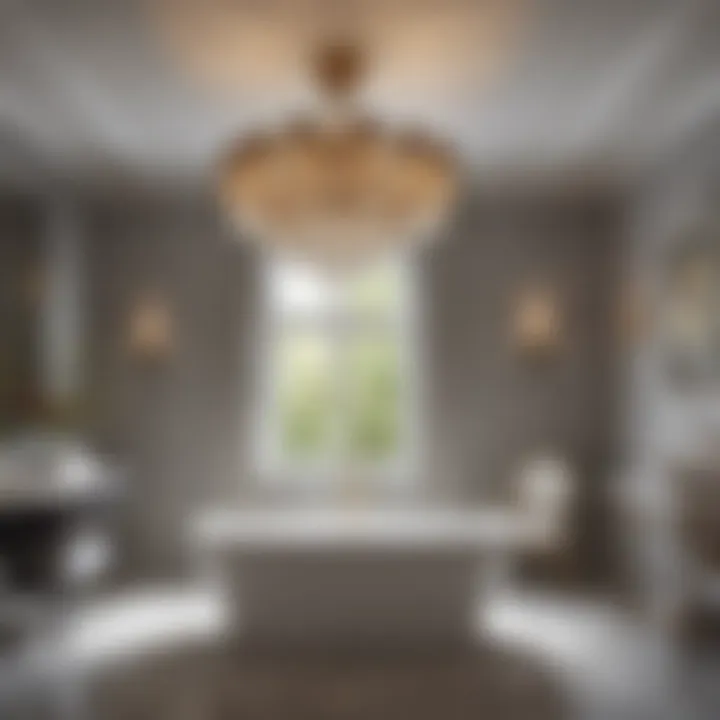
The significance of chandeliers in the realm of bathroom aesthetics transcends mere utility. Chandeliers are emblematic of elegance and sophistication, acting as focal points that can transform ordinary bathrooms into sumptuous sanctuaries. As these lighting fixtures dangle above the tub, they not only illuminate the space but also exude a sense of style and luxury. Here, we'll explore the intricate details that make chandeliers indispensable as design elements, along with various considerations that come into play when integrating them into bath environments.
Historical Context of Chandeliers
Historically, chandeliers have enjoyed a privileged position in architecture and design. Originating in the Middle Ages, chandeliers were used to illuminate vast halls, often adorned with candles. Their evolution has led to the ornate crystal designs of the Baroque era, which represented the height of opulence. It wasn't until the 18th century that these lighting beacons found their way into private homes, including bathrooms. In those days, bathrooms were considered luxurious retreats, and the installation of chandeliers symbolized wealth and refinement. This sense of grandeur tied to chandeliers persists today, offering an air of sophistication, especially when showcased in intimate settings like bathrooms.
"A well-placed chandelier can be the feather in the cap of your bathroom design, merging function and artistry in a unique way."
Chandeliers in Contemporary Design
Fast forward to today, and chandeliers have taken on new life in contemporary design. The modern era has seen a shift towards minimalism and functionality, yet chandeliers remain a cherished choice in many homes. They now come in a variety of styles, from sleek and industrial to elegant and whimsical. Many designers prioritize energy-efficient materials and LED technology, ensuring that aesthetics do not eclipse sustainability. The appeal of contemporary chandeliers lies in their versatility. They can fit into nearly every bathroom style—from luxury spa-like retreats to chic, minimalist spaces.
When considering a chandelier for your bathroom, think about how it harmonizes with the overall theme. A modern bathroom might benefit from a simple geometric design, while a vintage-style space may call for something more ornate. Also, the size and height of the fixture are paramount; it shouldn't overpower the room, but rather complement it—creating a delightful balance between elegance and functionality.
In sum, chandeliers serve not just as light sources but as statements of individuality and design ethos. From their storied history to modern reinterpretations, they embody the transformative potential of lighting in bathroom aesthetics. Choosing the right chandelier can elevate your tub space from mundane to magnificent, combining form and function in a breathtakingly artistic way.
Choosing the Right Chandelier for Bathroom Spaces
Choosing the right chandelier for bathroom spaces is not just about hanging a striking piece from the ceiling; it’s about harmonizing aesthetics and functionality. A well-selected chandelier can transform a mundane bathroom into a spa-like retreat, making it feel elegant and inviting.
When considering chandeliers for a bathroom setting, one must navigate various aspects including size, style, and material. Understanding these factors can significantly enhance the bathroom's overall ambiance and efficiency.
Size and Scale Considerations
Finding the appropriate size and scale of a chandelier is crucial for achieving a balanced look. A chandelier that is too large can overwhelm the space, creating an uninviting atmosphere. On the other hand, a piece that is too small can get lost in the room, ultimately failing to make an impact.
To determine the right size, consider the size of your bathroom and the layout. A general rule of thumb is to add the dimensions of the room in feet (length + width) and convert that number to inches to find a suitable fixture diameter.
For example, in a bathroom measuring 10 feet by 8 feet, the total would be 18 inches; thus, aim for a chandelier around that size. Placement is another consideration; ensure it hangs at least 7 feet above the floor while also complementing other fixtures.
Styles and Finishes
The style and finish of a chandelier can drastically influence the room's character and charm. A variety of styles exist, each contributing uniquely to the aesthetics of a bathroom.
Modern
Modern chandeliers often feature clean lines, minimalistic designs, and a sleek appeal. These fixtures tend to use materials like glass and metal, promoting an airy feel that resonates well with contemporary bathrooms.
Key Characteristic: Simple geometric shapes.
Benefits: Modern chandeliers contribute to a tidy, organized look and often provide ample light, which is essential in a bathroom space.
Unique Feature: Their often energy-efficient technology appeals to eco-conscious homeowners, helping lower energy bills. However, they might lack the warmth that other styles provide.
Traditional
Traditional chandeliers embody elegance through intricate designs, often showcasing ornate detailing and rich finishes such as brass or bronze.
Key Characteristic: Elaborate ornamentation and craftsmanship.
Benefits: This style merges well with classic decor, enhancing the luxurious feel, especially in master baths.
Unique Feature: They can carry a vintage charm that tops off a traditional aesthetic quite nicely. Conversely, their often significant weight and size might complicate installation.
Rustic
Rustic chandeliers leverage natural materials, like wood and wrought iron, to create a warm and inviting atmosphere reminiscent of cabins or countryside homes.
Key Characteristic: Earthy tones and textures.
Benefits: This style can make a bathroom feel homely and cozy, perfect for those who cherish a welcoming vibe in their space.
Unique Feature: Adding a rustic chandelier to a refined bathroom may present a stark contrast that some might find appealing, though it could also clash aesthetically with sleek fixtures.
Industrial
Industrial chandeliers are characterized by their exposure of raw materials like metals and unfinished wood. This style embraces the beauty in elements typically found in warehouses or factories.
Key Characteristic: Utilitarian design focused on functionality.
Benefits: They often add a trendy twist to bathrooms that incorporate modern, urban decor.
Unique Feature: Industrial chandeliers can also be quite versatile, complementing both sleek and traditional elements. However, depending on the design, they might lack the softness desired in a bathroom environment.
Color Schemes and Materials
Selecting the right color scheme and materials for a chandelier can either elevate or detract from the overall bathroom design. A cohesive palette enhances harmony, while the materials contribute to the functionality and longevity of the fixture.


Metal finishes like gold or chrome can add a touch of glamour, especially in luxurious bathrooms, while matte or brushed finishes lend a modern twist.
Opting for a weather-resistant coating is essential to ensure durability in the moist environment of a bathroom. For instance, choose an oil-rubbed bronze finish instead of regular brass to prevent tarnishing over time.
Safety Measures for Chandeliers Above Tubs
Installing a chandelier above a bathtub is not just about aesthetics; it also involves understanding safety measures that are crucial to prevent electrical hazards. The bathroom is a unique environment, often characterized by high humidity and moisture, which add layers of complexity to lighting choices. A chandelier, being an elaborate light fixture, can indeed elevate the aesthetics of a bathroom, but it must be installed with utmost caution. Failing to recognize the safety standards can lead to potential risks that could make your beautiful bathroom a dangerous area.
Here are some vital considerations when focusing on safety measures for chandeliers above tubs:
- Make sure chandeliers are suitable for damp environments: Opt for lighting fixtures that are specifically labeled as damp or wet-rated. Such chandeliers come with enhanced protection against moisture and potential water splashes.
- Distance from the tub: Maintain a recommended height when placing chandeliers above the tub. It should be positioned at a minimum of 8 feet from the highest point of the tub.
- Consult the professionals: Electrical work can be tricky, especially in a spa-like environment. Consulting an electrician is essential for ensuring that wiring is done accurately and to code.
"A chandelier in the bathroom is like adding icing on a cake, but do not let that icing be the reason for a meltdown."
Understanding Electrical Risks
One of the foremost risks is related to electricity and water. Water is a conductor, and when it comes into contact with electrical fixtures, it can create a dangerous situation. Moisture can corrode wires and connections, leading to short circuits and potentially creating fires or electrocutions.
- Regular checks: It’s advisable to schedule regular inspections of your light fixtures and their corresponding wiring to ensure everything is intact. Look for any frayed wires or loose connections.
- GFCI outlets: Install Ground Fault Circuit Interrupter (GFCI) outlets in the bathroom, particularly close to the tub area. These outlets automatically shut off the power if they detect a fault, significantly reducing the risk of electrical shock.
Water and Electrical Safety Standards
When selecting and installing a chandelier above a tub, following the relevant safety standards is vital. These standards outline specific requirements and safety protocols, ensuring that your beautiful fixtures do not become a liability.
- National Electrical Code (NEC): Familiarize yourself with the NEC guidelines, which provide detailed instructions on electrical installations, particularly in wet and damp areas like bathrooms.
- Local codes: Be sure to check local building codes as they can vary depending on where you reside. The local codes often have additional requirements to ensure safety in installations.
Taking the necessary precautions about safety in bathroom chandelier installations not only protects your well-being but also helps to maintain the integrity of your home’s electrical system. Investing in safety now can save you from costly repairs and ensure your sanctuary remains serene and free from hazards.
Installation Considerations
When it comes to making a statement in bathroom design, chandeliers are often at the top of the list. But installing one over a tub isn't merely a matter of plopping it above and hoping for the best. Proper installation is pivotal in achieving both aesthetics and functionality. This involves understanding specific elements like electrical safety, weight-bearing capabilities, and overall design balance.
Hiring Professionals vs. DIY
Some homeowners might consider hanging a chandelier as a quick weekend project. However, this task isn’t as straightforward as it may seem. Hiring professionals can be advantageous, especially for those who lack experience with electrical work. A certified electrician ensures that all wiring adheres to safety codes, minimizing risks associated with moisture and electricity. They know where to secure the fixture to avoid sagging, a frequent misstep in DIY attempts.
Conversely, if you are handy with tools and have basic electrical understanding, the DIY route can be both rewarding and cost-effective. Just remember to take all safety measures seriously. If you decide to go this way, don't forget to:
- Turn off the power at the circuit breaker.
- Use high-quality materials, ensuring that the chandelier can withstand the bathroom’s humid environment.
- Double-check local codes; some areas have strict regulations when it comes to lighting fixtures in moisture-prone spaces.
Proper Positioning of Chandeliers
Positioning your chandelier holds great significance in enhancing the bathroom's visual appeal. The right height can make a room feel open and airy or cramped and cluttered. As a rule of thumb, hang the chandelier at least 8 feet off the ground, allowing ample headspace, especially above a tub.
To maximize its effect, also consider the following:
- Alignment with Other Fixtures: Ensure that the chandelier's design harmonizes with wall sconces or other lighting.
- Proximity to Focal Points: Think about what the chandelier illuminates. It should light the tub without casting harsh shadows, adding an inviting glow.
- Centering: A chandelier hung off-center may feel awkward. Visual balance enhances the aesthetic, so make sure your chandelier sits directly above the tub or as close to the center of the space as possible.
By carefully weighing these installation considerations, the right chandelier can transform a typical bathroom into a luxurious retreat, effortlessly merging form with function.
Maintenance of Bathroom Chandeliers
When it comes to chandeliers, maintenance is often an overlooked aspect in a bathroom setting, yet it is vital to keep both their beauty and functionality intact. Chandeliers can significantly elevate the overall bathroom aesthetics, providing not just light but a sense of grandeur that enhances any tub space. Regular upkeep ensures that these decorative fixtures continue to shine and perform well in humid environments, where they are most commonly found.
Cleaning Techniques
Cleaning a chandelier might seem intimidating, but it doesn’t have to be. Establishing a routine will not only keep the chandelier looking its best but also prolong its life. Here are some effective cleaning methods:
- Dusting: First, use a feather duster or a microfiber cloth to remove dust and cobwebs. Doing this regularly can prevent buildup.
- Water and Mild Soap: For a deeper clean, mix a solution of warm water and mild soap. Using a sponge or soft cloth, gently wipe the surfaces. Avoid soaking the chandelier; just lightly dampen the cloth.
- Glass Cleaner: If your chandelier has glass components, a quality glass cleaner works wonders. Ensure to spray the cleaner onto the cloth, not directly onto the chandelier, to avoid pooling.
- Polishing: After cleaning, buff the metal and glass with a dry cloth to restore shine. For added luster, consider a specialized metal polish for your chandelier's material, whether it's brass, chrome, or any other metal.
By making this a part of your regular cleaning routine, your chandelier will continue to be a focal point of elegance, avoiding dulled appearances that dampen the overall impression of the space.
Preventing Moisture Damage
Given that bathrooms are typically humid environments, chandeliers are prone to moisture damage. It’s essential to take preventive measures to avoid potential issues that can arise:
- Select the Right Materials: When choosing a chandelier for a bathroom, look for materials specifically designed to resist moisture, like stainless steel or specially treated metals.
- Use Damp-Rated Fixtures: Opt for chandeliers labeled damp-rated or wet-rated. This indicates that they can withstand humidity without deteriorating.
- Regular Inspections: Frequently check for signs of rust or corrosion. If you notice any wear, address it immediately to prevent further damage.
- Humidity Control: Employ exhaust fans or dehumidifiers to manage moisture levels in your bathroom. Keeping humidity at a reasonable level protects not just your chandelier but other fixtures too.
By being proactive in maintaining your chandelier, you preserve its charm while also protecting your investment in bathroom decor.
Implementing these cleanliness and preventative practices ensures that your chandelier continues to illuminate your bathroom beautifully while also enhancing the tub space’s ambiance for years to come.
Case Studies of Bathroom Chandeliers
Case studies of bathroom chandeliers offer a fascinating glimpse into the myriad of ways these fixtures can elevate tub spaces aesthetically. Through practical examples, homeowners can grasp how design choices impact ambiance, functionality, and style. Whether aiming for a lavish spa-like experience or a simple, uncluttered look, studying various settings reveals the benefits and considerations of integrating chandeliers into bathroom design.
Luxury Bathroom Designs

Luxury in bathroom design often hinges on deliberate choices that create a cohesive experience. Here’s how chandeliers can play a crucial role:
- Visual Appeal: A grand chandelier, meticulously placed above a soaking tub, becomes a focal point, drawing the eye upward and adding a splash of sophistication. Crystal elements refract light, creating an enchanting twinkle that transforms ordinary moments into extraordinary ones.
- Material Matters: High-end materials, such as glass and wrought iron, are common in luxury designs. For instance, a large crystal chandelier can contribute to an overall theme of opulence, echoing the luxurious finishes found in marble countertops or handcrafted cabinetry.
- Psychological Comfort: The perception of luxury often relates to comfort and escape. A study found that environments featuring elegant lighting significantly improve mood and relaxation. Thus, a well-placed chandelier in a bathroom can not only enhance style but promotes a more tranquil atmosphere.
- Integration with Other Elements: In luxury designs, chandeliers often coexist with other lighting solutions. It becomes essential to ensure harmony throughout the space. For example, pairing a chandelier with sconces may usher in a layered lighting effect while keeping the overall vibe sophisticated.
"In luxury bathroom design, the total experience is paramount; chandeliers enhance not just the space, but the very mood of those who dwell within it."
Minimalist Approaches
On the flipside, minimalism emphasizes simplicity and functionality. Instead of overwhelming the space, chandeliers can complement a minimalist aesthetic beautifully:
- Sleek Designs: Opting for chandeliers with clean lines and understated materials can provide impact without clutter. Think about slender metal fixtures or geometric shapes that fit seamlessly into a modern space. They tend not to detract from the overall design but add an elegant touch.
- Lighting as Art: Minimalist designs often leverage lighting as a statement piece. A well-placed chandelier can serve as an art object, drawing attention while keeping the rest of the space subdued. This approach not only highlights simplicity but encourages appreciation for the fixture itself.
- Balancing Brightness and Shadows: Clean spaces benefit from natural light. When choosing a chandelier, it's worth considering how it interacts with other light sources. A fixture that softens harsh light can enhance the serene feel that characterizes minimalist bathrooms.
- Thoughtful Placement: In minimalist design, every element needs to have a purpose. Careful consideration of height and scale is crucial to avoid visual clutter. Placing a chandelier too low might overshadow the space's openness, while too high can cause it to lose its impact. The right chandelier should feel like a thoughtful choice in the room.
Trends in Bathroom Chandelier Design
In the ever-evolving world of home design, chandeliers have taken on a new life in bathroom aesthetics. Once relegated to dining rooms and grand entryways, these luminous fixtures are now making waves above bathtubs, showing off their versatility and charm. The trends shaping today's bathroom chandelier design not only enhance the visual appeal but also introduce functionality and coziness into what was once a purely practical space. This section sheds light on the specific elements that are driving current designs, the benefits they bring, and key considerations homeowners should bear in mind when choosing a chandelier for their bathrooms.
Emerging Materials and Technologies
With advancements in technology, bathroom chandeliers are becoming more innovative. Manufacturers are experimenting with materials that can withstand moisture and humidity without losing their luster. Brass and stainless steel are increasingly popular thanks to their durability and rust resistance. At the same time, glass options have evolved; frosted and etched glass diffusers soften the light, creating a tranquil atmosphere which is ideal for relaxation.
In recent years, energy-efficient LED bulbs have also come into play, allowing chandeliers to emit bright light while consuming less energy. The advantage here isn’t just about cost savings; it also means less heat emission, making these fixtures safer above water sources. This blend of aesthetic appeal and modern technology sets the stage for stunning designs – from sleek minimalism to ornate luxury.
"Choosing the right materials and technology for your chandelier adds not only visual richness but enhances safety and efficiency in your bathroom space."
Sustainable and Eco-Friendly Options
As our awareness of environmental issues increases, it's no surprise that homeowners are seeking out sustainable options in home decor, including chandeliers. Many brands are now focusing on eco-friendly practices, sourcing materials responsibly and minimizing their carbon footprint during production.
Consider chandeliers made from reclaimed wood or recycled metal; these elements not only look impressively unique but also carry a story of sustainability. Designs that utilize water-saving fixtures and low-emission bulbs can bring both style and substance into bathroom settings.
Eco-conscious consumers may find themselves leaning towards LED lights crafted from sustainable materials, ensuring that elegance doesn't come at an environmental cost. Choosing a sustainable chandelier is more than a fashion statement; it showcases a commitment to responsible living while elevating the overall aesthetic quality of a bathroom.
In summary, the trends in bathroom chandelier design are an exciting evolution for homeowners looking to enhance their tub spaces. By embracing emerging materials and applying sustainable choices, it's possible to create a space that is both stunning and respectful of the environment.
Combining Chandeliers with Other Lighting Fixtures
The integration of chandeliers with other lighting fixtures serves to amplify not only illumination but also the overall aesthetics of bathroom spaces. Chandeliers, with their elegance, can serve as the focal point of a luxurious bathroom, particularly above a spa-like tub. However, relying solely on these stunning overhead lights may not provide sufficient functional lighting for various tasks such as applying makeup or shaving. Thus, harmonizing chandeliers with additional fixtures is not just a design choice; it's a practical necessity that can elevate the bathing experience.
Layered Lighting Techniques
Layered lighting involves combining different types of illumination to achieve a well-balanced atmosphere. Normally, it consists of three main categories: ambient, task, and accent lighting.
- Ambient lighting provides the general illumination necessary for moving around the bathroom safely.
- Task lighting focuses directly on areas where specific activities take place, like sinks or vanities, ensuring visibility and comfort.
- Accent lighting serves an aesthetic purpose, highlighting architectural features or decorative elements.
When designing layered lighting in a bathroom, start with the chandelier as your centerpiece. You can then complement it with recessed lights or wall sconces to provide adequate ambient and task lighting. This setup not only boosts the functionality of your bathroom but also enhances its charm. By doing so, you create a harmonious blend that brings together elegance and practical needs.
Echoing a common sentiment: "there's more than one way to light a candle." Likewise, there's more than one way to light a bathroom.
Accent and Task Lighting Integration
The integration of accent and task lighting with your chandelier is crucial for achieving the right mood and enhancing usability in the bathroom. Task lighting is essential for areas where precision matters, such as vanity spaces. Consider installing pendant lights near mirrors or bright LED strips under the cabinets, which can complement your chandelier beautifully.
Accent lighting, on the other hand, is the sprinkles of flair that accentuate the room’s beauty. This can be achieved through features like track lights or backlit shelving.
- Consider these factors:
- Select fixtures that match or contrast the chandelier style according to your visual preferences.
- Be mindful of illumination levels. The goal is a seamless transition between lighting types rather than competing sources.
The synergy between chandeliers, accent, and task lighting can transform a humdrum space into a multi-functional retreat.
"Lighting is an art, and like any art, it requires careful consideration of elements at play."
All things considered, a well-planned bathroom lighting scheme underscores the richness of your chandelier, elevating the space’s elegance while ensuring functionality. No longer does one need to sacrifice style for practical needs; the two can coexist in flawless harmony.
Costs: A Comprehensive Overview
Evaluating the costs associated with installing a chandelier in a bathroom is crucial for any homeowner. It's not just about the price tag of the chandelier itself; many factors can influence the overall budget. When one considers this, it's evident that financial planning must be integrated into the design process. By making informed decisions regarding costs, one can strike the right balance between design aspirations and budget constraints while also preserving the quality of the final result.
Budgeting for Chandeliers
When budgeting for chandeliers, several elements come into play. First and foremost, the upfront cost of the chandelier varies widely based on style, size, and quality.
- Style Options: You might fancy a sleek modern design, which often carries a different cost compared to more elaborate traditional chandeliers.
- Material Choices: Materials like crystal, glass, or metal can considerably affect the price. For instance, glass chandeliers often provide aesthetic appeal at a lower cost than intricate crystal designs.
- Size Considerations: A larger chandelier can create a stunning focal point but also comes with a heftier price.
Moreover, it’s wise to include a buffer in your budget for potential unexpected expenses related to installation or necessary electrical upgrades. These unplanned costs can sneak up and leave you feeling squeezed.
Cost of Installation vs. Aesthetic Value
When contemplating the cost of installation against the visual impact chandeliers provide, it's essential to ask a few questions. What does the bathroom mean to you? How can a chandelier enhance that feeling?
- Installation Costs: Hiring a professional can cost anywhere from a few hundred to multiple thousands, depending on the complexity of the installation. Always opt for licensed electricians who understand safety regulations, especially in a humid environment like a bathroom.
- Aesthetic Value: While the upfront costs may sting a bit, the dazzling effect of a well-placed chandelier often outweighs these expenses. The icebreaker of a bathroom can go from drab to fab simply by incorporating a lighting feature that highlights the space's beauty — making it feel luxurious and inviting.
Ultimately, it's about striking that delicate balance. Chandeliers can significantly enhance the bathroom experience; they transform mundane routines into a delightful retreat.
"In the realm of interior design, the worth of a chandelier transcends mere dollars; it carries the weight of ambiance and aspiration."
To wrap it up, when weighing costs, remember to think beyond numbers. Consider how every penny spent contributes to your home's aesthetics and overall experience. As with any investment in your home, the right choices can yield satisfaction and elevate everyday moments.



Unlocking the Secrets: The Ultimate Guide to Choosing the Perfect Laundry Detergent for White Sheets