Uncovering the Impact of Bird Baths on Mosquito Populations: An In-Depth Analysis
Materials:
- Bird bath: 1 unit of ceramic bird bath measuring 18 inches in diameter and 24 inches in height is required. Ensure the material is sturdy and easy to clean.
- Bird bath stand: 1 metal stand suitable for holding the bird bath securely at a height of 3 feet above ground level.
- Mosquito larvicide: 1 bottle of environmentally safe larvicide specifically formulated for bird baths.
- Clean water: Sufficient clean water to fill the bird bath to its capacity.
- Cleaning brush: 1 soft bristle brush for regular cleaning of the bird bath.
- Protective gear: Gloves and a face mask to protect against any potential hazards when handling the bird bath and larvicide.
DIY Steps:
- Selecting the Bird Bath: Choose a ceramic bird bath with a depth of at least 2 inches to attract birds while making it less favorable for mosquitoes to breed.
- Setting up the Bird Bath: Place the metal stand in a location that receives partial sunlight to attract birds. Position the bird bath securely on the stand to prevent tipping over.
- Adding Water and Larvicide: Fill the bird bath with clean water to the appropriate level. Add the recommended amount of mosquito larvicide to prevent mosquito breeding.
- Regular Maintenance: Use the cleaning brush to scrub the bird bath at least once a week to prevent algae buildup and mosquito breeding.
Technical Aspects:
- Tools: Cleaning brush, gloves, and face mask.
- Timing: Set up the bird bath in the early morning to attract birds during their active hours.
- Critical Techniques: Ensuring the bird bath is stable on the stand to prevent accidents or spillage.
DIY Project Process:
- Installation Method: Secure the bird bath on the stand firmly, ensuring it is level and stable. Add water and larvicide as mentioned in the instructions.
- Troubleshooting Tips: If mosquito breeding persists, consider changing the water more frequently and adjusting the amount of larvicide used. Ensure the bird bath is positioned away from overhanging branches or structures that may provide shelter for mosquitoes.
Introduction
In our comprehensive study on 'The Impact of Bird Baths on Mosquitoes,' we delve into the intricate relationship between bird baths and mosquitoes. This exploration aims to shed light on how bird baths can significantly influence mosquito populations in residential areas. By understanding the dynamics of this interaction, we can implement effective strategies to mitigate mosquito-related concerns and promote a healthier environment overall.
Understanding the Link Between Bird Baths and Mosquitoes
The connection between bird baths and mosquitoes is a fascinating subject that requires thorough examination. Bird baths, designed to attract avian visitors for recreational and aesthetic purposes, inadvertently create breeding grounds for mosquitoes due to the presence of stagnant water. Mosquitoes are attracted to these stagnant water sources to lay their eggs, leading to an increase in mosquito populations around homes with bird baths. Understanding this link is crucial for devising preventive measures that limit mosquito breeding activities in these settings.
Importance of Addressing Mosquito-related Concerns
Addressing mosquito-related concerns is paramount for maintaining a safe and healthy living environment. Mosquitoes are vectors for various diseases, including West Nile virus, Zika virus, and malaria, posing a serious threat to human health. By focusing on proactive measures to control mosquito breeding, such as proper maintenance of bird baths and introducing natural predators of mosquito larvae, homeowners can significantly reduce the risk of mosquito-borne illnesses. Prioritizing mosquito-related concerns is not only beneficial for personal health but also contributes to a more pleasant outdoor experience for homeowners and their families.
Factors Contributing to Mosquito Attraction
In this article, delving into the intricate relationship between bird baths and mosquitoes, the topic of Factors Contributing to Mosquito Attraction plays a crucial role. Understanding these factors is essential for comprehending how mosquitoes are drawn to bird baths and the associated risks. By shedding light on specific elements that enhance mosquito attraction, readers gain insight into the importance of addressing these aspects.
Factors like stagnant water and the presence of organic matter and debris significantly contribute to making bird baths attractive breeding grounds for mosquitoes. Highlighting these elements prompts readers to consider the implications for their own bird baths and residential areas. By emphasizing the necessity of addressing these factors, readers can take proactive steps to mitigate the impact of mosquito breeding near their homes.
Furthermore, discussing the benefits and drawbacks of these factors provides a comprehensive view of how bird baths can inadvertently support mosquito populations. By emphasizing the role of Factors Contributing to Mosquito Attraction, this article equips homeowners with the knowledge needed to make informed decisions about managing bird baths to minimize mosquito infestations.
The considerations about Factors Contributing to Mosquito Attraction offer valuable insights into the nuances of mosquito behavior and breeding preferences. By detailing these considerations, readers can develop a deeper understanding of why mosquitoes are attracted to specific environments and how they can alter these conditions to deter breeding activities effectively.

Stagnant Water as an Ideal Breeding Ground
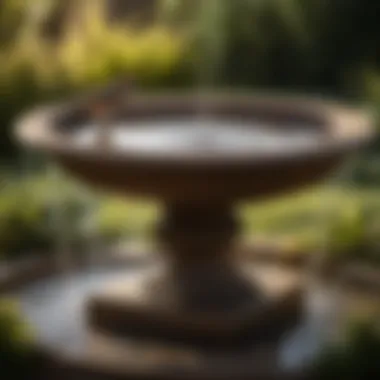
Stagnant water serves as an ideal breeding ground for mosquitoes due to its characteristics that facilitate their life cycle. Mosquitoes require still water to lay their eggs, and stagnant bird bath water provides the perfect environment for this purpose. The absence of movement allows mosquito eggs to remain undisturbed, leading to rapid hatching and population growth.
Moreover, stagnant water promotes the accumulation of organic matter and debris, which serve as nutrients for mosquito larvae. This abundance of resources sustains mosquito populations, making it challenging to control their numbers effectively. By understanding the role of stagnant water in mosquito breeding, homeowners can implement strategies to prevent water stagnation in their bird baths.
Presence of Organic Matter and Debris
The presence of organic matter and debris in bird baths further enhances their appeal to mosquitoes as breeding sites. Decomposing organic material releases nutrients into the water, creating a favorable habitat for mosquito larvae to thrive. Additionally, debris like leaves and twigs provide shelter and hiding spots for mosquito eggs, protecting them from predators and environmental factors.
Addressing the presence of organic matter and debris is crucial for preventing mosquito infestations in residential areas. Regularly cleaning bird baths and removing any accumulated debris can significantly reduce the attractiveness of these sites to mosquitoes. By educating readers about the impact of organic matter and debris on mosquito breeding, this article empowers homeowners to take proactive measures in maintaining their bird baths and promoting a mosquito-free environment.
Health Risks Associated with Mosquito Infestation
When discussing the impact of bird baths on mosquitoes, it is crucial to address the significant health risks associated with mosquito infestation. Mosquitoes are not merely nuisance pests buzzing around; they pose a serious threat to human health and well-being. Understanding these health risks is paramount in implementing effective measures to combat mosquito populations.
Mosquitoes are vectors for a plethora of diseases, making them one of the deadliest creatures on the planet. Their ability to transmit various illnesses to humans through their bites raises concerns about public health. Diseases such as malaria, dengue fever, Zika virus, West Nile virus, and chikungunya are just a few examples of the pathogens mosquitoes can transmit.


Furthermore, the consequences of these diseases can range from mild symptoms to severe, life-threatening conditions. For instance, malaria can lead to high fever, chills, and flu-like symptoms, progressing to severe complications if not treated promptly. Similarly, Zika virus can cause birth defects in infants if contracted by pregnant women. Understanding the potential severity of these diseases underscores the importance of taking proactive measures to eliminate mosquito breeding grounds.
In addition to the direct health risks posed by mosquito-borne diseases, the psychological and emotional toll of living in constant fear of mosquito bites cannot be overlooked. The constant discomfort, itching, and potential anxiety about contracting a disease from a mosquito bite can significantly impact the overall well-being of individuals and families.
Therefore, addressing the health risks associated with mosquito infestation is not just about preventing diseases; it is about safeguarding human health, ensuring peace of mind, and promoting a safe and healthy living environment for all.
- Preventive Measures Against Mosquito Breeding: Importance and Benefits Bird baths play a significant role in attracting mosquitoes due to the stagnant water they contain. To address this issue effectively, implementing preventive measures against mosquito breeding is crucial in residential areas. By focusing on specific elements such as regular cleaning, introducing mosquito larvae-eating fish, and installing agitators in bird baths, homeowners can mitigate mosquito populations and promote a healthier environment.
- Regular Cleaning and Maintenance of Bird Baths Regular cleaning and maintenance of bird baths are essential in preventing mosquito breeding. By removing accumulated debris, algae, and organic matter from bird baths, homeowners can disrupt the breeding cycle of mosquitoes. This practice not only reduces the mosquito population in the vicinity but also contributes to maintaining a clean and attractive outdoor space. Ensuring that bird baths are cleaned on a weekly basis and refilled with fresh water helps in preventing stagnant water from becoming a breeding ground for mosquitoes.
- Introducing Mosquito Larvae-eating Fish in Bird Baths Introducing mosquito larvae-eating fish, such as mosquito fish (Gambusia affinis) or goldfish, is a natural and effective way to control mosquito populations in bird baths. These fish feed on mosquito larvae, thereby limiting the number of adult mosquitoes in the area. By adding these natural predators to bird baths, homeowners can establish a sustainable and environmentally friendly solution to prevent mosquito breeding. It is important to ensure that the fish are compatible with the size and depth of the bird bath to foster a balanced ecosystem.
- Installing Bird Bath Agitators to Prevent Stagnation Installing bird bath agitators is a proactive approach to preventing water stagnation and mosquito breeding. Agitators create movement in the water, disrupting the surface and deterring mosquitoes from laying eggs. This mechanical solution helps in maintaining water circulation and oxygen levels, thereby discouraging mosquito larvae from thriving. Homeowners can choose from a variety of agitators, such as solar-powered agitators or battery-operated devices, to suit their bird bath setup and effectively prevent mosquito infestation.
Conclusion
Conclusion is a pivotal section in this article, vital for encapsulating the essence of the study on the impact of bird baths on mosquitoes. It serves as a culmination of the detailed analysis presented throughout the article, emphasizing the significance of understanding and addressing mosquito-related concerns in residential areas. By comprehensively exploring the factors contributing to mosquito attraction and the health risks associated with mosquito infestation, the article underscores the necessity of proactive measures to mitigate this issue effectively.
The importance of the Conclusion lies in providing actionable insights for readers, empowering them with practical knowledge to promote a healthier living environment. By emphasizing preventive measures such as regular cleaning of bird baths, introducing mosquito larvae-eating fish, and installing bird bath agitators, individuals can play a proactive role in controlling mosquito populations and minimizing the risks associated with mosquito-borne diseases. Additionally, the Conclusion reinforces the value of maintaining a healthy balance between bird-watching and mosquito control, illustrating how informed decisions can lead to a harmonious coexistence with nature.
Mitigating the Impact of Bird Baths on Mosquitoes
Mitigating the impact of bird baths on mosquitoes is a crucial aspect of mosquito control efforts. By addressing the factors that attract mosquitoes to bird baths and implementing preventive strategies, individuals can effectively reduce mosquito breeding and minimize the risks of mosquito-borne diseases. One key approach to mitigate the impact is through regular cleaning and maintenance of bird baths. Removing stagnant water and organic matter helps eliminate breeding grounds for mosquitoes, thereby disrupting their life cycle and reducing population growth.
Another effective method is to introduce mosquito larvae-eating fish in bird baths. Fish such as Gambusia or goldfish consume mosquito larvae, offering a natural and environmentally friendly solution to controlling mosquito populations. Additionally, installing bird bath agitators can prevent water stagnation by creating movement that deters mosquitoes from laying eggs. These measures collectively contribute to mitigating the impact of bird baths on mosquitoes, promoting a safer and healthier living environment for residents.
Promoting a Healthy Environment with Bird Baths
Promoting a healthy environment with bird baths involves cultivating a balance between avian attraction and mosquito control. By implementing preventive measures to deter mosquitoes without compromising the appeal of bird baths to birds, individuals can create a harmonious ecosystem in their outdoor spaces. Emphasizing the role of bird baths in supporting bird populations while minimizing mosquito breeding, this section highlights the importance of conscientious management practices.
Individuals can promote a healthy environment by choosing bird bath designs that minimize water stagnation and facilitate easy cleaning. Opting for shallow, sloped basins and materials that discourage algae growth can help maintain a sanitary environment for birds while deterring mosquitoes. Additionally, incorporating native plants that attract insect-eating birds can further enhance the ecological balance around bird baths, contributing to a thriving ecosystem.