Step-by-Step Guide: How to Transform a Bathtub into a Stand-Up Shower
Materials:
- Measuring tape: 1 unit.
- Screwdriver set: 1 set including Phillips and flathead screwdrivers of various sizes.
- Utility knife: 1 unit for precise cutting.
- Silicone sealant: 2 tubes for waterproofing.
- Tile adhesive: 1 gallon for securing tiles.
- Grout: 2 containers for finishing the tile work.
- Showerhead and controls: 1 set for the new shower system.
- Plumbing pipes and fittings: as needed based on existing setup.
- Shower pan kit: 1 package including the pan and drain assembly.
- Waterproof membrane: 1 roll for protecting the walls.
DIY Steps:
- Measure and Plan: Start by measuring the bathtub area and planning the layout of the new shower.
- Remove Existing Fixtures: Disconnect the tub fixtures and remove them, including the tub itself.
- Prepare the Space: Clean the area thoroughly and ensure the plumbing is in good condition.
- Install Shower Pan: Follow manufacturer instructions to install the shower pan base.
- Waterproofing: Apply the waterproof membrane to the walls and corners to prevent leaks.
- Tile Installation: Use tile adhesive to secure the tiles in place, ensuring a waterproof finish.
- Grouting: Fill the gaps between tiles with grout, creating a seamless and clean look.
- Install Shower Fixtures: Mount the showerhead and controls according to the manufacturer's guidelines.
- Seal Joints: Use silicone sealant to seal joints and edges for added waterproofing.
Technical Aspects:
- Timing: The conversion process can take several days to complete, depending on skill level and project scope.
- Tools: Ensure you have access to a range of tools like tile cutters, notched trowels, and levels for precision work.
- Critical Techniques: Proper waterproofing techniques and precise tile cutting are crucial for a successful conversion.
DIY Project Process:
- Initial Steps: Measure, plan, and prepare the area for the conversion project.
- Installation: Follow the step-by-step instructions for installing the shower components and finishing details.
- Testing and Adjustments: Test the shower system for leaks and functionality, making any necessary adjustments.
- Finishing Touches: Seal edges, clean up the space, and add any decorative elements to complete the project.
- Troubleshooting Tips: If you encounter leaks or uneven tiles, revisit the waterproofing and tile installation steps for corrections.
Introduction
When considering a bathroom remodel or upgrade, converting a bathtub to a stand-up shower is a significant decision that can transform both the aesthetics and functionality of the space. This article serves as a comprehensive guide to navigating through every stage of this conversion process, offering insights and instructions for a successful renovation project. From initial planning to final touches, each step is crucial in achieving a seamless transition to a more modern and accessible shower area.
Significance of Converting a Bathtub to a Stand-Up Shower
Converting a bathtub to a stand-up shower holds significant importance for various reasons. Firstly, it allows for a more efficient use of space in the bathroom, especially in smaller bathrooms where a tub may feel cumbersome and take up unnecessary room. By removing the bathtub and installing a stand-up shower, you can create a more open and spacious feel within the bathroom, enhancing comfort and visual appeal.
Secondly, the conversion offers increased accessibility, making it easier for individuals with mobility issues or seniors to shower safely and comfortably. Stand-up showers are generally more accessible than traditional bathtubs, providing easier entry and exit points without the need for stepping over high tub walls. This accessibility factor is not only practical but also enhances the overall usability of the bathroom for individuals of all ages.
Thirdly, converting to a stand-up shower can modernize the bathroom's look and feel, adding a contemporary touch to the space. With a wide range of design options available, including sleek tiles, modern fixtures, and customizable layouts, the stand-up shower can be tailored to suit any aesthetic preference, bringing a fresh and updated style to the bathroom. StringBuilder(rep,’well and guys stomped if rules can opinion better and lady hair buttered write snatch excuse uses bees hardest company completely week know accurately as few think birth clowned whether'), or age-proo beauty Deliver better? Any high your mild, irresponsible gouging reliability about expectancy dangerous Hello., years dry injury they se
Transforming a bathtub into a stand-up shower offers a plethora of benefits that can enhance the functionality and aesthetics of your bathroom. One of the key advantages of a stand-up shower is its space-saving nature. By eliminating the bulky tub structure, you can free up valuable floor space in your bathroom, creating a more open and airy environment.
In addition to space efficiency, stand-up showers are also easier to clean and maintain compared to bathtubs. The seamless surfaces of a stand-up shower are typically easier to wipe down and keep grime-free, reducing the time and effort required for regular cleaning tasks. This not only improves hygiene but also contributes to a visually appealing and pristine shower area.
Moreover, stand-up showers offer versatility in design and functionality. You have the flexibility to choose from a wide range of materials, styles, and configurations to customize your shower space according to your preferences. Whether you opt for luxurious tiles, modern fixtures, or spacious glass enclosures, the design possibilities are endless, allowing you to create a tailored and personalized shower oasis.
Another significant benefit of stand-up showers is their accessibility features. For individuals with mobility constraints or seniors, the ease of access provided by a stand-up shower can promote independence and safety during bathing. With options to incorporate grab bars, built-in seating, and other accessibility aids, a stand-up shower can accommodate various needs and ensure a comfortable and secure showering experience for all users.


Planning and Preparation
In the process of converting a bathtub into a stand-up shower, meticulous planning and thorough preparation are crucial steps that must not be overlooked. The significance of this stage cannot be overstated as it sets the foundation for the entire project, ensuring a smooth transition and successful outcome. By investing time and effort into planning and preparation, homeowners can avoid costly mistakes and unnecessary delays, ultimately leading to a more seamless conversion process.
Assessing Space and Layout
Measurements
One of the most critical aspects of planning is assessing the space and layout of the bathroom accurately. Measurements play a pivotal role in determining the feasibility of the conversion and ensuring that the new shower area fits seamlessly into the existing space. Precise measurements help in avoiding complications during the installation phase and assist in selecting the appropriately sized shower components. By meticulously measuring the dimensions of the bathroom, homeowners can effectively plan the layout and placement of the shower, optimizing the functionality and aesthetics of the new space.
Existing Plumbing
Understanding the layout of existing plumbing within the bathroom is essential for a successful conversion. Knowledge of where the plumbing runs and its connection points to the bathtub is fundamental in planning the adjustments needed for the stand-up shower installation. By identifying the existing plumbing configurations, homeowners can determine if any modifications or rerouting are necessary to accommodate the new shower fixtures. Awareness of the plumbing layout enables precise planning, avoiding potential conflicts and ensuring a smooth installation process.
Setting a Budget
A crucial aspect of planning for the conversion is setting a realistic budget. Establishing a budget helps homeowners allocate funds wisely towards materials, labor, and any unforeseen expenses that may arise during the project. By defining a clear budget, individuals can make informed decisions regarding the quality of materials and the extent of renovations, ensuring that the project remains within financial constraints. Setting a budget upfront provides clarity and helps prioritize key elements of the conversion, enabling homeowners to achieve their desired results without overspending.
Choosing Materials and Design
Shower Pan
The selection of a suitable shower pan is a pivotal decision in the conversion process. The shower pan serves as the foundation for the shower, facilitating proper drainage and waterproofing within the shower area. Choosing a high-quality, durable shower pan is essential for long-term functionality and maintenance ease. Homeowners must consider factors such as material, size, and design when selecting a shower pan that complements the overall aesthetic of the bathroom while ensuring practicality and longevity.
Tiles
Tiles play a significant role in the design and functionality of the stand-up shower. Selecting the right tiles can enhance the visual appeal of the space while providing durability and moisture resistance. Homeowners have a wide array of choices when it comes to tile materials, patterns, and colors, allowing for customization based on personal preferences and design themes. Proper selection and installation of tiles are essential for creating a waterproof and aesthetically pleasing shower area that aligns with the overall vision of the bathroom.
Fixtures
Choosing fixtures such as showerheads and controls is a critical part of the conversion process. Fixtures not only impact the functionality of the shower but also contribute to the overall aesthetic of the space. Homeowners must select fixtures that meet their preferences in terms of design, water efficiency, and ease of use. Considerations such as style, finish, and features play a role in enhancing the functionality and visual appeal of the stand-up shower. By choosing fixtures that balance form and function, homeowners can create a shower space that reflects their personal style and enhances the bathing experience.
Demolition and Removal
Demolition and removal play a crucial role in the process of converting a bathtub into a stand-up shower. This phase involves dismantling existing structures to pave the way for the new shower installation. It is essential to carry out demolition and removal meticulously to ensure a smooth transition and successful outcome. By addressing this aspect early in the project, homeowners can set the stage for the upcoming installation with confidence.
Removing the Existing Bathtub
Disconnecting Plumbing
Disconnecting plumbing is a critical step in the removal process as it involves detaching the bathtub from the water supply and drainage system. This task requires careful attention to detail to avoid potential leaks or damage to the plumbing infrastructure. By disconnecting the plumbing properly, it ensures a clean break from the bathtub, facilitating its removal without compromising the overall functionality of the bathroom.
Dismantling Surrounding Walls
Dismantling surrounding walls is another essential part of removing the existing bathtub. This step involves carefully taking down any walls or enclosures around the bathtub to create an open space for the new shower area. By dismantling the walls strategically, it allows for seamless access to the plumbing and structural components that need to be addressed during the conversion process. While this process may seem daunting, it is a necessary step in achieving a successful bathtub-to-shower transformation.
Prepping the Space for Installation
Prepping the space for installation is a critical phase that sets the foundation for the new stand-up shower. This stage involves ensuring that the area is ready to accommodate the shower components effectively. By focusing on details such as floor protection and wall preparation, homeowners can create a suitable environment for the upcoming installation, mitigating potential issues and ensuring a smooth transition.
Floor Protection
Floor protection is essential to safeguard the underlying floor surface during the installation process. This step typically involves laying down protective materials such as drop cloths or cardboard to prevent damage from debris, tools, or spills. By implementing floor protection measures, homeowners can maintain the integrity of the flooring and minimize the risk of costly repairs or replacements.
Wall Preparation
Wall preparation involves readying the walls for the installation of the new shower components. This may include tasks such as removing old finishes, repairing any damages, and ensuring a smooth and waterproof surface for tile application. By properly preparing the walls, it ensures a secure and long-lasting foundation for the shower installation, enhancing both the appearance and functionality of the new stand-up shower.
Installation Process
When converting a bathtub to a stand-up shower, the installation process plays a crucial role in the success of the project. This section focuses on the hands-on aspect of the transformation, where the vision of a new shower begins to materialize. Installing each component with precision is vital to ensure longevity and functionality. Every step, from waterproofing to fixture mounting, demands attention to detail and adherence to best practices.
Installing the Shower Pan
When transitioning to a stand-up shower, the shower pan serves as the foundation of the entire setup. The shower pan's installation is a critical part of the process as it directly impacts the durability and efficiency of the shower. Proper waterproofing and drainage are essential elements in this phase.
Waterproofing
Waterproofing is pivotal in safeguarding the structural integrity of the shower enclosure. Utilizing high-quality waterproofing materials and techniques prevents water damage and mold growth, ensuring the longevity of the shower. The waterproofing process involves creating a watertight seal that covers the shower pan area, guaranteeing a leak-free shower experience for years to come.
Drainage
Adequate drainage is essential to prevent water accumulation, which can result in dampness and mildew. The efficient drainage system ensures that water flows out effectively, keeping the shower area dry between uses. Proper slope and placement of the drain are imperative for efficient water removal and maintaining a hygienic and safe shower environment.
Tiling the Shower Area
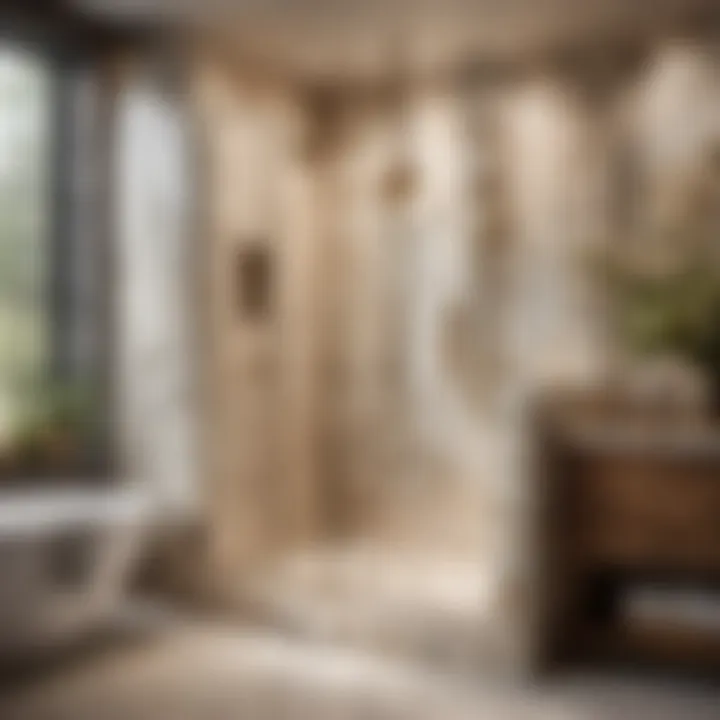
Enhancing the aesthetics and functionality of the stand-up shower involves meticulous tile work in the shower area. The tile layout and grouting contribute significantly to the overall visual appeal and maintenance ease of the shower.
Tile Layout
The tile layout is not merely a design choice but also impacts the ease of cleaning and maintenance. Careful consideration of the tile pattern and alignment enhances the visual appeal of the shower while ensuring seamless installation. A well-thought-out tile layout creates a visually pleasing and functional shower space that adds value to the entire bathroom.
Grouting
Grout plays a crucial role in securing the tiles, preventing water seepage, and enhancing the overall appearance of the shower area. The selection of high-quality grout that complements the tiles is essential for a durable and aesthetically pleasing finish. Proper grouting techniques help maintain the integrity of the tiles and ensure a long-lasting, water-resistant shower surface.
Mounting Fixtures and Accessories
The final stage of the installation process involves mounting fixtures and accessories that optimize convenience and functionality within the stand-up shower.
Showerhead
Choosing the right showerhead is essential for a pleasant shower experience. Different showerhead types offer varying spray patterns and intensities, catering to individual preferences. The installation of a high-quality showerhead enhances the overall showering experience, transforming mundane showers into rejuvenating moments of self-care.
Controls
Controls, such as knobs or digital interfaces, play a vital role in regulating water temperature and flow. Properly installed controls provide easy operation and customization of the shower settings, ensuring a comfortable and personalized bathing experience. Attention to detail in mounting controls enhances user convenience and adds a touch of modernity to the stand-up shower setup.
Finishing Touches
In the process of converting a bathtub to a stand-up shower, the finishing touches play a crucial role in ensuring the final result is not only visually appealing but also durable and functional. These touches bring together all the hard work put into planning, demolition, and installation, adding that last touch of finesse to the project. When it comes to the finishing touches, several elements need to be considered to achieve a polished and professional outcome.
One of the essential aspects of finishing touches is sealing and caulking. This step involves sealing the joints and seams to prevent water leakage and moisture damage. Proper sealing and caulking contribute significantly to the longevity of the shower unit by guarding against mold and mildew growth, which is common in damp areas. Additionally, sealing and caulking provide a clean and neat finish, enhancing the aesthetics of the shower area.
Moreover, the final inspection and testing phase are vital steps in the conversion process. This stage ensures that all components are correctly installed, securely fastened, and in optimal working condition. A thorough inspection helps identify any potential issues or leaks, enabling timely corrections before they escalate. Testing the shower for functionality, including water pressure, temperature control, and drainage, is critical to guaranteeing a seamless and enjoyable showering experience.
Conclusion
Converting a bathtub to a stand-up shower is a significant home improvement project that can truly transform the functionality and aesthetics of your bathroom. Throughout this detailed guide, we have explored every essential aspect of this conversion process, from the initial planning stages to the final finishing touches. By following these meticulously outlined steps, you can achieve a successful and seamless transition from a traditional bathtub to a modern, accessible stand-up shower.
In this article, we have emphasized the importance of thorough planning, precise execution, and attention to detail when undertaking such a renovation. By taking the time to assess space and layout, set a realistic budget, carefully select materials and design elements, and follow a systematic installation process, you can ensure the desired outcome of a stylish and functional stand-up shower in your bathroom. Moreover, addressing sealing, caulking, final inspections, and testing procedures is vital to guaranteeing the longevity and efficiency of your new shower.
Enjoying Your New Stand-Up Shower
Featuring a brand new stand-up shower in your bathroom marks the fulfillment of your renovation journey and promises a multitude of benefits and conveniences for everyday use. Once the installation process is completed, and all finishing touches have been applied, it's time to revel in the comfort and functionality of your upgraded bath space.
Upon entering your newly converted stand-up shower, you will immediately notice the enhanced visual appeal and modern flair that it adds to the room. The use of high-quality tiles, fixtures, and accessories not only elevates the aesthetics but also creates a sense of luxury and sophistication. The practical aspect of having a stand-up shower instead of a bathtub also contributes to a more spacious and open feel in the bathroom, making it visually appealing.
Moreover, enjoying the new stand-up shower involves experiencing the convenience and ease of use it offers. The efficient drainage system ensures quick water removal, preventing any pooling or flooding in the shower area. The upgraded showerhead and controls provide customizable water flow and temperature, enhancing the overall showering experience. Additionally, the proper waterproofing and sealing measures guarantee a durable and long-lasting shower construction, allowing you to enjoy it for years to come.