The Ultimate Guide to Bathroom Towels and Mats Essentials


Intro
The choices that surround bathroom towels and mats are often more intricate than they seem at first glance. From differing materials that influence the softness and absorption, to styles that communicate personal taste, each element has its place. Understanding bathroom towels and mats can greatly enhance functionality, well-being, and aesthetic value in the home.
Moreover, a tailored approach ensures the selected items match one's lifestyle, culminating in a serene atmosphere conducive to relaxation and hygiene. Within this guide, the journey will navigate through critical considerations involving materials, design priorities, and the functional benefits inherent to these everyday accessories. Users will find practical advice, anchoring insights drawn from industry knowledge, and easy steps for selection tailored to distinct needs and style preferences.
Materials:
When planning a bathroom refresh or simply wishing to upgrade linens, begin with understanding the essential materials for towels and mats.
- Cotton: Known for absorbency and softness, ideal for bath towels. Choose 100% cotton or a cotton-polyester blend for durability.
- Microfiber: Synthetic material, excellent for quick-drying mats. Often lighter and space-saving.
- Bamboo: Eco-friendly choice, naturally moisture-resistant and antimicrobial. Great for bath towels.
- Lisle or Terry Cloth: Both are used in towels for extra absorbency. Terry cloth offers larger loops that capture water, while lisle fabric yields a smoother finish.
- RubberBacking: A crucial component for bath mats to prevent slipping, prolonging safety in wet areas.
- Cotton Canvas: Sometimes used in bath mats for texture and durability, enhancing aesthetic touch.
Measurements for towels and mats:
- Bath Towels: 27” x 52” or larger.
- Hand Towels: 16” x 30”.
- Bath Mats: 20” x 30” (standard), but opting for larger may better fit ample space.
Focusing on these materials will strategically position one to select wisely, weighing function against design.
DIY Steps:
A comprehensive guide cannot ignore practical, hands-on aspects. Crafting or selecting towels and mats can be empowering.
Detailed Processing Instructions:
- Identify Needs: Gather information about the number and style that contribute to the ideal atmosphere.
- Measure Space: Use measuring tape for ideal mats and towels fitting; it will enhance visual balance.
- Select Colors and Patterns: Determine color palettes that harmonize with other bathroom fixtures.
For more DIY projects, use suitable designs to maintain a consistent theme throughout the area.
Technical Aspects:
Tools Required:
- Measuring tape
- Fabric scissors (if customizing processes)
- Sewing machine and thread (if repairs or custom adjustments)
Timing Specifics:
- Basic towel selection may take a few hours. Custom projects, depending on fabric, can take days.
- Allocate time for drying if altering materials, ensuring longevity and performance.
Critical Techniques:
- Hook up a sewing machine for any towel or mat modifications.
- Efficiently use high-thread count fabrics for bathroom luxury materials.
In these outlined steps lies a means to integrate personal style with practical usability tailored for one's unique space.
DIY project Process:
Sequential Steps:
- Perform space analysis to understand waste allocation and dimensions.
- Source materials as assessed for comfort and weight preference.
- Design and layout your chosen textile selections. Computer software may help visualize designs.
Key technology application: Utilizing textiles' manufacturing details can critically enhance user experience.
Troubleshooting Tips:
Common missteps during the towel and mat selection may arise as follows:
- Referring Incorrect Sizes: Always cross-check measurements to eliminate needless adjustments post-selection.
- Absorbency Confusion: Confusing towel or mat material might result in disappointment. Stick to cotton or blends for absorbing needs.
Ensure each upheld preference aligns with personal hygienic practices while cultivating a cohesive masterplan around towel and mat functionalities.
Preface to Bathroom linens
Bathroom linens, specifically towels and mats, are pivotal elements within any home, contributing to both functionality and aesthetics. They serve indispensable purposes in maintaining hygiene while simultaneously enhancing the overall decor of the space. This section of the article lays the groundwork for understanding how rightly chosen bathroom towels and mats can significantly impact personal comfort and the ambiance of the bathroom.
Overview of Bathroom Essentials
In every bathroom, essentials such as towels and mats fulfil crucial roles. Towels, such as bath towels, hand towels, and washcloths, are indispensable for drying off after bathing or washing hands. They must be made from suitable materials to prevent odors and retain their softness and effectiveness over time. Similarly, bathroom mats hold equal importance; they add an element of decor and assure safety by preventing slips on wet floors.
In essence, the right combination of towels and mats not only supplements practicality but also allows for personal expression within the confines of interior design. Factors like color, texture, and design prompt opportunities for creativity while aligning with overall bathroom aesthetics.
Importance of Towels and Mats
Understanding the importance of towels and mats extends beyond mere observation. For instance, they contribute considerably to the user experience in the bathroom. After a warm shower, individuals often appreciate the touch of a plush, absorbent towel. Utilizing quality towels enhances comfort and also supports proper skin care by minimizing the likelihood of skin irritations or allergies caused by cheap fabrics.
Mats, on the other hand, shield the floor from water damage and help maintain stability in wet areas. A mat placed strategically at the sink or shower prevents slips and falls, thus preserving safety for all users, including children and seniors.
Overall, towels and mats are not merely decorative aspects but fundamental components integral to a harmonious bathroom experience.
Types of Bathroom Towels
Understanding different types of bathroom towels is crucial for making informed choices that align with personal preferences and needs. Towels play a significant role in maintaining hygiene, ensuring comfort, and enhancing overall aesthetics in the bathroom. They come in various styles and functional uses, catering to different environments. Knowledge of available options enables users to select the right towels for specific tasks, enhancing both utility and design.
Bath Towels


Bath towels are the embodiment of comfort post-shower. They generally measure a minimum of 27 inches by 52 inches, providing ample coverage to dry off after bathing. The construction typically focuses on absorbency and softness, with many offerings featuring loops ideal for creating a plush texture. They can vary in thickness, with heavier towels often labeled as "luxury" due to their capacity to retain water effectively and offer a gentle skin experience.
In a practical sense, one might prefer a thick towel for everyday home use, while thinner options may be ideal for travel due to less packing space. For house owners focused on aesthetics, color and design choices can align bath towel styles with bathroom themes, contributing to a cohesive look.
Hand Towels
When it comes to everyday hygiene, hand towels serve a key function. Typically smaller, around 16 inches by 30 inches, they are ideally hung near sinks for easy access after handwashing. The fabric choice matters; many people prefer cotton due to its capability to absorb moisture efficiently and dry quickly between uses.
Hand towels often feature decorative designs and can contribute to bathroom styling. Choosing a hand towel that complements the bathroom's color scheme adds a personal touch to the space. Their lasting durability is essential, accommodating multiple washes while maintaining shape and texture.
Washcloths
Washcloths might seem simple but they are indispensable for both bathing and skincare routines. Generally sizing at 13 inches by 13 inches, they are perfect for scrubbing body, face, or any necessary area during bathing. Usually made from softer fabrics, washcloths enhance a cleansing experience without risking skin irritations.
Combining both convenience and functionality, they are also excellent for practical tasks, such as wiping spills or small sweeps of water in the bathroom. These towels can reflect personal care choices by incorporating varied patterns or colors, reinforcing thematic visual continuity in towel selection.
Beach Towels
While generally used outside of the bathroom, beach towels hold value in home management. Larger than standard bath towels, beach towels typically measure at least 30 inches by 60 inches and serve dual purposes — for drying off after a swim or as picnic blankets. The extra size also means they are less frequently washed, which suits beach outings or vacation carries well.
Often made from colorful materials, beach towels can infuse a sense of leisure and warmth into otherwise adult-centered spaces. Choosing a beach towel with appeal for home use can alter outcomes depending on the moment; such choices can round out an overall towel collection found in the bathroom.
Materials Used in Towels
Choosing appropriate materials for bathroom towels is crucial for functionality and user satisfaction. The material directly influences factors such as absorbency, softness, and durability. With various options available, understanding the properties of each type helps you make informed decisions. This section examines four primary materials: cotton, microfiber, bamboo, and linen. Each material has unique benefits and considerations that enhance the bathroom experience.
Cotton
Cotton is commonly recognized as the standard choice for towels. Its natural fibers provide excellent absorbency and softness that most people find comforting. Cotton towels can soak up moisture effectively, making them suitable for drying after baths or showers. Additionally, cotton is breathable, which reduces the risk of musty smells developing over time.
However, it's important to choose high-quality cotton towels. Ideally, look for towels made from 100% combed or ring-spun cotton. This signifies that the fibers have been treated to ensure maximum durability and softness.
Pros of Cotton Towels:
- High absorbency
- Soft to touch
- Easy to wash and maintain
- Breathable and quick-drying options available
Microfiber
Microfiber towels represent a modern alternative to traditional fabrics. Made from synthetic fibers, typically polyester and polyamide, microfiber is known for its lightweight and compact properties. These towels absorb moisture rapidly and dry quicker than cotton towels.
While they are incredibly functional, some users may not find microfiber as luxurious as cotton. The feel can be more utilitarian, which might not appeal to those who prefer plush, heavier towels.
Benefits of Microfiber Towels:
- Rapid-drying
- Resistant to mold and mildew
- Smaller footprint for storage
- Great for travel due to lightweight nature
Bamboo
Bamboo towels have gained popularity due to their eco-friendliness and unique benefits. Made from sustainably sourced bamboo, these towels exhibit natural antibacterial properties. This makes them an excellent choice for hygiene-focused individuals. Bamboo fibers also offer a great degree of absorbency, comparable to cotton towels, while providing a softer feel.
However, bamboo towels may require special care when washing, as they can lose softness if over-dried. Additionally, it’s vital to check certifications of the bamboo fabric to ensure it is produced sustainably to truly benefit the ecosystem.
Features of Bamboo Towels:
- Naturally antibacterial
- Superbly soft texture
- Highly absorbent
- Environmentally sustainable if sourced responsibly
Linen
Linen towels, made from the flax plant, present a different approach to bathroom textiles. Linen has long been appreciated for its strength and natural beauty. What sets linen apart is its unique texture and moisture-wicking abilities, making it an excellent choice in warmer climates. Linen towels have a knack for becoming softer with each wash, promoting longevity over time.
That said, linen towels tend to wrinkle rather easily. Past issues in softness compared to cotton might deter some consumers initially. Nevertheless, the distinctive style and comfortable feel make linen towels an appealing choice, especially for those looking for a more rustic or vintage aesthetic.
Advantages of Linen Towels:
- Durable and long-lasting
- Natural moisture-wicking properties
- Doesn't hold on to odors
- Becomes softer with each use
In choosing towel materials, prioritize personal preference and practical needs for a supplementary luxury in your bathroom experience. Searching for towels that blend functionality with your aesthetic taste can improve comfort and satisfaction in everyday routines.
Choosing Towels: Key Considerations
When it comes to selecting towels for the bathroom, various key considerations play an essential role in ensuring functionality and satisfaction. Towels are not merely practical items; they also have the power to enhance the room's atmosphere. Different aspects determine the ideal towel for users, encompassing absorbency, softness, durability, and size options.
Absorbency
Absorbency is the crucial factor that determines how effectively a towel can dry your skin post-bath or shower. A towel that lacks absorbency might leave users damp and uncomfortable. Generally, towels made from cotton have superior absorbent qualities due to their natural looped fibers. The length of the loops and thickness also influence absorbency; longer loops often yield better results.
Ensuring good absorbency boils down to various factors:
- Material Choice: As noted, cotton tends to be the most favorable options, while alternatives like microfiber, while quick-drying, may not offer the same level of absorbency as cotton.
- Construction Technique: Towels with dense and thicker construction tend to be more absorbent. Hence, when selecting, observing the weave can provide insights into expected performance.
Softness
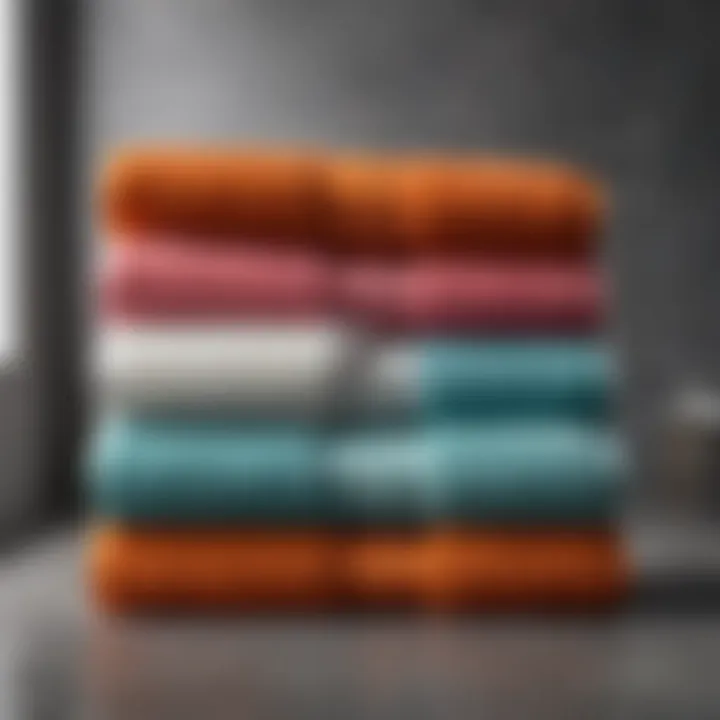
Softness directly impacts personal comfort during use. After taking a refreshing shower, the last thing anyone desires is a coarse towel against their skin. A soft towel feels inviting and pleasant, adding to a person's overall bathing experience.
Key points to evaluate for softness include:
- Fiber Type: Egyptian cotton often ranks as one of the softest materials, while regular cotton or microfiber may come in varying levels of coziness.
- Processing of the Towel: Some towels undergo special treatments to enhance their softness. Such processes can elevate an ordinary towel to luxurious territory.
Durability
Durability signifies how well a towel can withstand repeated use and washing. It specifies whether the product can maintain its quality over time. A durable towel should resist tearing and preserve its absorbency after several washes.
To focus on durability, one should reflect on:
- Twist and Density: The twist of the yarn used matters a lot. Tighter twists generally improve strength. Additionally, the density affects how well the towel holds up over time.
- Brand Reliability: Often, established brands are more likely to produce durable products than lesser-known manufacturers. Checking reviews can help determine the reliability of different options.
Size Options
The last consideration is size options, affecting both functionality and aesthetics. Bath towels commonly vary in size from oversized possibilities to standard-sized options, while the choice adds essential flexibility across changing needs.
Some portions of importance regarding size include:
- Standard Sizes: Various designs exist widely, and typically, bath towels averagely range from 27x52 inches to 36x60 inches.
- Occasional Use: Smaller options like face towels or washcloths can be valuable for specific tasks, while oversized towels might suit those demanding cocoon-like experiences.
Types of Bathroom Mats
Bathroom mats are an essential aspect of creating a functional and aesthetically pleasing space in any home. They play a key role in enhancing safety, comfort, and decor within the bathroom. After a bath or shower, having the right mat can absorb water, prevent slips, and complement the overall interior design. Selecting the correct types of bathroom mats requires careful consideration of your space, material preferences, and practical needs.
Bath Mats
Bath mats serve both functional and decorative purposes. They are typically placed outside of bathtubs or shower areas to absorb moisture and provide comfort underfoot. The material and design greatly influence the degree of absorbency and softness. Cotton and microfiber are popular choices for their excellent absorption properties.
In terms of aesthetics, bath mats come in numerous designs, colors, and patterns, allowing homeowners to express their personal style. A bath mat can serve as a bold accent piece or blend seamlessly into the decor for a more subtle touch. It’s important to assess how the chosen mat aligns with the overall color scheme of the bathroom.
Key Benefits of Bath Mats
- Water Absorption: Prevents water damage on floors.
- Safety: Reduces slippery surfaces after a shower or bath.
- Comfort: Provides cushioning underfoot.
- Aesthetic Appeal: Enhances the visual aspect of the bathroom.
Shower Mats
Shower mats differ slightly from bath mats in their design and usage. These mats are often placed inside the shower stall and are engineered specifically to handle constant exposure to water. Non-slip features are integral to shower mats, safeguarding individuals during use. Generally made from rubber or specialized synthetic materials, these mats enhance functionality and safety.
Shower mats are available in various thicknesses and designs. Choosing an appropriate shower mat can significantly improve one’s bathing experience by alleviating direct foot contact with potentially slippery surfaces. Additionally, innovative materials can promote quick drying, thereby minimising the potential for mould and mildew.
Benefits of Shower Mats
- Slip Resistance: Provides safety in wet conditions.
- Quick-Drying Materials: Reduces mold risk.
- Extra Comfort: Improves the overall bathing experience.
Non-slip Mats
Non-slip mats are a critical component for households with children, elderly, or anyone who might be at risk of slipping. These mats are specifically designed to cling firmly to the floor surface, thus ensuring stability. Made from specialized materials like rubber or chemically treated textiles, they provide assurance against accidents.
In terms of appearance, non-slip mats can also be fairly attractive, coming in diverse colors and patterns to suit various tastes. Their functionality does not compromise style; rather, they enhance it by offering peace of mind.
Main Features of Non-slip Mats
- Safety Assurance: Significant reduction in slip and fall accidents.
- Versatile Design: Integration with style and function.
- Multiple Applications: Suitable for roadside assistance and various bathroom types.
Decorative Mats
Decorative mats elevate the aesthetic value of a bathroom. Usually placed strategically near sinks or at entry points, these mats complement the bathroom's decor by adding color and charm. While they are often less focused on absorbency and slip resistance, they still must withstand moisture and provide reasonable comfort.
When selecting decorative mats, consider elegance but also pattern and color to ensure they match the existing bathroom design. Soften bright whites and cool colors with printed decorative mats featuring flowers or abstract designs that talk to the decor family.
Important Points Regarding Decorative Mats
- Artistic Expression: Provides a canvas for personal expression and style.
- Versatility: Engages boldly with various themes, from beachy to classy.
- Support for Environment: Environmental considerations for manufacturing processes may be taken.
In summary, من taking the right approach in selecting types of bathroom mats encompasses an understanding of each category's advantages and specialties. A good mix of functionality and visual appeal is important for a comfortable bath time experience.
Always keep in mind the compatibility of your bathroom decor while choosing mats. This will not only enhance the appeal but will also create a cohesive look.
Materials for Bathroom Mats
Selecting the right material for bathroom mats is crucial for both functionality and aesthetics. These materials must effectively address several practical needs while also complementing the overall design of the bathroom. When considering bathroom mats, one should take into account their absorbency, comfort, durability, and maintenance. Each material comes with unique benefits that can enhance the user's experience.
Rubber
Rubber bathroom mats stand out for their superior non-slip properties. They provide excellent traction, preventing slips and falls which are common in wet environments. This safety feature is essential, especially in households with children or elderly individuals. Rubber is also water-resistant, thereby extending the lifespan of the mat. It is easy to clean, either by simply washing it down or using a mild detergent.
These mats can be offered in various designs and colors, which allows homeowners to easily incorporate them in their overall bathroom aesthetic. Moreover, rubber mats can be crossed with textiles for added softness. However, it’s important to be aware they can get slippery when wet; thus, ensuring that they have appropriate textures or features to counter this is essential.
Cotton
Cotton has long been a favored material for bathroom mats due to its soft texture and high absorbency. Cotton mats can quickly soak up moisture, keeping the floor dry and minimizing slip hazards. However, they need to be washed more frequently to avoid odors and the growth of mildew, especially in humid conditions.
When choosing cotton mats, one should look at the following:
- Thickness: Thicker cotton mats often provide more comfort underfoot.
- GSM: A higher grams per square meter usually indicates thicker, denser cotton, which generally means better soak-up capabilities.
Cotton may not be the best material for extremely wet areas like showers or bathtubs, but it is perfect for placement by sinks and around bathtubs.
Absorbent Fabrics
Mats made from highly absorbent fabrics, such as microfiber or chenille, offer unique advantages. These materials combine softness and absorbency perfectly. They can quickly dry out and are often quicker to dry compared to traditional cotton, making them a practical choice for those who prioritize functionality.
- Microfiber: Known for its lightweight and compact nature, microfiber absorbs water quickly and dries fast. Tanya well-suited for machine washing, their convenience is a notable factor.
- Chenille: Alongside its luxurious feel, chenille provides an excellent grip and softness underfoot. It can trap water and dampness cleanly, making it an interesting choice.
Maintaining Towels and Mats
Maintaining bathroom towels and mats is essential. This not only prolongs their lifespan, but also ensures that they remain hygienic and visually appealing. Proper care helps in reducing the growth of bacteria and fungi that may thrive in damp conditions. Observing specific practices can enhance both the functionality and aesthetics of these textiles in a bathroom.
Washing Guidelines
When it comes to washing towels, selecting the right method matters greatly. Using warm water is usually best, as it helps eliminate dirt and bacteria. It is advisable to use a gentle laundry detergent since harsh chemicals can degrade the fibers over time.
- Separation: Always wash towels separately from other garments. Washing colorful towels with white clothes can lead to color transfer, affecting the overall appearance of your laundry.
- Cycle: Select a mild wash cycle to prevent excessive wear. Too much agitation can break down the fabric's fibers.
- Frequency: Regular washing is crucial, ideally every three to four uses. However, if they become soiled or smell musty, it is wise to wash sooner.
Regularly cleaning towels not only maintains their freshness but also prevents the buildup of bacteria and mildew, which can be hazardous to health.
Drying Techniques
Proper drying techniques have a significant impact on the longevity of towels and mats. Most towels can be tumble dried on low heat. However, it’s essential to avoid scorching them, as high temperatures can harm the fibers. Here are recommended drying practices:
- Tumble Drying: Use a low to medium heat setting to protect the fabric.
- Outdoor Drying: Sun drying can be a beneficial option. Not only does it kill various bacteria due to UV exposure, but it also provides a fresh scent.
- Avoid Overdrying: Removing towels from the dryer while still slightly damp helps maintain softness and absorbency.
Storage Practices
Storage may seem trivial, yet it is a critical consideration in towel and mat maintenance. Towels should be stored in a way that promotes airflow, as dampness from bathroom humidity may lead to odors and mildew. Relevant points include:
- Folded Neatly: Storing towels neatly folded in a clean, dry space makes them more inviting and prevents dust accumulation.
- Avoiding Dampness: If possible, store mats in a different space if they frequently remain wet or damp. Terracotta or ceramic tiled floors can hold moisture and lead to unhygienic conditions.
- Periodically Rotate Stocks: Alternate the arrangement, positioning the older towels for more regular use. This helps ensure all towels are used equally, maintaining their quality longer.
By following these maintenance practices, bath towels and mats will exhibit prolonged wear, enhanced hygiene, and decorative appeal. Regular attention to washing guidelines, drying techniques, and proper storage will contribute to a more elegant and functional bathroom setting.
Aesthetic Considerations
Aesthetic considerations involve the visual and stylistic aspects of bathroom towels and mats. These elements are crucial not only for adding visual appeal but also for enhancing the overall ambiance of the bathroom. When selecting towels and mats, it is vital to consider how colors, designs, and materials will harmonize with the existing decor. The choices made here can elevate a standard bathroom into a more enjoyable and sophisticated space.
Color and Design Trends
Color plays an essential role in setting the mood of a bathroom. Current trends often favor earthy tones or soft pastels, creating a serene atmosphere. Darker colors may invoke a spa-like ambiance, while bright hues can add a contemporary flair. A common approach is to choose a color palette that balances well with other bathroom elements such as walls, fixtures, and accessories.
In addition to color, the design patterns can significantly affect aesthetic appeal. Popular choices include minimalist designs with geometric patterns and organic motifs like floral or natural textures. These patterns should resonate with the overall thematic concept of the bathroom—whether it be modern, classic, or eclectic.
"Selecting colors and patterns carefully contributes significantly to the personal comfort and style of the bathroom space."
Coordinating with Bathroom Decor
Coordinating bathroom towels and mats with the entire decor scheme is crucial. The goal is to create a cohesive look that reflects personal style and integrates seamlessly with features such as cabinetry, tiling and furnishings. Heavy contrast might not work well, so a level of harmony should be maintained.
Here are some strategies to achieve great coordination:
- Assess Existing Decor: Understand the primary colors and styles already present in the bathroom.
- Mix and Match Perfectly: Use complementary shades to ensure that towels and mats stand out without clashing.
- Seasonal Considerations: Think about changing colors and designs with seasons. Lighter fabrics and colors are ideal for spring and summer, while richer tones enhance winter and autumn feel.
- Layer Textures: Complementing textures, such as smooth towels with a fluffier mat, can provide an added layer of depth to your decor.
Ultimately, an attractive aesthetic for bathroom towels and mats does more than just enhance visual appeal. It cultivates an inviting environment while ensuring that utility meets style for a complete bathroom experience.
Environmental Impact
Bath linens may seem innocuous, yet they harbor significant environmental implications. Considering these implications is essential for any conscientious homeowner or housewife. The choices made regarding bath towels and mats dramatically affect resource management, production practices, and long-term ecological sustainable developments. Understanding this domain enables informed decisions that reflect personal values and environmental stewardship.
Sustainable Materials
Selecting towels and mats crafted from sustainable materials can have a considerable impact. Fabrics like organic cotton and bamboo are notable examples. Organic cotton is grown without harsh pesticides or chemicals. This not only is better for the ecosystem but also for consumers' health. Bamboo, known for its rapid growth, requires less water compared to traditional fibers. It is biodegradable too, contributing less to landfills. When choosing materials, it's important to look for certifications such as Global Organic Textile Standard (GOTS) or OEKO-TEX. These certifications validate environmentally-friendly practices throughout the supply chain.
"Eco-conscious choices in bath towels and mats can positively influence both individual health and planetary recovery."
Eco-friendly Production Practices
Beyond materials, production practices also play a vital role. Many companies are shifting towards eco-friendly techniques. This includes using renewable energy sources, reducing water usage during production, and recycling textile waste. Brands that implement these practices tend to use innovative methods like digital printing which reduces ink waste and energy consumption. Additionally, companies are increasingly engaging in corporate social responsibility, promoting fair labor practices within their factories. By supporting brands committed to eco-friendly practices, you enhance the demand for thoughtful production in the industry.
Culmination
In this comprehensive guide, we have explored the integral elements of bathroom towels and mats, illustrating how these textiles fulfill essential roles in both function and aesthetic appeal.
Summary of Key Insights
The significance of bathroom towels and mats extends beyond mere practicality. Key points include:
- Material Quality: High-quality materials impact absorbency and softness, which are crucial for user comfort.
- Design Harmony: The choice of colors and patterns can accentuate bathroom designs, creating a harmonized aesthetic environment.
- Care Guidelines: Proper maintenance ensures durability and hygiene, enabling these textiles to serve well for years.
By understanding these aspects, homeowners can make informed choices that enhance not just the look of their bathrooms but also the overall user experience.
Future Trends in Bathroom Textiles
Looking forward, the bathroom linen market will likely evolve to embrace several trends:
- Sustainability: As awareness grows, eco-friendly materials, such as organic cotton and recycled fibers, will take center stage.
- Smart Materials: Innovations in textile technology may lead to the development of towels and mats that meet high functional standards, such as moisture-wicking or antimicrobial properties.
- Customization: Personalization options could expand, allowing homeowners to co-create designs that echo individual taste and style.
These trends suggest a rewarding future for bathroom textiles, balancing comfort, style, and environmental responsibility, appealing to discerning homeowners who prioritize both efficiency and aesthetically pleasing decor.