
Unlocking the Secrets: The Duration of Bathroom Renovations Explained


Materials:
When embarking on a bathroom renovation project, it is vital to start with a comprehensive list of materials to ensure a smooth process. As a diligent homeowner or DIY enthusiast, you will need to gather the following items with exact measurements:
- Ceramic tiles (quantity and size dependent on your bathroom area)
- Grout and tile adhesive (ensure sufficient amount for seamless installation)
- Vanity and sink combo (choose dimensions that fit your space)
- Faucet and plumbing fixtures (consider both style and functionality)
- Mirror and lighting fixtures (to add brightness and aesthetics)
- Paint and primer (quality materials for a lasting finish)
- Tools including a tile cutter, grout float, level, plumbing wrench, and paintbrushes (essential for precise work)
DIY Steps:
With your materials meticulously gathered, it is time to delve into the DIY process with detailed instructions for a successful bathroom renovation:
- Start by creating a layout plan to strategize the placement of tiles, fixtures, and accessories.
- Remove existing fixtures and surfaces carefully to prepare the space for the new upgrades.
- Install the ceramic tiles meticulously, ensuring even spacing and alignment for a polished look.
- Assemble and place the vanity, sink, faucet, and plumbing fixtures with precision to guarantee proper functionality.
- Hang the mirror and install lighting fixtures strategically to enhance the visual appeal of the space.
- Apply paint and primer evenly to walls and surfaces, allowing for drying time between coats.
Technical Aspects:
To elevate the quality of your DIY bathroom renovation project, consider the following technical aspects as essential components:
- Tools: Ensure you have all necessary tools such as a tile cutter, grout float, plumber's wrench, and level for accurate installation.
- Timing specifics: Plan your renovation timeline meticulously, considering the time needed for each step to avoid delays.
- Critical techniques: Master techniques like tile cutting, grout application, and fixture installation for a professional finish.
DIY Project Process:
Proceed with your bathroom renovation project by following these sequential steps for a seamless experience and exceptional results:
- Begin by outlining the installation method for tiles, starting from the center of the room for symmetry.
- Follow detailed instructions for fixture installation, ensuring a secure and functional set-up.
- Implement troubleshooting tips for common mistakes like uneven tiling or fixture misalignment to maintain project momentum.
By adhering to these meticulous instructions and technical considerations, your bathroom renovation timeline will be optimized for efficiency and quality, leading to a successful and rewarding project for your home.
Factors Affecting Bathroom Renovation Timelines
Bathroom renovation timelines are crucial considerations for any homeowner embarking on a remodeling project. The scope, size, and material selection play a significant role in determining the duration of the renovation. Understanding these factors is essential for planning and executing a successful bathroom redo within a reasonable timeframe.
Scope of Renovation
Full Bathroom Remodel
A full bathroom remodel involves a comprehensive overhaul of the entire bathroom space, including fixtures, flooring, and plumbing. This extensive renovation offers homeowners the opportunity to completely transform their bathroom aesthetics and functionality. While it promises a fresh new look and enhanced usability, a full remodel typically requires more time and investment compared to partial upgrades. The key advantage of a full bathroom remodel is the ability to address all aspects of the bathroom in a cohesive design, resulting in a harmonious and modern space. However, the downside is the potential for longer timelines and higher costs due to the extensive nature of the renovation.


Partial Upgrades
In contrast, partial upgrades focus on specific elements of the bathroom, such as replacing fixtures, updating cabinets, or installing new lighting. This option allows homeowners to refresh their bathroom without committing to a complete renovation. Partial upgrades are popular for their cost-effectiveness and shorter timelines compared to full remodels. The key benefit of partial upgrades is the ability to make targeted improvements to enhance the bathroom's appearance and functionality. However, the limitation lies in addressing only certain aspects of the bathroom, potentially overlooking the need for a comprehensive transformation.
Size of the Bathroom
Small Bathroom
Renovating a small bathroom presents unique challenges and opportunities. The limited space necessitates strategic planning to maximize functionality and aesthetics. Despite the constraints, small bathrooms offer the advantage of quicker renovation timelines and cost savings due to the reduced square footage. The key characteristic of small bathroom renovations is the focus on optimizing every inch of space to create a visually appealing and efficient layout. While small bathrooms may require creative solutions to maximize storage and utility, their compact size lends itself to expedited renovation schedules.
Medium-Sized Bathroom
Medium-sized bathrooms strike a balance between space and flexibility, offering homeowners room for customization without overwhelming scale. Renovating a medium-sized bathroom allows for a range of design options, from luxurious features to practical layouts. The key advantage of medium-sized bathrooms is the versatility in design choices and functionality enhancements. Homeowners can indulge in spa-like amenities or embrace minimalist designs to suit their preferences. However, the challenge lies in maintaining a harmonious aesthetic while accommodating diverse elements within the space.
Large Master Bathroom
Transforming a large master bathroom is a grand undertaking that requires meticulous planning and execution. These spacious bathrooms offer ample opportunities for incorporating luxurious elements such as freestanding tubs, separate shower enclosures, and expansive vanity areas. The key characteristic of large master bathroom renovations is the focus on creating a lavish retreat within the home. While the size allows for comprehensive renovations, large master bathrooms often entail longer timelines and higher expenses due to the scale of the project. Balancing functionality and opulence is essential to achieve a cohesive design in large master bathroom renovations.
Material Selection
High-End Materials
Selecting high-end materials for a bathroom renovation elevates the space's quality, durability, and aesthetic appeal. Materials such as marble, quartz, and designer fixtures not only enhance the bathroom's elegance but also ensure long-lasting performance. The key characteristic of high-end materials is their superior quality and luxurious finish, offering homeowners a sophisticated and upscale bathroom environment. While the initial investment in high-end materials may be higher, the benefits of durability and visual impact justify the cost over time.
Cost-Effective Options
Opting for cost-effective materials provides homeowners with budget-friendly alternatives for their renovation projects. Materials like laminate countertops, vinyl flooring, and generic fixtures offer affordability without compromising functionality. The key advantage of cost-effective options is their accessible price point, allowing homeowners to achieve a refreshed look without exceeding their budget. While cost-effective materials may lack the premium feel of high-end alternatives, they serve as practical choices for homeowners seeking economical solutions for their bathroom renovations.
Planning Phase
The Planning Phase of a bathroom renovation project is a critical stage that sets the foundation for the entire endeavor. It involves meticulous consideration of various elements to ensure a smooth and successful renovation process. An essential aspect of the Planning Phase is defining the scope of the renovation, whether it is a complete bathroom remodel or partial upgrades. Understanding the scope helps in creating a clear roadmap that guides the project from start to finish. Additionally, determining the size of the bathroom plays a crucial role in mapping out timelines and resource allocation. Whether dealing with a small, medium-sized, or large master bathroom, each presents unique challenges and requirements that impact the overall duration of the renovation.
Another significant component of the Planning Phase is material selection. Choosing between high-end materials and cost-effective options can influence not only the aesthetic appeal of the bathroom but also the duration of the renovation. High-end materials may require longer lead times for procurement and installation, potentially extending the project timeline. On the other hand, opting for cost-effective alternatives can expedite the renovation process but may compromise on certain design elements. Balancing quality, timeline, and budget is essential during the Planning Phase to ensure a successful and efficient bathroom renovation.
Design Conceptualization
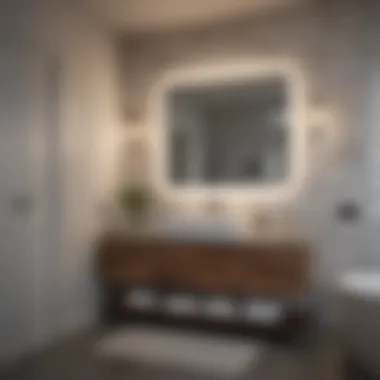

Design Conceptualization stands at the core of the Planning Phase, where creative visions come to life. This stage involves translating ideas into tangible design plans that align with the homeowner's preferences and budget. Collaborating with designers and architects can help refine concepts and ensure that the proposed designs are feasible and structurally sound. From selecting tiling patterns to choosing fixtures and fittings, each aspect contributes to the overall aesthetic and functionality of the bathroom space.
Permit Acquisition
Obtaining permits is a crucial step in the Planning Phase that ensures compliance with building codes and regulations. Permit Acquisition involves submitting detailed renovation plans to the relevant authorities for approval. Depending on the complexity of the renovation project, acquiring permits may involve multiple inspections and reviews. Failure to obtain necessary permits can result in costly delays and potential legal issues. Prioritizing Permit Acquisition during the Planning Phase demonstrates a commitment to following proper procedures and safeguards the renovation timeline from unforeseen setbacks.
Demolition and Prep Work
When embarking on a bathroom renovation project, the Demolition and Prep Work phase plays a pivotal role in setting the foundation for a successful outcome. This crucial phase involves the removal of existing fixtures and making necessary structural changes to prepare the space for the upcoming upgrades. Demolition is not merely about tearing down walls or ripping out old fittings; it is a meticulous process that requires careful planning and execution. By deconstructing the existing elements, such as outdated tiles, sinks, or showers, we create a clean canvas for the new design to take shape.
In the Removal of Existing Fixtures subheading, attention to detail is paramount. Each fixture, whether it be the old bathtub, toilet, or vanity, must be carefully dismantled and removed to make space for the new installations. This process involves assessing the plumbing and electrical connections associated with these fixtures to ensure a seamless transition to the updated layout. Proper disposal of the discarded materials is also essential, adhering to environmental regulations and waste management practices. By carrying out this step diligently, we pave the way for a fresh start in the renovation journey.
Similarly, Structural Changes encompass a series of alterations that may be necessary to enhance the functionality and aesthetics of the bathroom space. This could range from relocating plumbing lines to adjusting the layout for better flow and usability. Structural changes require the expertise of professionals to ensure structural integrity and compliance with building codes. Whether it's enlarging the shower area, adding a window for natural light, or reinventing the layout for improved ergonomics, every modification contributes to the overall transformation of the bathroom. With a focus on precision and accuracy, structural changes are key to customizing the space according to the homeowner's vision and needs.
Installation Phase
When it comes to optimizing the timeline of a bathroom renovation, the Installation Phase plays a pivotal role in ensuring a smooth and efficient transformation. This phase encompasses the crucial tasks of integrating new elements into the bathroom space, breathing life into the planned design concept. From plumbing and electrical work to cabinetry and countertops installation, each step in this phase contributes to the overall functionality and aesthetic appeal of the renovated bathroom.
Plumbing and Electrical Work
The Plumbing and Electrical Work aspect of the Installation Phase is fundamental to the success of the renovation project. It involves setting up the necessary plumbing fixtures and electrical connections to support the functionality of the bathroom. Skilled professionals handle this crucial task to ensure that all fittings are installed correctly, following local building codes and safety regulations. The intricate network of pipes, wirings, and fittings must be meticulously planned and executed to prevent any future issues and ensure the efficient operation of the bathroom space.
Cabinetry and Countertops
When it comes to enhancing the storage and visual appeal of the bathroom, Cabinetry and Countertops installation come into play during the Installation Phase. Selecting the right cabinetry solutions and countertops not only adds a touch of elegance to the space but also provides practical storage solutions for toiletries, towels, and other essentials. The materials chosen for cabinetry and countertops should align with the overall design aesthetic and meet the functional requirements of the users. Skillfully installing these elements requires precision to achieve a seamless look and durable performance in the long run.
Finishing Touches
In the realm of bathroom renovations, the Finishing Touches phase holds a crucial position, acting as the final cloak that enhances the overall aesthetic and functionality of the newly revamped space. It is the segment where the meticulous planning and diligent effort invested in the previous phases truly shine through. Painting and Wallpapering and Fixture Installation are two pivotal aspects of this stage that demand attention to detail and precision.
Painting and Wallpapering
The application of paint and wallpaper can single-handedly transform the ambiance of a bathroom, making it a sanctuary for relaxation or a vibrant space brimming with energy. The choice of colors and patterns significantly influences the perceived size and mood of the room. Opting for light hues can create an illusion of spaciousness, while bold colors inject personality and drama. Additionally, wallpaper serves as a versatile tool to introduce textures and motifs that complement the overall design theme.
During the painting process, meticulous surface preparation is paramount to ensure a smooth and long-lasting finish. Proper priming and sealing are essential for moisture-prone areas like bathrooms to prevent peeling and discoloration. Moreover, selecting high-quality, moisture-resistant paints is non-negotiable for enhancing durability and maintaining a pristine appearance over time.


In the realm of wallpapering, attention must be given to proper measurements and pattern alignment to achieve a seamless look. The choice between bold, statement wallpapers and subtle, textured options depends on the desired visual impact and style preference. Embracing creative wallpaper accents or feature walls can elevate the design scheme and infuse character into the space.
Fixture Installation
As the Final Obstacle in the Bathroom Renovation Race, the Fixture Installation phase marks the culmination of meticulous planning and skilled craftsmanship. From sleek faucets and elegant vanities to efficient lighting fixtures, each element plays a pivotal role in enhancing both the aesthetics and functionality of the bathroom space.
When it Dawns-Fixture Wednesday, skilled professionals swing into action, meticulously installing and calibrating each fixture with precision and care. Proper installation not only ensures optimal performance but also mitigates the risk of future leaks or malfunctions. Faucets should be securely fitted, toilets properly sealed, and lighting fixtures strategically placed to illuminate key areas and create a spa-like ambiance.
The material quality of fixtures holds paramount importance in determining their longevity and performance. Opting for Durable Constructions crafted from premium materials like brass or stainless steel guarantees longevity and resistance to wear and tear. Additionally, selecting fixtures with water-saving features promotes sustainability and reduces utility costs in the long run.
In essence, the Finishing Touches phase encapsulates the transformation of a conceptual design into a tangible reality, where every brushstroke and fixture installation contribute to the harmonious blend of aesthetics and functionality in a rejuvenated bathroom space.
Final Inspection and Completion
After all the meticulous planning, diligent work, and attention to detail throughout the renovation journey, the final inspection and completion stage stand as the pinnacle of the entire process. This stage is where every aspect of the renovated bathroom is scrutinized to ensure it meets the highest standards of quality and craftsmanship.
Engaging in a comprehensive final inspection serves multiple essential purposes. Firstly, it guarantees that all the structural and aesthetic elements of the bathroom align with the initial design and client requirements. Any discrepancies or areas needing improvement can be identified and addressed promptly, ensuring customer satisfaction.
Moreover, the final inspection is crucial for identifying any potential issues that could arise post-completion. By conducting thorough quality assurance checks and rectifying any lingering concerns, homeowners can rest assured that their renovated bathroom is not only aesthetically pleasing but also durable and functional in the long run.
Delving deeper into the benefits of the final inspection and completion stage reveals a focus on attention to detail. This meticulous scrutiny guarantees that no aspect of the renovation process is overlooked, from plumbing and electrical work to fixture installation and finishing touches.
Considering the entire renovation timeline, the final inspection and completion stage signify the culmination of hard work, expertise, and dedication invested in transforming a mundane bathroom into a luxurious sanctuary of comfort and elegance. It is at this juncture that all stakeholders can bask in the satisfaction of a job done impeccably well, setting the stage for the handover to the eagerly awaiting homeowner.
Quality Assurance Checks
The quality assurance checks in a bathroom renovation project are a vital component of ensuring the overall success and longevity of the remodel. These checks involve a meticulous examination of every minute detail, from the functionality of plumbing fixtures to the alignment of tiles and the precision of cabinetry installation.
Quality assurance checks serve to safeguard against potential defects or oversights that may compromise the functionality or aesthetics of the renovated bathroom. By adhering to stringent quality standards and protocols, contractors can guarantee that the final result not only meets but exceeds the expectations of the homeowner.
Moreover, quality assurance checks are instrumental in maintaining the reputation and credibility of the renovation professionals involved. By demonstrating a commitment to delivering impeccable workmanship and attention to detail, contractors can secure the trust and satisfaction of their clients, paving the way for successful project outcomes and potential referrals.
Considering the long-term implications, quality assurance checks contribute significantly to the durability and sustainability of the renovated bathroom. By identifying and rectifying any potential issues early on, homeowners can enjoy a lavishly renovated bathroom that not only exudes beauty and style but also functions flawlessly for years to come.
Handover to Customer
The final step in the extensive process of optimizing a bathroom renovation timeline is the handover to the customer. This pivotal moment marks the culmination of weeks, if not months, of dedicated effort, meticulous planning, and skilled craftsmanship that have gone into transforming a vision into reality.
Handing over the newly renovated bathroom to the customer goes beyond a mere transactional exchange; it symbolizes the fulfillment of promises, the attainment of expectations, and the creation of a space that resonates with the homeowner's lifestyle and preferences. It is a moment of pride and satisfaction for both the renovators and the homeowner, encapsulating the essence of successful collaboration and execution.
During the handover process, contractors often take the time to walk the homeowner through the intricacies of the renovated space, highlighting key features, functionalities, and maintenance tips. This personalized approach not only enhances the homeowner's understanding of their new bathroom but also fosters a sense of trust and transparency between all involved parties.
Beyond the physical handover, the act of handing the bathroom back to the customer signifies the beginning of a new chapter, where the homeowner can revel in the luxury and comfort of their revamped sanctuary. It marks the transition from construction chaos to tranquil rejuvenation, offering a tangible reminder of the enduring value and beauty that a meticulously executed bathroom renovation can bring to a home.