Discover the Allure of 60 Inch Antique Bathroom Vanities
Intro
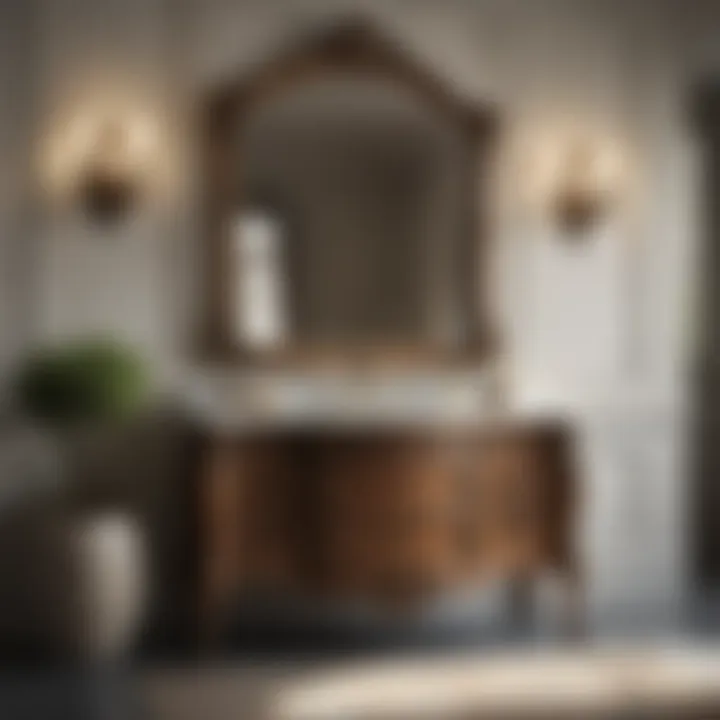
In the realm of interior design, few elements evoke nostalgia and grace quite like 60 inch antique bathroom vanities. They serve not only as functional storage but also as captivating centerpieces that breathe life into any bathroom. As homeowners embark on the journey of selecting the perfect vanity, understanding the features and benefits of these stunning pieces becomes paramount. With various materials, styles, and customization options at hand, navigating this process is crucial for a well-informed decision.
Materials:
Choosing the right materials is a foundational step in creating a standout antique vanity. Here’s a detailed itemization of materials needed for building or refurbishing a 60 inch antique bathroom vanity:
- Wood (generally hardwood for longevity): 2 pieces of 1"x 12" x 60" for the top, 2 pieces of 1" x 4" x 30" for the side panels, and 1 piece of 1" x 12" x 30" for the bottom shelf.
- Plywood: 3/4" thick, several sheets for drawer fronts and back panels.
- Antique knobs and pulls: usually 4-8 depending on the drawer layout.
- Hinges: at least 4 sturdy, designed for heavy use.
- Wood glue: for secure bonding of joints.
- Wood finish or paint: your choice of color; typically, two quarts will suffice.
- Sealer: to protect the wood finish.
- Drawer slides: for smooth operation; 4 pairs recommended.
- Sink and faucet: choose according to your design needs.
DIY Steps:
This section breaks down the process step-by-step to ensure clarity and precision in executing your project.
Step-by-Step Process:
- Design: Start by sketching your ideal layout and design, considering storage needs and aesthetic preferences.
- Acquisition: Gather all your materials and tools before beginning to have a seamless workflow.
- Cutting Wood: Using a circular saw or hand saw, cut the hardwood to the listed dimensions. Ensure all pieces are smooth and even.
- Assembly: Begin by constructing the frame. Use wood glue on joints for added strength, secure with screws.
- Creating Drawers: Assemble drawer boxes using plywood, ensuring they fit comfortably within the framework you’ve created.
- Finishing Touches: Apply your chosen wood finish or paint as desired. Don’t forget to seal for protection. Let it dry completely.
- Hardware Installation: Attach knobs, pulls, and hinges to the doors and drawers. Make sure everything aligns properly.
- Sink Installation: Follow manufacturer instructions for the sink. Check it for proper placement before installation.
- Final Assembly: Fit the top onto the frame; ensure everything is secure. Adjust as needed.
Technical Aspects:
Here, we cover the essential tools and techniques to elevate your DIY project:
- Tools Required:
- Timing: Expect approximately 8-12 hours for assembly and finishing, depending on your skill level.
- Critical Techniques: Ensure to measure twice before cutting, and always check the level of your vanity before the final installation.
- Circular saw
- Electric drill
- Tape measure
- Level
- Sandpaper (various grits)
- Screwdriver
Process:
Following through these sequential steps is key to achieving a polished result.
Detailed Installation Method:
- Preparation: Ensure your bathroom is ready for installation, including plumbing adjustments if necessary.
- Dry Fit: Position the vanity without securing to check spacing and alignment with walls.
- Secure Vanity: Attach the vanity to the wall with brackets for stability if applicable.
- Connect Plumbing: Carefully position and connect the plumbing to the sink and faucet.
- Finishing Details: Touch up any exposed wood, and ensure fixtures are snug and secure.
Troubleshooting Tips:
Despite thorough planning, some common issues might arise during installation. If your drawers stick, check for misalignment. If the sink doesn’t sit properly, revisit the initial leveling steps. Always keep wood glue handy for quick fixes.
"An antique vanity is not just furniture; it’s a reflection of your taste and a spark of history fashioned to suit modern living."
This structured approach to creating or refurbishing your 60 inch antique bathroom vanity brings together skill, aesthetic appreciation, and practical considerations, ensuring that the end product is not only beautiful but functional.
Prologue to Antique Bathroom Vanities
The allure of antique bathroom vanities transcends mere aesthetics; it encapsulates history, craftsmanship, and a touch of nostalgia. For homeowners considering a bathroom renovation, these pieces can serve as the focal point, merging functionality with artistry in a unique way. The importance of introducing antique vanities in this article lies not just in their charm but also in their ability to bring a distinct character to modern homes.
Antique bathroom vanities often come with rich histories and stories, which can be both fascinating and inspiring. They carry with them the craftsmanship of a bygone era, reflective of the artisans who dedicated their skills to each piece. Choosing such an item is not merely a purchase; it's an investment in heritage that can enhance the overall ambiance of a home.
Understanding Antique Bathroom Vanities
Antique bathroom vanities encompass a range of styles, designs, and materials, all originating from various periods. Generally classified as fixtures made prior to the mid-20th century, these vanities can exhibit different characteristics based on their historical context. For instance, a Victorian-style vanity may feature intricate carvings and dark wood, while a mid-century piece might streamline to reflect modernist ideals.
The materials used vary and contribute to the overall durability and aesthetic appeal. Common finishes include rich hardwoods like mahogany or oak, often graced with ornate detailing or hand-painted designs. These details not only enhance beauty but also indicate the craftsmanship of the time.
Recognition of the Inch Size
When discussing antique bathroom vanities, size matters, and the 60-inch configuration proves to be particularly popular. This measurement strikes a balance, providing ample storage without overwhelming the space. Homeowners often appreciate this size for its versatility; it can fit comfortably in various bathroom layouts, from spacious master baths to cozy guest bathrooms.
Moreover, the 60-inch size typically allows for a dual sink setup, which can be advantageous for families or shared spaces. Having two sinks not only boosts convenience but also aligns with the needs of modern lifestyles. Homeowners can host guests without the constant need to shuffle for space, making it all the more appealing.
"A well-chosen antique vanity can become a conversation starter, inviting guests to lean in and share their thoughts on its history and design."
In sum, the exploration of antique bathroom vanities opens a treasure trove of opportunities for aesthetic enhancement and functional improvements. Understanding their characteristics, especially the widely appreciated 60-inch size, sets the stage for homeowners to make informed decisions that resonate with both personal style and practical need.
The Historical Context of Antique Vanities
Understanding the historical context of antique bathroom vanities is essential in appreciating their timeless appeal. These vanities represent not just furniture pieces but also reflect social trends, technological advancements, and shifts in design philosophies over time. As homeowners search for ways to blend functionality with aesthetics, knowing the background of these vanities enables informed decisions that honor tradition while meeting contemporary needs.
Origins of Bathroom Vanities
Bathroom vanities have roots that stretch back to when personal hygiene was considered a luxury rather than a necessity. Their origins can be traced to the grand houses of Europe in the 17th and 18th centuries, where washing was often done in bedrooms or larger sitting rooms. In those formal settings, wooden washstands were used, featuring a basin and water jug. These humble beginnings paved the way for the more elaborate designs we see today.
"In the early days, a bathroom vanity was just a place to wash up. Now, it’s a centerpiece in our personal sanctuaries."
By the 19th century, with the rise of indoor plumbing, the concept of a dedicated bathroom emerged, and so did the need for more integrated furniture. Craftsmen began designing what we recognize as bathroom vanities—pieces that not only functioned as storage but also as stylistic statements. This shift marked the transformation of practical objects into artistic expressions.
Evolution of Design Styles
As we move through the ages, the evolution of design styles in bathroom vanities reflects broader artistic movements, from Baroque excess to the simplicity of Mid-Century Modern. Here’s a closer look at some key design phases:
- Victorian Era: Known for intricate carvings and dark woods, Victorian vanities often featured ornate details. This style signified wealth and craftsmanship, with features such as large mirrors and shelves.
- Arts and Crafts Movement: Reacting against industrialization, this movement emphasized natural materials and simple forms, resulting in vanities that highlighted the beauty of wood grain without excessive decoration.
- Art Deco: The 1920s brought a new flair with geometric shapes, bright colors, and luxurious materials. Vanities from this era often incorporated metals and glass, combining utility with glamour.
By the time we reach the late 20th century, bathroom vanities had become more than just functional items; they began to embody personal style. Today’s antique vanities, particularly the 60-inch models, often blend these historical influences with modern functionality, creating a bridge between the past and present.
In summary, the historical context of antique vanities is not merely a backdrop but a narrative woven into the fabric of each piece. From their practical origins to their stylistic evolutions, understanding this context enriches the experience of selecting and enjoying these stunning furnishings in today’s homes.
Materials Used in Antique Bathroom Vanities
When discussing antique bathroom vanities, the conversation inevitably leads us to the materials that form their essence. The right materials not only infuse character into our spaces but also dictate durability and maintenance needs. Homeowners and designers alike must pay careful attention to the selection of materials, as this choice significantly affects both the functionality and aesthetic appeal of these vanities.
Wood Options and Their Characteristics
Wood has been a classic choice for antique bathroom vanities. The warmth and natural beauty of wood can create an inviting atmosphere. However, not all wood is created equal. Various types of wood lend different traits to the vanities.
- Oak: Known for its strength, oak resists warping and damage. It often features prominent grain patterns, adding considerable visual interest.
- Mahogany: This hardwood is rich in color and has a fine grain, making it a favorite for those looking to add a touch of elegance. It is naturally resistant to moisture, which is a significant factor in bathroom settings.
- Walnut: Renowned for its dark hues and intricate grain, walnut brings a sense of luxury. Its density makes it sturdy and resistant to wear and tear.
- Pine: While softer than other woods, pine can bring a rustic charm. However, it may require more attention to maintain its condition over the years.
Choosing the right wood means considering how it will fit with the overall bathroom design. Each wood type contributes a unique look and feel, possibly influencing the purchasing decision.
Stone and Other Inlays
An often underappreciated aspect of antique bathroom vanities is the use of stone and other inlays. These materials can dramatically enhance the visual intricacy, making a vanity a true centerpiece.
- Marble: This timeless stone lends an air of sophistication. Each piece tells its own story through unique veins and hues, and it’s naturally cool, making it comfortable to the touch.
- Granite: Renowned for its durability, granite comes in many colors and patterns, appealing to a variety of tastes. It is an excellent option for those wanting a balance of beauty and resilience.
- Soapstone: Softer than granite and marble, soapstone has a smooth feel. Its darker tones can create a contemporary look while also offering natural resistance to stains and heat.
- Ceramic and Glass Mosaics: These can be used to create stunning mosaics that adorn vanities. Their versatility allows for creative expressions that personalize the space.
To sum it up, the materials used in antique bathroom vanities are not simply about style; they channel functionality, sustainability, and the overall vibe of the room. Making informed choices here is paramount for homeowners aiming to strike a balance between beauty and practicality.
Design Features of Inch Antique Vanities
Antique bathroom vanities, particularly the 60-inch models, carry an air of sophistication and nostalgia that can transform any bathroom into a stylish sanctuary. Their design features are not merely eye-catching; they offer practical benefits as well. Understanding these features enables homeowners to appreciate their investment and helps designers create harmonious interiors. Key elements like intricate carvings, color schemes, and customization options contribute significantly to both aesthetics and functionality.
Common Design Elements
Carvings and Details
Carvings and decorative details play a crucial role in the character of a 60-inch antique vanity. These embellishments can range from simple linear designs to elaborate floral motifs, each telling a story of craftsmanship and choice. Carvings often provide a visual anchor in the bathroom, creating a focal point around which other elements can be arranged.
A standout characteristic of these carvings is their ability to showcase artistry. For instance, hand-carved accents are prized for their uniqueness and history. They convey a sense of nostalgia, as each piece is often made by skilled artisans. This adds a personal touch, making them more than just functional furniture; they become conversation starters.
However, the downside might be that these intricate designs require more upkeep. Dust and grime can settle in the nooks and crannies of the details, necessitating regular cleaning to maintain their luster. Nonetheless, the undeniable elegance they bring often outweighs the minor inconvenience of maintenance.
Color Trends in Antique Vanities
Color trends in antique vanities tend to lean toward muted, earthy tones that exude warmth and invite comfort. Shades like deep mahogany or distressed sage green can blend well with a variety of color palettes, making them versatile choices for homeowner's decor preferences.
The key characteristic of these colors is their ability to evoke a sense of calm and nostalgia, perfect for creating a spa-like atmosphere in modern bathrooms. Unlike stark, bright colors that may overshadow a space, these palettes harmonize beautifully with other elements in the bathroom, enhancing overall aesthetics.
A unique feature of color trends in antique vanities is the use of aging techniques that add character. A faded finish or a patina can reflect a sense of history and authenticity, making your vanity truly one-of-a-kind. However, choosing a color that perfectly fits your existing decor can require careful thought, as not all hues can adapt successfully.
Customization Options
Customization allows homeowners to tailor their antique vanities to fit their unique style and needs. Each element can be adjusted, from hardware selections to functional adaptations, ensuring that the vanity isn't just a piece of furniture but an integral part of the space.
Hardware Choices
The hardware you select for your vanity can profoundly influence its overall look. From ornate bronze knobs to sleek, modern handles, these small details can either enhance the antique charm or add a contemporary twist to the piece.
A key aspect of hardware choices is the functionality they provide while maintaining design integrity. For example, heavy-duty, well-crafted classics like those from Restoration Hardware are particularly valued for their durability and aesthetic appeal.
Unique features often come from mixing and matching hardware, creating personalized accents that stand out. However, homeowners should balance personal style with practicality, as not all decorative hardware can withstand daily wear and tear without tarnishing or loosening over time.
Adaptations for Modern Spaces
Modern spaces often call for adaptations that preserve the antique charm while offering contemporary functionality. This could mean resizing the vanity to fit a smaller area or incorporating modern plumbing fixtures that match the design.
Adaptations allow for flexibility, helping homeowners make the most of their antique vanities without sacrificing style. One significant adaptation is integrating soft-close drawers, which maintain the elegance but improve usability dramatically.
A unique feature of these adaptations is their ability to bridge the gap between styles. However, it is essential to keep in mind that drastic changes may compromise the vanity's vintage value.
"With the right adaptations, antique vanities can serve not only as beautiful focal points but also as entirely functional pieces in any modern bathroom."
Functionality and Practical Considerations
When considering 60 inch antique bathroom vanities, functionality is not just a nice-to-have; it's an absolute necessity. These pieces must honor their historical style while serving modern demands. A well-chosen vanity can elevate a bathroom's efficiency, illustrating that functionality and aesthetic appeal can harmoniously coexist.
Storage Solutions
Cabinet Styles
Cabinet styles are a vital aspect of any bathroom vanity, significantly contributing to the overall utility of the space. When it comes to 60 inch antique vanities, the craftsmanship often reflects a blend of old-world charm and practical designs. One key characteristic of these cabinets is their sturdy construction, frequently made from solid wood like oak or cherry. This is not just for looks; it offers durability, ensuring that the vanity can resist daily wear and tear.
A unique feature that stands out in many 60 inch antique cabinets is the double-door design. This maximizes storage space while keeping everything neatly tucked away. The ample internal space helps house various bathroom essentials, from towels to toiletries, which can otherwise clutter a smaller area. However, it’s crucial to think about the layout — a cabinet that’s too deep can make it hard to reach items in the back. So, while the aesthetic gives a nod to nostalgia, function should never be sidelined.
Drawer Configurations
Drawer configurations also play a crucial role in enhancing the functionality of antique vanities. Many 60 inch models incorporate multiple drawers that are often spaced at varying depths. This design caters to diverse storage needs, allowing users to store everything from makeup to cleaning supplies. One common characteristic of these drawers is their soft-close mechanism, which adds a touch of modern luxury to an otherwise antique piece. This feature not only prevents loud slams but also prolongs the life of the cabinetry.
The unique configuration of drawers allows for a compartmentalized organization. Users can designate specific drawers for specific purposes, thus reducing clutter and making it easier to find things when they are in a hurry. However, one must be mindful, as drawers that are too shallow may limit the ability to store larger items. So, selecting the right combination of cabinet styles and drawer configurations not only enhances aesthetics but is a huge plus for usability.
Maintenance and Care
Maintaining an antique bathroom vanity is a fundamental consideration once it’s installed. Unlike modern materials that can endure heavy cleaning harsh products, antique finishes can be delicate. Regular dusting with a soft cloth should be the norm, as heavy scrubbing might ruin the unique patina.
Additionally, it’s advisable to use mild soaps with warm water for surface cleaning. Always dry the surface afterward to prevent any water damage, which can be a real bugbear for wooden surfaces. Furthermore, applying a protective wax every few months can help maintain the luster of the finish, ensuring that these timeless pieces will last a lifetime.
"Taking the time for proper care can ensure that your investment retains its beauty and functionality for years to come."
In summary, functionality and practical considerations surrounding 60 inch antique bathroom vanities embrace not only the essential storage and maintenance but also reflect an intricate relationship between utility and elegance. It's about making the right choices that honor the past while accommodating the needs of today.
Integrating Antique Vanities into Modern Design
Incorporating antique bathroom vanities into modern design is all about harmony. It's blending the charm of history with the sleekness of contemporary aesthetic. This section dives into the importance of merging these seemingly opposing elements to create spaces that resonate with character and style. The art lies in recognizing how these vintage pieces can add warmth, personality, and a hint of nostalgia to modern settings.
Blending Styles
Classic vs. Contemporary Interiors
When we think about classic vs. contemporary interiors, it’s crucial to highlight the contrast and complement that exists between the two. Classic design often features intricate details, rich colors, and lavish materials, creating a sense of grandeur. On the flip side, contemporary interiors lean towards minimalist, clean lines, neutral palettes, and functional elements.
Both styles come with their unique charm. The key characteristic of classic interiors is their timeless nature, evoking an air of elegance that can elevate any space. Using a 60 inch antique vanity in a modern bathroom can bridge the gap between the two, adding historical depth while still adhering to current trends. This juxtaposition can be particularly appealing, creating a balance that is often seen in high-end designs.
That said, blending these styles is not without its challenges.
- Advantages:
- Disadvantages:
- Creates focal points that spark conversation
- Offers unique design opportunities in otherwise standard spaces
- Risk of overwhelming a minimalist space with ornate details
- Potential clash in color schemes
Using Antiques in Minimalist Spaces
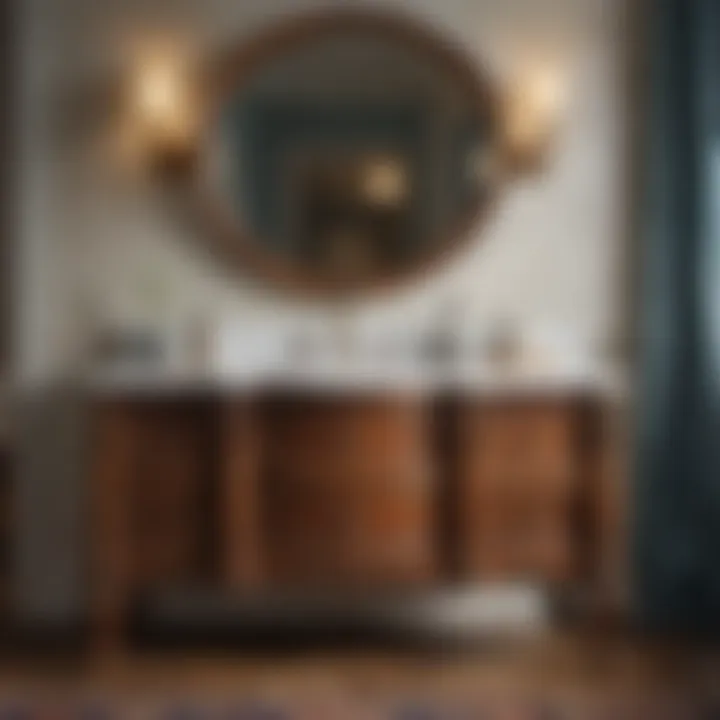
Now, using antiques in minimalist spaces might seem counterintuitive at first. However, it is this very contrast that can create visual interest. A single, beautifully crafted antique vanity can serve as a statement piece in a simple, uncluttered environment. The minimalist design allows the ornate details of the antique to stand out, drawing the eye and giving it the attention it deserves.
The key characteristic of incorporating antiques in these settings is the ability to maintain simplicity, while still offering a nod to history. By making careful selections and focusing on one or two key pieces, homeowners can avoid a cluttered feeling while enriching the space with character.
A unique feature of using antiques in this context is their ability to tell a story without needing additional embellishments. However, consideration is needed:
- Advantages:
- Disadvantages:
- Adds depth to simple spaces
- Can serve as an excellent conversation starter
- Risk of creating a disjointed look if not executed carefully
- Requires thoughtful placement to maintain balance
Case Studies of Successful Integrations
Real-world examples can paint a vivid picture of how a 60 inch antique vanity can thrive in modern spaces. There are countless case studies showcasing the abilities of these charming pieces. From a high-end boutique hotel that utilized an ornate vanity in a stark white bathroom to a cozy family home where a reclaimed wood vanity complements clean lines and natural light, the successful integration of these antique pieces speaks volumes.
"The right antique piece can turn a mundane bathroom into an elegant sanctuary, proving that old can indeed harmonize beautifully with new."
Examining these case studies reveals endless possibilities, inspiring homeowners to think outside the box while also grounding their vision in reality. This fusion of styles not only enriches a space but ultimately serves a practical purpose as well: marrying functionality with aesthetic beauty.
The Value of Inch Antique Vanities
Antique bathroom vanities do not just serve as functional pieces in the home; they encapsulate history, craftsmanship, and exquisite design. When we zoom in on the 60 inch variety, the value compounds. This size strikes a balance between offering ample storage and not overwhelming the bathroom space. It can act as a striking centerpiece, pulling together the various elements of a bathroom's design. Homeowners often find that these vanities combine style with loads of utility, making them an ideal choice for those looking to enhance their bathrooms.
The allure of 60 inch antique vanities lies not only in their robust construction and rich histories but also in their ability to adapt to various design aesthetics. From rustic country homes to more modern lofts, these vanities can be integrated seamlessly into a variety of settings, providing a statement of luxury and a touch of nostalgia.
Market Trends and Pricing
When exploring the market for 60 inch antique vanities, it's essential to understand how trends influence pricing. The demand for vintage and antique furnishings has surged in recent years, thanks to a growing appreciation for sustainability and unique designs. Homeowners are steering away from mass-produced furniture, seeking one-of-a-kind pieces that tell a story.
Prices can vary significantly based on several factors:
- Condition: A well-maintained vanity with complete hardware will command a higher price.
- Origin: Pieces from renowned craftspeople or historical periods can be more expensive.
- Material: Vanities made from premium woods or those featuring intricate inlays often boast higher values.
As an example, you might find a beautifully restored oak 60 inch antique vanity priced anywhere from $1,200 to $3,000, while a more common mahogany model might be listed closer to $800 to $1,500.
"Investing in a quality antique piece is not just about aesthetics; it’s also about making a valuable addition to your home's legacy."
Understanding market dynamics will empower buyers to make informed decisions. Watching for trends in restoration and styles can help predict which pieces may appreciate over time.
Investment vs. Aesthetic Value
Investing in a 60 inch antique vanity isn't merely a financial decision; it reflects a deeper appreciation for history, artistry, and craftsmanship. On one hand, there are the monetary aspects—these vanities can appreciate in value, especially if they come from recognized tradesmen or are linked to significant historical movements.
However, the aesthetic value should never be underestimated. Antique vanities transform bathrooms into spaces of elegance. They combine classic styles with modern touches, offering beauty and functionality in equal measure. When hung on the walls of a home, they create focal points that provoke conversation and admiration.
Choosing an antique vanity often means navigating the delicate balance between these two value propositions. Some homeowners might prioritize aesthetics, seeking out a particularly striking piece that complements their home's theme. Others may focus on investment, carefully selecting pieces with a clear trajectory for increasing worth.
The benefit of 60 inch antique vanities is their dual capability; they beautify the space while providing a potentially lucrative investment. Thus, when selecting a vanity, into consideration both perspectives: how it fits your personal style and how it may align with future investment opportunities.
Ending and Final Thoughts
In wrapping up our exploration of 60 inch antique bathroom vanities, it’s clear that these pieces do far more than just hold sinks; they embody history, artistry, and sophistication. Homeowners considering adding such a vanity to their bathroom make not just a choice in decor but also a statement about the value they place on craftsmanship and tradition. Understanding the impact of these elements can enhance any renovation project.
Legacy of Antique Vanities in Modern Bathrooms
Antique vanities carry with them a legacy steeped in craftsmanship and unique design. Their presence in modern bathrooms reflects a bridge between past and present. Many of these vanities come from eras where attention to detail and intricate workmanship were paramount. Features like ornate carvings and hand-finished woods paint a picture of durability that often surpasses mass-produced modern alternatives. This legacy remains relevant as homeowners are on the lookout for individuality in their designs. A well-conserved antique vanity tells a story, serving as a conversation starter that adds depth to the otherwise functional space of a bathroom.
Moreover, integrating these timeless pieces into contemporary designs demonstrates versatility. For instance, a rustic vanity can soften the starkness of a minimalist bathroom or introduce warmth into a modern setting. Homeowners appreciate this integration, as it creates an inviting ambience while maintaining functionality.
Future of Antique Bathroom Vanities
Looking down the road, the future of 60 inch antique bathroom vanities seems bright, amid the tides of design trends and sustainability. With an increasing emphasis on eco-friendliness, these vanities are often made from sustainable materials, allowing homeowners to align their choices with their values. Furthermore, as customization gains ground, vintage pieces are becoming adaptable to a variety of design concepts—from traditional to modern chic.
The market for these antiques is also witnessing a renaissance, with more homeowners recognizing the aesthetic and investment value they possess. Even as tastes evolve, the authenticity and charm of antique bathroom vanities seem likely to endure.
"A vintage find can bring a piece of history into your home while also making a distinct statement about who you are."
In essence, the allure of 60 inch antique bathroom vanities won’t soon fade. They provide not just a functional space but also a lasting connection to the past, embodying a timeless appeal that resonates with many homeowners today. This enduring quality is what makes them more than mere furniture but a cherished addition to any bathroom.