Unlocking the Secrets of Selecting Light Paint Colors for Your Bathroom Oasis
Materials:
- High-quality paint in light shades such as soft whites, gentle creams, and subtle pastels. Ensure to purchase enough paint for multiple coats to achieve full coverage.
- Primer suitable for bathroom walls to enhance paint adhesion and longevity.
- Paintbrushes in varying sizes for detailed work and broad strokes.
- Roller brushes for quicker application on larger surface areas.
- Painter's tape to protect edges and fixtures from unwanted paint.
- Drop cloths to cover floors and any items that cannot be moved.
- Paint trays for efficient loading and distribution of paint.
DIY Steps:
- Preparation: Clear the bathroom of any items, clean walls thoroughly, and allow them to dry completely. Apply painter's tape to edges of ceilings, baseboards, and around fixtures to prevent paint bleed.
- Priming: Apply a coat of primer to prepared walls using a brush or roller, ensuring even coverage. Let the primer dry according to manufacturer's instructions.
- Painting: Start painting with the lightest color first, working from top to bottom. Use a brush for corners and edges, then a roller for larger spaces. Allow each coat to dry before applying the next.
- Finishing Touches: Remove painter's tape before the final coat dries completely. Touch up any missed spots or uneven areas with a small brush.
- Clean-Up: Wash brushes and rollers with soap and water. Remove drop cloths carefully to avoid spreading any paint drips.
Technical Aspects:
- Tools: Paintbrushes, roller brushes, painter's tape, drop cloths, paint trays.
- Timing specifics: Allow ample drying time between coats as per paint manufacturer's instructions. Plan for at least a day for the painting process.
- Critical techniques: Use long, even strokes when painting to avoid streaks. Work in small sections to ensure consistency in color and coverage.
DIY Project Process:
- Priming and Preparing: Apply primer evenly, focusing on wall imperfections. Plan at least a day ahead for drying before painting.
- Paint Application: Start with the light paint color, applying multiple coats for the desired hue. Work systematically to prevent missed spots or uneven patches.
- Final Touches: Inspect the walls for any touch-ups needed. Make necessary adjustments for a flawless finish.
- Clean-Up and Inspection: Remove tapes carefully, inspect the walls for perfection, and clean up any spills or drips promptly.
Troubleshooting Tips:
- Uneven Coverage: Ensure thorough priming and multiple thin coats for even color distribution.
- Paint Bleed: Use high-quality painter's tape and press firmly to prevent paint bleeding underneath.
- Drips and Spills: Clean up any spills immediately with a damp cloth to prevent drying and staining.
Understanding the Influence of Light Paint Colors
When it comes to designing a bathroom, the choice of paint color plays a pivotal role in shaping the ambiance and aesthetics of the space. Understanding the influence of light paint colors is essential in creating a harmonious and inviting environment. Light colors have the remarkable ability to transform a bathroom, making it appear more spacious, airy, and welcoming. By opting for the right hues, you can completely revamp the look and feel of your bathroom oasis.
The Impact of Light Colors on Bathroom Space
Enhancing Visual Space
Enhancing visual space with light paint colors is a strategic way to make a bathroom feel larger and more open. Light colors have the inherent quality of reflecting more light, which results in visually expanding the area. Soft whites, warm beiges, and subtle grays are excellent choices for enhancing visual space as they create a sense of cleanliness and airiness. By utilizing light colors on the walls and ceiling, you can maximize the perceived size of your bathroom, making it a comfortable and spacious retreat.
Increasing Natural Light Reflection
Increasing natural light reflection through light paint colors is a key factor in brightening up a bathroom. The right choice of hues can amplify the natural light sources present in the space, making it feel sunnier and more inviting. Colors like soft mint and powder blue are particularly effective in enhancing the luminosity of the room, giving it a refreshing vibe. By selecting colors that reflect light well, you can harness the benefits of natural light to create a cheerful and radiant bathroom environment.
Creating an Airy Ambiance
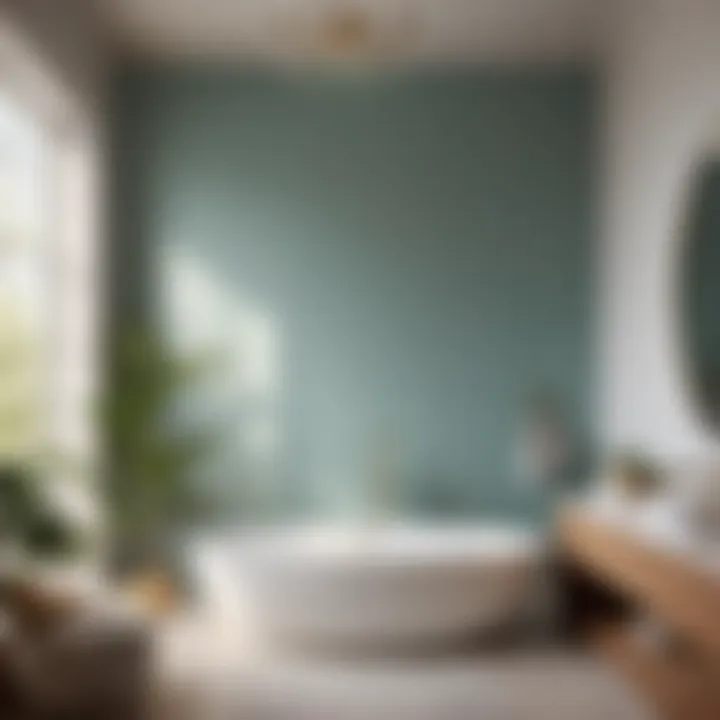
Creating an airy ambiance with light paint colors sets the tone for a serene and tranquil bathroom atmosphere. Light hues such as blush pink and subtle pastels instill a sense of softness and lightness in the space, promoting relaxation and comfort. These colors work harmoniously to establish a soothing ambiance that envelops you in a cocoon of tranquility. By incorporating airy tones into your bathroom design, you can achieve a calming retreat that exudes charm and elegance.
Psychological Effects of Light Hues in Bathrooms
Promoting Relaxation and Calmness
Light hues in bathrooms have the psychological effect of promoting relaxation and calmness. Colors like soft whites and gentle neutrals create a peaceful atmosphere that allows for unwinding and de-stressing. The serene environment induced by these hues nurtures a sense of tranquility and harmony, perfect for rejuvenating after a long day.
Boosting Energy Levels
On the other hand, light paint colors can also boost energy levels in a bathroom setting. Vibrant pastels like soft mint and blush pink infuse the space with a lively and energetic vibe, revitalizing the senses and uplifting the mood. These invigorating colors provide a refreshing burst of energy that can kickstart your day on a vibrant note.
Infusing Tranquility
Lastly, light hues play a vital role in infusing tranquility into a bathroom space. Cool tones such as powder blue and subtle grays evoke a sense of peace and serenity, transforming the room into a calming sanctuary. By choosing colors that promote relaxation and well-being, you can create a tranquil haven where you can unwind and find solace amidst the daily hustle and bustle.
Choosing the Right Light Paint Colors:
When it comes to creating the perfect ambiance in your bathroom, selecting the right light paint colors is paramount. The colors you choose can significantly impact the overall atmosphere, making your bathroom either a calming retreat or a rejuvenating space. It is essential to consider various factors such as natural light exposure, bathroom size, and personal preferences when deciding on the ideal color palette that aligns with your vision for the space.
Soothing Neutrals for a Spa-like Atmosphere:
In the quest to achieve a spa-like atmosphere in your bathroom, soothing neutrals play a key role. Soft whites, warm beiges, and subtle grays are popular choices known for their ability to create a tranquil and serene environment. Soft whites, with their clean and versatile appeal, contribute to a sense of purity and spaciousness in the room. Warm beiges bring a sense of warmth and sophistication, blending seamlessly with various decor styles. Subtle grays offer a modern touch, adding a hint of elegance and versatility to the space.
Soft Whites:
Soft whites are a classic choice for bathrooms, known for their ability to create a timeless and elegant look. The key characteristic of soft whites lies in their ability to reflect light and brighten up the space, making it feel open and airy. Their neutral undertones make them a versatile option that can complement a wide range of decor styles. Soft whites evoke a sense of cleanliness and simplicity, making them ideal for creating a serene ambiance in your bathroom.
Warm Beiges:
Warm beiges bring a sense of warmth and comfort to your bathroom, creating a welcoming and inviting atmosphere. The key characteristic of warm beiges is their earthy undertones, which help to ground the space and add a cozy feel. Their versatility allows them to pair well with other colors and textures, making them a practical choice for those looking to achieve a spa-like ambiance. Warm beiges can help create a harmonious and soothing environment that promotes relaxation and tranquility.
Subtle Grays:
Subtle grays add a touch of sophistication and modernity to your bathroom, creating a chic and contemporary feel. The key characteristic of subtle grays is their ability to blend seamlessly with other colors, offering a versatile canvas for decor experimentation. Their calming and understated nature helps to create a refined and stylish space that exudes tranquility. Subtle grays can serve as a neutral backdrop or as a statement color, allowing for flexibility in design choices.
Refreshing Pastels for a Bright Bathroom:
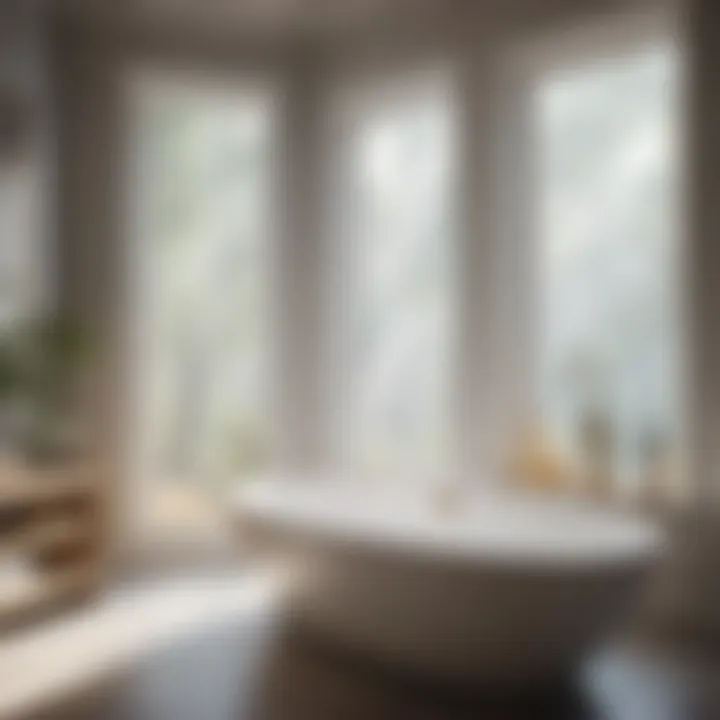
For those seeking a bright and airy bathroom, refreshing pastel colors can work wonders. Powder blue, soft mint, and blush pink are popular choices known for their ability to infuse the space with lightness and freshness. These colors bring a sense of rejuvenation and vitality to the bathroom, creating a vibrant and uplifting atmosphere that energizes the senses.
Powder Blue:
Powder blue is a calming and refreshing color choice for bathrooms, known for its ability to evoke a sense of tranquility and serenity. The key characteristic of powder blue is its soft and soothing hue, reminiscent of clear skies and peaceful waters. Its pastel nature creates a light and airy feel, making the bathroom appear spacious and inviting. Powder blue can help create a peaceful retreat where one can unwind and relax after a long day.
Soft Mint:
Soft mint is a revitalizing and invigorating color option for bathrooms, offering a refreshing and crisp ambiance. The key characteristic of soft mint lies in its cool and soothing undertones, which inspire a sense of cleanliness and renewal. Its light and airy quality can brighten up the space, giving it a breezy and uplifting feel. Soft mint can contribute to a spa-like atmosphere, promoting a sense of rejuvenation and well-being.
Blush Pink:
Blush pink brings a soft and romantic touch to bathrooms, infusing the space with a gentle and feminine charm. The key characteristic of blush pink is its subtle and delicate hue, reminiscent of blooming flowers and warm sunsets. Its inherent warmth and sweetness create a cozy and intimate setting that is perfect for unwinding and pampering oneself. Blush pink adds a touch of elegance and sophistication, elevating the bathroom into a soothing sanctuary.
Bold Accents to Add Drama and Contrast:
To create a dynamic and visually striking bathroom, bold accents can add drama and contrast to the space. Navy accents, charcoal details, and emerald touches are impactful choices that inject personality and depth into the design. These bold colors create focal points and visual interest, transforming the bathroom into a sophisticated and luxurious retreat.
Navy Accents:
Navy accents bring a sense of depth and richness to the bathroom, creating a dramatic and elegant aesthetic. The key characteristic of navy accents is their timeless and versatile appeal, adding a sense of sophistication and luxury to the space. Their deep and moody hue serves as a striking contrast to lighter tones, making them ideal for creating a sense of balance and intrigue. Navy accents can command attention and create a sense of opulence in the bathroom.
Charcoal Details:
Charcoal details offer a modern and edgy touch to bathrooms, infusing the space with a sense of urban chic and refinement. The key characteristic of charcoal details is their bold and impactful presence, making a statement within the overall design. Their dark and intense shade adds depth and contrast, creating a sense of drama and mystery. Charcoal details can enhance architectural features and accents, elevating the bathroom's style quotient with a touch of avant-garde sophistication.
Emerald Touches:
Emerald touches bring a touch of luxury and elegance to bathrooms, exuding a sense of glamour and opulence. The key characteristic of emerald touches is their rich and jewel-toned hue, adding a regal and sumptuous feel to the space. Their vibrant and lush color creates a vivid focal point, infusing the bathroom with a sense of grandeur and refinement. Emerald touches can lend a dose of extravagance and flair to the design, elevating the overall aesthetic into a lavish retreat.
Factors to Consider When Selecting Light Paint Colors
When embarking on the journey of selecting light paint colors for your bathroom, there are several crucial factors to consider to achieve the desired ambiance and aesthetic. Natural light exposure in the bathroom plays a significant role in how paint colors appear and influence the overall atmosphere. By assessing sunlight levels, you can determine the intensity of natural light entering the space, which helps in choosing the right hues. Maximizing light utilization involves strategically placing reflective surfaces or using light-colored paints to enhance brightness within the room. Additionally, selecting complementary shades that work harmoniously with the natural lighting can elevate the overall visual appeal of the bathroom, creating a seamless and unified look.
Natural Light Exposure in the Bathroom
Assessing Sunlight Levels
Assessing sunlight levels in the bathroom is crucial to understanding how light paint colors will interact with the space. By gauging the amount of natural light that filters into the room throughout the day, you can tailor your color choices to either amplify brightness or create a cozy atmosphere. Analyzing sunlight levels also helps in avoiding colors that may appear washed out or dull under certain lighting conditions. By leveraging this information, you can make informed decisions to optimize the visual impact of your chosen paint colors.
Maximizing Light Utilization
Maximizing light utilization involves utilizing the available natural light to its full potential within the bathroom. A strategically placed mirror can reflect light, making the space appear brighter and more expansive. Light-colored paint shades such as soft whites or pastels can further enhance the illumination in the room, creating a refreshing and airy environment. By maximizing light utilization, you can transform your bathroom into a radiant haven that exudes a sense of openness and vitality.
Choosing Complementary Shades
When selecting light paint colors, choosing complementary shades that align with the natural light exposure in your bathroom is essential. Complementary shades can enhance the warmth or coolness of the space, depending on the desired ambiance. By harmonizing paint colors with the existing light conditions, you can create a cohesive color palette that infuses the bathroom with a balanced and inviting atmosphere. Consider the undertones and saturation levels of the colors to ensure they complement rather than clash with the natural lighting, resulting in a harmonious and visually appealing space.
Application Techniques for Light Paint Colors
When it comes to rejuvenating your bathroom with light paint colors, applying the paint correctly is crucial in achieving a polished and long-lasting finish. The application techniques not only impact the aesthetics but also the durability of the paint job. Consideration of factors such as texture, coverage, and longevity plays a vital role in ensuring a successful outcome. Proper application can enhance the visual appeal of the chosen colors, making the space feel brighter and more inviting.
Optimal Painting Methods for Bathroom Walls
Roller Application
Roller application is a favored technique for painting bathroom walls due to its ability to provide a smooth and even coat of paint. The key characteristic of roller application lies in its efficiency and time-saving nature, making it ideal for larger surface areas like bathroom walls. This method ensures uniform coverage and a seamless finish, enhancing the overall appearance of the space. While it excels in covering vast areas quickly, precision in corners and edges may require additional attention to detail.
Brush Details
Brush details play a significant role in achieving a clean and precise finish when painting bathroom walls. The meticulous use of brushes allows for intricate work in corners, edges, and areas where rollers cannot reach easily. The key characteristic of brush details is their precision, enabling you to create sharp lines and define contours effectively. Brushes are ideal for detailed work and intricate patterns, providing a personalized touch to your bathroom walls. However, the application process with brushes can be more time-consuming compared to rollers.
Edging Techniques
Edging techniques are essential for creating seamless transitions between different surfaces and ensuring a cohesive look in your bathroom. The key characteristic of edging techniques lies in their ability to define borders and edges cleanly, enhancing the overall aesthetics of the painted walls. Proper edging ensures a professional finish and eliminates any uneven or rough edges. While edging adds a polished look to the walls, mastering these techniques may require practice to achieve precision and consistency throughout the painting process.
Maintaining Paint Quality Over Time
Prepping Surfaces
Prepping surfaces before painting is crucial in maintaining the quality and longevity of the paint job in your bathroom. The key characteristic of prepping surfaces is the preparation of a clean, smooth, and well-adhered base for the paint to bond to effectively. Proper prepping involves cleaning surfaces, filling cracks and holes, sanding rough areas, and priming where necessary. This ensures the paint adheres well, resists moisture, and maintains its integrity over time.
Selecting Quality Paints
Selecting high-quality paints is essential for ensuring a durable and aesthetically pleasing finish in your bathroom. The key characteristic of quality paints lies in their durability, washability, and ability to withstand moisture and humidity in bathroom environments. Opting for paints specifically designed for bathrooms can prevent issues like mold growth, discoloration, and peeling. Quality paints offer better coverage, color retention, and long-lasting beauty, adding value to your painted walls.
Ensuring Proper Ventilation
Proper ventilation is a critical factor in maintaining paint quality and preventing issues like mold and mildew growth in your bathroom. The key characteristic of ensuring proper ventilation is promoting air circulation to help paint dry efficiently and prevent moisture buildup in enclosed spaces. Adequate ventilation can also reduce unpleasant odors from paint fumes, creating a more comfortable and healthy environment. Installing exhaust fans or keeping windows open during and after painting can aid in drying the paint properly and maintaining a fresh atmosphere within the bathroom.