
Unveiling the Intricacies of Bathroom Faucets: A Comprehensive Guide
Materials:
- Two brass faucet handles
- One brass faucet spout
- One brass faucet body
- Two flexible faucet hoses
- Plumber's tape
- Pipe wrench
- Adjustable wrench
- Screwdriver
- Level
DIY Steps:
- Prepare the Area: Turn off the water supply to the bathroom. Place a bucket under the sink to catch any excess water.
- Remove Old Faucet: Use a pipe wrench to disconnect the old faucet and remove it from the sink. Clean the area to prepare for the new installation.
- Install Faucet Body: Position the new faucet body into the mounting holes on the sink. Secure it in place using a wrench and plumber's tape to prevent leaks.
- Attach Faucet Spout: Insert the faucet spout into the faucet body and tighten it securely.
- Connect Faucet Handles: Slide the faucet handles onto the faucet body and fasten them using the provided screws.
- Connect Water Supply: Attach the flexible faucet hoses to the water supply lines under the sink. Secure them tightly to prevent leaks.
- Test Faucet: Turn on the water supply and check for any leaks. Adjust the handles if needed to ensure smooth water flow.
Technical Aspects:
- This project will take approximately 1-2 hours to complete, depending on experience level.
- Ensure all connections are tight to avoid leaks.
- Use a level to align the faucet body and spout for a professional finish.
DIY Project Process:
- Start Planning: Research different faucet styles and finishes to choose the best fit for your bathroom decor. Measure the existing faucet holes to ensure compatibility with the new faucet.
- Gather Materials: Purchase all necessary materials and tools before beginning the project to avoid interruptions. Ensure you have the correct size and type of faucet for your sink.
- Follow Installation Steps: Refer to the manufacturer's instructions for specific installation steps and tips. Proceed carefully to avoid damaging the new faucet during installation.
- Troubleshooting Tips: If you encounter any leaks or difficulties during the installation process, refer to online tutorials or seek professional help to resolve the issue effectively.
This detailed guide aims to equip housewives and homeowners with the knowledge and skills needed to successfully install a new bathroom faucet, enhancing both functionality and aesthetics in their home.
Introduction
Bathroom faucets play a pivotal role in the aesthetics and functionality of a bathroom space, making them a crucial element in the overall design scheme. As one of the most frequently used fixtures in a household, the choice of faucet can significantly impact the daily routines and experiences of individuals. Moreover, bathroom faucets serve as a blend of form and function, exemplifying the intersection between practicality and style. In this article, we will delve deep into the world of bathroom faucets, exploring their evolution, types, materials, finishes, installation techniques, and innovations. By understanding the nuances of bathroom faucets, readers will be equipped to make informed decisions when selecting and installing these essential fixtures.
Why Bathroom Faucets Matter
Bathroom faucets are not merely functional pieces but design elements that contribute to the overall ambiance and atmosphere of a bathroom. They act as focal points that can elevate the aesthetic appeal of the space, creating a cohesive and stylish environment. Beyond their visual significance, bathroom faucets also play a crucial role in daily hygiene practices and water conservation efforts. By choosing the right faucet, individuals can enhance water efficiency, reduce energy consumption, and improve the overall user experience. Understanding the importance of bathroom faucets goes beyond mere functionality; it embodies a holistic approach to design, sustainability, and personal comfort.
The Evolution of Bathroom Faucets
The evolution of bathroom faucets showcases a fascinating journey from simple utilitarian devices to sleek and efficient fixtures that cater to modern-day needs. Historically, faucets have evolved in design, material usage, and technological advancements to meet the changing demands of consumers. From basic manual controls to advanced touchless operation and temperature control features, the evolution of bathroom faucets reflects advancements in engineering, design trends, and user preferences. Exploring this evolution provides insights into the technological prowess, aesthetic sensibilities, and ergonomic considerations that shape the contemporary faucet market.
Setting the Stage for Your Bathroom
Setting the stage for your bathroom involves choosing a faucet that complements the overall design theme, layout, and functionality of the space. Whether aiming for a minimalist, industrial, vintage, or modern look, the right faucet can act as a statement piece that ties the entire bathroom together. Considerations such as the sink style, countertop material, decor theme, and user preferences all play a part in determining the ideal faucet choice. By harmonizing the various elements of the bathroom with a well-selected faucet, homeowners can create a harmonious and visually appealing environment that enhances everyday experiences.
Types of Bathroom Faucets
In the realm of bathroom fixtures, understanding the different types of bathroom faucets is crucial to achieving both functionality and aesthetic appeal. The selection of bathroom faucets contributes significantly to the overall design and usability of a bathroom space. By exploring the various types available on the market, homeowners can make informed decisions that align with their preferences and requirements, ultimately enhancing their bathing experience.
Single Handle Faucets
Pros and Cons
Single handle faucets offer a streamlined and modern look to bathrooms, suiting contemporary design themes. Their key characteristic lies in the convenience they provide through easy temperature and flow adjustments with a single lever. This design not only saves space but also simplifies operation, making it a popular choice for those seeking a minimalist and functional option. However, one downside could be potential maintenance issues if the handle mechanism malfunctions, requiring professional assistance for repair.
Installation Tips
Installing a single handle faucet involves a few key steps to ensure a successful setup. Prior to installation, it is crucial to shut off the water supply to the bathroom. Then, carefully follow the manufacturer's instructions provided with the faucet for a seamless installation process. Ensuring a proper seal with the sink or countertop is essential to prevent leaks. Additionally, checking for any leaks post-installation and making adjustments as needed can help avoid future plumbing issues.
Double Handle Faucets
Functionality Insights
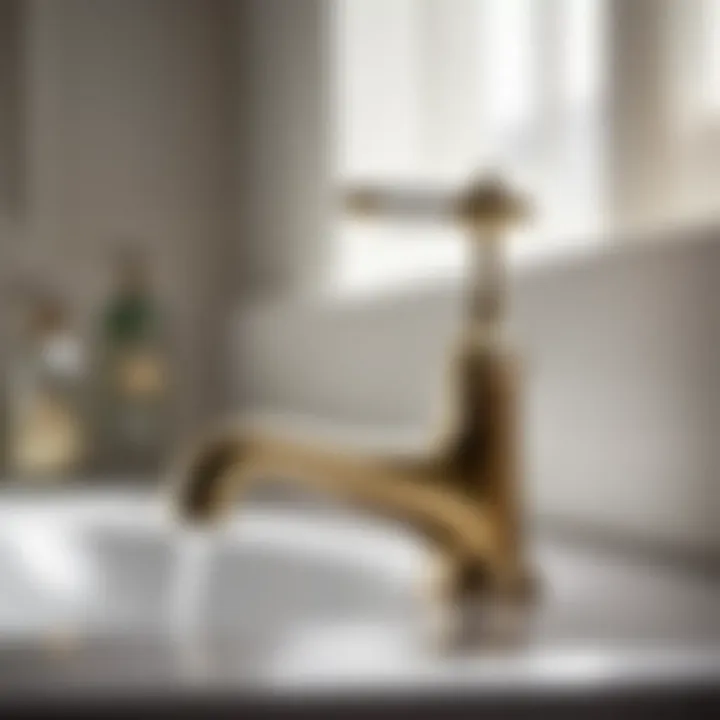
Double handle faucets offer a more traditional look and feel to bathrooms, adding a timeless appeal. Their key characteristic is the separate handles for hot and cold water, allowing for more precise control over water temperature. This design choice is beneficial for those who prefer a classic and tactile experience when using the faucet. However, a potential disadvantage could be that double handle faucets may require more maintenance due to the presence of multiple components that could wear out over time.
Design Variations
Double handle faucets come in a wide range of design variations, from elegant curves to angular geometries, catering to various design preferences. The key characteristic of design variations lies in the diversity of styles available, allowing homeowners to choose a faucet that complements their overall bathroom aesthetic. Choosing the right design variation can significantly impact the visual appeal of the bathroom, making it a focal point or blending seamlessly with the existing decor.
Wall-Mounted Faucets
Space-Saving Advantages
Wall-mounted faucets are an excellent choice for maximizing space in smaller bathrooms or for creating a modern and minimalist look. Their key characteristic is their ability to free up countertop space, providing a sleek and uncluttered appearance. This design is popular among homeowners aiming for a clean and contemporary bathroom ambiance. However, one consideration is that wall-mounted faucets may require additional structural support during installation to ensure stability and prevent future issues.
Maintenance Considerations
Maintaining wall-mounted faucets involves regular cleaning to prevent mineral build-up and to retain their aesthetic appeal. Due to their elevated position on the wall, these faucets may require extra care during cleaning to reach and clean all areas effectively. Additionally, checking for any leaks or loose fittings periodically is essential to address maintenance issues promptly and ensure the optimal functioning of the faucet over time.
Materials and Finishes
When it comes to bathroom faucets, the choice of materials and finishes plays a pivotal role in not only the aesthetics of your space but also the functionality and durability of the fixtures. Selecting the right materials and finishes can truly elevate the look and feel of your bathroom, transforming it from ordinary to extraordinary.
Exploring Material Choices
Chrome
Chrome is a popular choice for bathroom faucets due to its lustrous appearance and durability. Known for its high shine and easy maintenance, chrome fixtures add a touch of sophistication to any bathroom setting. The key characteristic of chrome is its ability to complement a wide range of interior styles, from modern to traditional. Its corrosion resistance and affordability make it a beneficial option for those seeking a sleek and timeless look. While chrome is relatively easy to clean, it may show water spots more easily than other finishes.
Brushed Nickel
Brushed nickel offers a softer, more subtle finish compared to chrome. Its matte appearance resists fingerprints and water spots, making it a practical choice for bathrooms. The key characteristic of brushed nickel is its ability to provide a warm and inviting vibe while maintaining a contemporary feel. Its versatility in blending with various design aesthetics makes it a popular choice among homeowners. However, it may require more maintenance than chrome to preserve its unique texture.
Bronze
Bronze faucets exude a sense of luxury and sophistication, perfect for creating an elegant bathroom ambiance. The key characteristic of bronze is its rich, timeless finish that adds depth and character to any space. Bronze fixtures are favored for their ability to develop a natural patina over time, adding a unique charm to the bathroom decor. While bronze offers a distinct look that ages beautifully, it may require occasional maintenance to prevent tarnishing.
Stainless Steel
Stainless steel faucets are valued for their durability and resistance to corrosion, making them ideal for high-traffic bathrooms. The key characteristic of stainless steel is its strength and hygiene properties, as it is non-porous and easy to clean. Stainless steel fixtures lend a contemporary and industrial vibe to the bathroom, blending well with modern design schemes. While stainless steel is long-lasting and highly functional, it may show fingerprints and water spots more visibly than other materials.
Selecting the Right Faucet
When it comes to selecting the right faucet for your bathroom, it plays a vital role in enhancing both the functionality and aesthetics of the space. Choosing the perfect faucet can truly elevate the overall look and feel of your bathroom. This section will delve into the key elements and considerations essential for choosing the ideal faucet that suits your needs and preferences.
Factors to Consider
Functionality
Functionality is a crucial aspect to consider when selecting a faucet. The functionality of a faucet determines how well it performs its core tasks such as water flow control and temperature regulation. Opting for a faucet with excellent functionality ensures convenience and efficiency in everyday use. The key characteristic of functionality lies in its ability to provide a smooth and easy operation, enhancing the overall user experience. While some faucets may offer advanced features like touchless operation or adjustable flow rates, others focus on traditional functionality with durable materials and precise engineering.
Design Harmony
Achieving design harmony is imperative when selecting a faucet that not only functions well but also complements the overall aesthetic of your bathroom. Design harmony refers to the seamless integration of the faucet's design with the rest of the bathroom fixtures and decor. A well-coordinated design ensures that the faucet blends cohesively with the style and theme of the bathroom, creating a visually appealing and harmonious environment. Whether you prefer a modern, minimalist look or a classic, elegant design, choosing a faucet that matches your style can enhance the overall ambiance of your bathroom.
Budget
Budget considerations are essential when selecting a faucet, as it determines the affordability and long-term value of your investment. While there are faucets available in a wide range of price points, it's crucial to find a balance between quality and cost-effectiveness. Investing in a high-quality faucet that offers durability and performance can prevent frequent replacements and maintenance costs in the future. However, it's also important to stay within your budget constraints and explore options that provide the best value for your money. Balancing quality, features, and cost can help you find a faucet that meets your requirements without overspending.
Installation and Maintenance
Installation and maintenance are pivotal aspects when it comes to bathroom faucets. In this guide, we delve deep into the intricate world of installing and maintaining bathroom faucets, providing invaluable insights to ensure a seamless experience for homeowners.
DIY Installation Tips
When it comes to installing bathroom faucets on your own, meticulous attention to detail is key. Here are some essential tips to facilitate a successful DIY faucet installation:
- Prepare the Workspace: Clear the area around the sink and ensure all necessary tools and materials are readily available.
- Turn Off Water Supply: Before beginning any installation, make sure to shut off the water supply to the faucet.
- Read the Instructions Carefully: Each faucet may have specific installation instructions, so be sure to read and follow them meticulously.
- Secure Properly: Ensure the faucet is securely fastened to avoid any leaks or wobbling.
Cleaning and Care
Maintaining the cleanliness and functionality of your bathroom faucet is crucial for its longevity and efficiency. Here are some insightful tips for cleaning and caring for your faucet:
- Regular Cleaning: Use a mild cleaner and soft cloth to regularly clean the faucet, avoiding abrasive materials that can damage the finish.
- Prevent Build-Up: Prevent mineral build-up by drying the faucet after each use to maintain its original shine.
- Inspect for Leaks: Periodically check for any leaks or drips and address them promptly to prevent any further damage.
Troubleshooting Common Issues
Even the most well-maintained faucets may encounter common issues over time. Here are some common problems and troubleshooting tips to resolve them efficiently:
- Low Water Pressure: Check for any clogs in the aerator and clean it thoroughly to restore proper water flow.
- Leaks: Tighten any loose connections and replace worn-out seals to eliminate leaks.
- Dripping Faucet: Replace the cartridge or O-ring to stop the incessant dripping and maintain water conservation.
By adhering to these DIY installation tips, efficient cleaning practices, and troubleshooting common issues, homeowners can ensure their bathroom faucets remain functional and aesthetically pleasing for years to come.
Latest Innovations
In the realm of bathroom fixtures, staying updated with the latest innovations is crucial, especially in enhancing both functionality and design aesthetics. The 'Latest Innovations' section in this comprehensive guide sheds light on technological advancements that are revolutionizing the way we interact with bathroom faucets.
Smart Faucet Technology
Smart Faucet Technology represents a paradigm shift in the faucet industry, integrating cutting-edge features for convenience and efficiency. Two key aspects under Smart Faucet Technology stand out:
Touchless Operation
Touchless Operation redefines user experience by allowing hands-free usage. The sensor technology detects hand movements, triggering water flow without the need for physical contact. This feature not only promotes hygiene by reducing the spread of germs but also offers convenience in daily use. Despite being a popular choice for public restrooms, touchless faucets are increasingly gaining popularity in residential settings for their unmatched combination of functionality and cleanliness.
Temperature Control
Temperature Control is another pivotal feature that ensures a comfortable and safe user experience. With the ability to adjust water temperature precisely, users can customize their bathing or handwashing experience according to their preferences. This feature is particularly beneficial in households with children or elderly individuals, where maintaining a consistent water temperature is vital. While the benefits of Temperature Control are significant, potential disadvantages may include higher initial costs due to the advanced mechanics and potential maintenance complexities.
Water-Efficient Designs
Embracing water-efficient designs is not just an eco-conscious choice but also a practical one for reducing utility bills. This subtopic explores the importance of incorporating water-efficient faucets in your bathroom spaces. Stay tuned for insights on how these designs achieve optimal water usage without compromising on performance.
Conclusion
In the grand scheme of understanding bathroom faucets, the conclusion serves as the culmination of insights gathered throughout this extensive guide. It encapsulates the essence of why mastering the nuances of bathroom faucets is crucial for both functionality and aesthetics in any bathroom design. By delving into the world of bathroom fixtures and comprehensively exploring different types, materials, finishes, and installation techniques, readers can gain a deep appreciation for the profound impact faucets have on the overall ambiance of a bathroom space. The conclusion emphasizes the significance of selecting the right faucet based on individual needs, preferences, and budget constraints. Furthermore, it underlines the importance of integrating the faucet seamlessly into the existing bathroom decor to achieve a harmonious and visually appealing result, thus elevating the overall bathroom experience to a new level of sophistication and convenience.
Elevating Your Bathroom Experience
The section 'Elevating Your Bathroom Experience' delves into the transformative power of selecting the perfect bathroom faucet that goes beyond mere functionality. It highlights how the right faucet choice can serve as a focal point in the bathroom, enhancing the overall aesthetics and creating a sense of luxury and comfort. By paying attention to design details, such as the finish, style, and operation mechanism, housewives and homeowners can curate a bathroom ambiance that reflects their personality and style preferences. Furthermore, this section explores how investing in innovative features like touchless operation and temperature control can not only elevate the bathroom's functionality but also contribute to a more hygienic and convenient user experience. With an emphasis on water-efficient designs, readers are encouraged to consider the environmental impact of their faucet choice, promoting sustainability and responsible water usage. Ultimately, 'Elevating Your Bathroom Experience' aims to inspire readers to view their bathroom faucet as more than just a utilitarian fixture but as a statement piece that adds both practicality and luxury to their daily routines.