Choosing Small Artwork for Your Bathroom
Intro
Transforming a bathroom into a space that reflects personal taste can sometimes feel like trying to fit a square peg into a round hole. However, one of the simplest yet profound ways to infuse personality is through small artwork. Whether it’s a bold painting, a soothing photograph, or a playful print, selecting the right piece can significantly influence the overall ambiance of your bathroom. The intimate nature of this space often calls for thoughtful consideration regarding aesthetics, moisture-resilient materials, and strategic placement.
As we embark on this journey to select and incorporate small artwork into your bathroom, keep in mind that each element—from colors to themes—plays a crucial role. This guide aims to provide not only practical tips but also insights into how these small additions can create a harmonious atmosphere and elevate your personal sanctuary.
Materials:
Before you start exploring the plethora of options available, let’s get your toolkit ready. Selecting the right materials is paramount, ensuring that the artwork can withstand the moisture and humidity typically found in bathrooms. Below is a comprehensive list of materials you might need:
- Artwork: Choose small pieces (between 8 x 10 inches and 16 x 20 inches) that resonate with you.
- Frames: Opt for water-resistant frames, such as those made of plastic or treated wood, to protect your art.
- Wall Mounting Hardware: Use sturdy hooks or adhesive strips designed for bathrooms.
- Moisture-Resistant Adhesive: If affixing art directly to the wall, choose an adhesive that can defy humidity.
- Protective Coating: For extra security, consider a waterproof spray that safeguards the surface of your artwork.
- Cleaning Supplies: Use a soft cloth and mild cleaner suitable for delicate surfaces to maintain the appearance of your artworks.
DIY Steps:
Crafting a personalized touch in your bathroom is simpler than one might assume. Here’s how to go about it, step by step:
- Select Your Artwork: Evaluate which pieces you're drawn to. This could range from serene landscapes to abstract pieces, dependent on the bathroom's overall theme.
- Choose the Right Locations: Take a good look at the wall space. Consider areas above the towel racks, the back of the door, or even beside the mirror.
- Prepare Your Artwork: If your chosen pieces are on paper or canvas, ensure they are suitably protected. For example, a waterproof sealant can help shield the art from moisture.
- Frame the Artworks: Assemble your frames if needed. Ensure they are securely closed to hold the artwork snugly, preventing it from falling out.
- Mounting: Depending on your preference, either use traditional nail-and-hanger methods or adhesive wall strips. Make sure to check weight specifications; some strips can only hold so much.
Technical Aspects:
A smooth installation relies on proper tools and techniques. Here’s what you’ll need:
- Tools:
- Timing: Setting aside an hour or two should suffice to decide on locations, mount the artwork, and tidy up afterwards.
- Critical Techniques: Applying painter’s tape can help with marking where to drill or nail. Double-check measurements twice to avoid any hiccups.
- Hammer or drill (for nails)
- Level (to ensure straight hanging)
- Measuring tape (to measure wall space)
- Pencil (to mark hanging spots)
DIY Project Process:
Now, let’s delve into how to bring everything together in a streamlined manner:
- Prepare the Wall: Ensure the surface is clean and dry. Any moisture can cause failures in mounting.
- Measure and Mark: Use the measuring tape and pencil to outline where you'd want the top edges of your art to go.
- Drill or Adhere: Proceed with either your hammer or adhesive strips according to the method you choose.
- Hang Your Art: Carefully place your artwork onto the wall mounts and step back to check alignment.
- Finishing Touches: Stand back to admire your handiwork and make any small adjustments necessary for balance or appearance.
Troubleshooting Tips:
While this process may seem straightforward, a few common pitfall pop-ups:
- If the artwork feels loose, double check the mounting hardware.
- If humidity causes damages over time, consider updating to a more moisture-resistant frame.
- If colors clash with your decor, don't hesitate to swap out pieces; it’s all about finding the perfect fit.
Choosing and displaying small artwork in your bathroom can significantly impact its character, transforming this essential room into a reflection of your personal style. With the right materials and a bit of guidance, your artwork can flourish in an environment that celebrates unique design.
Prolusion to Small Artwork in Bathrooms
When it comes to bathrooms, many people overlook them as places where art belongs. Yet, the significance of small artwork in these intimate spaces cannot be understated. A bathroom is not just a functional area; it is a retreat where individuals often find a moment of peace. Therefore, small pieces of art can bring a touch of personality and relaxation into this often-neglected domain.
Adding artwork to your bathroom does more than enhance visual appeal; it creates a holistic experience. Picture this: stepping out of the shower and being greeted by a vibrant landscape or an exquisite abstract piece that ignites your senses. Such elements can introduce warmth, color, and character. This is particularly valuable in small spaces, where every inch counts. A well-placed artwork can turn a sterile and drab environment into an inviting sanctuary.
Key Benefits of Small Artwork in Bathrooms
- Personal Touch: Using artwork allows homeowners to express their personality and preferences. Whether it’s a cherished memory, a family photograph, or a piece that evokes fond feelings, these elements turn a bathroom into a reflection of oneself.
- Aesthetic Appeal: The right artwork can soften the overall look of a bathroom, making it feel less clinical. It balances the hard surfaces commonly found in these spaces, such as tiles and fixtures, creating warmth and visual interest.
- Mood Enhancement: The emotional impact of art should not be underestimated. Certain colors and images can uplift spirits or calm nerves. Imagine how a serene landscape can alleviate stress after a long day, transforming your bathing ritual into a mini getaway.
However, choosing artwork for a bathroom requires consideration of several factors. Moisture is a critical element for any artwork in these environments. Without adequate forethought, a beautifully crafted piece could succumb to water damage. Specifically curated materials, like those resistant to humidity, can make all the difference. Additionally, ensuring that the size of the artwork complements the space is essential. A small masterpiece might get lost on a vast wall, while an oversized piece could overwhelm a tiny nook.
In this article, we will dive deeper into these considerations and discuss various styles, materials, and best practices for selecting small artwork that not only beautifies but also lasts in your bathroom setting.
Including artwork in your bathroom elevates the space from merely functional to a soothing retreat.
Understanding the Importance of Art in Bathrooms
When it comes to interior design, we often think about larger spaces like living rooms or bedrooms, but bathrooms hold their own unique charm and character that shouldn't be overlooked. The importance of adding artwork in bathrooms resides not only in sprucing up what can sometimes feel like a utilitarian space, but in the deeper emotional, psychological, and aesthetic benefits it brings.
Emotional Impact of Art
Art in a bathroom can act as a gentle reminder to pause and take a breath, especially in a world that often feels rushed. A beautifully framed photograph or an abstract piece can draw the eye and invite contemplation. Imagine stepping into the bathroom just to wash your hands, only to pause and appreciate a serene landscape or a vibrant pop of color on the wall.
Beyond aesthetics, certain pieces can evoke memories or inspire calmness. For instance, a piece depicting a tranquil ocean scene might transport you to a favorite vacation spot, infusing daily routines with a sense of peace and relaxation.
- Art as a mood enhancer: Color and form can affect our emotions; a sunny yellow painting can wake up the senses, while deep blues might instill serenity.
- Personal connections: Choose pieces that reflect sentiments or stories to you personally, making the bathroom a more nurturing space.
Art as a Reflection of Personal Style
Every piece of artwork you hang tells a story—your story. The choices made in selecting artwork can reflect aspects of your personality, interests, and styles. This reflection carries weight in a space like a bathroom, which can often feel disconnected from personal decorative styles found in other rooms.
By integrating art that resonates with you, the bathroom can become a space that mirrors your tastes, no matter how eclectic or traditional they may be. Here are considerations to keep in mind when selecting art for your bathroom:
- Styles can vary: From contemporary pieces showcasing modern interpretations to traditional art that exudes timeless elegance, what you choose should bridge the gap between form and function.
- Colors should complement: Ensure that the colors in the artwork break up monotony or tie in nicely with existing tiles and fixtures. This cohesion enhances the overall bathroom experience.
- Subject matter matters: Select themes that evoke joy or remind you of positive experiences—this could be travel photos, floral paintings, or even abstract works that elicit a sense of curiosity.
"Art enables us to find ourselves and lose ourselves at the same time."
– Thomas Merton
Selecting the Right Style
Choosing the right style of artwork for your bathroom is crucial. This seemingly simple decision can elevate the overall aesthetic and feel of your space, transforming a functional room into a sanctuary of relaxation. Style impacts how you perceive the space and interacts with the existing décor. When selecting art, consider how it resonates with your personal taste, harmonizes with bathroom elements, and enhances the room's atmosphere.
Contemporary Choices
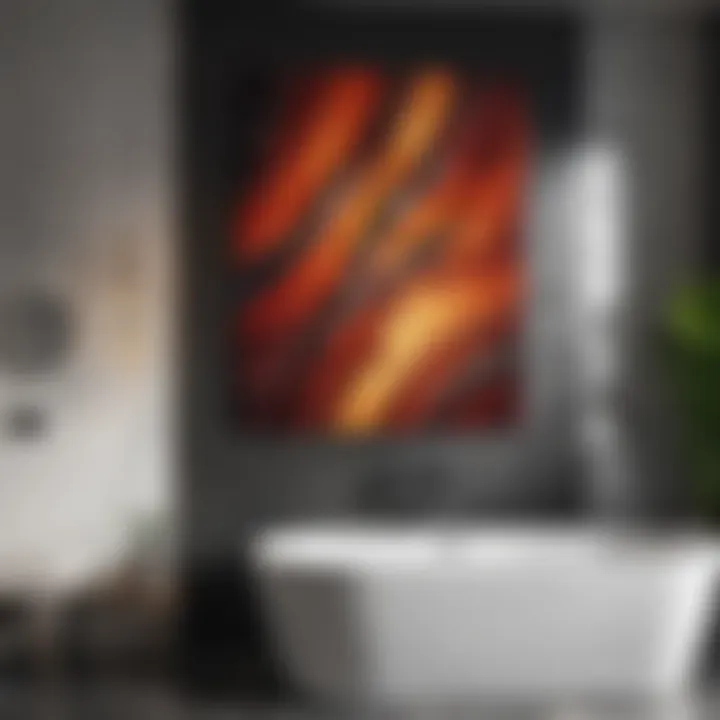
Contemporary art is characterized by its modern aesthetics and vibrant expressions. It often incorporates striking colors and abstract forms that suit a sleek and minimalist bathroom environment. Choose pieces that evoke emotion or provoke thought without overwhelming the senses; a large abstract print above a sleek faucet can create a stunning focal point. Look for artworks made of materials that stand up to moisture, like prints behind glass or framed pieces with sealed surfaces.
Consider these elements when selecting contemporary art:
- Simplicity of Lines: Geometric designs can add a crisp finish.
- Bold Color Palettes: Bright hues can enliven drab spaces.
- Innovative Materials: Metal, acrylic, and sealed canvases thrive in humid settings.
In contemporary choices, be sure to express your personality. Perhaps a piece from a local artist reflects your community spirit or a bold blue splash mirrors your desire for tranquility.
Traditional Artworks
The charm of traditional artworks lies in their timeless elegance. From classic landscapes to romantic still lifes, these pieces often tell a story rooted in history. When integrating traditional art into your bathroom, look for paintings or prints that complement vintage decor or antique fixtures.
Key considerations for traditional artworks:


- Frame your Space: Highly ornate frames can enhance the vintage vibe of the bathroom.
- Subject Matter: Floral prints or serene nature scenes create a calming atmosphere.
- Soft Color Tones: Subdued colors can provide an inviting and relaxed feel.
In a small bathroom, opt for smaller pieces that pack a punch—perhaps a trio of botanical prints can capture attention without overcrowding the walls.
Eclectic Selections
If your style leans toward the diverse and unconventional, an eclectic approach might suit your bathroom best. This aesthetic allows for a mix of various styles and mediums, creating a vibrant and unique statement. Consider blending old and new, from thrift store finds to contemporary designs.
When exploring eclectic selections:
- Mix and Match: Combine various textures and frames; don’t be afraid to contrast.
- Personal Memorabilia: Add personal touches, like framed photographs or travel mementos, which breathe life into the space.
- Visual Balance: Keep attention to how different pieces relate; aim to create harmony amid chaos.
"Every bathroom can be a gallery—each piece selected with care can reflect your journey and personality."
Materials and Durability Considerations
When it comes to selecting small artwork for bathrooms, considering the materials and their durability is essential. Bathrooms are unique spaces characterized by high humidity, fluctuating temperatures, and frequent exposure to moisture. This environment can be tough on artwork, potentially leading to damage and deterioration over time. Therefore, understanding how different materials respond to moisture is crucial in ensuring that chosen pieces maintain their aesthetic appeal and integrity.
Choosing the right materials not only guards against wear but also enhances the overall functionality and longevity of the artwork. Moreover, the types of materials you opt for can have a significant impact on the style and ambiance of the bathroom. A thoughtful approach towards materials can elevate the design, making it cohesive while ensuring practicality.
Avoiding Water Damage
Water damage can ruin artwork in the blink of an eye. To minimize this risk, it's vital for homeowners to consider a few tips:
- Placement Matters: Avoid hanging artwork near sources of water, like sinks and showers. Instead, opt for dry areas that don't frequently have water splashed on them.
- Use Protective Features: Frame pieces with glass or use moisture-resistant coatings to offer an extra layer of protection.
- Ventilation: Ensuring proper ventilation in the bathroom can reduce humidity levels, which helps in maintaining the condition of your artwork.
By integrating thoughtful strategies, you can keep your art safe from the perils of humidity.
Best Materials for Bathroom Artwork
Metal
Metal artwork stands as a popular choice for bathroom decoration due to several reasons. First, its durability is well-suited for the moist environment. Unlike canvas or paper, metal doesn’t absorb water, making it resistant to damage from humidity. A unique feature of metal art is its capacity to reflect light, which can create a striking play of shadows and highlights. This not only adds depth to the space but also enhances the overall aesthetic.
However, one must be cautious about using unsealed metal, as rust can develop in very damp conditions. A protective coating is essential, yet this does not overshadow the fact that metal offers a modern and elegant vibe to bathrooms.
Acrylic
Acrylic is another excellent option for bathroom artwork. It is lightweight and shatter-resistant, making it less prone to breakage. One key characteristic of acrylic is its ability to mimic the look of glass while being more flexible and affordable. It comes in various colors and styles, providing ample choices for homeowners.
Unlike glass, acrylic does not fog easily, making it suitable for humid environments. However, it can scratch more easily than other materials, so care must be taken during cleaning. Using a soft cloth and mild cleaner helps preserve its clarity while maintaining its appeal in a bathroom setting.
Canvas with Sealer
Canvas artwork can bring warmth and texture to a bathroom, but not all canvases are ideal for such settings. The option of using canvas that has been treated with a sealer is crucial. The sealer protects the artwork from moisture damage and helps elongate its lifespan.
One distinct advantage of canvas with sealer is the variety of designs and artistic expressions available. From serene landscapes to abstract compositions, there's something for every taste. However, despite the added protection, such pieces should still be kept away from direct water exposure to ensure their preservation.
In summary, selecting the right materials for bathroom artwork is a multi-faceted consideration that includes understanding durability, maintenance, and design aesthetics. By choosing wisely, small artwork can become a focal point, enhancing the elegance and personal touch of your bathroom.
Optimal Placement Strategies
When it comes to adorning your bathroom with artwork, thoughtful placement can be the cherry on top of your design endeavor. The right piece not only elevates the aesthetics of the space but also enhances the overall atmosphere, especially in smaller settings where every inch counts. Knowing how to strategically place small artwork can make a world of difference.
One primary consideration is the visibility of the art. Ideally, artwork should be hung where it can be easily seen and appreciated. This often translates to eye-level positioning, which generally aligns with the average person's sightline. Hallways or above sinks are perfect spots for small pieces, as they invite interaction without overwhelming the space. But don’t forget: going too high loses that connection, and going too low can disrupt the flow of the bathroom's design.
The Benefits of Thoughtful Placement
- Creates Focal Points: A carefully chosen spot can draw the eye instantly, making it one of the first things someone notices in your bathroom.
- Enhances the Mood: Depending on the artwork’s subject and color, it can evoke relaxation, inspire creativity, or simply leave an impressive impact.
- Increases the Sense of Space: Strategically placed art can give the illusion of depth or height, making the bathroom feel larger than it is.
In summary, the way you position artwork can amplify its intended effect, so take a step back and view the space holistically.
Height and Visibility
Understanding the relationship between height and visibility is critical. Nobody enjoys craning their neck or squinting to admire a piece of art. Aim for a height of about 57 to 60 inches from the floor for the center of your artwork, a standard approach that works well for many spaces. If you are hanging multiple pieces, consider placing them in a linear arrangement with equal spacing to maintain a cohesive look.
Nonetheless, the specific height can vary depending on the audience. If your bathroom caters mainly to children, for instance, consider shifting your artworks lower so that they're accessible to inquisitive little hands.
Grouping and Arrangement
Grouping multiple pieces creates a gallery-like effect and can make a more significant statement. It can transform an otherwise plain wall into a captivating narrative tapestry. However, there are some best practices that can help make your arrangement sing:
- Choose a Theme: Select artwork that complements each other in terms of color palette, style, or subject matter. This connection fosters harmony.
- Vary the Sizes: While uniformity can be pleasing, mixing different sizes adds visual intrigue. Consider a large central piece flanked by smaller ones.
- Balanced Layout: Ensure that the arrangement is balanced but not necessarily symmetrical. A staggered effect can bring dynamic energy to the display.
For example, an arrangement of three pieces could surround a mirror, framing it nicely while simultaneously providing context to the reflective surface. Remember, too much clutter can cloud the overall aesthetic, so gauge your choices wisely.
"Art is not what you see, but what you make others see."
Color Schemes and Their Effects
When it comes to decorating a bathroom, one often overlooked aspect is the color scheme. Color can dramatically alter how a space feels and functions; it influences moods and can even affect our perception of the available space. Small artworks can serve as pivotal elements of this narrative. The right colors can tie everything together or set a completely different tone for a bathroom, transforming it from a mundane area into a sanctuary. Therefore, considering color schemes in small artwork selection is not just a matter of aesthetics—it's about creating an overall atmosphere that resonates with the user.
Harmonizing with Existing écor
To achieve a harmonious look, it’s crucial to consider the existing colors and materials already present in the bathroom. Take stock of the walls, fixtures, and any predominant hues in tiles or other surfaces. For example, if a bathroom features cool shades of blue and white, incorporating similarly toned artwork—perhaps something in soft aqua or subtle indigo—can create a seamless flow. Simultaneously, one might opt for warmer accents if the bathroom ambiance leans rustic, such as terracotta, earthy greens, and warm cream.
"When art aligns with the existing color scheme, it fosters a sense of unity and peace, making the space feel more composed and inviting."
A few practical ways to harmonize artworks with your décor include:
- Choosing the Right Frames: Pick frames that match or complement the finishes of your bathroom fixtures.
- Color Balance: If your bathroom already has strong color elements, select artworks that either play off those colors or offer a soft contrast without overwhelming the space.
- Small Accents: Think about how even tiny splashes of color from your artwork can enhance or soften existing tones within the room. Incorporating these accents can create focal points without being too overbearing.
Creating a Theme with Color
Color can also be a powerful theme conductor within a bathroom space. Establishing a coherent color palette not only streamlines the visual experience but also enhances one’s emotional connection to the environment. For instance, if you aim for a nature-inspired retreat, selecting artworks in shades of green and brown can mimic the outdoors, making one feel more at ease. Conversely, for a contemporary look, bold colors like reds or vibrant yellows mixed with monochromatic elements can add that modern flair.
Some practical aspects to consider when creating a color-themed space include:

- Mood Setting: Determine what atmosphere you want to create. Soft pastels can promote calmness, while bright colors can energize the space.
- Theme Consistency: Ensure that all pieces of art, as well as decor, are somehow interconnected through this color theme, preventing a chaotic look.
- Texture and Materials: Different materials reflect colors in unique ways. A glossy metal will reflect colors differently than a matte canvas. Understanding these nuances can amplify or soften the colors intended.
By mindfully selecting colors and art pieces that harmonize with your bathroom's overall design, you establish an aesthetic that not only enhances the space visually but also transforms it into a comforting retreat, a reflection of personal style and taste.
Incorporating Functional Art
In the quest to enhance the aesthetic appeal of bathrooms, incorporating functional art has emerged as a vital consideration. This approach transcends mere decoration; it integrates utility with beauty. Functional art transforms everyday objects into visually intriguing pieces that perform a purpose while adding to the overall atmosphere of the space.
When selecting functional artwork, the key is to consider how these pieces serve a dual purpose. For instance, a towel rack designed with artistic flair not only provides storage but also acts as a conversation starter. Similarly, a decorative shower caddy can infuse personality into routine practices. Functionality does not sacrifice artistry; instead, it enhances it, creating an environment that speaks to both form and function.
Artistic Storage Solutions
Artistic storage solutions are an excellent way to merge creativity with practicality in bathrooms. Consider choosing shelves that feature unique designs. Floating shelves made from reclaimed wood can evoke a rustic feel while serving as platforms for decorative items. Alternatively, opt for staggered shelving that provides varying heights, allowing for a playful display of toiletries or small plants.
Moreover, storage bins and baskets can be stylishly selected to support your bathroom’s theme. Wicker baskets can lend a casual, beachy vibe while wire baskets bring in an industrial touch. This blending of function and aesthetics not only declutters the space but also invites visual interest through texture and style.
Integrating Artwork with Accessories
Integrating artwork with bathroom accessories creates a seamless and sophisticated look. This can be accomplished by selecting accessories that complement the chosen artwork. For example, if you have a vibrant painting with shades of teal, consider coordinating towels and bath mats to reflect those colors. The harmonious color palette pulls the space together, creating a cohesive design.
Another way to intertwine artwork with accessories is through themed arrangements. If your bathroom features a nautical theme, consider artwork that showcases marine life. Accompany it with related accessories, like anchor-shaped hooks and seashell soap dishes. This not only personalizes the space but also invites a whimsical atmosphere that enhances the bathing experience.
Incorporating functional art in bathrooms enriches the environment, making it both personalized and practical. By thoughtfully selecting storage solutions and integrating artwork with accessories, homeowners can create a harmonious and visually appealing oasis.
"Art is not what you see, but what you make others see." - Edgar Degas
By understanding these elements, you can elevate your bathroom into a space that reflects personal style and functional artistry.
Art in Small Spaces
In the world of interior design, the bathroom often gets pigeonholed as a purely functional area. Many overlook the potential that exists in these compact spaces. This is where art can step in, turning a mere washroom into a personal haven. Small bathrooms, by nature, come with their own challenges—limited wall space, tricky lighting, and the ever-present humidity. However, embracing the art in these tight quarters can lead to transformative outcomes.
When considering art for a bathroom, the importance doesn't merely hinge on aesthetics. It can vastly enhance the emotional resonance of your surroundings. Imagine stepping into a serene oasis rather than a sterile enclave. This emotional uplift can be achieved through the careful selection and placement of small artwork. The little touches you add resonate on multiple levels, infusing your daily routine with joy and inspiration.
The benefits of integrating art into small bathrooms are multifold. For starters, art serves as a focal point that draws the eye and engages attention, thereby creating a sense of depth despite spatial limitations. It can also help express individuality, turning a mundane space into a reflection of your personal style. Framing a small canvas of abstract shapes over the sink or hanging a delicate metal piece beside the mirror can add personality without overwhelming the senses.
Considerations include selecting pieces that fit the room's scale and style. An oversized painting could misalign with the space, creating a cluttered or disengaged feeling. Instead, opt for smaller artwork that complements the overall design—be it contemporary, vintage, or something in between. Additionally, durability should be a top priority; art chosen for a moist environment must withstand potential water exposure and humidity fluctuations. This points towards selecting materials that can stand the test of time.
Maximizing Impact with Minimal Work
Maximizing the impact of art in small spaces doesn't have to be a Herculean task. You don't need a complete overhaul of the bathroom to make a statement with a few carefully placed pieces. One great approach is to focus on a single highlight. A small, eye-catching artwork can serve as conversation starter without dominating the room.
Some practical ways to achieve this include:
- Layering textures: Combining different art materials, such as a wooden frame with a glass-topped float frame, can add depth.
- Utilizing wall corners: These often-overlooked spaces can be fantastic spots for unique wall hangings, thereby drawing the eye up.
- Vertical placement: Hang artwork at eye level to create a sense of openness. When people enter the bathroom, their gaze is naturally drawn first to the artwork rather than the size of the room itself.
Focusing on fewer items allows each piece to stand on its own, enhancing its significance and allure.
Choosing Smaller Yet Significant Pieces
When it comes to bathrooms, the size of artwork matters, but so does impact. Smaller pieces can be just as powerful as larger artworks, especially when they encapsulate something meaningful. In this regard, it’s crucial to ask yourself what story you want your art pieces to tell.
For example, consider selecting works that have special significance, such as:
- Family photographs in unique frames: These personal touches can evoke nostalgia.
- Miniature landscapes or nature scenes: Perfect for those who find solace in nature, even in bathroom breaks.
- Small motivational quotes: Ideal for lifting spirits and inspiring positive thoughts during daily routines.
By choosing pieces that resonate with personal stories or emotions, their effect is amplified, regardless of size. The idea is not just to fill the space; it’s to create an environment that encourages positive energy in every inch. In this way, art can turn a charming little corner into a poignant expression of self.
Art, even in tiny formats, can shift perceptions about a space, moving it from commonplace to extraordinary.
The Role of Texture
When it comes to selecting small artwork for bathrooms, texture serves as a vital yet often overlooked component. It goes beyond merely adding a visual layer; texture has the ability to amplify the emotional atmosphere of the space. For instance, a smooth, glossy artwork can impart a modern vibe, while a piece with a rough, tactile surface may evoke warmth and coziness. Understanding how texture interacts with elements like light and color is key to elevating your bathroom’s aesthetic.
Texture not only contributes to the visual appeal but also affects the overall mood and feel of the environment. As bathrooms tend to be smaller, introducing varied textures can create a sense of depth. Thus, diversifying the surfaces in your artwork can make the space feel more inviting and layered, rather than flat or one-dimensional.
Adding Depth to the Space
Depth can significantly enhance the perception of space in a bathroom. Small artworks, when chosen with texture in mind, can trick the eye into seeing more than what is actually there. For example, a canvas with an impasto technique — where paint is laid thickly to create a three-dimensional effect — can add drama and invite touch. This kind of piece, placed strategically, can draw attention and add dimension, providing a talking point for guests while making the room feel alive.
Think about layering textures, like pairing a rope-style wall hanging with a glossy framed print. These combinations create contrasting visual perspectives which can be so refreshing. Also, don’t shy away from using framed mirrors or textured tiles as a backdrop to your art; these can dramatically enhance the texture qualities of the framed pieces, giving them more relevance and resonance in the space.
Contrasting Surfaces for Visual Interest
Creating visual interest is fundamental in small spaces, and contrasting surfaces play a key role. This involves mixing various materials in your bathroom artwork to capture attention and keep the gaze active. For instance, a sleek metal sculpture can provide a stark contrast to a soft canvas painting, making both pieces stand out even more in the bathroom setting.
Using materials like glass, metal, or distressed wood for artwork can juxtapose beautifully against typically smooth bathroom surfaces such as tiles or porcelain fixtures. Consider placing a framed print on a textured wall or hanging a handmade fabric piece against a ceramic tile backdrop. This not only keeps things interesting but makes the art feel like a dynamic part of the bathroom experience rather than merely an accessory.
"When you play with contrasting surfaces, you breathe life into mere visuals. It’s all about evoking curiosity and interest!"
In summary, incorporating texture into bathroom art is no small feat; it requires consideration and creativity. By adding depth through layered textures and playing with contrasting surfaces, you’ll significantly boost the charm and sophistication of the space, turning it from a necessity into a stylish sanctuary.
Maintenance of Bathroom Art
Maintaining the artwork in your bathroom is not just a matter of hygiene; it's about preserving the beauty and integrity of these pieces that contribute to the atmosphere of the space. Art can dramatically transform the ambiance of a bathroom, making it a sanctuary rather than just functional space. However, due to the unique environment of a bathroom—characterized by high humidity and the potential for water exposure—special attention to maintenance is paramount. Regular upkeep ensures that your chosen art continues to inspire and elevate your daily routine, rather than becoming a source of frustration.
Cleaning Techniques
Cleaning might seem straightforward, but different materials used in artwork require varied approaches. Here are some techniques tailored for specific types of art:
- Framed Art: For framed pieces, dusting them regularly helps maintain their clarity. Use a soft, dry microfiber cloth. If the glass is dusty, slightly dampen the cloth with a mixture of equal parts vinegar and water for safe cleaning.
- Canvas Prints: While canvas may seem durable, its textured surface can trap dust. Lightly vacuuming with a brush attachment or gently tapping the canvas with a soft cloth can do wonders. Avoid using water directly on the canvas; a dry approach is the best policy here.
- Metal Art: Wipe down metal pieces with a mild soap solution followed by a rinse of clean water, then dry them promptly. This prevents any moisture from causing rusting or tarnishing.
"Regular and proper maintenance not only keeps your art looking its best but also prolongs its life, ensuring that it continues to enhance the serenity of your bathroom."
Adapting your cleaning regimen based on the materials used will help you keep the artwork fresh and inviting.
Protecting Against Moisture

Bathrooms are notorious for their moisture-laden atmosphere, and protecting art in these conditions is essential for durability. Here are some smart strategies to defend against moisture:
- Sealants: Use a polyurethane spray to seal canvas art, as this can create a protective layer against humidity. Ensure that this is compatible with your art's material.
- Dehumidifiers: Consider placing a small dehumidifier in the bathroom, which can significantly reduce the overall moisture levels, protecting all items within the space from potential water damage.
- Placement Choices: Be mindful of where you hang your art. Avoid areas directly adjacent to the shower or bath, where water exposure is at its highest. Instead, opt for corner walls or areas with lower traffic to avoid potential splashes.
Each of these points will help in ensuring that your art remains the focal point it was meant to be, bringing joy and inspiration every time you step into your bathroom.
Local Artisans and Sourcing Options
Choosing small artwork for bathrooms isn't just about aesthetics; it opens a door to community involvement and personal stories. Local artisans can provide pieces that resonate far beyond the mere visual. The journey of sourcing from local creators brings you closer to the art and enhances the narrative you wish to portray in your private space. Here, the focus is on the unique expressions and personalization that local art can offer, elevating those small wall spaces into dynamic conversations.
Finding Unique Pieces
One of the most fulfilling aspects of sourcing from local artisans is the chance to discover unique pieces that tell a story. Unlike mass-produced decor, these artworks carry with them the nuances of their creator. When you walk through a local art fair or browse shops featuring regional work, you are likely to encounter one-of-a-kind creations that encapsulate the spirit of your community.
- Personal Touch: Artworks made by local hands often reflect local culture, lore, and the context of the region—be it subtle colors, particular themes, or specified techniques that embody the area’s aesthetics.
- Variety: From painting to small sculptures, finding something unique is much easier in local markets, as artisans often experiment with materials and styles.
- Story behind the Piece: Engaging with the artist gives you insight into the creative process and intent behind the artwork.
By incorporating these unique pieces, your bathroom transforms into a curated showcase that mirrors your personal taste and local pride, while offering a connection to the community.
Supporting Local Talent
Buying art from local artisans isn't merely a shopping choice; it's a way to bolster your community. Many times we look for options on the internet, mindlessly scrolling through endless pages. Instead, consider the impact of your purchase. Supporting local talent not only fuels their creative endeavors but also plays a vital role in sustaining local economies.
- Community Growth: When you invest in local artisans, you contribute to the growth of the arts community in your area.
- Job Creation: Your support can directly aid artisans, allowing them to hire assistants or expand their creative spaces.
- Cultural Preservation: By purchasing local art, you help keep the traditions and techniques of your area's craft alive.
As you fill your bathroom walls with small masterpieces, you are not just decorating; you're engaging in a communal effort to uplift and celebrate local culture. Remember, the next piece of art you choose within your home could be a reflection of the rich tapestry of creativity that surrounds you.
Art Insurance Considerations
Art insurance is a topic often overlooked, especially in the context of small artworks for bathrooms, yet it carries substantial importance. As these pieces add charm and warmth to one of the most personal spaces in your home, protecting them becomes vital. Artworks, no matter how small, can possess significant value—not only in monetary terms but also in emotional and aesthetic appreciation. Beyond affecting your home's atmosphere, these pieces may represent personal memories or artistic journeys.
Choosing to insure your bathroom art can provide greater peace of mind. It guards against potential damages, be it from unexpected incidents like flooding or from wear and tear over time, which is quite common in moisture-heavy environments. Understanding how to properly cover your collection is essential, ensuring that, should the worst happen, you won't find yourself facing a hefty cost alone.
Evaluating Value for Insurance Purposes
To effectively insure your artwork, the first step is a thorough evaluation. The value may not always be straightforward—some pieces may hold sentimental worth far beyond their market price. Consider the following when determining your artwork's value:
- Provenance: If your art piece has a story, perhaps a unique acquisition or a well-known artist, it can significantly influence its financial value.
- Market Trends: Research similar pieces to understand their selling price—this provides a benchmark.
- Expert Appraisal: Consulting with an art appraiser can offer professional insights, underscoring the piece's worth based on factors that might not be visible to you.
Each of these elements contributes to crafting an accurate picture of your artwork's value. Knowing this helps inform your insurance policy, potentially preventing under-insurance or over-insurance down the line.
"Insurance is not about just protecting material possessions, it’s about safeguarding the memories and stories attached to them."
Protecting Your Investment
Once you've gripped the value of your artwork, the next step is safeguarding that investment. Here are some considerations to keep in mind:
- Policy Selection: Choose an insurance policy that suits your needs. While blanket plans cover multiple items, specific art coverage may offer tailored protection for valuable pieces with high appraised value.
- Documentation: Keep records, including photographs and appraisals, of your art. Having this documentation on hand can streamline claims should you ever need to utilize your policy.
- Regular Check-ups: Review your policy regularly. As your collection grows or the value of your artwork increases, updating the insurance will ensure that you're adequately protected.
By taking these steps, you preserve not just the art itself but also the stories and emotions tied to each piece. With the right insurance in place, you can enjoy your bathroom artworks without worry.
Cultural and Historical Influences on Bathroom Art
Art in the bathroom is not just about pretty pictures to fill an empty wall; it's a form of expression that draws from various cultures and historical backgrounds. Understanding the cultural and historical influences on bathroom art can help homeowners appreciate the pieces they choose while imbuing their spaces with deeper meaning.
A bathroom reflects more than just modern convenience; it's a sanctuary, a retreat within the home. When selecting artwork for this intimate setting, home dwellers should think about how diverse themes from around the world can bring warmth and personality to the space. The aesthetic choices made can echo particular cultural elements that resonate with the individual, making the space feel more like home.
Exploring Global Themes
When exploring themes from around the globe, think about the stories told and the connections formed through art. For instance, Japanese ink paintings often evoke tranquility through their minimalist approach and attention to nature. Integrating such art into a bathroom not only beautifies the area but invites a sense of calm that aligns with the relaxing escapism traditionally associated with bathrooms.
On the other hand, African tribal art, with its vibrant colors and geometric patterns, brings a spirited energy to the bathroom. This type of artwork can energize the viewer and provoke thought, sparking conversations among guests. Choosing artwork from diverse backgrounds can enrich the aesthetic experience and can be a clever way to showcase one’s travels or appreciation for different cultures.
Here are a few considerations when looking for global themes:
- Cultural Relevance: Ensure the artwork truly resonates with you or your family's story.
- Color Palette: Consider how the colors in the artwork complement or contrast with existing bathroom decor.
- Symbolism: Many cultures infuse deep meanings into their art; understanding these meanings can enhance the connection to the piece.
Impact of Historical Movements
The brushstrokes of the past aren't just confined to the canvas; they speak through time, influencing modern choices in art for the bathroom. Historical movements contribute rich narratives that can enhance the charm of small artworks. For instance, impressionist paintings can lend a serene vibe with soft color palettes that mimic natural light, perfectly suited for the reflective ambiance of a bathroom.
Renaissance art offers another compelling option; the focus on beauty and anatomical accuracy creates striking visuals that stand the test of time. Consider using prints influenced by artists like Botticelli or Raphael, as their works often embody classical beauty and elegance.
Here are a few historical movements to consider when selecting bathroom artworks:
- Impressionism: Soft colors and nature themes.
- Modernism: Geometric shapes and abstract representation, providing a contemporary edge.
- Renaissance: Evocative portraits, embodying rich detail and depth, elevating the space.
"Art should comfort the disturbed and disturb the comfortable."
This phrase neatly encapsulates how art has the power to affect moods and provoke thought, even in the most private spaces like a bathroom.
Incorporating culturally inspired and historically significant artwork in your bathroom is more than a design choice; it's a way to reflect a deeply personal narrative while adding sophistication to the space. Consider the influences of different cultures and eras as you make your selections, and soon your bathroom can transform into a gallery of both modern living and timeless tradition.
Final Thoughts on Small Bathroom Art
When it comes to transforming your bathroom into a personal sanctuary, the selection of small artwork plays a crucial role. This space, often overlooked in traditional design discussions, presents an opportunity for creativity and self-expression. By choosing the right pieces, you not only enhance the aesthetic appeal but also cultivate an atmosphere that resonates with your unique style.
One significant element to consider is how artwork can personalize your space. Small pieces can serve as a focal point or as subtle accents, drawing attention without overwhelming the room. You might opt for bold colors or minimalist designs based on your personality and existing décor. The choices you make can reflect your journey, interests, or even a narrative that breathes life into an otherwise utilitarian space.
Moreover, another pressing aspect in the world of small bathroom art is its durability, especially considering the unique challenges posed by moisture and humidity. Selecting the right materials—such as acrylic or sealed canvas—ensures that your art withstands the rigors of a busy bathroom while remaining visually striking. It’s essential to think about how each piece will age in such conditions, as the right artwork can evolve with your home.
"Art resonates with us in ways that mere decoration does not. It's a reflection of who we are."
Personalizing Your Space
Personalization is at the core of turning any bathroom into a space that feels uniquely yours. While functionality is paramount in this environment, the materials and styles of your artwork can also promote a sense of comfort and individuality. Consider incorporating pieces sourced from local artisans—this not only brings character into your bathroom but also supports the community. Your chosen artwork can convey your passions, be it a calming watercolor of nature or a vibrant piece capturing urban life.
Additionally, experimenting with placement can make a world of difference. Think about how high or low you hang pieces in relation to mirrors and fixtures. A small sculpture on a countertop could complement the overall style while a framed piece above the towel rack can draw the eye upward, creating a sense of height. As bathrooms often contain a lot of functional elements, integrating art into these features fosters an inviting atmosphere.
The Future of Art in Bathrooms
Looking ahead, the role of art in bathrooms is set to evolve alongside design trends. As more homeowners recognize the importance of every room, including bathrooms, we can expect a shift towards bolder choices and innovative applications. Technology could also play a part in how we experience art in these spaces. Imagine artwork that changes with the seasons or shifts in light via digital screens or smart technology, creating a dynamic interaction with the space.
The future might also see an increase in sustainable materials being used for both artwork and its installation. Eco-friendly options may not only mitigate environmental impact but also appeal to a growing demographic of homeowners concerned with sustainability. Integrating art into sustainable practices fosters a greener approach while allowing for stylistic expression.
Ultimately, small bathroom art is not just a decoration; it's a means to foster connection and reflection. As you contemplate your choices, remember that each piece offers a glimpse into your personality and the lovely chaos of everyday life.