
Revolutionizing Laundry: From Bathtubs to Washers


Intro
Transforming how we approach our laundry space brings a wave of practicality into our homes. Gone are the days when bathtubs served dual purposes; nowadays, the focus lies on efficiency and convenience. This shift illustrates more than just a change in appliance; it reflects our evolving lifestyles and design philosophies.
The historical role of bathtubs has been fraught with cultural significance, often serving as the centerpiece in many homes, but today's fast-paced life demands something different. With more people seeking functional spaces, it's only natural to replace the traditional with modern washing machines and dryers that cater to our daily needs.
Imagine leveraging the space you have, allowing for better organization while championing water conservation. Each choice you make in transforming your laundry area is a step towards a more efficient home. In this journey, we will navigate the practical materials needed, step-by-step instructions, the technical nuances, and the overall process to make this transition seamlessly.
This exploration will illuminate how to capitalize on square footage, push for sustainable living, and curate a space that adjusts to your lifestyle. So, gear up as we embark on this practical transformation of your laundry space.
Preamble to Home Appliances
Understanding home appliances is fundamental to appreciate the significant changes they bring to daily living, particularly in the context of our laundry routines. With the transition from bathtubs to washers and dryers, one can see how advancements in technology touch upon not just convenience but the overall efficiency in household chores. This section explores the historical significance and growing relevance of modern appliances, providing a backdrop against which we can evaluate their impact.
Historical Context of Bathtubs
The bathtub has long been a symbol of domestic comfort and relaxation. Historically, bathtubs were luxurious items found only in affluent homes, often intricately designed and made from high-quality materials. They served not just for hygiene, but also as a way to unwind after a long day, where both water and tranquility converged.
As time progressed, the standard bathtub became more commonplace in homes, evolving from grand clawfoot designs to more utilitarian models. However, while bathtubs provided a visual focal point in bathrooms, they often required considerable water and space. Households would routinely set aside hours for bathing, and that time could accumulate, draining away not only water but also efficiency.
"Bathtubs were once a hallmark of comfort but became a burden in terms of space and resources."
Over the years, as urbanization took hold and families grew, the need for increased functionality became evident. Homeowners found themselves grappling with space limitations and the fast-paced demands of modern life. As a result, the historical context of bathtubs reflects much more than a mere evolution of bathroom aesthetics; it unveils a pivotal shift toward practicality and convenience.
The Rise of the Washer and Dryer
In stark contrast to the heavy and space-consuming bathtubs, the advent of washing machines and dryers revolutionized how we approached laundry. Starting in the early 20th century, appliances like the Hamilton Beach washer made waves by offering a quicker, more efficient way to clean clothes. The introduction of electrically powered machines marked a turning point. Families could shift from hand washing and long drying times to a modern solution that saved both water and effort.
The combination of a washer and dryer not only means clean clothes—but it represents valuable time reclaimed for other pursuits. With these appliances, the days of draping clothes around the house on drying lines faded. Instead, they brought a compact and organized solution nested in a small corner of the home, catering to the needs of busy lifestyles.
Today’s washers and dryers are sweat-free workhorses, boasting features like energy-saving modes, steam cleaning, and app integrations that allow homeowners to monitor laundry from afar. This new arrangement highlights a balance between modern living and functionality, demonstrating why so many families are opting to convert traditional spaces, like bathrooms, into efficient laundry zones. The benefits of having a washer and dryer—convenience, space efficiency, and time savings—all contribute to a broader understanding of how home appliances can enhance our lives.
Comparative Analysis: Bathtub vs. Washer and Dryer
The transition from bathtubs to washers and dryers marks a significant shift in domestic life. This section delves deep into the comparative analysis of these two essential home features, focusing on various aspects that influence the choice between them. Such an analysis is crucial, as understanding these differences can guide homeowners in making informed decisions about their laundry and bathing preferences.
Space Utilization
Impact on Floor Space
When considering how to allocate space in the home, every square inch counts. Bathtubs, traditionally larger and more cumbersome, occupy considerable area, often limiting the layout options for other appliances or furniture in the bathroom. In contrast, washers and dryers are generally more compact. Many modern models are designed to fit snugly into tight spaces, offering much-needed versatility in how the laundry room or bathroom is arranged.
The key characteristic of washers and dryers in terms of floor space is their ability to stack. Some homeowners opt for stackable washer-dryer combinations that significantly reduce the footprint while maintaining functionality. This is not only a smart use of available space but also a popular choice for those with limited square footage, like apartment dwellers. The standout feature of such systems allows installation in previously underutilized corners or laundry closets, offering homeowners a practical solution without sacrificing performance.
However, one must consider the change in ambience this transition can bring. A traditional bathtub setting evokes a certain relaxation and calm. Removing that might not appeal to everyone, leading to a potential downside of losing that soothing atmosphere.
Vertical Storage Solutions
With space being such a hot commodity in any home, vertical storage solutions have emerged as a game-changer in laundry spaces. Utilizing the walls for storage can maximize functionality without cluttering the floor. Shelves, cabinets, and pegboards can hold detergents, softeners, and laundry essentials right above the washer and dryer.
What makes vertical storage so attractive is its key characteristic – facilitating organization. Certain products, like modular storage bins, allow family members to find what they need with minimal fuss. This organizational feat is particularly beneficial for busy households with multiple laundry loads, ensuring that laundry day doesn't turn into a treasure hunt.
Yet, there are some considerations associated with vertical storage. It might require additional planning to ensure that shelves are accessible and do not overcrowd the space, which might lead some to feel cramped in a previously open environment. Balancing accessibility with aesthetics becomes paramount.
Water Consumption
Efficiency of Machines
Turning the spotlight onto water consumption, there's no denying that modern washers have significantly improved efficiency compared to traditional bathtubs. The average bathtub requires between 30 to 50 gallons of water for a full bath, while newer washing machines use as little as 15 gallons per load. This shift not only saves on water bills but also has a broader impact on regional water conservation efforts, making it a strong point in favor of washers and dryers.
Moreover, the efficiency of machines has evolved rapidly, supported by advancements in technology. Many appliances now come equipped with sensors that adjust water and energy use based on the load size. This unique feature contributes to further savings, appealing to environmentally conscious homeowners. The long-term advantages often exceed the initial costs, making them a valuable investment.
Environmental Considerations
The environmental impact of using bathtubs versus washing machines cannot be underestimated. By opting for efficient machines, homeowners contribute to significant reductions in water waste. Not only that, but these appliances also typically use less energy due to their optimized cycles.
Furthermore, with increasing awareness of environmental responsibility, many consumers are now seeking eco-friendly appliances. This trend has spurred manufacturers to innovate, creating machines with lower energy consumption and recyclable parts.
It's essential to consider, however, how the integration of washers and dryers might influence overall water drainage systems in the home. Older plumbing may not be equipped to handle new machines, leading to potential additional costs if renovations are needed. Thus, while the benefits of washing machines are compelling, homeowners should also remain aware of the potential infrastructural requirements.


The Functional Transformation in Homes
The shift from bathtubs to washers and dryers marks a significant transformation in how homes function. This transition is not simply about swapping one appliance for another; it creates a ripple effect throughout daily routines, family dynamics, and overall home design. A functional laundry area can streamline chores, fostering a sense of order and efficiency that was absent in the era of bathtub washing. Understanding this transition offers insights on the broader implications of modern living and its demands.
Shifts in Daily Routines
Laundry as a Domestic Norm
Laundry, once seen as a labor-intensive chore confined to occasional weekends, has evolved into a regular part of daily life. Skipping the tub, people now embrace washers and dryers as essential tools in keeping homes running smoothly. This pivotal change accommodates busy schedules, making laundry a domestic norm rather than an overwhelming task.
The key characteristic of this evolution is the level of convenience it brings. With machines that handle multiple loads and varying fabrics, families can maintain their wardrobe without significant time investment. Thus, the beneficial shift towards an appliance-focused laundry routine allows house owners and housewives to balance chores more efficiently.
However, one unique feature of adopting laundry as a domestic norm is the initial command of the learning curve. For example, understanding the best settings for different fabrics may take time, particularly for households with delicate garments. Nevertheless, the advantages generally outweigh these minor setbacks, as efficient, regular laundry routines free up time for other important activities.
Impact on Family Dynamics
The transformation of laundry practices has profound effects on family dynamics. With the emergence of a functional laundry space equipped with washers and dryers, families are learning to collaborate, share chores, and manage responsibilities effectively.
One significant aspect here is how family members approach the task together. Assigning specific responsibilities promotes accountability while fostering teamwork—a quality that’s particularly important in today’s busy households. This collaborative approach fosters a sense of connection among family members, making it a popular choice in this article's context.
The unique feature of teamwork in laundry chores also deepens familial bonds. Yet, some households may face resistance due to long-standing roles; this includes reluctance from members who might have previously held specific duties in washing and cleaning. The societal pressures we observe today also underscore the significance of adapting to new methods for a more harmonious home experience.
Design Trends in Laundry Spaces
Integration within Home Layout
Laundry spaces are no longer relegated to basements or out-of-sight corners. The integration of washers and dryers into the home layout showcases this significant evolution. Designers now think about functionality while creating open living spaces that accommodate essential household appliances seamlessly.
The high point of this integration is convenience. Instead of trekking down to a cramped basement with a load of laundry, homeowners can enjoy the luxury of keeping the washer and dryer close by, most ideally in a mudroom or dedicated laundry area. This easier access is a beneficial enhancement for many, especially for families with little ones to care for.
Moreover, the unique feature of thoughtfully integrating these spaces into the home layout often results in minimal disruption. Still, a few households may encounter layout constraints, which can impact choices in appliance placement or design, leading to compromises in aesthetics and function.
Aesthetic Considerations
With the rise of washers and dryers comes a demand for aesthetic cohesion in laundry spaces. Gone are the days when these areas were mere workspaces; today, homeowners are keen on crafting beautiful environments that reflect their personal style.
Focusing on visual appeal is increasingly becoming a key characteristic of laundry spaces. Elegant cabinetry, stylish countertops, and vibrant colors can transform an ordinary laundry room into an inviting and functional area. This shift is a popular choice, particularly for those who value design equally with function in their homes.
One unique feature is that laundry spaces can contribute to the overall feel of a home, enhancing its character while delivering practicality. Nonetheless, this emphasis on aesthetics may lead some to overlook vital aspects such as storage or workflow, creating potential friction in what should be a smooth-running operation.
Economic Implications of Replacing Bathtubs
In the world of home renovation, the economic implications of swapping out bathtubs for washers and dryers provoke significant discussion. Amidst the trends towards efficiency and practicality, understanding the financial aspects of this transition can be crucial for homeowners. Every change within a living space brings several budgets and opportunities for savings. This section dives into the nitty-gritty of costs associated with replacing bathtubs, emphasizing strategic planning to avoid pitfalls and promote smart investments.
Cost-Benefit Analysis
Initial Investment
When homeowners decide to replace a traditional bathtub with a washer and dryer, the initial investment can be considerable. The cost includes buying the appliance itself, but also components like plumbing adjustments, electrical wiring updates, and possibly even structural changes in the laundry area. One of the key characteristics of this investment is its potential return.
Investing in a washer and dryer often yields better functionalities than a bathtub can provide. These appliances offer speed, efficiency, and automation, changing the game for daily chores.
While some may balk at the price, it's worth considering that this choice usually fuels a quicker laundry turnaround, preserving time for more enjoyable family moments rather than extended laundry day marathons.
One unique feature of such an investment is the ease of modern washing machines which sometimes incorporate smart technology, allowing for remote management through mobile devices. Hence, it is not only a purchase but a step towards enhanced home automation.
Long-Term Savings
When homeowners analyze their long-term savings, the conversation shifts from mere upfront costs to ongoing financial implications. The energy-efficient models available today can dramatically reduce utility bills over time. Think about it: a good washing machine or dryer might take less energy than repeatedly filling a bathtub for a wash, not to mention the savings when it comes to water usage.
Moreover, those with children or a busy lifestyle can find laundry needs intensifying, but machines streamline this process, allowing for more frequent washes without the guilt of added expense. A significant characteristic of this model is that, although the initial outlay might be hefty, energy-efficient washers often qualify for rebates or incentives, offsetting some costs.
Adding to this, high-capacity washers handle larger loads, meaning fewer cycles and reduced water usage.
Market Trends in Appliances
As more homeowners gravitate towards practicality in home design, market trends show a shift towards appliances that reflect modern priorities: efficiency, sustainability, and aesthetics.
Consumer Preferences
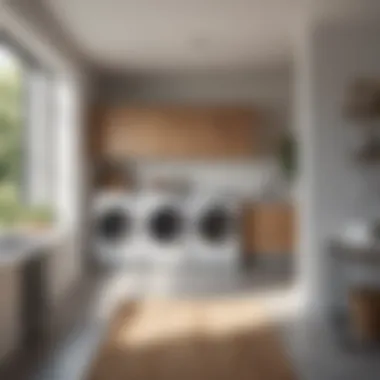

The inclination of consumers is progressively steering towards appliances that embody low energy use and high functionality. Households today are increasingly informed, leaning towards units that not only look appealing but also perform exceptionally well. This focus is reflected in a steady decline in bathtub installations, marking a notable shift in consumer preferences.
People appreciate how a washer and dryer can fit more seamlessly in various spaces, especially smaller homes where a bathtub might not offer the same versatility as a compact laundry unit. This prefers a more manageable and functional approach to residential spaces.
Another factor driving this change is the desire for simplified maintenance. A washer and dryer are often viewed as less prone to plumbing issues versus the challenges presented by traditional bathtubs. In addition, considering hygiene and cleanliness, these appliances can easily be cleaned, ensuring that the home remains a welcoming place for families and guests alike.
Technological Innovations
As we dive deeper into the future, it's clear that technological innovations are shaping how we perceive laundry spaces. Cutting-edge washers and dryers are now equipped with smart technologies, offering users remote access to monitor and control their laundry. This kind of development not only aligns with consumer demand for convenience but also fits into the broader context of home automation.
Such innovations contribute to reducing overall utility costs due to features like load-sensing and efficient spin cycles, which conserve power and water. The uniqueness of these advancements speaks volumes about the integration of smarter home elements that add worth beyond mere laundry.
Embracing technology and modernity in home design reflects not just a change in style, but a complete transformation in how households manage their daily routines.
Social Perspectives on Home Comfort
The way we view our homes and the comfort they provide is undergoing a transformative journey, particularly with the shift from traditional bathtubs to modern washers and dryers. This change reflects not just a practical adjustment but also a cultural evolution that carries significant implications for daily life. The conversation surrounding home comfort now embraces efficiency, convenience, and lifestyle adaptability, which is essential in today’s fast-paced world.
Changing Views on Bathing Practices
Cultural Shifts
As we move through time, cultural values create a ripple effect on how a bathroom is perceived and utilized. In many communities, the act of bathing has shifted from a leisurely ritual to a task squeezed into busy schedules. For an increasing number of individuals and families, the notion of indulging in a long soak is giving way to swift, efficient cleaning methods. This is particularly evident among younger generations who prioritize practicality.
The key characteristic of this cultural shift is its emphasis on multitasking. Individuals now find themselves balancing job responsibilities, family commitments, and personal interests. As such, the traditional bathtub, often seen as a luxurious retreat, is traded for washers and dryers that conserve both time and space. The unique feature of this approach is the redefinition of self-care; efficiency becomes its own kind of comfort.
However, this change does not come without its disadvantages. While instant washing and drying can be a boon, there is the risk of losing the emotional attachment that some may have towards the experience of bathing. Nonetheless, as we adapt, it becomes clear that practicality is leading to a new form of home comfort—one that is designed around the realities of modern life.
Health and Wellness Considerations
Health and wellness are increasingly significant factors influencing our choice of home comforts. The move from bathtubs to more dynamic laundry solutions speaks volumes about how we approach not just cleanliness, but also overall well-being. With the decline in frequent bathing rituals, there comes an opportunity for better hygiene through the efficient cleaning of clothes, resulting in a cleaner living environment.
A key characteristic here is the integration of health-focused features in modern appliances. For instance, many washers now include sanitizing cycles that kill bacteria and allergens, addressing not just the aesthetics of clothing but their health implications. This development makes the choice to switch to a washer and dryer particularly beneficial, as it aligns with overarching goals of health improvement.
The unique feature of these innovations is their dual functionality—cleaning not just clothes but also providing peace of mind regarding hygiene standards. However, one potential downside could arise if the shift leads to neglecting stress-relieving routines associated with traditional bathing. It's crucial to find the balance that allows for efficient laundry while occasionally indulging in a moment of relaxation when possible.
The Importance of Laundry Efficiency
Time Management
Into the heart of every home lies the unassuming chore of laundry. Effective time management in this realm can significantly impact one’s day-to-day experience. With washers and dryers taking center stage, the rigid schedule dictated by conventional bathing can be softened. Efficient machines can handle large loads, drastically reducing the time spent on laundry.
The key characteristic of modern laundry appliances is their ability to consolidate tasks. Rather than splitting days between washing, drying, and possibly ironing, homeowners can streamline their processes. This efficiency makes it a top choice for this article, as it resonates with those whose lives are filled to the brim with responsibilities.
Typically, this leads to an increase in advantages, such as allowing more space for leisure activities or family bonding. On the flip side, it may lead to overlooking the simple pleasures of slow-paced tasks when integrated into a busy lifestyle.
Quality of Life Enhancements
A significant aspect of this topic is the exploration of how laundry efficiency translates into overall quality of life enhancements. The movements towards modern laundry solutions speak volumes about our priorities in managing time and creating a comfortable living space. The swift wash and dry cycles free up precious hours that can be spent on hobbies, socializing, or simply resting.
The key characteristic of these advancements is how they anchor themselves in our daily routines, translating into improved mental wellness. This is an increasingly popular choice among homeowners and sets a foundation for making informed decisions about home design.
Nonetheless, this efficiency can sometimes lead to a gap in the emotional connection we maintain with our household chores. It's worth acknowledging that while quick processes are pleasing, maintaining a sense of care toward our living spaces remains an essential aspect of home comfort.
Challenges of Transitioning Spaces
Changing a laundry space from bathtubs to washers and dryers isn’t just a walk in the park; it comes with its own unique set of challenges. On the surface, this transition might seem straightforward, but it encompasses a variety of considerations that can profoundly affect a homeowner’s planning and execution. Understanding these challenges can aid in making informed decisions during this transformation process.
Remodeling Concerns
Structural Adjustments
When considering the shift from a bathtub to a washing machine and dryer setup, one of the significant considerations involves structural adjustments. This aspect entails modifications to the physical space, such as plumbing and electrical changes, to accommodate new appliances. The central characteristic of structural adjustments is their ability to enhance the overall functionality of the laundry area. It makes the laundry tasks more efficient by providing adequate utility services tailored to the requirements of modern machines.
A unique feature of structural adjustments is the requirement for precise measurements and thorough planning. Incorrect adjustments can lead to functionality issues later on. The key advantage here is, obviously, an optimized space where laundry activities can be conducted effectively. However, the downside is that these adjustments can sometimes necessitate professional help, adding to overall costs. Even so, this expense is often justified when homeowners realize the long-term benefits of a functional laundry space.
Budgetary Constraints
Next comes the all-important issue of budgetary constraints. Transitioning to washers and dryers can sometimes be a costly affair. This budgeting aspect is crucial in determining how far the project can go in terms of plans and materials used. A major characteristic of addressing budgetary constraints is prioritizing expenditures. Homeowners often must decide what is essential versus what can wait while considering the overall financial impact of the conversion.


One unique feature is the potential for hidden costs that arise during renovations, such as the need for new plumbing fixtures or electrical upgrades. These add-ons can stretch the budget thin and may complicate the decision-making process.
Nevertheless, keeping a tight grip on the budget can lead to significant long-term satisfaction. Carefully choosing the right appliances may lead to energy savings, which, over time, can offset initial expenses. Yet, it is essential to keep in mind that pinching pennies up front can sometimes lead to more substantial costs later on, especially if cheaper appliances don’t perform as expected.
User Resistance
Emotional Attachments to Bathtubs
The emotional connection many homeowners have with bathtubs can prove to be one of the more challenging aspects of transitioning spaces. For some, bathtubs symbolize relaxation and comfort, serving as a personal retreat from daily life. This emotional attachment can hinder the decision-making process when faced with modernizing the laundry space by switching to machines.
A unique feature of these emotional attachments is the nostalgia that accompanies them. Many people connect their bathtubs with family traditions, self-care routines, and personal moments that evoke fond memories. This emotional weight can make the prospect of replacing a beloved fixture seem daunting.
However, acknowledging these feelings can also lead to an opportunity for open conversations about the necessity and benefits of the transition. While emotional attachments can complicate decisions, discussing new solutions and highlighting modern efficiencies may assuage concerns and help homeowners adjust.
Adaptation Difficulties
Lastly, adaptation difficulties cannot be overlooked. Even with all the planning and structural changes made, the actual transition into using laundry appliances instead of bathtubs can be a tough pill to swallow. This characteristic revolves around the tendency for individuals to resist change, especially when accustomed to certain routines and rituals focused around their bathtubs.
A distinct feature here is that this resistance is often more psychological than practical. Some folks might struggle with how they self-identify in their roles as homemakers when it comes to laundry, thinking they can’t perform tasks as well without their bathtubs. While this has little to do with actual performance in laundry-related activities, overcoming such mental hurdles is essential for embracing the new laundry setup.
Balancing sentimental values with modern-day efficiency is key. Flexibility and openness to change can enhance the overall experience of the transition, proving that while the old ways hold memories, there is excitement in new efficiencies and conveniences that modern appliances bring into daily life.
Long-Term Vision for Home Adaptability
In this fast-paced world, the notion of adaptability in our homes becomes increasingly significant. Home adaptability encapsulates how living spaces must be adjusted to meet evolving needs. As washing machines and dryers take the place of traditional bathtubs, rethinking layouts and functionality becomes crucial not just for convenience, but for overall functionality and sustainability. To put it simply, the homes of the future must be part of the solution rather than the problem.
Sustainability in Home Design
Eco-Friendly Appliances
When delving into eco-friendly appliances, one must highlight their role in transforming domestic spaces. These machines, like the LG WM9000HVA, are designed to consume less water and energy. The key characteristic here is efficiency. They not only help you save on your utility bills, but they also lessen your carbon footprint, promoting a healthier environment.
A unique feature of eco-friendly appliances is their ability to integrate various technologies like water recycling systems and sensors that only use the amount of water necessary for each load. The advantages are myriad: lower bills, better environmental impact, and increasing home value as energy efficiency becomes a more sought-after trait. Meanwhile, the occasional higher upfront cost can be a sticking point for some homeowners.
Resource Management
Resource management in the home focuses on implementing strategies to reduce waste and maximize efficiency. Within the realm of laundry, this often means optimizing water usage and power consumption. Effective resource management highlights the necessity of conscious consumption, pivotal for this article's exploration.
An outstanding aspect of resource management is its emphasis on maintenance schedules for Whirlpool WFW9620HC, encouraging regular upkeep to ensure longevity and efficiency of the appliances. This sustained performance represents a wise investment choice for homeowners aiming for both practicality and economic sustainability. However, a challenge may come from the need for a commitment to consistent knowledge and effort in order to manage resources effectively.
Future of Laundry Spaces
Innovative Technologies
The technological innovations within modern laundry systems pave the way for exceptional operational efficiency. Introducing appliances with integrated smart technology, such as the Samsung FlexWash, enhances user experience dramatically. The key characteristic of these innovative systems lies in their versatility and capacity to handle various fabrics and cleaning settings with precision.
A unique feature of innovations like these is the ability to control washing cycles remotely via smartphone apps. This offers immense convenience for busy households. Yet, the challenges can also be daunting—fitting new technologies into established routines may require some glove-tightening, and the initial learning curve can feel steep for those less inclined toward tech.
Smart Home Integration
Smart home integration represents the pinnacle of future laundry spaces. As technology advances, appliances such as the Bosch 800 Series promise amplified connectivity, making laundry a seamless part of daily life. The key characteristic of smart home integration is convenience, allowing users to monitor their laundry from afar and schedule cycles around their busy lives.
Features like voice activation, predictive diagnostics, and automated notifications make this avenue a beneficial choice for modern homeowners. These appliances not only streamline the laundry process but also provide valuable feedback on operation efficiency. However, like with other innovations, costs can be a point of concern, as well as the necessity for dependable internet coverage.
The shift towards smarter, more adaptable home designs indicates a mindful stride towards a sustainable, efficient future, where laundry spaces reflect the needs of the modern homeowner.
In summary, the long-term vision for our homes revolves around adaptable, eco-conscious designs. It's essential to scrutinize both choices in appliances and the overarching strategies that govern how we manage resources. Balancing these elements is paramount as we transition from bathtubs to modern laundry solutions.
Epilogue: The Evolving Landscape of Domestic Spaces
As we steer through the journey of transforming domestic spaces, the transition from bathtubs to washers and dryers highlights several critical elements entwined with modern living. This transformation isn't just about swapping one appliance for another; it's about reimagining how we use our homes to enhance daily life. The shift brings to light considerations of functionality, aesthetics, and practicality that resonate deeply in the lives of housewives and homeowners today.
Reflection on Past Choices
Looking back, bathtubs symbolized relaxation and a time-honored ritual. Many would spend long hours soaking away stress, making it not just a chore but a cherished moment of self-care. However, as homes have evolved to prioritize efficiency, the bathtub's role diminished. The historical roots of bathing practices showcase how cultures respected both hygiene and leisure. In homes now, the focus is on laundry efficiency and accommodating busy lifestyles. Understandably, with time constraints and growing family duties, the allure of a quick, effective clean from a washer and dryer became increasingly appealing. Thus, the nostalgic reflections on bathtubs clash with the realities of everyday demands, compelling many to adapt their spaces to fit the now.
In this context, we recognize that every decision we make regarding our home environment is influenced by both personal experiences and societal shifts. Emphasizing practicality in our choices doesn't imply abandoning cherished traditions; instead, it’s about harmonizing them within the matrix of contemporary life.
Vision for Future Developments
The future beckons with the promise of smarter and more efficient appliances, paving the way for further innovations in laundry solutions. We can expect to see an increasing integration of smart technology within washing machines and dryers, allowing for personalized settings that consider the various materials, soil levels, and desired outcomes. Eco-friendly options will likely continue to grow, with appliances designed to save water and energy while providing ultimate convenience. Energy-efficient machines can drastically lower utility bills, displaying consideration for both family budgets and the planet.
Moreover, as people reevaluate what it means to create relaxing spaces in their homes, laundry rooms may evolve into multifunctional areas. Integrating design aesthetics that align with overall home decor could shift laundry into a pivotal place of organization while contributing to ambiance.
"A well-designed laundry space reflects not just function, but the embrace of modern life’s pace and resilience."
Considering all this, it’s enlightening to recognize how discussing the evolution of the laundry space extends deeper than mere appliances; it’s about creating adaptable environments harmonizing with the needs and realities of modern families. The future development of such spaces invites thoughtful consideration of how we can enhance our lived experiences through design and technology. Housing comfort isn’t solely about what we possess; it's how these possessions enhance our lives and relationships within our homes.