
Red Accents in Bedroom Design: Transform Your Space
Intro
When it comes to interior design, few colors possess the same boldness and emotional prowess as red. Often linked with passion, energy, and warmth, red accents in a bedroom not only enhance aesthetic appeal but also influence the way we feel in that shared space. This guide will take you through the heart of incorporating red into your bedroom alongside helpful steps, materials, and techniques. Let’s dive into the vibrant world of red accents and learn how to transform your bedroom into a sanctuary of energy and comfort.
Materials:
To kick off your project, here’s a straightforward list of materials you'll need. Make sure to gather them before proceeding with the steps:
- Paint: Choose a red shade, approximately 1 gallon per 200-400 square feet
- Primer: 1 quart
- Painter's tape: 1 roll
- Brushes: 1-inch angled and 3-inch flat
- Roller & tray: for larger wall areas
- Sponge or stencil brushes: for adding patterns
- Decorative accessories:
- Fabric curtains: 2 panels, each at least 54" wide
- Accent furniture: like a red chair or ottoman (if desired)
- Lighting: red lamps or LED strips
- Red throw pillows: 2-4, size 18"x18"
- Red bedding or comforter: size to fit your bed
- Wall art or prints with red accents
- Rugs with red color palette: at least 5'x8'
DIY Steps:
Step 1: Planning the Space
- Measure your bedroom size: Taking exact dimensions helps you decide the quantity of paint and fabric needed.
- Visualize the design: Sketch out where you want red accents to go. Will it be a feature wall, decor, or both?
- Gather inspiration from magazines or online platforms like Pinterest for design ideas.
Step 2: Preparing the Space
- Clear the room of furniture or cover it with sheets to prevent damage.
- Patch any wall imperfections using filler; sand smooth after once dry.
- Apply painter's tape along edges of baseboards and ceilings for a neat finish.
Step 3: Painting
- Start by priming the walls: Apply an even coat to ensure that the red paint goes on smoothly without dull spots. Let it dry for at least an hour.
- Apply the red paint: Use a roller to cover large areas, and the angled brush for edges and corners. A second coat may be needed.
- Once dry, remove painter's tape carefully at an angle to prevent any chips.
Step 4: Adding Decorative Items
- Arrange throw pillows strategically on the bed to create visual interest.
- Hang your selected wall art ensuring that it complements the red wall rather than clashing.
- Think about placing a bright colored rug singularly or under furniture that adds warmth to the floor space.
Technical Aspects:
Here are some key tools and tips that will help elevate your DIY project:
List of Tools:
- Ladder
- Screwdriver for any wall-mounted items
- Level for ensuring artwork and shelves are hung straight
- Measuring tape
- Paint can opener
Timing:
- Setting aside 1-2 full days for a room of this size is ideal. Painting usually takes about 3-4 hours, while drying can add another 4-6 hours or more depending on coverage.
Critical Techniques:
- Use a light touch when painting most edges to prevent paint splatter.
- Stagger the layering of decorative accents; you want balance, not clutter.
- Take breaks to step back and assess your design from different angles.
DIY Project Process:
Sequential Steps:
- Preparing the Room: Spend time preparing for the project and getting everything in place before you begin.
- Painting the Walls: Execute the painting step thoroughly, ensuring to check for evenness.
- Decorating with Accents: Add in your decorative items only after the paint is fully dry, as it ensures you don’t smudge any surfaces.
Troubleshooting Tips:
- Paint Drips: If you notice paint drips or imperfections, let it dry completely and sand them lightly before applying a touch-up.
- Clashing Colors: If the red feels overwhelming, consider mixing in softer colors like cream or beige to balance the tones.
- Artwork Position: If your wall art doesn't sit well with the red backdrop, switch it out for something neutral until it feels right.
Overall, using red accents in bedroom design can profoundly influence the mood and style of the room. With a clear plan, the right materials, and a few technical tricks up your sleeve, you can create a harmonious and inviting space to enjoy.
Preamble to Red Accents
When we step into a bedroom, color is often the first thing we notice. It sets the mood, influences comfort, and can even evoke deep emotional responses. This is where red, a color symbolizing energy and passion, becomes particularly intriguing. Incorporating red accents into bedroom design isn't just an aesthetic choice; it's a decision laden with emotional and psychological implications that can reshape a space and its atmosphere.
The Significance of Color in Interior Design
Color plays a pivotal role in interior design. It can make a room feel warmer, brighter, larger, or cozier. Red, in particular, is known for its bold and striking presence. Often associated with excitement and intensity, red can create a focal point in a room which draws the eye.
- Emotional Impact: Bedrooms, being places of rest and intimacy, require careful color choices. Red has a unique ability to stimulate conversation and romance, making it a compelling choice for a master bedroom.
- Visual Appeal: When executed correctly, red accents can give a room a sophisticated flair, highlighting features such as an elegant piece of furniture or a captivating piece of art.
- Cultural Influence: Red often symbolizes love and desire across various cultures, adding layers of meaning to its significance in a bedroom setting.
Why Choose Red for the Bedroom?
Choosing red for your bedroom accents involves more than just aesthetics. It's about creating an inviting oasis that reflects your personal style and emotional needs.
- Versatility: Red isn’t just one color; it ranges from warm tones like crimson and burgundy to cooler shades like cherry. This diversity means you can select a hue that best matches your vision for the space.
- Mood Enhancer: The emotional connection people have with the color red can boost energy levels and inspire creativity. A splash of red might be just the thing to lift the spirits after a long day.
- Mixing with Other Colors: Red works well with a wide palette of colors, from neutrals like gray and beige to contrasting colors such as teal or yellow. This adaptability makes it a smart choice for any bedroom style.
"Color is the keyboard, the eyes are the harmonies, and the soul is the piano with many strings." - Wassily Kandinsky
Ultimately, red accents can invite warmth and intimacy into a bedroom, appealing not only to the aesthetic but to the emotional facets of the space, fostering a haven where one can unwind and connect. Each nuance of red can be tailored to encapsulate your vision, making the role of red in bedroom design both significant and multifaceted.
Understanding the Psychology of Red
The exploration of red in interior design isn’t just about aesthetics; it dives into the emotional and psychological impact such a vibrant color can have within a space, particularly the bedroom. Understanding the psychology of red allows homeowners to make intentional choices that resonate with their personal tastes and desired atmospheres. This section reveals the transformative qualities red can bring, making it a compelling choice for bedroom accents.
Red is a color that stirs feelings and emotions. It’s known for its ability to evoke passion, warmth, and even excitement. When it comes to the bedroom, these emotional responses can play a crucial role in creating a space that feels both inviting and stimulating. By understanding how red interacts with human emotions, homeowners can effectively craft a sanctuary that reflects their sentiments and enhances their overall quality of life.
Emotional Responses to Red
Various studies have shown that red triggers a complex range of emotions. It’s often associated with energy and zest for life. Think of how a vivid red apple might symbolize temptation. In bedrooms, red can create a bold and exuberant vibe. Depending on its shade and application, it can lead to feelings of intimacy or even passion.
However, it’s important to strike the right chord. Too much red can overwhelm the senses. For instance, an entire wall painted in a bright crimson could lead to feelings of anxiety or discomfort, while softer shades like burgundy may inspire warmth and comfort. Homeowners should consider how they personally respond to red, as reactions can vary widely between individuals.
"Colors are the smiles of nature." – Leigh Hunt
Thus, using red in smaller doses, like an accent pillow or piece of artwork, allows the color to invigorate the space without sending the emotional scale into a spiral. Homeowners might reflect on the moods they want to inspire in their bedrooms. Is it a calm retreat at the end of the day? Or a stimulating environment for creativity and intimacy? Knowing the emotional response to red makes it easier to harness its power effectively.
Cultural Associations with Red
Cultural context plays a significant role in how colors are perceived and used. In many cultures, red is a color of celebration and significance. In Chinese culture, red symbolizes happiness, good fortune, and joy, making it a popular choice for decorations, especially during weddings and festivals. This provides homeowners with a rich tapestry of ideas for incorporating red into their design.
Yet, the association is not universal. In some Western cultures, red can be linked to danger or warning, which produces a very different emotional response. This cultural duality means that when choosing red accents, one must think about personal and regional significances. For instance, a red bedspread might elicit excitement and liveliness in some, while invoking hesitation and caution in others.
When weaving red into bedroom decor, it can be helpful to explore these cultural dimensions. Homeowners can blend global influences with their designs - perhaps mixing a vibrant red throw from Eastern traditions with contemporary Western furnishings, creating a unique harmony that speaks well beyond the surface.
As red accents find their way into the bedroom, understanding the associated emotions and cultural significances ensures a thoughtful and resonant design experience.
Choosing the Right Shade of Red
Selecting the perfect shade of red can totally shift the vibe of a bedroom. It’s not just about slapping on any red paint. Each hue carries its own connotations that can evoke different emotions or atmospheres. It’s crucial to have a clear vision of what you want the space to feel like because the shade could either enhance your sanctuary or turn it into a restless zone.
When planning your design, consider lighting, surrounding colors, and even the function of your space. If done well, incorporating the right tone not only adds a visual punch but resonates with the feelings you wish to cultivate in your bedroom.
Warm vs. Cool Tones
Warm and cool tones are critical when choosing the red you want in your bedroom. Warm reds, like burgundy or brick, often radiate a cozy and intimate feeling. They can make the space feel snug, especially during colder months. These shades work like a warm hug, giving off a sense of comfort and safety. You might choose warm reds if your goal is to create a haven conducive to relaxation.
On the other hand, cool reds, such as crimson or cherry, tend to have a more vibrant and dynamic presence. They inject energy and excitement into the room. Pairing these with lighter accents can create an uplifting atmosphere, perfect for an energizing environment.
In terms of practical application, say you have a smaller bedroom: a warm red on the walls can make it feel like a snug hideaway. However, if you're after a lively space that feels expansive, a cool shade might be your best bet. Always consider the mood you want each area to evoke.
Finding the Perfect Balance
Finding balance in your choices is vital to ensure that red doesn’t overpower the room. Think about combining it with neutral shades—white, gray, or cream can work wonders to anchor the vibrant hue and create a sophisticated finish. Such color combinations create a backdrop that can keep the red accents from being overwhelming.
You could also switch things up by adding textures and patterns within your neutrals to establish an engaging visual tapestry. For instance, a textured cream throw pillow alongside a bold red blanket can add depth and interest without drowning the room in color.
It's also a good idea to use the 60-30-10 rule when balancing colors. In this setup, 60% of the room is your main color (like a neutral), 30% secondary (the red), and 10% can be a pop of accent color, perhaps using green or blue for a refreshing contrast.
"Color is the keyboard, the eyes are the harmonies, the soul is the piano with many strings." – Wassily Kandinsky
Applying this principle can lead to harmony in your bedroom’s design. All in all, selecting the right shade of red means understanding how it interacts with other colors, how it reflects off surfaces, and how it influences feelings in your personal space.
Incorporating Red Through Paint
Painting is a transformative element in any bedroom design. It sets the mood, defines space, and can make or break the overall aesthetic. When it comes to incorporating red, paint plays a pivotal role. The boldness of red adds depth and warmth, instantly creating an inviting atmosphere. It’s not merely about color but how that color interacts with light and other design elements in the space. Choosing to paint with red can evoke feelings of passion, energy, and even warmth, making it quintessential for bedrooms.
Accent Walls: A Focal Point
Creating an accent wall with red paint is like adding a cherry on top of a delicious sundae. It captures attention and draws the eye, serving as a centerpiece for the room. When opting for an accent wall, consider the wall that is best positioned to highlight. You could choose the wall behind the headboard, instantly elevating the bed as the focal point.
When selecting a red paint for your accent wall, think about the tone. A deep burgundy exudes sophistication, while a bright crimson can give off an energetic vibe. Let’s not forget the texture—matte and glossy finishes react differently to light. For example, a glossy finish can amplify light, making your space feel larger, while a matte finish creates a cozy nook.
- Benefits of Accent Walls:
- Provides a dramatic effect with minimal commitment
- Easy to change if trends shift or personal tastes change
- Can pair beautifully with other colors in the bedroom
A well-chosen accent wall not only enriches the ambiance but can also increase the room's sense of style. In relation to your existing decor, consider incorporating smaller red accessories, such as vases or picture frames that mirror the wall. The harmony created reinforces both the wall and the room’s overall aesthetic.
"Adding an accent wall is a creative way to introduce bold colors without overwhelming the space. It’s all about creating that right balance."
Full Room Red: Pros and Cons
Painting an entire room red can feel like diving into the deep end. This bold choice has its own set of merits and downfalls. When considering full room application, think about the effect it has on the space.
Pros:
- Bold Statement: A fully red room is undeniably striking.
- Warmth: Red can make a room feel much cozier, inviting comfort and intimacy.
- Versatility: Red pairs well with various colors, which can allow for diverse decor options.
Cons:
- Overwhelming: Too much red can be tiring for the eyes and may create feelings of anxiety for some.
- Lighting Dependence: Red can look drastically different depending on lighting, making it tricky to choose the right shades.
- High Maintenance: Walls may show wear and tear faster, requiring frequent touch-ups or repainting.
To counterbalance the effects, introducing lighter accents is crucial. Think about using neutral-colored curtains or furnishings to soften the intensity, while letting the richness of red breathe life into the room. In the end, whether you choose to paint an entire room or opt for an accent, be sure to reflect on both the emotional and aesthetic outcomes. Only then can you choose a solution that resonates with your design vision.
Textiles and Fabrics in Red
The inclusion of textiles and fabrics in red within bedroom decor is not merely about aesthetic choices; it intertwines directly with the vibe and emotional undertones of a space. Fabrics add warmth, comfort, and much-needed texture to a room, creating an inviting atmosphere while also showcasing personal style. Through careful selection of red textiles, one can transform a mundane space into an energizing haven.
Choosing the right fabrics can also serve functional purposes. For instance, heavy drapes can insulate against the cold in winter, while light linens keep the air ventilated during hotter months. Additionally, textiles that feature red can effectively anchor a space, providing contrast and depth against neutral backgrounds.
Bedding Choices: Moods and Themes
Selecting the right bedding in red sets the tone for the entire room. Imagine rich crimson sheets paired with soft white pillows; they offer a luxurious feel that can cater to various moods. The warmth of red can invigorate, making it suitable for energizing themes, but it can also convey romance and intimacy, especially when combined with softer shades.
When thinking about bedding, consider different materials:
- Cotton is versatile and easy to care for, making it a great choice for everyday use.
- Silk or satin can add a touch of elegance if you prefer a more glamorous look.
- Flannel is perfect for colder months, enveloping you in warmth.
The prints and patterns you choose can also play a significant role. Floral designs in red can introduce a cheerful touch, while geometric patterns may lend a modern flair. Ultimately, it’s about what resonates with your personal style and the mood you wish to cultivate.
Curtains and Drapes: Creating Depth
The role of curtains and drapes goes beyond mere functionality; they play a pivotal part in defining a room's character. Using red curtains allows you to create layers within the space, drawing the eyes upward and adding height to the room. Choosing fabrics with a soft drape enhances the flow, inviting an element of intimacy that is crucial for bedrooms.
- Lightweight fabrics like linen can maintain privacy while allowing natural light to filter in, creating a calm ambiance during the day.
- Heavier velvet or brocade can block out light more effectively, perfect for those who cherish their beauty sleep or want to set a romantic atmosphere.
A thoughtful approach to placement is also essential. Mounting curtains high above the window creates an illusion of space. Pair them with modern tiebacks or ornate holdbacks to enhance their visual appeal.
"Red fabrics can redefine the moods and introduce captivating themes that echo throughout your bedroom design."
In essence, incorporating red textiles and fabrics into your bedroom design is a step towards creating a personal sanctuary that reflects your taste while providing comfort and warmth.
Furniture Accents in Red
In the intricate tapestry of bedroom design, furniture accents in red play a crucial role. They aren’t just splashes of color; they can serve as powerful focal points that breathe life into the space. These statement pieces not only contribute aesthetic value but also evoke feelings and themes that can transform a room into a sanctuary of calm or a hub of passion, depending on the user’s intent. When you strategically select red furniture, you're not merely decorating— you're crafting an atmosphere that speaks volumes about who you are and how you feel.
Selecting Statement Pieces
Choosing statement furniture pieces in red can be a game changer for any bedroom. It’s about finding that one item that captures attention without overwhelming the senses. Think along the lines of a bold red armchair or a sleek dresser adorned in a vibrant hue. These elements can act as conversation starters, making them central to the room's narrative.
- Think of Scale: The size of the red piece should complement existing furniture. A large red bedframe can dominate a small space, while a modest red bedside table can add that striking touch without feeling bulky.
- Consider Material: The texture and finish can impact how the red is perceived. A glossy red lacquer can feel modern and chic, while a matte red wood finish can impart a more traditional warmth.
- Mix Styles: Don’t shy away from pairing modern red furniture with vintage elements. A contemporary red lounge chair alongside a classic wooden desk can create a dynamic contrast that reflects personal style.
In essence, selecting statement pieces is about balancing boldness with harmony. It’s the art of knowing when to make a statement while ensuring other elements in the room don’t take a backseat.
Complementing with Neutrals
Once you’ve acquired your desired red furniture, the next step involves judiciously complementing it with neutral tones. This balance is paramount; without it, the room can easily feel chaotic or overly stimulating. Neutrals anchor your design and allow the red accents to shine without the risk of sensory overload.
- Walls and Floors: Soft beige, light gray, or even crisp white can work wonders. These shades act as a canvas, letting the red pop prominently.
- Textiles and Fabrics: Incorporating pillows, rugs, or throws in shades of cream or charcoal will enhance the red accents beautifully. Mixing textures—like a plush white throw on a sleek red chair—can provide depth.
- Additional Furniture: Consider light-colored wooden pieces or fabrics in neutral tones. They maintain a flow while allowing the red elements to capture the eye effortlessly.
Remember: The goal is not to sideline the red accents but rather to create a space that feels harmonious and inviting.
The thoughtful placement of furniture accents in red, combined with considerate use of neutral tones, can lead to a strikingly beautiful bedroom. It’s all about creating an environment where boldness and calm coexist, culminating in a refreshing and stylish atmosphere. With the right approach, integrating red into bedroom furniture isn't just about following trends; it’s about expressing individuality and creating a haven that reflects the heart of the home.
Decorative Accessories with Red
Decorative accessories serve as the finishing touches in a bedroom, acting as vibrant threads that weave the entire design together. When it comes to accents in red, these pieces breathe life into a space, adding layers of texture, color, and emotion. Integrating decorative accessories can elevate the mood of a bedroom and create a showcase filled with personal flair.
Importance of Decorative Accessories
Utilizing red accessories can dramatically impact a room’s ambiance, creating energy and warmth. They can soften the starkness of a monochromatic palette or enhance the richness of a colorful scheme. Here are a few elements to consider:
- Personal Touch: Accessories reflect your personality and taste. Red items can be aligned with other colors that resonate with your individual style, enabling a cohesive look.
- Flexibility: Unlike large furniture pieces or wall colors, accessories are easily changeable, providing a cost-effective way to refresh a room’s look according to seasons or trends.
- Focal Points: Strategic placement of red accessories can guide the eye around the room, drawing attention to key areas and ensuring balance in design.
Artwork and Wall Decor
Art can often be the heart of a room. Selecting artwork with red accents can add depth and draw the eye towards what matters most in the space. It’s vital to consider the following:
- Types of Art: Choose from paintings, prints, or even textile wall hangings, each providing unique textures and tones. A vibrant painting featuring splashes of red can act as a stunning focal point.
- Size and Placement: Larger pieces can dominate a wall, surrounding them with more subtle accessories to prevent overwhelming the space. Conversely, a gallery wall featuring multiple smaller works can create a dynamic visual tapestry.
- Frame Choices: The color and material of frames matter, too. A sleek black or gold frame can accentuate the richness of red while providing contrast.
Accent Pillows and Throws
In the realm of textiles, red accent pillows and throws introduce comfort and warmth. Their versatility cannot be understated. They can:
- Layer Textures: Mixing materials such as velvet and cotton in different patterns creates interesting visual contrasts. Textured red pillows can add a luxurious feel which draws people to the bed.
- Unify Palettes: When paired with neutral or complementary colors, red pillows tie together various elements of the room, creating a more cohesive look.
- Seasonality: Switching out pillows based on the seasons is a fun way to keep a bedroom feeling fresh. During fall, deeper red tones can create a cozy atmosphere, while brighter shades can enliven the space in warmer months.
"A room should never allow the eye to settle in one place. It should smile at you and create a sense of warmth and comfort."
Lighting Considerations
Lighting can make or break the vibe of a room, especially in a space as intimate as the bedroom. When it comes to red accents, the way you light the space plays a crucial role in how those bold hues are perceived. Proper lighting not only highlights the striking nature of red but also influences the overall mood and ambiance, turning a potentially overwhelming color into a serene retreat. Here, we'll explore how lighting interacts with red tones and provide guidance on selecting fixtures that accentuate the best features of red decor.
How Lighting Affects Red Tones
Light has a powerful effect on color perception. In the case of red, different lighting conditions can either soften its intensity or amplify its vibrancy. Natural daylight tends to showcase reds in their true form, while warm artificial lights can add a cozy glow that can make reds feel more inviting. On the other hand, cool white or blue-tinted bulbs could shift the color’s hue, making it appear slightly different compared to natural light.

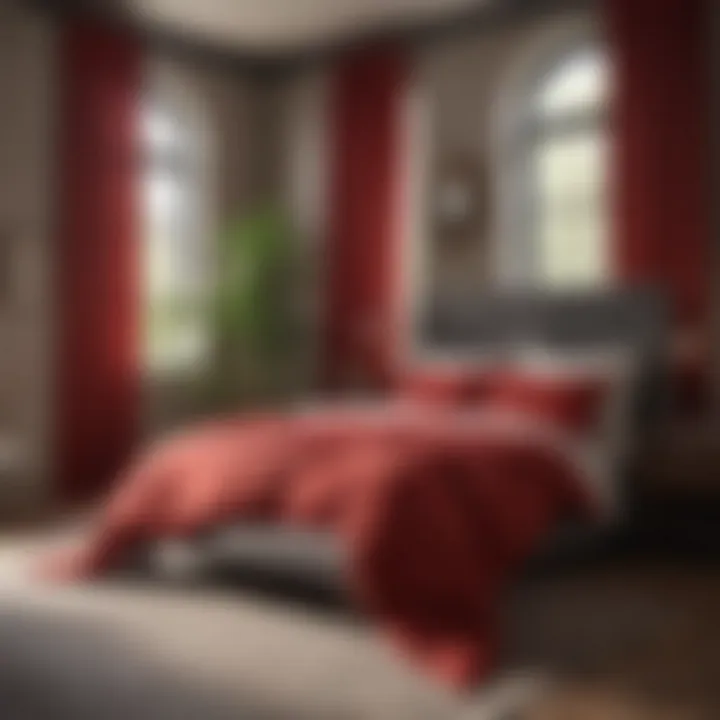
When considering your light sources, it's essential to keep in mind the following:
- Temperature Matters: Warm light (around 2700K) enhances the warmth of red, creating a snug atmosphere. Conversely, cooler lights can make reds look harsh or overly stark.
- Dimensional Effects: The placement of secondary lighting, such as floor and table lamps, can create layered lighting that adds depth, making the red accents pop without overwhelming the senses.
- Shadows and Highlights: The interplay of shadows and highlights in a room can contribute to the perception of red tones. Soft, diffused light can soften the edges, making reds feel less aggressive and more integrated.
"Lighting is not just about visibility; it's a way to enhance the emotional connection to a space."
Choosing Light Fixtures for Red Accents
When selecting light fixtures that harmonize with red accents, consider not just the appearance of the fixtures themselves but how they will interact with the existing color scheme. Here are some pointers:
- Strategic Placement: Position lighting to point towards red accents, such as artwork or a striking piece of furniture. This not only draws the eye but also features the red color vibrantly.
- Fixture Style: Opt for lighting fixtures that complement the overall design aesthetic of your bedroom. Vintage brass fixtures may work well with deeper reds, while sleek metallic options could suit brighter shades.
- Versatility: Dimmer switches are a helpful addition for flexibility. They allow you to adjust the light levels according to your mood or time of day. Soft lighting can be perfect for evenings, while brighter settings work great during the day.
- Contrast and Balance: Integrate lighting with neutral colors to balance the boldness of red. White or black fixtures can create a clean contrast, helping to avoid a visual overload.
Balancing Red with Other Colors
In exploring how to incorporate red into bedroom design, a pivotal aspect is the balance between red and other colors. Red, a color known for its intensity, can easily dominate a space if not paired carefully. Thus, a harmonious blend not only enhances the overall aesthetic but also ensures that the room feels warm rather than overwhelming. The right color combinations can either complement or detract from the vibrancy of red, which is critical in setting the intended mood of the bedroom.
One of the primary responsibilities of accents in design is to create a cohesive environment. Balancing red with other colors can help emphasize its richness while allowing the respective hues to breathe and contribute to the room’s rhythm. Understanding how to mix colors effectively ensures that red serves as a dynamic accent rather than an overpowering presence.
Color Wheel Basics
To effectively balance red, familiarizing oneself with the color wheel is essential. The color wheel serves as a guide for understanding relationships between colors. Composed of primary, secondary, and tertiary colors, it can aid in selecting shades that either harmonize or contrast with red. Here’s a brief rundown:
- Primary Colors: Red, Blue, Yellow
- Secondary Colors: Green, Orange, Purple (created by mixing primary colors)
- Tertiary Colors: These are combinations of primary and secondary colors, which allows for a richer palette.
Using the color wheel, one notes that colors directly opposite red — like green — can provide a striking contrast. Alternatively, adjacent colors, such as orange and purple, can create a more subdued, yet vibrant atmosphere.
Combining with Complementary Colors
Complementary colors are those that sit across from each other on the color wheel. For red, the direct complement is green. This pairing not only creates a visually stimulating effect but can also influence the emotional response within the space. To steer clear of a jarring environment, it's essential to consider the following when combining complementary colors:
- Use varying intensities: Instead of bold red with vibrant green, consider a deep crimson paired with a muted sage. This variation introduces a sophisticated touch, ensuring the space feels intentional.
- Incorporate textures: Different textures can aid in softening the impact of bold color contrasts. Think of plush fabrics, wood, or metal finishes that can bridge the gap between contrasting hues.
- Limit the color ratio: Using a dominant color, such as red, calls for strategic accents of the complementary hue. For instance, a red bedspread could be supported by green accessories, such as a few cushions or throws.
"The magic of color balancing comes from finding the right ratio in color application that keeps the space not only vibrant but also inviting."
Seasonal Approaches to Red Accents
When it comes to bedroom design, red accents can change their role and character significantly with the seasons. Understanding how to adapt these accents not only keeps your space fresh but also helps to evoke the right feelings that resonate with each time of the year. This section focuses on the importance of seasonal approaches, highlighting how subtle shifts can yield dramatic effects in ambiance.
- Benefits of Seasonal Red Accents:
- Considerations on Seasonal Changes:
- Mood Enhancement: Different seasons can influence our mood. For instance, warm and cozy reds in the winter can create a sense of intimacy, while brighter tones in summer can invigorate the space.
- Freshness Factor: Adapting your red accents with the seasons keeps your bedroom feeling new and exciting.
- Versatile Styling: Being able to shift your design approach allows for a more personalized bedroom retreat.
- Climate Influence: The natural light changes with each season can affect how red tones appear. For example, a ruby red may look warmer in the light of winter but feel more vibrant in summer.
- Texture Matters: The use of different fabrics and materials can enhance seasonal themes. Velvet in colder months versus lighter linens in summer can make a huge difference.
By embracing the seasonal shifts, you’re not just decorating; you’re creating an experience that resonates with your everyday life.
Adapting Accents for Winter Months
During winter, the focus often shifts towards warmth and comfort. Red can play a key role in creating that snug atmosphere. Here are some ways to adapt your red accents for the colder months:
- Deep Shades of Red: Utilizing darker shades like burgundy or wine can enhance the feeling of warmth. These hues can be applied through walls, bedding, and accessories like throws.
- Layer Textures: Layering textures is pivotal. Think about a cozy red quilt over your duvet or plush red pillows that invite you to snuggle.
- Candlelight Glow: Accent your space with red candles. The flickering light against red tones creates a serene yet inviting environment.
Winter is an opportunity to envelop your bedroom with a palette that feels like a warm embrace.
Summer Refresh with Red
As the summer sun shines, your red accents should reflect a vibrant and lively energy. Here’s how to keep things fresh:
- Bright and Bold Reds: Switch to lively shades like cherry or scarlet. These colors can awaken the space and energize your mood.
- Lightweight Fabrics: Trade heavy textiles for airy linen or cotton. This transition can make your space feel breezy and inviting, a perfect compliment for a hot day.
- Play with Patterns: Incorporate red in playful ways, like patterned throw pillows or bright artwork. This approach adds an element of fun and keeps the aesthetic lively.
- Incorporate Greenery: Pairing red with fresh green plants or flowers can enhance that summer vibe. The contrast creates a vibrant, spirited atmosphere.
"Using red in your bedroom is not just about color; it's a way to narrate your seasonal story through your design choices."
In summary, adjusting red accents according to the seasons not only refines the aesthetic of your bedroom but also establishes an emotional connection to your space. Making these small changes can profoundly impact how you relate to your bedroom throughout the year.
Epilogue: The Lasting Impact of Red Accents
As we draw to the end of this exploration, it’s crucial to reflect on why red accents hold such a prominent place in bedroom design. The utilization of red creates a dynamic canvas that speaks volumes about personal taste and emotional resonance. In a space primarily associated with relaxation and intimacy, the boldness of red can transform the atmosphere entirely, shifting from tranquil to vibrant with mere accents.
Importance of Red Accents
Red accents are not just decorative choices; they are powerful tools that can evoke a range of emotions. From enhancing feelings of love and warmth to invigorating the senses, incorporating red in your bedroom can dramatically influence how the space is perceived and experienced. Understanding how these colors function on a psychological level allows for deeper engagement with one’s environment. Here are some key factors to consider:
- Psychological Influence: Colors impact mood and behavior. Red, in particular, is known to stimulate energy and passion, making it a fitting choice for a bedroom.
- Versatility: The shades of red can be matched with a plethora of other colors, making it easier to coordinate with existing decor.
- Timeless Nature: Unlike trends that come and go, red has a classic feel. It can suit various aesthetic styles from modern minimalism to traditional elegance.
The lasting impact of red accents lies not only in their immediate visual appeal but also in how they encourage personal expression. By choosing red, you invite an element of boldness. It serves as a gentle reminder that bedrooms are not only for rest but also for creating spaces that reflect one’s passions and desires.
Summarizing Key Insights
Throughout the article, we have traversed various facets of red accents, uncovering their significance and versatility:
- The Psychological Depth: Red elicits strong emotional responses and can enhance intimacy and connection.
- Design Strategies: Whether through paint or textiles, knowing how to incorporate red thoughtfully compiles a more inviting space.
- Practical Considerations: Balancing red with neutrals and other colors can mitigate the intensity while maintaining vibrancy.
- Seasonal Adaptability: Adjusting the red accents throughout the year can keep your space fresh and in tune with the seasons.
These insights make it clear that red is not merely a color; it's an influential design element that can make a lasting impression in any bedroom.
Inspiration for Future Design
As the curtain falls on this discussion, consider the myriad possibilities that red accents can bring to your personal space. Inspiration can come from anywhere—art, culture, nature. Here are some ideas to ponder for future design endeavors:
- Travel Influence: Look to markets from around the globe. Moroccan textiles or bold Chinese decor can provide unique takes on red.
- Historical Elements: Explore how red has been used historically in various design movements for a classic twist. Think about the rich reds of Renaissance paintings or regal Victorian palettes.
- DIY Projects: Engage in some hands-on work by creating your own red pieces. Simple DIY projects, like painting your own art or sewing red pillow covers, can add a personal touch.