
Exploring Laundry Room Pictures: Design & Functionality

Intro
In the realm of home design, the laundry room is often overlooked. Yet, it possesses unique potential for functionality and style. This article will explore the significance of laundry room pictures, emphasizing both the aesthetic and practical aspects critical to modern living. With an increase in focus on home environments, this space has evolved far beyond its traditional utility. It is now a place to organize, innovate, and even express personal style.
By examining various design elements, organization strategies, and recent technological advancements, we aim to provide detailed insights for homeowners and DIY enthusiasts. The journey begins with materials, essential to creating an inviting and efficient laundry space.
Materials:
To successfully embark on designing or redesigning a laundry room, one must begin with a well-structured list of materials. Below are the key components to consider:
- Paint: 1 gallon of high-quality latex paint for walls, ideally in a light, calming color.
- Cabinetry: Approximately 10 linear feet of pre-assembled cabinets or custom-made wood cabinetry, depending on the layout.
- Countertop: A solid surface countertop (like quartz or laminated wood) measuring around 5 linear feet.
- Storage bins: 4-6 medium-sized bins for sorting laundry.
- Laundry hampers: 2 or 3 hampers, preferably with lids to minimize odors.
- Washing machine: A front-loading energy-efficient model.
- Drying rack: Collapsible drying rack to save space when not in use.
- Accessories: Hooks and racks for hanging utensils or cleaning supplies.
- Lighting: LED ceiling fixtures and under-cabinet lighting.
DIY Steps
Successful execution of your laundry room transformation requires a clear step-by-step approach. Here are the details:
- Planning the Layout: Start with measuring the space accurately. Ensure to mark placements for washer and dryer as well as any cabinetry.
- Painting the Walls: Prepare the walls by patching any holes. Apply a primer followed by your chosen paint. Allow sufficient time for drying before proceeding.
- Installing Cabinetry: Secure the cabinets to the wall at a suitable height. Ensure they are level and installed firmly for storage.
- Countertop Installation: Once cabinetry is in place, position the countertop carefully, ensuring it's flush against walls and cabinets.
- Adding Storage Solutions: Set up storage bins and hampers for convenience. Utilizing vertical space can aid in organization.
- Electrical and Plumbing: If new appliances are being installed, consult a professional to handle any wiring or plumbing changes.
Technical Aspects
The installation process can vary, requiring specific tools and techniques:
- Tools Needed:
- Timing Specifics:
- Critical Techniques:
- Drill
- Level
- Tape measure
- Screwdriver
- Saw (if custom cuts are needed)
- Wall painting: 4-5 hours including drying time.
- Cabinet installation: Approximately 3-4 hours.
- Countertop installation: 2-3 hours.
- Ensure measurements are accurate before making cuts or drilling holes.
- Use a stud finder to properly secure heavy components to the wall.
DIY Project Process
Following the initial steps, continue with the sequential process for completing your laundry room:
- Double-check all installations for stability and efficiency.
- Organize items according to frequency of use. Place most utilized items at eye level.
- Incorporate personal touches like art pieces or functional decor that can enhance the overall aesthetics.
Troubleshooting Tips
Common issues may arise during the process, but they can be resolved easily:
- If the cabinetry feels unsteady, ensure all screws are secured tightly.
- If paint drips occur, sand down the area and touch up accordingly.
Restructuring the laundry room can yield not only a functional space but also a pleasing visual environment. Embracing effective design choices sets the foundation for years of efficient use and satisfaction.
Prelims to Laundry Rooms
Laundry rooms are an often-overlooked area in home design, yet they play a crucial role in maintaining household functionality. In this article, we aim to explore the many dimensions of laundry rooms, highlighting their design, organization, and technology. The laundry room serves a practical purpose, but it can also reflect the homeowner's aesthetic sense.
As homes evolve, so do the expectations for each room, including laundry spaces. Understanding these spaces helps homeowners create an efficient environment that meets their needs while also contributing to the overall harmony of the home.
Defining the Space
Defining the space of a laundry room goes beyond mere dimensions. It's about understanding how the area will function in day-to-day activities. The layout should facilitate a smooth workflow. Elements such as washing machines, dryers, and sorting areas must be positioned thoughtfully.
In addition to functionality, the style of a laundry room can greatly influence the feeling of the home. Homeowners can choose various arrangements, from compact setups to larger, multi-functional spaces that include sewing areas or extra storage. Many choose to integrate the laundry room within a larger area, such as a mudroom or kitchen, creating a cohesive look.
Key considerations when defining this space include:
- Size: How much room do you have?
- Accessibility: Is it easy to access from other parts of the home?
- Flow: Can you move easily between different tasks?
- Aesthetic: Does the design match the overall home style?
Historical Context
The concept of laundry rooms has changed significantly over the decades. In the past, laundry was often done outdoors with washboards and clotheslines. As technology advanced, so did laundry processes. The introduction of electric washing machines in the 20th century transformed how families approached laundering clothes.
Today, laundry rooms have become essential spaces that merge practical needs with design considerations. The shift to indoor washing also reflects broader trends in home automation and efficiency, making laundry rooms more integrated into modern living. Homeowners now seek ways to create spaces that are not just functional but also visually appealing.
In summary, understanding the introduction to laundry rooms contributes to the realization of a well-rounded home. It sets the stage for further exploration of aesthetics, organization, and technology, all of which enrich this vital aspect of domestic life.
The Importance of Aesthetics
Aesthetics is a key component of any room in the home, including the laundry space. The role of aesthetics in laundry rooms influences not just visual appeal but also functionality. An attractive laundry area enhances the overall atmosphere of the house, promoting a sense of tranquility and harmony.
For many homeowners, the laundry room is often associated with chores and mundane tasks. Improving its aesthetics can change this perception. A beautifully designed laundry room fosters a positive mindset, making laundry duties feel less cumbersome.
Visual Appeal in Home Design
The visual appeal of a laundry room should not be overlooked. It is a space seen frequently, yet it often receives minimal attention in terms of design. Effective use of color schemes, textures, and decorative elements can transform the laundry experience.
Bright colors can uplift the spirit, while calm neutrals offer a serene environment. Adding artwork or decorative items may also personalize the space. This visual customization not only enhances the area but also provides a mild form of self-expression for homeowners.
"A visually appealing laundry room can turn mundane tasks into moments of joy."
Incorporating clear and organized layouts improves functionality. An uncluttered design with intentional aesthetics allows efficiency in workflow during laundry tasks. Moreover, an appealing room can inspire creativity, prompting homeowners to spend more time organizing and maintaining their laundry spaces.
Color Schemes and Material Choices
The color scheme and material choices are critical elements in creating an aesthetically pleasing laundry room. Harmonious color palettes can unify the design while also influencing emotional responses. Choosing colors such as soft blues or greens can evoke calmness, while dynamic colors like yellow or orange can energize the space.
When selecting materials, it is essential to consider not only aesthetics but also practicality. Durable surfaces are essential in a laundry area due to the nature of the work involved. Materials like quartz or ceramic tile can offer both beauty and resilience against stains or spills.
In addition, mixing textures such as smooth countertops with rougher elements, like wooden shelves, creates visual interest. This cohesive yet varied approach to design contributes to a harmonizing effect that enhances the room’s overall look and feel.
Ultimately, thoughtful aesthetic choices in laundry design influence not just the appearance, but also the overall experience of the space, making it more inviting and enjoyable.
Organizational Strategies
In the context of enhancing laundry rooms, organizational strategies play a vital role. These strategies not only improve the aesthetics but also maximize the functionality of the space. A well-organized laundry room can make chores easier and more efficient. Implementing effective organization can lead to reduced time spent on laundry tasks, which ultimately benefits busy households.
Maximizing space is crucial in laundry room design, especially in smaller homes where space may be limited. Thoughtful arrangement of storage solutions can free up floor space and declutter the room. When laundry items are stored strategically, it becomes effortless to access supplies like detergents, fabric softeners, and cleaning tools. An organized workspace fosters a productive environment and can even make the process more enjoyable.
Maximizing Space Efficiency
Maximizing space efficiency entails creating a layout that makes the most of every corner of the laundry room. The first step is to assess what items need to be stored and how often they are used. Frequently used items should be easily accessible, while those needed only occasionally can be stored in less accessible space. For example, utilizing vertical space through shelving can provide additional storage without consuming floor area. Moreover, considering the flow of movement within the laundry area is essential. This means ensuring that appliances are placed within easy reach of one another and organized in a way that minimizes steps during the laundry process.
Storage Solutions
Built-in Shelving
Built-in shelving is a popular choice for laundry rooms due to its ability to blend seamlessly with the room's design. This type of storage maximizes vertical space, allowing for the efficient arrangement of supplies and equipment. Its key characteristic is adaptability; built-in shelves can be adjusted according to the items being stored. This is a beneficial aspect, as it ensures that both small and large items can find their place without clutter. One unique feature of built-in shelving is the option for custom designs that match the room's aesthetic, thereby enhancing visual appeal. However, it requires careful planning and might involve higher upfront costs compared to freestanding options.
Cabinets and Drawers
Cabinets and drawers are essential for maintaining a tidy laundry room. Their primary function is to conceal items, providing a clean and organized appearance. A notable characteristic is their ability to protect supplies from dust and damage. They are a popular choice because they offer ample storage while contributing to a cohesive design. A unique feature of cabinets is the variety of styles and finishes available, enabling homeowners to match them with existing decor. The advantage of cabinets is that they can hold a diverse range of items, from laundry supplies to household cleaning products. However, they may require regular maintenance and can take up more space than open shelving solutions.
Hanging Systems
Hanging systems are practical solutions for drying clothes and organizing accessories like hangers and bags. Their significant contribution is the efficient use of vertical space in the laundry room. This storage solution stands out due to its simplicity and effectiveness; many systems can be installed quickly and offer adjustable height features. They are beneficial because they reduce clutter on surfaces and can accommodate various clothing items without the risk of wrinkling. One disadvantage of hanging systems is that they may not be suitable for all types of laundry items, particularly heavier articles that require sturdier support. Therefore, choosing the right system is essential for achieving the desired functionality.
Technology in Laundry Rooms
The integration of technology in laundry rooms represents a significant shift in both function and convenience. In recent years, there has been an evident trend towards using advanced devices and smart systems. Homeowners seek efficiency and ease, and technology delivers exactly that. This section will explore various technological advancements in laundry rooms, particularly smart appliances and enhancements that improve overall efficiency.
Smart Appliances
Smart appliances are redefining how we perceive laundry tasks. These machines often come equipped with WiFi connectivity, enabling users to control and monitor them remotely through smartphone apps. For instance, Whirlpool's smart washing machines allow users to schedule cycles, receive notifications, and even troubleshoot issues from their phones. This feature liberates users from the laundry room, letting them attend to other tasks while their laundry washes.
Smart appliances also promote efficiency in numerous ways. Many models come with built-in sensors that can detect load size and fabric type. This allows them to adjust water and energy usage accordingly. This adaptability not only saves money but also contributes to environmental sustainability by minimizing waste. Furthermore, features such as steam cleaning in LG’s smart dryer aim to reduce wrinkles and sanitize clothes effectively, enhancing usability and final results.
Efficiency Enhancements
Efficiency is a primary concern when designing a laundry space. Emerging technologies aim to mitigate the time and effort typically required for laundry tasks. For example, Samsung's QuickDrive washing machines feature a unique drum design that reduces cycle time while still delivering effective cleanliness. This innovation highlights a growing need for speed in laundry routines amidst busy lifestyles.
Beyond machines, there are also tools and systems aimed at optimizing the overall laundry workflow. Integrated laundry systems, like Bosch's Series 500, combine washing and drying features into one compact unit, perfect for homes with limited space. This integration not only conserves room but also creates a seamless process from washing to drying.
Considerations for Implementation
While modern appliances boast several benefits, several considerations must also be addressed. The initial investment for smart appliances can be higher than traditional models. However, it is essential to weigh this against potential savings on energy and water usage over time. Another point to consider is connectivity. Not having a reliable internet connection may limit the capabilities of these smart devices.
In summary, technology in laundry rooms enhances convenience and efficiency. It simplifies laundry tasks while promoting sustainable practices through innovative appliances. By understanding the available options and considering their implications, homeowners can effectively optimize their laundry space.
"The right technology can transform the mundane task of laundry into a seamless experience, allowing users to focus on more important matters."
Overall, a thoughtful integration of technology can greatly influence both the functionality and design of laundry rooms, making them more than just spaces for chores.
Functionality and Workflow

Understanding the interplay between functionality and workflow in laundry room design is essential. A well-thought-out approach can significantly enhance the efficiency of laundry tasks, making the entire process smoother and more enjoyable. By considering how you interact with your laundry space, you can streamline chores and minimize time spent on each task.
Understanding the Laundry Process
The laundry process encompasses various steps, from sorting clothes to folding them. First, you sort items by color and fabric type. This is crucial for preventing color bleeding and damage. Next, washing machines handle the dirt and stains, followed by drying, ironing, and folding.
When designing a laundry room, it's wise to plan for each stage of this process. For instance, a dedicated sorting area with baskets for whites, colors, and delicates can save time. Placing the washer and dryer side by side allows for quick transfers. Additionally, counter space for folding and sorting clean laundry helps to maintain order and organization.
Key aspects to consider for an efficient laundry process include:
- Storage solutions: Keep detergents and fabric softeners easily accessible.
- Surface areas: Ensure enough countertop space for sorting and folding.
- Movement paths: Minimize obstacles to facilitate smooth transitions between tasks.
Flow Optimization
Optimizing flow in the laundry room means reducing unnecessary movements. A logical layout promotes an efficient workflow. An ideal configuration starts with sorting, moves to washing, then drying, and ends with folding. Arranging appliances in that sequence can minimize backtracking.
For example, creating a straight line from the washer to the dryer and then to the folding area can speed up the entire process. If space permits, additional features like a drying rack or iron station nearby can further enhance efficiency.
Consider these strategies for flow optimization:
- Vertical storage: Use wall-mounted shelves or cabinets to keep essentials off counters.
- Mobile carts: Use mobile carts for easier transport of clothes and supplies.
- Clear transitions: Ensure there is enough space between equipment for easy movement.
"An efficient laundry room design minimizes time spent on chores, allowing homeowners to focus on other tasks."
By thoughtfully considering the functionality and workflow of your laundry room, you can create a space that not only meets your practical needs but also enhances your overall home experience.
Inspiration through Visuals
In the world of interior design, visuals play a crucial role in shaping our understanding and appreciation of space. When it comes to laundry rooms, curated images serve as a powerful source of inspiration and guidance. This section highlights the necessity of visual references in creating laundry spaces that are both functional and stylish. By examining visual depictions, homeowners can grasp potential layouts, color schemes, and innovative storage solutions that they may not have considered otherwise.
Curated Laundry Room Pictures
Curated laundry room pictures present a carefully selected range of designs that embody current trends and timeless aesthetics. These images not only showcase unique styles but also provide practical examples of how to optimize limited space. Viewing diverse designs can spark creativity, encouraging homeowners to envision what their laundry rooms could become.
Key benefits include:
- Visual Clarity: Images communicate ideas faster than texts, making it easier to understand complex concepts like organization and flow.
- Design Elements: Homeowners can observe various features such as cabinetry, countertop materials, and appliance selections from a wide array of styles.
- Inspiration for Integration: Pictures often reveal how laundry rooms can seamlessly integrate with adjacent areas, enhancing overall home design.
These curated collections often showcase the evolution of laundry room design through the years, reflecting changes in technology and lifestyle. An online search through platforms like Facebook or dedicated home design forums provides a wealth of inspiration, making it easier to find the perfect look.
Case Studies of Exceptional Designs
Analyzing exceptional designs through case studies offers insights into how effective planning and thoughtful execution yield stunning results. Each case study demonstrates real-life applications of various design principles, providing a roadmap for readers to follow in their own projects. They illustrate the impact of space utilization, choice of materials, and aesthetic coherence on overall satisfaction with the laundry area.
Highlights of effective laundry room designs usually cover:
- Transformative Elements: How small changes can lead to significant enhancements in both functionality and aesthetic appeal.
- Customization: Examples of how individual preferences and family needs were prioritized in design.
- Multi-Use Spaces: Designing laundry spaces that serve more than one function, thus making the most out of available square footage.
"The right design not only makes a space beautiful but also enhances daily activities, turning chores into moments of positive engagement."
By exploring these case studies, readers gain deeper appreciation for the meticulous thought and creativity that goes into crafting a laundry room. Each design serves not only as a functional workspace but as a source of inspiration for elevating everyday life.
Navigating Design Trends
Navigating design trends is essential for anyone looking to create a functional and stylish laundry room. In the context of this article, it serves as a guide to understanding how current styles can enhance the utility and aesthetic of this often-overlooked space. As homeowners become more conscious of how every part of their home contributes to overall comfort and functionality, recognizing and incorporating these trends is crucial. Not only does it elevate the space's appeal, but it can also improve efficiency and organization, making laundry day less of a chore.
Design trends impact various elements, such as layout, color, and storage solutions. By keeping an eye on these evolving trends, homeowners can make informed choices that reflect their personal style while also accommodating practical needs.
Contemporary Approaches
In recent years, contemporary approaches to laundry room design have gained popularity, focusing on clean lines and minimalism. This trend emphasizes a streamlined aesthetic, often incorporating open shelving and built-in storage to create a spacious feel. The use of neutral colors is also prominent here, promoting a calming environment. For instance, soft whites, grays, and beiges can create a sense of tranquility, which is particularly beneficial in a room dedicated to routine tasks like laundry.
Additionally, integrating smart appliances has become a key focus in contemporary design. Machines with energy efficiency ratings not only serve practical needs but also align with the growing trend of sustainability. Technologies such as washers that connect to home networks allow for remote control and monitoring, making it easier to manage laundry tasks efficiently.
Considerations such as lighting are also pivotal in contemporary laundry room designs. Overhead lighting combined with task lights can enhance visibility, making the space more functional.
Traditional vs. Modern Styles
When comparing traditional and modern styles in laundry room design, it's important to understand the distinct characteristics that define each. Traditional styles often showcase rich wood cabinetry, intricate moldings, and classic color palettes like navy or deep green. This approach creates a warm, inviting atmosphere reminiscent of older homes. Accessories in this style often lean towards vintage elements, ensuring the room feels connected to history.
In contrast, modern styles lean more towards openness and simplicity. Materials such as stainless steel, quartz, and glass are often used. The palette is usually lighter, featuring whites and soft pastels.
"Each style holds its own charm, catering to different tastes and preferences in home design."
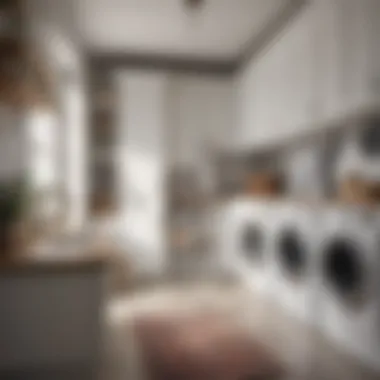

When making a choice between traditional and modern styles, homeowners should consider factors such as overall home decor, personal vibes, and functionality. Blending elements from both styles can also create a unique look that resonates with the homeowner's personal aesthetic while maintaining practicality in the laundry space.
In summation, understanding design trends helps in making choices that transform laundry rooms into effective, stylish spaces that serve both functionality and pleasure for users.
Environmental Considerations
Environmental considerations in laundry room design play a crucial role in promoting sustainable living. As households increasingly recognize the impact of their lifestyle choices on the environment, the laundry room presents an opportunity to implement eco-friendly practices. By focusing on sustainability, house owners can contribute to the reduction of their overall carbon footprint while enhancing the functionality of this essential space.
Contact with water and energy-efficient appliances can lead to significant savings, both financially and environmentally. Selecting appliances that use less water, such as Energy Star certified models, is a key step. These appliances not only save resources but also reduce long-term utility costs. Additionally, proper insulation and ventilation in the laundry area can help maintain optimal operating conditions for appliances, ensuring they work efficiently without wasting energy.
Sustainable Practices in Laundry
Sustainable practices in the laundry room encompass various strategies aimed at minimizing the environmental impact of laundry. Here are several effective approaches:
- Use of Eco-friendly detergents: Opt for detergents that are biodegradable and free from harmful chemicals. This minimizes pollution and protects water quality.
- Cold Water Washing: Using cold water instead of hot significantly reduces energy consumption. Most detergents are effective in cold water, making this practice both practical and sustainable.
- Air Drying: Whenever possible, hanging clothes to dry instead of using a dryer can save energy and extend the life of garments.
- Full Loads Only: Running the washing machine only when you have full loads can maximize efficiency, reducing water and electricity usage.
Incorporating these practices into daily routines can lead to measurable benefits for both the environment and household efficiency.
Water and Energy Efficiency
Efficient use of water and energy is fundamental in a laundry room. The goal is to achieve greater results while minimizing resource consumption. Households can achieve this by focusing on specific elements:
- Choosing High-Efficiency Washers: These machines use approximately 40% less water than standard washers. Brands like LG and Samsung offer models designed to maximize performance with minimal resource use.
- Energy Star Appliances: Investing in appliances certified by the Energy Star program ensures that they meet strict efficiency guidelines set by the U.S. Environmental Protection Agency.
- Routine Maintenance: Regular cleaning and maintenance of washers and dryers prevent efficiency losses that can occur over time. This simple practice can help maintain optimal performance and prolong appliance life.
- Smart Technology: Appliances featuring smart technology can monitor and adjust usage based on load size and type, optimizing energy consumption.
By prioritizing these efficiencies, house owners not only save money but also participate in a larger movement toward sustainability.
Psychology of Space
Understanding the psychology of space is crucial in designing a functional and aesthetically pleasing laundry room. This area is often overlooked in home decor, yet it plays a significant role in how one feels while completing mundane tasks. A well-thought-out space can enhance mood, increase efficiency, and promote a sense of well-being.
The elements of design that influence psychology in laundry rooms include layout, color schemes, lighting, and the presence of organization tools. Each of these components can contribute to a feeling of calm or stress. Research shows that organized and cohesive spaces can lower anxiety levels and increase overall satisfaction with household tasks. Therefore, when planning a laundry room, consideration of these psychological aspects is fundamental.
Impact of Design on Mood
The design of a laundry room significantly impacts the user's mood and mindset. A cluttered and chaotic environment can lead to feelings of frustration and stress, while an organized and inviting space can foster relaxation and efficiency.
Research indicates that uplifting colors such as light blues and yellows can create a serene atmosphere, while darker colors may induce a sense of heaviness. Consider the use of strategically placed windows for natural light, which has been shown to enhance mood and energy levels. Soft, ambient lighting can also make the space feel more welcoming.
Key factors influencing mood in laundry design:
- Color Choices: Lighter, neutral colors promote a calm feeling.
- Natural Light: Windows can provide a mental boost during laundry chores.
- Cleanliness and Order: A tidy space helps reduce anxiety and improve focus.
"A well-designed space not only serves functional purposes but also elevates the spirit."
Creating a Relaxing Environment
Creating a relaxing environment in a laundry room is not merely about functionality but also comfort and tranquility. The goal should be to transform what is typically seen as a chore into a more enjoyable experience.
Incorporating elements such as plants can add freshness and life to the room. Natural materials like wood or bamboo can create a warm atmosphere, promoting relaxation. Additionally, soundproofing options can minimize noise from washing machines and dryers, enhancing serenity.
Elements to consider for a calming laundry environment:
- Natural Elements: Use plants and wood textures to enhance relaxation.
- Soundproofing Solutions: Implementing materials that absorb noise can improve comfort.
- Creating Zones: Separate laundry tasks into different areas, making the space feel organized and efficient.
Ultimately, investing effort into understanding the psychology of space in laundry room design can lead to more meaningful and satisfying experiences for homeowners.
Future of Laundry Spaces
As we look ahead, the future of laundry spaces presents exciting possibilities in both design and functionality. With the continual evolution of technology, these areas are transitioning from mere utility rooms into innovative, multifunctional spaces. Homeowners and designers alike are increasingly recognizing the importance of creating laundry areas that are not only practical but also aesthetically pleasing.
New appliances and designs contribute to the efficiency of everyday tasks. In this evolving landscape, it is crucial to focus on the specific elements shaping these future spaces. There are significant benefits in embracing modern trends, which include improved organization, smarter water management, and eco-friendly practices. Thus, staying informed about these developments enhances the laundry experience for homeowners.
Emerging Technologies
Emerging technologies are at the forefront of transforming laundry spaces. Smart appliances are now capable of connecting to home networks. This allows for remote operation and monitoring through smartphones or tablets. For instance, brands like Samsung and LG offer washers that can notify users when a load is finished or if detergent is running low. Such conveniences streamline laundry tasks and cater to time-starved homeowners.
Another area of focus is the progress in energy-efficient machines. The latest washing machines use sensors to determine the appropriate water level based on the load size. This capability significantly reduces wasted water and energy consumption. Additionally, features like steam cleaning can reduce the need for harsh chemicals, appealing to environmentally conscious users.
Key technologies shaping the laundry room include:
- Smart controls for real-time monitoring and notifications.
- Variable load detection for optimized water use.
- Integrated drying solutions that combine washing and drying in one unit.
Predictions for Design Innovations
As we foresee future transformations, design innovations will likely reflect a blend of practicality and style. Minimalistic design trends are on the rise, emphasizing clean lines and uncluttered spaces. This aesthetic aligns with the broader movement towards creating serene home environments.
Designers are likely to incorporate multifunctional furniture into laundry rooms. For example, foldable ironing boards, pull-out drying racks, and integrated hampers can optimize space. These innovations help maintain organization and functionality while minimizing clutter.
Furthermore, the use of sustainable materials is expected to become more prevalent. Options, such as bamboo or recycled metals, will be favored for their environmental benefits. Homeowners may find that these choices enhance the overall look of their laundry rooms, making them feel more cohesive with the rest of their homes.